

Chilterns Nature - Chinnor Chalk Pits
Explore the tranquil chalk landscapes and rich geological heritage of Chinnor Chalk Pits in the heart of the Chiltern Hills.
Chinnor Chalk Pits is a serene nature reserve nestled in the Chiltern Hills near Chinnor, Oxfordshire. Famous for its striking white chalk formations and rich geological history dating back 100 million years, this site offers scenic views, diverse flora including rare orchids, and a tranquil environment for nature lovers and geology enthusiasts alike.
A brief summary to CHILTERNS NATURE - CHINNOR CHALK PITS
- 2 Chinnor Hill, Chinnor, OX39 4BA, GB
- Duration: 1 to 3 hours
- Free
-
 Outdoor
- Mobile reception: 4 out of 5
- Monday 12 am-12 am
- Tuesday 12 am-12 am
- Wednesday 12 am-12 am
- Thursday 12 am-12 am
- Friday 12 am-12 am
- Saturday 12 am-12 am
- Sunday 12 am-12 am
Local tips
- Wear sturdy footwear as the terrain includes steep slopes and uneven paths.
- Bring binoculars for birdwatching, especially to spot red kites and kestrels.
- Visit in spring or summer to see the wildflowers, including rare orchids, in full bloom.
- Respect the conservation signs and avoid swimming in the flooded chalk pits due to alkaline water.

For the on-the-go comforts that matter to you
- Restrooms
- Seating Areas
- Information Boards
Getting There
-
Train and Walk
Take a train to Chinnor station, then enjoy a scenic 10-15 minute uphill walk along Chinnor Hill to reach the chalk pits. The walking path is moderately steep and uneven, suitable for most fitness levels. There is no direct public transport to the site, so walking from Chinnor station is recommended.
-
Car
Driving to Chinnor Chalk Pits is possible with parking available in Chinnor village. From there, a 10-minute walk uphill on footpaths leads to the reserve. Parking may be limited during peak times, and the access path includes steep sections, so plan accordingly.
-
Bus and Walk
Local bus services connect Chinnor with nearby towns such as Thame and Princes Risborough. From the bus stop in Chinnor, expect a 15-20 minute walk uphill to the chalk pits. Bus frequency varies, so check schedules in advance.
CHILTERNS NATURE - CHINNOR CHALK PITS location weather suitability
-
 Any Weather
-
 Clear Skies
-
 Mild Temperatures
-
 Rain / Wet Weather
Discover more about CHILTERNS NATURE - CHINNOR CHALK PITS
Geological Significance and History
Chinnor Chalk Pits is a notable geological Site of Special Scientific Interest spanning approximately 20.4 hectares. The site exposes excellent sections of Totternhoe Stone from the mid-Cenomanian stage of the Cretaceous period, around 100 million years ago. It has yielded numerous fossils, especially ammonites, offering valuable insights into ancient marine life. The quarry itself is a narrow, deep formation stretching nearly a kilometer and is part of a complex of chalk pits that have shaped the Chiltern Hills’ landscape.Natural Environment and Wildlife
The reserve's chalk grassland supports a remarkable variety of wildflowers, including several orchid species and the nationally scarce Chiltern gentian. Seasonal blooms such as harebells and eyebright add delicate beauty to the landscape. The scrub areas with hawthorn, juniper, yew, and whitebeam provide rich habitats for birds, attracting migrant species in autumn. Red kites and kestrels are often seen soaring and hunting above the slopes, contributing to the area's vibrant wildlife.Landscape and Scenic Experience
Situated on the slopes of Chinnor Hill, the chalk pits offer panoramic views over the Vale of Aylesbury and the surrounding Chiltern countryside. The steep descent to the ancient Icknield Way, part of the Ridgeway National Trail, reveals the vast scale of disused chalk pits and the striking white chalk cliffs. The peaceful atmosphere and natural beauty make it an ideal spot for contemplative walks and photography.Human Impact and Conservation Efforts
Once an active quarry, much of the pit is now flooded, forming the Old Kiln Lakes, which are freshwater but highly alkaline. Fishing is permitted under management, but swimming is discouraged due to water conditions. Conservation efforts include managing ash dieback disease to protect the woodland and scrub habitats, ensuring the safety of visitors and the preservation of biodiversity. The area is maintained to balance public enjoyment with ecological sensitivity.Visitor Experience and Activities
Visitors can enjoy a circular wildlife walk marked by waymarkers, offering opportunities to observe the rich flora and fauna. Seasonal guided walks provide deeper insights into the area's natural and historical significance. The site’s tranquil setting and scenic views make it a favored destination for nature enthusiasts, photographers, and those seeking a peaceful retreat in the Chilterns.Connection to Local Heritage
Chinnor Chalk Pits lie near ancient pathways such as the Icknield Way and the Ridgeway, Britain's oldest roads, linking the site to a prehistoric past. Nearby Bronze Age burial mounds and historic quarrying sites enrich the cultural landscape, inviting visitors to explore both natural and human histories intertwined within the Chiltern Hills region.Iconic landmarks you can’t miss

Virgin Experience Days
18.7 km
Uncover unique gifts and memorable experiences at Virgin Experience Days in Bourne End, a must-visit for every tourist seeking adventure.
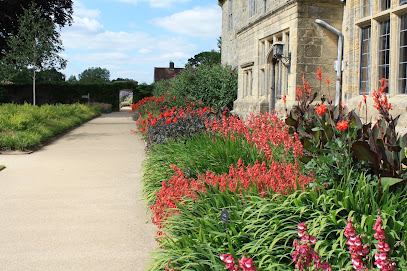
Maidenhead Railway Bridge
23.8 km
A masterpiece of Victorian engineering, Maidenhead Railway Bridge showcases Brunel’s groundbreaking design with its iconic flat brick arches spanning the Thames.

Sonning Bridge
24.4 km
An iconic 18th-century brick arch bridge linking Berkshire and Oxfordshire over the Thames, rich in history and riverside charm.
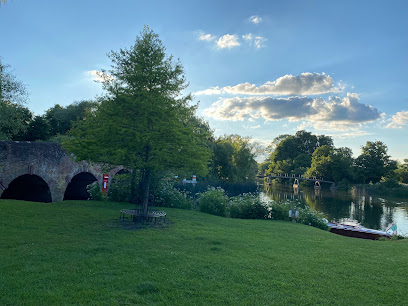
Magdalen Bridge
24.5 km
Historic stone bridge over the River Cherwell, blending centuries of architecture, culture, and Oxford traditions.

Oxford Botanic Garden
24.6 km
Explore the Oxford Botanic Garden, the oldest botanic garden in the UK, where diverse plant species and serene landscapes await your discovery.

Braywick Nature Centre
24.6 km
Explore the serene landscapes and diverse wildlife at Braywick Nature Centre, a perfect getaway for nature lovers and families in Maidenhead.
City Sightseeing Oxford
24.8 km
Discover Oxford’s rich history and stunning architecture with City Sightseeing Oxford’s immersive bus tours for an unforgettable travel experience.

The Oxford Ghost Tour
24.8 km
Discover the haunted history of Oxford with The Oxford Ghost Tour, where chilling stories and eerie legends await every curious traveler.

Christ Church Meadow
24.8 km
Explore the tranquil beauty of Christ Church Meadow, a picturesque garden in Oxford surrounded by historic college architecture and serene river views.
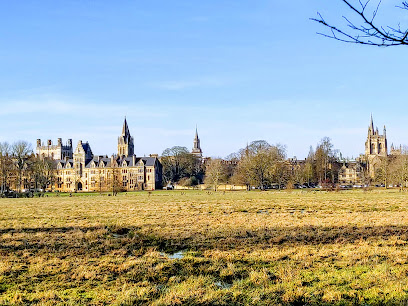
The Queen's College
24.9 km
Baroque splendour on Oxford's High Street—a historic college of architectural excellence and academic prestige.

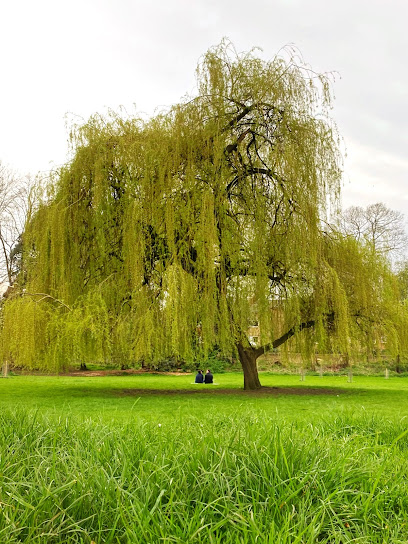
Willow Tree
25.0 km
Oxford's iconic riverside willow—a solitary natural landmark where history, romance, and tranquillity converge.
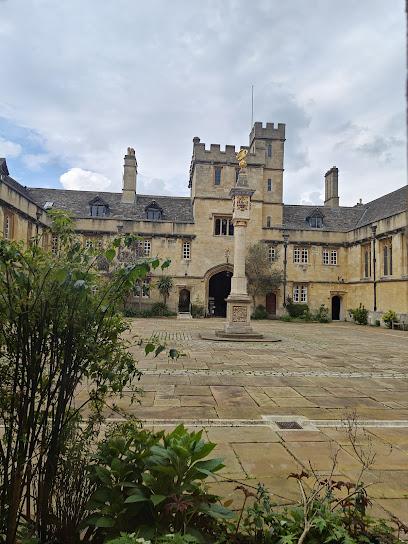
Corpus Christi College
25.0 km
Discover the historic charm and academic brilliance of Corpus Christi College, one of Oxford's oldest educational institutions, set in picturesque surroundings.
2.1
25.0 km
Discover Oriel Square, Oxford’s historic academic hub where royal heritage meets timeless scholarly tradition in a serene city setting.

Oriel College
25.0 km
Explore Oriel College, a historical gem in Oxford, and immerse yourself in centuries of academic excellence and stunning architecture.

Christ Church Picture Gallery
25.0 km
Explore the stunning Christ Church Picture Gallery in Oxford, home to a rich collection of art from the 14th to the 19th century, set in a historic college.

Unmissable attractions to see

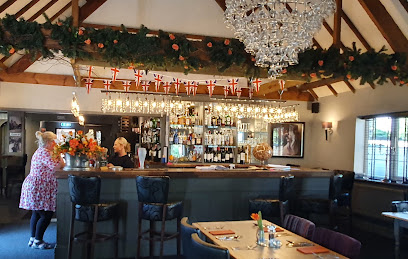
The Boot
4.0 km
A beloved gastropub in Bledlow Ridge offering hearty British classics, a welcoming atmosphere, and family-friendly outdoor spaces.
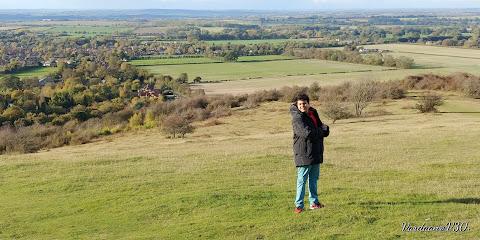
Chilterns National Landscape
5.6 km
Explore 324 square miles of rolling chalk hills, ancient woodlands, and historic villages in England’s tranquil Chilterns National Landscape.
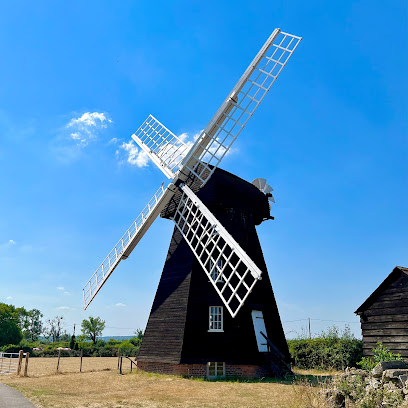
Lacey Green Windmill
6.0 km
Explore England’s oldest smock windmill nestled on the scenic Chiltern Hills, a living monument to rural heritage and volunteer passion.
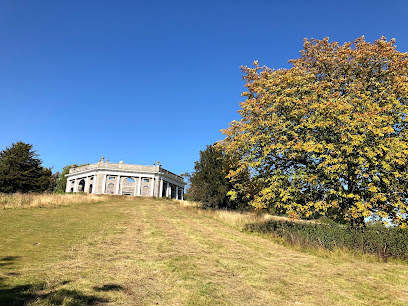
Dashwood Mausoleum
8.6 km
Historic 18th-century mausoleum with panoramic Chiltern Hills views, linked to Sir Francis Dashwood and the legendary Hellfire Club.
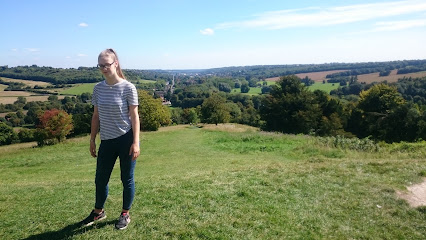
The Hellfire Caves
8.8 km
Explore the eerie 18th-century underground tunnels of The Hellfire Caves, steeped in mystery, history, and legendary secret societies.
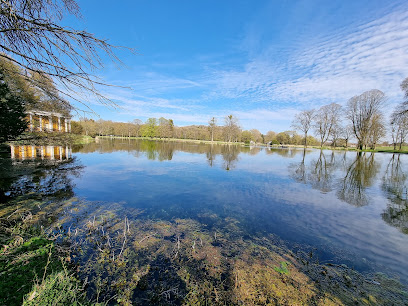
National Trust - West Wycombe Park
9.0 km
Explore West Wycombe Park’s grand Palladian mansion, enchanting rococo gardens, and historic village nestled in the scenic Chiltern Hills.
National Trust - Hughenden
11.2 km
Explore the Victorian grandeur and secret wartime legacy of Benjamin Disraeli’s cherished Chilterns estate.
Stonor Park
11.3 km
Explore Stonor Park, an 850-year-old family home with medieval roots, ancient stone circle, and tranquil Chiltern Hills gardens.
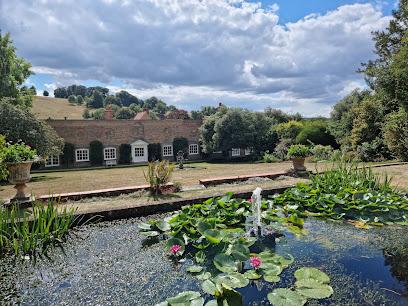
Eden, High Wycombe
12.5 km
A spacious, vibrant shopping and leisure hub in High Wycombe with over 100 stores, dining, cinema, and community events for all ages.

Chilterns Shopping Centre
12.6 km
A bustling retail hub in High Wycombe blending historic charm with diverse shops and lively community spirit.
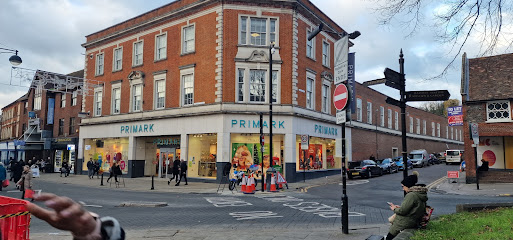
Church Square
12.7 km
Historic heart of High Wycombe where timeless architecture meets vibrant community life and cultural events.
Warburg Nature Reserve Berkshire, Buckinghamshire and Oxfordshire Wildlife Trust
12.9 km
Explore the tranquil Chilterns sanctuary of Warburg Nature Reserve, a vibrant refuge for rare orchids, fungi, and wildlife amid ancient woodlands and chalk grasslands.
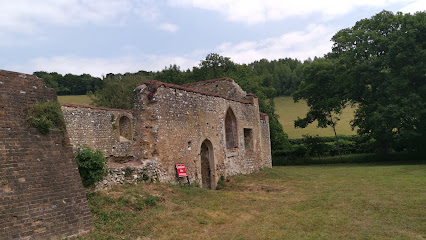
The Roald Dahl Museum and Story Centre
13.5 km
Where Roald Dahl's imagination came to life—explore the Writing Hut, meet beloved characters, and discover the magic of storytelling.
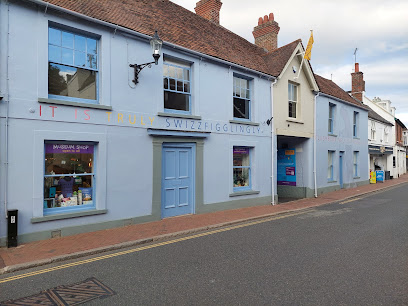
Waterperry House
14.3 km
Discover Waterperry House: a historic Georgian manor famed for its stunning frescoes, exquisite gardens, and rich horticultural heritage near Oxford.
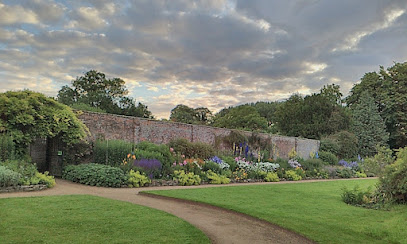
National Trust - Nuffield Place
14.8 km
Explore the historic home and gardens of Lord Nuffield, founder of Morris Motors, where industrial legacy meets tranquil Arts and Crafts beauty.
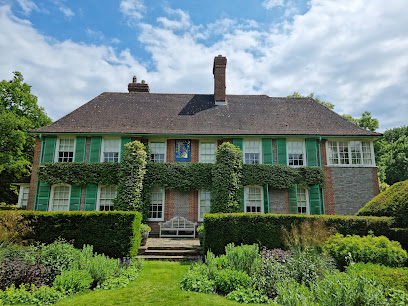
Essential places to dine

Seven Stars
10.5 km
Historic charm meets warm hospitality and delicious English cuisine in the heart of Ledbury at The Seven Stars pub and hotel.
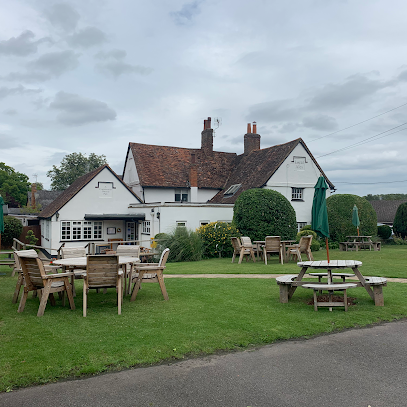
The Angel Restaurant
11.2 km
A charming seafood restaurant in Long Crendon blending historic ambiance with fresh, creative cuisine and warm hospitality.
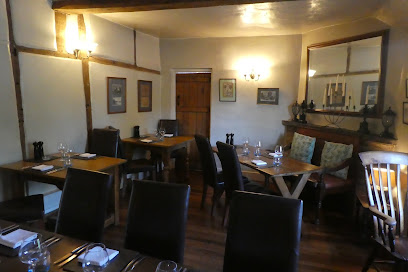
La table d'Alix at The Plough
12.1 km
Authentic French cuisine in a charming Oxfordshire village pub, blending rustic elegance with warm hospitality for memorable dining experiences.
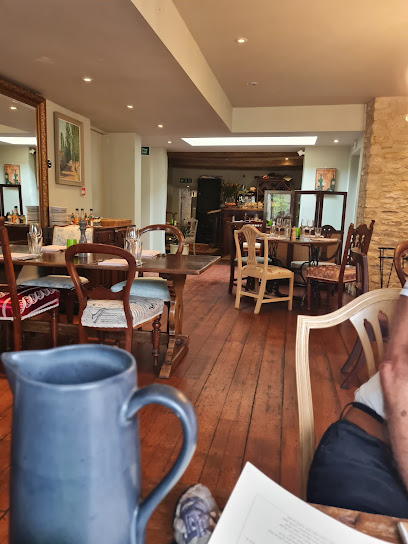
The Woolpack
12.6 km
A vibrant gastropub blending traditional British charm with modern dining in the heart of Stoke Mandeville.

Lucca Restaurant & Bar
13.3 km
Modern Italian dining with fresh flavors and a lively bar in the heart of Wendover’s charming High Street.
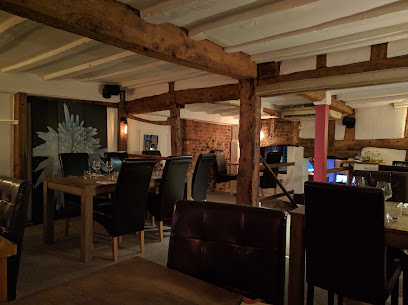
The Cross Keys
13.4 km
Historic 16th-century pub in Great Missenden offering seasonal British cuisine, traditional ales, and a warm, welcoming atmosphere.
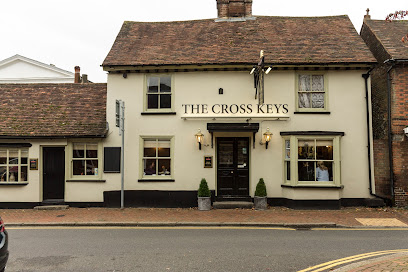
The Chequers Inn
14.3 km
A refined fine dining pub in Weston Turville, where locally sourced ingredients meet culinary artistry in a warm, elegant setting.
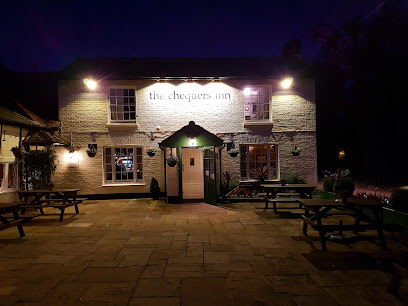
The Five Bells
14.3 km
A welcoming British gastropub in Weston Turville offering hearty classics, friendly service, and a cozy village atmosphere.
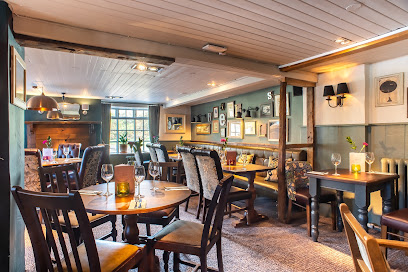
Broad Leys - Aylesbury
14.4 km
Historic charm meets modern comfort at The Broad Leys, a welcoming pub and guesthouse just outside Aylesbury town centre.
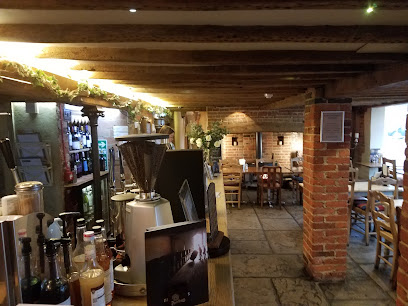
Glaze Steakhouse
14.8 km
Aylesbury’s upscale steakhouse delivering expertly cooked prime cuts in a stylish bar and grill setting with personalized service.

Rococo Lounge
14.8 km
Aylesbury’s eclectic lounge blending British classics with vegan and gluten-free delights in a funky, family-friendly setting.
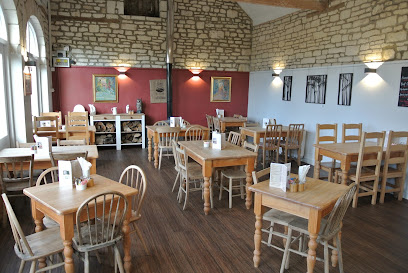
Miller & Carter Aylesbury
15.5 km
Savor expertly aged steaks in a spacious, welcoming setting with attentive service at Miller & Carter Aylesbury.
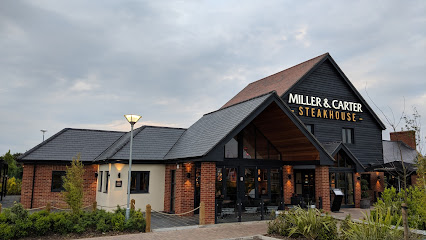
The COURTYARD
15.6 km
A lively family-friendly restaurant and live music venue with BBQ, beer garden, and cocktail bar in the heart of Weston Turville.
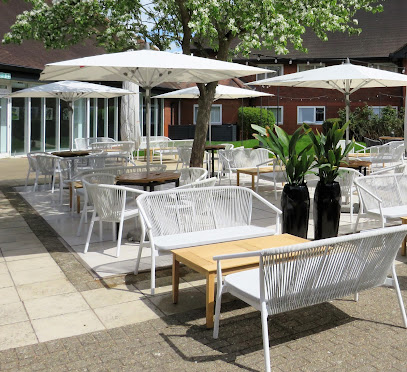
Vanilla Pod
16.2 km
Cozy Anglo-French dining in historic Marlow, blending refined flavors with literary heritage and exceptional service.
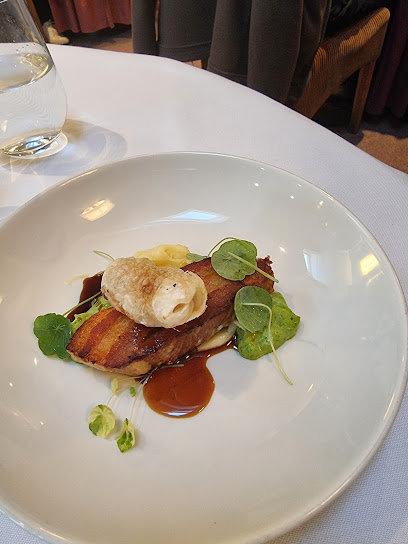
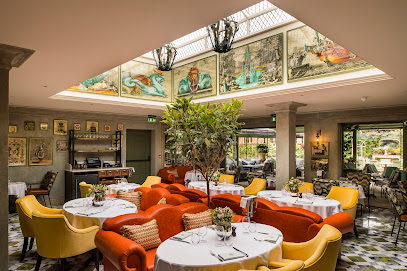
The Ivy Marlow Garden
16.4 km
Elegant British dining with Art Deco charm and a diverse menu on Marlow's historic High Street, perfect for special occasions and leisurely meals.
Markets, malls and hidden boutiques

Crystal Willow
11.9 km
Discover unique gifts and local treasures at Crystal Willow in Stoke Mandeville, the perfect stop for memorable souvenirs.
John Lewis & Partners
12.4 km
A trusted British department store blending quality, style, and service in the heart of High Wycombe’s Cressex Centre.

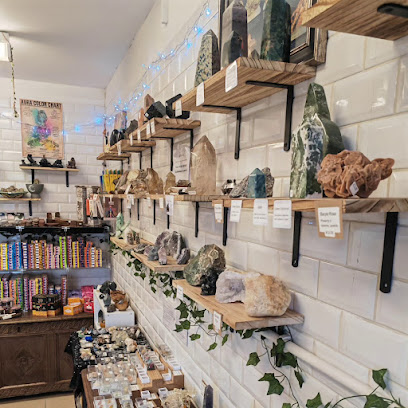
Ruby Moon
12.9 km
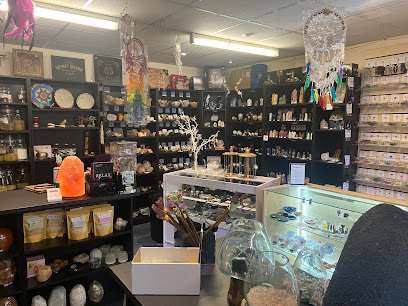
Explore the mystical world of crystals and unique gifts at Ruby Moon, High Wycombe’s beloved metaphysical emporium since 1998.

Number 1
13.4 km
Discover unique gifts and local crafts in the heart of Wendover’s charming High Street at Number 1 gift shop.

Little Wren Collections
13.5 km
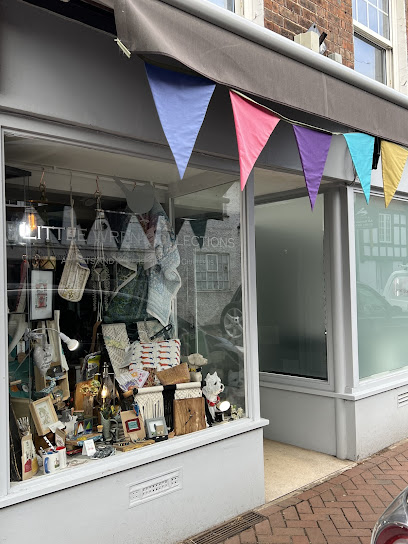
Discover handcrafted jewellery, unique gifts, and art treasures at Little Wren Collections in Great Missenden’s charming High Street.
Shop of magical requirements
14.5 km
Discover a whimsical world of magical memorabilia and enchanting treasures at Aylesbury’s unique Shop of Magical Requirements.
The Vintage Shop
14.6 km
Discover timeless antiques and unique vintage treasures in Aylesbury’s welcoming and affordable Vintage Shop.

Rabbit Retail
14.6 km
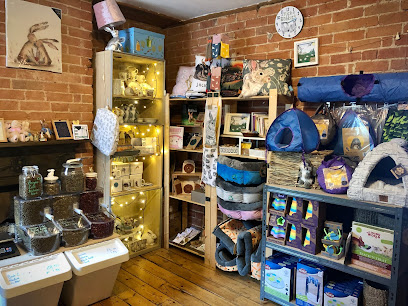
A charming boutique in Aylesbury offering unique gifts, eco-friendly products, and expert care for rabbits and their devoted owners.
House of Fraser
14.7 km
A central department store in Aylesbury’s Friars Square offering diverse fashion, homewares, and beauty products with a welcoming shopping environment.

Friars Square Shopping Centre
14.7 km
Aylesbury’s premier shopping destination offering diverse stores, modern amenities, and a welcoming atmosphere in the heart of town.

The Works
14.8 km
Discover affordable arts, crafts, books, and gifts for all ages at The Works in Aylesbury’s Hale Leys Shopping Centre.

One Beyond Aylesbury
14.9 km
Discover unbeatable bargains and a vast range of essentials at One Beyond Aylesbury, your go-to discount store in the heart of Hale Leys.

Hale Leys Shopping Centre
14.9 km
A historic and vibrant shopping centre in Aylesbury, blending heritage architecture with diverse retail and dining experiences.
Aylesbury Eco Store
15.0 km
Discover sustainable, zero-waste shopping at Aylesbury Eco Store, your local hub for eco-friendly living on High Street.

QD Aylesbury
15.0 km
Affordable home, garden, and lifestyle essentials with unique finds and community spirit in the heart of Aylesbury.

Essential bars & hidden hideouts

Dukes Wine Bar
5.8 km
Cozy wine bar in Princes Risborough offering a curated wine list, creative menu, and charming courtyard for relaxed socializing.
The Chilterns Fox
6.3 km
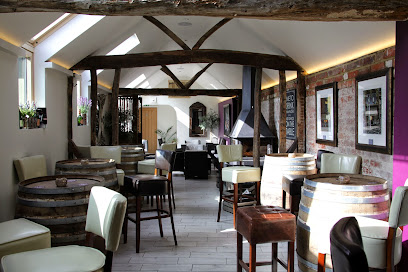
A cozy country pub and hotel in the Chiltern Hills offering hearty food, friendly service, and a peaceful rural retreat near High Wycombe.
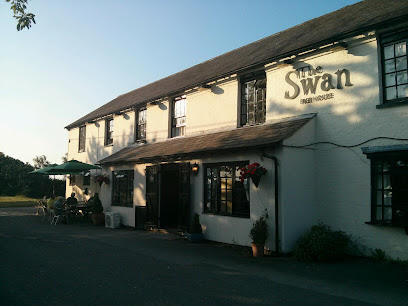
The Swan
8.6 km
A charming traditional pub and inn in Little Kimble offering hearty fare, cozy rooms, and a warm welcome amidst scenic Buckinghamshire countryside.
The Bugle Horn
12.4 km
A charming and cozy country pub in Hartwell serving hearty British classics with a warm, inviting atmosphere.
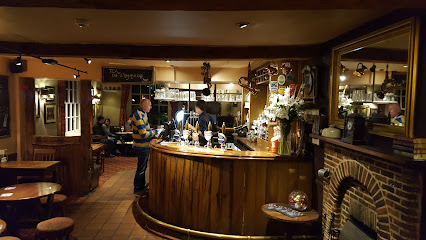
The Snug Bar High Wycombe
12.8 km
A vibrant cocktail bar in High Wycombe offering over 100 fresh cocktails, lively atmosphere, and great happy hour deals in a spacious, stylish setting.

Craftyard Aylesbury
14.7 km
A stylish, family-run craft beer and gin bar in Aylesbury with an industrial-chic vibe inspired by London’s vibrant streets.

Old Millwrights Arms
14.8 km
A lively, dog-friendly Aylesbury pub serving hearty roasts, wood-fired pizzas, and a fine selection of ales in a warm, welcoming atmosphere.

Buckinghamshire Yeoman
14.8 km
A lively, family- and pet-friendly pub in Aylesbury offering hearty meals, great sports viewing, and a welcoming local atmosphere.

The King's Head, Aylesbury
14.8 km
Historic 15th-century coaching inn in Aylesbury with authentic Chiltern Brewery ales, hearty British fare, and a charming cobbled courtyard.

The Rockwood
14.9 km
A warm, contemporary pub in Aylesbury blending traditional charm with fresh local flavors and lively community spirit.
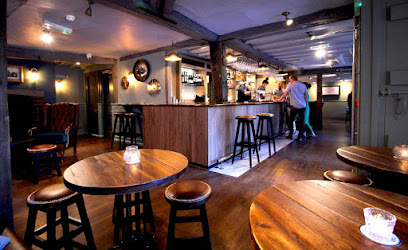
The Feathers Aylesbury
14.9 km
A lively Aylesbury pub blending traditional charm, modern sports viewing, and vibrant entertainment in the heart of Kingsbury Square.

Emperors Lounge
15.0 km
Lively late-night bar in Aylesbury with great music, friendly staff, and a vibrant dance floor for an unforgettable night out.

Cotton Wheel
15.3 km
Aylesbury’s friendly neighborhood pub serving fresh, affordable food and drinks in a warm, welcoming atmosphere.

The Oarsman, Marlow
16.1 km
Sophisticated gastropub in Marlow blending seasonal British cuisine, curated wines, and warm hospitality in a stylish setting.
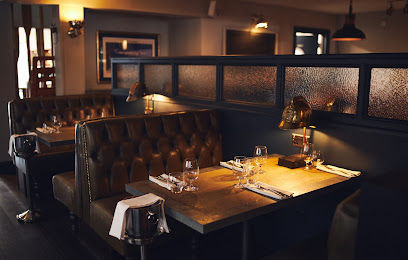
The Botanist Marlow
16.2 km
A lush, botanical-themed bar and restaurant in Marlow, alive with seasonal menus, inventive cocktails, and vibrant live music every weekend.
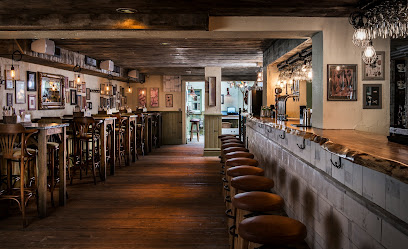
Nightclubs & after hour spots

The Venue, Bucks
12.7 km
Experience High Wycombe’s vibrant nightlife at The Venue, Bucks – a lively nightclub with great music, friendly staff, and a welcoming atmosphere.

Trilogy Nightclub High Wycombe
12.7 km
A lively multi-room nightclub in High Wycombe offering dynamic music, vibrant crowds, and late-night fun on Paul’s Row.

Mirage Aylesbury
15.0 km
Experience Aylesbury’s vibrant nightlife at Mirage, a lively nightclub offering music, dancing, and late-night fun in the heart of town.

Diligence
15.6 km
Experience the vibrant nightlife and dynamic music scene at Diligence, High Wycombe’s energetic nightclub on London Road.

TWC
17.9 km
Experience the vibrant nightlife and energetic party scene at TWC, Aylesbury’s premier nightclub destination.
Plush Oxford
25.4 km
Experience Oxford’s vibrant, inclusive nightlife hotspot with great music, cocktails, and a welcoming atmosphere at Plush Oxford.

Fever Oxford
25.5 km
Experience Oxford’s vibrant nightlife at Fever, a multi-room nightclub blending live DJs, dynamic music, and a lively party atmosphere.

ATIK Oxford
25.8 km
Oxford’s largest nightclub with diverse music rooms, vibrant atmosphere, and strong security, offering a late-night hub for students and locals alike.

Kiss Bar
25.8 km
An intimate late-night club in Oxford known for its vibrant atmosphere and close-knit party scene until its recent closure.

Oxford Leisure Ltd
25.9 km
Experience Oxford’s vibrant nightlife with dynamic music, themed events, and a lively dance floor at Oxford Leisure Ltd.

The Bridge Nightclub
25.9 km
Oxford’s lively student-focused nightclub with diverse music, multiple dance floors, and a spacious pub garden for late-night socializing.

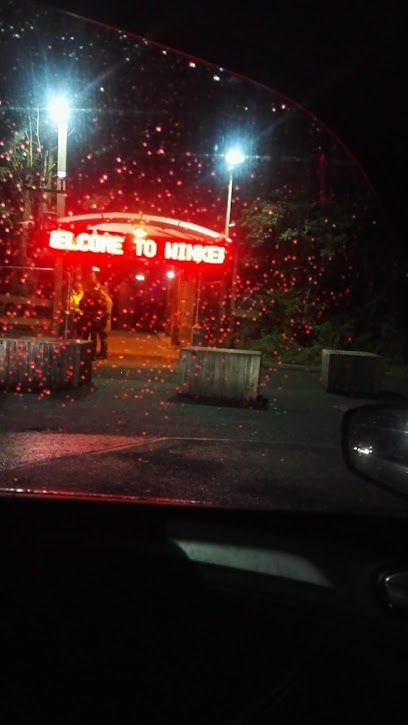
Winkers Nightclub
26.7 km
A lively, budget-friendly nightclub in Gerrards Cross offering energetic music and a casual local vibe for weekend partygoers.
Q Club
26.9 km
Experience Reading’s energetic nightlife at Q Club, a lively nightclub and bar offering music, drinks, and late-night fun on Friar Street.

Reading Lola Lo
27.0 km
Experience Reading’s premier tiki-themed nightclub with vibrant cocktails, lively music, and a unique Polynesian atmosphere on Friar Street.

Popworld - Reading
27.0 km
A vibrant pop-themed nightclub in Reading’s city centre, where retro beats meet neon-lit fun for unforgettable nights.

For the vibe & atmosphere seeker
- Relaxing
- Tranquil
- Scenic
- Unique
For the design and aesthetic lover
- Rustic Designs
- Vintage Styles
For the architecture buff
- Historic
- Parks & Gardens
- Heritage Neighborhoods
For the view chaser and sunset hunter
- Iconic Views
- Panoramas
- Sunset Spots
For the social media creator & influencer
- Instagrammable
- Photo Spots
- Aesthetic Corners
For the eco-conscious traveler
- Protected Area
- Nature Reserve
- Public-Transport Accessible
- Locally Managed
For the kind of experience you’re after
- Cultural Heritage
- Nature Escape
- Day Trip
- Photowalk
- Weekend Getaway
For how adventurous you want the journey to be
- Easy Access
Location Audience
- Family Friendly
- Senior Friendly
- Child Friendly
- Teen Friendly
- Wheelchair Access
- Pet Friendly
- Solo Friendly
- Couple Friendly


