

Hughenden Manor: Victorian Legacy and Secret Wartime History in the Chilterns
Explore the Victorian grandeur and secret wartime legacy of Benjamin Disraeli’s cherished Chilterns estate.
Hughenden Manor, nestled in the Chiltern Hills near High Wycombe, is a striking Victorian Gothic mansion that was the beloved country home of British Prime Minister Benjamin Disraeli. This National Trust property offers visitors a glimpse into Victorian political and domestic life, with richly decorated rooms, personal artifacts, and extensive gardens. The estate also holds a fascinating secret history as a top-secret World War II map-making base, adding layers of intrigue to its stately charm.
A brief summary to National Trust - Hughenden
- Hughenden Manor, High Wycombe, HP14 4LA, GB
- +441494755573
- Visit website
- Duration: 2 to 4 hours
- Mid ranged
-
 Outdoor
- Mobile reception: 4 out of 5
- Monday 10 am-4 pm
- Tuesday 10 am-4 pm
- Wednesday 10 am-4 pm
- Thursday 10 am-4 pm
- Friday 10 am-4 pm
- Saturday 10 am-4 pm
- Sunday 10 am-4 pm
Local tips
- Visit on weekdays or later in the day during busy seasons to avoid crowds and secure entry to the house.
- Allow time to explore both the manor’s interior and the extensive gardens and woodland walks.
- Check for special exhibitions and talks, especially those focusing on the WWII secret map-making operation.
- Wear comfortable shoes as the estate includes some steep slopes and uneven paths.
- The ground floor is wheelchair accessible, but upper floors have limited access.

For the on-the-go comforts that matter to you
- Restrooms
- Drink Options
- Food Options
- Seating Areas
- Information Boards
- Visitor Center
Getting There
-
Train and Bus
From London Marylebone, take a train to High Wycombe station (approximately 30–40 minutes). From High Wycombe, catch the Arriva bus service 35 or 36 towards Hughenden (about 15 minutes). The bus stops near the manor entrance. Tickets cost around £10–£15 total. Bus frequency is roughly every 30 minutes, with reduced service on Sundays.
-
Car
Driving from central High Wycombe takes about 15 minutes via the A4128. Parking is available on site but can fill quickly during peak times. There is a moderate parking fee of approximately £5. Note the estate is on a hill with some steep access roads.
-
Walking
For active visitors, a 2 km walk from High Wycombe town centre to Hughenden Manor through the Chiltern countryside offers scenic views and woodland paths. The terrain includes some slopes and uneven ground, so suitable footwear is recommended. The walk takes about 30–40 minutes.
National Trust - Hughenden location weather suitability
-
 Any Weather
-
 Clear Skies
-
 Mild Temperatures
-
 Rain / Wet Weather
Discover more about National Trust - Hughenden
A Storied Estate Rooted in English History
Hughenden Manor’s origins trace back to the Norman era, first recorded in 1086 as part of Queen Edith’s lands. Over centuries, it passed through royal and noble hands until the 18th century when the current red-brick Georgian house was constructed. In 1847, the estate was purchased by Isaac D’Israeli, father of Benjamin Disraeli, who would become one of Britain’s most influential Victorian Prime Ministers. Disraeli and his wife Mary Anne made Hughenden their cherished country retreat, symbolizing his political stature and personal tastes.Architectural Transformation and Victorian Grandeur
In the early 1860s, Hughenden was extensively remodelled by the architect Edward Buckton Lamb, who infused the house with a distinctive Gothic Revival style. Lamb’s design introduced crenellations, angular brickwork, and a façade that combined both imposing and idiosyncratic elements, reflecting the Disraelis’ tastes. Inside, visitors encounter lavishly decorated rooms filled with Disraeli’s personal possessions, political memorabilia, and portraits, including a notable gallery of friends and colleagues. The intimate yet grand atmosphere captures the essence of Victorian high society and political life.Gardens Crafted by Mary Anne Disraeli
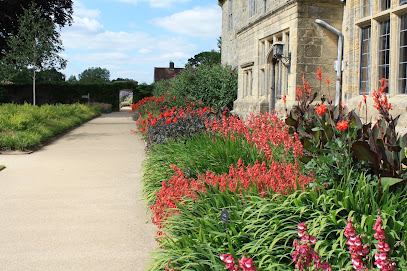
The manor is set within a wooded Chiltern valley, where Mary Anne Disraeli created elegant gardens featuring a Victorian parterre, classical statuary, and a re-created orchard with dozens of apple and pear varieties. Woodland walks and scenic views of the surrounding countryside offer a tranquil contrast to the house’s architectural boldness. The gardens not only enhance the estate’s beauty but also provide insight into Victorian horticultural tastes and leisure.World War II: A Hidden Chapter of Secrecy and Strategy
During the 1940s, Hughenden Manor played a crucial but secret role in the Allied war effort. Known by the codename Hillside, the manor was transformed into a top-secret RAF base where men and women produced detailed target bombing maps from aerial reconnaissance photographs. This covert operation remained undisclosed until the early 21st century, adding a remarkable wartime dimension to the estate’s history. Exhibits and audio-visual displays now reveal this fascinating chapter, showcasing personal stories and artifacts from those involved.Visitor Experience and Preservation
Today, Hughenden Manor is managed by the National Trust and open to the public for much of the year. The house is preserved to reflect the Disraelis’ era, offering visitors a richly immersive historical experience. The grounds provide peaceful walks, and the estate includes a shop and café. Accessibility is supported on the ground floor, though upper floors have limited access. The estate’s layered history, combining political legacy, architectural distinction, horticultural charm, and wartime intrigue, makes it a compelling destination for history enthusiasts and nature lovers alike.Legacy of Benjamin Disraeli
Benjamin Disraeli’s connection to Hughenden is deeply personal and political. As a two-time Prime Minister and a leading figure of the Conservative Party, his ownership of the estate symbolized the importance of landownership for political representation in Victorian England. Disraeli and Mary Anne’s influence is evident throughout the manor and gardens, from architectural details to the carefully curated collections. Their tomb lies nearby in the churchyard, completing the estate’s narrative as both a home and a monument to a pivotal figure in British history.Iconic landmarks you can’t miss

Virgin Experience Days
8.8 km
Uncover unique gifts and memorable experiences at Virgin Experience Days in Bourne End, a must-visit for every tourist seeking adventure.
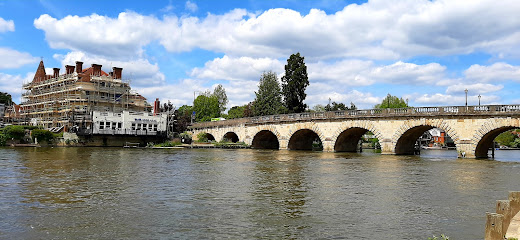
Maidenhead Railway Bridge
14.9 km
A masterpiece of Victorian engineering, Maidenhead Railway Bridge showcases Brunel’s groundbreaking design with its iconic flat brick arches spanning the Thames.
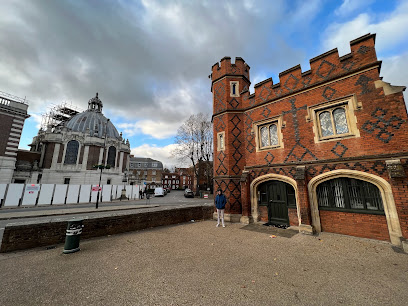
Burning Bush
20.4 km
A striking Gothic iron lamp embodying Eton College’s royal heritage and scholastic tradition on the historic High Street.
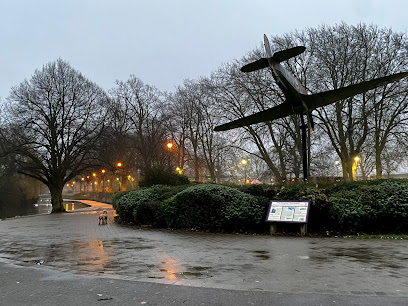
Sydney Camm Memorial
20.8 km
A full-size Hawker Hurricane replica honouring the Windsor-born designer who shaped aviation history.
Windsor Martyrs' Memorial
21.2 km
A solemn tribute in Windsor honoring Protestant martyrs who bravely faced persecution during England's Reformation.
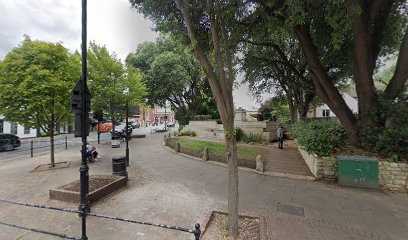
Bronze Plaque № 10828
21.2 km
A subtle yet significant bronze plaque marking Windsor’s rich historical heritage on Thames Street.
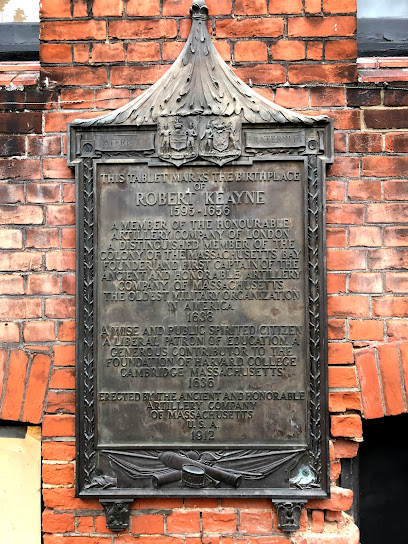
The Curfew Tower
21.2 km
Explore the medieval Curfew Tower, a historic bell tower and fortress sentinel within Windsor Castle’s ancient walls.
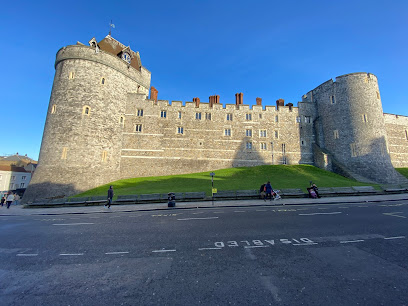
St George's Chapel
21.3 km
England's finest Gothic chapel and resting place of monarchs, where medieval craftsmanship meets royal history.
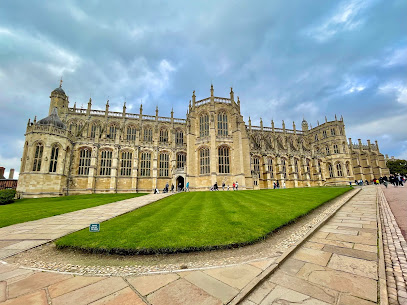
Monument Commemorating the Diamond Jubilee
21.3 km
Explore the Monument Commemorating the Diamond Jubilee, a stunning tribute to Queen Elizabeth II in the heart of Windsor, rich with royal history.
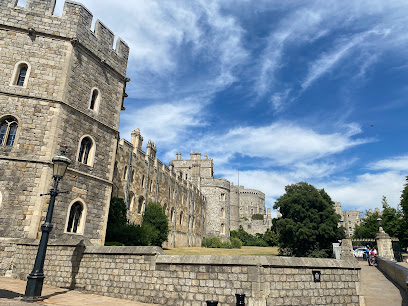
Windsor Castle
21.3 km
Experience the grandeur of Windsor Castle, a royal residence steeped in history and beauty, where every corner reveals a story of the British monarchy.
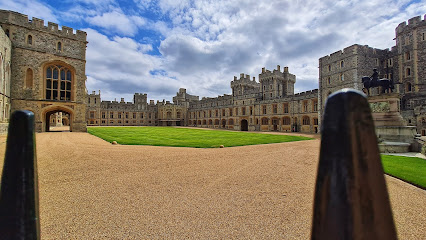
The State Apartments
21.4 km
Uncover the royal legacy at The State Apartments, a stunning historical landmark within Windsor Castle, steeped in art, architecture, and royal history.
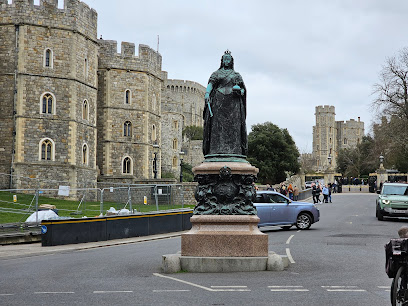
Queen Victoria Statue
21.4 km
A majestic bronze tribute to Queen Victoria’s Golden Jubilee, standing proudly at Windsor Castle’s entrance, celebrating Victorian royal heritage.
H. G. Wells White Plaque
21.4 km
Discover the H. G. Wells White Plaque on Windsor’s High Street, marking the early footsteps of a legendary science fiction pioneer.
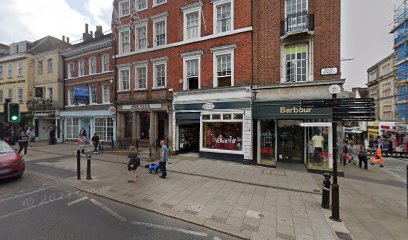
Historical Windsor
21.4 km
Discover unique souvenirs and gifts at Historical Windsor, the perfect shop to capture the essence of this royal town's heritage.
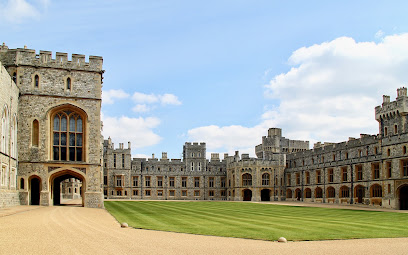
Windsor Castle Quadrangle
21.4 km
The ceremonial heart of Windsor Castle where royal pageantry, Gothic architecture, and 700 years of monarchy converge.
Unmissable attractions to see

Chilterns Shopping Centre
2.2 km
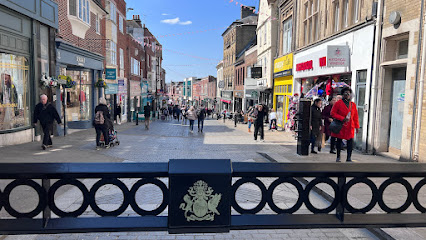
A bustling retail hub in High Wycombe blending historic charm with diverse shops and lively community spirit.
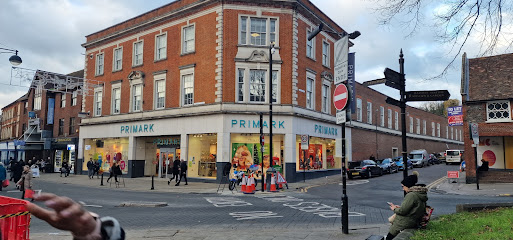
Eden, High Wycombe
2.3 km
A spacious, vibrant shopping and leisure hub in High Wycombe with over 100 stores, dining, cinema, and community events for all ages.
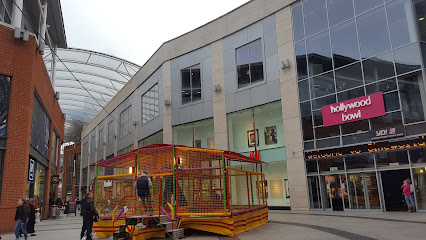
Church Square
2.4 km
Historic heart of High Wycombe where timeless architecture meets vibrant community life and cultural events.

The Hellfire Caves
3.2 km
Explore the eerie 18th-century underground tunnels of The Hellfire Caves, steeped in mystery, history, and legendary secret societies.
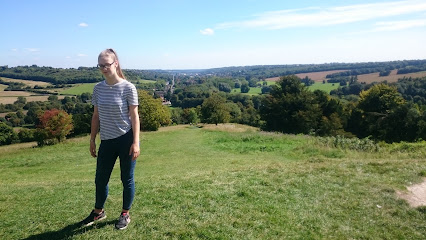
Dashwood Mausoleum
3.4 km
Historic 18th-century mausoleum with panoramic Chiltern Hills views, linked to Sir Francis Dashwood and the legendary Hellfire Club.
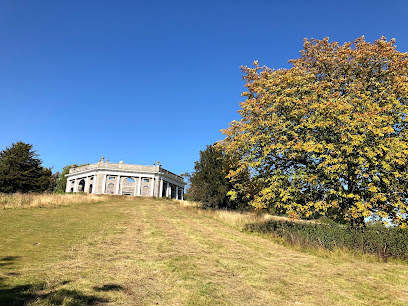
National Trust - West Wycombe Park
3.5 km
Explore West Wycombe Park’s grand Palladian mansion, enchanting rococo gardens, and historic village nestled in the scenic Chiltern Hills.
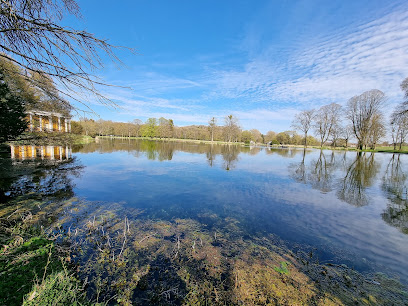
Chilterns National Landscape
6.6 km
Explore 324 square miles of rolling chalk hills, ancient woodlands, and historic villages in England’s tranquil Chilterns National Landscape.
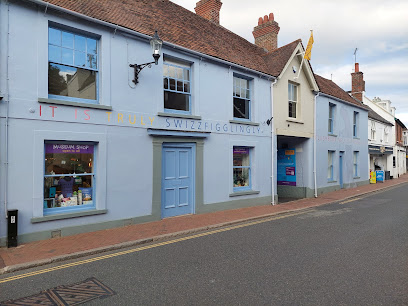
The Roald Dahl Museum and Story Centre
6.7 km
Where Roald Dahl's imagination came to life—explore the Writing Hut, meet beloved characters, and discover the magic of storytelling.
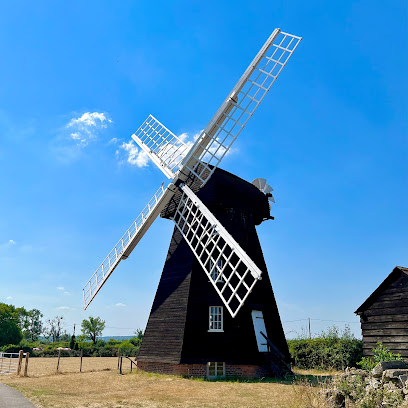
Lacey Green Windmill
6.8 km
Explore England’s oldest smock windmill nestled on the scenic Chiltern Hills, a living monument to rural heritage and volunteer passion.
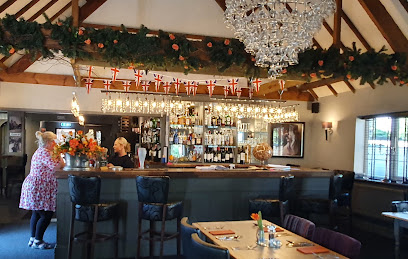
The Boot
7.2 km
A beloved gastropub in Bledlow Ridge offering hearty British classics, a welcoming atmosphere, and family-friendly outdoor spaces.
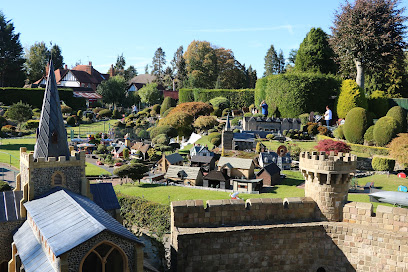
Bekonscot Model Village & Railway
8.7 km
Step into the world’s oldest model village and railway, where 1930s rural England comes alive in exquisite miniature detail across 1.5 acres of gardens.
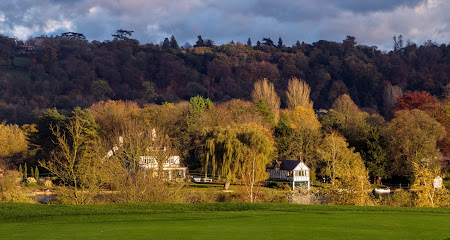
Cock Marsh
8.9 km
Discover Cock Marsh, a tranquil riverside nature reserve blending rare wildlife habitats with ancient Bronze Age burial mounds in scenic Berkshire.
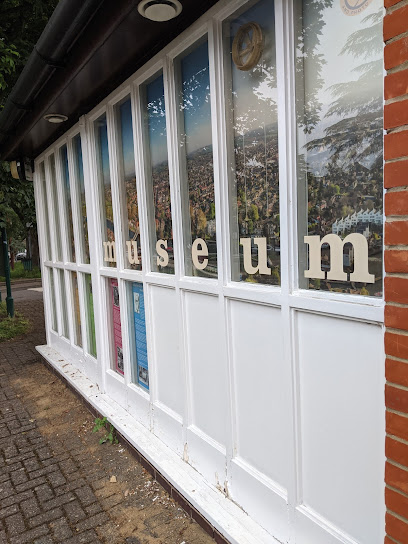
Marlow Museum
9.3 km
Discover Marlow’s rich heritage through engaging exhibits and passionate volunteer storytelling in a charming riverside setting.
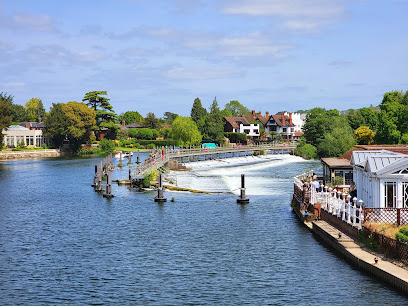
Marlow Lock
9.4 km
Historic lock and weir on the River Thames offering scenic riverside walks and a glimpse into centuries of river navigation heritage.
Higginson Park and Court Garden Leisure Complex
9.4 km
A historic riverside park in Marlow blending natural beauty, leisure facilities, and family-friendly activities along the iconic Thames Path.
Essential places to dine

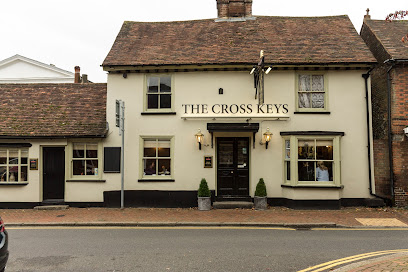
The Cross Keys
6.7 km
Historic 16th-century pub in Great Missenden offering seasonal British cuisine, traditional ales, and a warm, welcoming atmosphere.
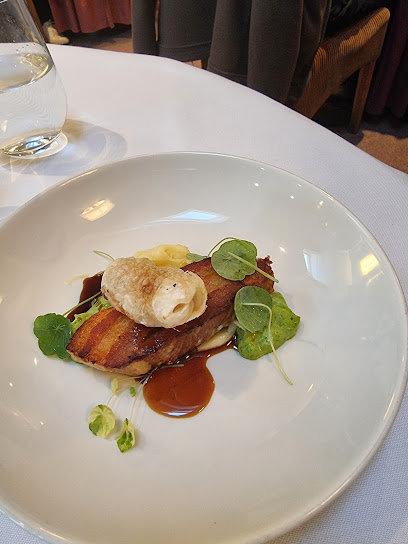
Vanilla Pod
9.0 km
Cozy Anglo-French dining in historic Marlow, blending refined flavors with literary heritage and exceptional service.
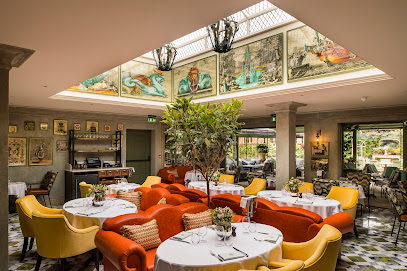
The Ivy Marlow Garden
9.1 km
Elegant British dining with Art Deco charm and a diverse menu on Marlow's historic High Street, perfect for special occasions and leisurely meals.
The Artichoke
9.8 km
Michelin-starred modern British cuisine in a historic 16th-century setting, blending seasonal local produce with creative flair and impeccable service.
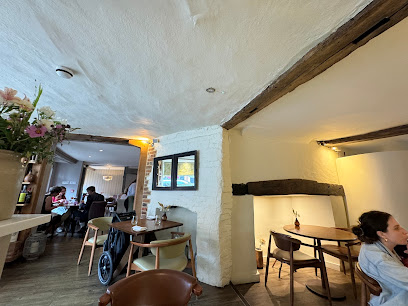
Bespoke Restaurants
10.1 km
Elegant dining in Beaconsfield’s historic Old Rectory, where bespoke cuisine meets timeless charm.
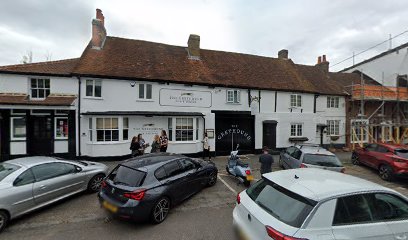
The Cliveden Dining Room
11.3 km
Experience refined British fine dining in the historic grandeur of Cliveden House, set amidst breathtaking gardens near London.
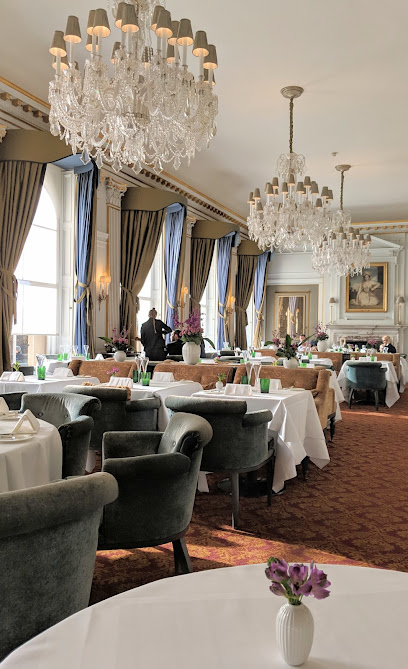
The Restaurant at Danesfield House
11.9 km
Elegant British dining in a historic country house with stunning views of the Thames and Chiltern Hills near Marlow.
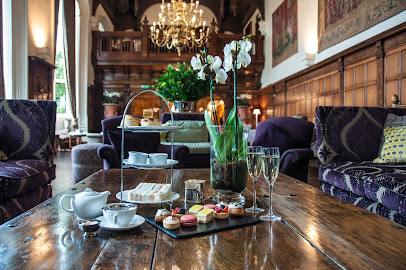
Lucca Restaurant & Bar
12.4 km
Modern Italian dining with fresh flavors and a lively bar in the heart of Wendover’s charming High Street.
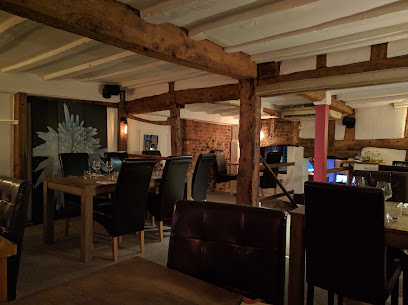
Nomadic Dinners
14.4 km
Experience a magical woodland feast where nature, fire, and seasonal flavors unite in a unique outdoor dining celebration.
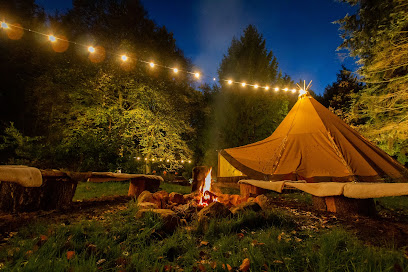
Lytton Restaurant
14.8 km
Elegant English dining with seasonal menus and tranquil garden views in the heart of Chalfont St Peter.
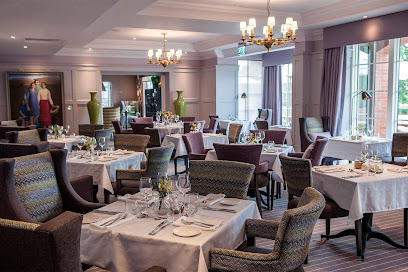
The Three Oaks
14.9 km
A Michelin Bib Gourmand gastropub blending modern British cuisine with Asian flair in a charming Tudor-style setting.
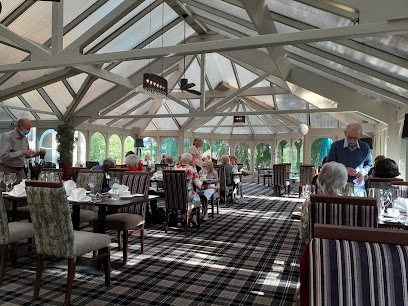
The Woolpack
15.0 km
A vibrant gastropub blending traditional British charm with modern dining in the heart of Stoke Mandeville.
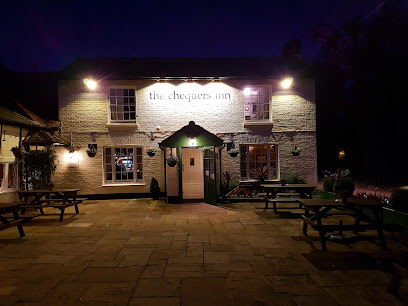
The Chequers Inn
15.2 km
A refined fine dining pub in Weston Turville, where locally sourced ingredients meet culinary artistry in a warm, elegant setting.
The Five Bells
15.5 km
A welcoming British gastropub in Weston Turville offering hearty classics, friendly service, and a cozy village atmosphere.
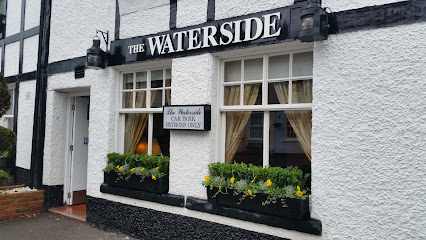
The Waterside Inn
16.3 km
Experience timeless French haute cuisine and riverside elegance at The Waterside Inn, Bray’s iconic three-Michelin-starred restaurant and hotel.
Markets, malls and hidden boutiques

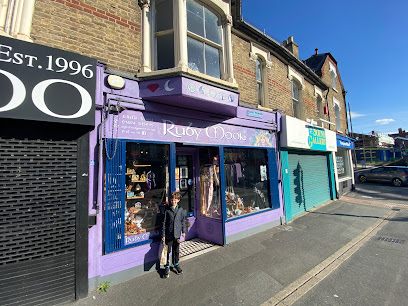
Ruby Moon
2.5 km
Explore the mystical world of crystals and unique gifts at Ruby Moon, High Wycombe’s beloved metaphysical emporium since 1998.
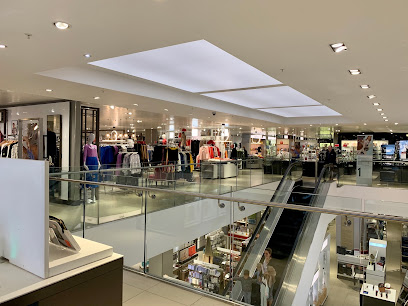
John Lewis & Partners
4.8 km
A trusted British department store blending quality, style, and service in the heart of High Wycombe’s Cressex Centre.
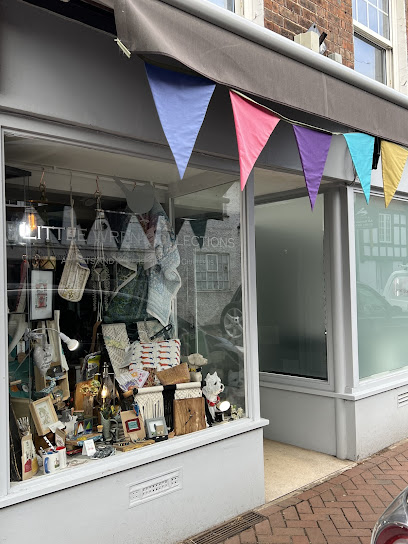
Little Wren Collections
6.7 km
Discover handcrafted jewellery, unique gifts, and art treasures at Little Wren Collections in Great Missenden’s charming High Street.
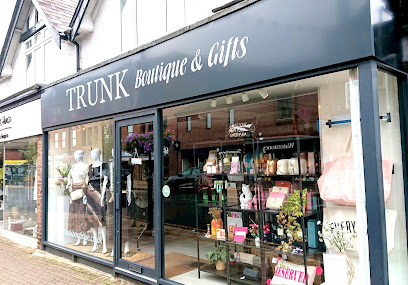
Trunk Lifestyle Boutique
10.8 km
Discover unique fashion, gifts, and local artisan creations in a warm, creative boutique nestled in the heart of Amersham.
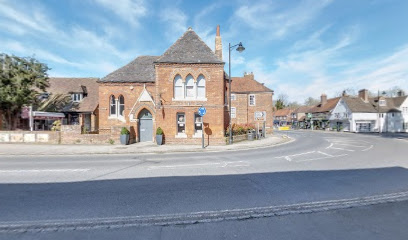
Number 1
12.5 km
Discover unique gifts and local crafts in the heart of Wendover’s charming High Street at Number 1 gift shop.
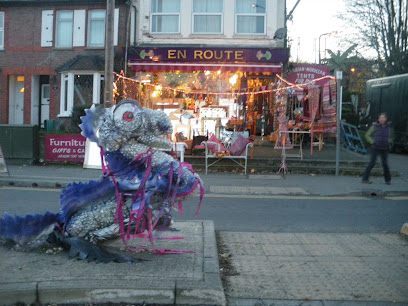
En Route
12.6 km
Explore En Route in Chesham for unique gifts and local treasures that capture the essence of this charming community.
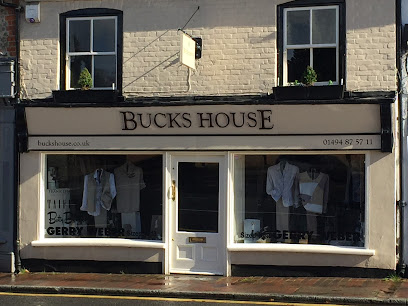
Bucks House
13.0 km
Discover timeless ladies’ fashion and personalized service at Bucks House, a charming boutique nestled in the heart of Chalfont Saint Giles.
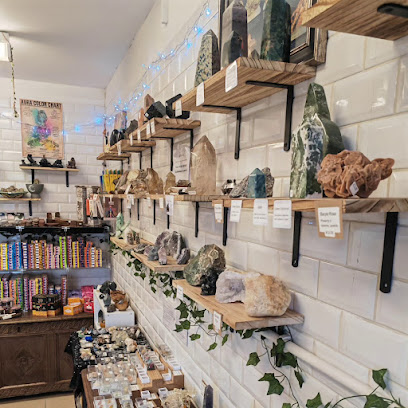
Crystal Willow
14.3 km
Discover unique gifts and local treasures at Crystal Willow in Stoke Mandeville, the perfect stop for memorable souvenirs.
Nicholsons Shopping Centre
14.5 km
A vibrant shopping hub in Maidenhead blending big-name brands with charming boutiques for a diverse retail experience.
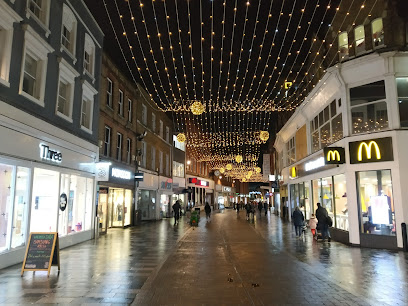
Fancy That
17.1 km
Discover a charming gift shop in Tring offering unique presents, local crafts, and classic toys on the historic High Street.

Friars Square Shopping Centre
18.7 km
Aylesbury’s premier shopping destination offering diverse stores, modern amenities, and a welcoming atmosphere in the heart of town.

House of Fraser
18.7 km
A central department store in Aylesbury’s Friars Square offering diverse fashion, homewares, and beauty products with a welcoming shopping environment.
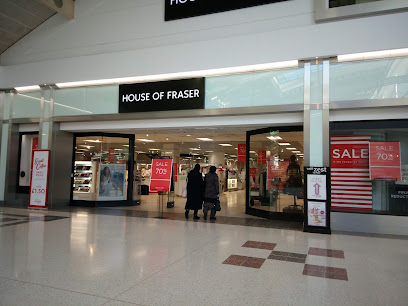
Shop of magical requirements
18.7 km
Discover a whimsical world of magical memorabilia and enchanting treasures at Aylesbury’s unique Shop of Magical Requirements.
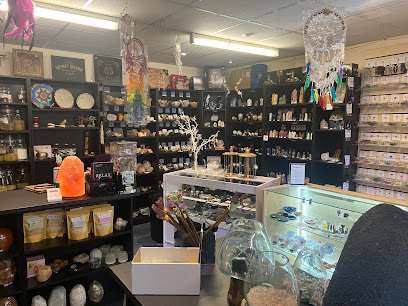
The Vintage Shop
18.8 km
Discover timeless antiques and unique vintage treasures in Aylesbury’s welcoming and affordable Vintage Shop.
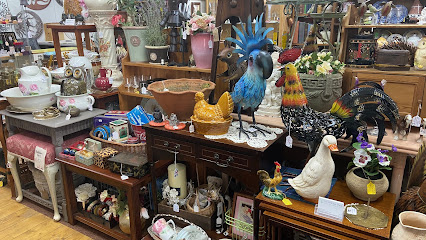
The Works
18.8 km
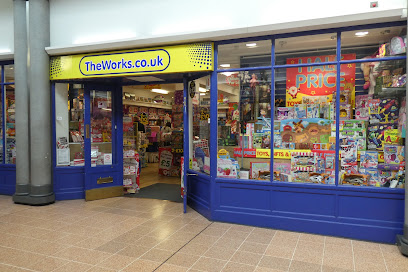
Discover affordable arts, crafts, books, and gifts for all ages at The Works in Aylesbury’s Hale Leys Shopping Centre.
Essential bars & hidden hideouts

The Snug Bar High Wycombe
2.5 km
A vibrant cocktail bar in High Wycombe offering over 100 fresh cocktails, lively atmosphere, and great happy hour deals in a spacious, stylish setting.
The Hit or Miss
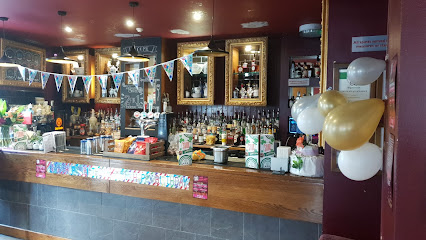
6.2 km
A cozy country pub in Amersham offering hearty British fare and friendly service in a charming village setting.
The Royal Standard of England
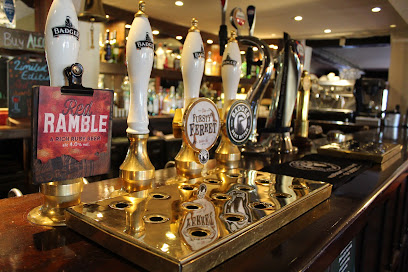
7.0 km
Step into England’s oldest freehouse, where 900 years of royal history, ghostly legends, and timeless ale await in a charming rural setting.
The Oarsman, Marlow
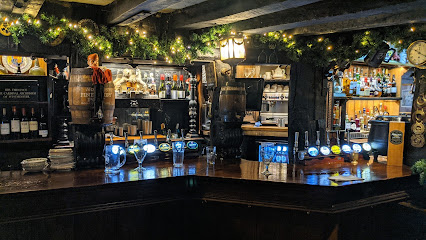
8.8 km
Sophisticated gastropub in Marlow blending seasonal British cuisine, curated wines, and warm hospitality in a stylish setting.
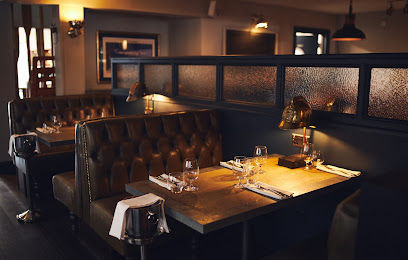
The Botanist Marlow
9.0 km
A lush, botanical-themed bar and restaurant in Marlow, alive with seasonal menus, inventive cocktails, and vibrant live music every weekend.
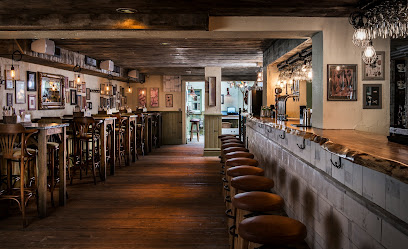
The Old Brewery
9.1 km
A vibrant Marlow pub with great beers, lively sports screens, and welcoming service for all occasions.
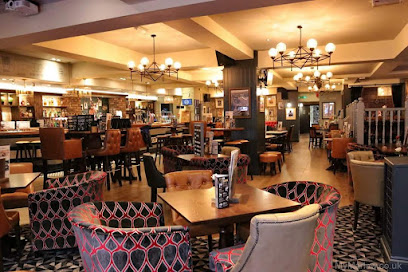
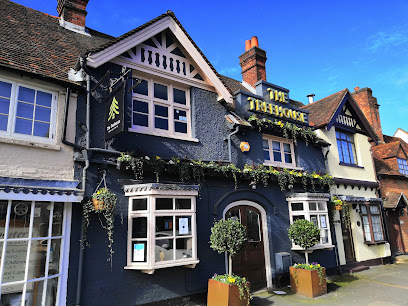
The Treehouse
9.8 km
A vibrant bar in Beaconsfield known for quality cocktails, friendly service, and a lively social atmosphere.
Dukes Wine Bar
9.8 km
Cozy wine bar in Princes Risborough offering a curated wine list, creative menu, and charming courtyard for relaxed socializing.
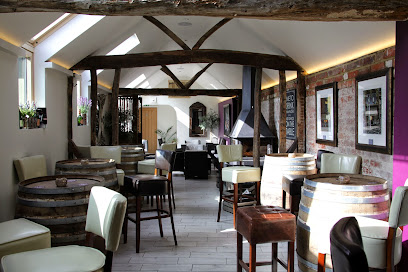
The Chilterns Fox
11.1 km
A cozy country pub and hotel in the Chiltern Hills offering hearty food, friendly service, and a peaceful rural retreat near High Wycombe.
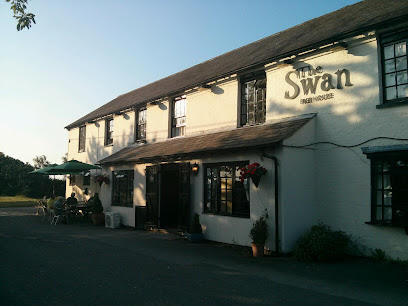
The Swan
11.8 km
A charming traditional pub and inn in Little Kimble offering hearty fare, cozy rooms, and a warm welcome amidst scenic Buckinghamshire countryside.
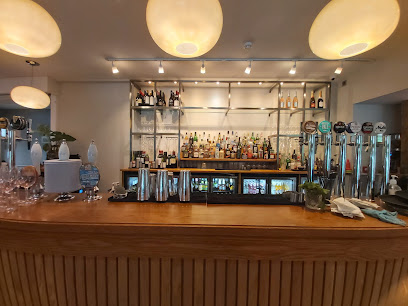
The Boathouse at Boulters Lock
13.7 km
Riverside gastropub on Boulters Lock Island offering seasonal British cuisine, stunning river views, and a warm, stylish atmosphere.
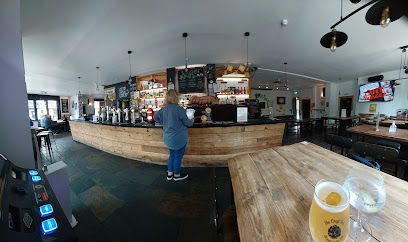
Off The Tap
14.5 km
Lively Maidenhead pub offering craft beers, tasty pub fare, and vibrant events in a welcoming, fun atmosphere.
The Oak, Aston Clinton
17.1 km
A historic 500-year-old thatched village pub offering rustic home-cooked meals, local ales, and warm family hospitality in scenic Aston Clinton.
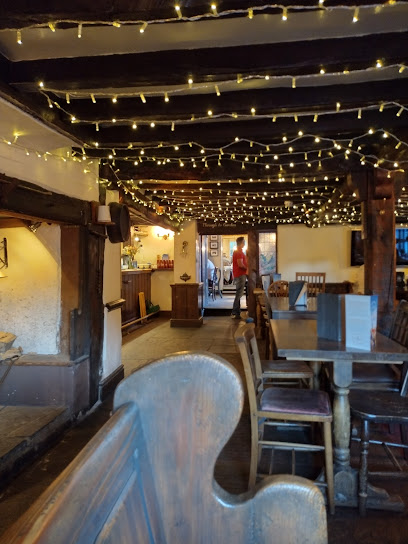
Buckinghamshire Yeoman
17.4 km
A lively, family- and pet-friendly pub in Aylesbury offering hearty meals, great sports viewing, and a welcoming local atmosphere.
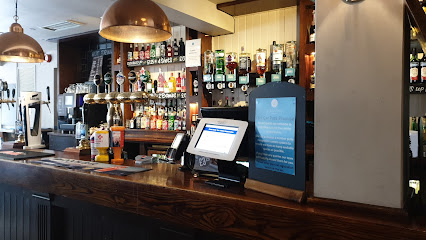
The Bugle Horn
17.8 km
A charming and cozy country pub in Hartwell serving hearty British classics with a warm, inviting atmosphere.
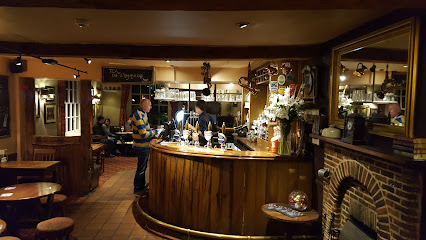
Nightclubs & after hour spots

Trilogy Nightclub High Wycombe
2.5 km
A lively multi-room nightclub in High Wycombe offering dynamic music, vibrant crowds, and late-night fun on Paul’s Row.
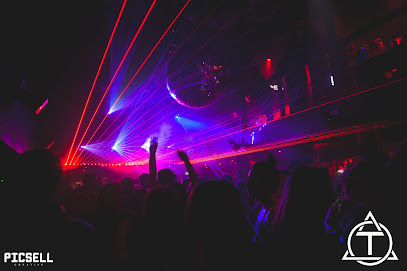
The Venue, Bucks
2.5 km
Experience High Wycombe’s vibrant nightlife at The Venue, Bucks – a lively nightclub with great music, friendly staff, and a welcoming atmosphere.

Diligence
4.7 km
Experience the vibrant nightlife and dynamic music scene at Diligence, High Wycombe’s energetic nightclub on London Road.

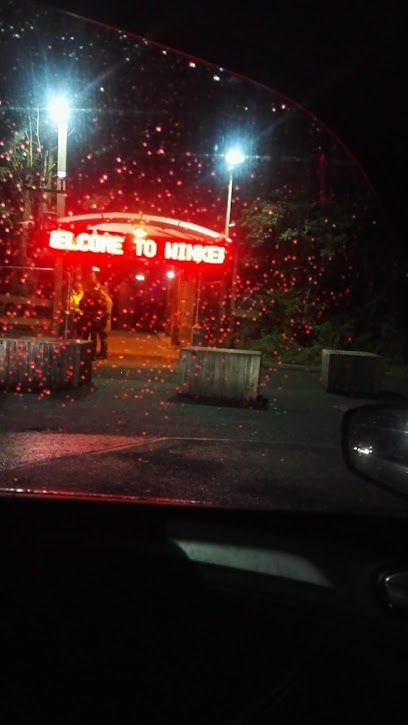
Winkers Nightclub
15.5 km
A lively, budget-friendly nightclub in Gerrards Cross offering energetic music and a casual local vibe for weekend partygoers.
TWC
17.7 km
Experience the vibrant nightlife and energetic party scene at TWC, Aylesbury’s premier nightclub destination.
Mirage Aylesbury
19.0 km
Experience Aylesbury’s vibrant nightlife at Mirage, a lively nightclub offering music, dancing, and late-night fun in the heart of town.
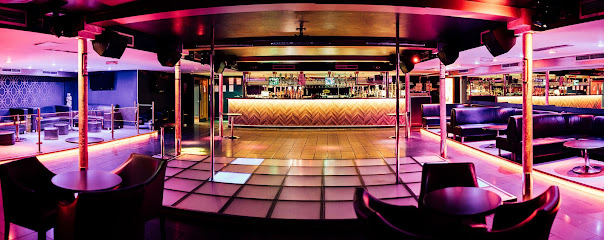
The Boom
21.3 km
Historic arches meet vibrant beats at The Boom, Windsor’s energetic nightclub and bar for unforgettable nights.
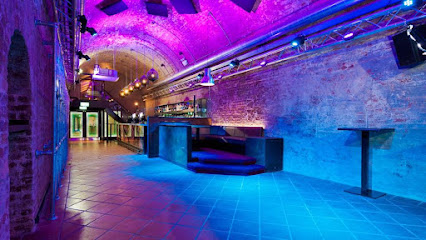
The Scotch
21.3 km
Windsor’s iconic Victorian arch nightclub blending historic charm with eclectic music and circus-themed nightlife.
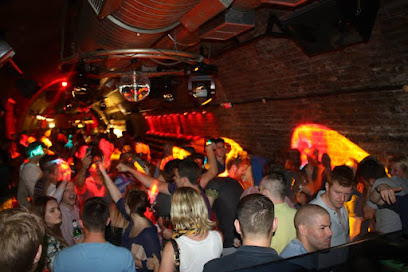
Labyrinth Nightclub Windsor
21.3 km
Experience Windsor’s vibrant nightlife with live DJs, multiple bars, and an electrifying atmosphere at Labyrinth Nightclub.
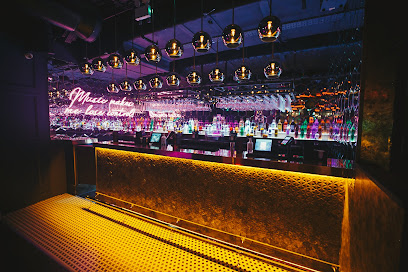
Pink Gentleman's Club.
21.4 km
Sophisticated adult entertainment with exclusive VIP rooms and topless pole shows in the heart of Windsor’s nightlife scene.
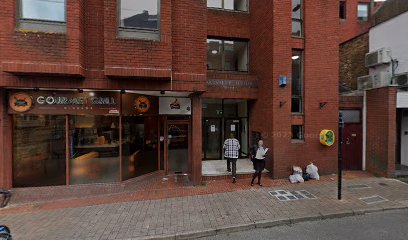
VOLTS NIGHT CLUB/ COPPER BAR
22.5 km
A vibrant nightlife hotspot in Hemel Hempstead, Volts Night Club offers energetic music, friendly staff, and a lively dance floor for unforgettable nights out.
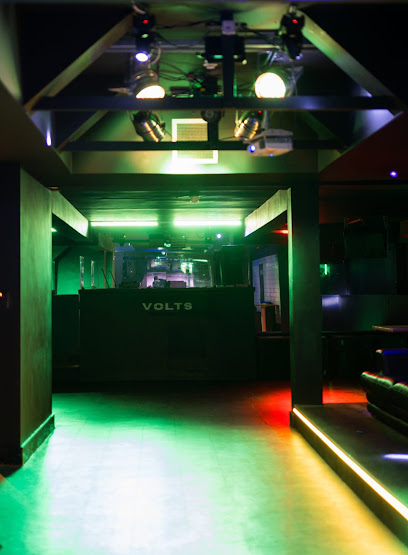
The Binfield Club
24.5 km
Historic social club in Binfield offering vibrant nightlife, live music, sports, and community events in a welcoming atmosphere.
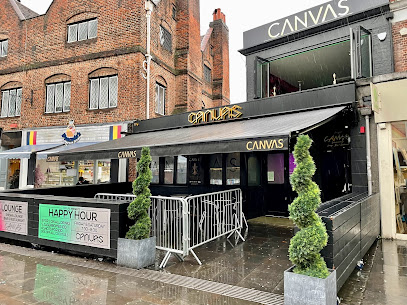
Canvas Bar & Nightclub
24.6 km
Experience vibrant nights of music, dancing, and cocktails at Canvas Bar & Nightclub in the heart of Watford’s High Street.
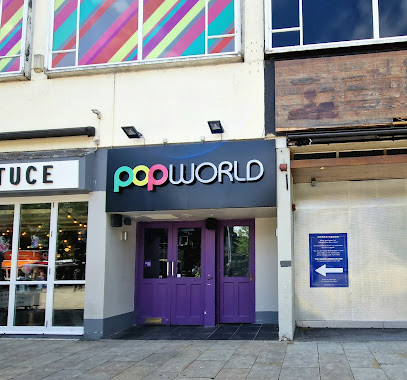
Popworld Watford
24.6 km
A vibrant late-night hotspot in Watford playing all your favorite 90s and 2000s pop classics with fun cocktails and a lively dancefloor.
Q Club
26.2 km
Experience Reading’s energetic nightlife at Q Club, a lively nightclub and bar offering music, drinks, and late-night fun on Friar Street.

For the vibe & atmosphere seeker
- Tranquil
- Scenic
- Historic
- Relaxing
- Unique
For the design and aesthetic lover
- Vintage Styles
- Rustic Designs
- Art Deco Styles
For the architecture buff
- Historic
- Landmarks
- Heritage Neighborhoods
For the view chaser and sunset hunter
- Iconic Views
- Panoramas
- Sunset Spots
For the social media creator & influencer
- Instagrammable
- Photo Spots
- Architectural Shots
For the eco-conscious traveler
- Sustainable
- Public-Transport Accessible
- Locally Managed
- Leave-No-Trace Critical
For the kind of experience you’re after
- Cultural Heritage
- Photowalk
- Nature Escape
- Day Trip
- Weekend Getaway
- Myth & Legends
For how adventurous you want the journey to be
- Easy Access
Location Audience
- Family Friendly
- Senior Friendly
- Child Friendly
- Teen Friendly
- Wheelchair Access
- Solo Friendly
- Couple Friendly
- Vegetarian Friendly


