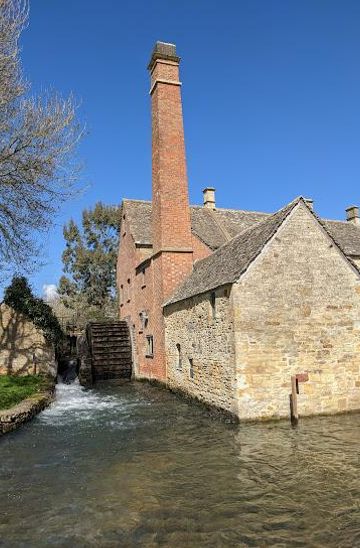
Lower Slaughter Museum and The Old Mill Heritage Site
Discover the historic Old Mill and immerse yourself in Lower Slaughter’s milling heritage amidst tranquil riverside charm.
Located at 14 Mill Lane in the picturesque village of Lower Slaughter near Cheltenham, this museum celebrates the rich milling heritage and rural life of the Cotswolds. Housed in the historic Old Mill building, dating back to the 18th century and recorded in the Domesday Book, it features a working waterwheel, milling machinery, and exhibits on traditional crafts and village history. The museum also offers a charming riverside café and gift shop, set amidst tranquil natural beauty along the River Eye.
A brief summary to Lower Slaughter Museum
- 14 Mill Ln, Cheltenham, Lower Slaughter, GL54 2HX, GB
- Duration: 1 to 2.5 hours
- Mid ranged
-
 Outdoor
- Mobile reception: 4 out of 5

Know before you go
Hi, I'm Eve. Here are a few practical things to know before exploring Lower Slaughter Museum.
- Visit on weekdays to enjoy a quieter, more personal experience away from weekend crowds.
- Check the museum’s schedule for special events or workshops that offer deeper insight into traditional crafts.
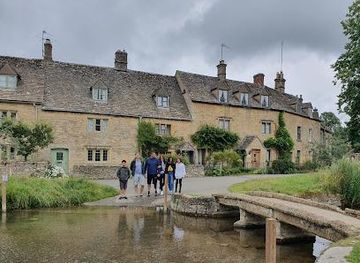
- Combine your visit with a stroll along the River Eye to appreciate the village’s scenic beauty and historic footbridges.
- Don’t miss the riverside café for homemade treats and stunning views of the waterwheel and mill.
- Bring a camera to capture the picturesque architecture and tranquil riverside setting.
Do you manage this location?
Take control to get all the benefits, like improved information, better appearance, and stronger visibility across AI-powered discovery. Learn more
Activate your presence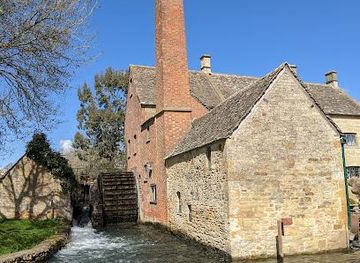
Getting There
-
Bus
From Oxford city center, take bus number 801 to Cheltenham (approx. 1 hour). Transfer to bus number 540 towards Lower Slaughter, then walk about 10 minutes along Mill Lane to the museum. Bus services may have limited frequency, so check schedules in advance.
-
Car
Driving from Cheltenham takes about 20 minutes via local roads. Parking in Lower Slaughter is limited and can fill quickly during peak season; early arrival is recommended. Some narrow village lanes require cautious driving.
-
Walking
For visitors staying nearby, walking to the museum is a pleasant option, with flat, well-maintained paths along the River Eye. Walking times vary but expect about 15–30 minutes from central Lower Slaughter.
For the on-the-go comforts that matter to you
-
 Restrooms
-
 Drink Options
-
 Food Options
-
 Seating Areas
-
 Trash Bins
-
 Information Boards
Discover more about Lower Slaughter Museum
A Living Testament to Cotswold Milling History
The Lower Slaughter Museum is housed in the iconic Old Mill, a building with origins recorded in the Domesday Book of 1086. Though the current structure dates from the 18th century, it stands on a site deeply rooted in the region’s agricultural and industrial past. The mill was operational until 1958, grinding flour with the power of the River Eye’s waterwheel, which remains a central and captivating feature. Visitors can explore the milling machinery, including the original millstones and steam chimney, gaining insight into the traditional processes that shaped rural life in the Cotswolds.Architectural Charm and Riverside Serenity
The Old Mill’s distinctive red brick contrasts beautifully with the golden Cotswold stone of the surrounding village, making it a visual landmark. Its tall chimney and undershot waterwheel reflect the industrial heritage that once thrived here. The museum’s location beside the gently flowing River Eye enhances the tranquil atmosphere, with stone footbridges and riverside paths inviting leisurely strolls. The setting perfectly complements the museum’s historical narrative, blending natural beauty with cultural heritage.Engaging Exhibits and Community Spirit
Inside, the museum presents a fascinating collection of artifacts and displays that document the evolution of milling and village life. Exhibits cover traditional crafts, the baking process, and the social history of Lower Slaughter. The museum also hosts special events and workshops that deepen visitors’ understanding of local traditions. The adjoining gift shop offers a curated selection of local crafts and souvenirs, while the café provides a cozy spot to enjoy refreshments overlooking the river.Village Life and Cultural Connections
Lower Slaughter itself is a quintessential Cotswold village, with 16th- and 17th-century cottages, a historic church, and a manor house turned luxury hotel. The village’s charm has attracted filmmakers, with productions like "Emma" (2020) choosing it as a location. Nearby attractions include Upper Slaughter, Bourton-on-the-Water, and the Cotswold Motoring Museum, making the area a rich cultural and scenic destination.Preserving Heritage Amidst Change
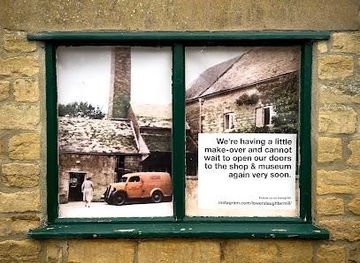
Though the museum closed temporarily in 2023 for renovations, plans for reopening with a new shop and café are underway, reflecting ongoing community efforts to preserve and celebrate this heritage site. The museum’s history as a working mill, post office, and community hub underscores its importance to Lower Slaughter’s identity and the wider Cotswolds region.Visitor Experience and Practical Information
Visitors are encouraged to explore the museum during quieter weekday hours for a more intimate experience. The surrounding village and riverside walks offer ample opportunities for photography, relaxation, and cultural immersion. The museum’s location is accessible by public transport and car, with some parking limitations. Nearby amenities include traditional pubs, cafés, and accommodation, enhancing the appeal for day trips or longer stays.Explore the best of what Lower Slaughter Museum has to offer













More about Gloucestershire
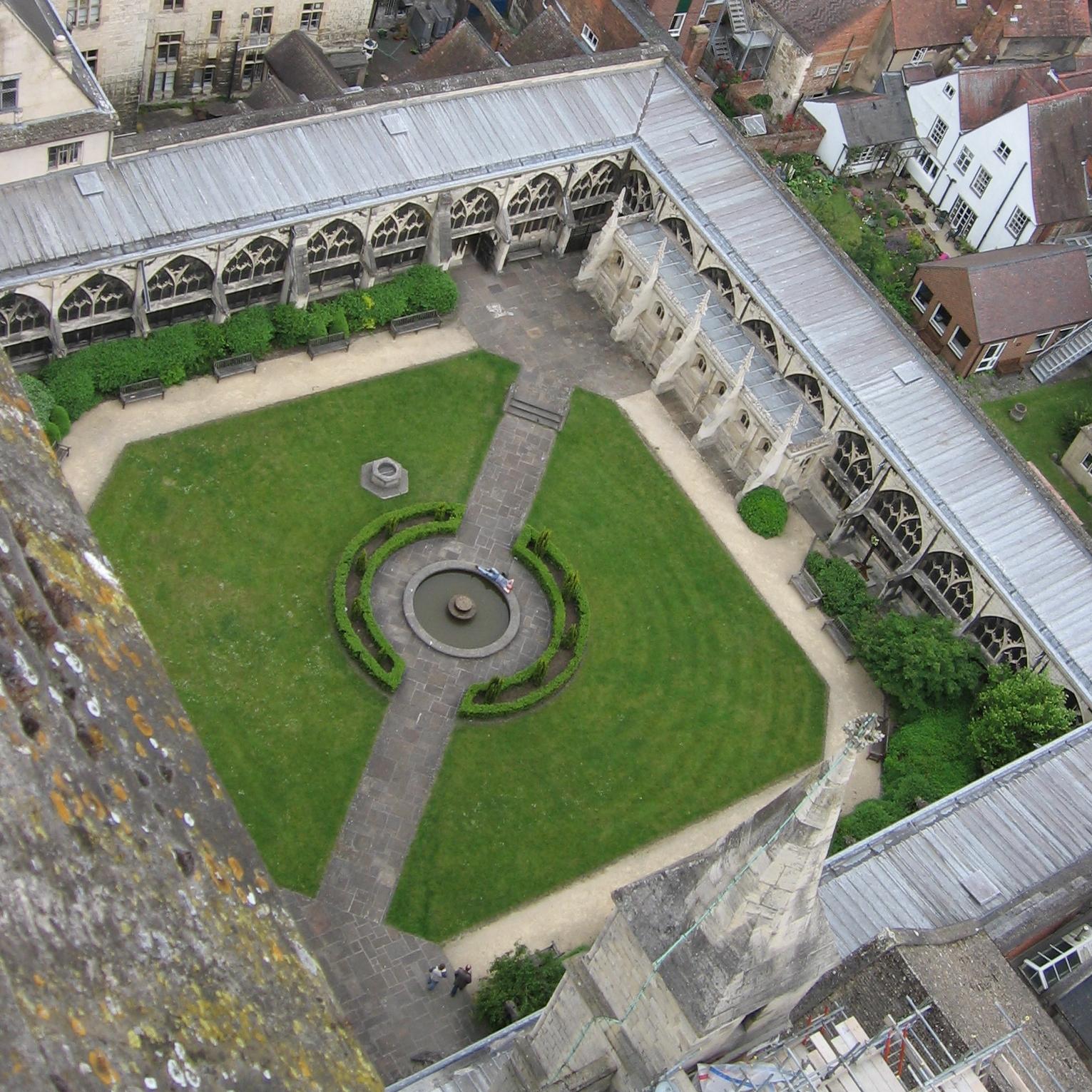
Discover the charm of Gloucestershire, where rolling hills, historic towns, and vibrant festivals create an unforgettable English countryside experience.
Tell me more about Gloucestershire
Explore ancient history and vibrant wildlife in the tranquil meadows and rivers of Greystones Farm Nature Reserve.
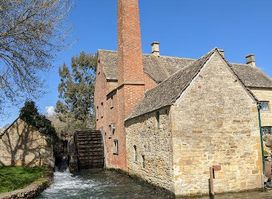
Discover the historic charm of Lower Slaughter Museum, nestled in a classic Cotswold mill with timeless riverside beauty and rich heritage.