Manchester Cenotaph Travel Guide
Free Guide: A solemn and symbolic war memorial in Manchester’s heart, honoring the courage and sacrifice of its fallen heroes since 1924.


A brief summary of Manchester Cenotaph
A solemn and symbolic war memorial in Manchester’s heart, honoring the courage and sacrifice of its fallen heroes since 1924.
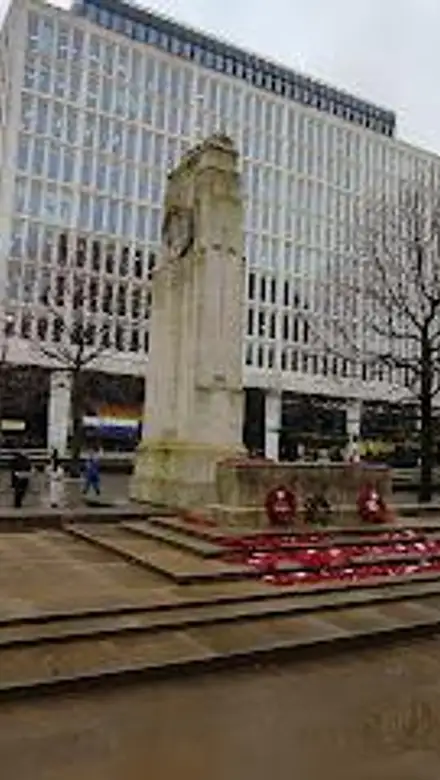
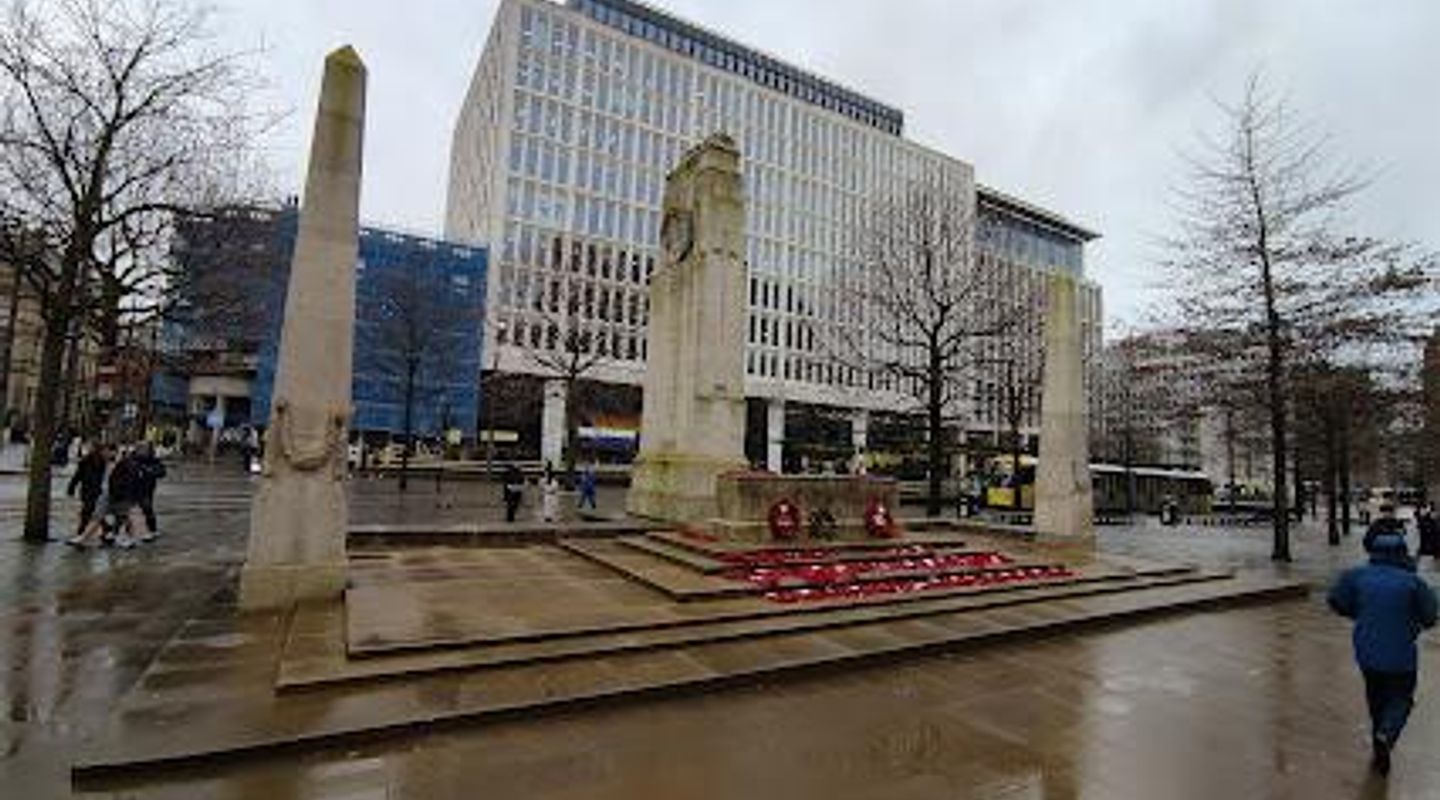
The Manchester Cenotaph, designed by Sir Edwin Lutyens and unveiled in 1924, stands in St Peter’s Square as a poignant war memorial honoring Mancunians who lost their lives in World War I and subsequent conflicts. Featuring symbolic sculptures and a stone sarcophagus, it embodies sacrifice, courage, and devotion. Relocated in 2014 to a prominent site near the Town Hall, it remains a powerful reminder of the cost of war and the value of peace.
On-site amenities
 Seating areas
 Information boards
 Trash bins
Opening hours
- Every dayOpen 24 hours
Opening hours as listed on the venue’s Google Business Profile. Hours can change for services and special events, so check with the venue before you go.
- Address
- Manchester M2 5PD
- Website
Getting there
Tram
Bus
Walking
Discover more about Manchester Cenotaph
Architectural Symbolism and Design
The Manchester Cenotaph was designed by renowned British architect Sir Edwin Lutyens, famed for his work on war memorials including the Whitehall Cenotaph in London. The monument features a central cenotaph topped by a stone sarcophagus draped with laurel wreaths symbolizing victory after death. Surrounding the cenotaph are three stone sculpture groups representing Sacrifice, Courage, and Devotion—virtues exemplified by Manchester’s fallen soldiers. These allegorical figures, combined with carvings of wartime equipment such as helmets, rifles, and flags, create a solemn narrative of loss and heroism.
Historical Context and Unveiling
Commissioned after World War I, Manchester was relatively late in establishing its memorial, with the war memorial committee formed in 1922. The cenotaph was unveiled on July 12, 1924, in a ceremony attended by dignitaries including Lord Derby and bereaved families. The memorial serves not only as a tribute to those who died but also as a warning about the cost of war. Its location on the former site of St Peter’s Church in St Peter’s Square—an area steeped in historical significance—was carefully chosen to ensure visibility from key city streets.
Relocation and Preservation
In 2014, the Manchester Cenotaph was carefully dismantled and relocated to a new site adjacent to Manchester Town Hall, near the former Peace Gardens. This move was necessitated by the expansion of the Metrolink tram network but was executed with great care to preserve the monument’s integrity. The relocation places the cenotaph in a more prominent position, enhancing its visibility and continuing its role as a central place of remembrance in the city.
Commemorative Role and Associated Memorials
Beyond honoring those lost in World War I, the Manchester Cenotaph also commemorates soldiers from World War II, the Korean War, and other conflicts involving Mancunians. Nearby memorials include tributes by the British Legion and monuments dedicated to Italian comrades and later fallen servicemen. The cenotaph remains a focal point for remembrance ceremonies, including annual events that reflect on the sacrifices made by the city’s servicemen and women.
Artistic and Cultural Significance
Lutyens’ design is celebrated for its austere beauty and profound symbolism. The cenotaph’s geometric purity and minimalist style convey universal themes of grief and remembrance, transcending individual identity to honor all who served and died. The monument’s alignment with surrounding architecture, including the Central Library, integrates it into Manchester’s urban fabric, reinforcing its cultural importance.
Legacy and Visitor Experience
Visiting the Manchester Cenotaph offers a reflective experience amid the bustling city. Its solemn presence invites contemplation of the human cost of conflict and the enduring hope for peace. The monument’s detailed sculptures and inscriptions provide rich storytelling elements, making it a must-see for those interested in history, architecture, and the collective memory of Manchester’s community.
Evendo Review Centre
 Google
Guest reviews
Best time to go
Quietest: Jan, Feb & Mar · before 6am
Busy times are Evendo estimates for a typical year, to help you plan. Actual crowds vary with events, school holidays and the weather.
Explore Manchester Cenotaph on the map
A handpicked selection of must-see spots near Manchester Cenotaph, mapped for you.
Get your free copy of our complete guide to Manchester Cenotaph, delivered straight to you.
Everything on this page, from opening hours and how to get there to Eve’s tips and the best time to go, in one PDF you can read offline, print or share.
Already have an account? Sign in
Your Manchester Cenotaph guide is ready.
We'll send it to · Not you? Sign out

Getting your guide ready…
We are putting together a fresh copy of the Manchester Cenotaph guide. This can take up to a minute.
This can take a few moments. If your browser asks, choose Allow so the download can start. You'll find the guide in your Downloads folder.
Nothing happened? Download it again
Sorry, the guide is taking longer than usual. Please try again in a minute, or get it by email instead.
Unlock the best of Manchester Cenotaph
Skip-the-line tickets, guided tours with entry, and walking tours of the area, booked in a few clicks.

Other nearby places you may find interesting
The closest places of the same kind, if this one is not quite what you had in mind.
-
-
-
-
-


Swipe for more places
More to explore near Manchester Cenotaph

 Best experiences near Manchester Cenotaph
 Best hotels near Manchester Cenotaph
 Best landmarks near Manchester Cenotaph
 Best attractions near Manchester Cenotaph
 Best shops near Manchester Cenotaph
 Best restaurants near Manchester Cenotaph
 Best bars near Manchester Cenotaph
Do you manage this location?
Take control to get all the benefits, like improved information, better appearance, and stronger visibility across AI-powered discovery.
Explore more

Explore more of Peak District
Discover the breathtaking beauty and rich heritage of the Peak District, the UK's first national park, where adventure and tranquility await amidst stunning landscapes.
Explore Peak District
Explore more of United Kingdom
Discover the United Kingdom: A blend of rich history, stunning landscapes, and vibrant cities, offering a unique travel experience for every visitor.
Explore United Kingdom