Holy Island Travel Guide
Free Guide: Discover Holy Island, a tidal sanctuary of ancient Christian heritage, stunning coastal beauty, and tranquil village charm off Northumberland’s coast.


A brief summary of Holy Island
Discover Holy Island, a tidal sanctuary of ancient Christian heritage, stunning coastal beauty, and tranquil village charm off Northumberland’s coast.
Holy Island, also known as Lindisfarne, is a small tidal island off the Northumberland coast near Berwick-upon-Tweed, England. Accessible only at low tide via a causeway, it is famed for its ancient Lindisfarne Priory ruins, medieval castle, and serene coastal landscapes. Rich in Celtic Christian history and natural beauty, the island offers tranquil beaches, wildlife watching, quaint village life, and a unique atmosphere shaped by its tidal rhythms and spiritual heritage.
On-site amenities
 Restrooms
 Drink options
 Food options
 Seating areas
 Trash bins
 Information boards
- Address
- Berwick-upon-Tweed
Getting there
By Car
By Bus
By Train and Taxi
On Foot or Bicycle
Discover more about Holy Island
A Storied Island Steeped in Early Christian Heritage
Holy Island, or Lindisfarne, has been a pivotal site since the 6th century AD, playing a central role in the spread of Celtic Christianity. It was home to saints such as Aidan and Cuthbert, whose legacy shaped the religious landscape of northern England. The island’s most famous landmark, Lindisfarne Priory, founded in the 7th century, stands as evocative ruins that tell tales of monastic life, Viking raids in the 8th century, and spiritual devotion. The priory was abandoned in 875 due to Danish invasions but was later refounded in the 11th century, preserving its sacred significance.
Unique Geography and Tidal Access
Holy Island is a tidal island connected to the mainland by a 3-mile causeway that is submerged twice daily by the North Sea tides. This natural rhythm isolates the island for several hours each day, creating a magical sense of seclusion and a landscape that changes dramatically with the water. Visitors must carefully plan their journeys around safe crossing times, which are clearly displayed near the causeway. The island’s shape, often likened to a chicken drumstick, encompasses sandy beaches, salt marshes, and rugged coastline, offering diverse habitats for local wildlife.
Architectural Gems and Coastal Fortifications
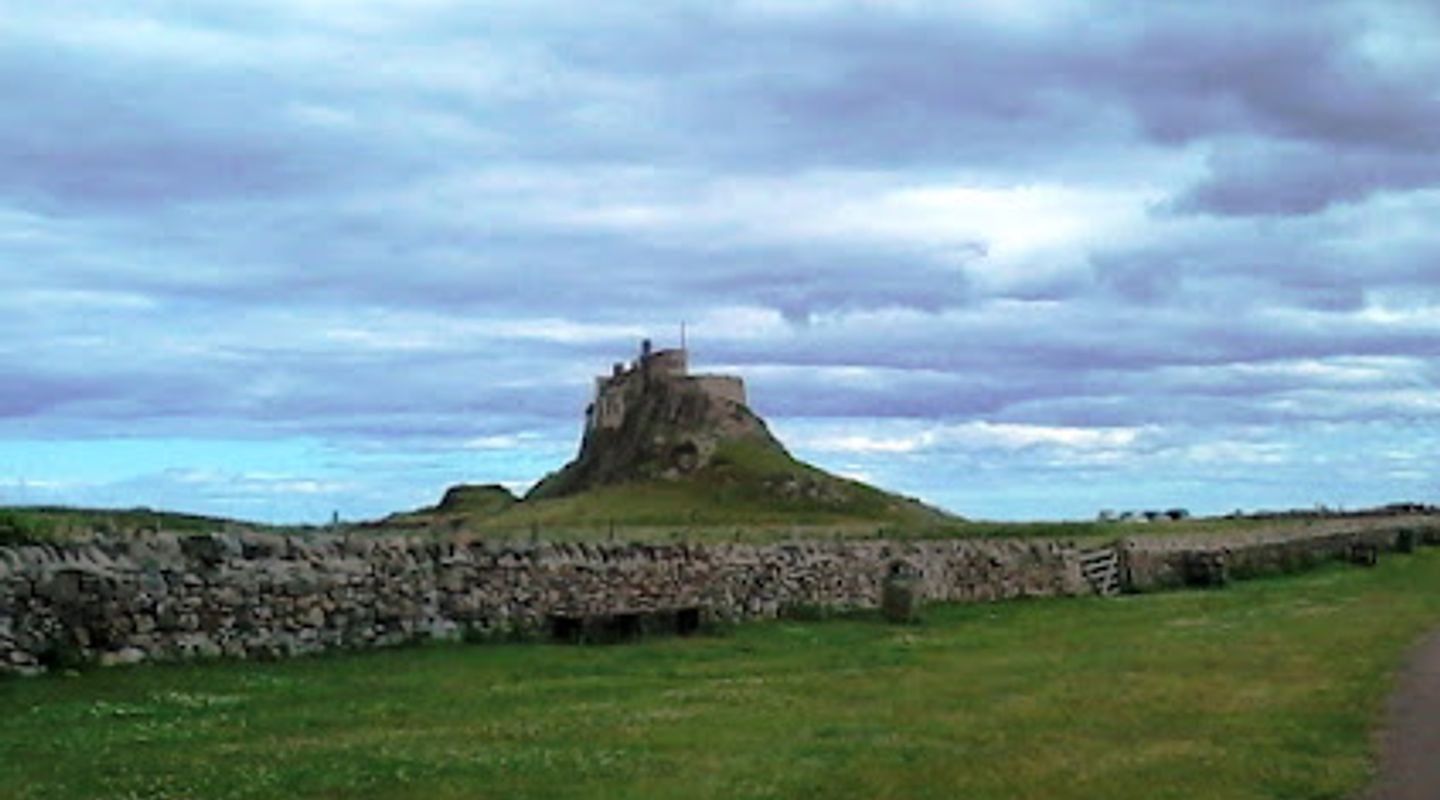
Beyond the priory, Lindisfarne Castle perches on a rocky hill overlooking the sea. Built in the 16th century on the site of a former monastery, the castle offers panoramic views and a glimpse into the island’s defensive past against invasions. The village itself features charming stone cottages, quaint shops, and several pubs and cafés where visitors can sample local seafood and mead. The island’s built environment reflects a blend of historic and rustic styles that complement its natural surroundings.
Tranquil Village Life and Natural Wonders
Holy Island’s small community thrives amid its unique environment, with a few hundred residents maintaining a peaceful village atmosphere. Birdwatching is popular here, with many migratory and coastal species frequenting the island’s shores and wetlands. The island’s beaches provide serene spots for walks, photography, and contemplation. Seasonal retreats and spiritual programs are also offered, emphasizing the island’s continuing role as a place for reflection and renewal.
Visitor Experience and Practical Considerations
Visitors are drawn to Holy Island for its blend of history, nature, and tranquility. Accommodation options are limited and can book up well in advance, especially in summer, ranging from guesthouses to self-catering cottages. The island is best explored at a leisurely pace, allowing time to absorb its spiritual ambiance and natural beauty. Checking tide times is essential for safe travel, and local services include shops, eateries, and visitor information. The island’s relatively remote location adds to its charm but requires thoughtful planning.
Preserving a Unique Coastal Heritage
Holy Island is designated an Area of Outstanding Natural Beauty and benefits from conservation efforts that protect its landscapes and wildlife habitats. The tidal ecosystem and historic sites are carefully managed to balance tourism with sustainability. Visitors are encouraged to respect the environment and local community, ensuring that this remarkable island remains a treasured destination for generations to come.
Evendo Review Centre
 Google
Guest reviews
Best time to go
Quietest: Jan, Feb & Dec · before 6am
Busy times are Evendo estimates for a typical year, to help you plan. Actual crowds vary with events, school holidays and the weather.
Explore Holy Island on the map
A handpicked selection of must-see spots near Holy Island, mapped for you.
Get your free copy of our complete guide to Holy Island, delivered straight to you.
Everything on this page, from opening hours and how to get there to Eve’s tips and the best time to go, in one PDF you can read offline, print or share.
Already have an account? Sign in
Your Holy Island guide is ready.
We'll send it to · Not you? Sign out

Getting your guide ready…
We are putting together a fresh copy of the Holy Island guide. This can take up to a minute.
This can take a few moments. If your browser asks, choose Allow so the download can start. You'll find the guide in your Downloads folder.
Nothing happened? Download it again
Sorry, the guide is taking longer than usual. Please try again in a minute, or get it by email instead.
Unlock the best of Holy Island
Skip-the-line tickets, guided tours with entry, and walking tours of the area, booked in a few clicks.
 Tour with entry
Pilgrims' Path walk across the sands to Holy Island
from $40.49 Tour with entry
1 Day Alnwick Castle, Holy Island & Scottish Borders
from $74.65 Tour with entry
Edinburgh: Bamburgh, Northumberland & Alnwick Winter Adventure
from $78.45 Tour with entry
Coastal Kingdoms Day Tour Lindisfarne and Bamburgh Castle
from $100.88
Other nearby places you may find interesting
The closest places of the same kind, if this one is not quite what you had in mind.
-
-
-
-
-


Swipe for more places
More to explore near Holy Island

 Best experiences near Holy Island
 Best hotels near Holy Island
 Best landmarks near Holy Island
 Best attractions near Holy Island
 Best shops near Holy Island
 Best restaurants near Holy Island
 Best bars near Holy Island
Do you manage this location?
Take control to get all the benefits, like improved information, better appearance, and stronger visibility across AI-powered discovery.
Explore more

Explore more of Peeblesshire
Discover the serene beauty of Peeblesshire in the Scottish Borders, where history, nature, and local charm come together for an unforgettable experience.
Explore Peeblesshire
Explore more of United Kingdom
Discover the United Kingdom: A blend of rich history, stunning landscapes, and vibrant cities, offering a unique travel experience for every visitor.
Explore United Kingdom