Dingwall Castle Doocot Travel Guide
Free Guide: Discover the historic Dingwall Castle Doocot, a rare medieval tower transformed into a dovecote, standing as a peaceful emblem of Highland heritage.


A brief summary of Dingwall Castle Doocot
Discover the historic Dingwall Castle Doocot, a rare medieval tower transformed into a dovecote, standing as a peaceful emblem of Highland heritage.
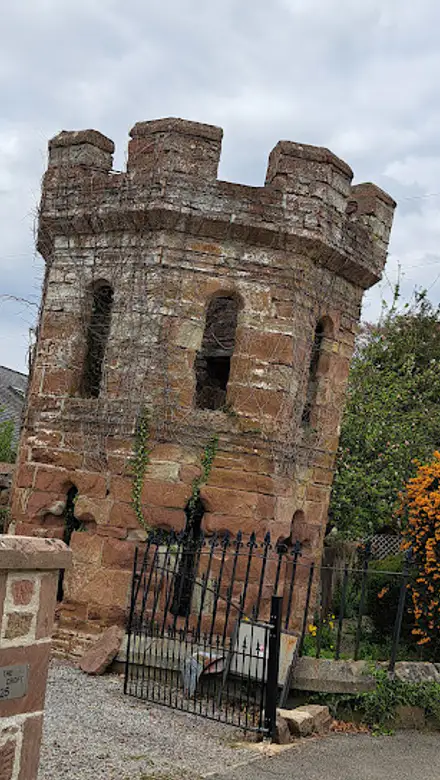
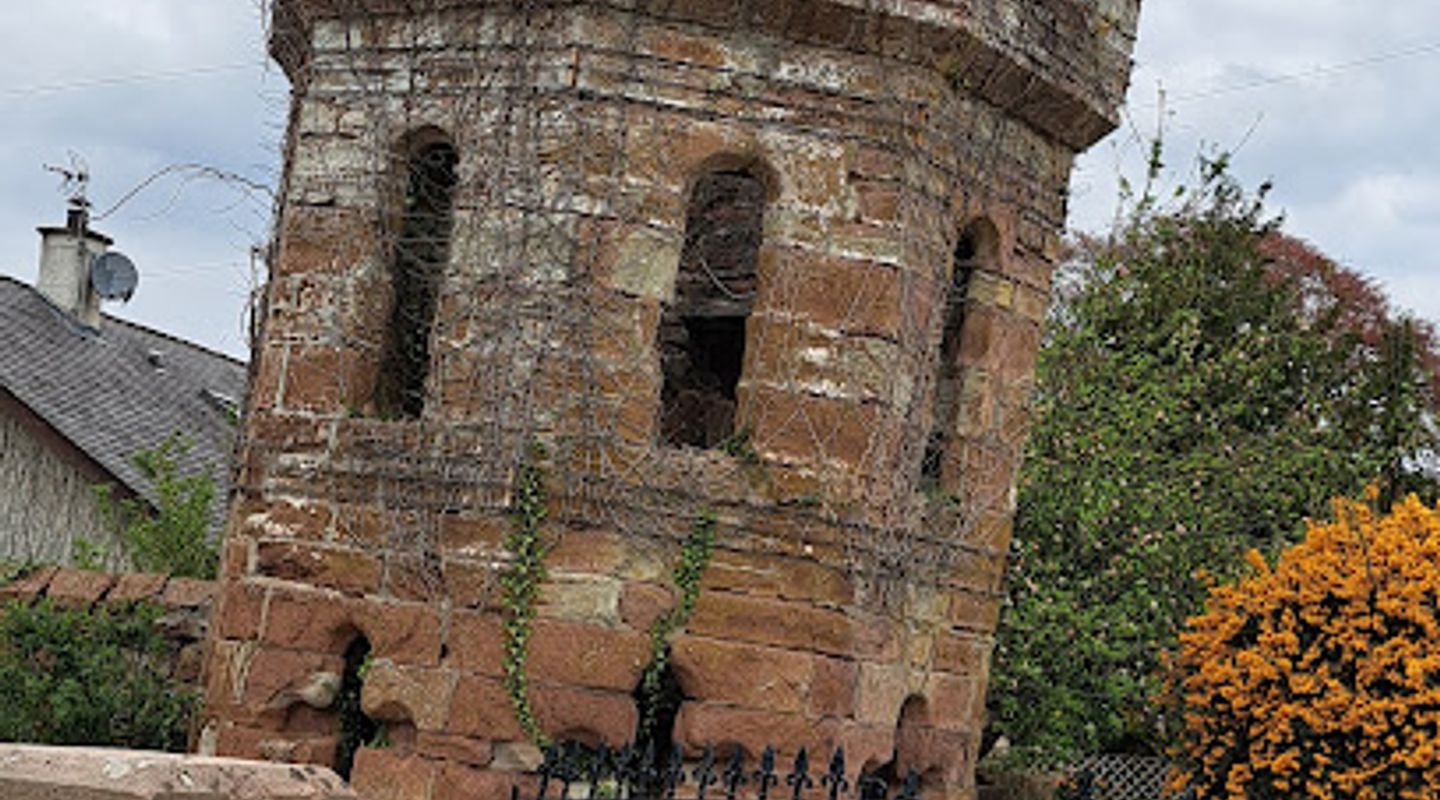
The Dingwall Castle Doocot is a rare surviving relic of the once-mighty Dingwall Castle in the Scottish Highlands. Originally a corner tower of the medieval castle, it was transformed into a dovecote in the early 16th century. This octagonal stone tower, with its vaulted roof and nest holes, offers a glimpse into the region’s turbulent past and architectural heritage, standing as a peaceful monument amid the town’s historic landscape.
On-site amenities
 Information boards
 Seating areas
 Trash bins
- Address
- 25 Castle St, Dingwall IV15 9HU
Getting there
Train and Walk
Car
Bus
Discover more about Dingwall Castle Doocot
Legacy of Dingwall Castle and Its Strategic Importance
Dingwall Castle, established in the 11th century by Norse settlers, was a significant stronghold in eastern Ross-shire, Scotland. It played a crucial role in the Wars of Scottish Independence and was a royal residence for the Earls of Ross. Over centuries, the castle witnessed battles, sieges, and political power struggles involving clans such as the Mackenzies, MacDonalds, and Munros. Despite its importance, the castle fell into decline by the early 17th century and was mostly dismantled by 1818, leaving only a few remnants.
The Doocot: From Fortress Tower to Dovecote
One of the few surviving parts of the castle is the Dingwall Castle Doocot, originally one of the castle’s corner towers. In 1507, Andrew Stewart, Bishop of Caithness, converted this tower into a dovecote, a structure designed to house pigeons. The transformation included adding a low domed vaulted roof and nesting holes built into the thick stone walls. This adaptation reflects the practical and symbolic uses of such buildings in medieval Scotland, providing both food resources and architectural interest.
Architectural Features and Preservation
The doocot is an octagonal stone tower approximately 4 meters high and 3.7 meters in diameter, with walls about 0.6 meters thick. Its south-facing sides feature gun loops, hinting at its defensive origins. Inside, the nest holes for pigeons are clearly visible, and a fireplace and doorway on the east side suggest multifunctional use. The structure’s style echoes Norman influences, and it stands as a testament to the castle’s layered history. Today, it is carefully preserved as a scheduled monument, offering visitors a tangible link to Dingwall’s medieval past.
Cultural and Historical Context of Dingwall
Dingwall itself is a town steeped in history, its name derived from the Old Norse for 'assembly field,' reflecting its role as a Viking-era meeting place. The castle and doocot are integral to this heritage, symbolizing the town’s strategic and political significance through centuries. Nearby landmarks, such as St Clement’s Church ruins and the Cromartie Obelisk, complement the historical narrative, enriching the visitor experience.
Visitor Experience and Surroundings
The Dingwall Castle Doocot is located on Castle Street, north of the town’s railway station, surrounded by gardens that provide a tranquil setting. The site offers a peaceful retreat from busier tourist spots while allowing exploration of medieval architecture and Scottish history. Although the castle itself no longer stands, the doocot’s presence evokes the grandeur and complexity of the original fortress.
Modern Significance and Conservation Efforts
Conservation efforts have ensured the doocot remains a prominent historical landmark. It is protected under heritage laws and benefits from local and national support. The structure not only attracts history enthusiasts but also serves educational purposes, illustrating medieval Scottish defensive and domestic architecture. The doocot’s survival amid urban development underscores the community’s commitment to preserving its cultural identity.
Evendo Review Centre
 Google
Guest reviews
Best time to go
Quietest: Jan, Feb & Dec · before 6am
Busy times are Evendo estimates for a typical year, to help you plan. Actual crowds vary with events, school holidays and the weather.
Explore Dingwall Castle Doocot on the map
A handpicked selection of must-see spots near Dingwall Castle Doocot, mapped for you.
Get your free copy of our complete guide to Dingwall Castle Doocot, delivered straight to you.
Everything on this page, from opening hours and how to get there to Eve’s tips and the best time to go, in one PDF you can read offline, print or share.
Already have an account? Sign in
Your Dingwall Castle Doocot guide is ready.
We'll send it to · Not you? Sign out

Getting your guide ready…
We are putting together a fresh copy of the Dingwall Castle Doocot guide. This can take up to a minute.
This can take a few moments. If your browser asks, choose Allow so the download can start. You'll find the guide in your Downloads folder.
Nothing happened? Download it again
Sorry, the guide is taking longer than usual. Please try again in a minute, or get it by email instead.
Other nearby places you may find interesting
The closest places of the same kind, if this one is not quite what you had in mind.
-
-
-
-
-


Swipe for more places
More to explore near Dingwall Castle Doocot

 Best experiences near Dingwall Castle Doocot
 Best hotels near Dingwall Castle Doocot
 Best landmarks near Dingwall Castle Doocot
 Best attractions near Dingwall Castle Doocot
 Best shops near Dingwall Castle Doocot
 Best restaurants near Dingwall Castle Doocot
 Best bars near Dingwall Castle Doocot
Do you manage this location?
Take control to get all the benefits, like improved information, better appearance, and stronger visibility across AI-powered discovery.
Explore more

Explore more of Ross-shire
Discover the natural beauty and rich history of Ross-shire, a hidden gem in the Scottish Highlands perfect for nature lovers and history enthusiasts.
Explore Ross-shire
Explore more of United Kingdom
Discover the United Kingdom: A blend of rich history, stunning landscapes, and vibrant cities, offering a unique travel experience for every visitor.
Explore United Kingdom