
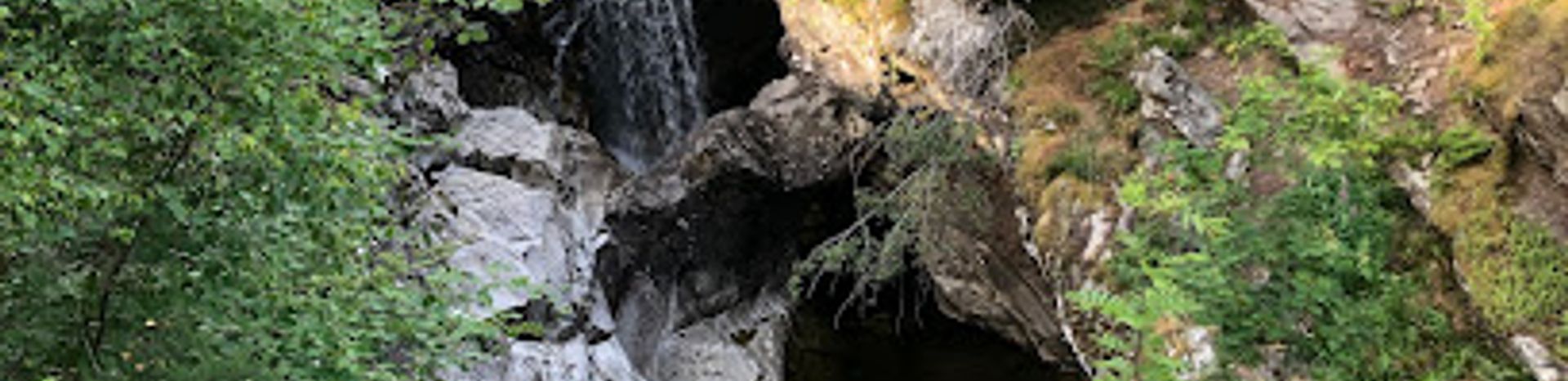
Falls of Bruar: Scotland’s Scenic Waterfall and Woodland Walk
Discover the enchanting Falls of Bruar—historic waterfalls set within serene woodlands shaped by poetry and nature in the heart of Perthshire.
The Falls of Bruar are a captivating series of waterfalls on the Bruar Water in Perthshire, Scotland, located about 8 miles from Pitlochry. Renowned since the 18th century, these falls cascade through a wooded gorge enhanced by historic tree planting inspired by Robert Burns’ poetry. Visitors can enjoy a 2km circular walk featuring two stone bridges, a natural arch, and spectacular views of the 60-meter total drop, all set within a tranquil Highland landscape.
A brief summary to Falls of Bruar
- Bruar Water, Pitlochry, GB
- Visit website
- Duration: 1 to 2 hours
- Free
-
 Outdoor
- Mobile reception: 4 out of 5
- Monday 12 am-12 am
- Tuesday 12 am-12 am
- Wednesday 12 am-12 am
- Thursday 12 am-12 am
- Friday 12 am-12 am
- Saturday 12 am-12 am
- Sunday 12 am-12 am
Local tips
- Wear sturdy walking shoes as the trail includes steep and uneven sections.
- Visit after rainfall for a more impressive waterfall flow.
- Bring a picnic to enjoy at the designated seating areas near the stone bridges.
- Keep dogs and children under close supervision due to steep drops along the path.
- Consider public transport options from Pitlochry to reduce parking demand.

For the on-the-go comforts that matter to you
- Restrooms
- Food Options
- Drink Options
- Seating Areas
- Trash Bins
- Information Boards
Getting There
-
Car
Driving from Pitlochry, the Falls of Bruar are approximately 13 miles away, taking around 25 minutes via the A9. Parking is available at the House of Bruar shopping complex, but spaces can be limited during peak times. No parking fees apply.
-
Bus
Local bus services connect Pitlochry and Blair Atholl to the House of Bruar, with journey times around 30 minutes. The bus stop is close to the start of the walking trail. Check timetables in advance as service frequency varies seasonally. Tickets cost approximately £3–£5 one way.
-
Walking
The circular walk around the falls is about 2 km and takes approximately 1.5 hours at a moderate pace. The terrain includes some steep and uneven sections, so suitable footwear is recommended. The path is dog-friendly but requires caution near steep drops.
Falls of Bruar location weather suitability
-
 Any Weather
-
 Rain / Wet Weather
-
 Clear Skies
-
 Mild Temperatures
Discover more about Falls of Bruar
Geological Origins and Natural Beauty
The Falls of Bruar were formed in the aftermath of the last Ice Age, roughly 10,000 years ago, when retreating glaciers carved the landscape. The Bruar Water has since cut a winding path through layers of softer rock, creating a series of waterfalls and deep pools framed by harder rock outcrops. The total drop of the falls is about 60 meters, with two main cascades and several smaller drops. The water often carries a brownish tint from the surrounding peatlands, adding to the natural character of the scene.Historical Significance and Landscape Transformation
In the late 18th century, the falls were set in a barren moorland, which inspired the Scottish poet Robert Burns to write "The Humble Petition of Bruar Water to the Noble Duke of Atholl." In his poem, Burns urged the Duke to plant trees to enhance the landscape. Responding to this plea, the Duke of Atholl commissioned extensive tree planting, creating the wooded surroundings that visitors enjoy today. This transformation included the construction of two stone bridges that serve as viewpoints over the falls and a network of paths, some laid out by the artist William Gilpin.Visitor Experience and Walking Routes
Visitors approach the falls via a well-maintained 2km circular walk starting near the House of Bruar shopping complex. The trail leads past the Lower Bridge, close to a natural stone arch, and continues to the Upper Bridge about 800 meters from the start. The route is moderately strenuous with some steep sections and offers stunning views of the gorge and waterfalls. Picnic areas near the bridges provide spots to rest and soak in the scenery. The walk is dog-friendly but requires caution due to sheer drops along the path.Flora, Fauna, and Conservation Efforts
The wooded area around the falls is a mix of native and Victorian-era plantings, including larch and rhododendrons. Recent conservation efforts have removed diseased non-native larch and invasive rhododendrons to restore the natural ecosystem. The woodland supports local wildlife and contributes to the scenic tranquility of the site. Maintained by Atholl Estates, the area encourages visitors to respect the environment and contribute to path upkeep through donations.Cultural Legacy and Artistic Inspiration
The Falls of Bruar have inspired artists and poets over centuries, including William Turner and William Wordsworth, who visited in the early 19th century. The site’s blend of natural grandeur and human-crafted enhancement reflects Scotland’s rich cultural heritage. Queen Victoria’s visit in 1844 further popularized the falls as a must-see Highland attraction. Today, the falls remain a symbol of the harmonious relationship between nature and art.Seasonal Appeal and Accessibility
Open year-round, the Falls of Bruar offer different charms with each season—from lush greenery and vibrant blooms in summer to the dramatic flow after heavy rains. The nearby A9 road provides easy access, and public buses run from Pitlochry and Blair Atholl to the House of Bruar. While the walk is accessible to most, sturdy footwear is recommended due to uneven and sometimes muddy terrain. Visitors should exercise caution near the gorge edges for safety.Iconic landmarks you can’t miss

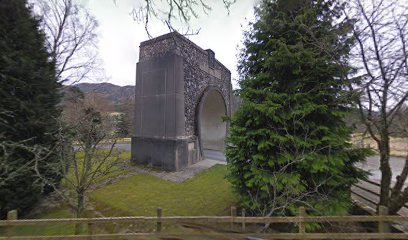
Clunie Memorial Arch
11.8 km
A solemn stone arch in Perth and Kinross honoring the men who sacrificed their lives building one of the UK's largest water tunnels.
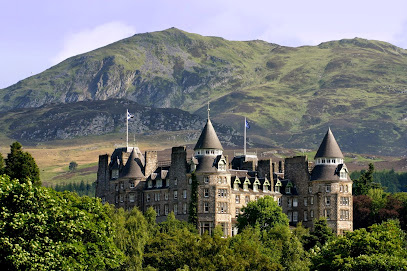
Atholl Palace Hotel
15.4 km
Historic Victorian elegance meets Highland tranquility at Atholl Palace Hotel, a luxurious retreat in the heart of Pitlochry.
Dunfallandy Stone
16.1 km
A 1,200-year-old Pictish cross-slab revealing ancient artistry and the clash of pagan and Christian worlds.
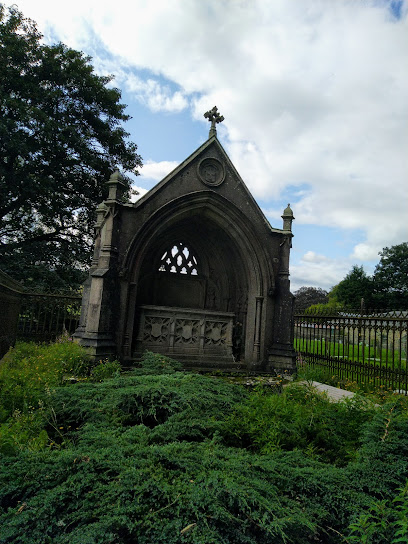
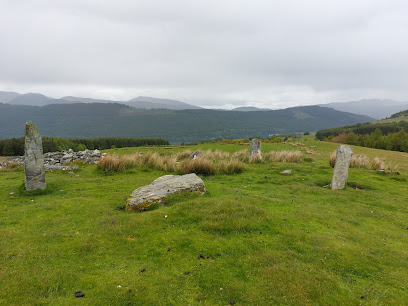
Stone circle
24.4 km
Discover the ancient Neolithic Croft Moraig Stone Circle near Easdale, a serene and mysterious prehistoric landmark in Perthshire’s countryside.
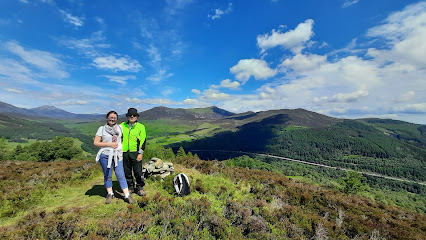
Perthshire Treks
28.5 km
Explore the stunning landscapes of Perthshire with guided hiking tours from Perthshire Treks, perfect for nature lovers and adventure seekers.
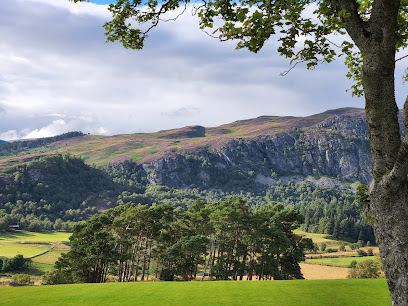
Centre of Scotland Stone
31.1 km
Discover the symbolic heart of mainland Scotland marked by a majestic stone set amidst the tranquil Highlands near Newtonmore.
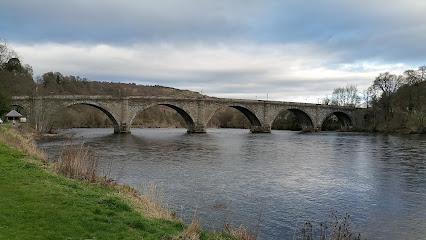
Dunkeld Bridge
31.6 km
Historic Thomas Telford-designed stone bridge gracefully spanning the River Tay, linking Dunkeld’s rich heritage with Highland landscapes.
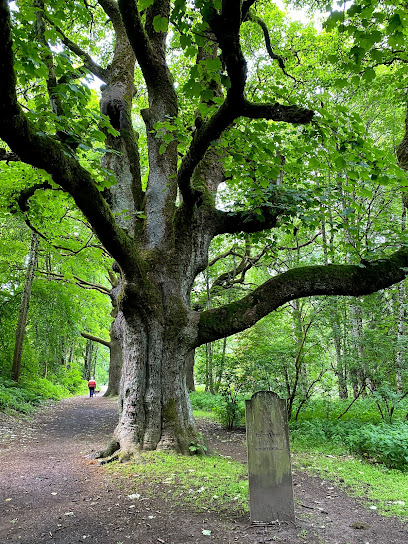
Birnam Oak
32.2 km
An ancient oak on the banks of the River Tay, believed to be the last survivor of Shakespeare’s Birnam Wood – a living piece of Scottish and literary history.
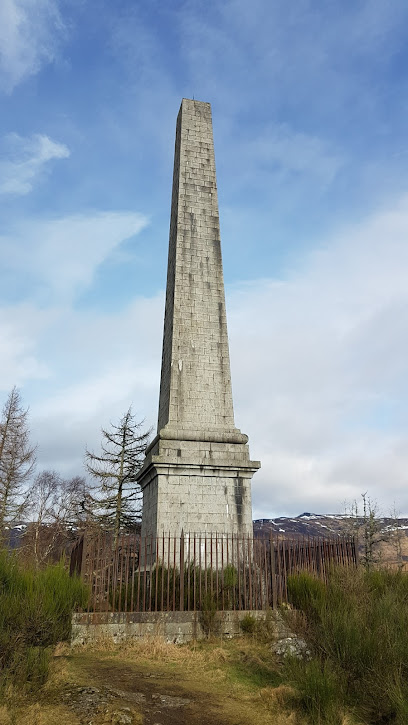
Melville Monument
43.2 km
A commanding granite obelisk atop Dun More hill, honoring Henry Dundas with breathtaking views over Perthshire’s scenic landscapes.
Ballathie House Hotel
44.1 km
Historic Scottish country house hotel with award-winning dining and tranquil river views on a vast Perthshire estate.

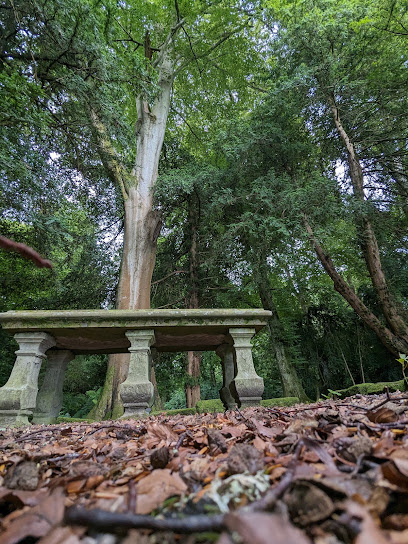
Inchbrakie Monument
45.1 km
A serene Scottish landmark honoring the vanished Inchbrakie estate, its ancient yew, and storied past.
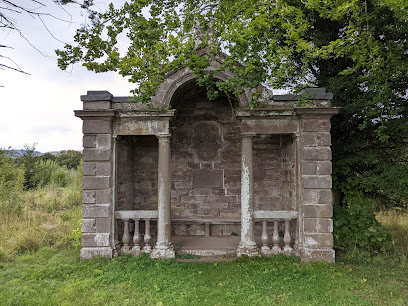
Tomb Of The Minister Of Scone & Family
49.4 km
A solemn mausoleum nestled within Scone Palace grounds, honoring the minister and family amidst Scotland’s royal and religious heritage.
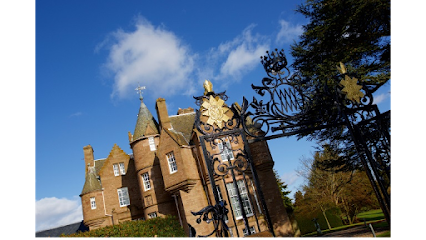
The Black Watch Castle & Museum
51.2 km
Explore the legacy of Scotland's historic Black Watch regiment at The Black Watch Castle & Museum in Perth, a captivating journey through time.
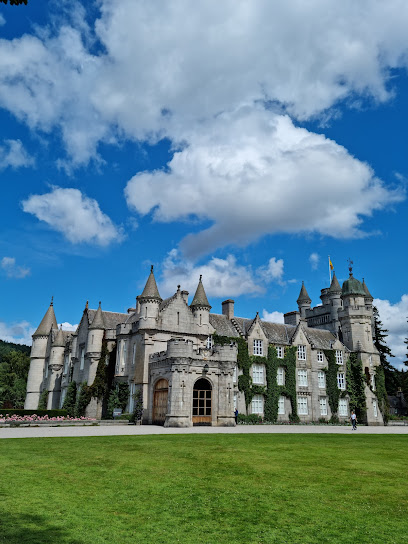
Balmoral Castle
52.0 km
Explore Balmoral Castle, a royal residence steeped in history, surrounded by breathtaking landscapes and rich Scottish culture.
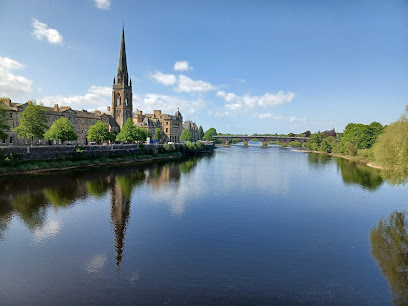
Smeaton's Bridge
52.0 km
Historic 18th-century stone bridge spanning the River Tay in Perth, blending engineering brilliance with scenic charm and rich heritage.
Unmissable attractions to see

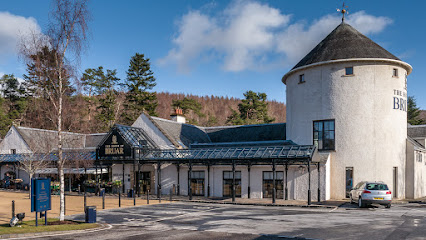
The House of Bruar
0.5 km
Scotland’s iconic Highland destination for luxury country clothing, artisan food, and authentic Scottish hospitality.
Atholl Estates Office
4.8 km
The administrative heart of Atholl Estates, blending historic stewardship with access to Highland adventures and heritage.
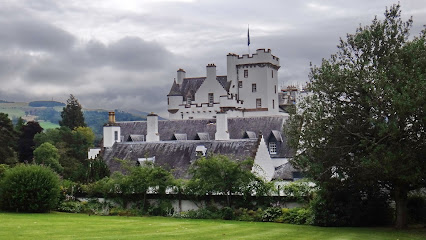
Blair Castle Gardens
5.1 km
Explore the historic Blair Castle Gardens, a beautifully restored Georgian walled garden set amidst the scenic landscapes of Highland Perthshire.
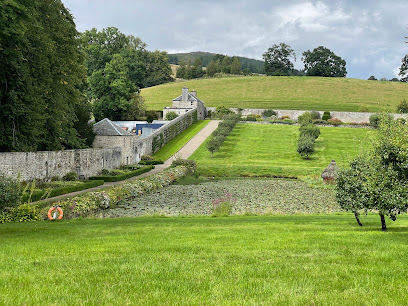
Blair Castle & Gardens
5.5 km
Explore over 700 years of Scottish heritage at Blair Castle & Gardens, home to the Atholl Highlanders and stunning Highland landscapes.
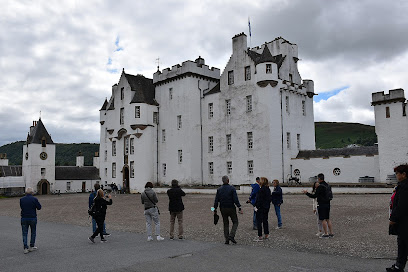
Tay Forest Park
6.1 km
Explore Scotland’s vast Tay Forest Park, where ancient woodlands, panoramic lochs, and rich history create a captivating natural retreat.
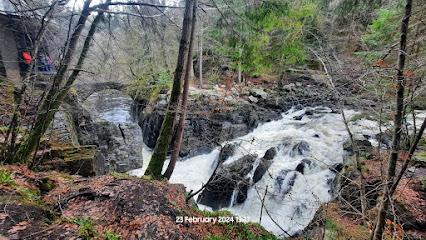
Queen's View Visitor Centre
7.9 km
Discover breathtaking Highland views, rich history, and tranquil forest walks at Queen's View Visitor Centre near Pitlochry.
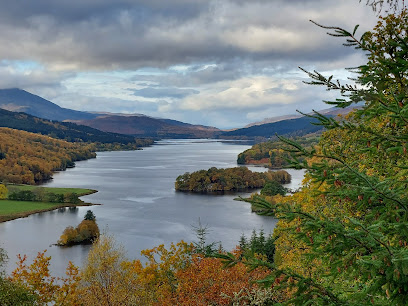
Linn of Tummel
11.0 km
Discover the tranquil woodland sanctuary where the rivers Garry and Tummel meet, featuring stunning waterfalls and rich Highland wildlife.
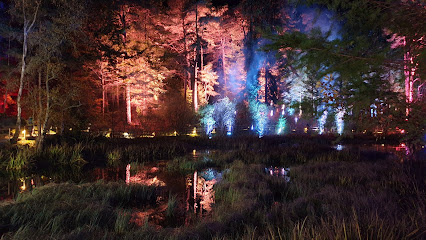
The Enchanted Forest, Pitlochry
12.4 km
Scotland’s largest autumn event, The Enchanted Forest enchants visitors with immersive light, sound, and nature in magical Faskally Woods.
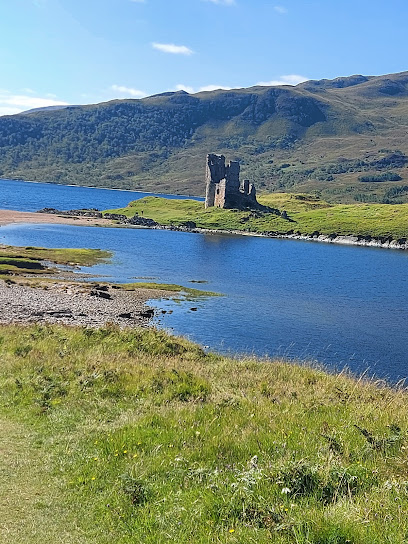
Faskally Forest
12.5 km
A historic Scottish woodland sanctuary by Loch Dunmore, famed for diverse trees, wildlife, and the magical Enchanted Forest light show.
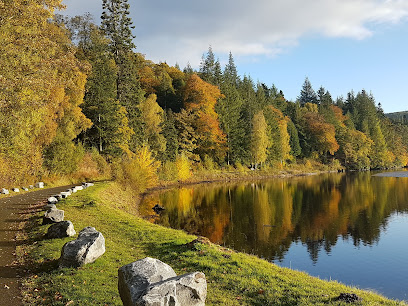
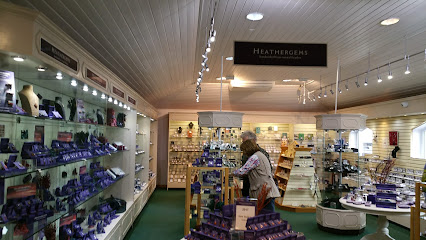
Heathergems
14.8 km
Discover Scotland’s only handcrafted jewellery made from real Highland heather, blending nature, art, and heritage in every unique piece.
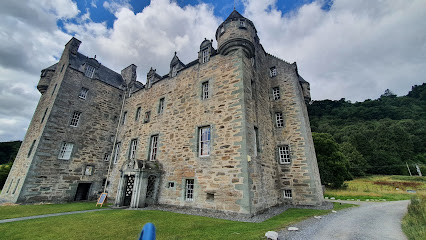
Castle Menzies
16.8 km
Explore Castle Menzies, a 16th-century Highland stronghold rich with clan history, Jacobite tales, and stunning Perthshire vistas.
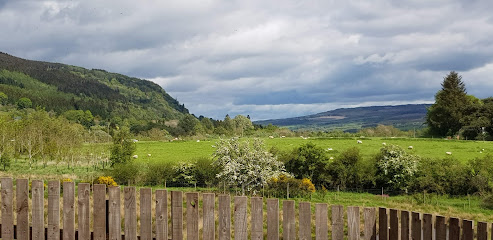
Highland Safaris
17.4 km
Experience thrilling Land Rover safaris, scenic Loch Tay cruises, and intimate wildlife encounters at Highland Safaris in the heart of the Scottish Highlands.
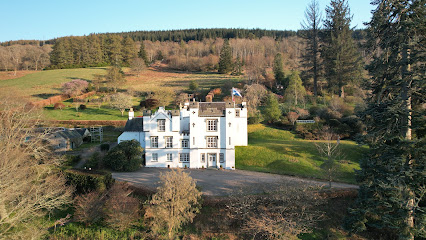
Bolfracks House & Gardens
18.2 km
Historic Scottish Baronial estate with exquisite gardens and panoramic Tay valley views, perfect for luxury holidays and special occasions.
Explore Pitlochry & Highland Perthshire
18.3 km
Your friendly Highland gateway in Pitlochry – maps, advice, and local insights for exploring Perthshire’s mountains, lochs, and glens.
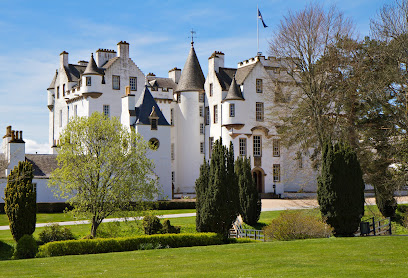
Croft Moraig Stone Circle
19.2 km
Explore Croft Moraig, a rare Neolithic double stone circle with mystical quartz pebbles, nestled in tranquil Scottish farmland near Aberfeldy.
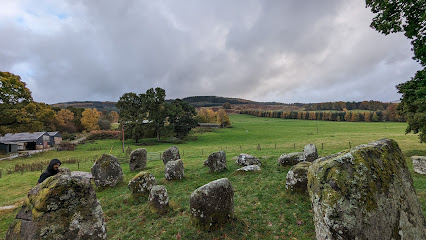
Essential places to dine

The Loft Restaurant
5.9 km
Experience warm hospitality and fresh Scottish flavors in the scenic Cairngorms at The Loft Restaurant, Blair Atholl’s beloved dining spot.
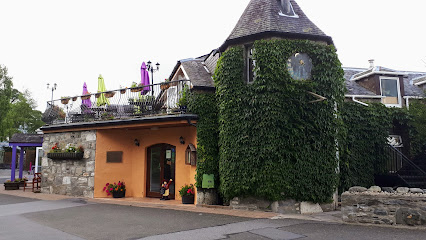
Killiecrankie House
10.1 km
Award-winning fine dining and luxury bedrooms in a contemporary Scottish country house.
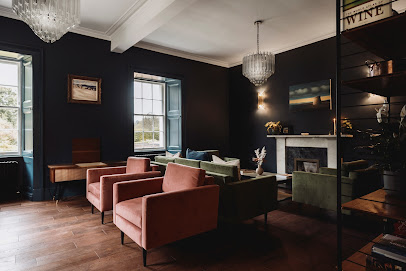
Fern Cottage Restaurant
14.7 km
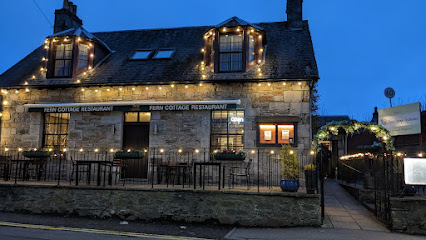
A cozy stone cottage in Pitlochry serving Scottish classics with a Mediterranean twist, plus a separate vegan menu and warm, attentive service.
Victoria's Restaurant
14.7 km
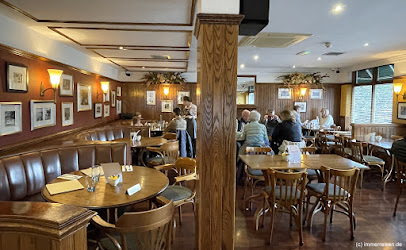
A long-standing family-run eatery in Pitlochry, blending a relaxed coffee house by day with a chic bistro by evening, serving Scottish, British and Italian comfort food in a warm, open-fire setting.
The Bridge Restaurant of Pitlochry
14.7 km
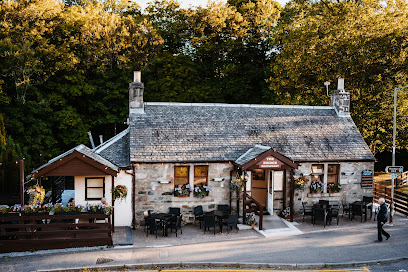
Family-run Scottish dining with fresh, local ingredients and a cozy atmosphere in the heart of Pitlochry.
Port-na-Craig Inn & Restaurant
14.8 km
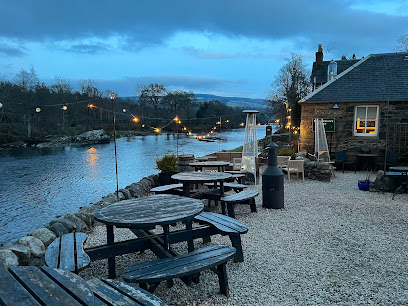
Charming riverside inn offering authentic Scottish cuisine and stunning views of the River Tummel in the heart of Pitlochry.
Z’s Bistro and Terrace Garden
31.5 km
Riverside Scottish bistro blending tradition with modern cuisine, set in the heart of Dunkeld's Perthshire landscape.
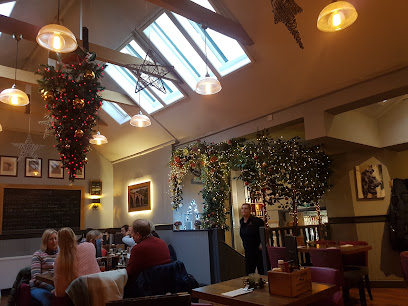
The Boathouse Restaurant Loch Insh
38.1 km
Charming Highland dining with stunning Loch Insh views and hearty Scottish fare at the heart of the Cairngorms outdoor centre.
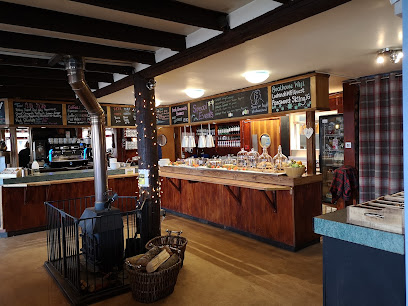
Uisge Bar & Restaurant
39.6 km
Cozy family-run restaurant in Murthly serving fresh, local Scottish dishes in a charming countryside setting with stunning views.
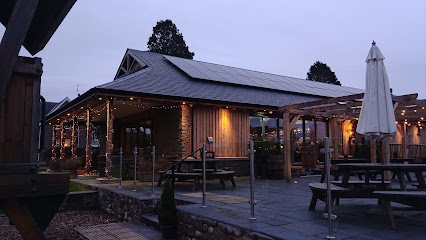
The Clunie Dining Room
41.4 km
Elegant Scottish fine dining with wood-fired flavors and striking contemporary art in the heart of Braemar’s Cairngorms.
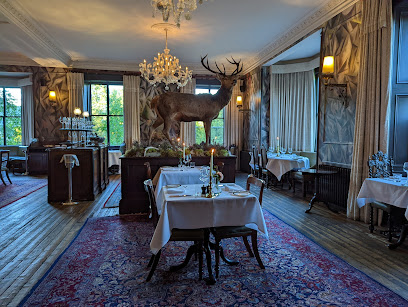
Little's Restaurant
41.8 km
A long-standing riverside restaurant in Blairgowrie, serving generous portions of classic Scottish comfort food in a warm, family-friendly setting.
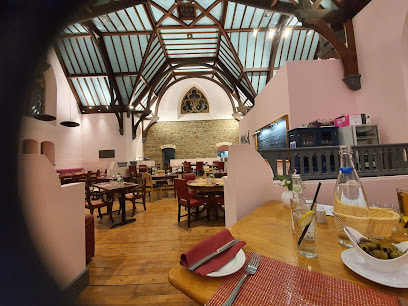
Ptarmigan Restaurant
42.7 km
Dine at the UK’s highest restaurant with panoramic Highland views and hearty local fare atop Cairngorm Mountain.
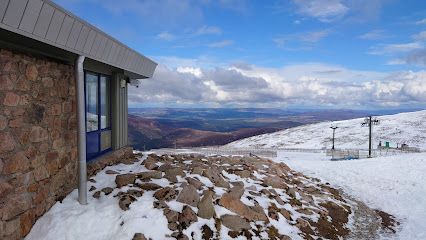
The Restaurant at Meikleour Arms
43.0 km
Classic 19th-century inn in scenic Meikleour serving award-winning Franco-Scottish country cuisine with estate-sourced produce in a warm, rustic setting.
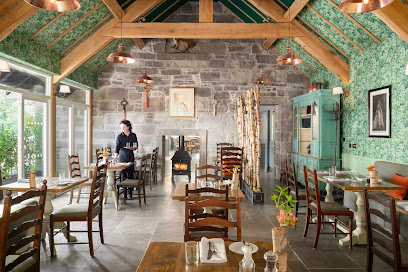
Cairngorm Cafe
43.1 km
Cozy café nestled in Cairngorm Mountain ski area serving hearty seasonal food with stunning Highland views year-round.
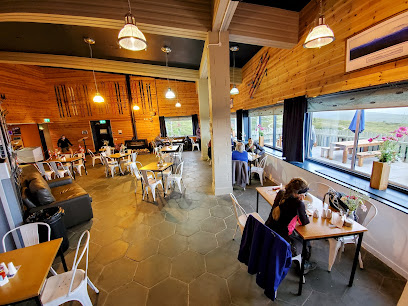
The Glenturret Lalique Restaurant
43.1 km
Experience Michelin-starred fine dining in an intimate setting within Scotland’s oldest whisky distillery, blending heritage, luxury, and innovative cuisine.
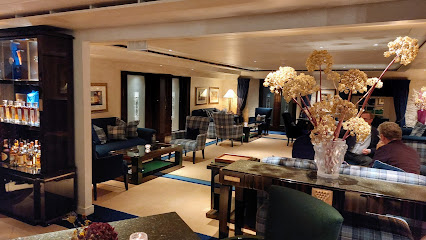
Markets, malls and hidden boutiques

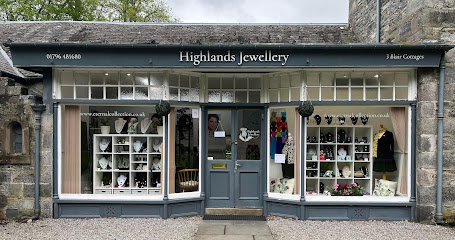
Highlands Jewellery
5.4 km
Discover handcrafted Scottish jewellery inspired by Highland heritage in the welcoming village boutique of Blair Atholl.
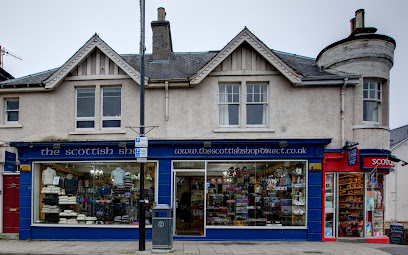
The Scottish Shop
14.3 km
Discover authentic Scottish gifts and Highland heritage at The Scottish Shop, a charming independent store in the heart of Pitlochry.
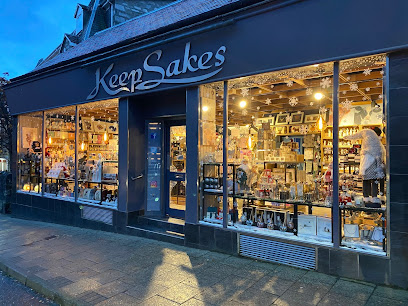
Keepsake Scotland
14.4 km
Discover authentic Scottish souvenirs and handcrafted keepsakes in the heart of Pitlochry’s welcoming gift shop.
The Hairy Coo Shop
32.6 km
Discover authentic Scottish charm and unique Highland gifts at The Hairy Coo Shop, a cozy Newtonmore treasure with warm welcomes and fresh sandwiches.
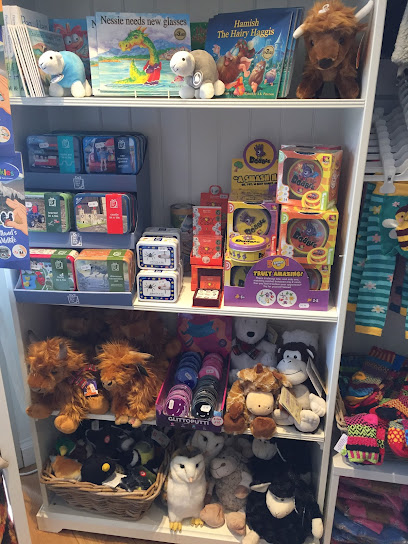
Braes O'Mar Gift Shop
41.4 km
Discover authentic Scottish crafts and unique gifts in the heart of Braemar’s scenic Highlands village.
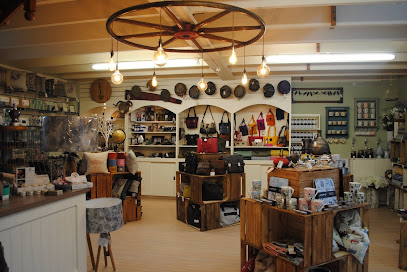
The Highlander
41.4 km
Discover authentic Scottish souvenirs and local crafts at The Highlander in Braemar - a must-visit shop for every traveler.
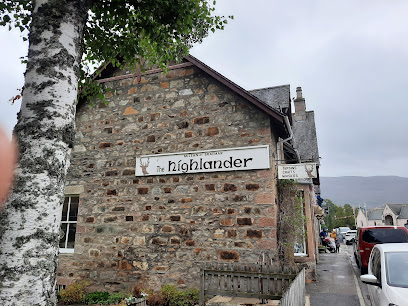
The Horn Shop
41.5 km
Discover authentic Scottish horn crafts and souvenirs in the heart of Braemar’s charming Highland village.
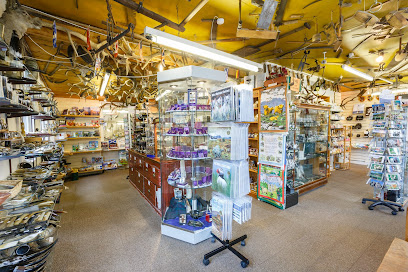
The Shop At The Top
42.7 km
Discover unique Highland crafts and outdoor gear at The Shop At The Top, a charming Aviemore destination nestled in the heart of the Cairngorms.
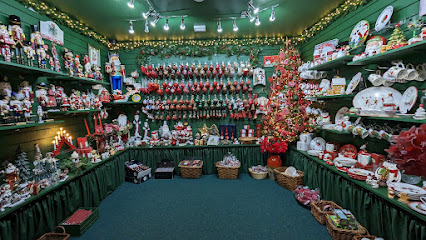
Nutcracker
46.0 km
A year‑round Christmas wonderland in Crieff, packed with festive decorations, ornaments, and holiday magic for every season.
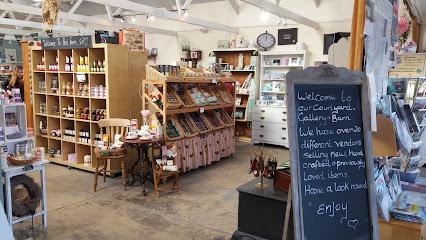
Peel Farm
46.0 km
Discover the charm of Peel Farm, where artisanal coffee and homemade treats meet stunning countryside views in Kirriemuir.
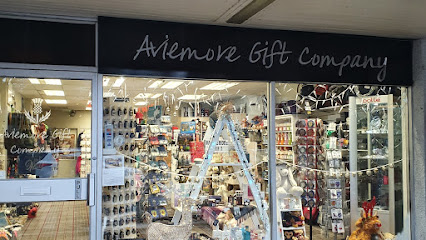
Aviemore Gift Company
46.6 km
Discover authentic Scottish gifts and local crafts in Aviemore’s largest and most welcoming souvenir shop.
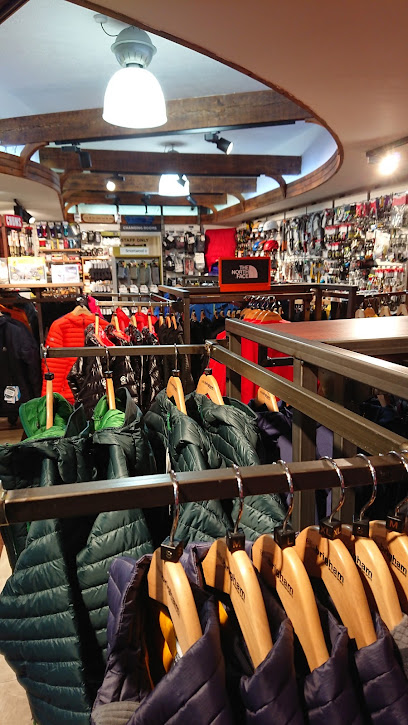
Ellis Brigham - Aviemore
46.6 km
Your expert outfitter for skiing, climbing, hiking, and outdoor adventure in the heart of the Cairngorms National Park.
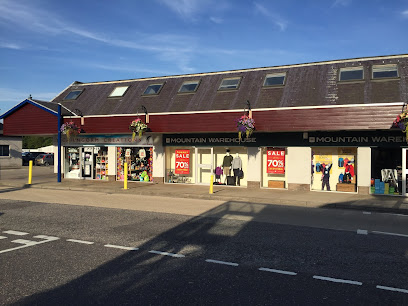
Mountain Warehouse
46.7 km
Your go-to outdoor clothing and equipment store in Aviemore for quality gear and expert advice in the heart of the Highlands.
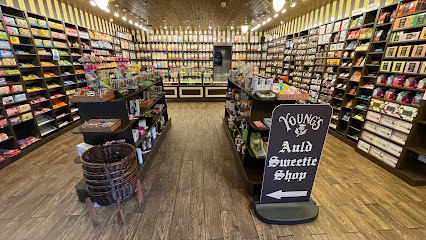
Young's Auld Sweetie Shop
46.7 km
Nostalgic confectionery haven where vintage glass jars and pick-and-mix treasures await in the heart of Aviemore.
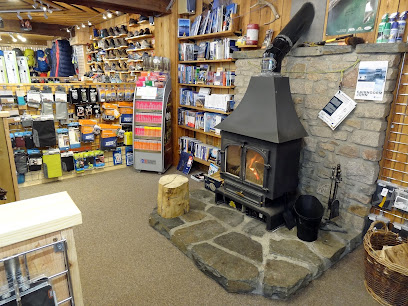
Cairngorm Mountain Sports
46.8 km
Your trusted outdoor sports shop in Aviemore, offering expert gear for alpine touring, climbing, skiing, and Nordic adventures year-round.
Essential bars & hidden hideouts

Bar
25.9 km
Experience authentic Highland hospitality in Dalwhinnie’s cozy and traditional bar, a welcoming retreat amidst Scotland’s scenic beauty.
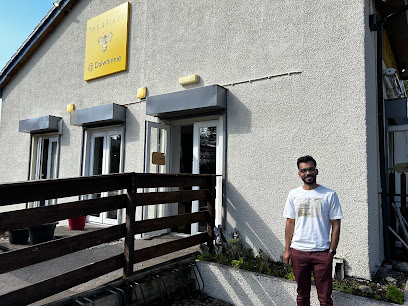
SUIE BAR
39.3 km
Experience authentic Highland hospitality with local ales, whiskies, and live music in the historic heart of Kincraig.
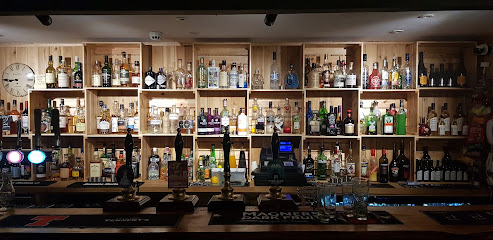
The Drawing Room
41.4 km
An elegant Victorian-style lounge in Braemar blending world-class art, Highland hospitality, and refined afternoon tea experiences.
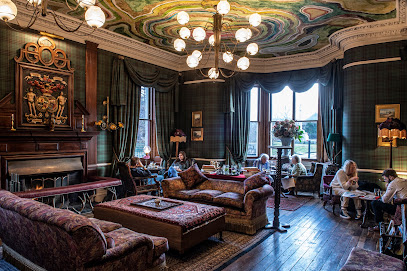
Bertie's Bar
41.4 km
Discover Scotland’s whisky heritage in Bertie’s Bar, a glowing library of over 500 whiskies inspired by King Edward VII’s lavish spirit.
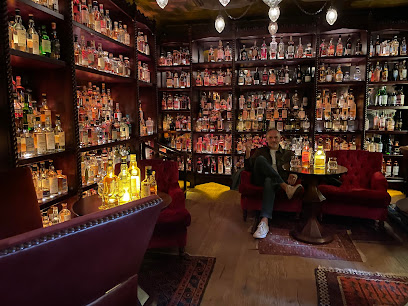
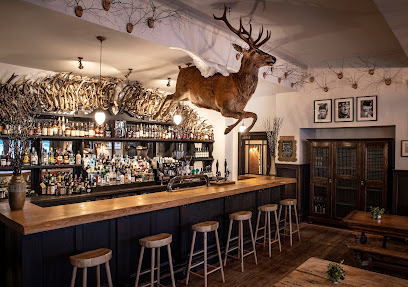
The Flying Stag
41.5 km
A vibrant Scottish pub in Braemar blending local heritage, hearty cuisine, and unique art in the heart of the Cairngorms.
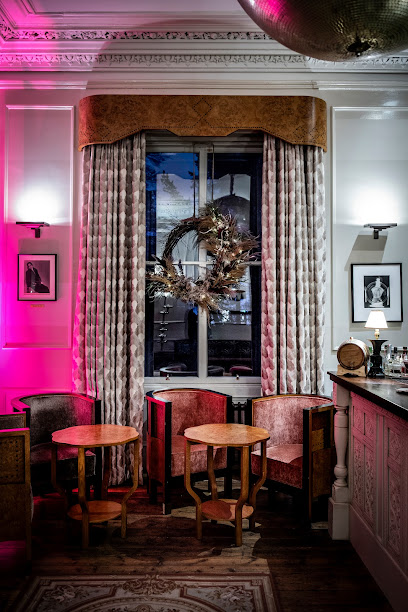
Elsa's Bar
41.5 km
A stylish cocktail bar blending Scottish spirits and Art Deco charm in Braemar’s iconic Fife Arms hotel.
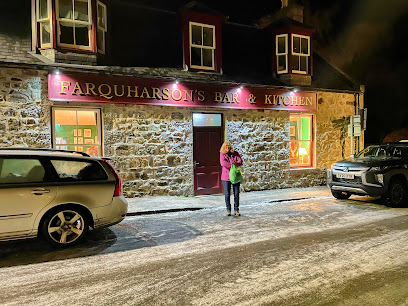
Farquharsons Bar and Kitchen
41.5 km
Cozy gastropub in Braemar offering classic Scottish fare, pet-friendly charm, and a warm Highland welcome in the heart of Cairngorms National Park.
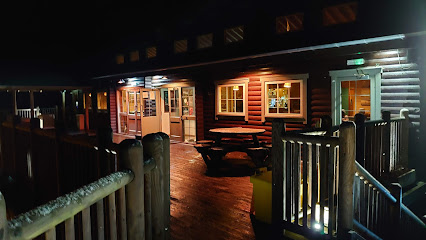
Woodshed Bar
45.3 km
A cozy log cabin bar in Aviemore offering local ales, crafted cocktails, and a warm Highland atmosphere with occasional live music.
The Aviemore Inn pub and grill
45.6 km
Cozy Highland pub in Aviemore Holiday Park serving hearty home-cooked meals and live music in a warm, family-friendly setting.
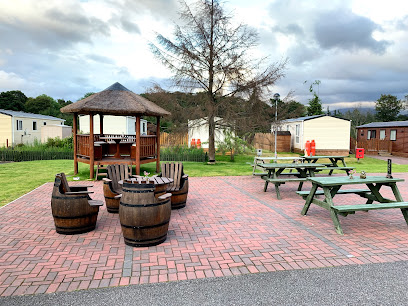
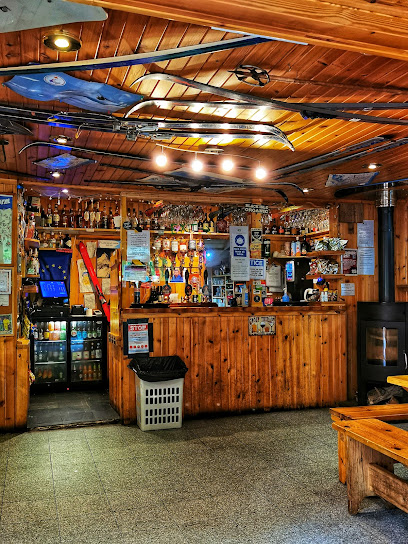
The Pine Marten Bar
46.1 km
Cozy alpine-style bar in Glenmore offering local ales, hearty food, live music, and a warm welcome near Loch Morlich.
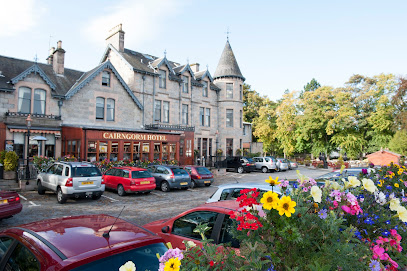
Cairngorm Hotel
46.5 km
Experience warm Scottish hospitality and cozy charm in Aviemore’s Cairngorm Hotel, your gateway to the Highlands.
Mambos
46.6 km
Lively Aviemore bar and eatery with diverse menu, friendly vibe, and vibrant nightlife on Grampian Road in the heart of the Scottish Highlands.
Skiing Doo
46.9 km
A beloved Aviemore bar and restaurant known for hearty British fare and friendly vibes, now closed but fondly remembered.
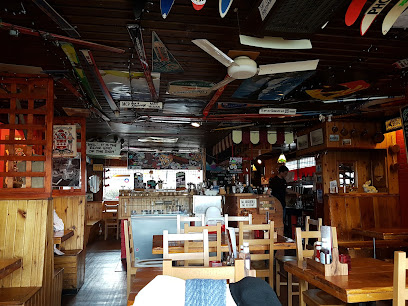
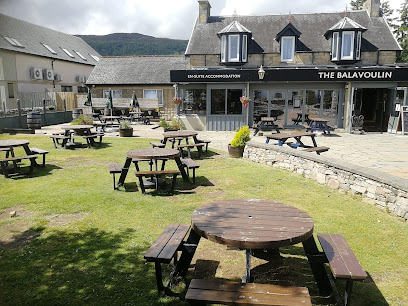
the Balavoulin
47.1 km
A cosy Highland pub and guesthouse in Aviemore offering hearty food, local drinks, and comfortable rooms in a warm, welcoming setting.
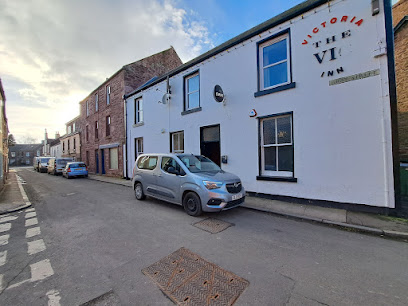
Victoria Inn
48.0 km
Discover the warmth and hospitality of Victoria Inn, a cozy bar in Coupar Angus, perfect for unwinding and enjoying local brews.
Nightclubs & after hour spots

The Gig
41.6 km
Experience Blairgowrie’s vibrant nightlife at The Gig, a welcoming and affordable nightclub in the heart of this scenic Scottish town.
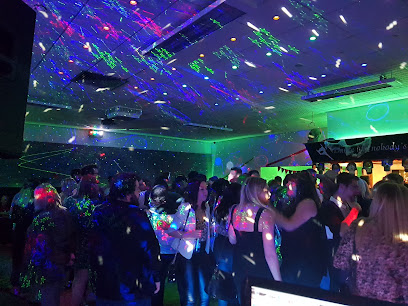
The Vault
46.7 km
Experience Aviemore’s vibrant nightlife at The Vault, a lively nightclub blending modern beats with Highland charm every weekend.
Ego Nightclub - Perth
51.9 km
Experience Perth’s vibrant nightlife at Ego Nightclub, where quality music and positive energy unite after dark.
Loft Nightclub
52.1 km
Perth’s energetic nightclub with six bars, late-night dancing, and a lively social scene on South Street.
Club One
52.3 km
Experience Perth’s vibrant nightlife at Club One, a lively nightclub offering late-night and daytime parties in the city center.
Ice Factory Perth
53.0 km
Perth’s energetic nightclub and live music hotspot, blending dance, DJs, and vibrant weekend nights in a modern setting.
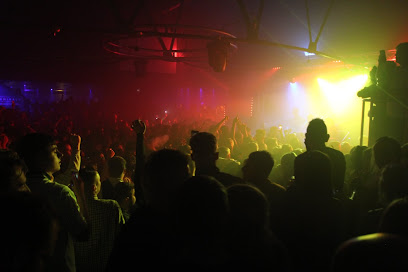
Royal Night Club
65.4 km
Vibrant nightlife and lively DJ nights in the heart of Forfar’s historic Royal Hotel, complete with rooftop terrace and buzzing bar scene.
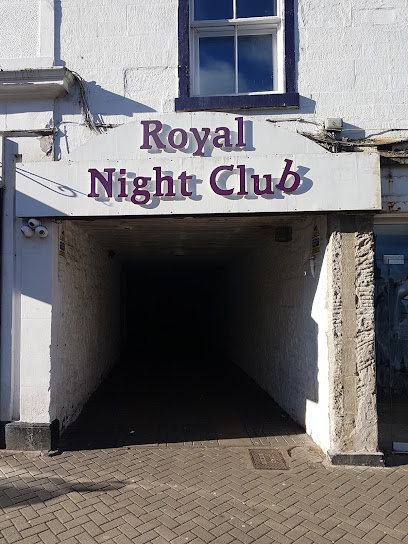
Afro Beats
68.0 km
Experience Dundee’s vibrant nightlife with pulsating Afrobeats, stylish vibes, and unforgettable late-night energy at Afro Beats nightclub.
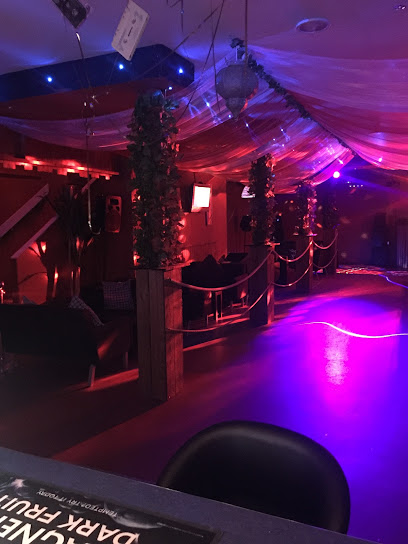
AURA Nightclub
68.1 km
Dundee’s vibrant AURA Nightclub pulses with chart hits, themed parties, and a welcoming atmosphere for unforgettable nights out.

Dundemo
68.1 km
Dundemo nightclub pulses with energy in Dundee’s historic Lower Ward, blending vibrant nightlife with the city’s rich cultural heritage.
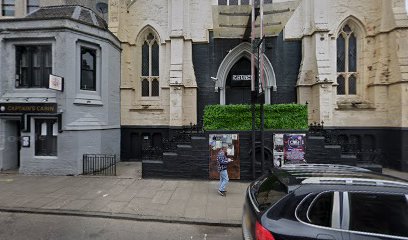
Club Tropicana & Venga
68.1 km
Step into Dundee’s ultimate 80s nightclub for nostalgic beats, vibrant dance floors, and unforgettable retro nights at Club Tropicana & Venga.
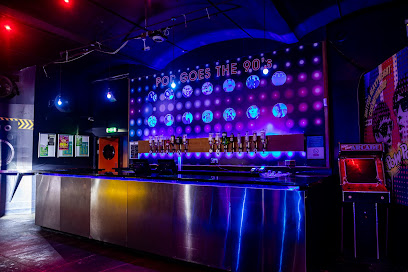
Fat Sams
68.1 km
Experience Dundee’s vibrant nightlife at Fat Sam's, a legendary club blending live music, themed rooms, and nostalgic beats in a lively urban setting.

Private Eyes
68.2 km
Experience Dundee’s vibrant nightlife with live pole dance shows, VIP lounges, and a lively atmosphere at Private Eyes nightclub.
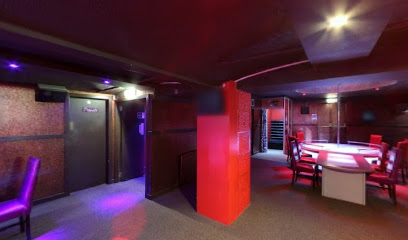
Underground
68.3 km
Dundee’s vibrant nightclub and live music venue where dancing, live bands, and late-night fun come alive every weekend.
Pout Bar and Nightclub
68.5 km
Dundee's vibrant gay nightclub offering great music, welcoming vibes, and late-night dancing in the heart of the city.
For the vibe & atmosphere seeker
- Relaxing
- Tranquil
- Scenic
- Unique
- Casual
For the design and aesthetic lover
- Rustic Designs
- Vintage Styles
For the architecture buff
- Historic
- Landmarks
- Parks & Gardens
- Viewpoints
For the view chaser and sunset hunter
- Iconic Views
- Panoramas
- Sunset Spots
For the social media creator & influencer
- Instagrammable
- Photo Spots
- Selfie Spots
For the eco-conscious traveler
- Public-Transport Accessible
- Locally Managed
- Leave-No-Trace Critical
For the kind of experience you’re after
- Cultural Heritage
- Photowalk
- Nature Escape
- Day Trip
- Weekend Getaway
For how adventurous you want the journey to be
- Easy Access
Location Audience
- Family Friendly
- Senior Friendly
- Child Friendly
- Teen Friendly
- Pet Friendly
- Couple Friendly
- Solo Friendly
- Vegetarian Friendly
- Vegan Friendly


