Devorgilla Bridge, Scotland Travel Guide
Step back in time on Devorgilla Bridge, a medieval marvel spanning the River Nith in Dumfries, rich with history and scenic charm.
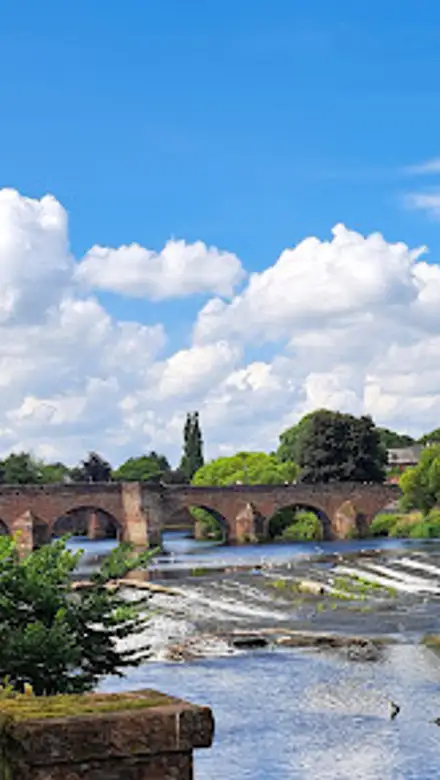
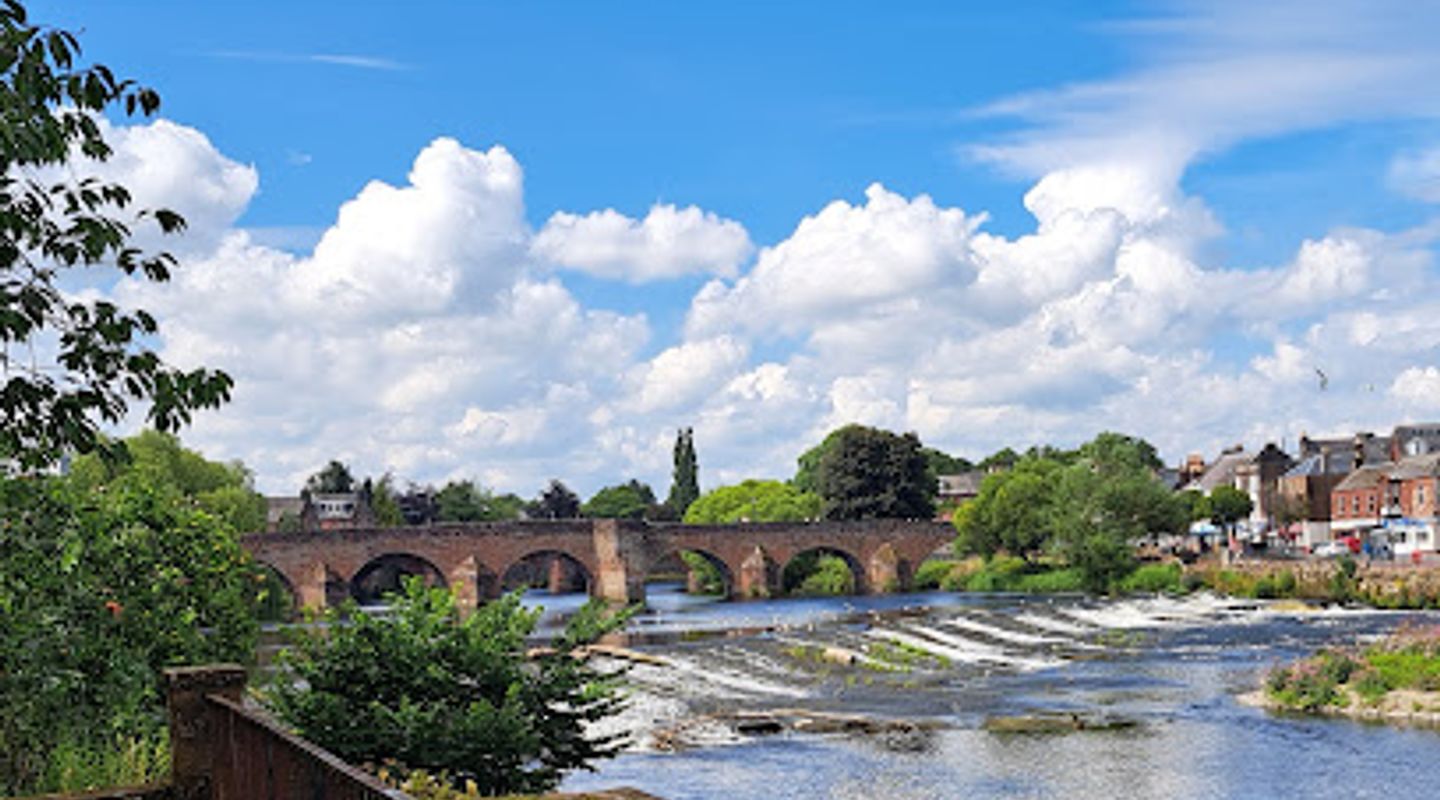
Devorgilla Bridge is one of Scotland’s oldest surviving stone bridges, spanning the River Nith in Dumfries. Dating back to the early 15th century, this nine-arch sandstone bridge replaced earlier wooden structures commissioned by Lady Devorgilla of Galloway in the 1260s. Known for its massive triangular cutwaters and historic Old Bridge House museum built into its structure, the bridge offers scenic views and a tangible link to Dumfries’ medieval past.
A brief summary to Devorgilla Bridge
- Dumfries, GB
- Click to display
- Duration: 0.5 to 2 hours
- Free
-
 Outdoor
- Mobile reception: 4 out of 5

Know before you go
Hi, I'm Eve. Here are a few practical things to know before exploring Devorgilla Bridge.
- Visit the Old Bridge House Museum built into the bridge to explore local history and Victorian-era life.
- Enjoy scenic views of the River Nith and nearby Whitesands from the pedestrian-only bridge.
- Combine your visit with a walk along Dumfries’ riverside paths to experience the town’s historic atmosphere.
- Bring a camera for stunning photos of the bridge’s red sandstone arches and the tranquil river setting.
Do you manage this location?
Take control to get all the benefits, like improved information, better appearance, and stronger visibility across AI-powered discovery. Learn more about listing your business on Evendo
Activate your presenceOther nearby places you may find interesting
The closest places of the same kind, if this one is not quite what you had in mind.
Explore Devorgilla Bridge on the Map
A handpicked selection of must-see spots near Devorgilla Bridge, mapped for you.
Getting There
-
Bus
Take local buses from Dumfries town center to stops near the River Nith; travel times range from 10 to 20 minutes with frequent service during the day. Tickets cost approximately £1.50–£3.00. Note that bus stops are a short walk from the bridge.
-
Car
Driving to Devorgilla Bridge is straightforward via Dumfries town roads; parking is available in nearby public car parks within a 5-10 minute walk. Parking fees typically range from £1 to £3 per hour. The bridge area is pedestrian-only, so park outside and walk.
-
Walking
From Dumfries town center, a pleasant 15- to 25-minute walk along the riverside paths leads to Devorgilla Bridge. The terrain is flat and accessible for most walkers, with paved paths and gentle gradients.
For the on-the-go comforts that matter to you
-
 Seating Areas
-
 Information Boards
Discover more about Devorgilla Bridge
Origins and Historical Significance
Devorgilla Bridge traces its origins to the 13th century when Lady Devorgilla of Galloway, a prominent noblewoman and mother of King John Balliol, ordered the construction of the first wooden bridge across the River Nith around the 1260s. This early bridge facilitated access into Dumfries from Galloway and served as a vital crossing point near a ford that was crucial for pilgrims and trade. Although no physical trace of this wooden structure remains, the name Devorgilla has endured, attached to all subsequent bridges at this site.Architectural Evolution and Design Features
The current stone bridge was begun circa 1430, replacing the earlier wooden and possibly stone predecessors. It originally featured nine semi-circular arches spanning over 200 feet, constructed from the distinctive red sandstone common in Dumfries architecture. The bridge’s most striking design elements are its massive triangular cutwaters on both upstream and downstream sides, engineered to withstand the River Nith’s powerful floods. After a devastating flood in 1620 or 1621 destroyed the eastern half, the bridge was extensively repaired or rebuilt, maintaining its historic form. Later modifications in the late 18th century narrowed the riverbank, leading to the removal of three eastern arches and the addition of steps to access the bridge.Old Bridge House Museum: A Living Heritage
Built into the sandstone at the western end of the bridge in 1660, Old Bridge House is Dumfries’ oldest surviving house and now serves as a museum. Visitors can explore recreated Victorian-era rooms including a family kitchen, nursery, bedroom, and an early dentist’s surgery. This intimate museum provides a glimpse into everyday life in Dumfries across centuries and connects directly to the bridge’s history as a hub of local activity. The house may have even hosted Robert Burns, Scotland’s national poet, during his time in Dumfries.Devorgilla Bridge in the Context of Dumfries
Situated in the heart of Dumfries, the bridge is a key historical landmark within the town’s rich cultural landscape. Dumfries itself became a Royal Burgh in 1186 and grew around this vital crossing. The bridge’s location offers picturesque views of the River Nith and the surrounding riverside environment, including the nearby Whitesands area, known for its natural beauty and historical events. Today, the bridge serves pedestrians only, preserving its structure and inviting visitors to appreciate its medieval charm.Preservation and Visitor Experience
Devorgilla Bridge is maintained as a protected historical structure, reflecting centuries of Scottish engineering and local heritage. Its sandstone arches and cutwaters remain remarkably intact, evoking the resilience of medieval craftsmanship. Visitors can enjoy scenic walks along the river, explore the Old Bridge House Museum, and connect with Dumfries’ layered history. The bridge’s pedestrian-only status enhances a tranquil atmosphere, making it a favored spot for photography and reflection.Legacy and Cultural Importance
Beyond its architectural and historical value, Devorgilla Bridge symbolizes Dumfries’ role as a frontier town in medieval Scotland and its connection to influential figures such as Lady Devorgilla and Robert Burns. The bridge’s endurance through floods, political changes, and urban development underscores its significance as a cultural landmark. It remains a testament to the town’s heritage and a living link to Scotland’s past.












Your all‑in‑one travel companion app
Explore expert travel guides, compare and book tours, experiences, hotels, and more—all from the palm of your hand. Download now for seamless trip planning wherever your wanderlust takes you.


Explore More of Scotland
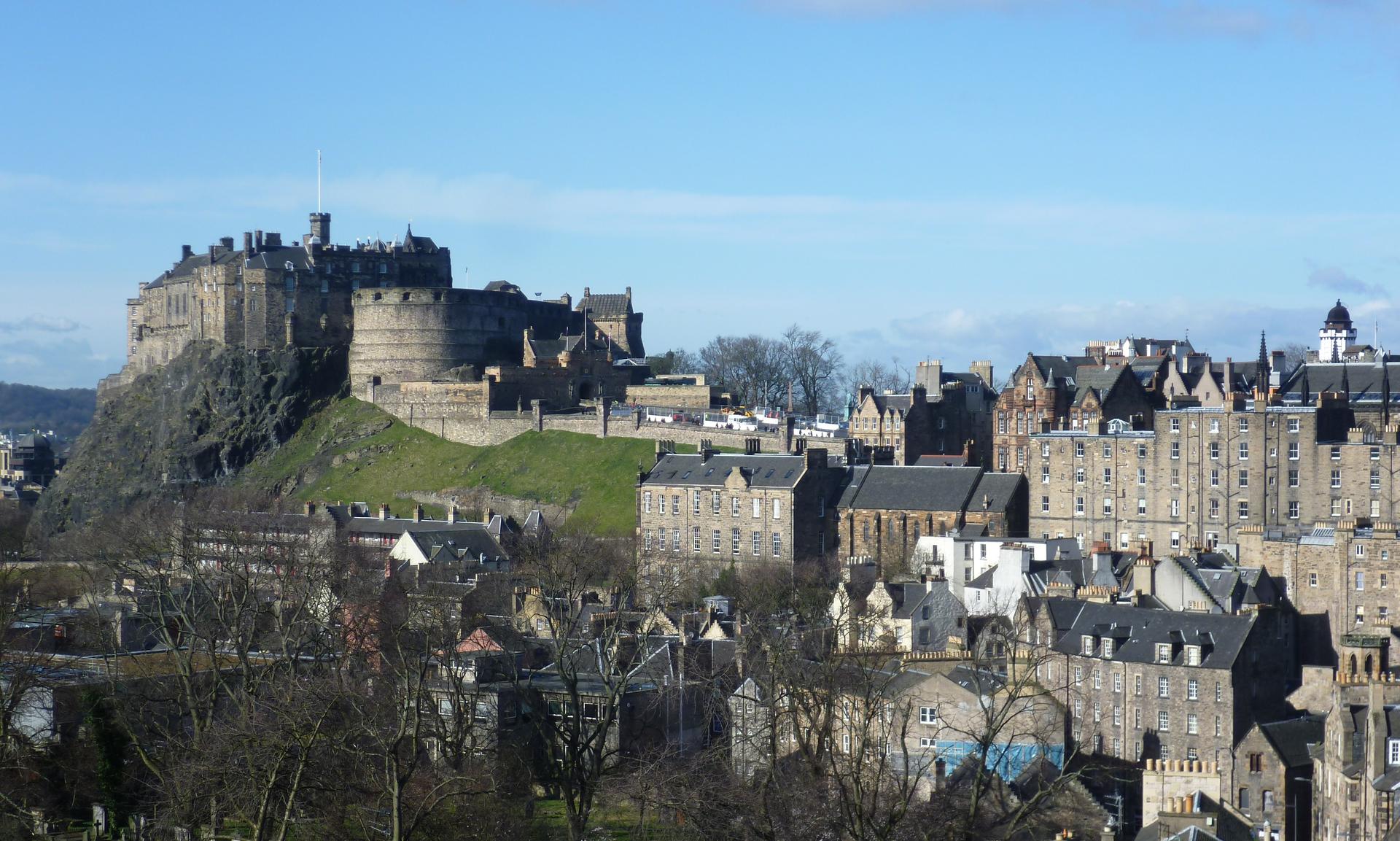
Looking beyond Devorgilla Bridge? Discover Scotland for broader travel guides, local hot-spots, and regional highlights.
Explore Scotland
A 16th-century tower house where Renaissance comfort meets aristocratic secrets and family fortune turned to ruin.
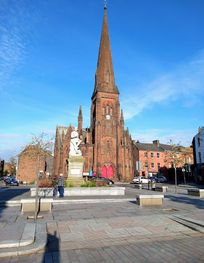
A magnificent Italian marble statue honoring Robert Burns, Scotland’s national poet, standing proudly at the heart of Dumfries’ historic town centre.