
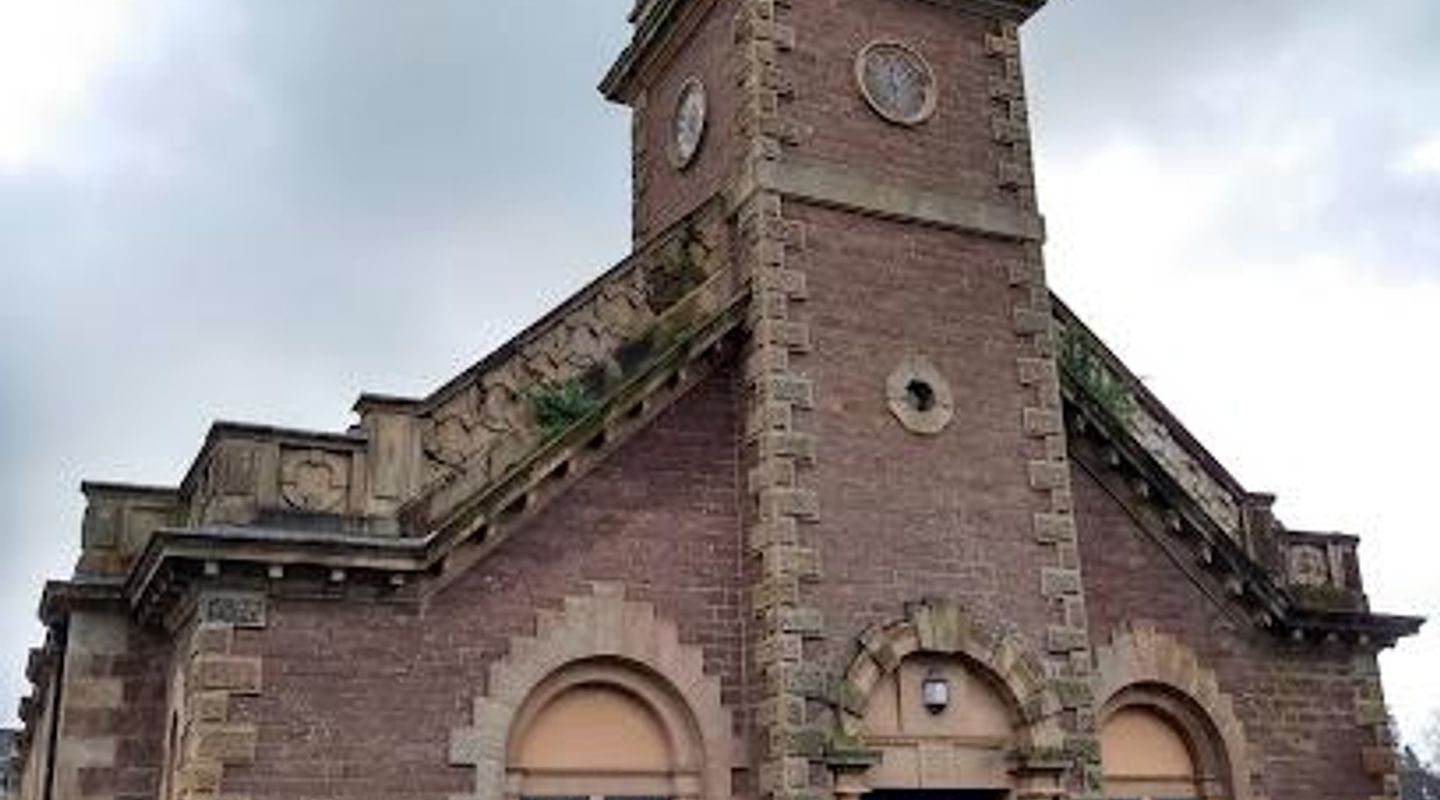
Callander Kirk, Stirling Travel Guide
Historic 19th-century kirk in Callander with unique Italianate bell tower and rich spiritual heritage amid scenic Scottish surroundings.
Callander Kirk, located on South Church Street in Callander, Scotland, is a historic church with roots tracing back to the 19th century Free Church movement. Known for its distinctive Italianate bell tower and Gothic architectural elements, the kirk serves as a spiritual and community hub. It stands amid a town rich in history, near the River Teith and close to landmarks tied to Scotland's cultural heritage.
A brief summary to Callander Kirk
- S Church St, Callander, FK17 8BN, GB
- Click to display
- Duration: 0.5 to 1.5 hours
- Free
-
 Outdoor
- Mobile reception: 4 out of 5

Know before you go
Hi, I'm Eve. Here are a few practical things to know before exploring Callander Kirk.
- Visit on weekday mornings for a quieter, more reflective experience.
- Bring a camera to capture the distinctive bell tower and stained glass windows.
- Explore the adjacent Kirk Hall, which hosts community events and has historical significance.
- Take time to stroll the surrounding gardens and nearby River Teith walkway for scenic views.
Do you manage this location?
Take control to get all the benefits, like improved information, better appearance, and stronger visibility across AI-powered discovery. Learn more about listing your business on Evendo
Activate your presenceOther nearby places you may find interesting
The closest places of the same kind, if this one is not quite what you had in mind.
Explore Callander Kirk on the Map
A handpicked selection of must-see spots near Callander Kirk, mapped for you.
Getting There
-
Bus
Local bus services connect Callander to Stirling and nearby towns, with a typical journey time of 40 to 60 minutes. Buses arrive approximately every hour. Tickets cost around £5-£8. The bus stop is about a 10-minute walk from Callander Kirk.
-
Train and Taxi
The nearest train station is in Dunblane, about 20 km from Callander. From Dunblane, a taxi ride to Callander Kirk takes approximately 25 minutes and costs around £30-£40. Train services run regularly from Glasgow and Edinburgh.
-
Car
Driving to Callander Kirk is straightforward via the A84. Parking is available nearby but can be limited during peak tourist seasons. The journey from Stirling takes about 30 minutes. Note that some parking areas may require payment.
-
Walking
If staying in central Callander, the kirk is accessible on foot via paved streets. Walking times vary depending on your location but generally range from 10 to 20 minutes. The terrain is flat and suitable for most visitors.
For the on-the-go comforts that matter to you
-
 Restrooms
-
 Seating Areas
-
 Information Boards
Discover more about Callander Kirk
Origins and Architectural Heritage
Callander Kirk was originally built in 1861 to serve a congregation of the Free Church of Scotland, emerging from the 19th-century religious schism known as 'The Disruption.' The building showcases a blend of Gothic style with later Italianate influences, notably in its belvedere bell tower designed by Glasgow architect George Penrose Kennedy. This tower adds a Tuscan flair uncommon in Scottish ecclesiastical architecture, reflecting mid-Victorian tastes.Evolution and Community Role
The kirk represents the merging of two historic congregations, St Kessog’s and St Bride’s, which united in the 20th century. It has functioned not only as a place of worship but also as a community center, with the adjacent Kirk Hall originally built in 1849 funded by local businessman Donald McLaren. The hall was initially a Free Church School and now supports various community activities.Historical Context in Callander
Callander itself is a town steeped in history, with origins dating back to Neolithic settlements and Roman military presence nearby. The kirk sits in a town that was Scotland’s first planned rural town in the 1770s and is closely linked to notable Scottish figures and events, including the Jacobite uprisings and literary heritage through Sir Walter Scott’s works.Spiritual and Cultural Significance
Named after Saint Kessog, an early Celtic missionary believed to have preached in the area, the kirk embodies centuries of spiritual tradition. Its graveyard, with graves dating to the late 18th and early 19th centuries, includes a watch house built to protect against 19th-century body snatchers, reflecting the social history surrounding the church.Architectural Details and Surroundings
The church’s soaring buttresses and stained glass windows contribute to its serene and contemplative atmosphere. It is surrounded by gardens and the scenic backdrop of the River Teith, enhancing its role as a tranquil retreat within the bustling town. Nearby, the heritage trail and other historic sites enrich the visitor experience.Present-Day Use and Visitor Experience
Although the kirk no longer functions solely as a parish church, it remains a focal point for worship and community events. Its architectural beauty and peaceful ambience attract visitors interested in history, architecture, and spiritual reflection. The building’s history as a Free Church base and its later adaptations highlight Callander’s evolving religious landscape.












Your all‑in‑one travel companion app
Explore expert travel guides, compare and book tours, experiences, hotels, and more—all from the palm of your hand. Download now for seamless trip planning wherever your wanderlust takes you.


Explore More of Stirling
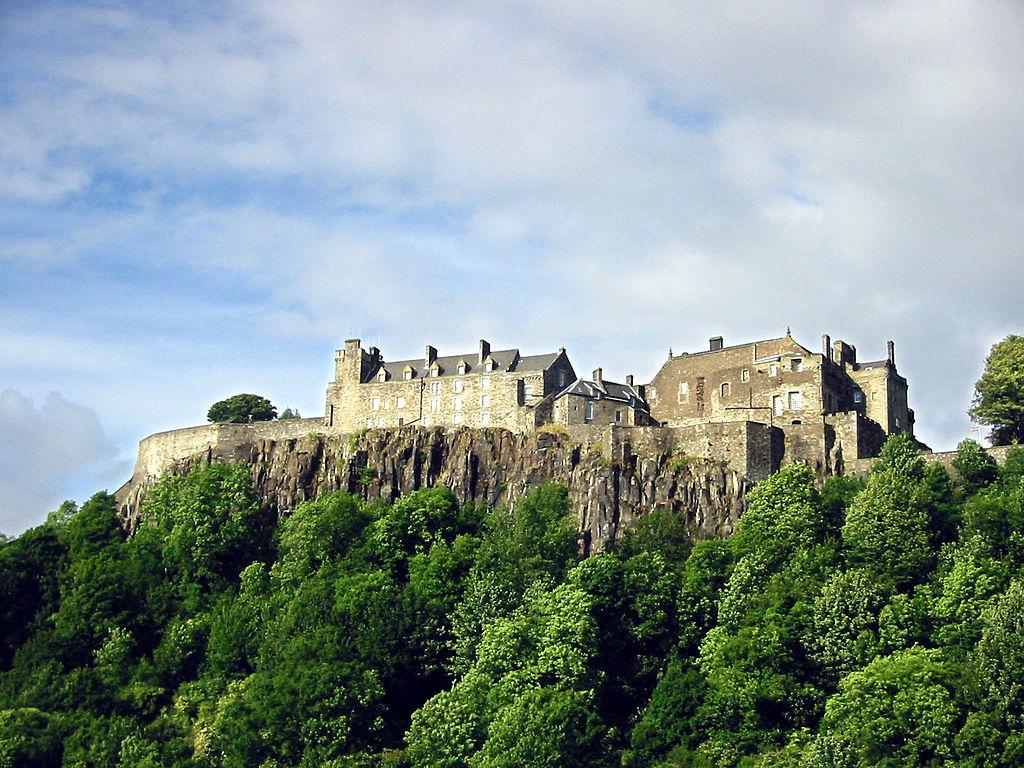
Looking beyond Callander Kirk? Discover Stirling for broader travel guides, local hot-spots, and regional highlights.
Explore Stirling

