Cultybraggan Camp, Stirling Travel Guide
Explore Scotland’s last WWII prisoner of war camp, a site of intense history, community revival, and preserved heritage near Comrie.
Cultybraggan Camp, near Comrie in Perthshire, Scotland, is the last remaining World War II prisoner of war camp in Scotland. Built in 1941 to house up to 4,000 prisoners, it was known as the 'Black Camp of the North' for holding the most committed Nazi PoWs, including SS officers and senior German military personnel. After the war, it served as a military training site until 2004 and is now a vibrant community resource preserving its unique wartime heritage.
A brief summary to Cultybraggan Camp
- Hut 3 Cultybraggan Camp, Comrie, Crieff, PH6 2AB, GB
- Click to display
- Click to display
- Duration: 1 to 3 hours
- Mid ranged
-
 Outdoor
- Mobile reception: 4 out of 5

Know before you go
Hi, I'm Eve. Here are a few practical things to know before exploring Cultybraggan Camp.
- Visit between April and October when the museum and exhibitions are open to fully experience the camp’s history.
- Wear comfortable shoes for walking the extensive camp grounds and exploring the outdoor exhibits.
- Take advantage of guided tours by prior arrangement to gain deeper insights into the camp’s complex past.
- Enjoy picnics in the Community Orchard or Woodland areas, which provide tranquil spots amid the historic setting.
- Dogs are welcome on site, but be mindful of traffic on the camp roads.
Do you manage this location?
Take control to get all the benefits, like improved information, better appearance, and stronger visibility across AI-powered discovery. Learn more about listing your business on Evendo
Activate your presenceOther nearby places you may find interesting
The closest places of the same kind, if this one is not quite what you had in mind.
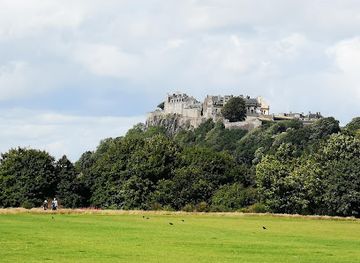
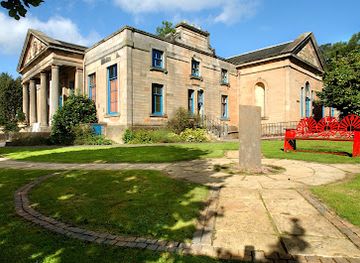
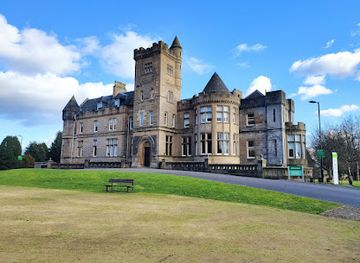
Explore Cultybraggan Camp on the Map
A handpicked selection of must-see spots near Cultybraggan Camp, mapped for you.
Getting There
-
Car
Driving from central Perth to Cultybraggan Camp takes approximately 45 to 60 minutes via the A85 and B827. Limited parking is available on site. Note that rural roads can be narrow and busy during peak tourist seasons.
-
Bus
Local bus services connect Comrie with Perth and Crieff, with journey times ranging from 40 to 60 minutes. From Comrie village, the camp is about a 20-minute walk on mostly flat terrain. Bus frequency may be limited on weekends and holidays.
-
Walking
For visitors staying in Comrie, walking to the camp involves a 20- to 30-minute walk along quiet country roads and footpaths. The terrain is generally level and suitable for most abilities, but good footwear is recommended.
For the on-the-go comforts that matter to you
-
 Restrooms
-
 Seating Areas
-
 Picnic Areas
-
 Information Boards
Discover more about Cultybraggan Camp
A Fortress of History in Perthshire
Nestled beneath the rugged Aberuchill Hills near the village of Comrie, Cultybraggan Camp stands as a remarkable relic of World War II. Constructed between May and October 1941 by the 249 Company Pioneer Corps, primarily composed of Jewish refugees from Germany and Austria, it was originally designed to house up to 4,000 prisoners of war. Known officially as Prisoner of War Camp 21, it earned the moniker 'Black Camp of the North' due to its role in detaining the most committed and dangerous Nazi prisoners, including Waffen-SS members, Luftwaffe personnel, and U-boat crew.The Dark Legacy of a 'Black Camp'
Cultybraggan was one of only two maximum-security PoW camps in Britain, specifically designated for Category A prisoners—those unwaveringly loyal to Nazi ideology. The camp's strict security and remote location made it ideal for housing high-risk prisoners, many implicated in war crimes. Notoriously, the camp was the site of brutal internal violence, including the lynching of Wolfgang Rosterg, a prisoner who opposed Nazism and informed the Allies of an escape plot. This event led to the largest mass execution in the UK since the 19th century. Despite its harsh reputation, life inside the camp included cultural activities such as choir and orchestra practice, and educational opportunities like English lessons.Post-War Transformation and Community Renewal
After the final prisoners were repatriated by 1948, Cultybraggan transitioned into a Ministry of Defence training camp, serving the Regular Army, Territorial Army, and cadet forces for over five decades. The camp hosted thousands of personnel who engaged in military exercises, adventure training, and winter warfare preparation. Following its closure in 2004, the site was acquired by the Comrie Development Trust under Scotland's Land Reform Act, transforming it into a thriving community hub. Today, it hosts local businesses, artisan workshops, allotments, a community orchard, and woodland, while preserving the camp’s historical structures and stories.Preserving History Through Interpretation
The camp’s museum, located in the former jail block and opened in 2021, offers visitors a vivid insight into the lives of prisoners and the camp’s wartime history. Exhibits include the renowned Cultybraggan Cartoon Collection—66 drawings created by a prisoner in 1944-45—and detailed storyboards marking key sites such as prisoner compounds, the assault course, and rifle range. While the nuclear bunker on site is privately owned and not open to the public, the camp’s overall preservation has earned it recognition as a Unique Heritage Asset of International Value by Historic Scotland.Visitor Experience and Atmosphere
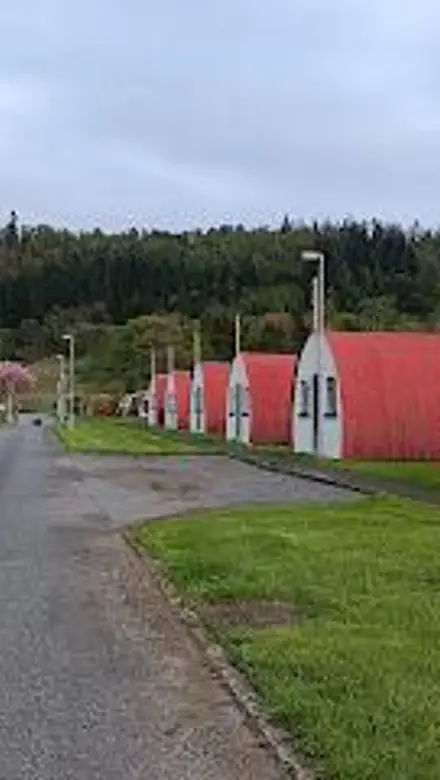
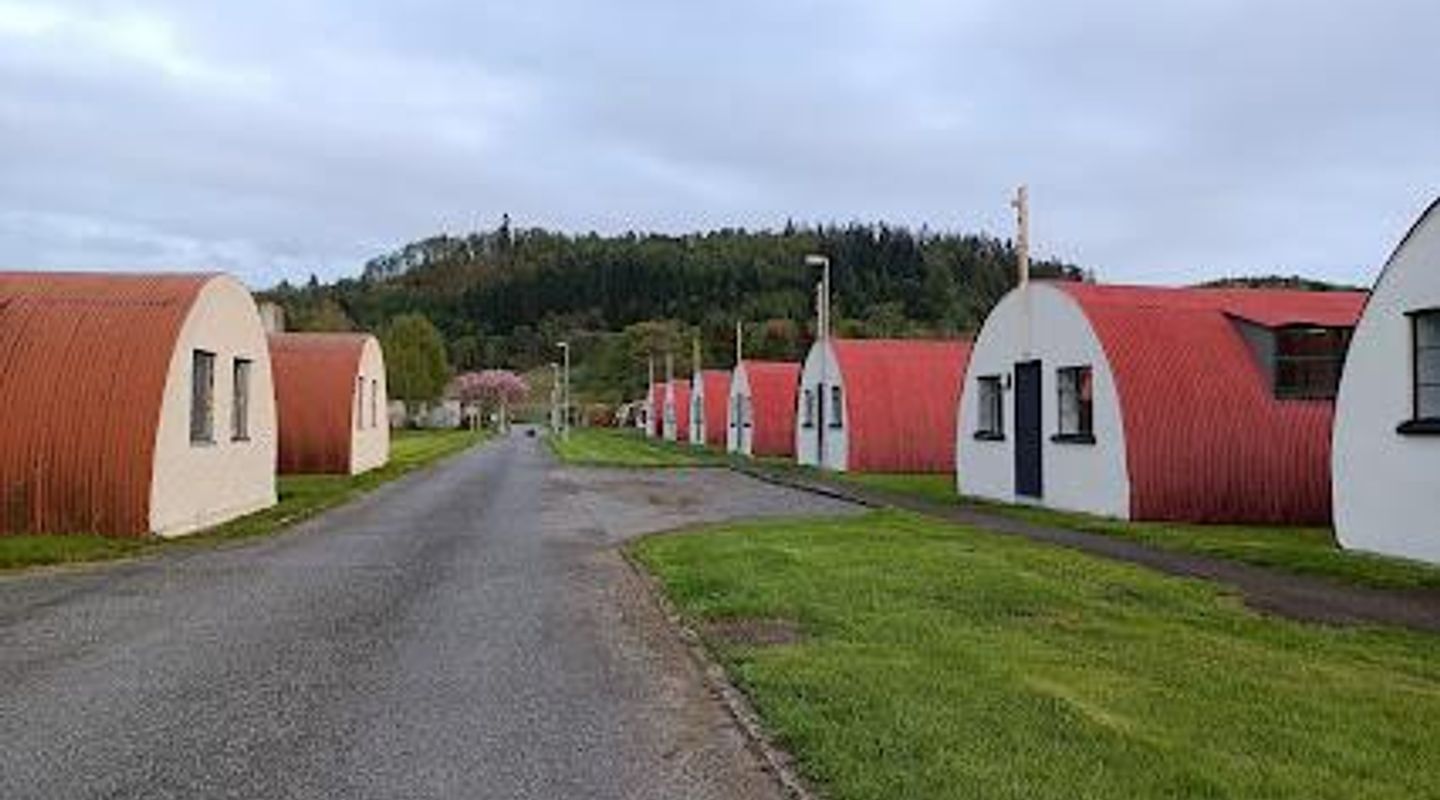
Visitors to Cultybraggan can explore the extensive grounds and original Nissen huts, which have stood for over 80 years. The peaceful setting beside the Water of Ruchill and under the Aberuchill Hills contrasts with the camp’s intense wartime past, creating a reflective atmosphere. The site welcomes dogs, offers picnic areas in the community orchard and woodland, and provides accessible facilities including toilets and wheelchair access. Guided tours are available by arrangement, enhancing understanding of this complex historical site.Legacy and Cultural Impact
Cultybraggan’s legacy extends beyond its wartime role. Some former prisoners returned to the area after the war, forging lasting ties with the local community. One Waffen-SS soldier, Heinrich Steinmeyer, notably left a substantial bequest to the village in gratitude for the kindness he experienced as a POW. The camp’s preservation and adaptive reuse as a community resource exemplify how historical sites can serve contemporary social and cultural needs while honoring their past.












Your all‑in‑one travel companion app
Explore expert travel guides, compare and book tours, experiences, hotels, and more—all from the palm of your hand. Download now for seamless trip planning wherever your wanderlust takes you.


Explore More of Stirling
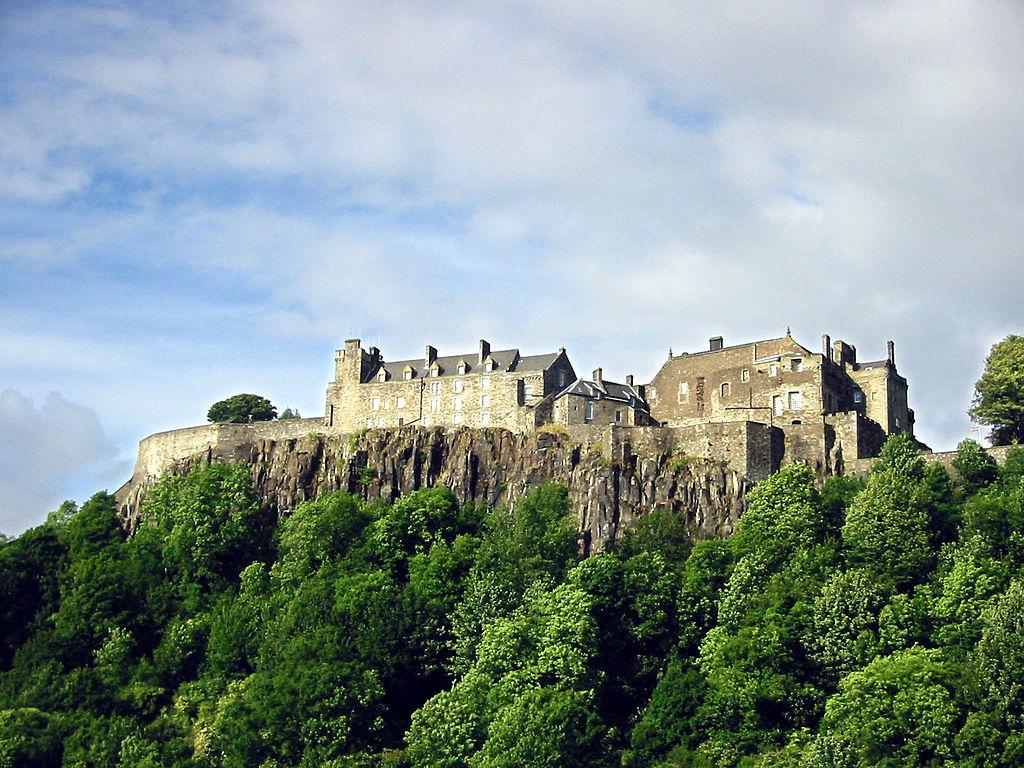
Looking beyond Cultybraggan Camp? Discover Stirling for broader travel guides, local hot-spots, and regional highlights.
Explore Stirling