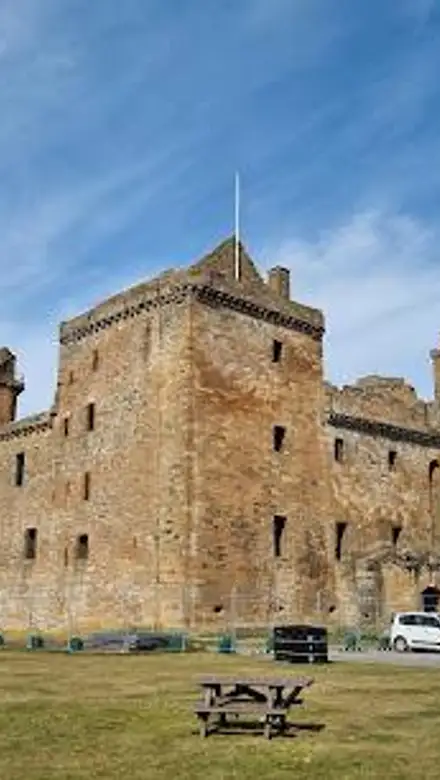
Linlithgow Palace, Stirling Travel Guide
Free Guide: Where Mary, Queen of Scots was born—a magnificent royal ruin beside a tranquil Scottish loch.


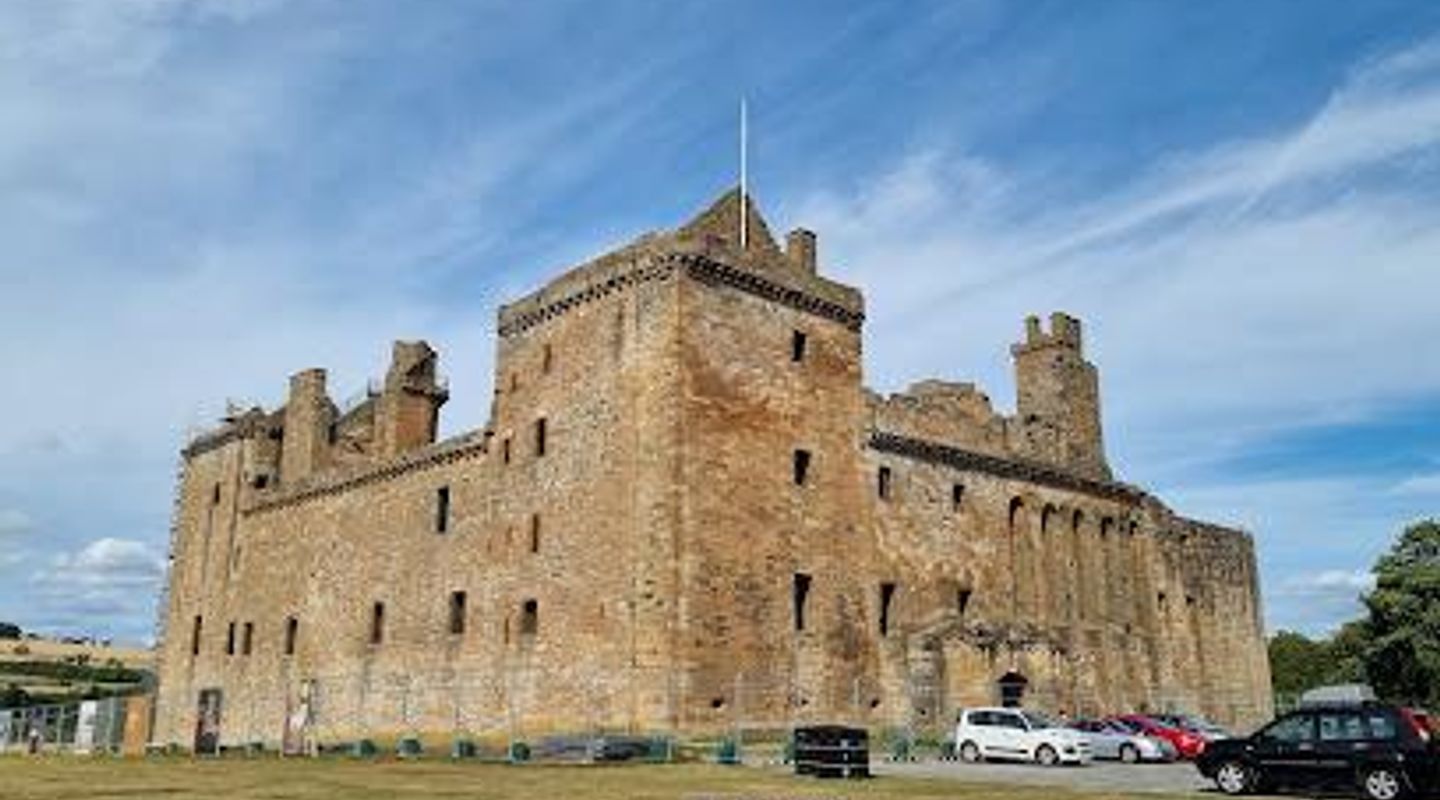
A brief summary of Linlithgow Palace
Where Mary, Queen of Scots was born—a magnificent royal ruin beside a tranquil Scottish loch.
A magnificent royal residence set beside Linlithgow Loch, this 15th-century palace stands as one of Scotland's most historically significant landmarks. Though now a roofless ruin, its impressive stone architecture, grand courtyards, and towering walls reveal the opulence of Scottish royal life. Famous as the birthplace of Mary, Queen of Scots in 1542, the palace invites visitors to explore its labyrinthine rooms, climb to panoramic viewpoints, and discover the stories of the Stewart monarchs who called it home.
On-site amenities
 Restrooms
 Drink options
 Food options
 Seating areas
 Picnic areas
 Trash bins
 Information boards
 Visitor centre
Opening hours
- Every day10 am–4 pm
Opening hours as listed on the venue’s Google Business Profile. Hours can change for services and special events, so check with the venue before you go.
- Address
- Kirkgate, Linlithgow EH49 7AL
- Phone
- Website
Getting there
Train from Edinburgh
Car from Edinburgh or Glasgow
Bus from Edinburgh or Stirling
Cycling via the Union Canal Towpath
Discover more about Linlithgow Palace
A Royal Residence Spanning Centuries
Linlithgow Palace began its transformation from fortress to royal residence in 1424, when King James I commissioned its construction following a devastating fire that destroyed the medieval town. Unlike traditional Scottish castles built for defense, this palace was conceived as a luxurious home for royalty, reflecting the ambitions of successive Stewart kings. Building work continued through the reigns of James III, IV, V, and VI, each monarch leaving their architectural mark on the expanding complex. The palace became a favored retreat for Scotland's ruling elite, hosting royal courts and serving as a symbol of Stewart power and prestige throughout the 15th and 16th centuries.
The Heart of Royal Life: Architecture and Layout
The palace is organized around a magnificent central courtyard, dominated by an elaborate stone fountain believed to have been added by James V. Legend suggests this fountain occasionally flowed with wine during royal celebrations, adding an air of romance to the palace's reputation. The Great Hall stands as one of the finest examples of Renaissance architecture in Scotland, its soaring proportions and intricate stonework conveying the grandeur of state occasions and royal banquets. The chapel, with its beautiful proportions and decorative details, served as the spiritual center of the royal household. Visitors can navigate through numerous interconnected rooms and corridors, each with interpretive boards explaining their historical function—from royal apartments to kitchens, from administrative chambers to private quarters. The basement kitchen impresses with its vast scale, a testament to the enormous household required to maintain such a palace.
Mary, Queen of Scots and Royal Connections
Linlithgow Palace holds a special place in Scottish history as the birthplace of Mary, Queen of Scots on December 8, 1542. Born to King James V and Mary of Guise, Mary spent her early years within these walls before being sent to France for her education. She would return as an adult, and her presence within the palace connects it to one of history's most dramatic royal stories. James V himself was also born here in 1512, making the palace a cradle of Stewart succession. The palace witnessed the lives of multiple monarchs and their courts, each contributing to its architectural evolution and historical significance. These royal connections transform a visit into an intimate encounter with Scotland's most compelling historical figures.
Exploring the Ruins: A Visitor's Journey
Despite being roofless, the palace remains remarkably intact, allowing visitors to walk through almost all of its rooms and corridors. The stone surfaces—slabs and cobbles throughout—create an authentic medieval atmosphere as you navigate the maze-like interior. Climbing the narrow stone staircases and spiral towers rewards the effort with breathtaking panoramic views across Linlithgow Loch and the surrounding landscape. The towers offer particularly spectacular vantage points, especially during golden hour when the light transforms the ruins into something ethereal. The courtyard provides a sense of scale and grandeur, while smaller chambers reveal intimate details of royal domestic life. Interpretive signage throughout helps visitors understand the function and significance of each space, enriching the exploration with historical context.
Setting and Surroundings
The palace occupies a prominent position beside Linlithgow Loch, a freshwater body that adds to the site's romantic appeal and strategic importance. The extensive peel—parkland surrounding the palace—provides peaceful grounds for strolling and picnicking, with access to lochside walks. This natural setting complements the architectural grandeur, creating a harmonious blend of history and landscape. The town of Linlithgow itself sits nearby, offering amenities and additional historical interest. The palace's location on the John Muir Way, Scotland's long-distance walking route, positions it as a significant waypoint for hikers and outdoor enthusiasts exploring the region.
Preservation and Ongoing Stewardship
Managed by Historic Environment Scotland, the palace undergoes careful conservation to ensure its survival for future generations. Periodic maintenance and restoration work—such as masonry inspections and structural assessments—reflect the commitment to preserving this irreplaceable monument. The site offers an audio guide included with admission, available in English and Scots, which deepens understanding of the palace's royal history and the stories of those who lived there. The visitor center provides information, ticketing, and a small shop, while a modest coffee shop caters to refreshment needs. This balance between preservation, accessibility, and visitor experience ensures that Linlithgow Palace remains a living connection to Scotland's royal past.
Evendo Review Centre
 Google
Guest reviews
Best time to go
Quietest: Jan, Feb & Nov · before 9am or from 5pm
Busy times are Evendo estimates for a typical year, to help you plan. Actual crowds vary with events, school holidays and the weather.
Explore Linlithgow Palace on the map
A handpicked selection of must-see spots near Linlithgow Palace, mapped for you.
Get your free copy of our complete guide to Linlithgow Palace, delivered straight to you.
Everything on this page, from opening hours and how to get there to Eve’s tips and the best time to go, in one PDF you can read offline, print or share.
Already have an account? Sign in
Your Linlithgow Palace guide is ready.
We'll send it to · Not you? Sign out

Getting your guide ready…
We are putting together a fresh copy of the Linlithgow Palace guide. This can take up to a minute.
This can take a few moments. If your browser asks, choose Allow so the download can start. You'll find the guide in your Downloads folder.
Nothing happened? Download it again
Sorry, the guide is taking longer than usual. Please try again in a minute, or get it by email instead.
Unlock the best of Linlithgow Palace
Skip-the-line tickets, guided tours with entry, and walking tours of the area, booked in a few clicks.





Other nearby places you may find interesting
The closest places of the same kind, if this one is not quite what you had in mind.
-
Martyrs' Memorial A solemn Victorian monument in Stirling honoring the courage and faith of the Presbyterian Wigtown Martyrs beneath a striking iron and glass canopy.
-
The King's Knot A 3-metre octagonal mound and geometric earthworks where Scottish kings once displayed their power and culture.
-
Robert the Bruce Statue A towering stone tribute to Scotland’s warrior-king, standing guard over Stirling Castle and gazing toward the battlefield where he secured Scottish independence.
-
Beheading Stone. A grim medieval execution block on Mote Hill, where traitors once lost their heads, now protected by a metal cage with sweeping views over Stirling and the Forth.
-
The Statues Discover Stirling’s iconic statues celebrating Scotland’s heroes and heritage in the city’s historic heart.
Swipe for more places
More to explore near Linlithgow Palace

 Best experiences near Linlithgow Palace
 Best hotels near Linlithgow Palace
 Best landmarks near Linlithgow Palace
 Best attractions near Linlithgow Palace
 Best shops near Linlithgow Palace
 Best restaurants near Linlithgow Palace
 Best bars near Linlithgow Palace
Do you manage this location?
Take control to get all the benefits, like improved information, better appearance, and stronger visibility across AI-powered discovery.
Explore more

Explore more of Stirling
Discover Stirling: A city where history comes alive amidst stunning landscapes and cultural richness in the heart of Scotland.
Explore Stirling
Explore more of United Kingdom
Discover the United Kingdom: A blend of rich history, stunning landscapes, and vibrant cities, offering a unique travel experience for every visitor.
Explore United Kingdom