
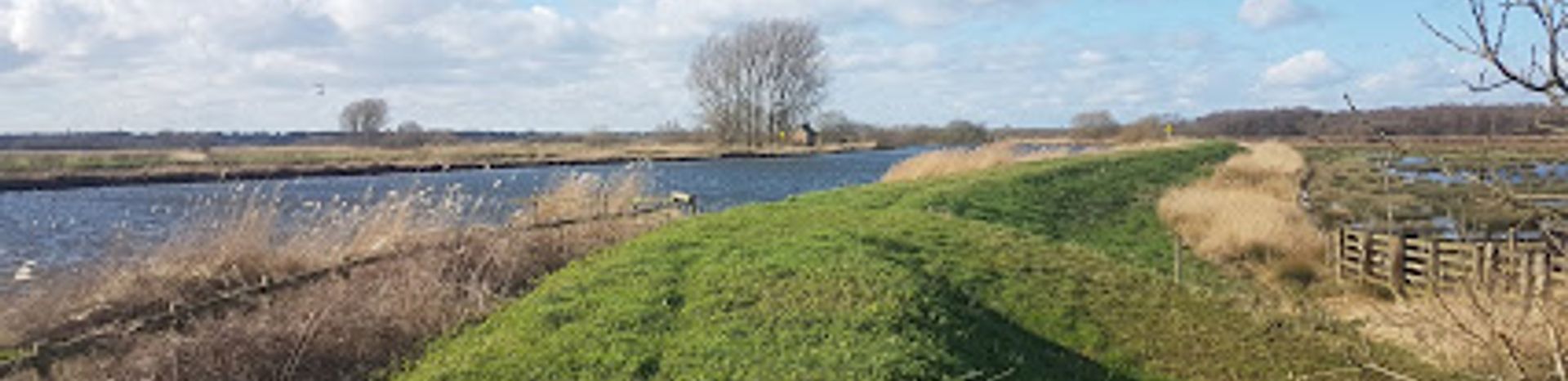
RSPB Buckenham Marshes
Norfolk's premier wetland sanctuary where Arctic geese winter and raptors hunt over thousands of wildfowl.
A windswept expanse of traditionally managed grazing marshes on the northern bank of the River Yare in Norfolk, Buckenham Marshes is one of the UK's premier birdwatching destinations. The reserve's mosaic of marshland, reedbed, and wetland habitats attracts thousands of wildfowl and wading birds, particularly in winter when Taiga Bean Geese, Eurasian Wigeon, and Northern Lapwings congregate here. Spring brings breeding migrants including Avocets and Barn Owls, while birds of prey such as Peregrine Falcons and Marsh Harriers patrol the skies. The reserve is also home to otters, water voles, and Chinese water deer, making it a haven for diverse wildlife.
A brief summary to RSPB Buckenham and Cantley Marshes
- RSPB Buckenham Marshes, Station Rd, Norwich, Buckenham, NR13 4HW, GB
- +441603715191
- Visit website
- Duration: 1.5 to 4 hours
- Free
-
 Outdoor
- Mobile reception: 3 out of 5
- Monday 12 am-12 am
- Tuesday 12 am-12 am
- Wednesday 12 am-12 am
- Thursday 12 am-12 am
- Friday 12 am-12 am
- Saturday 12 am-12 am
- Sunday 12 am-12 am
Local tips
- Visit in winter (November to February) to witness the spectacular congregation of thousands of wildfowl and the rare Taiga Bean Geese. Bring binoculars and a field guide to identify the diverse species present.
- Wear waterproof footwear and clothing; the marshes can be muddy and windswept year-round. Layers are essential as the open landscape offers little shelter from weather.
- Arrive early in the day for the best birdwatching opportunities, as birds are typically more active in morning hours. Bring provisions as there are no food or drink facilities on-site.
- Check train schedules in advance; weekend services on the Wherry Lines stop at Buckenham station by request. This is the most direct access to the reserve entrance.
- Spring (April to May) offers excellent opportunities to observe breeding waders and Barn Owls hunting in daylight. Autumn passage brings variety with migrant waders visiting the pools.

For the on-the-go comforts that matter to you
- Seating Areas
- Sheltered Areas
- Information Boards
- Trash Bins
Getting There
-
Train
Wherry Lines services between Norwich and Great Yarmouth or Lowestoft stop at Buckenham station by request on weekends. Journey time from Norwich is approximately 20–25 minutes. The reserve entrance is adjacent to the station. Check National Rail Enquiries for current timetables and connections.
-
Bus
An hourly bus service from Norwich stops 2.4 kilometres from the reserve on the Brundall to Strumpshaw Road at the junction of Long Lane and Stone Road (weekdays and Saturdays only). Walking from the bus stop takes approximately 30–40 minutes via Low Road to reach Buckenham station and the reserve entrance.
-
Car
From Norwich, take the A47 towards Brundall. Exit at Brundall and drive through the village towards Strumpshaw. Turn right into Stone Road, then take the second right (also Stone Road), and the first right onto Station Road, which leads directly to Buckenham station and the reserve car park. Parking is available at Buckenham railway station and in an informal area nearby, though the informal area can be muddy in winter.
-
Bicycle
The Yare Valley cycle route runs close to the reserve. From Brundall, head east towards Strumpshaw. After passing the Strumpshaw sign, turn right into Stone Road and immediately right again. Turn right at the road junction and continue to Buckenham station. Cycle racks are available at the reserve.
RSPB Buckenham and Cantley Marshes location weather suitability
-
 Any Weather
-
 Cold Weather
Discover more about RSPB Buckenham and Cantley Marshes
A Sanctuary for Winter Wildfowl and Breeding Waders
Buckenham Marshes sits on the northern bank of the River Yare, a landscape shaped by centuries of traditional grazing management. The reserve's carefully maintained mosaic of marshland, reedbed, and valley habitats creates ideal conditions for one of Norfolk's most spectacular seasonal transformations. In winter, the marshes become a gathering place for thousands of wildfowl, with Eurasian Wigeon, Northern Lapwing, and European Golden Plover dominating the floodplains. Most remarkably, Buckenham is one of only two places in the UK where a small flock of Taiga Bean Geese regularly winters, making it a pilgrimage site for dedicated birdwatchers seeking this Arctic visitor. As spring arrives, the wintering geese depart and the reserve comes alive with breeding activity. Wading birds including Common Redshank, Common Snipe, and Eurasian Oystercatcher establish territories across the marshes, while Barn Owls hunt in daylight hours over the open ground. The RSPB manages water levels and vegetation heights with precision, maintaining the shallow pools and boggy areas that these birds depend upon for successful breeding.Predators and Spectacle in the Skies
The abundance of prey birds attracts formidable hunters. Peregrine Falcons and Western Marsh Harriers patrol the reserve, creating dramatic moments when their presence sends thousands of birds erupting into the sky in coordinated flight. Kestrels and other raptors also hunt here, drawn by the concentration of small mammals and birds. These predator-prey interactions form part of the natural spectacle that unfolds across the marshes throughout the year.Beyond Birds: A Complete Wetland Ecosystem
While birds dominate the reserve's reputation, Buckenham's wetland ecosystem supports far more. The pools, ponds, and ditches teem with aquatic plants and invertebrates. Otters and Water Voles inhabit the ditch edges and waterways, benefiting from the RSPB's careful management of these habitats. Chinese water deer, an introduced species now established in East Anglian wetlands, browse the marshes alongside native hares and stoats. This diversity of life reflects the reserve's commitment to maintaining natural processes and ecological balance.Landscape and Access
The reserve offers a single viewing hide positioned near the riverbank, providing shelter and a vantage point for observation. A path from the car park leads to the riverbank and can be followed eastward all the way to Great Yarmouth on the coast, offering extended walking opportunities through the traditional grazing landscape. The terrain is open and windswept, characteristic of Norfolk's broads landscape, with views across the marshes unobstructed by trees or structures.Seasonal Rhythms and Visitor Experience
Autumn brings passage waders including Little Stint, Ruff, and Curlew Sandpiper, particularly around the pools near the adjacent Cantley Sugar Factory. The reserve operates year-round, though winter offers the most dramatic concentrations of birds. Spring and summer provide opportunities to observe breeding behaviour and nesting activity. The marshes are best explored on foot, with sturdy footwear recommended as the terrain can be muddy, particularly during wetter months. There are no visitor facilities on-site, so visitors should come prepared and self-sufficient.Iconic landmarks you can’t miss

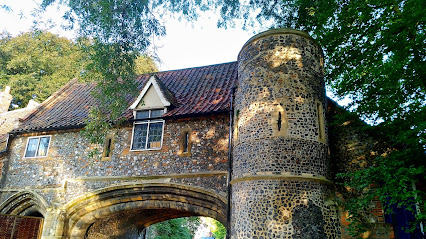
Pull's Ferry
11.6 km
A tranquil 15th-century watergate and ferry house on Norwich’s River Wensum, blending rich medieval history with scenic riverside charm.
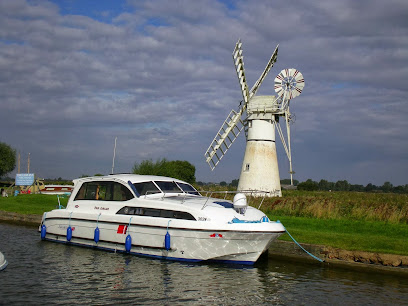
Faircraft Loynes
13.3 km
Discover the beauty of the Broads with Faircraft Loynes, your premier boat tour agency and rental service in Wroxham, offering unforgettable waterway experiences.
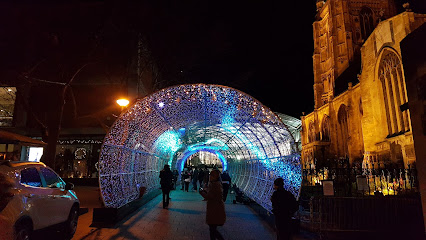
VisitNorwich
13.3 km
Discover Norwich Cathedral’s soaring Norman spire, medieval carvings, and tranquil cloisters nestled in a vast historic sanctuary.
Wroxham Bridge
13.3 km
Historic 17th-century bridge and vibrant boating hub connecting Wroxham and Hoveton on the scenic Norfolk Broads.
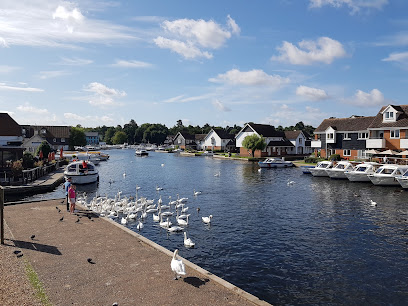
Potter Heigham bridge
14.5 km
Historic 14th-century bridge and boating hub in Norfolk Broads, blending medieval charm with scenic waterways and vibrant village life.
TourNorfolk
16.7 km
Discover the essential internet marketing services at TourNorfolk, where local charm meets digital expertise in the heart of Barton Turf.
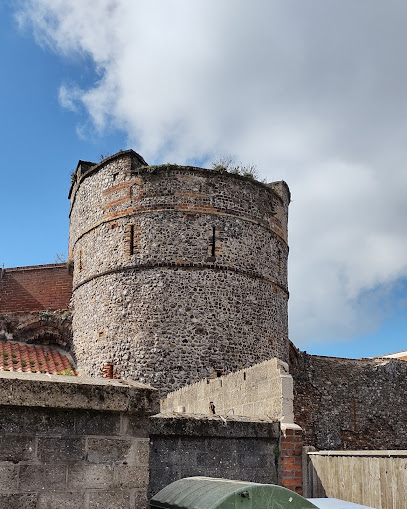
Pudding tower
17.5 km
Explore Pudding Tower, a medieval defensive relic in Great Yarmouth, steeped in history and local lore from the town’s fortified past.
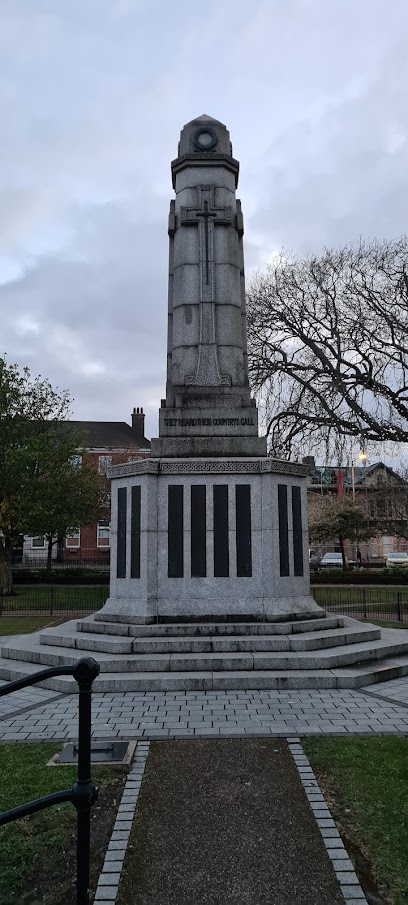
War Memorial
17.6 km
A solemn tribute in Great Yarmouth, honouring local service personnel and civilians lost in 20th-century conflicts with quiet dignity and enduring respect.
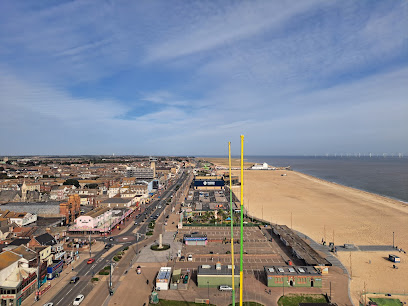
Great Yarmouth Beach
18.2 km
Experience the lively charm and sandy stretches of Great Yarmouth Beach, Norfolk’s iconic seaside playground with piers, amusements, and tranquil dunes.
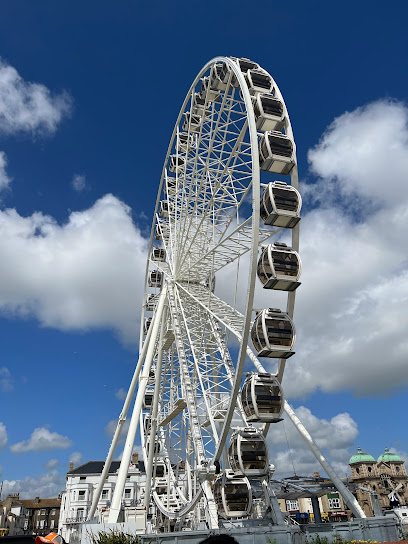
Britannia Pier
18.2 km
Historic Great Yarmouth pier blending classic seaside amusements, live shows, bars, and panoramic coastal charm for all ages.
Museum of the Broads
19.1 km
Explore the rich heritage and ecology of the Broads at the Museum of the Broads, where history meets nature in a captivating setting.
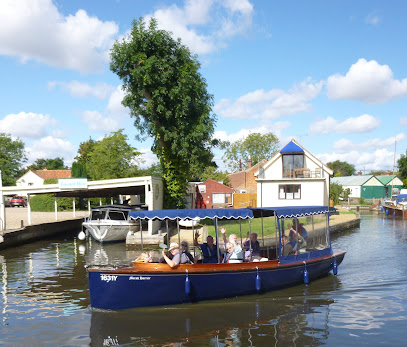
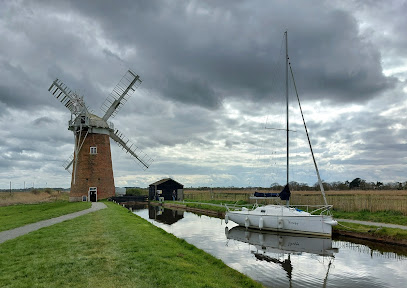
National Trust - Horsey Windpump
19.6 km
Explore the historic Horsey Windpump in the Broads National Park, a charming blend of nature, history, and breathtaking views.
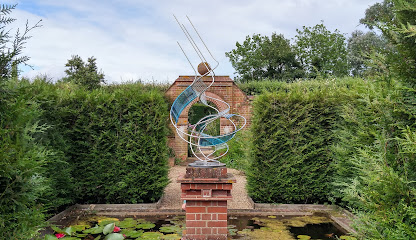
East Ruston Old Vicarage Garden
23.3 km
Explore the breathtaking East Ruston Old Vicarage Garden, a hidden gem in Norfolk, filled with stunning flora, serene landscapes, and tranquil charm.
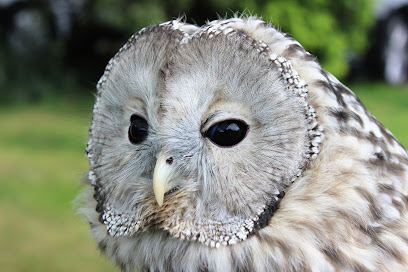
Happisburgh Owls
24.9 km
Explore the fascinating world of owls at Happisburgh Owls, a unique tourist attraction on the stunning Norfolk coast, perfect for families and wildlife lovers.
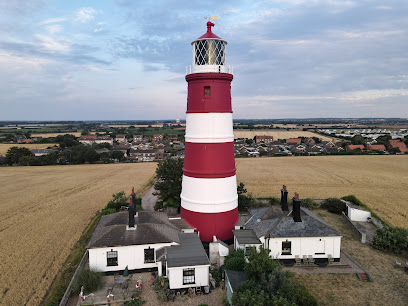
Happisburgh Lighthouse
25.1 km
Discover Happisburgh Lighthouse, a historic maritime beacon offering breathtaking views and a glimpse into Norfolk's coastal heritage.
Unmissable attractions to see

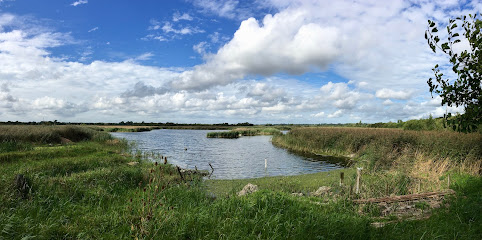
Strumpshaw Fen
1.9 km
Explore Norfolk’s tranquil Broadland sanctuary with rich wildlife, peaceful trails, and scenic river views at RSPB Strumpshaw Fen.
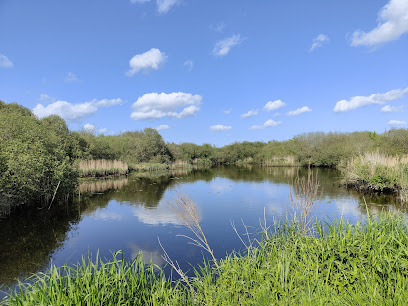
Wheatfen Broad - Ted Ellis Trust
2.5 km
Discover Norfolk’s hidden fenland gem where rare wildlife thrives in tranquil marshes and woodlands managed by the Ted Ellis Trust.
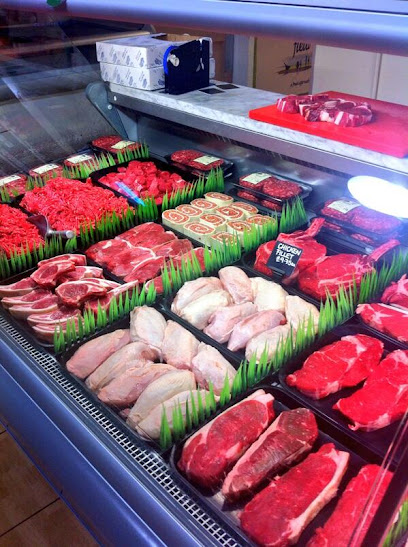
Blofield Farm Shop
4.3 km
Authentic Norfolk flavors and farm-fresh produce in a welcoming rural setting near Norwich.
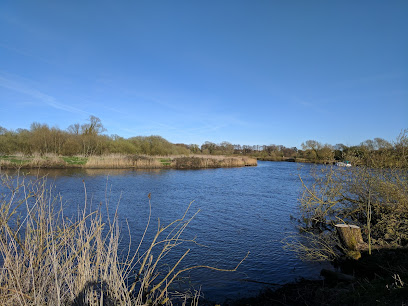
RSPB Surlingham Church Marsh
4.7 km
Discover tranquil reed beds and rich wildlife at RSPB Surlingham Church Marsh, a Norfolk wetland sanctuary along the River Yare.
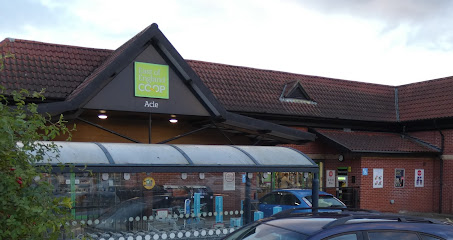
East of England Co-op
6.7 km
Acle’s community supermarket offering local produce, vegan options, and convenient hours on Norwich Road.
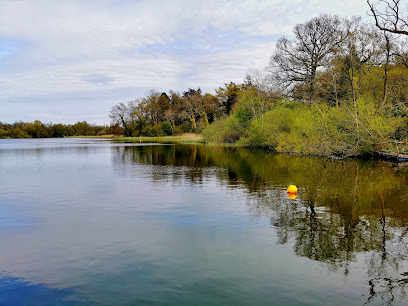
Fairhaven Woodland & Water Garden
7.8 km
Explore 130 acres of peaceful organic woodland and water gardens with accessible trails, seasonal boat trips, and rich wildlife at the heart of the Norfolk Broads.
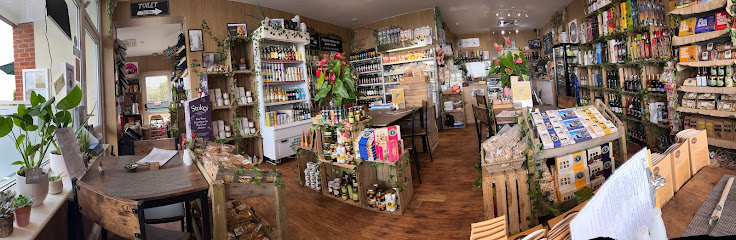
Cannells By The River
7.9 km
Rustic riverside farm shop and café offering local produce, artisan coffee, and scenic views on the Norfolk Broads.
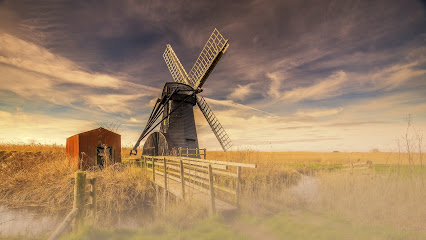
The Broads National Park
9.0 km
Britain's largest protected wetland where medieval peat pits transformed into a timeless landscape of water, wildlife and wonder.
The Ferry Inn
9.3 km
A charming riverside pub in Stokesby offering classic British fare, local ales, and mooring on the Norfolk Broads.
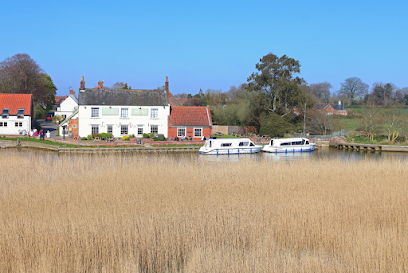
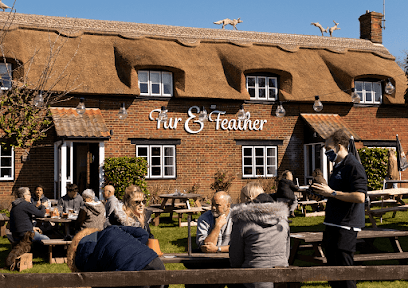
Fur & Feather Inn
9.6 km
A charming rural gastropub and brewery tap offering fresh Woodforde's ales and hearty fare in the heart of Norfolk countryside.
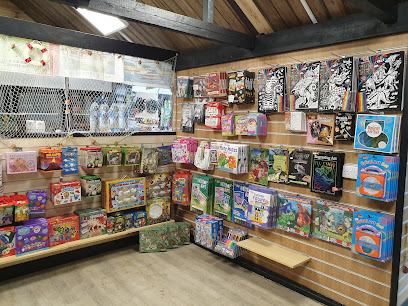
Stracey Arms Mill Shop & Tea Rooms
9.6 km
Historic mill charm meets cozy tea rooms and local delights in the heart of the Norfolk Broads countryside.
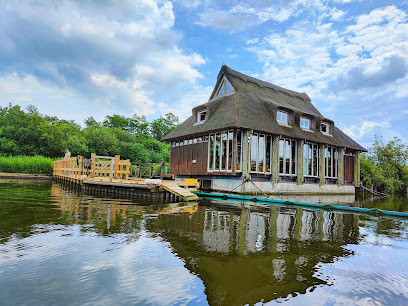
Ranworth Broad
9.7 km
Ancient woodlands and reed fens where ospreys soar and swallowtails dance above Norfolk's most pristine wetland.
Whitlingham Country Park
9.8 km
280 acres of restored nature where gravel pits became lakes, perfect for water sports, wildlife watching, and family adventures.
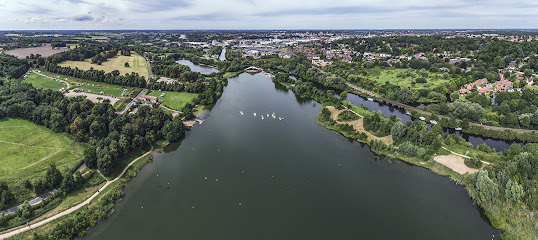
Salhouse Broad
9.8 km
Discover Salhouse Broad’s unique sandy beaches, rich wildlife, and tranquil Norfolk Broads setting for a peaceful nature escape.
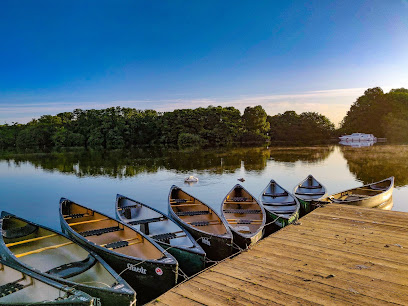
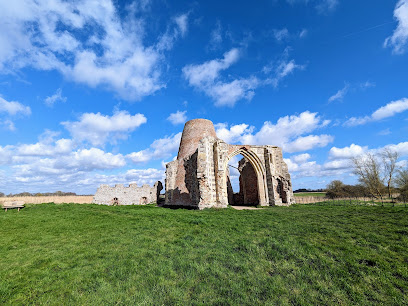
St. Benet's Abbey
10.5 km
Explore Norfolk’s unique Anglo-Saxon abbey ruins nestled in the serene Broads, rich with history and medieval charm.
Essential places to dine

The Ferry House
4.6 km
A charming riverside pub in Surlingham offering hearty British fare, peaceful views, and warm hospitality on the Norfolk Broads.
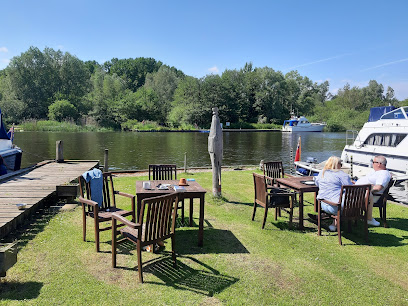
The Kings Head Inn, home of The Acle Steak
6.9 km
Traditional Norfolk charm meets hearty British fare at The Kings Head Inn, home of the iconic Acle Steak.
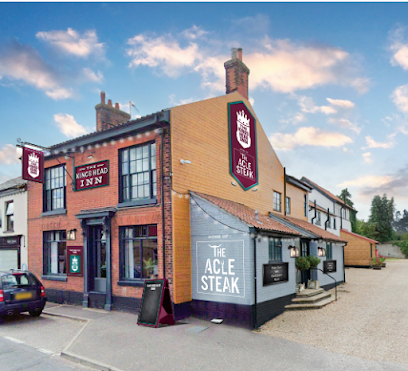
Reedham Ferry Inn
7.0 km
A charming riverside pub and campsite by the Norfolk Broads with scenic ferry crossings and classic British hospitality.
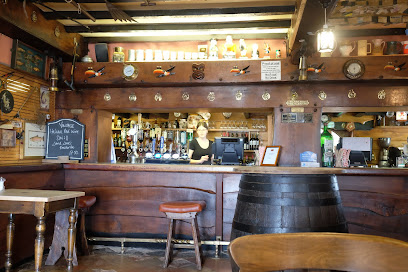
The Hermitage
7.6 km
A charming pub and pie house in Acle serving hearty British classics with a welcoming local atmosphere.
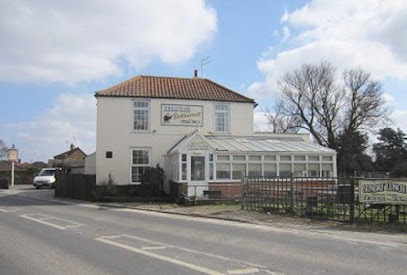
White Horse Upton
8.4 km
A beloved community pub in Upton offering hearty food, real ales, live music, and a welcoming atmosphere on the Norfolk Broads.
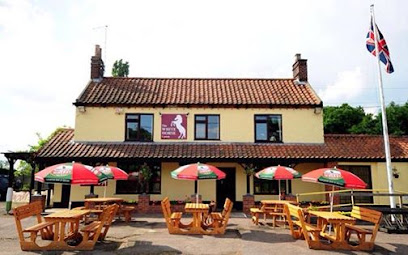
Acle Bridge Inn
8.7 km
Historic riverside inn on the Norfolk Broads offering hearty British fare, family-friendly charm, and scenic waterside hospitality.
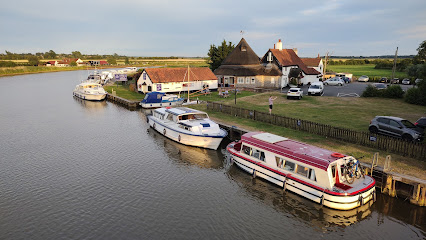
The Maltsters
8.9 km
A welcoming family-run pub and restaurant in Ranworth offering hearty local dishes and a cozy atmosphere amid the scenic Norfolk Broads.
The Lion Inn
11.5 km
Discover The Lion Inn in Thurne - A charming pub offering delicious food and local ales amidst the stunning scenery of the Norfolk Broads.
Mark Poynton at Caistor Hall
11.7 km
Experience Michelin-starred modern British cuisine in the elegant, historic Caistor Hall near Norwich.

New Inn, Horning
11.7 km
Charming riverside pub in Horning offering hearty British fare, scenic moorings, and a friendly, laid-back atmosphere on the Norfolk Broads.
Bure River Cottage Restaurant
12.0 km
An intimate Norfolk Broads seafood haven serving expertly crafted fresh fish and shellfish in a relaxed, welcoming atmosphere.
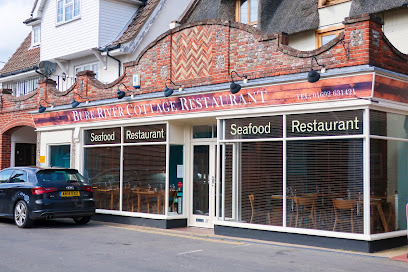
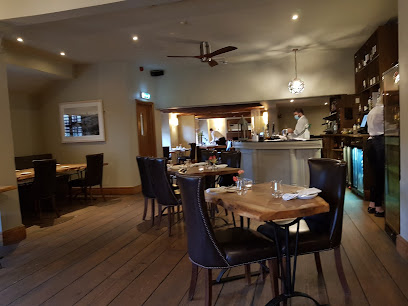
The Wildebeest
12.1 km
Michelin Bib Gourmand fine dining near Norwich, blending seasonal Norfolk produce with modern British culinary artistry in a relaxed, elegant setting.
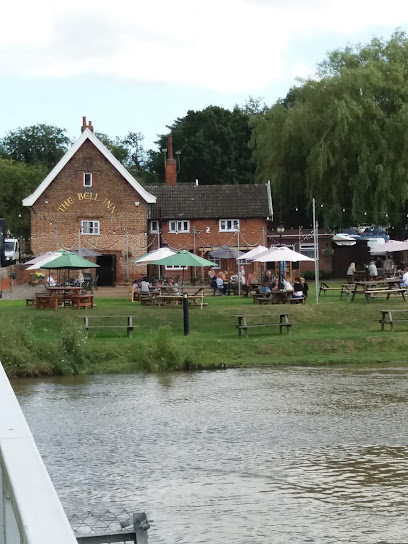
The Bell Inn
12.3 km
Historic pub nestled on the Norfolk Broads offering hearty British fare and a cozy, scenic waterside retreat.
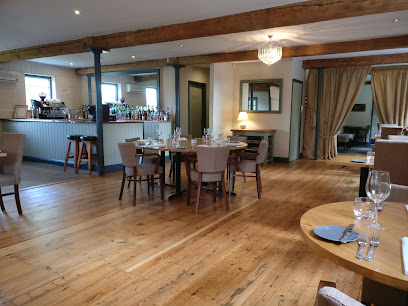
Stoke Mill STORE
12.4 km
Experience Michelin-starred contemporary dining in a historic 700-year-old watermill on the scenic River Tas near Norwich.

Stoke Mill Restaurant
12.4 km
Historic riverside mill turned elegant fine dining restaurant blending British tradition with contemporary culinary artistry.
Markets, malls and hidden boutiques

Reedham Stores
7.9 km
A welcoming village convenience store offering local flavors and essentials in the heart of Norfolk Broads’ scenic Reedham.
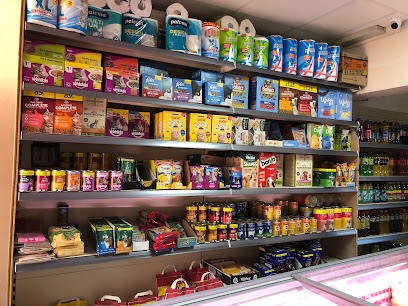
Ludham Bridge Stores
11.6 km
Charming general store offering fresh local produce, souvenirs, and essentials in the heart of the Norfolk Broads’ boating community.
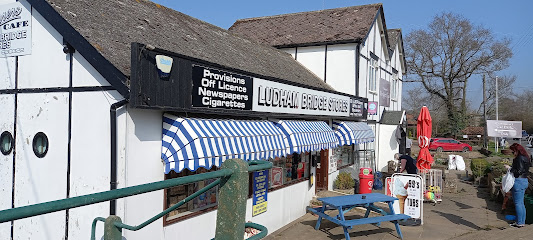
The Galley Horning
11.9 km
Discover the flavors of Norfolk at The Galley Horning, where gourmet deli delights meet charming cafe culture in a picturesque village setting.
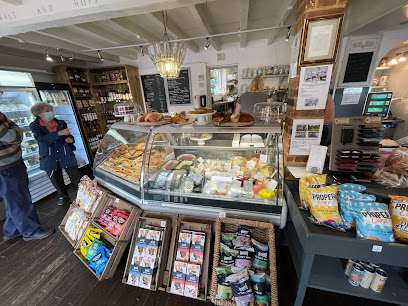
Tidings
12.0 km
Discover Tidings, your go-to convenience store in Horning, offering essential supplies and local delights for travelers exploring the Norfolk Broads.
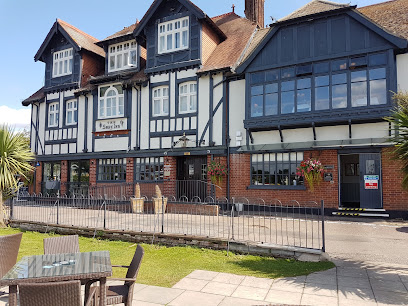
Cathedral Shop
12.0 km
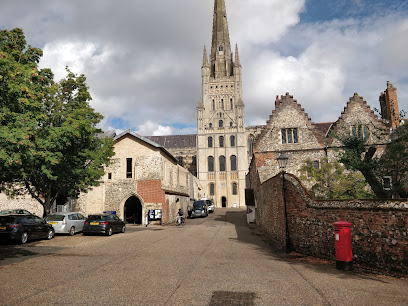
Discover unique Norfolk crafts and Cathedral treasures at Norwich Cathedral’s charming Gift Shop in the historic Cathedral Close.
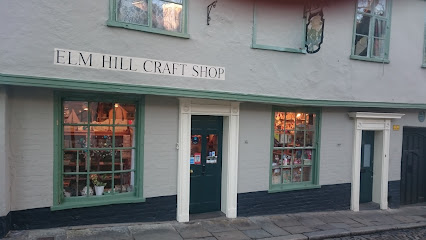
Elm Hill Craft Shop
12.3 km
Discover handcrafted gifts and nostalgic treasures in the heart of Norwich’s historic Elm Hill at Elm Hill Craft Shop.
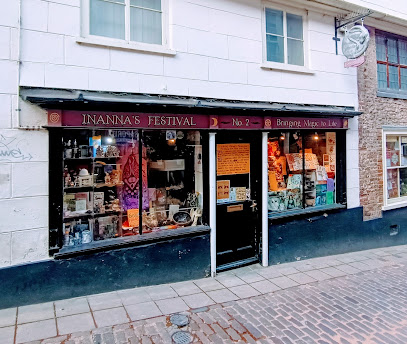
Inanna's Magical Gifts
12.3 km
Discover mystical treasures and handcrafted artistry at Inanna's Magical Gifts, Norwich’s premier metaphysical boutique.
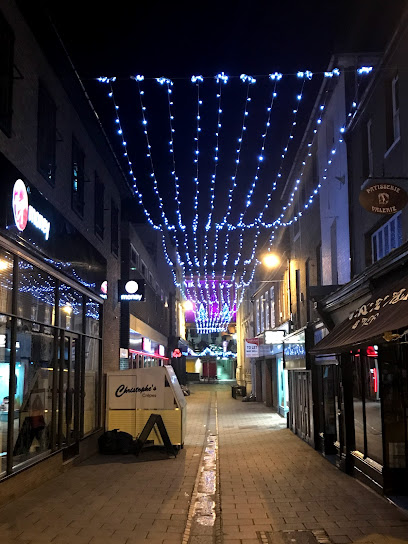
Norwich Lanes
12.3 km
Discover Norwich Lanes, a vibrant maze of independent shops, artisan cafes, and historic charm in the heart of Norwich city centre.
Anglia Square
12.5 km
Eclectic shopping and vibrant local character converge in Norwich’s distinctive Anglia Square urban centre.
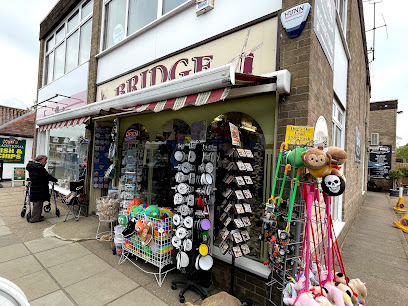
The Bridge Gift Shop
13.3 km
Discover unique local crafts and authentic souvenirs at The Bridge Gift Shop, a charming stop in the heart of Norfolk’s Broads.
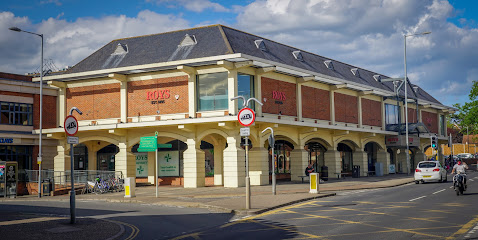
Roys of Wroxham Department store
13.4 km
Discover traditional British charm and a vast array of goods at Roys of Wroxham, Norfolk’s iconic department store and festive shopping haven.
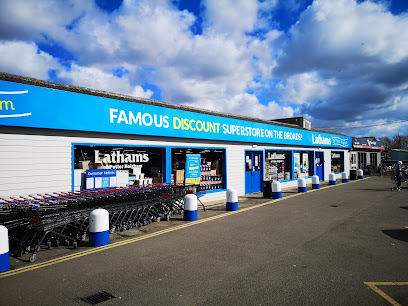
Lathams of Potter Heigham
14.6 km
Norfolk Broads’ largest discount superstore and pet shop with extensive shopping, fishing tackle, garden centre, and artisan café.
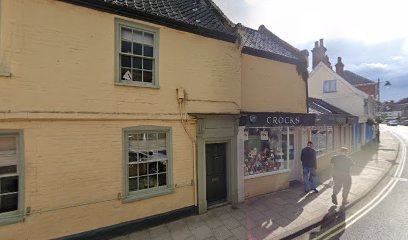
Crocks Of Bungay
15.9 km
Explore the charm of local craftsmanship at Crocks Of Bungay, a must-visit gift shop in Bungay offering unique handmade pottery and artisan goods.
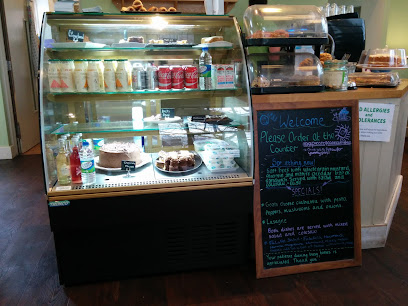
A Piece Of Cake
16.2 km
Cozy tea room and bakery in Coltishall, serving fresh cakes, hearty breakfasts, and traditional British fare in a charming riverside village setting.
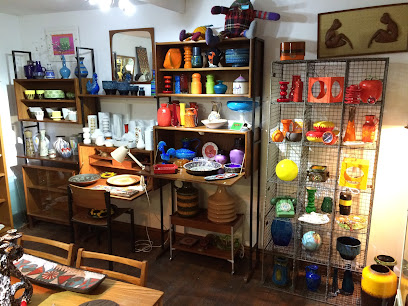
Vintage Mischief
16.9 km
Discover unique vintage and mid-century treasures in a charming Beccles antique shop nestled in a historic dairy building.
Essential bars & hidden hideouts

Coldham Hall
3.0 km
Charming riverside pub and bespoke wedding venue on the scenic Norfolk Broads, blending rustic warmth with stunning natural views.
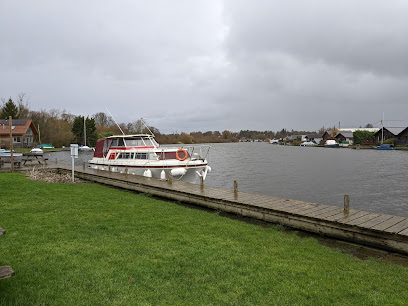
The Lord Nelson
7.9 km
Charming riverside pub on the Norfolk Broads offering quality ales, fresh British fare, and private moorings in a welcoming community setting.
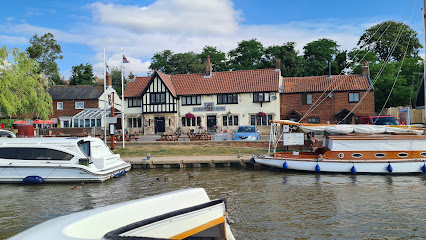
The Ferry Inn of Horning
10.8 km
A lively traditional pub on the Norfolk Broads offering hearty fare, riverside charm, and a family-friendly atmosphere.
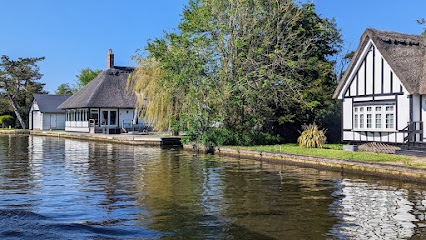
Innkeeper's Collection Norfolk Broads, Horning
12.0 km
Charming riverside inn on the Norfolk Broads offering cozy rooms, classic pub dining, and scenic waterway views in the heart of Horning village.

Dog Inn Ludham
12.0 km
A welcoming, dog-friendly pub in Ludham offering hearty home-cooked meals, local ales, and a cozy campsite in the Norfolk Broads.
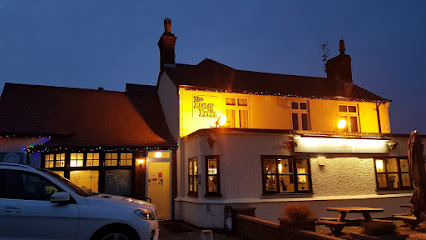
The Swan Inn
12.0 km
Charming riverside pub and inn in Horning offering cozy rooms, hearty British fare, and scenic views along the Norfolk Broads.
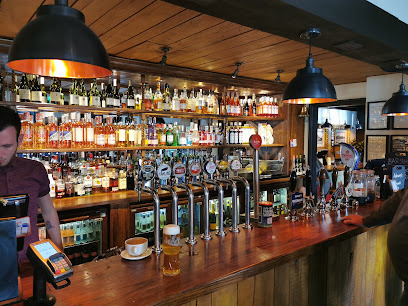
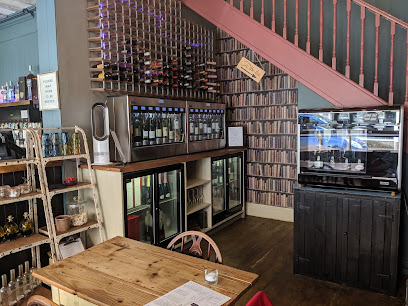
The Wallow | Self Service Wine Bar
12.4 km
Discover Norwich’s pioneering self-service wine bar offering over 50 wines, delicious sharing platters, and a relaxed, stylish atmosphere.
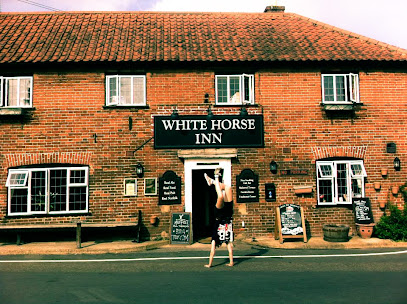
White Horse Inn Neatishead
15.3 km
Charming historic pub with award-winning ales, seasonal menus, and a welcoming atmosphere on the Norfolk Broads.
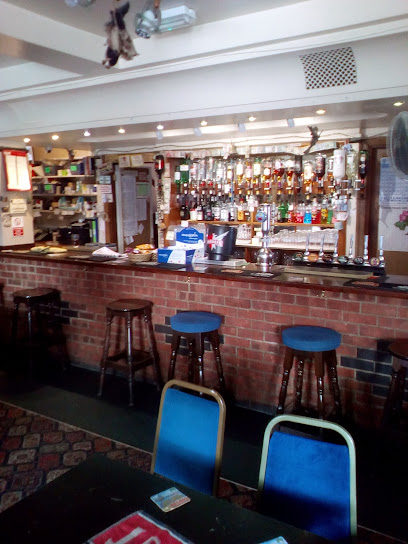
Lady Haven
16.8 km
A cozy, affordable pub in Great Yarmouth offering friendly vibes and a welcoming atmosphere for locals and visitors alike.
Tombstone Brewery & Saloon Bar
17.2 km
Experience Great Yarmouth’s craft beer culture in a lively Old West saloon setting with award-winning ales and a warm, welcoming atmosphere.
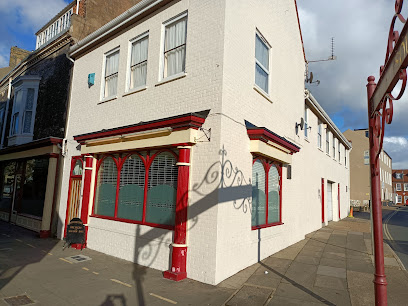
Duke's Head Hotel
17.2 km
Historic coastal charm and friendly hospitality converge at Duke's Head Hotel, a welcoming bar and stay in Great Yarmouth’s heart.
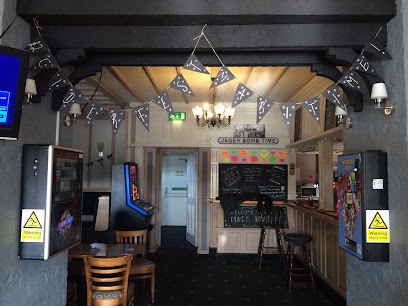
The Rumbold Arms
17.2 km
A friendly, family-oriented pub in Great Yarmouth known for hearty home-cooked meals, lively community spirit, and a spacious garden with play area.
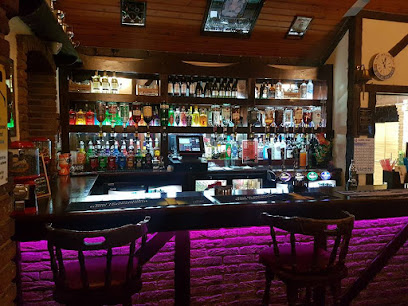
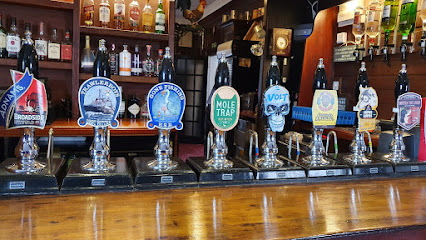
The Mariners
17.2 km
A beloved Great Yarmouth pub famed for its rich selection of cask ales, lively atmosphere, and authentic British charm.
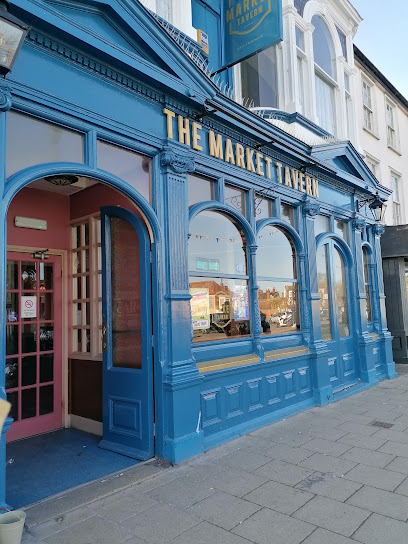
The Market Tavern Public House
17.4 km
A cozy, family-friendly pub in Great Yarmouth serving hearty British classics with generous portions and friendly service in a lively market setting.
The Kings Arms
17.4 km
A friendly, dog-welcoming pub in Great Yarmouth serving homemade British classics with a charming beer garden and great value.
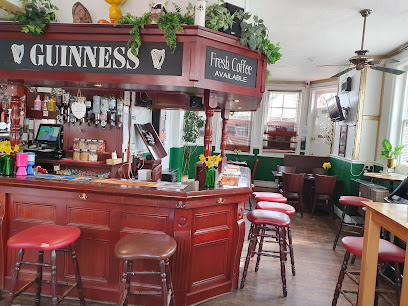
Nightclubs & after hour spots

Loft Nightclub
11.8 km
Norwich’s vibrant gay nightclub with over 30 years of inclusive nightlife, music, and community spirit in the heart of the city.
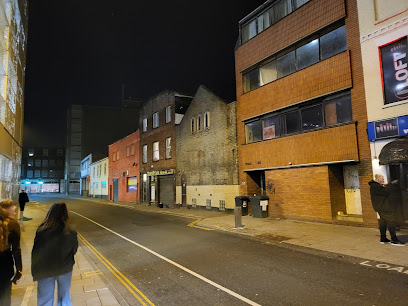
Popworld - Norwich
11.8 km
Norwich’s vibrant late-night hotspot for pop hits, friendly vibes, and unforgettable party nights on Prince of Wales Road.

Fluke
11.9 km
Experience Norwich’s vibrant nightlife at Fluke, where great music, affordable drinks, and a lively crowd come together for unforgettable nights.

Mojo's
11.9 km
Mojo's: Norwich's gritty, no-frills nightclub pulsing with late-night beats and authentic urban energy.
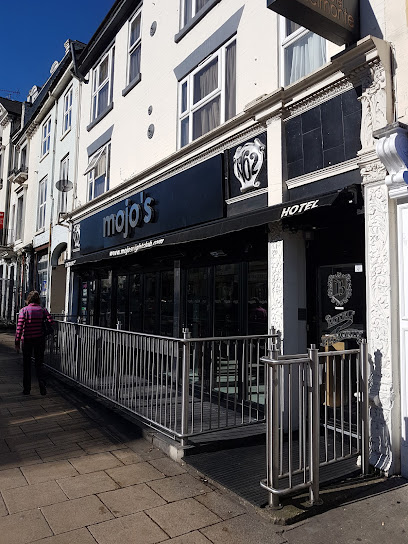
Mantra
11.9 km
Experience vibrant nightlife and great music at Mantra Nightclub, Norwich’s energetic weekend party destination with friendly staff and affordable drinks.

Sugar & Spice - Strip Club and Lap Dancing Norwich
11.9 km
Norwich’s premier American-style strip club offering vibrant entertainment, VIP experiences, and a welcoming atmosphere for all guests.
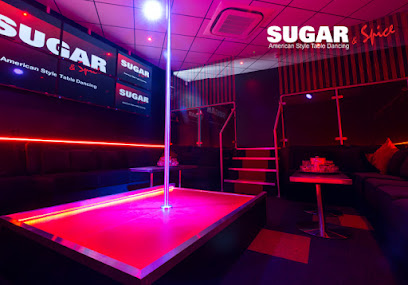
Moonlight Cabaret & Karaoke
17.2 km
Experience lively karaoke nights and captivating cabaret shows in the heart of Great Yarmouth’s vibrant nightlife scene.
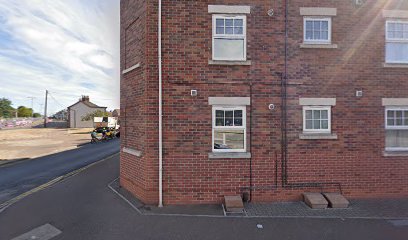
Buddha Club
18.0 km
Experience Great Yarmouth’s vibrant nightlife at Buddha Club, where modern beats, colorful lights, and coastal vibes create unforgettable weekend nights.
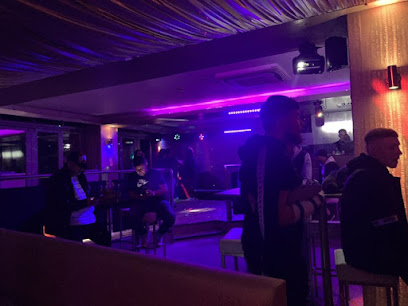
Mavvy’s
18.0 km
Experience Great Yarmouth’s vibrant nightlife at Mavvy’s, where music, dancing, and lively atmosphere come alive until the early hours.

Fallen Angels
18.1 km
Experience vibrant nightlife and adult entertainment at Fallen Angels, Great Yarmouth’s premier late-night club on Marine Parade.
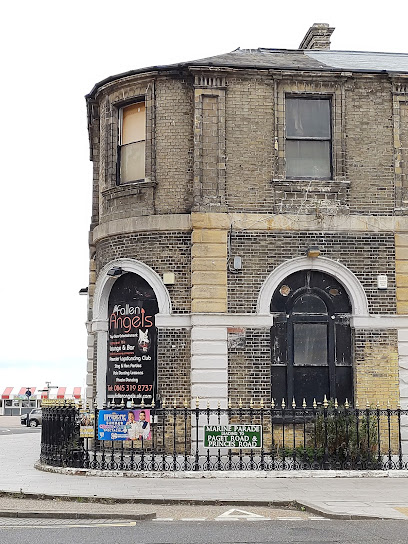
The Bermuda Club
18.5 km
A welcoming nightclub and bar in Hemsby offering lively evenings, family-friendly nights, and affordable drinks near Norfolk’s scenic coast.

ClubKA
25.4 km
Traditional charm meets lively nightlife at The Kings Arms Hotel and ClubKA in North Walsham, offering comfort, great food, and late-night fun.
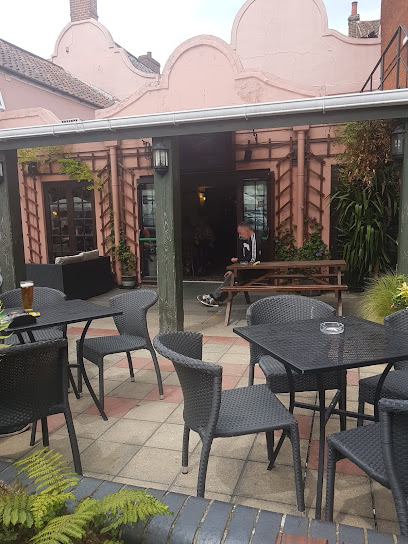
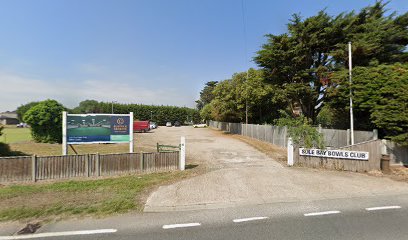
Sole Bay Bowls Club
32.1 km
Discover the serene beauty and community spirit of Sole Bay Bowls Club in Southwold, where leisure and tradition blend seamlessly.
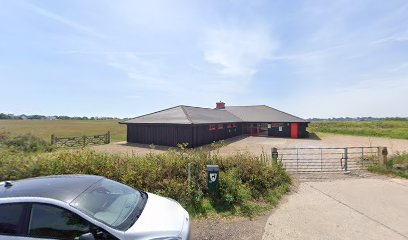
Southwold Cricket Club
33.1 km
Discover the rich heritage of cricket at Southwold Cricket Club, where tradition meets the enchanting charm of Southwold's coast.
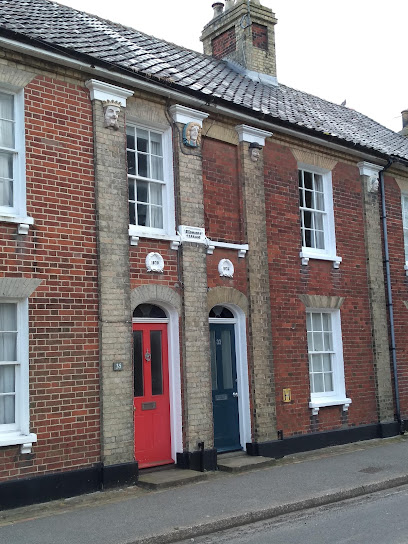
St Edmund's Hall
33.2 km
Discover the vibrant performing arts scene at St Edmund's Hall in Southwold, where culture and scenic beauty meet for an unforgettable experience.
For the vibe & atmosphere seeker
- Scenic
- Adventurous
- Tranquil
- Unique
For the architecture buff
- Parks & Gardens
- Viewpoints
For the view chaser and sunset hunter
- Panoramas
- Waterfront
- Sunrise Spots
- Sunset Spots
For the social media creator & influencer
- Photo Spots
- Architectural Shots
For the eco-conscious traveler
- Eco-Friendly
- Protected Area
- Nature Reserve
- Locally Managed
- Wildlife Habitat
For the kind of experience you’re after
- Cultural Heritage
- Nature Escape
- Day Trip
- Myth & Legends
For how adventurous you want the journey to be
- Easy Access
- Requires Hike
Location Audience
- Family Friendly
- Senior Friendly
- Solo Friendly
- Couple Friendly


