

Lower Slaughter Museum Travel Guide
Free Guide: Explore the historic Old Mill and immerse yourself in the milling heritage and timeless charm of Lower Slaughter village.


A brief summary of Lower Slaughter Museum
Explore the historic Old Mill and immerse yourself in the milling heritage and timeless charm of Lower Slaughter village.
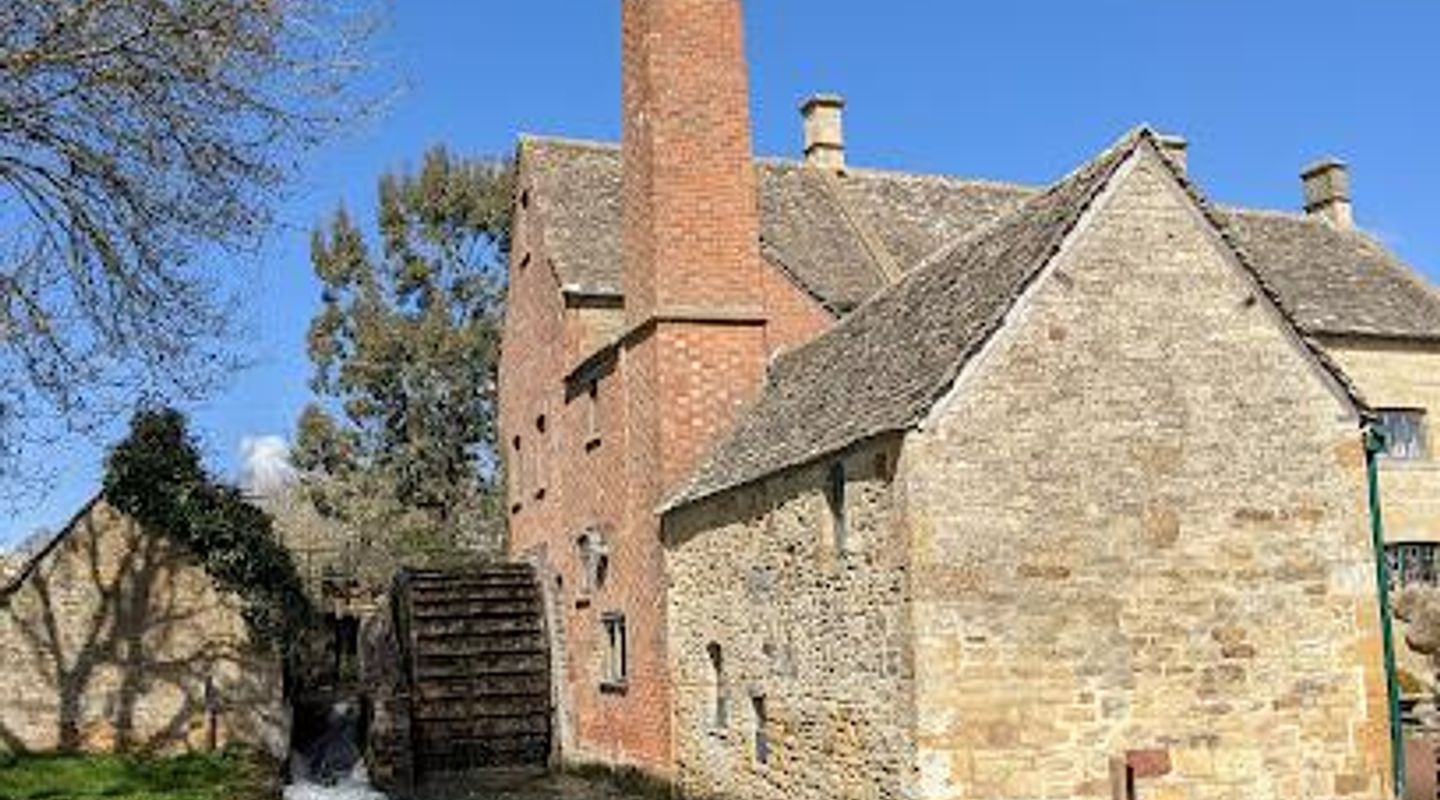
Nestled in the picturesque Cotswold village of Lower Slaughter, the Lower Slaughter Museum occupies the historic Old Mill, a site with origins dating back to the Domesday Book. The museum showcases the traditional milling process powered by a working waterwheel and offers visitors a glimpse into rural life and industrial heritage. Though the museum closed in 2023, the mill’s iconic stone architecture and riverside setting remain a captivating attraction.
On-site amenities
 Restrooms
 Drink options
 Food options
 Seating areas
 Picnic areas
 Information boards
- Address
- 14 Mill Ln, Lower Slaughter, Cheltenham GL54 2HX
Getting there
Car
Bus
Walking
Discover more about Lower Slaughter Museum
Historic Roots of the Old Mill
The Old Mill at Lower Slaughter stands on a site recorded in the Domesday Book of 1086, marking it as a place of longstanding historical significance. The current mill building, dating from the 18th century, replaced earlier structures and functioned as a working flour mill until 1958. Its undershot waterwheel, still visible today, was the heart of the mill’s operations, harnessing the power of the River Eye to grind grain. This mill was integral to village life and local agriculture for centuries, reflecting the rural economy of the Cotswolds.
The Museum’s Role in Preserving Milling Heritage
Opened to the public in 1995, the Lower Slaughter Museum transformed the mill into a cultural and educational site. Visitors could explore the mechanics of Victorian milling, including the two sets of millstones used for grist and flour milling. Exhibits detailed the evolution of breadmaking and rural industry in the region. Although the museum ceased operation in early 2023, the building’s heritage remains preserved, and plans for a new shop and café aim to continue welcoming visitors to this historic landmark.
Architectural and Riverside Charm
The Old Mill is notable for its distinctive red brickwork contrasting with the typical honey-colored Cotswold stone of the village. Its tall chimney and large waterwheel create an iconic silhouette along the tranquil River Eye. The riverside setting, with stone footbridges and a peaceful pool, enhances the mill’s scenic appeal, making it a favorite subject for photographers and visitors seeking quintessential English village charm.
Village Life and Surrounding Attractions
Lower Slaughter itself is a quintessential Cotswold village, with historic buildings including the 13th-century St Mary’s Church and the Slaughters Manor House, a former convent and later a manor dating back to the 17th century. The village’s peaceful atmosphere and unspoiled nature attract visitors interested in scenic walks, cultural heritage, and film locations such as the 2020 adaptation of "Emma." Nearby villages like Upper Slaughter and Bourton-on-the-Water offer additional attractions, including museums, gardens, and family-friendly activities.
Visitor Experience and Amenities
Though the museum is currently closed, the mill area remains accessible for exploration and photography. The village offers quaint cafés, pubs, and picnic spots, especially near the mill’s green and riverside. Seasonal art exhibitions in the village hall and local craft shops add cultural depth to a visit. The Old Mill’s recent reopening as a tea room and artisan coffee trailer (as of 2025) provides a welcoming spot to relax and enjoy local produce while soaking in the historic ambiance.
Preserving a Rural Legacy
The Old Mill and Lower Slaughter Museum embody the rural heritage of the Cotswolds, preserving the story of traditional milling and village life. This site connects visitors to centuries of local history, craftsmanship, and natural beauty, making it a meaningful destination for those interested in England’s cultural landscape and pastoral traditions.
Evendo Review Centre
 Google
Guest reviews
Best time to go
Quietest: Jan, Feb & Dec · before 6am or at 10pm
Busy times are Evendo estimates for a typical year, to help you plan. Actual crowds vary with events, school holidays and the weather.
Explore Lower Slaughter Museum on the map
A handpicked selection of must-see spots near Lower Slaughter Museum, mapped for you.
Get your free copy of our complete guide to Lower Slaughter Museum, delivered straight to you.
Everything on this page, from opening hours and how to get there to Eve’s tips and the best time to go, in one PDF you can read offline, print or share.
Already have an account? Sign in
Your Lower Slaughter Museum guide is ready.
We'll send it to · Not you? Sign out

Getting your guide ready…
We are putting together a fresh copy of the Lower Slaughter Museum guide. This can take up to a minute.
This can take a few moments. If your browser asks, choose Allow so the download can start. You'll find the guide in your Downloads folder.
Nothing happened? Download it again
Sorry, the guide is taking longer than usual. Please try again in a minute, or get it by email instead.
Unlock the best of Lower Slaughter Museum
Skip-the-line tickets, guided tours with entry, and walking tours of the area, booked in a few clicks.


Other nearby places you may find interesting
The closest places of the same kind, if this one is not quite what you had in mind.
-
-
-
-
-


Swipe for more places
More to explore near Lower Slaughter Museum

 Best experiences near Lower Slaughter Museum
 Best hotels near Lower Slaughter Museum
 Best landmarks near Lower Slaughter Museum
 Best attractions near Lower Slaughter Museum
 Best shops near Lower Slaughter Museum
 Best restaurants near Lower Slaughter Museum
 Best bars near Lower Slaughter Museum
Do you manage this location?
Take control to get all the benefits, like improved information, better appearance, and stronger visibility across AI-powered discovery.
Explore more

Explore more of The Cotswolds
Explore the enchanting Cotswolds, a quintessential English region with charming villages, historic landmarks, and scenic landscapes perfect for a tranquil getaway.
Explore The Cotswolds
Explore more of United Kingdom
Discover the United Kingdom: A blend of rich history, stunning landscapes, and vibrant cities, offering a unique travel experience for every visitor.
Explore United Kingdom
