

Derwent Pencil Museum, Keswick: A Journey Through Pencil History and Artistry
Explore the world’s pencil heritage through immersive exhibits, rare artifacts, and creative workshops at Keswick’s iconic Derwent Pencil Museum.
The Derwent Pencil Museum in Keswick, Cumbria, celebrates over three centuries of pencil making heritage rooted in the Lake District. Visitors enter through a replica graphite mine, exploring the evolution from early cottage industry beginnings to modern pencil production. Highlights include the world's largest coloured pencil, secret WWII pencils with hidden maps, and the Queen’s Diamond Jubilee pencil. The museum offers engaging exhibits, art workshops, a retail shop, and a café, making it a captivating destination for families, artists, and history enthusiasts.
A brief summary to Derwent Pencil Museum
- Southey Works, Keswick, Cumbria, UK, CA12 5NG, GB
- +441768773626
- Visit website
- Duration: 1 to 3 hours
- Mid ranged
-
 Indoor
- Mobile reception: 4 out of 5
- Wednesday 9:30 am-5 pm
- Thursday 9:30 am-5 pm
- Friday 9:30 am-5 pm
- Saturday 9:30 am-5 pm
- Sunday 9:30 am-5 pm
Local tips
- Visit during weekdays outside of Monday and Tuesday closures for a quieter experience and full access to workshops.
- Don’t miss the world’s largest coloured pencil and the secret WWII map pencils on display.
- Explore the Derwent Fine Art retail shop for high-quality pencils and unique art supplies.
- Enjoy refreshments and homemade cakes in the museum coffee shop with free Wi-Fi.
- Consider purchasing a family ticket or yearly membership for savings and discounts in the shop and café.

For the on-the-go comforts that matter to you
- Restrooms
- Drink Options
- Food Options
- Seating Areas
- Trash Bins
- Information Boards
Getting There
-
Bus
Regular bus services run from Keswick town centre to the museum area, taking approximately 10-15 minutes. Buses operate hourly, with tickets costing around £2-£4. Note that service frequency reduces on weekends and public holidays.
-
Car
Driving from Keswick town centre takes about 10 minutes via main roads. Parking is available nearby but is managed by ANPR cameras requiring payment on arrival. Charges vary; check local signs for current rates.
-
Walking
For active visitors, a walk from Keswick town centre to the museum takes around 30-40 minutes along well-maintained paths with gentle terrain. Suitable for most fitness levels but not wheelchair accessible.
Derwent Pencil Museum location weather suitability
-
 Any Weather
-
 Rain / Wet Weather
-
 Mild Temperatures
Discover more about Derwent Pencil Museum
Origins of Pencil Craft in Keswick
Nestled in the heart of Keswick, the Derwent Pencil Museum stands on the historic site where the first pencils were crafted. The story begins in the early 16th century when graphite was discovered in the nearby Borrowdale Valley, initially mistaken for 'black lead' by local shepherds. This mineral became the foundation for a thriving cottage industry, with pencil making evolving from hand-crafted artisanal work to a commercial enterprise by the late 18th century. Keswick's pencil heritage is deeply intertwined with local history, including the smuggling of graphite during times when it was more valuable than gold.Exhibits and Unique Collections
Visitors enter the museum through a replica graphite mine, immersing themselves in the origins of the pencil industry. The museum showcases a fascinating range of exhibits, from miniature pencil sculptures to the Guinness World Record-holding largest coloured pencil, nearly 8 metres long. Among the most intriguing artifacts are the secret WWII pencils, ingeniously designed with hidden maps inside to aid Allied airmen and prisoners of war. The Queen’s Diamond Jubilee pencil, adorned with diamonds and crafted from original Borrowdale graphite, highlights the museum's blend of craftsmanship and royal heritage.The Evolution of Derwent and Pencil Innovation
The museum traces the journey of the Cumberland Pencil Company, established in 1832, which became synonymous with quality and innovation. Derwent introduced the first coloured pencil in 1938 and continues to innovate with products like Inktense and Paint Pens. The museum stands beside the original factory site, preserving the legacy of traditional pencil making while celebrating modern advancements. Despite setbacks like the 2015 flood damage, the museum remains a beacon of artistic and industrial heritage.Visitor Experience and Facilities
Beyond exhibits, the Derwent Pencil Museum offers a vibrant retail shop featuring a wide range of Derwent art supplies, perfect for artists and collectors. The museum hosts art workshops that engage visitors of all ages, fostering creativity and skill development. A cozy coffee shop with homemade cakes and free Wi-Fi provides a welcoming space to relax. The museum’s knowledgeable staff enhance the experience with charm and expertise, making it an inviting destination for families, art lovers, and cultural explorers alike.Historical Anecdotes and Cultural Significance
The museum also tells compelling stories of the pencil’s role beyond art—such as its contribution to WWII espionage with covert map pencils crafted under secrecy. The graphite smuggling history reflects the region’s socio-economic past, where locals risked severe punishment to claim their heritage. These narratives enrich the museum’s appeal, connecting visitors with the broader cultural and historical landscape of Cumbria.Preserving a Legacy in the Lake District
Set against the scenic backdrop of the Lake District, the Derwent Pencil Museum not only preserves the craftsmanship of pencil making but also embodies the spirit of innovation and resilience. It remains a vital cultural landmark, celebrating both the artistic and industrial achievements of Keswick and its people. The museum invites visitors to explore a unique facet of British heritage, inspiring creativity and appreciation for a humble yet essential tool—the pencil.Iconic landmarks you can’t miss

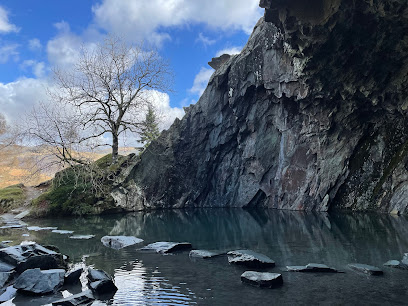
Rydal Cave
20.2 km
Experience the stunning beauty of Rydal Cave in Ambleside, a perfect blend of nature, adventure, and breathtaking landscapes.
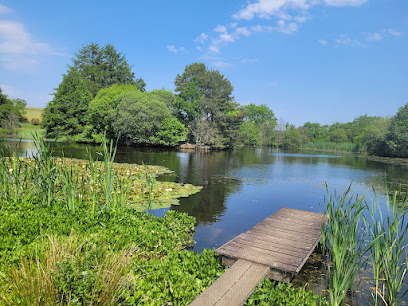
Dalemain Mansion & Historic Gardens
21.6 km
Explore the enchanting Dalemain Mansion & Historic Gardens, a perfect blend of history, art, and stunning landscapes in the heart of Penrith.
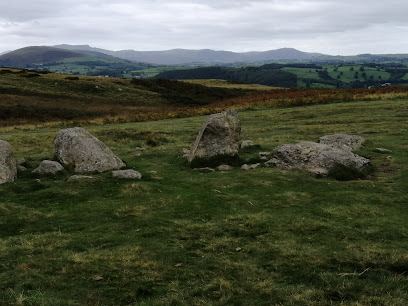
The Cockpit Stone Circle
21.9 km
Explore The Cockpit Stone Circle, an ancient historical site near Penrith, where history and natural beauty converge in a tranquil setting.
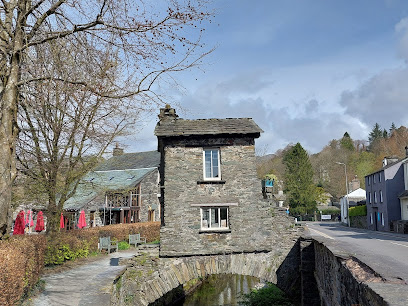
The Bridge House
22.2 km
Explore the historic Bridge House in Ambleside, a stunning 17th-century riverside gem in the heart of the Lake District's breathtaking landscapes.
Hardknott Roman Fort & Thermae.
22.7 km
Discover the rich history and stunning landscapes of Hardknott Roman Fort & Thermae, a remarkable fortress in the heart of the Lake District.
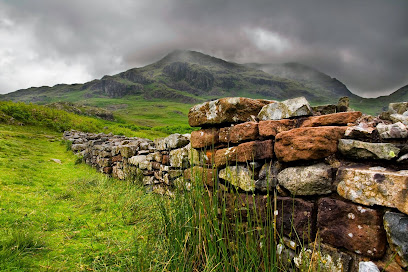
Ambleside Roman Fort
23.1 km
Experience the rich history at Ambleside Roman Fort, a key archaeological site in the heart of the Lake District, offering stunning views and engaging exhibits.
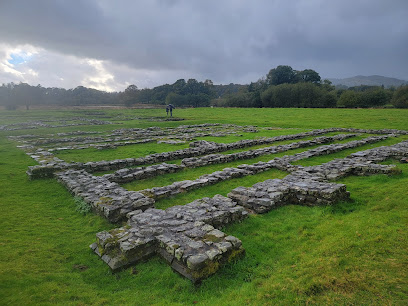
Greystoke Pillar
23.6 km
An enduring 18th-century stone obelisk near Penrith, marking local heritage amidst Cumbria’s tranquil countryside.
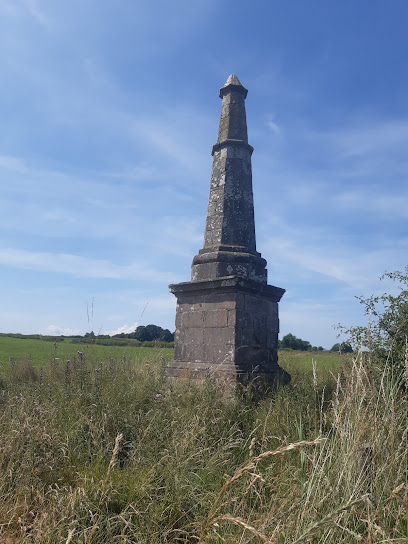
Eskdale Mill
24.2 km
Experience the rich history and stunning landscapes at Eskdale Mill, a heritage museum nestled in the heart of the Lake District.
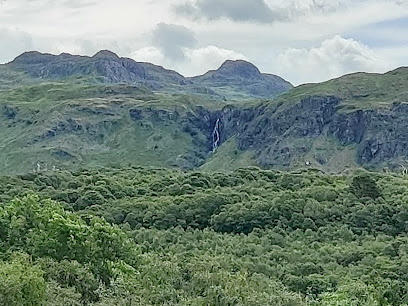
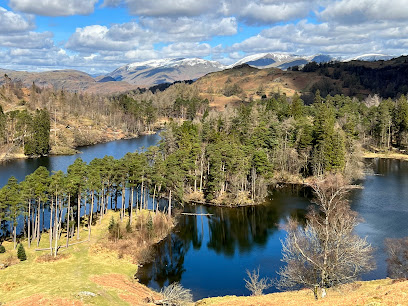
National Trust - Tarn Hows
24.9 km
Discover the serene beauty of Tarn Hows, a nature reserve in the Lake District with stunning landscapes and tranquil walking trails.
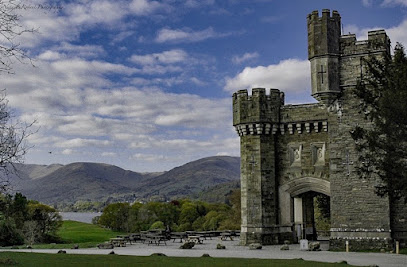
National Trust - Wray
25.3 km
Explore Wray Castle, a Victorian gem on Lake Windermere offering stunning views, rich history, and beautiful gardens in the heart of the Lake District.
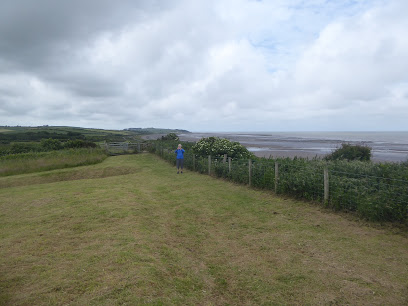
Milefortlet 21
25.4 km
Discover the ancient Roman heritage at Milefortlet 21, a captivating archaeological site near Maryport, rich in history and scenic beauty.
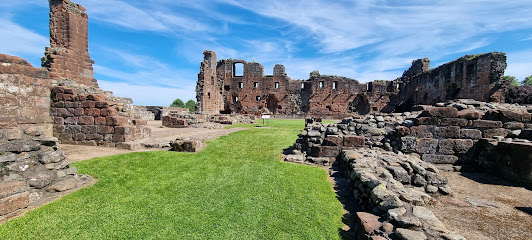
Penrith Castle
25.6 km
Explore the enchanting ruins of Penrith Castle, a historical marvel in the heart of Penrith, offering insights into medieval architecture and heritage.
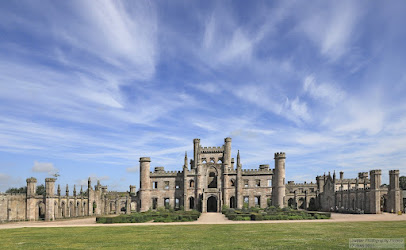
Lowther Castle & Gardens
25.8 km
Explore the majestic Lowther Castle & Gardens, where history meets natural beauty in the heart of the Lake District.
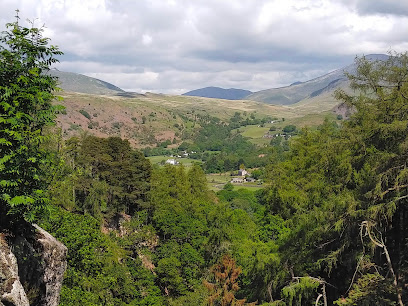
Stanley Ghyll Waterfall
25.8 km
Experience the breathtaking beauty of Stanley Ghyll Waterfall in Eskdale, a must-visit natural wonder in the Lake District National Park.
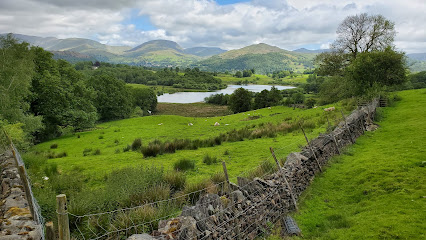
National Trust - Townend
25.8 km
Explore the picturesque Townend, a historic farmhouse and garden in the Lake District, where heritage and nature meet in a beautiful setting.
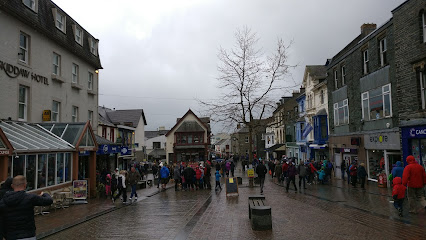
Unmissable attractions to see

Puzzling Place
0.3 km
Discover mind-bending optical illusions and interactive exhibits in Keswick’s captivating Puzzling Place.
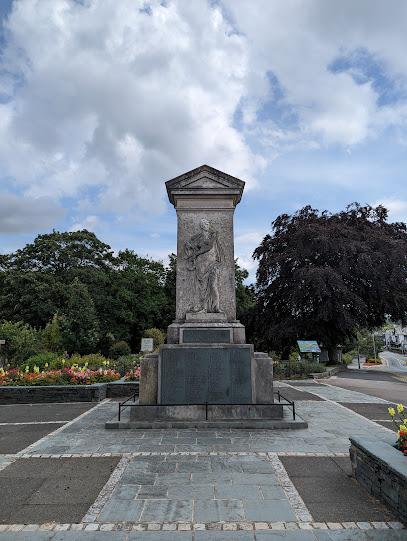
Keswick War Memorial
0.6 km
Explore the Keswick War Memorial, a serene tribute to bravery set against the breathtaking backdrop of the Lake District.
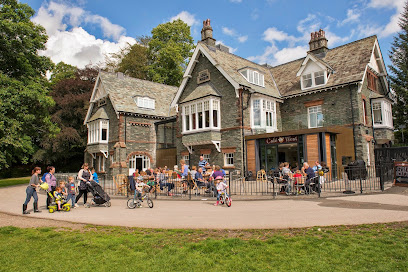
Keswick Museum
0.6 km
Discover Keswick’s rich heritage through unique exhibits, interactive displays, and a charming Victorian setting in the heart of the Lake District.
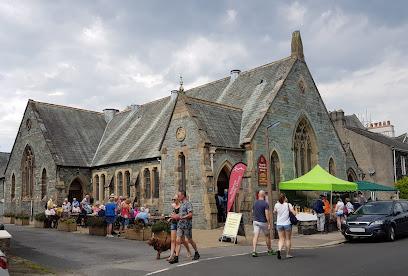
Keswick Methodist Church
0.6 km
A welcoming Methodist church in Keswick offering spiritual sanctuary and community connection in the heart of the Lake District.
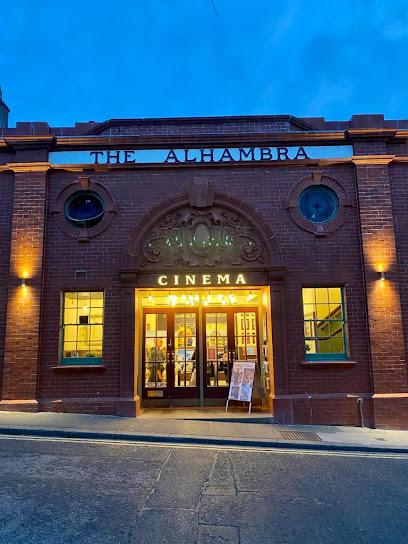
Keswick Alhambra Cinema
0.6 km
A charming century-old cinema blending vintage charm with modern projection, nestled in Keswick’s vibrant town centre.
Crosthwaite Church, Keswick
0.7 km
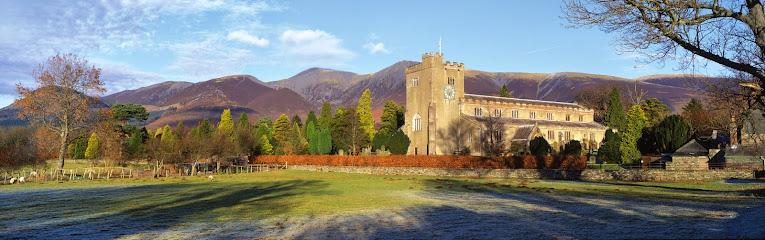
Historic Crosthwaite Church, Keswick—where 1,500 years of faith, art, and nature converge in tranquil Lake District beauty.
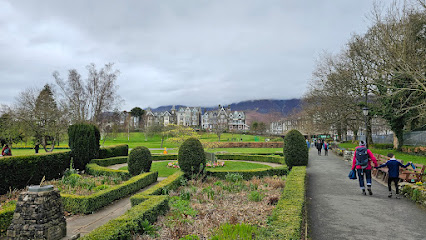
Hope Park
0.7 km
A beautifully maintained, accessible park in Keswick offering vibrant gardens, recreational golf, bird watching, and a welcoming café near Derwentwater.
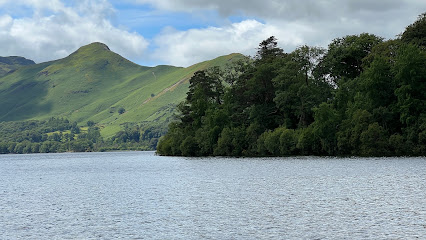
Friars Crag
1.5 km
A short stroll from Keswick leads to one of the Lake District’s most iconic viewpoints, where Derwentwater unfolds beneath dramatic fells and literary history lingers by the shore.
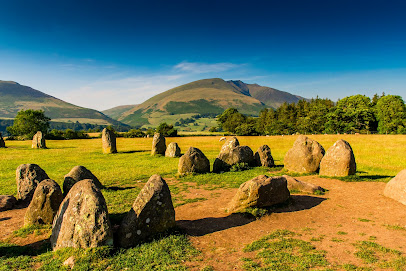
Castlerigg Stone Circle
2.8 km
Explore the ancient mysteries of Castlerigg Stone Circle, a historic landmark in the stunning Lake District with breathtaking views and rich heritage.
Derwentwater
3.0 km
Explore Derwentwater’s breathtaking lake, dramatic fells, and charming Keswick shores in England’s iconic Lake District.
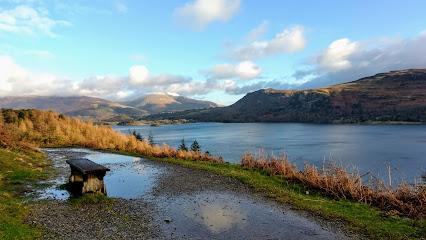
Brandlehow Park
3.4 km
A peaceful National Trust park on Derwentwater’s quiet western shore, perfect for lakeside strolls, picnics, and views of Catbells and the Borrowdale fells.
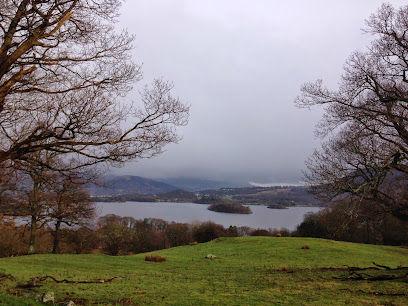
Ashness Bridge
4.1 km
Historic stone packhorse bridge with iconic Lake District views over Derwentwater, nestled in Keswick’s scenic hiking landscape.
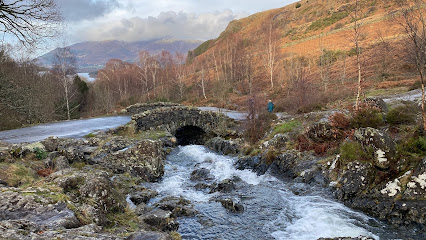
Catbells
4.4 km
Experience the breathtaking views and accessible trails of Cat Bells, a beloved Lake District fell near Keswick with iconic panoramas over Derwentwater.
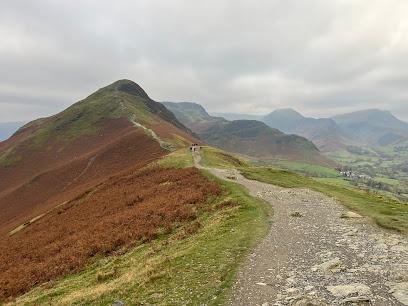
Surprise View
4.8 km
Breathtaking panoramic views over Derwent Water and Skiddaw from a peaceful, accessible Lake District vantage point.
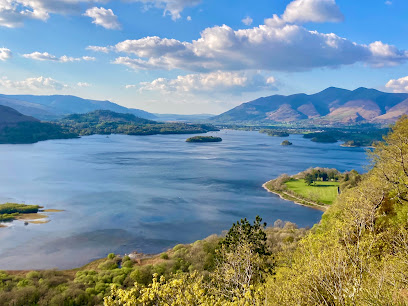
Newlands Valley
4.9 km
Discover the tranquil beauty and iconic hiking trails of Newlands Valley, a serene escape nestled in the heart of the Lake District near Keswick.
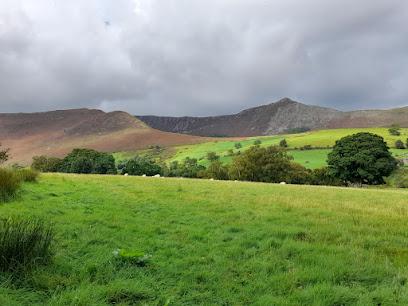
Essential places to dine

The Cottage In The Wood
5.2 km
Michelin-starred fine dining nestled in Whinlatter Forest with cozy rooms and stunning views of the Lake District’s Skiddaw mountains.
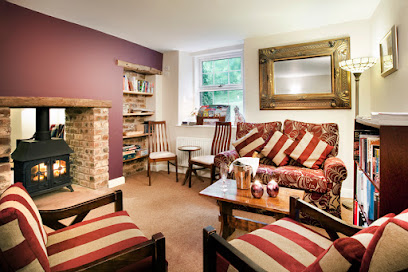
Herdwick Willy’s Bar & Bistro
10.6 km
A relaxed bistro-bar nestled in Bassenthwaite’s scenic Croft Holiday Park, serving fresh pizzas and light fare with countryside views.
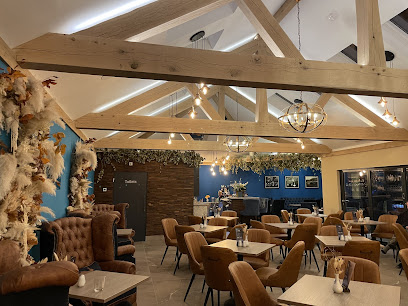
The Inn on the Lake
14.0 km
Elegant lakeside retreat blending Victorian charm with modern comfort on Ullswater’s scenic shores in the Lake District.
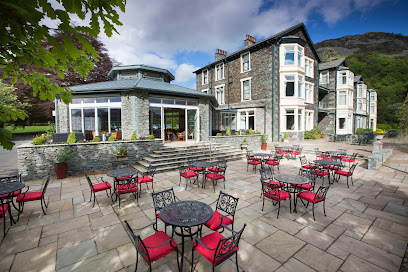
Cockermouth Brewers Fayre
15.7 km
A welcoming family-friendly pub and restaurant in Cockermouth offering classic British dishes, hearty breakfasts, and a spacious beer garden with countryside views.
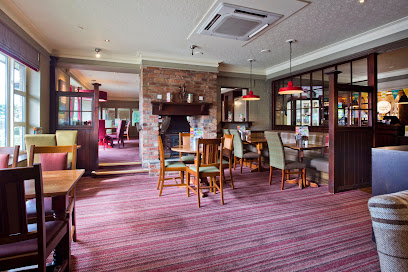
New Dungeon Ghyll - Langdale
17.6 km
Rustic hotel and lively bar nestled in Langdale Valley, perfect for walkers seeking comfort and community in the Lake District.
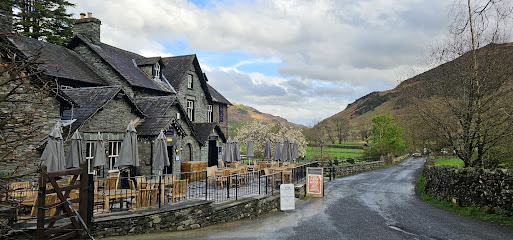
Old Dungeon Ghyll Hotel Great Langdale
17.8 km
A welcoming climbers’ inn with traditional charm, hearty fare, and stunning mountain views in the heart of Great Langdale.
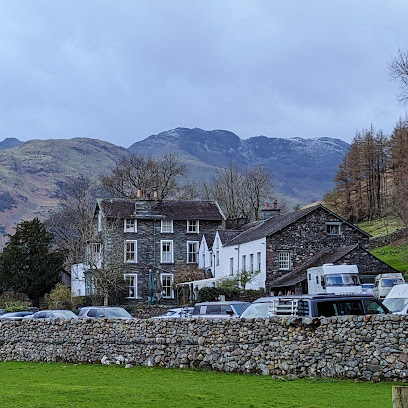
The Jumble Room
17.8 km
Vibrant bohemian restaurant in Grasmere serving creative international dishes with local Cumbrian produce in a lively, eclectic setting.
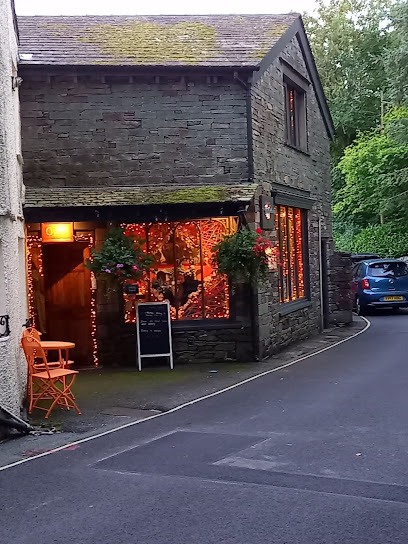
Rampsbeck Restaurant
18.8 km
Contemporary British dining with lake views, seasonal Cumbrian produce, and a relaxed, elegant atmosphere in Watermillock.
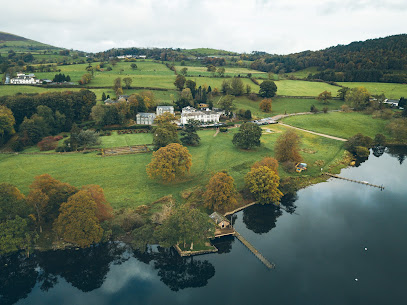
Horse and Farrier
19.7 km
Lake District gastropub serving exceptional seasonal cuisine in a charming village setting near Ullswater.
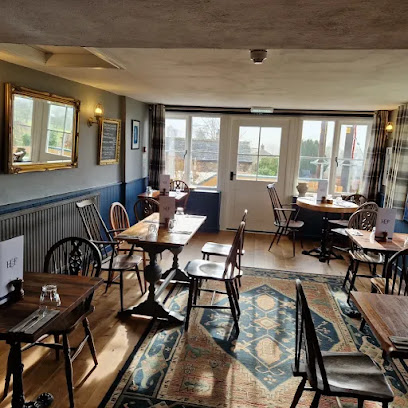
Stove Restaurant & Bar
19.7 km
Relaxed dining with wood-fired pizzas and seasonal dishes in the heart of the Lake District’s Great Langdale.
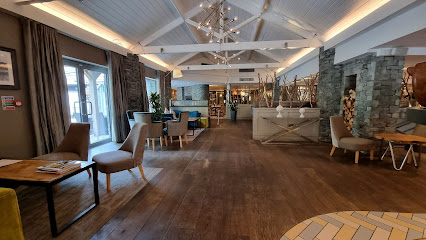
The Wild Duck Inn
20.6 km
Experience the charm of The Wild Duck Inn: where American flavors meet local hospitality in Branthwaite.
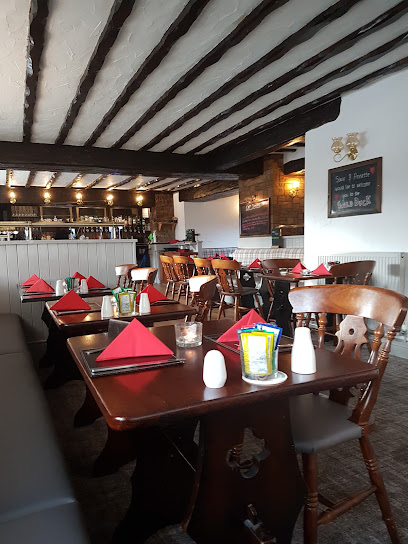
1863 Restaurant with Rooms
20.9 km
Elegant boutique lodging and Michelin-level modern British dining in the heart of Pooley Bridge, overlooking Ullswater’s serene beauty.
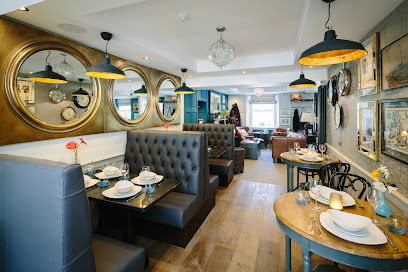
The Clickham Inn
21.5 km
A stylish Mediterranean tapas inn near Penrith offering authentic flavors, warm hospitality, and a dog-friendly atmosphere on the edge of the Lake District.
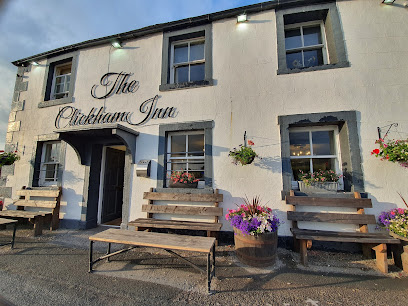
The Conservatory Restaurant at The Melbreak Hotel
21.9 km
Refined Modern European dining with seasonal events in a welcoming setting at The Melbreak Hotel near Workington.
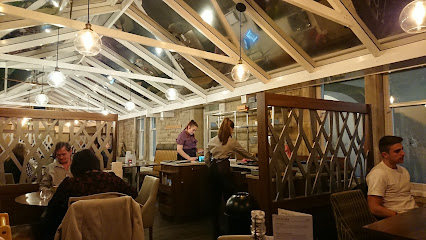
Dodds Restaurant
22.2 km
Authentic Italian and modern European cuisine served with warmth in the heart of Ambleside’s scenic Lake District.
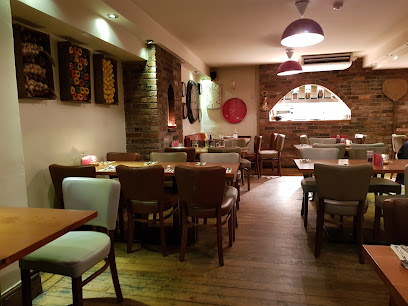
Markets, malls and hidden boutiques

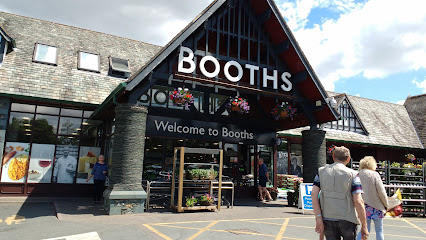
Booths, Keswick
0.2 km
A premium supermarket and café in Keswick, offering local Lake District produce, fresh counters, and community-focused shopping.
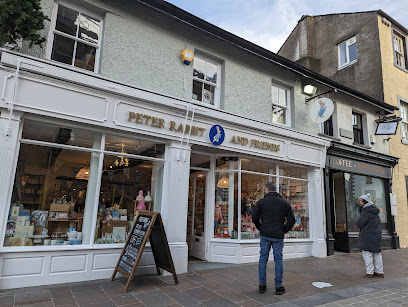
Peter Rabbit & Friends Ltd
0.5 km
Step into a storybook world at Peter Rabbit & Friends Ltd, Keswick’s enchanting toy shop and café inspired by Beatrix Potter’s beloved characters.
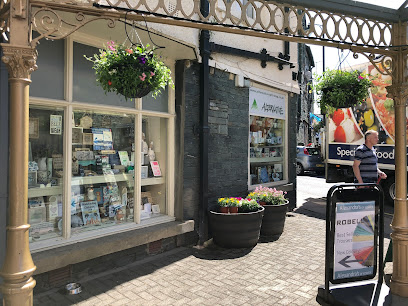
Alternative
0.5 km
Discover original gifts and Lake District treasures at Alternative, Keswick’s beloved family-run gift and interiors shop.
Love the Lakes Keswick
0.5 km
Discover unique Lake District gifts and local crafts in the heart of Keswick’s charming market town.

CONQUER Trading Post
0.6 km
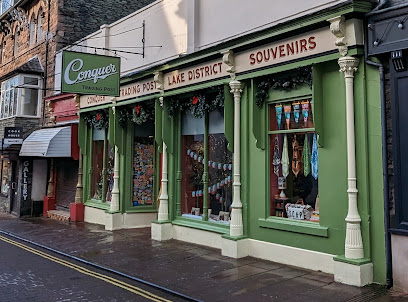
Discover authentic Lake District spirit through unique patches, crafts, and gifts at Keswick’s vibrant Conquer Trading Post.
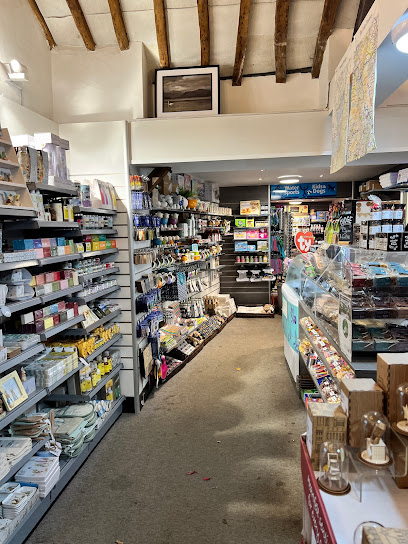
The Barn
20.8 km
Discover locally sourced gifts, quality outdoor gear, and delightful treats at The Barn in scenic Pooley Bridge.
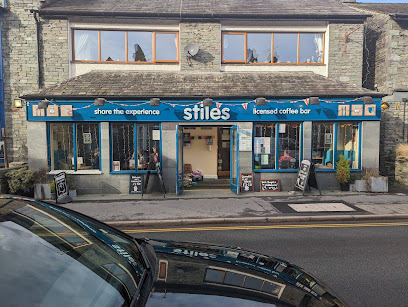
RockShop
22.3 km
Discover unique gifts and delightful toys at RockShop in Ambleside, a must-visit for family-friendly shopping and local crafts.
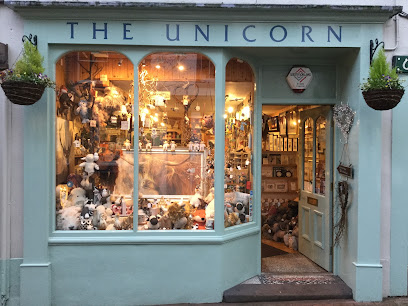
The Unicorn
25.9 km
Discover unique gifts and artistic treasures in Penrith’s beloved independent shop, The Unicorn, open Monday to Saturday.
Dunmail Park Shopping Centre
27.1 km
Discover the vibrant Dunmail Park Shopping Centre in Workington, where shopping, dining, and entertainment come together in harmony.

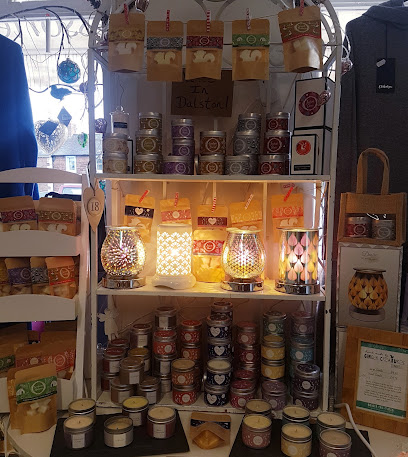
Suziebou
28.3 km
Discover unique gifts, stylish fashion, and locally sourced homewares in the welcoming boutique of Suziebou in Dalston, Carlisle.
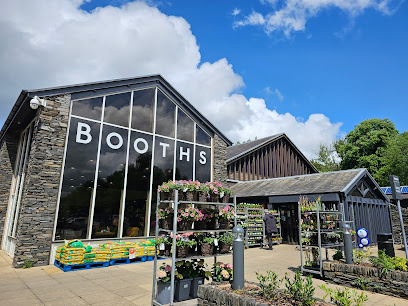
Booths, Windermere
29.3 km
Explore Booths Windermere: a premier supermarket and café blending local flavors, quality produce, and community spirit in a historic setting.
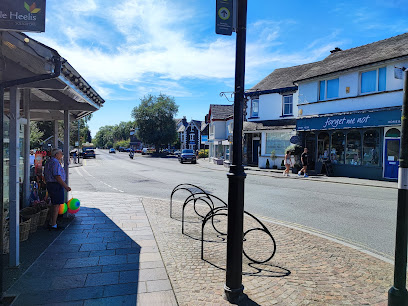
Forget Me Not
29.4 km
Discover unique gifts and local treasures at Forget Me Not, Windermere’s charming boutique in the heart of the Lake District.
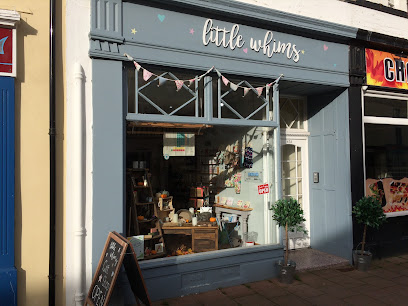
Little Whims
29.6 km
Discover unique gifts and local charm at Little Whims, a cozy and creative gift shop in Whitehaven’s historic Market Place.
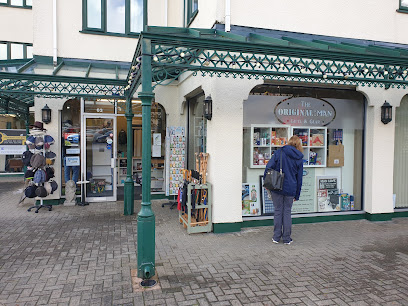
The Original Man Shop
30.1 km
A distinctive men's gift and fashion boutique offering style and charm in the heart of Bowness-on-Windermere.
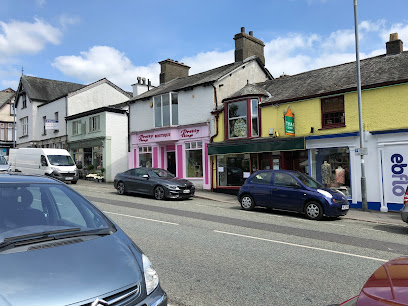
Pretty Things
30.2 km
Discover stylish ladies' fashion and warm hospitality at Pretty Things, a charming boutique in the heart of Bowness-on-Windermere.
Essential bars & hidden hideouts

Ramblers Bar and the Candleroom
14.0 km
A charming lakeside pub and restaurant in Glenridding with scenic views, friendly service, and a welcoming atmosphere for all visitors.
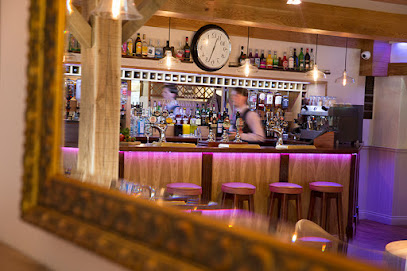
Castle Bar
15.6 km
Historic 16th-century pub in Cockermouth with award-winning design, local ales, sunny beer garden, and vibrant sports bar atmosphere.
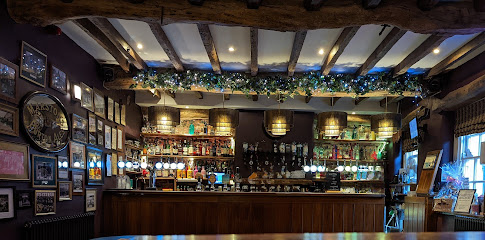
Ritson's Bar (Wasdale Head Inn)
16.9 km
Historic mountain pub at the foot of England’s highest peak, offering real ales, hearty food, and stunning Lake District views.
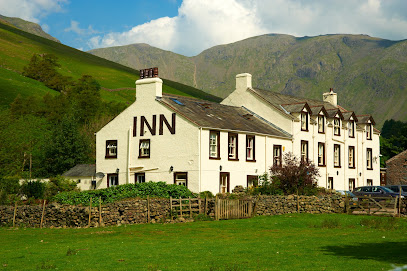
Wainwrights' Inn
19.5 km
A traditional Lakeland pub in Chapel Stile offering hearty local fare, fine ales, and a warm welcome near the Langdale Estate.
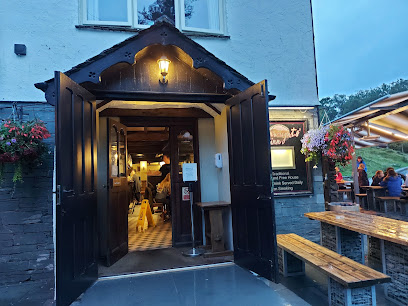
The Pooley Bridge Inn, Pooley Bridge
20.7 km
Traditional Lakeland inn with cozy rooms, hearty pub fare, and lakeside charm in the heart of Pooley Bridge village.
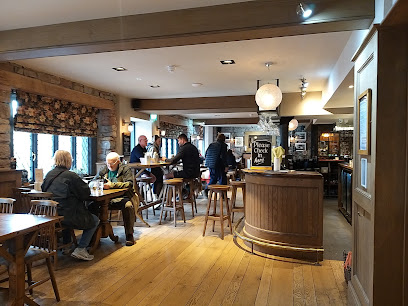
The Talbot Bar
21.8 km
Cozy Lakeland pub with hearty traditional fare, local ales, and a warm, dog-friendly atmosphere near Ambleside.
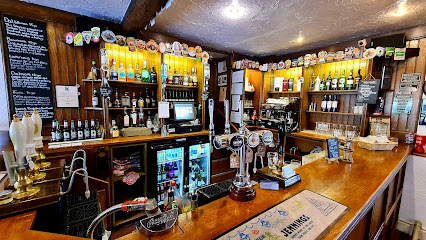
Golden Rule
22.2 km
A historic Ambleside pub offering traditional ales, cozy fires, and a welcoming atmosphere away from the tourist bustle.
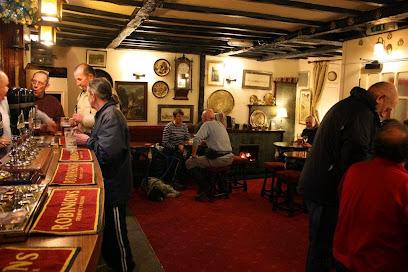
The Vault
22.4 km
Historic charm meets fresh cocktails and tapas in Ambleside’s vibrant social hub, The Vault.
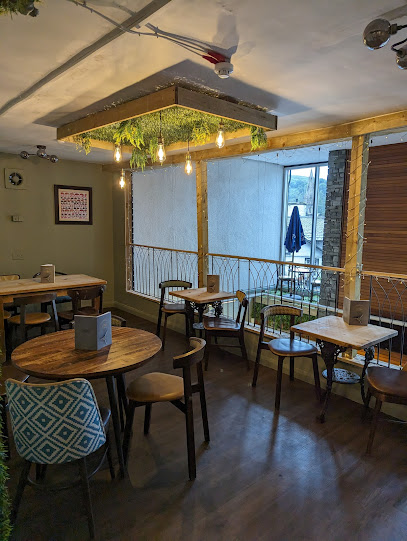
The Lily Bar
22.5 km
Ambleside’s independent bar blending rustic charm, local ales, live music, and quality dining in the heart of the Lake District.
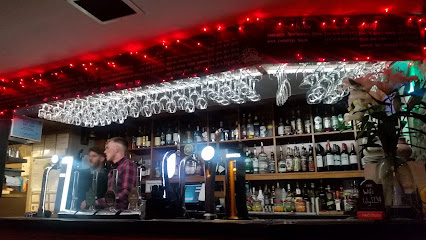
Queens Head, Troutbeck
25.0 km
Historic Lake District pub and inn offering hearty fare, local ales, and cosy rooms with stunning Troutbeck Valley views.
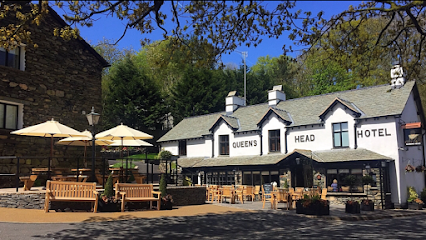
Board & Elbow
25.9 km
A lively, family-friendly pub in Penrith serving traditional British classics, local ales, and offering a warm atmosphere with a charming beer garden.
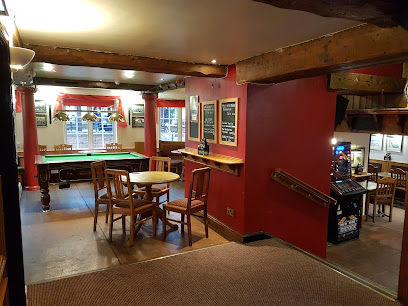
Penrith Conservative Club
26.0 km
A welcoming social venue in Penrith offering lively events, a classic bar, and community spirit in the heart of Cumbria.
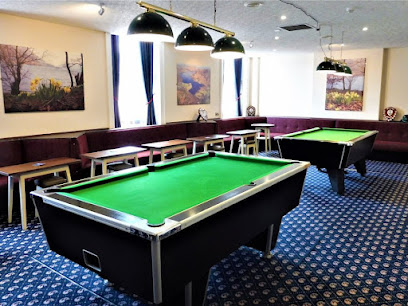
The Dog Beck
26.0 km
Historic charm meets modern hospitality at The Dog Beck, Penrith’s welcoming Wetherspoon pub open from early morning until late night.
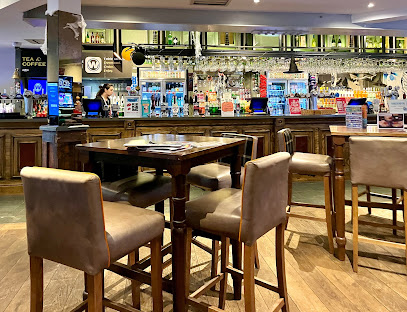
The Warehouse
26.0 km
A lively multi-bar nightclub in Penrith offering vibrant weekend nightlife with music, dancing, and a welcoming social scene.
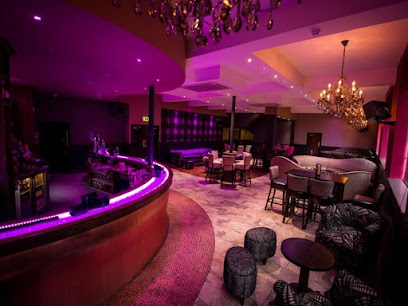
Lake District Cocktail Co.
27.0 km
Experience the art of cocktail crafting in the stunning Lake District with Lake District Cocktail Co., a mobile catering service that brings the bar to you.

Nightclubs & after hour spots

The loose moose
25.9 km
A lively and welcoming nightclub in Penrith offering cocktails, music, and community spirit in the heart of Cumbria’s Eden District.

Windermere Social Club
29.6 km
A friendly and versatile social club in Windermere offering games, sports viewing, and community events in a welcoming atmosphere.
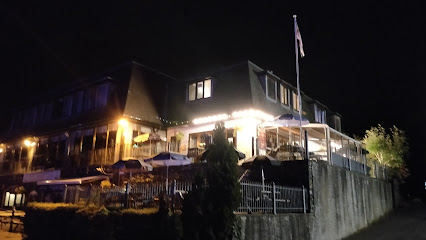
Wheelhouse Nightclub
30.3 km
Experience vibrant weekend nightlife with dynamic music, drinks, and dancing at Wheelhouse Nightclub in scenic Bowness-on-Windermere.
Secret Carlisle
34.7 km
Experience energetic nights and vibrant music at Secret Carlisle, the city centre nightclub where Carlisle’s historic charm meets modern nightlife.

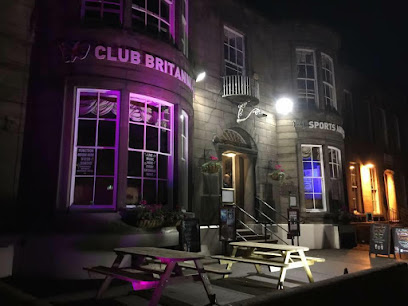
Club Britannia
34.9 km
A vibrant social club in Carlisle offering live music, friendly vibes, and affordable drinks in a smart, welcoming setting.
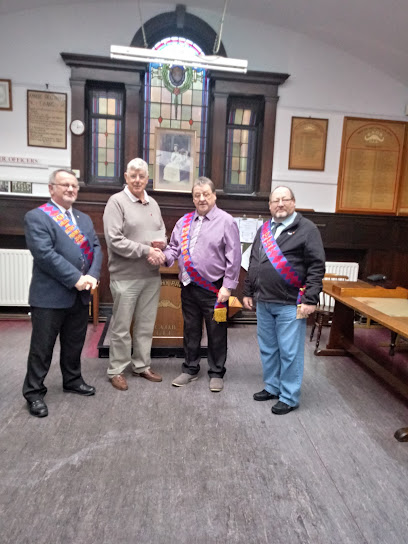
Carlisle R A O B Club
35.0 km
Historic social club in Carlisle offering lively events and a welcoming atmosphere rooted in the Royal Antediluvian Order of Buffaloes tradition.
Black Box Music Institute
35.0 km
An intimate old-style nightclub and cultural hub in Carlisle offering live music, festivals, and art exhibitions in a vibrant setting.
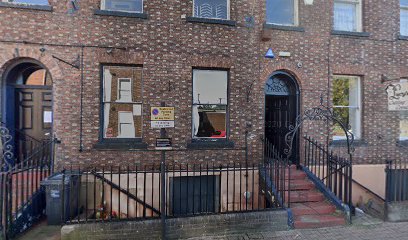
secret bridge
39.9 km
Experience vibrant nightlife and lively music at Secret Bridge, Milburn’s premier nightclub near Penrith in the scenic Eden District.
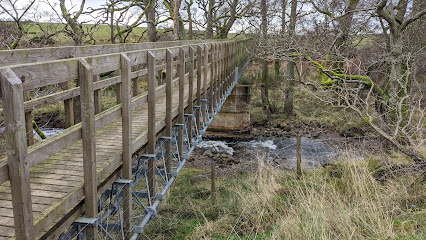
The Lounge C9
54.7 km
Experience Barrow-in-Furness’ vibrant nightlife at The Lounge C9, where music, drinks, and community come alive every weekend.
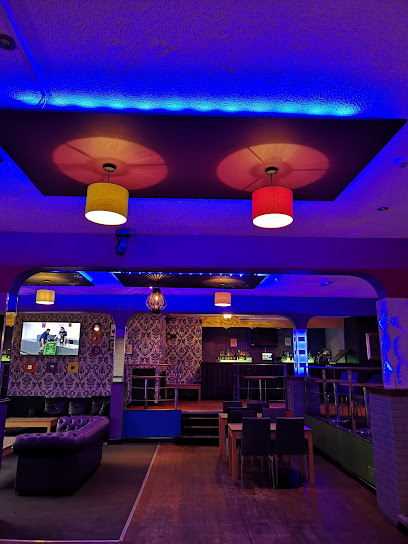
Manhattans Nightclub
54.8 km
Barrow-in-Furness’s top nightclub for themed parties, DJ nights, and vibrant late-night entertainment on Cavendish Street.

Hollywood Nightclub
54.8 km
Experience the vibrant late-night pulse of Barrow-in-Furness at Hollywood Nightclub, where music and dance light up Cavendish Street.

The Five Arches
58.7 km
Experience the charm of The Five Arches pub in Dumfries - a cozy spot for local brews and delightful fare.
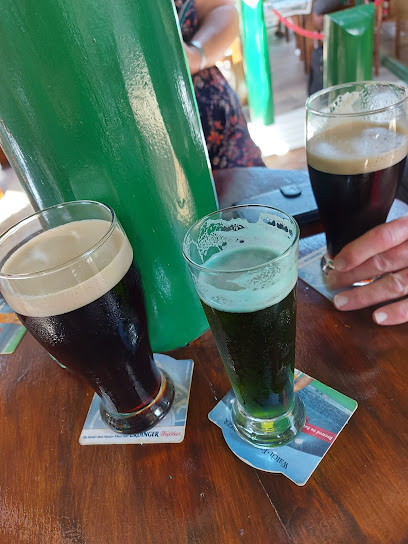
Railway Social Club
59.6 km
A friendly, community-focused social club in Dumfries offering affordable drinks, lively events, and a welcoming atmosphere near the town centre.

Dickies Bar
59.7 km
Discover the lively atmosphere and diverse drink selection at Dickies Bar in Dumfries, the perfect spot for relaxation and socializing.
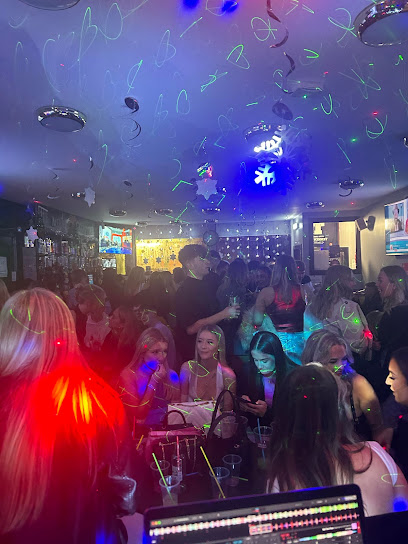
Coach & Horses Inn
59.7 km
Discover the charm of Dumfries at Coach & Horses Inn, where traditional pub culture meets modern hospitality.
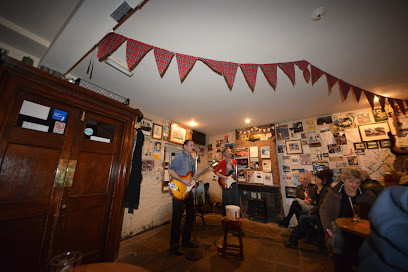
For the vibe & atmosphere seeker
- Relaxing
- Scenic
- Fun-filled
- Unique
- Casual
For the design and aesthetic lover
- Vintage Styles
- Rustic Designs
For the architecture buff
- Historic
- Landmarks
For the view chaser and sunset hunter
- Iconic Views
For the social media creator & influencer
- Instagrammable
- Photo Spots
- Selfie Spots
For the eco-conscious traveler
- Public-Transport Accessible
For the kind of experience you’re after
- Cultural Heritage
- Photowalk
- Day Trip
- Weekend Getaway
For how adventurous you want the journey to be
- Easy Access
Location Audience
- Family Friendly
- Senior Friendly
- Child Friendly
- Teen Friendly
- Solo Friendly
- Couple Friendly
- Vegetarian Friendly
- Vegan Friendly


