
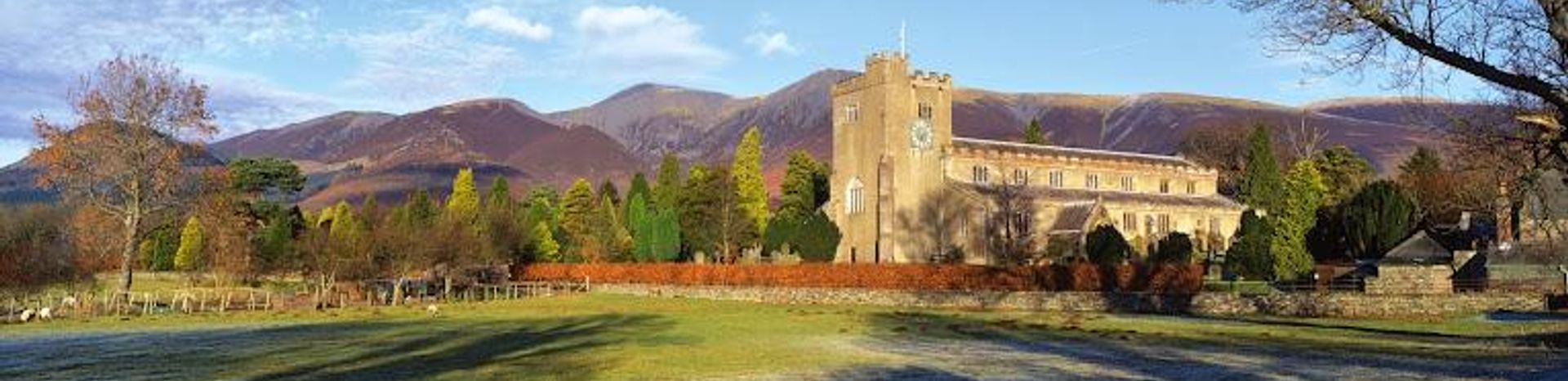
Crosthwaite Church, Keswick: A Historic Sanctuary of St Kentigern
Historic Crosthwaite Church, Keswick—where 1,500 years of faith, art, and nature converge in tranquil Lake District beauty.
Crosthwaite Church in Keswick, dedicated to St Kentigern, is a historic Anglican place of worship with roots dating back to 553 AD. The current medieval structure, largely from the 12th to 16th centuries, features unique consecration crosses, intricate stonework, and memorials including poet Robert Southey’s tomb. Set in tranquil grounds with a notable churchyard, it offers a rich spiritual and cultural experience in the heart of the Lake District.
A brief summary to Crosthwaite Church, Keswick
- Church Ln, Keswick, CA12 5QG, GB
- +441768771187
- Visit website
- Duration: 1 to 2 hours
- Free
-
 Outdoor
- Mobile reception: 4 out of 5
- Monday 10 am-4 pm
- Tuesday 10 am-4 pm
- Wednesday 10 am-4 pm
- Thursday 10 am-4 pm
- Friday 10 am-4 pm
- Saturday 10 am-4 pm
- Sunday 10 am-4 pm
Local tips
- Visit on weekdays for a quieter, more contemplative experience.
- Explore the churchyard to discover graves of notable figures like poet Robert Southey.
- Look for the unique English consecration crosses inside and outside the church walls.
- Admire the intricate woodwork and stonework by the Keswick School of Industrial Arts.
- Bring a camera to capture the medieval architecture and scenic views of the surrounding valley.

For the on-the-go comforts that matter to you
- Restrooms
- Seating Areas
- Information Boards
- Visitor Center
Getting There
-
Bus
Regular bus services connect Keswick town center to Church Lane, with a 10-15 minute ride from Keswick Bus Station. Buses run frequently during the day, with single fares around £2-£4. The stop is within a short walk of Crosthwaite Church.
-
Car
Driving to Crosthwaite Church is straightforward via Keswick’s main roads. Limited on-street parking is available nearby, with additional parking within 250 meters. Parking is free but can be busy during peak tourist seasons.
-
Walking
From Keswick town center, walking to Crosthwaite Church takes approximately 15-20 minutes on mostly level terrain along paved streets, suitable for most visitors including those with moderate mobility.
Crosthwaite Church, Keswick location weather suitability
-
 Any Weather
-
 Rain / Wet Weather
-
 Clear Skies
-
 Mild Temperatures
Discover more about Crosthwaite Church, Keswick
Ancient Origins and Spiritual Legacy
Crosthwaite Church stands on a site believed to have been a place of Christian worship for nearly 1,500 years. Founded around 553 AD by St Kentigern, also known as St Mungo in Scotland, the church’s name derives from the Old Norse word ‘thwaite’ meaning clearing, marking where St Kentigern established his cross in the woods. Though no physical remnants of the earliest wooden churches survive, the site’s sacred significance endures, linking visitors to early Christian missionary history in Britain.Architectural Evolution Through Centuries
The existing stone church primarily dates from the 12th century, built under the patronage of Alice de Romilly in 1180, with further expansions and modifications through the medieval period. Notable changes include the addition of chapels, aisles, and a tower between the 14th and 16th centuries, and a significant restoration in 1844 by architect George Gilbert Scott. The church’s medieval character is preserved in features such as the clerestory, arcades, and the tower, while Victorian interventions introduced new seating and roofing.Artistic and Historical Treasures Within
Inside, visitors encounter a wealth of historical artifacts and craftsmanship. The richly carved octagonal font dates to the late 14th century, relocated in 1909 to the baptistry dedicated to Canon Hardwicke Rawnsley, a long-serving vicar and co-founder of the National Trust. The church also houses unique English consecration crosses from 1523, marking the spots where bishops anointed the walls during consecration ceremonies. Woodwork and stonework designed by Edith Rawnsley and the Keswick School of Industrial Arts adorn the reredos, altar frontals, pulpit, and gates, reflecting the church’s artistic heritage.Memorials and Churchyard Significance
The churchyard offers a serene space of reflection and history. It contains the graves of notable figures such as the Romantic poet Robert Southey and Canon Rawnsley himself. Southey’s marble effigy inside the church and inscriptions by William Wordsworth connect the site to the literary heritage of the Lake District. The churchyard’s tranquil atmosphere invites visitors to explore its historic gravestones and appreciate the continuity of community life centered around this sacred place.Community and Worship Today
Crosthwaite Church remains an active evangelical Anglican parish welcoming all traditions or none. It hosts regular services and community events, continuing its long-standing role as a spiritual hub. The church is open daily for private prayer and exploration, offering visitors a peaceful retreat enriched by centuries of faith, art, and local history.Setting and Visitor Experience
Situated on the northern outskirts of Keswick, the church is surrounded by the natural beauty of the Lake District. Its elevated position provides scenic views across the Lyth valley and towards the Lakeland fells. The combination of historic architecture, artistic detail, and a contemplative ambience makes Crosthwaite Church a compelling destination for history enthusiasts, spiritual seekers, and those appreciating cultural heritage within a stunning landscape.Iconic landmarks you can’t miss

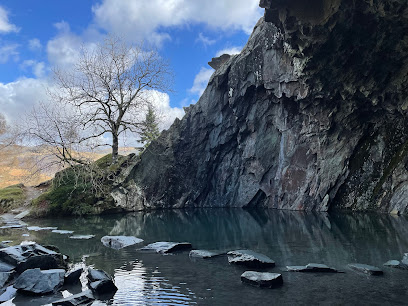
Rydal Cave
20.8 km
Experience the stunning beauty of Rydal Cave in Ambleside, a perfect blend of nature, adventure, and breathtaking landscapes.
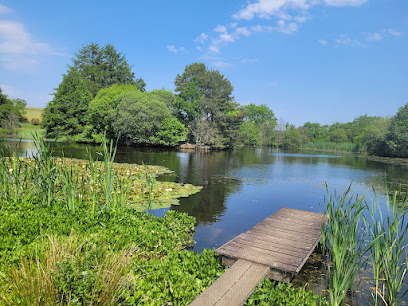
Dalemain Mansion & Historic Gardens
22.0 km
Explore the enchanting Dalemain Mansion & Historic Gardens, a perfect blend of history, art, and stunning landscapes in the heart of Penrith.
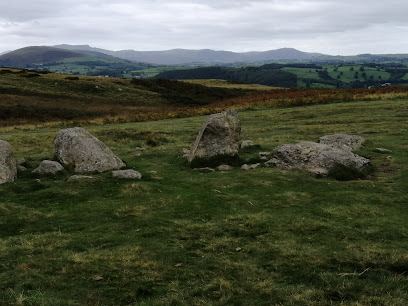
The Cockpit Stone Circle
22.5 km
Explore The Cockpit Stone Circle, an ancient historical site near Penrith, where history and natural beauty converge in a tranquil setting.
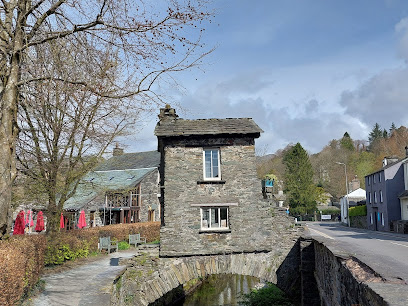
The Bridge House
22.9 km
Explore the historic Bridge House in Ambleside, a stunning 17th-century riverside gem in the heart of the Lake District's breathtaking landscapes.
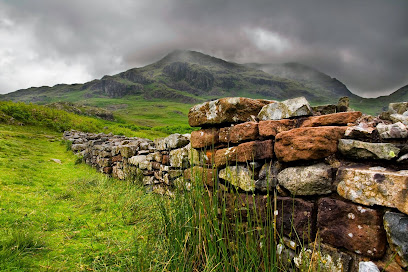
Hardknott Roman Fort & Thermae.
23.1 km
Discover the rich history and stunning landscapes of Hardknott Roman Fort & Thermae, a remarkable fortress in the heart of the Lake District.
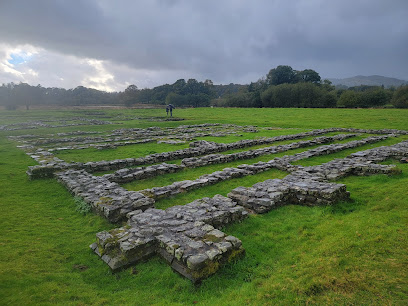
Ambleside Roman Fort
23.8 km
Experience the rich history at Ambleside Roman Fort, a key archaeological site in the heart of the Lake District, offering stunning views and engaging exhibits.
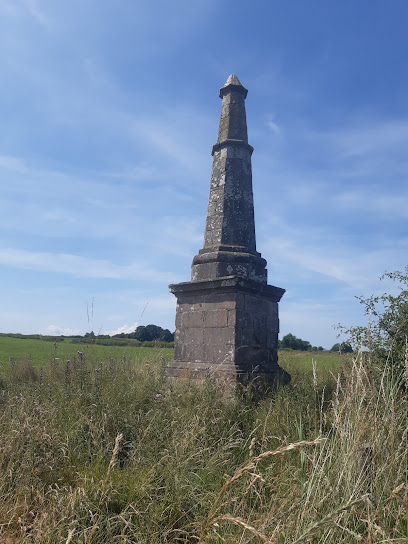
Greystoke Pillar
24.1 km
An enduring 18th-century stone obelisk near Penrith, marking local heritage amidst Cumbria’s tranquil countryside.
Eskdale Mill
24.5 km
Experience the rich history and stunning landscapes at Eskdale Mill, a heritage museum nestled in the heart of the Lake District.
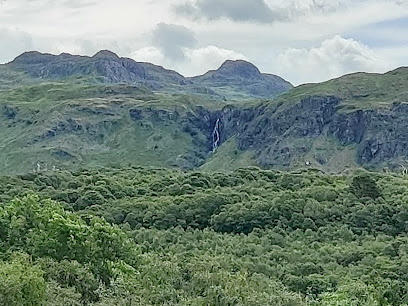
Milefortlet 21
24.7 km
Discover the ancient Roman heritage at Milefortlet 21, a captivating archaeological site near Maryport, rich in history and scenic beauty.
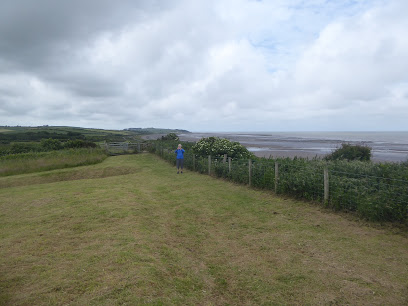
National Trust - Tarn Hows
25.5 km
Discover the serene beauty of Tarn Hows, a nature reserve in the Lake District with stunning landscapes and tranquil walking trails.
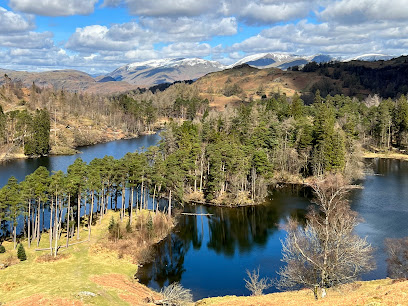
National Trust - Wray
26.0 km
Explore Wray Castle, a Victorian gem on Lake Windermere offering stunning views, rich history, and beautiful gardens in the heart of the Lake District.
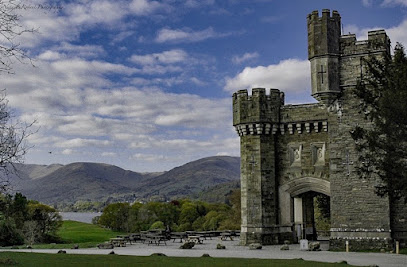
Penrith Castle
26.0 km
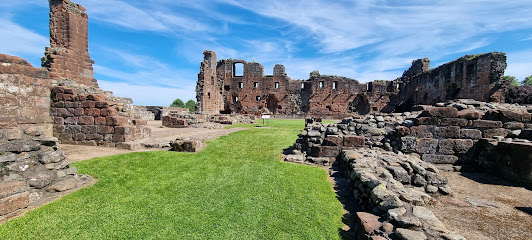
Explore the enchanting ruins of Penrith Castle, a historical marvel in the heart of Penrith, offering insights into medieval architecture and heritage.
Stanley Ghyll Waterfall
26.1 km
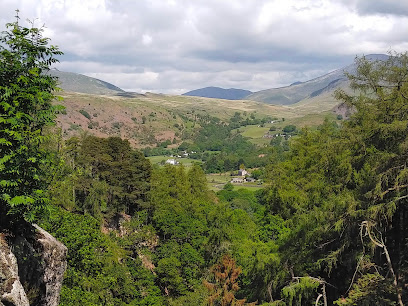
Experience the breathtaking beauty of Stanley Ghyll Waterfall in Eskdale, a must-visit natural wonder in the Lake District National Park.
Lowther Castle & Gardens
26.3 km
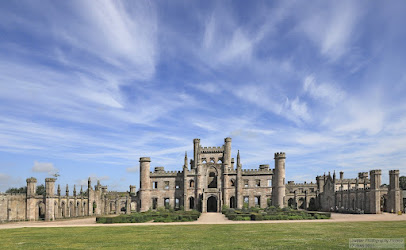
Explore the majestic Lowther Castle & Gardens, where history meets natural beauty in the heart of the Lake District.
Penrith Clock Tower
26.4 km
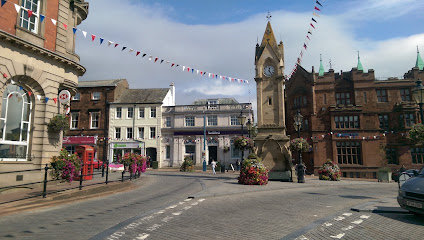
A neo-Gothic Victorian clock tower in Penrith’s Market Square, honoring local heritage and the Musgrave family legacy since 1861.
Unmissable attractions to see

Derwent Pencil Museum
0.7 km
Explore the world’s pencil heritage through immersive exhibits, rare artifacts, and creative workshops at Keswick’s iconic Derwent Pencil Museum.
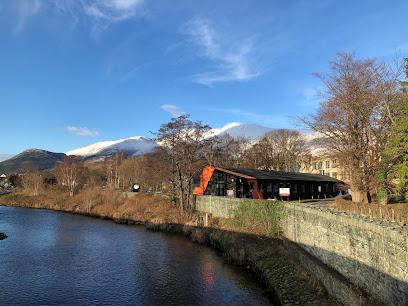
Puzzling Place
1.0 km
Discover mind-bending optical illusions and interactive exhibits in Keswick’s captivating Puzzling Place.
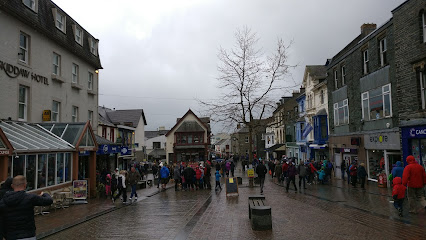
Keswick Museum
1.3 km
Discover Keswick’s rich heritage through unique exhibits, interactive displays, and a charming Victorian setting in the heart of the Lake District.
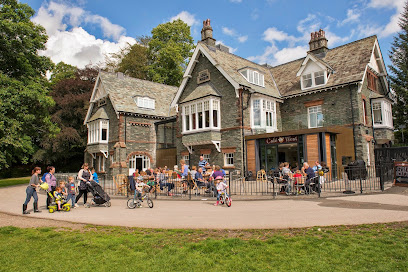
Keswick War Memorial
1.3 km
Explore the Keswick War Memorial, a serene tribute to bravery set against the breathtaking backdrop of the Lake District.
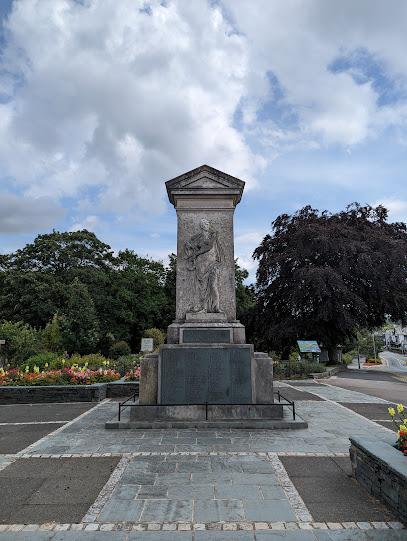
Keswick Methodist Church
1.3 km
A welcoming Methodist church in Keswick offering spiritual sanctuary and community connection in the heart of the Lake District.
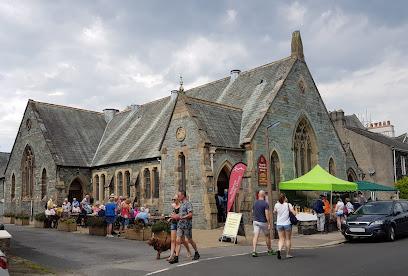
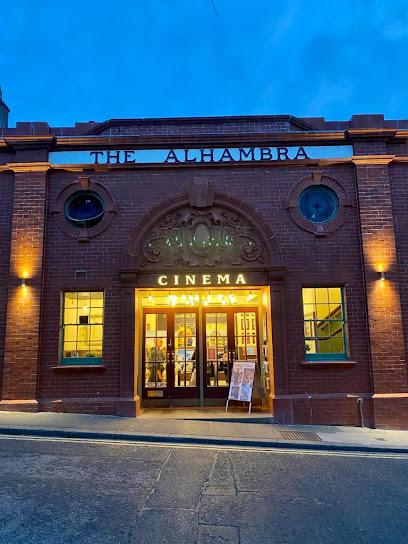
Keswick Alhambra Cinema
1.4 km
A charming century-old cinema blending vintage charm with modern projection, nestled in Keswick’s vibrant town centre.
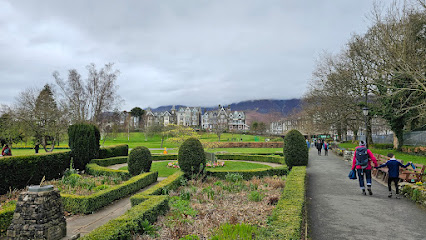
Hope Park
1.4 km
A beautifully maintained, accessible park in Keswick offering vibrant gardens, recreational golf, bird watching, and a welcoming café near Derwentwater.
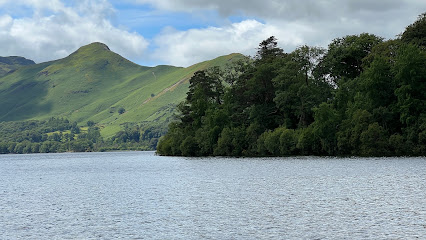
Friars Crag
2.1 km
A short stroll from Keswick leads to one of the Lake District’s most iconic viewpoints, where Derwentwater unfolds beneath dramatic fells and literary history lingers by the shore.
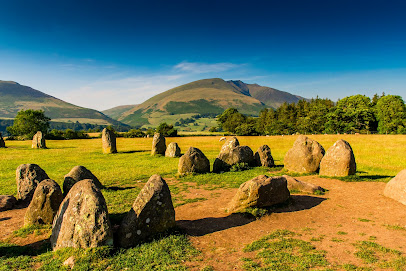
Castlerigg Stone Circle
3.4 km
Explore the ancient mysteries of Castlerigg Stone Circle, a historic landmark in the stunning Lake District with breathtaking views and rich heritage.
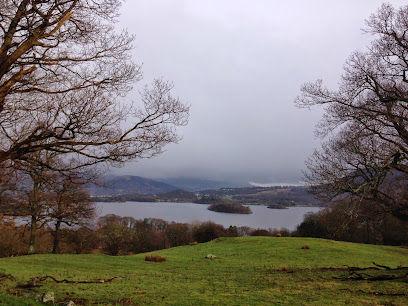
Derwentwater
3.5 km
Explore Derwentwater’s breathtaking lake, dramatic fells, and charming Keswick shores in England’s iconic Lake District.
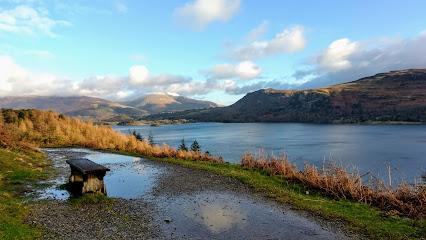
Brandlehow Park
3.8 km
A peaceful National Trust park on Derwentwater’s quiet western shore, perfect for lakeside strolls, picnics, and views of Catbells and the Borrowdale fells.
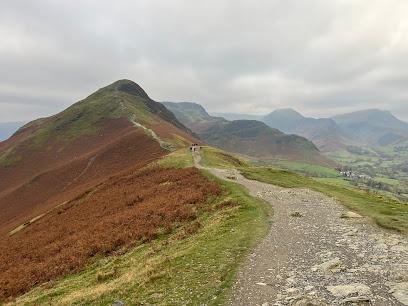
Catbells
4.6 km
Experience the breathtaking views and accessible trails of Cat Bells, a beloved Lake District fell near Keswick with iconic panoramas over Derwentwater.
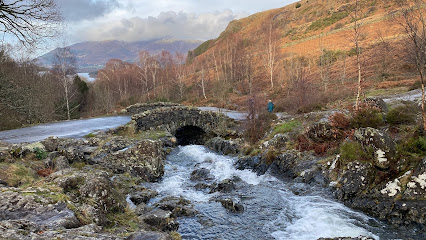
Ashness Bridge
4.7 km
Historic stone packhorse bridge with iconic Lake District views over Derwentwater, nestled in Keswick’s scenic hiking landscape.
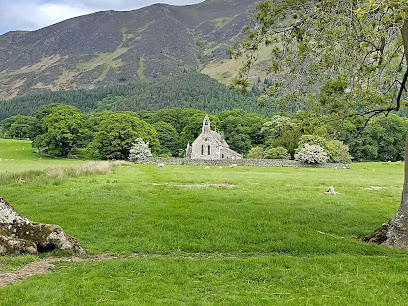
Mirehouse & Gardens
4.9 km
Historic family manor with serene gardens, lakeside walks, and playful woodland adventures near Keswick in the Lake District.
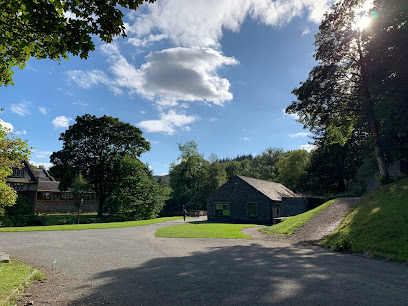
Go Ape Whinlatter
4.9 km
Soar through England's highest forest on thrilling ziplines and treetop courses with stunning Lake District views.
Essential places to dine

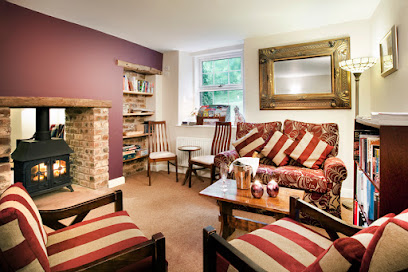
The Cottage In The Wood
4.6 km
Michelin-starred fine dining nestled in Whinlatter Forest with cozy rooms and stunning views of the Lake District’s Skiddaw mountains.
Herdwick Willy’s Bar & Bistro
9.8 km
A relaxed bistro-bar nestled in Bassenthwaite’s scenic Croft Holiday Park, serving fresh pizzas and light fare with countryside views.
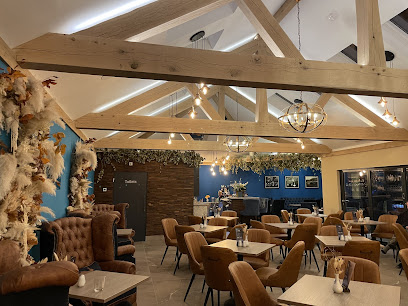
The Inn on the Lake
14.8 km
Elegant lakeside retreat blending Victorian charm with modern comfort on Ullswater’s scenic shores in the Lake District.
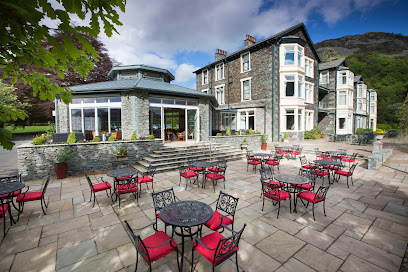
Cockermouth Brewers Fayre
15.0 km
A welcoming family-friendly pub and restaurant in Cockermouth offering classic British dishes, hearty breakfasts, and a spacious beer garden with countryside views.
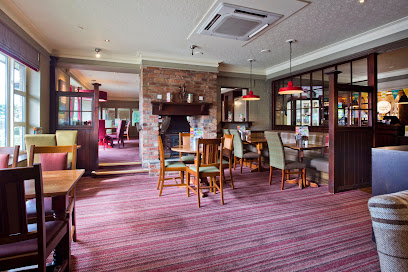
New Dungeon Ghyll - Langdale
18.1 km
Rustic hotel and lively bar nestled in Langdale Valley, perfect for walkers seeking comfort and community in the Lake District.
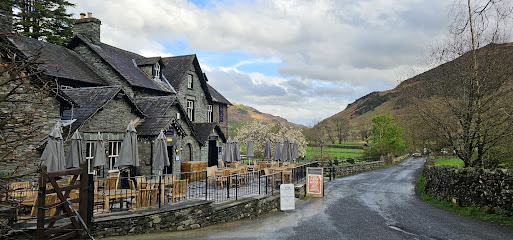
Old Dungeon Ghyll Hotel Great Langdale
18.3 km
A welcoming climbers’ inn with traditional charm, hearty fare, and stunning mountain views in the heart of Great Langdale.
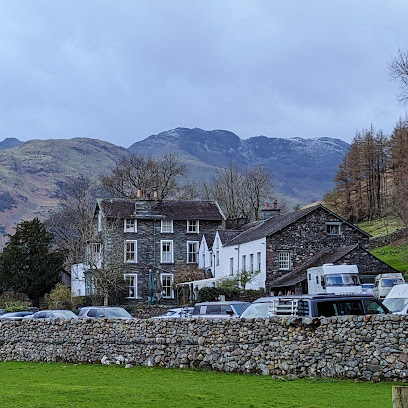
The Jumble Room
18.5 km
Vibrant bohemian restaurant in Grasmere serving creative international dishes with local Cumbrian produce in a lively, eclectic setting.
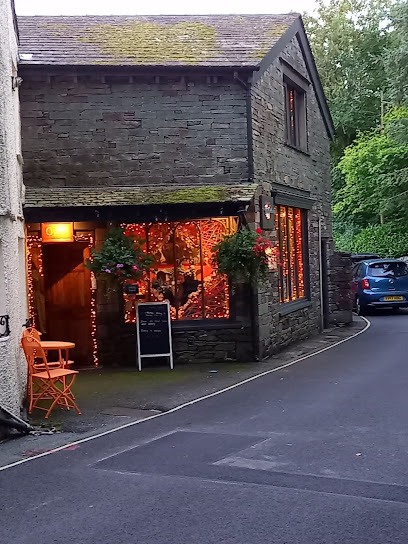
Rampsbeck Restaurant
19.4 km
Contemporary British dining with lake views, seasonal Cumbrian produce, and a relaxed, elegant atmosphere in Watermillock.
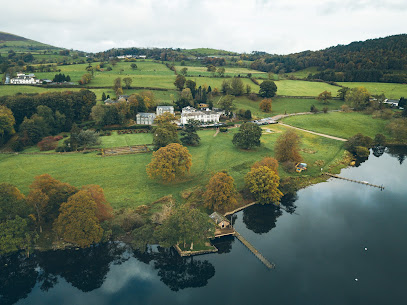
The Wild Duck Inn
20.0 km
Experience the charm of The Wild Duck Inn: where American flavors meet local hospitality in Branthwaite.
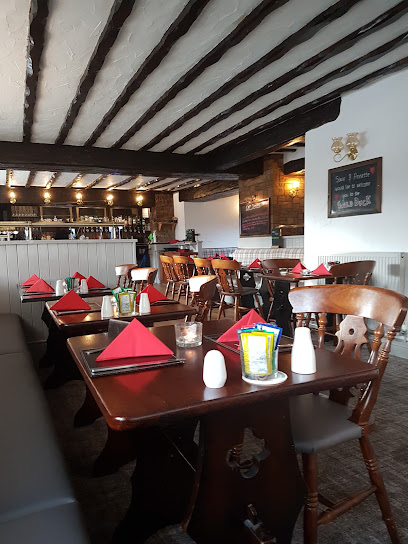
Horse and Farrier
20.2 km
Lake District gastropub serving exceptional seasonal cuisine in a charming village setting near Ullswater.
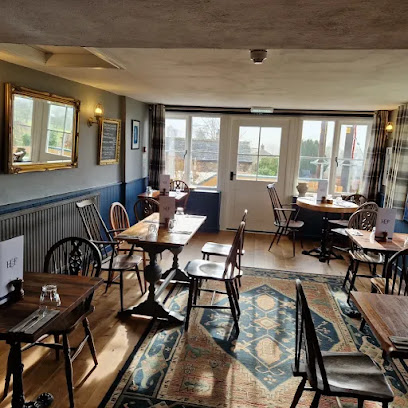
Stove Restaurant & Bar
20.3 km
Relaxed dining with wood-fired pizzas and seasonal dishes in the heart of the Lake District’s Great Langdale.
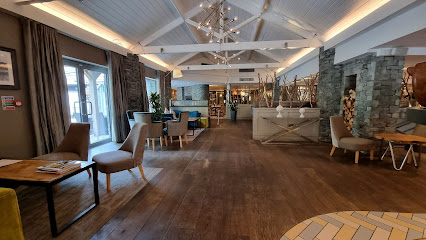
The Conservatory Restaurant at The Melbreak Hotel
21.2 km
Refined Modern European dining with seasonal events in a welcoming setting at The Melbreak Hotel near Workington.
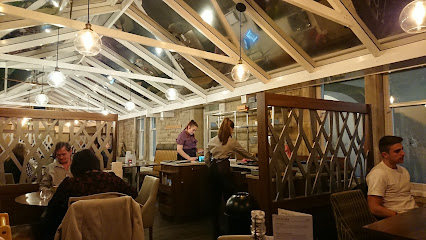
1863 Restaurant with Rooms
21.5 km
Elegant boutique lodging and Michelin-level modern British dining in the heart of Pooley Bridge, overlooking Ullswater’s serene beauty.
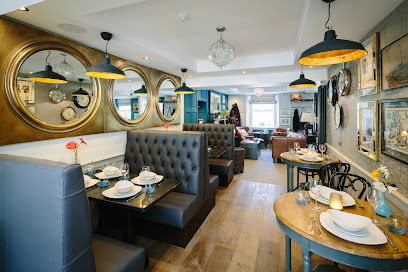
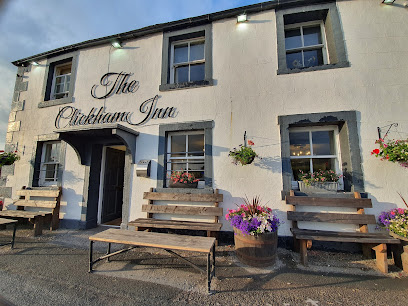
The Clickham Inn
21.8 km
A stylish Mediterranean tapas inn near Penrith offering authentic flavors, warm hospitality, and a dog-friendly atmosphere on the edge of the Lake District.
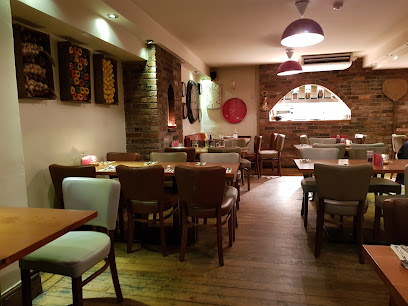
Dodds Restaurant
22.9 km
Authentic Italian and modern European cuisine served with warmth in the heart of Ambleside’s scenic Lake District.
Markets, malls and hidden boutiques

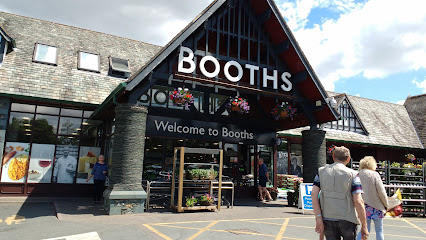
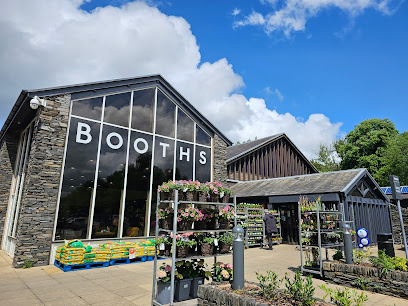
Booths, Keswick
0.9 km
A premium supermarket and café in Keswick, offering local Lake District produce, fresh counters, and community-focused shopping.
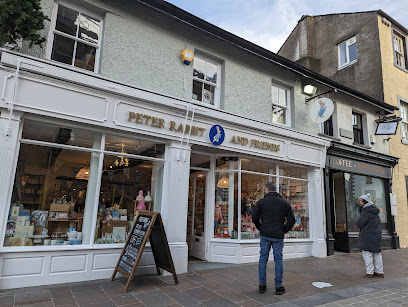
Peter Rabbit & Friends Ltd
1.2 km
Step into a storybook world at Peter Rabbit & Friends Ltd, Keswick’s enchanting toy shop and café inspired by Beatrix Potter’s beloved characters.
Alternative
1.3 km
Discover original gifts and Lake District treasures at Alternative, Keswick’s beloved family-run gift and interiors shop.
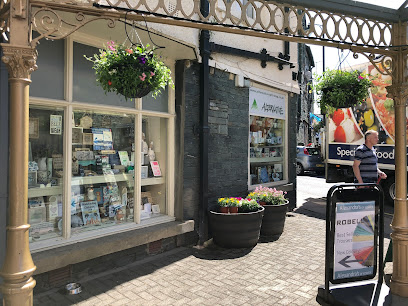
Love the Lakes Keswick
1.3 km
Discover unique Lake District gifts and local crafts in the heart of Keswick’s charming market town.

CONQUER Trading Post
1.3 km
Discover authentic Lake District spirit through unique patches, crafts, and gifts at Keswick’s vibrant Conquer Trading Post.
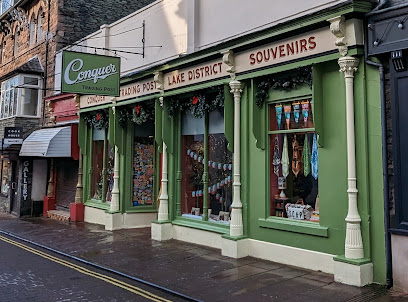
The Barn
21.4 km
Discover locally sourced gifts, quality outdoor gear, and delightful treats at The Barn in scenic Pooley Bridge.
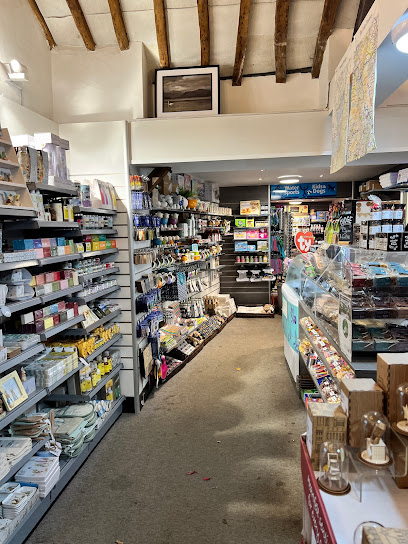
RockShop
23.0 km
Discover unique gifts and delightful toys at RockShop in Ambleside, a must-visit for family-friendly shopping and local crafts.
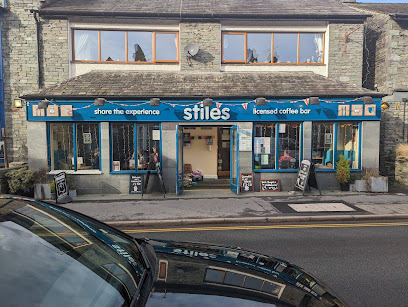
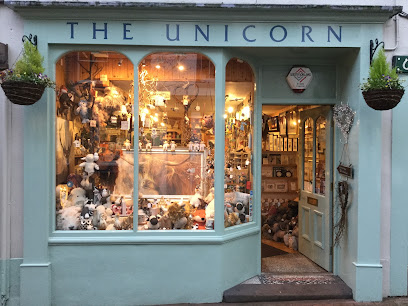
The Unicorn
26.3 km
Discover unique gifts and artistic treasures in Penrith’s beloved independent shop, The Unicorn, open Monday to Saturday.
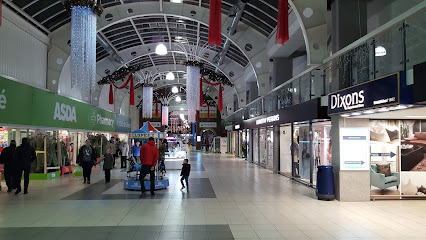
Dunmail Park Shopping Centre
26.4 km
Discover the vibrant Dunmail Park Shopping Centre in Workington, where shopping, dining, and entertainment come together in harmony.
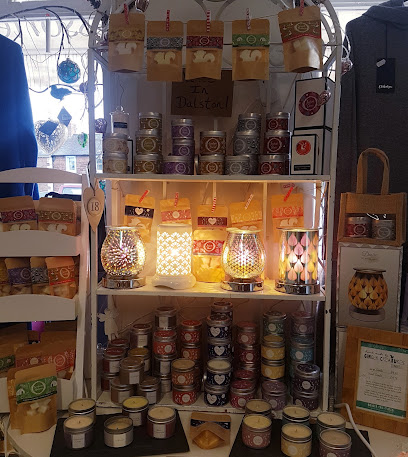
Suziebou
28.1 km
Discover unique gifts, stylish fashion, and locally sourced homewares in the welcoming boutique of Suziebou in Dalston, Carlisle.
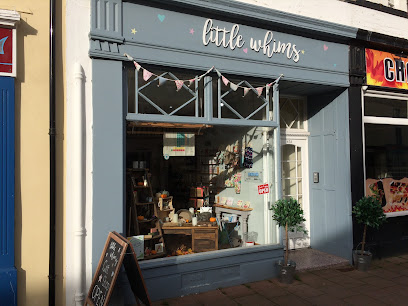
Little Whims
29.2 km
Discover unique gifts and local charm at Little Whims, a cozy and creative gift shop in Whitehaven’s historic Market Place.
Booths, Windermere
30.0 km
Explore Booths Windermere: a premier supermarket and café blending local flavors, quality produce, and community spirit in a historic setting.
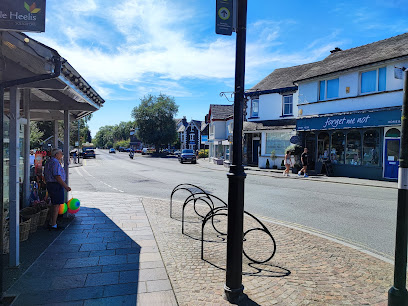
Forget Me Not
30.1 km
Discover unique gifts and local treasures at Forget Me Not, Windermere’s charming boutique in the heart of the Lake District.
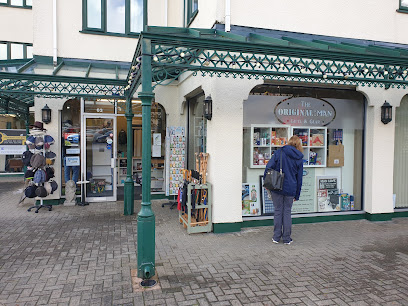
The Original Man Shop
30.8 km
A distinctive men's gift and fashion boutique offering style and charm in the heart of Bowness-on-Windermere.
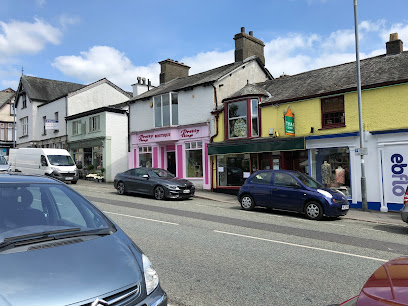
Pretty Things
30.9 km
Discover stylish ladies' fashion and warm hospitality at Pretty Things, a charming boutique in the heart of Bowness-on-Windermere.
Essential bars & hidden hideouts

Ramblers Bar and the Candleroom
14.7 km
A charming lakeside pub and restaurant in Glenridding with scenic views, friendly service, and a welcoming atmosphere for all visitors.
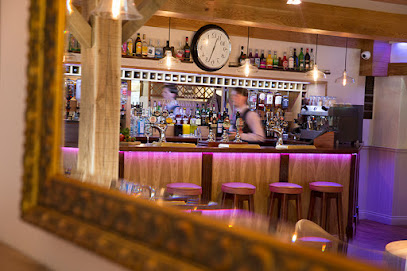
Castle Bar
14.9 km
Historic 16th-century pub in Cockermouth with award-winning design, local ales, sunny beer garden, and vibrant sports bar atmosphere.
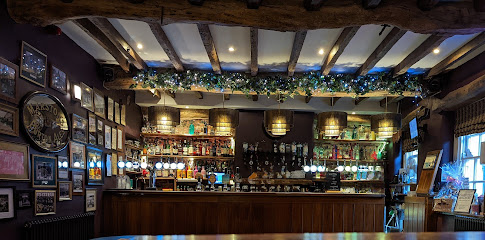
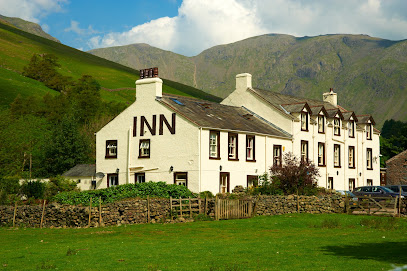
Ritson's Bar (Wasdale Head Inn)
17.0 km
Historic mountain pub at the foot of England’s highest peak, offering real ales, hearty food, and stunning Lake District views.
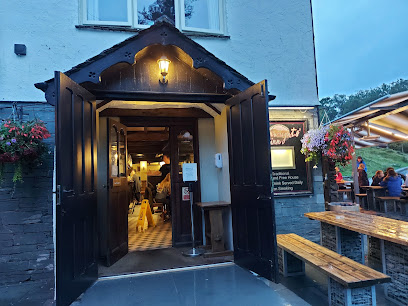
Wainwrights' Inn
20.1 km
A traditional Lakeland pub in Chapel Stile offering hearty local fare, fine ales, and a warm welcome near the Langdale Estate.
The Pooley Bridge Inn, Pooley Bridge
21.3 km
Traditional Lakeland inn with cozy rooms, hearty pub fare, and lakeside charm in the heart of Pooley Bridge village.
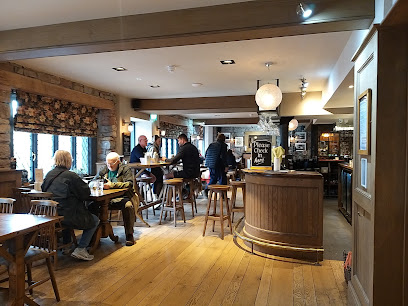
The Talbot Bar
22.5 km
Cozy Lakeland pub with hearty traditional fare, local ales, and a warm, dog-friendly atmosphere near Ambleside.
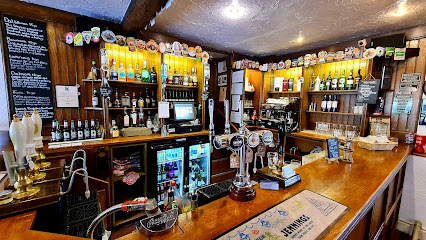
Golden Rule
22.9 km
A historic Ambleside pub offering traditional ales, cozy fires, and a welcoming atmosphere away from the tourist bustle.
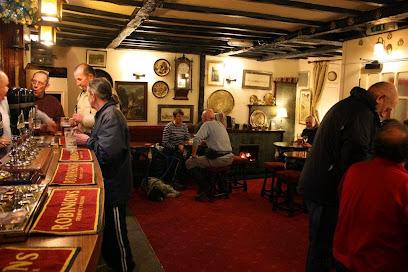
The Vault
23.1 km
Historic charm meets fresh cocktails and tapas in Ambleside’s vibrant social hub, The Vault.
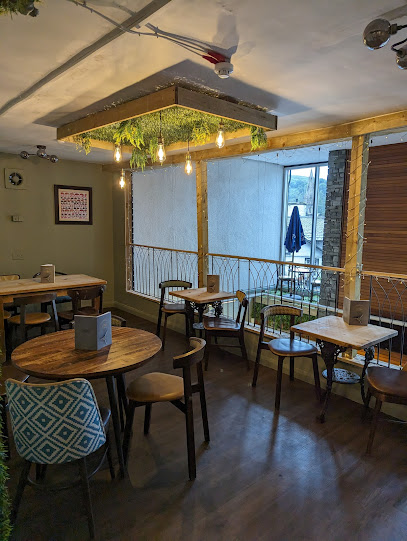
The Lily Bar
23.2 km
Ambleside’s independent bar blending rustic charm, local ales, live music, and quality dining in the heart of the Lake District.
Queens Head, Troutbeck
25.7 km
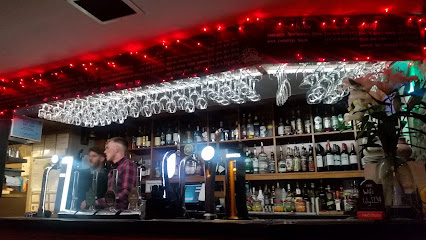
Historic Lake District pub and inn offering hearty fare, local ales, and cosy rooms with stunning Troutbeck Valley views.
Board & Elbow
26.3 km
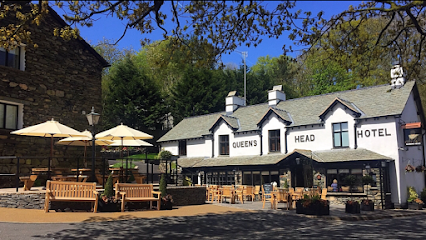
A lively, family-friendly pub in Penrith serving traditional British classics, local ales, and offering a warm atmosphere with a charming beer garden.
Penrith Conservative Club
26.4 km
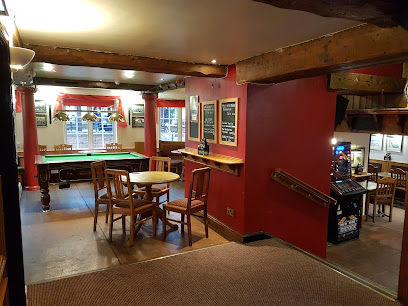
A welcoming social venue in Penrith offering lively events, a classic bar, and community spirit in the heart of Cumbria.
The Dog Beck
26.5 km
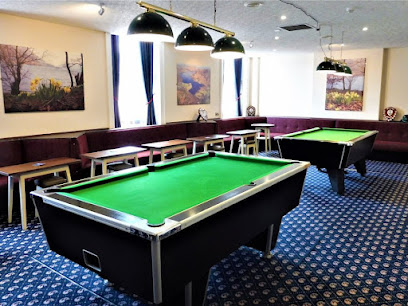
Historic charm meets modern hospitality at The Dog Beck, Penrith’s welcoming Wetherspoon pub open from early morning until late night.
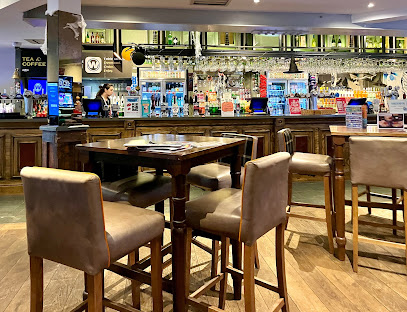
The Warehouse
26.5 km
A lively multi-bar nightclub in Penrith offering vibrant weekend nightlife with music, dancing, and a welcoming social scene.
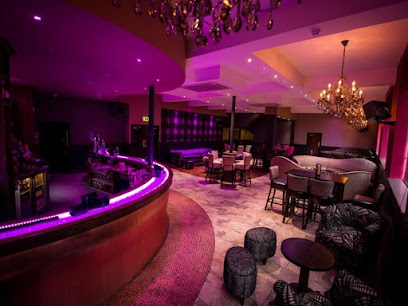
Lake District Cocktail Co.
27.7 km
Experience the art of cocktail crafting in the stunning Lake District with Lake District Cocktail Co., a mobile catering service that brings the bar to you.

Nightclubs & after hour spots

The loose moose
26.3 km
A lively and welcoming nightclub in Penrith offering cocktails, music, and community spirit in the heart of Cumbria’s Eden District.

Windermere Social Club
30.3 km
A friendly and versatile social club in Windermere offering games, sports viewing, and community events in a welcoming atmosphere.
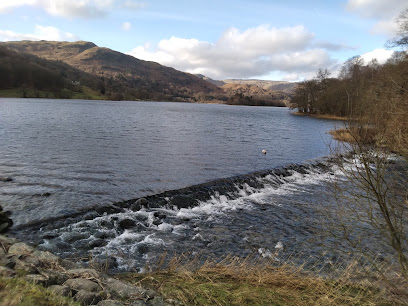
Wheelhouse Nightclub
31.0 km
Experience vibrant weekend nightlife with dynamic music, drinks, and dancing at Wheelhouse Nightclub in scenic Bowness-on-Windermere.
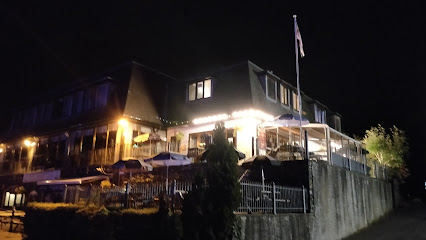
Secret Carlisle
34.5 km
Experience energetic nights and vibrant music at Secret Carlisle, the city centre nightclub where Carlisle’s historic charm meets modern nightlife.
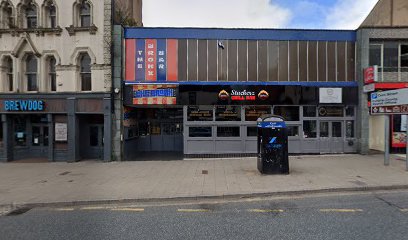
Club Britannia
34.6 km
A vibrant social club in Carlisle offering live music, friendly vibes, and affordable drinks in a smart, welcoming setting.
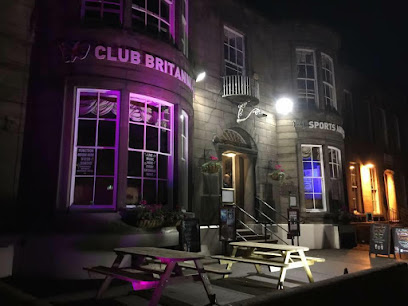
Carlisle R A O B Club
34.8 km
Historic social club in Carlisle offering lively events and a welcoming atmosphere rooted in the Royal Antediluvian Order of Buffaloes tradition.
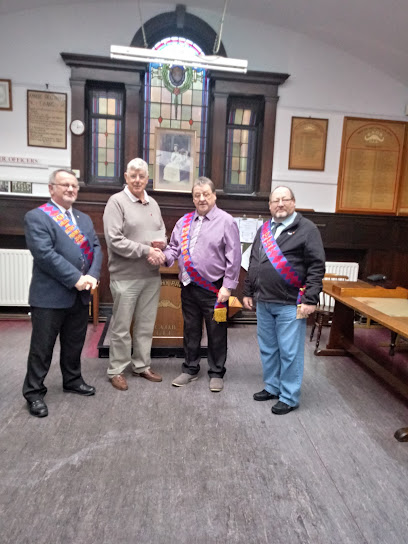
Black Box Music Institute
34.8 km
An intimate old-style nightclub and cultural hub in Carlisle offering live music, festivals, and art exhibitions in a vibrant setting.
secret bridge
40.3 km
Experience vibrant nightlife and lively music at Secret Bridge, Milburn’s premier nightclub near Penrith in the scenic Eden District.
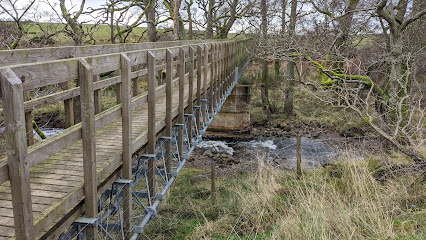
The Lounge C9
55.1 km
Experience Barrow-in-Furness’ vibrant nightlife at The Lounge C9, where music, drinks, and community come alive every weekend.
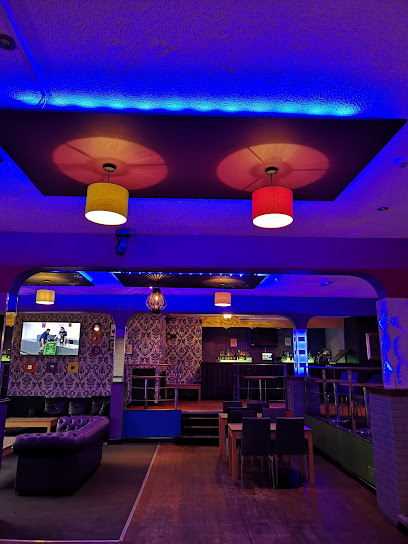
Manhattans Nightclub
55.2 km
Barrow-in-Furness’s top nightclub for themed parties, DJ nights, and vibrant late-night entertainment on Cavendish Street.

Hollywood Nightclub
55.2 km
Experience the vibrant late-night pulse of Barrow-in-Furness at Hollywood Nightclub, where music and dance light up Cavendish Street.
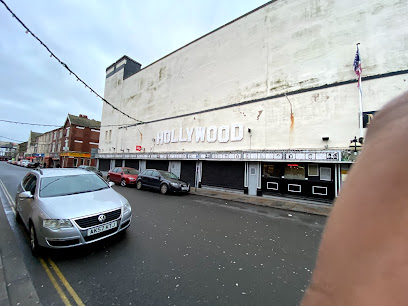
The Five Arches
58.0 km
Experience the charm of The Five Arches pub in Dumfries - a cozy spot for local brews and delightful fare.
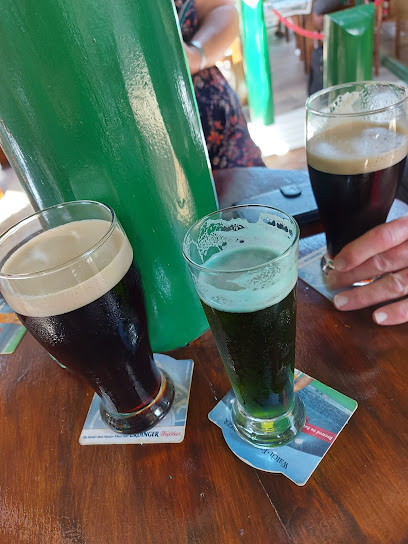
Railway Social Club
58.9 km
A friendly, community-focused social club in Dumfries offering affordable drinks, lively events, and a welcoming atmosphere near the town centre.
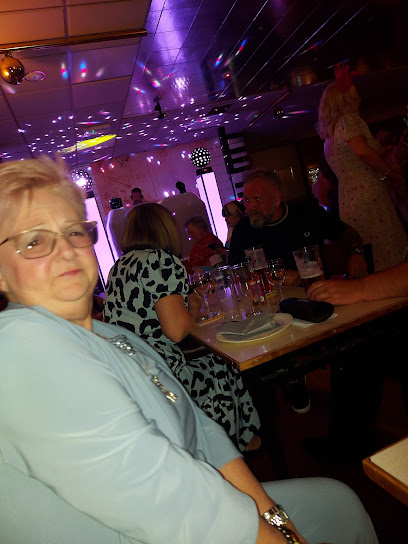
Dickies Bar
59.0 km
Discover the lively atmosphere and diverse drink selection at Dickies Bar in Dumfries, the perfect spot for relaxation and socializing.
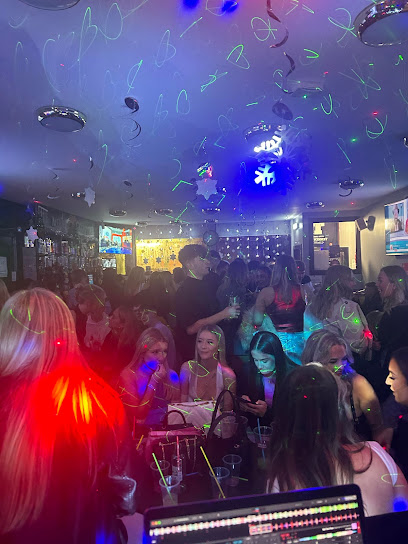
Coach & Horses Inn
59.1 km
Discover the charm of Dumfries at Coach & Horses Inn, where traditional pub culture meets modern hospitality.
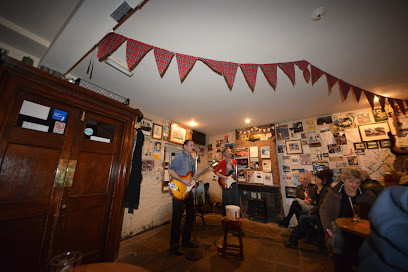
For the vibe & atmosphere seeker
- Tranquil
- Scenic
- Relaxing
- Cultural Heritage
For the design and aesthetic lover
- Vintage Styles
- Rustic Designs
For the architecture buff
- Historic
- Sacred Sites
- Heritage Neighborhoods
For the view chaser and sunset hunter
- Iconic Views
- Panoramas
For the social media creator & influencer
- Instagrammable
- Photo Spots
- Architectural Shots
For the eco-conscious traveler
- Public-Transport Accessible
- Locally Managed
For the kind of experience you’re after
- Cultural Heritage
- Mindfulness
- Spiritual / Energy Spot
- Day Trip
- Photowalk
- Weekend Getaway
For how adventurous you want the journey to be
- Easy Access
Location Audience
- Family Friendly
- Senior Friendly
- Child Friendly
- Teen Friendly
- Wheelchair Access
- Pet Friendly
- Solo Friendly
- Couple Friendly
- Solo Female Friendly
- Vegetarian Friendly
- Vegan Friendly


