

Gisborough Priory, Yorkshire And The Humber Travel Guide
Explore the evocative ruins and tranquil gardens of Gisborough Priory, a Norman Augustinian monastery rich in history and Gothic splendor.
Gisborough Priory, founded around 1119 by the Norman lord Robert de Brus, is a striking ruin in Guisborough, North Yorkshire. Once one of England's richest Augustinian monasteries, it features dramatic Gothic architecture, including the iconic east wall of the priory church. The site offers tranquil woodland gardens, historic dovecote, and the unique 'lime tree cathedral,' making it a captivating blend of heritage and nature.
A brief summary to Gisborough Priory
- Priory Grounds, Church St, Guisborough, TS14 6HG, GB
- Click to display
- Click to display
- Duration: 1 to 2 hours
- Free
-
 Outdoor
- Mobile reception: 4 out of 5
- Monday 10 am-4 pm
- Wednesday 10 am-4 pm
- Thursday 10 am-4 pm
- Friday 10 am-4 pm
- Saturday 10 am-4 pm
- Sunday 10 am-4 pm

Know before you go
Hi, I'm Eve. Here are a few practical things to know before exploring Gisborough Priory.
- Wear sturdy footwear as the grounds can be muddy, especially after rain.
- Join the free volunteer-led guided tours starting at 2pm for detailed historical insights.
- Visit the 'lime tree cathedral' for a unique natural archway experience within the gardens.
- Combine your visit with nearby local cafes and bars for refreshments and a fuller day out.
- Check opening times before visiting; the site is open Wednesday to Sunday and bank holidays from 10am to 4pm, March to November.
Do you manage this location?
Take control to get all the benefits, like improved information, better appearance, and stronger visibility across AI-powered discovery. Learn more about listing your business on Evendo
Activate your presenceOther nearby places you may find interesting
The closest places of the same kind, if this one is not quite what you had in mind.



Explore Gisborough Priory on the Map
A handpicked selection of must-see spots near Gisborough Priory, mapped for you.
Getting There
-
Train and Bus
Take a train to Middlesbrough, approximately 30 minutes from major cities like York or Newcastle. From Middlesbrough station, catch the Arriva bus service 28 or 28A towards Guisborough, with a journey time of around 25 minutes. Buses run regularly but check schedules for weekends and holidays. The priory is a 15-minute walk from the bus stop in Guisborough town center.
-
Car
Driving from Middlesbrough or the A171, expect a 20-30 minute journey. Parking is available near the priory grounds but can be limited during events. The roads are well-maintained but may be narrow near the town center. Allow extra time during weekends or holiday seasons.
-
Taxi
Local taxi services from Middlesbrough or Guisborough offer a convenient 15-20 minute ride to the priory. Fares typically range from £15 to £25 depending on the pickup location. This option is suitable for visitors with mobility concerns or tight schedules.
For the on-the-go comforts that matter to you
-
 Restrooms
-
 Seating Areas
-
 Information Boards
-
 Visitor Center
Discover more about Gisborough Priory
Origins and Norman Legacy
Founded circa 1119 by Robert I de Brus, an ancestor of Robert the Bruce, King of Scotland, Gisborough Priory was among the earliest Augustinian priories in England. Its foundation during a period of religious revival marked the expansion of monastic life following the Rule of St Augustine. The priory was richly endowed with extensive lands and benefactions, establishing it as a powerful religious and economic center in the region.Architectural Grandeur and Rebuilding
The priory church was rebuilt on an ambitious scale in the late 12th century and again after a devastating fire in 1289. The reconstruction embraced the early Gothic style, resulting in one of England’s finest surviving examples of this architecture. The imposing east wall with its large window remains a dramatic and iconic ruin, symbolizing the priory’s former wealth and spiritual significance.Economic and Social Influence
Gisborough Priory played a vital role in the local economy and civic life. It held weekly markets and annual fairs granted by royal charter and owned large flocks of sheep, trading wool as far as Italy. The priory also contributed to education by training choristers from poor families. Its patrons included aristocratic families and local gentry, and it served as a family mausoleum for the Brus lineage.Suppression and Decline
The Dissolution of the Monasteries under Henry VIII led to the priory’s suppression in 1539, one of the last monastic houses to be dissolved. The buildings were largely demolished, with stone reused locally, leaving only the gatehouse, parts of the west range, and the dramatic east end standing. The site passed through various owners, including Thomas Legh and Thomas Chaloner, who integrated the ruins into landscaped gardens.Present-Day Experience and Natural Beauty
Today, Gisborough Priory is managed by English Heritage and the Gisborough Priory Project, offering free access to visitors. The grounds feature tranquil woodland gardens, wildflower areas, and the enchanting 'lime tree cathedral'—a natural archway formed by ancient lime trees. The well-preserved 14th-century dovecote adds to the historic charm. Volunteer-led guided tours share rich historical insights, enhancing the visitor experience.Community and Cultural Significance
The priory remains a cherished landmark and a peaceful sanctuary within Guisborough. It hosts family events and musical performances, fostering community engagement. Its evocative ruins and serene gardens attract history enthusiasts, nature lovers, and photographers alike, preserving the legacy of a once-magnificent medieval monastery.












Your all‑in‑one travel companion app
Explore expert travel guides, compare and book tours, experiences, hotels, and more—all from the palm of your hand. Download now for seamless trip planning wherever your wanderlust takes you.


Explore More of Yorkshire And The Humber
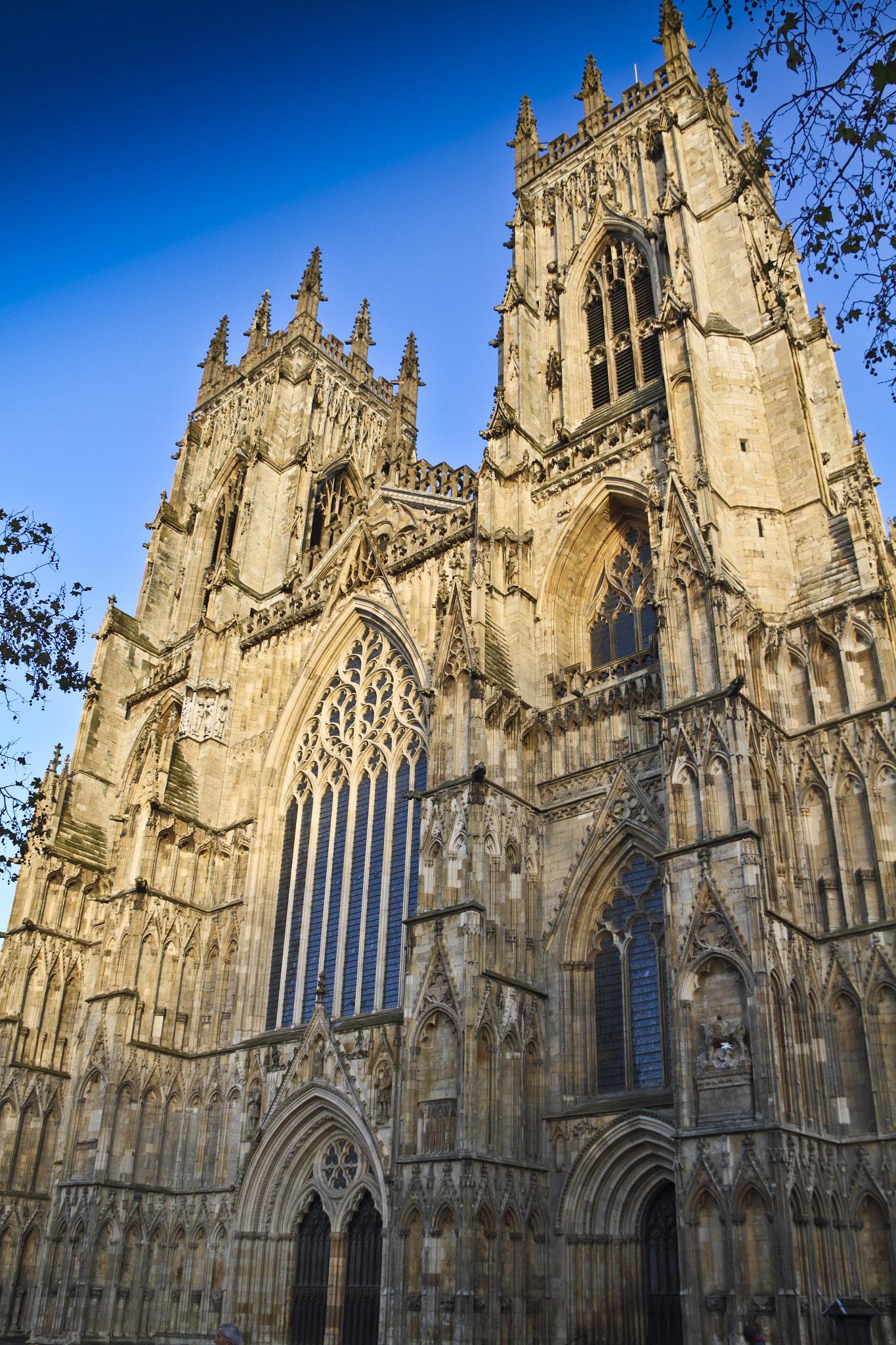
Looking beyond Gisborough Priory? Discover Yorkshire And The Humber for broader travel guides, local hot-spots, and regional highlights.
Explore Yorkshire And The Humber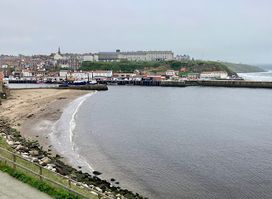
Historic coastal enclave beneath Whitby’s East Cliff offering dramatic views, rich heritage, and a glimpse into Yorkshire’s dynamic geological past.
Explore the heart of the North York Moors with interactive exhibits, art, nature trails, and family fun at Danby Lodge National Park Centre.
