The Haggerlythe Travel Guide
Free Guide: Historic coastal enclave beneath Whitby’s East Cliff offering dramatic views, rich heritage, and a glimpse into Yorkshire’s dynamic geological past.


A brief summary of The Haggerlythe
Historic coastal enclave beneath Whitby’s East Cliff offering dramatic views, rich heritage, and a glimpse into Yorkshire’s dynamic geological past.
The Haggerlythe is a historic area nestled beneath Whitby’s East Cliff, known for its dramatic coastal views, rich heritage, and geological significance. Once home to monastic buildings, workshops, and a chapel, it is now a tranquil spot offering sweeping panoramas over Whitby Harbour and the North Sea. The area’s cliff instability and history of landslides add a unique natural dimension to its cultural and scenic appeal.
On-site amenities
 Information boards
 Seating areas
 Trash bins
Opening hours
- Every dayOpen 24 hours
Opening hours as listed on the venue’s Google Business Profile. Hours can change for services and special events, so check with the venue before you go.
- Address
- Church St, Whitby YO22 4DW
Getting there
Bus
Taxi
Walking
Discover more about The Haggerlythe
A Storied Past Beneath Whitby’s East Cliff
The Haggerlythe lies tucked under the East Cliff of Whitby, an area steeped in history and once bustling with activity. It was home to a variety of structures including monastic buildings, a chapel, workshops, and even a clay pipe factory, reflecting the industrious nature of the community that thrived here. The name Haggerlythe itself evokes a sense of place tied closely to Whitby’s medieval and maritime heritage.
Geological Drama and Coastal Change
This area exemplifies the natural forces shaping the Yorkshire coastline. The cliffs of the Haggerlythe have suffered from periodic landslides for centuries, most notably a great landslide on Christmas Eve 1787 that destroyed houses and displaced many families. These ongoing geological processes highlight the dynamic and sometimes precarious relationship between human settlement and the natural environment along this rugged coast.
Scenic Vistas and Tranquil Atmosphere
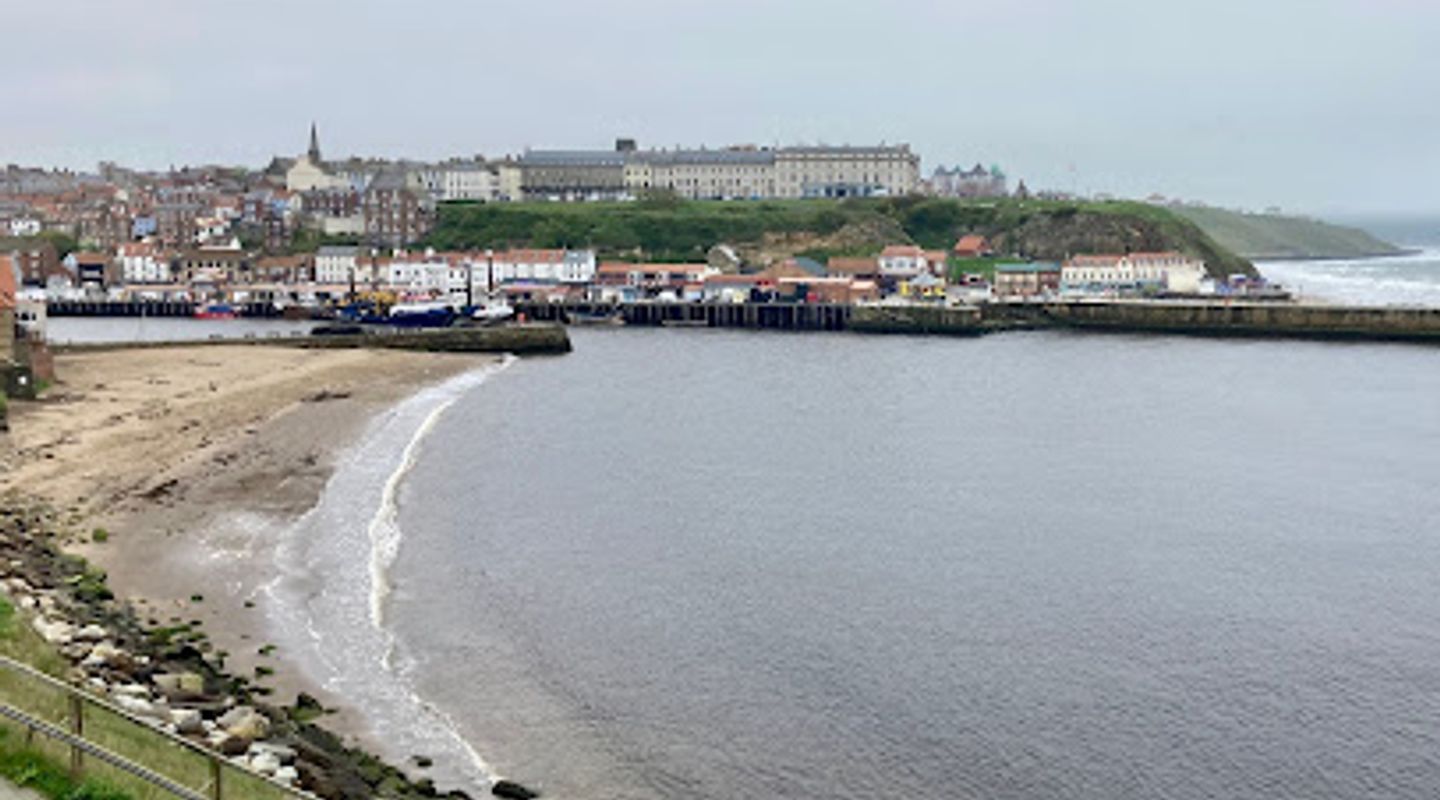
Today, The Haggerlythe offers visitors peaceful spots to take in stunning views over Whitby Harbour, the twin lighthouses, and the expansive North Sea beyond. The vantage points here provide iconic panoramas of Whitby’s historic skyline, including the ruins of Whitby Abbey perched atop the cliffs. The area’s quiet charm makes it ideal for reflection and appreciating the coastal landscape’s beauty.
Literary and Cultural Connections
Whitby’s East Cliff, including the Haggerlythe area, is famously linked to Bram Stoker’s Dracula. The dramatic cliffs, churchyard, and abbey ruins nearby inspired scenes in the novel, adding a layer of gothic mystique to the locale. Visitors interested in literary heritage will find the atmosphere evocative of the novel’s eerie setting and the town’s rich storytelling traditions.
Preserving a Unique Coastal Heritage
The Haggerlythe stands as a testament to the interplay of natural forces and human history on the Yorkshire coast. Efforts to understand and manage cliff stability continue to protect this fragile environment. The area’s heritage buildings and archaeological remains contribute to Whitby’s broader cultural landscape, making The Haggerlythe a significant site for both natural and historical exploration.
Experiencing The Haggerlythe Today
Visitors to The Haggerlythe can enjoy a quiet retreat beneath the cliffs, with ample opportunities for photography, contemplation, and connection with Whitby’s maritime past. The blend of natural beauty, historical depth, and coastal atmosphere creates a distinctive experience that enriches any visit to Whitby’s East Cliff area.
Evendo Review Centre
 Google
Guest reviews
Best time to go
Quietest: Jan, Feb & Dec · before 6am or at 10pm
Busy times are Evendo estimates for a typical year, to help you plan. Actual crowds vary with events, school holidays and the weather.
Explore The Haggerlythe on the map
A handpicked selection of must-see spots near The Haggerlythe, mapped for you.
Get your free copy of our complete guide to The Haggerlythe, delivered straight to you.
Everything on this page, from opening hours and how to get there to Eve’s tips and the best time to go, in one PDF you can read offline, print or share.
Already have an account? Sign in
Your The Haggerlythe guide is ready.
We'll send it to · Not you? Sign out

Getting your guide ready…
We are putting together a fresh copy of the The Haggerlythe guide. This can take up to a minute.
This can take a few moments. If your browser asks, choose Allow so the download can start. You'll find the guide in your Downloads folder.
Nothing happened? Download it again
Sorry, the guide is taking longer than usual. Please try again in a minute, or get it by email instead.
Other nearby places you may find interesting
The closest places of the same kind, if this one is not quite what you had in mind.
-
-
-
-
-


Swipe for more places
More to explore near The Haggerlythe

 Best experiences near The Haggerlythe
 Best hotels near The Haggerlythe
 Best landmarks near The Haggerlythe
 Best attractions near The Haggerlythe
 Best shops near The Haggerlythe
 Best restaurants near The Haggerlythe
 Best bars near The Haggerlythe
Do you manage this location?
Take control to get all the benefits, like improved information, better appearance, and stronger visibility across AI-powered discovery.
Explore more

Explore more of Whitby
Discover Whitby: A picturesque coastal town where history meets the sea, offering breathtaking views, charming streets, and a touch of Gothic allure.
Explore Whitby
Explore more of United Kingdom
Discover the United Kingdom: A blend of rich history, stunning landscapes, and vibrant cities, offering a unique travel experience for every visitor.
Explore United Kingdom