
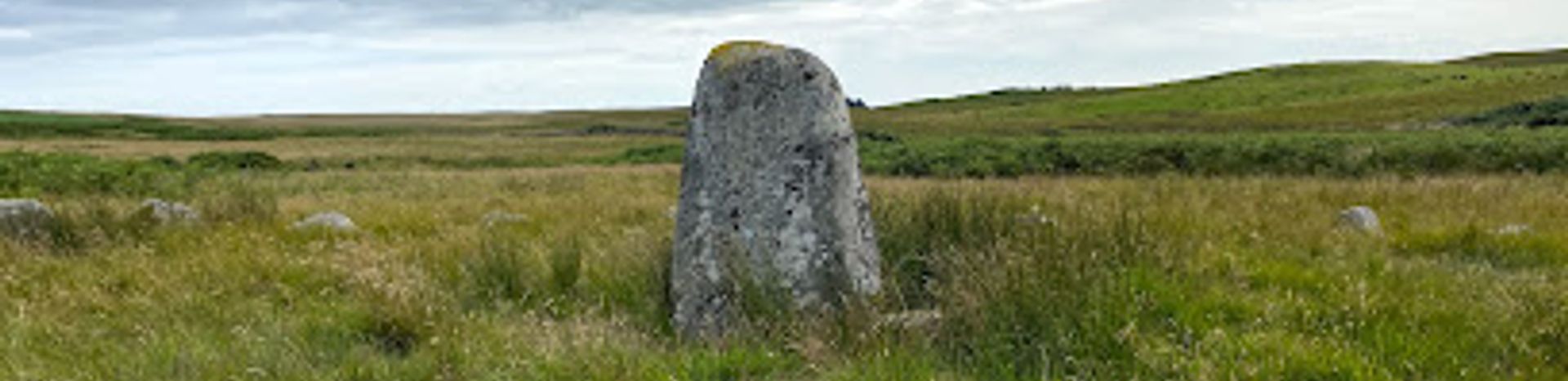
Glenquicken Stone Circle: A Majestic Neolithic Monument on Cambret Moor
Explore the serene and ancient Glenquicken Stone Circle, a captivating Neolithic monument with a towering central pillar on Scotland’s Cambret Moor.
Glenquicken Stone Circle, also known as Billy Diamond's Bridge Stone Circle, is a remarkable Neolithic site near Newton Stewart, Scotland. This oval stone circle features 28 low boulders arranged in a 50-foot diameter ring with a prominent central granite pillar nearly 6 feet tall. Surrounded by rich prehistoric history, the circle offers a glimpse into ancient ritual landscapes and nearby burial sites, set amidst tranquil farmland with scenic views.
A brief summary to Glenquicken Stone Circle
- Newton Stewart, GB
- Duration: 0.5 to 1.5 hours
- Free
-
 Outdoor
- Mobile reception: 3 out of 5
Local tips
- Wear sturdy footwear and be prepared to cross farmland with stone dykes and fences to reach the site safely.
- Visit during daylight hours to fully appreciate the stone circle’s details and the surrounding moorland views.
- Bring a camera to capture the striking central granite pillar and the oval arrangement of stones.
- Respect the scheduled monument status by not climbing on the stones or disturbing the site.

For the on-the-go comforts that matter to you
- Information Boards
Getting There
-
Car
Driving from Newton Stewart, the site is approximately a 20-minute journey covering around 15 kilometers. Parking is limited near the farmland access points, so plan to park responsibly without blocking farm gates. No parking fees apply.
-
Bus and Walking
Take a regional bus from Newton Stewart to Creetown, a trip of about 30-40 minutes. From Creetown, expect a 45-minute walk across farmland with uneven terrain to reach the stone circle. Wear appropriate footwear and be mindful of private land boundaries.
-
Walking
For experienced walkers, a 2-3 hour round trip hike from nearby Skyreburn offers a scenic route through moorland and farmland. Terrain includes some boggy patches and stone dykes, requiring sturdy boots and good navigation skills.
Glenquicken Stone Circle location weather suitability
-
 Any Weather
-
 Rain / Wet Weather
-
 Clear Skies
-
 Mild Temperatures
-
 Windy Conditions
Discover more about Glenquicken Stone Circle
Ancient Origins and Monumental Design
Glenquicken Stone Circle stands as a testament to Neolithic ingenuity and spiritual expression. This oval-shaped circle consists of 28 closely set low boulders forming a near-perfect ring approximately 50 feet (17 meters) in diameter. At its center rises a striking granite pillar nearly 6 feet (1.6 meters) tall, dominating the site and drawing the eye inward. The circle’s completeness is notable, with only a small gap on the west side suggesting the possible removal of one stone in the past.Archaeological Context and Surrounding Features
The stone circle is part of a broader prehistoric landscape rich with relics. Just to the west lies a cist burial site, once covered by a cairn that has since vanished. This proximity underscores the ritual significance of the area, linking the circle to ancient funerary practices. The region around Glenquicken has yielded finds such as large skeletons, urns with ashes, and ancient weaponry, hinting at both ceremonial and possibly martial histories dating back thousands of years.Setting and Atmosphere on Cambret Moor
Nestled on Cambret Moor near Kirkcudbright, the circle is accessed via farmland, where visitors must navigate stone dykes and fences. The surrounding landscape is peaceful and pastoral, offering expansive views including the distinctive Knockeans Hill, which local lore suggests held special significance to ancient peoples. The natural setting enhances the circle’s enigmatic presence, inviting reflection on Scotland’s distant past.Historical Significance and Local Legends
Beyond its Neolithic roots, the Glenquicken area is steeped in history and legend. Antiquarian records mention battles between Scots and English in the early medieval period, with human bones and ancient weapons discovered nearby. These layers of history add depth to the site’s cultural resonance, connecting prehistoric ritual with later historical events.Preservation and Visitor Experience
Recognized as a scheduled monument, Glenquicken Stone Circle is legally protected due to its archaeological importance. The low stones and central pillar remain remarkably intact, offering visitors an authentic encounter with prehistoric heritage. The site’s rural location provides a tranquil environment, though care should be taken when crossing farmland. The circle’s modest size and setting make it a contemplative stop for those interested in ancient monuments and Scottish history.Visual and Cultural Impact
The circle’s simple yet powerful design, with its low ring of stones and prominent central monolith, creates a striking visual contrast against the open moorland. It is often described as one of the finest center-stone circles in Scotland, embodying the spiritual and communal values of its creators. This blend of natural beauty and ancient craftsmanship continues to inspire visitors and scholars alike.Iconic landmarks you can’t miss

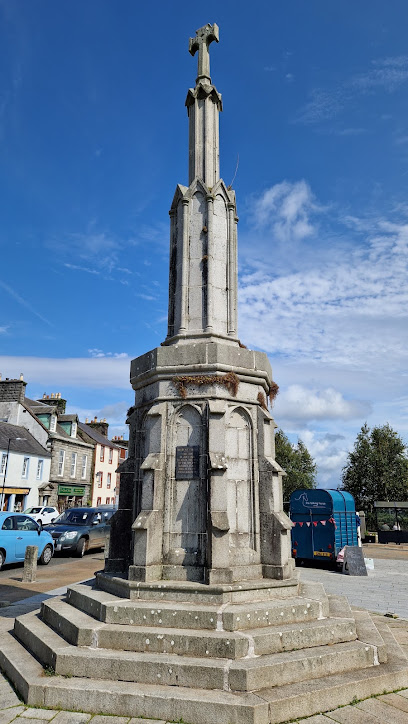
Mercat Cross
8.2 km
Historic Scottish market cross in Wigtown’s square, marking centuries of commerce and community life in this charming burgh.
Martyr's Memorial
8.4 km
A solemn memorial at Wigtown Bay honoring two brave Covenanter women who faced execution for their faith in 1685.
The Belted Galloway Visitor Centre
12.1 km
Experience local flavors at The Belted Galloway Visitor Centre, a charming restaurant in Newton Stewart surrounded by breathtaking natural beauty.
Isle Head Lighthouse
22.3 km
Historic lighthouse ruins on Isle of Whithorn’s scenic headland with panoramic coastal views and rich maritime heritage.
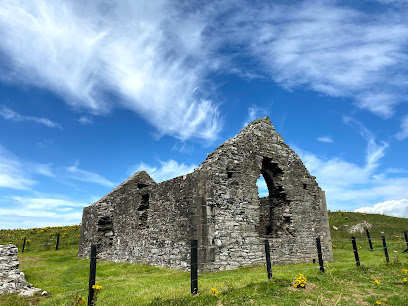
Bruce’s Stone
24.0 km
Discover the historic site of Bruce’s Stone overlooking Loch Trool, where Scotland’s fight for independence echoes amid stunning natural beauty.
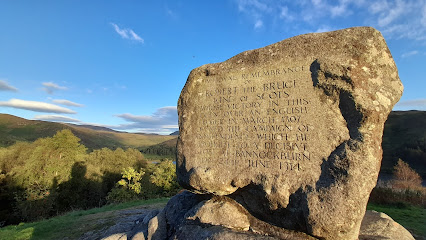
Original site of Loch Doon Castle
36.6 km
Discover the relocated medieval stronghold of Loch Doon Castle, a polygonal fortress with deep ties to Robert the Bruce and Scottish history.
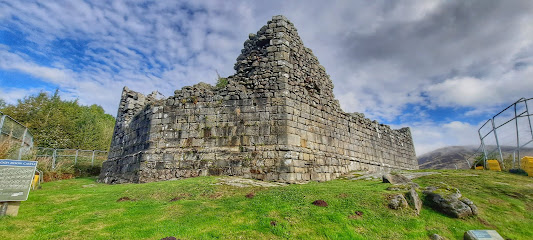
Mossband Residential Park
37.1 km
Tranquil rural living with modern comforts and scenic views near Dumfries in the heart of Scotland’s countryside.
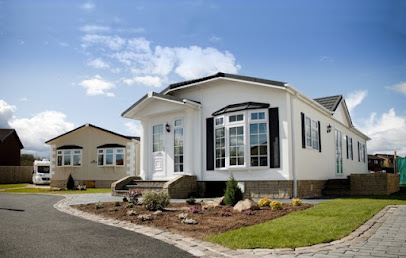
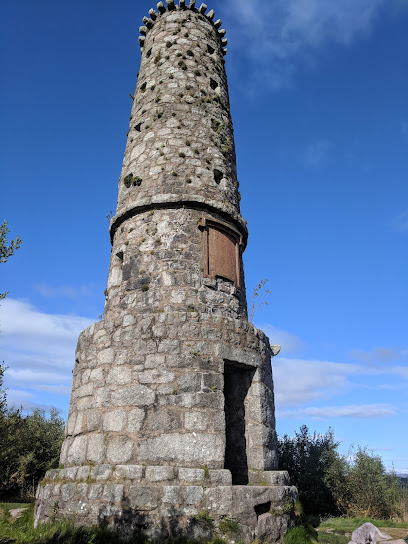
Waterloo Monument
44.8 km
A 150-foot stone tower on Peniel Heugh, built to commemorate the Battle of Waterloo and offering panoramic views across the Scottish Borders and Solway Firth.
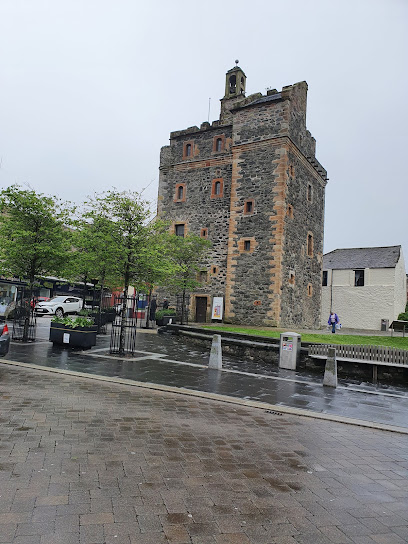
Castle of St. John
44.8 km
Explore the historic Castle of St. John in Stranraer, a fascinating tourist attraction revealing Scotland's rich military heritage and stunning coastal views.
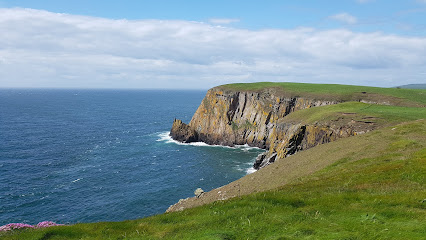
Mull of Galloway Lighthouse Visitor Centre
44.8 km
Explore the Mull of Galloway Lighthouse Visitor Centre for breathtaking views, engaging exhibits, and a glimpse into Scotland's maritime history.
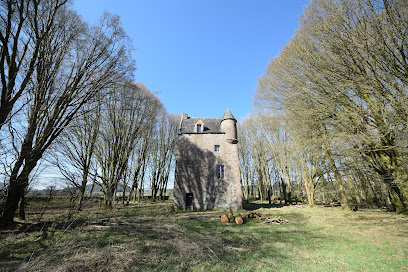
Fourmerkland Tower
45.7 km
Discover the tranquil charm and rich history of Fourmerkland Tower, a secluded 16th-century Scottish tower house near Dumfries.
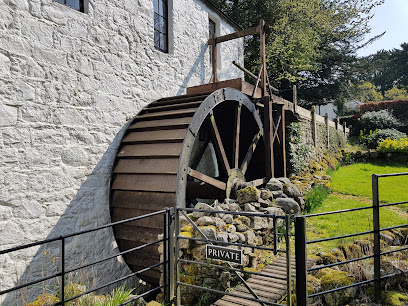
New Abbey Corn Mill
45.8 km
Experience the historic New Abbey Corn Mill, a charming tourist attraction showcasing Scotland's milling heritage amidst scenic landscapes.
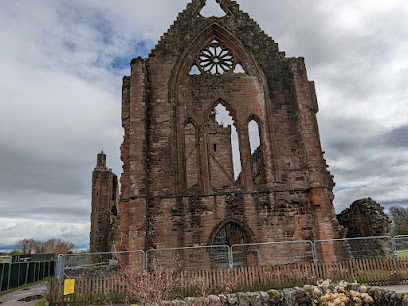
Sweetheart Abbey
46.1 km
Medieval love carved in red sandstone—where a widow's devotion built an abbey that endures.
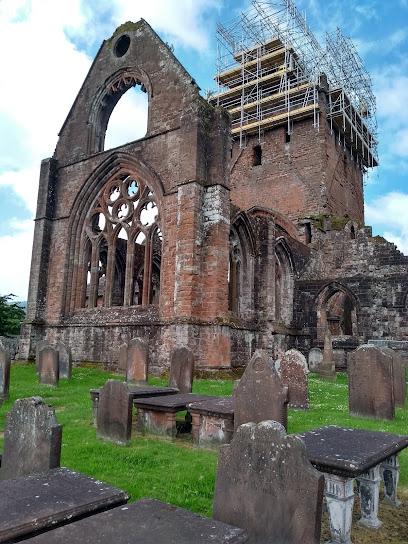
Mabie Farm Park
46.1 km
Experience the joy of farm life at Mabie Farm Park, where children can interact with animals and enjoy outdoor adventures in Dumfries, Scotland.
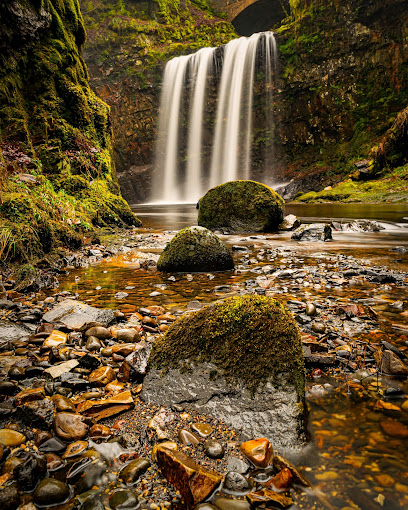
Dalcairney Falls
46.2 km
Immerse yourself in the breathtaking beauty of Dalcairney Falls, a serene escape in Scotland's Ayrshire region, perfect for nature lovers and adventurers.
Unmissable attractions to see

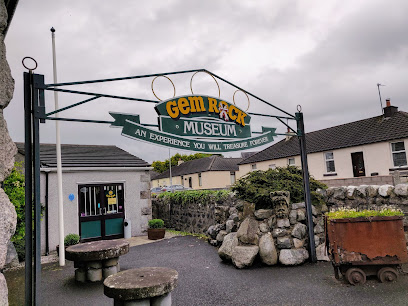
Gem Rock Museum
3.3 km
Discover one of Great Britain's finest private collections of gemstones, minerals, and fossils in an interactive, family-friendly museum in scenic Creetown.
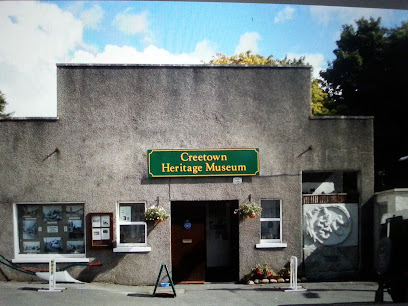
Creetown Heritage Museum
3.4 km
Discover Creetown’s rich heritage and natural wonders through immersive exhibits and unique local stories at the Creetown Heritage Museum.
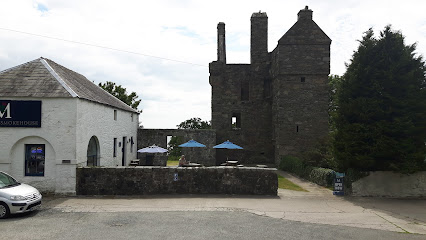
Carsluith Castle
4.3 km
Explore the evocative ruins of Carsluith Castle, a 16th-century Scottish tower house overlooking Wigtown Bay with rich history and distinctive architecture.
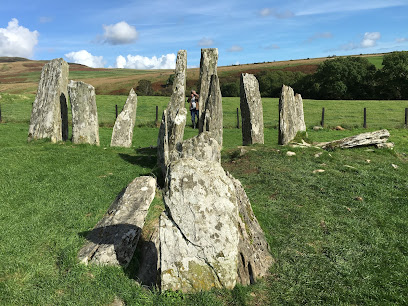
Cairn Holy Chambered Cairn
4.4 km
Explore over 5,000 years of Scottish history at Cairn Holy’s ancient Neolithic chambered cairns with stunning views over Wigtown Bay.
Wigtown Sands
5.8 km
Discover the tranquil, expansive sandy shores of Wigtown Sands on Scotland’s stunning Galloway coast, a hidden gem for nature and serenity.

Gather
6.1 km
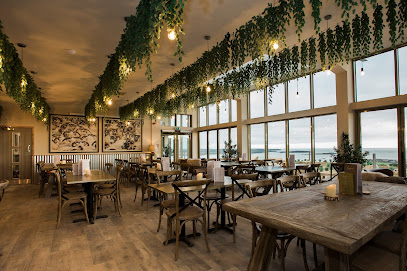
A modern bistro in Laggan offering small plates, stunning views, and a welcoming atmosphere near Gatehouse of Fleet.
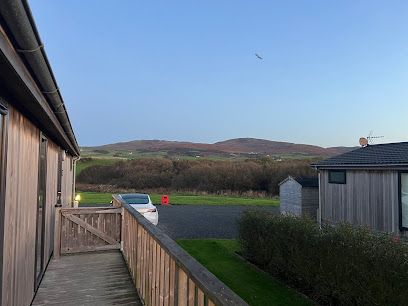
Mossyard Beach
7.6 km
Discover the peaceful sandy shores of Mossyard Beach, a hidden gem in Dumfries and Galloway perfect for relaxing walks and family-friendly seaside fun.
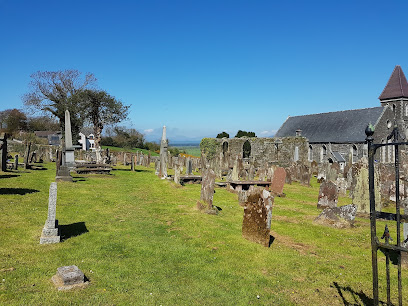
Martyr's Stake
7.6 km
A solemn monument marking the site where two brave Covenanter women were drowned for their faith in 1685, embodying Scotland’s turbulent religious history.
Wigtown Bird Hide
7.7 km
Discover Wigtown Bird Hide, a serene refuge overlooking diverse wetlands and rich birdlife on Scotland’s scenic Machars peninsula.
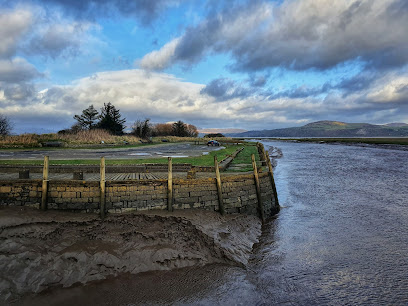
Wigtown Harbour
8.0 km
Historic Wigtown Harbour offers tranquil riverside views and a window into Scotland’s maritime past beside the National Book Town.
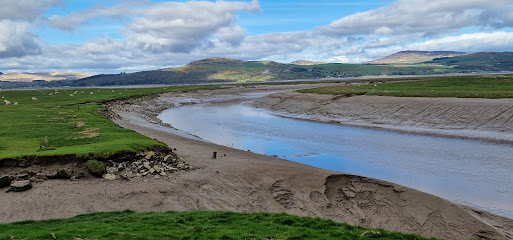
At The Sign Of The Dragon
8.1 km
Discover a cozy haven of sci-fi and fantasy treasures with warm tales and a welcoming atmosphere in the heart of Wigtown.
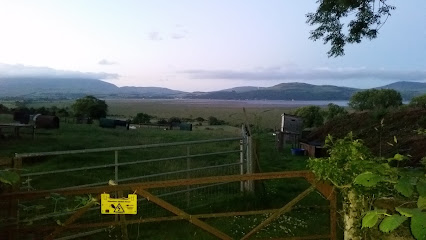
Town centre park
8.1 km
A peaceful green retreat in the heart of Wigtown, Scotland's National Book Town, perfect for relaxation amid literary charm.
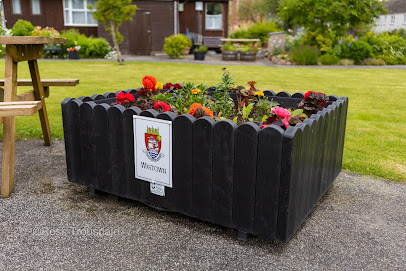
The Book Shop
8.2 km
Scotland’s largest second-hand bookshop nestled in the heart of Wigtown, offering nearly a mile of shelving and 100,000 books for every reader’s delight.
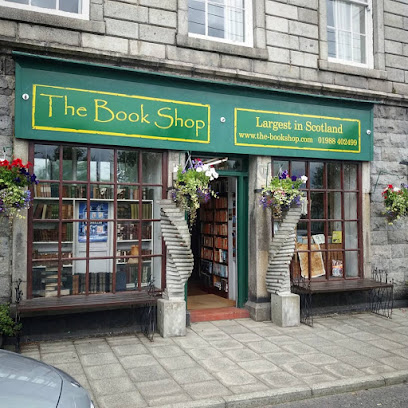
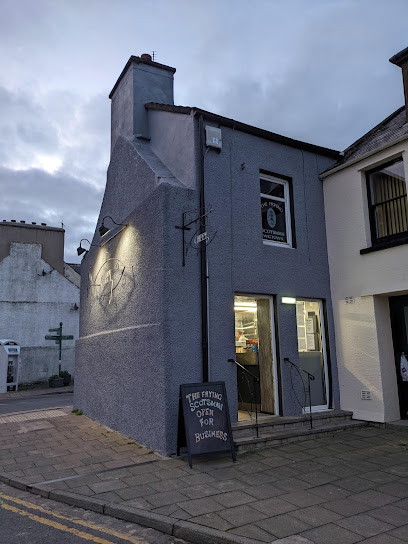
The Frying Scotsman Wigtown
8.2 km
Savor classic Scottish fish and chips with golden crispy batter and generous portions in the heart of Wigtown’s welcoming community.
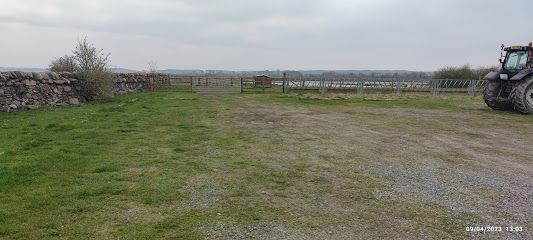
RSPB Crook of Baldoon
8.2 km
A tranquil coastal reserve near Newton Stewart, offering rich birdlife, easy walks, and stunning saltmarsh panoramas.
Essential places to dine

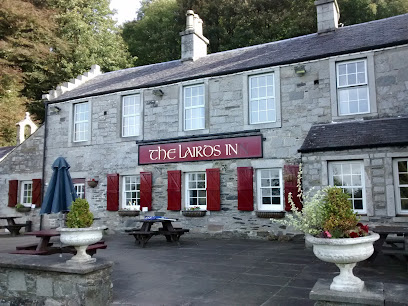
Lairds Inn
3.4 km
Historic charm meets hearty local fare with stunning river views and warm fires at The Lairds Inn in Newton Stewart.
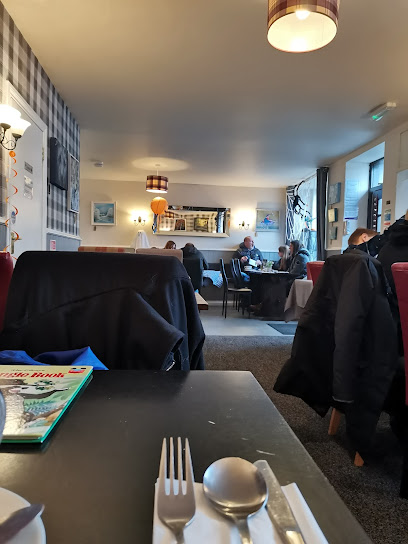
Cobwebs
8.2 km
Cobwebs is a cozy, family-run restaurant in Wigtown’s Book Town offering diverse British and Scottish dishes with inclusive menus and a welcoming vibe.
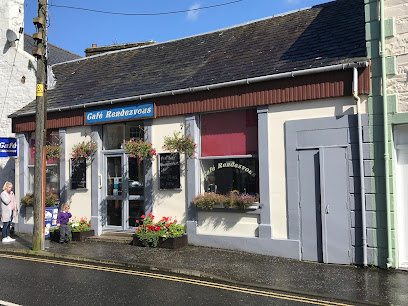
Cafe Rendezvous
8.3 km
Cozy cafe in Wigtown offering fresh, gluten-free delights and a warm atmosphere in the heart of Scotland’s National Book Town.
No.1 Fleet Street@The Ship Inn
9.0 km
Historic charm meets modern comfort at The Ship Inn, a cozy culinary and lodging gem in scenic Gatehouse of Fleet.
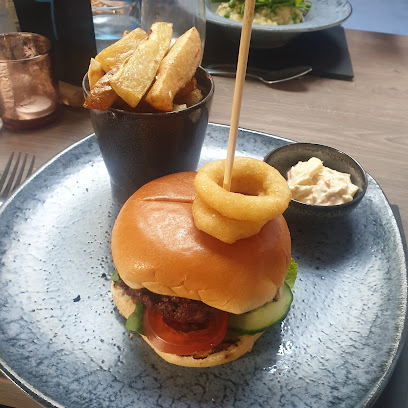
The Ship Inn
9.0 km
Historic charm meets modern comfort and culinary excellence at The Ship Inn in the heart of Gatehouse of Fleet.
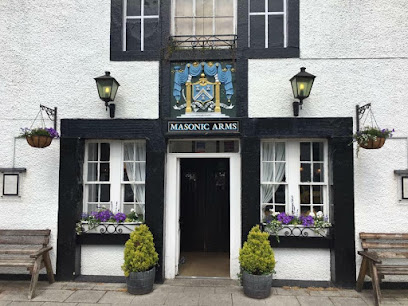
Masonic Arms
9.4 km
A welcoming gastropub in Gatehouse of Fleet offering excellent food, cozy ambiance, and comfortable accommodations in scenic Dumfries and Galloway.
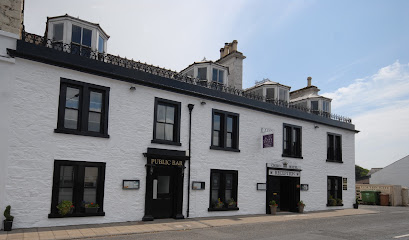
The Crown Hotel
11.8 km
Traditional Scottish inn with modern comfort, quality dining, and warm hospitality in Galloway's market town.
The Riverbank Restaurant
12.0 km
A bright and friendly café in Newton Stewart serving fresh, well-crafted meals and home-baked delights in a welcoming atmosphere.
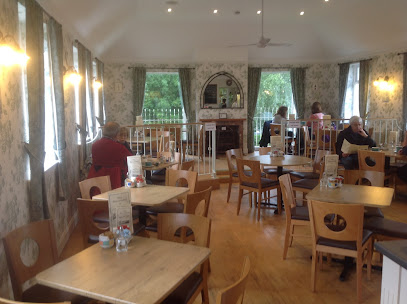
The Cree Inn
12.2 km
Warm Scottish hospitality, quality food, and genuine welcome in a charming Creebridge pub.
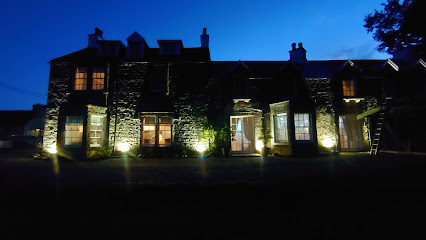
The Harbour Inn
12.3 km
Discover The Harbour Inn in Garlieston: A charming pub offering delicious local cuisine and breathtaking coastal views.
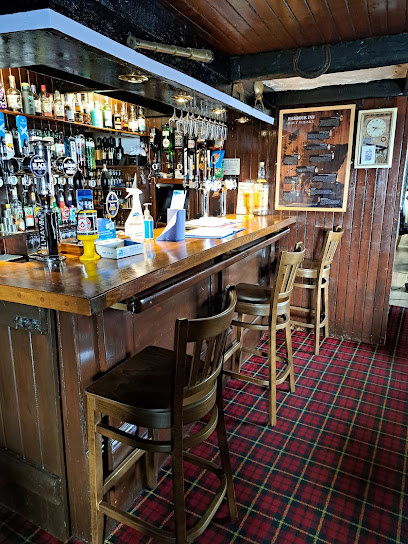
The Pheasant
13.5 km
Experience authentic Italian flavors with a modern twist in the welcoming countryside setting of Sorbie’s acclaimed The Pheasant.
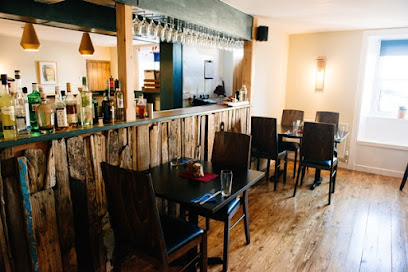
The Old School House
17.7 km
A charming rural restaurant in Ringford offering hearty local fare and warm hospitality near Castle Douglas.
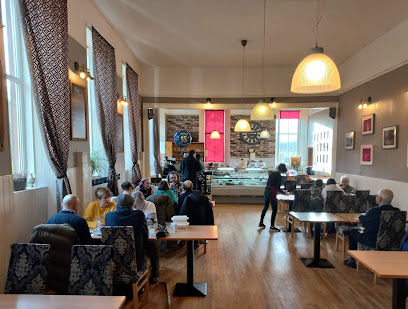
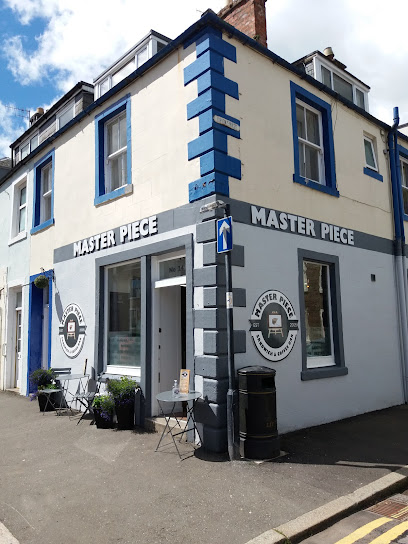
Masterpiece
18.7 km
Delight in freshly made sandwiches and hearty breakfasts at Masterpiece, a cozy and affordable eatery in the heart of Kirkcudbright.
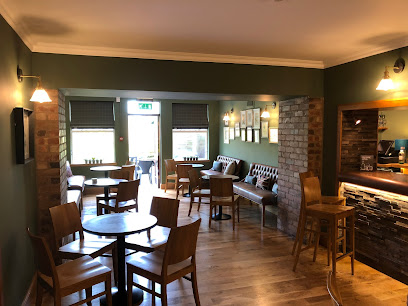
The Masonic Arms
18.7 km
Discover The Masonic Arms in Kirkcudbright: A quintessential Scottish pub serving local ales and hearty dishes amidst historic charm.
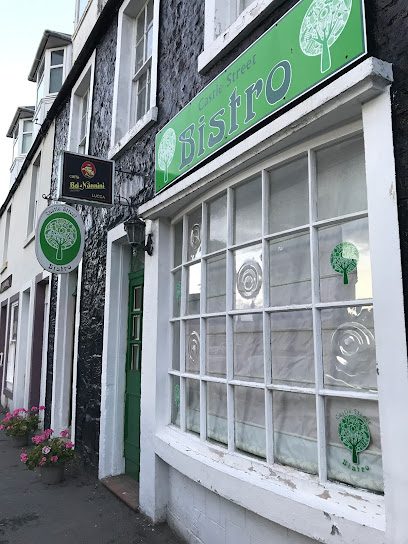
The Castle
18.7 km
Cozy Scottish bistro in Kirkcudbright offering seasonal dishes, warm hospitality, and a charming atmosphere in the heart of the Artists' Town.
Markets, malls and hidden boutiques

Beltie Books & Cafe
8.0 km
A cozy bookshop cafe in Wigtown blending local charm, great reads, and homemade treats in a bright, welcoming setting.
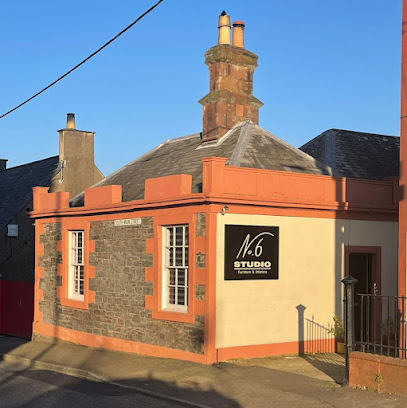
No6 Studio Wigtown
8.0 km
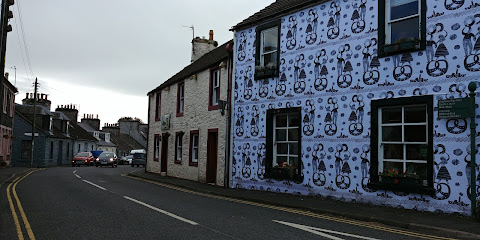
Discover unique second-hand furniture and local craftsmanship in the heart of Wigtown’s charming South Main Street.
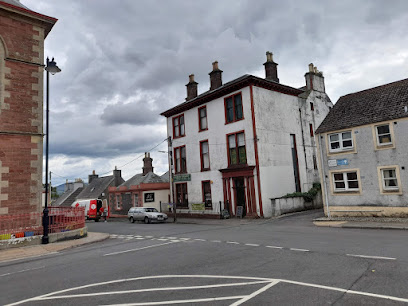
The Old Bank Bookshop
8.0 km
Discover six rooms of second-hand treasures and sheet music in the heart of Scotland’s National Book Town, welcoming all book lovers with warmth and charm.
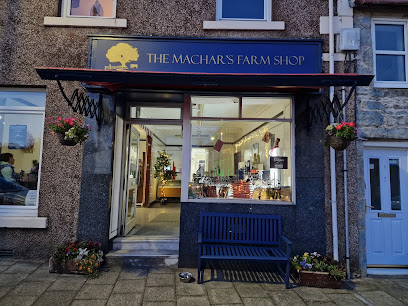
Farm Shop
8.0 km
Wigtown's authentic farm shop celebrating local producers and seasonal Scottish fare.
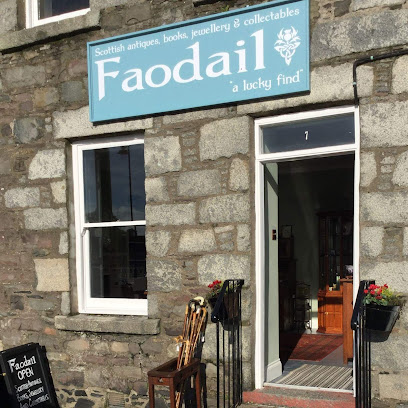
Faodail
8.1 km
Discover unique antiques, vintage jewellery, and rare Scottish books in the heart of Wigtown’s charming National Book Town.
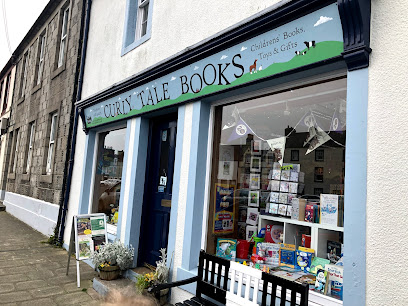
Foggie Toddle Books
8.2 km
Scotland's children's bookshop and publisher celebrating Scottish stories, rare finds, and literary community in Wigtown's Book Town.
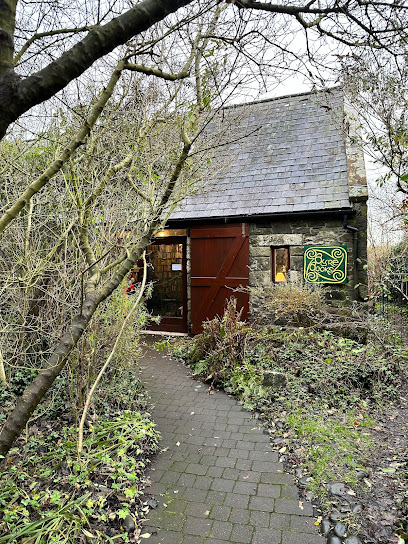
Byre Books
8.2 km
Specialist secondhand bookshop in Wigtown offering rich collections in folklore, Scottish culture, theatre, and archaeology.
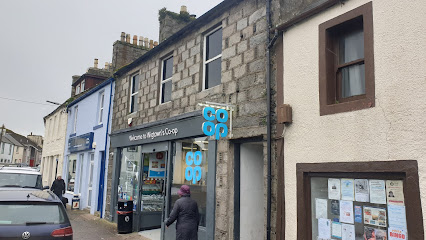
Co-op Food - Wigtown
8.3 km
Discover local flavors and essentials at Co-op Food in Wigtown, your perfect stop for convenience while exploring Scotland's book town.
The Wigtown Emporium
8.3 km
Discover antiques, vintage treasures, and curiosities in the heart of Scotland's National Book Town at The Wigtown Emporium.
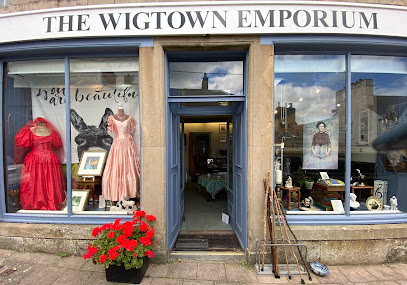
Signature Gifts Ltd
9.6 km
Discover unique souvenirs and local crafts at Signature Gifts Ltd, a charming gift shop in Bladnoch, perfect for capturing the essence of your Scottish adventure.
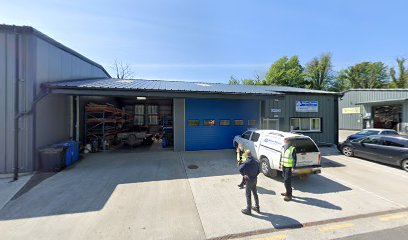
D & W Countryways
12.1 km
Discover premium outdoor clothing and equipment at D & W Countryways in Wigtown, your gateway to exploring Scotland's stunning landscapes.
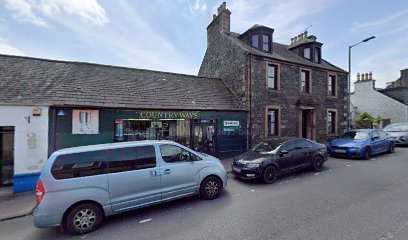
Inspirations
12.1 km
Discover unique sewing and knitting treasures at Inspirations, Newton Stewart’s welcoming hub for craft lovers and fashion enthusiasts alike.
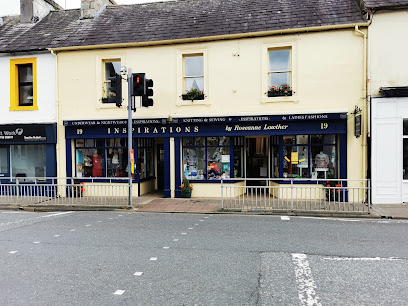
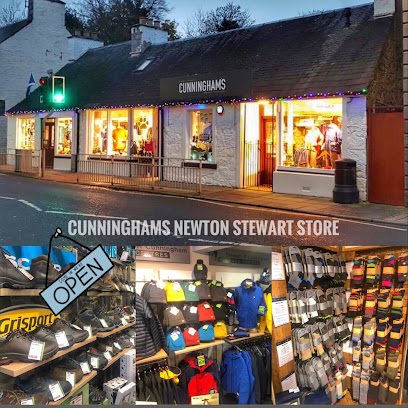
Cunningham Stewart R
12.2 km
Your trusted outfitter for outdoor clothing and equipment in Newton Stewart, serving adventurers exploring the Galloway Hills and beyond.
Idlehour Gifts
12.2 km
Explore Idlehour Gifts in Newton Stewart: Your destination for unique, locally crafted treasures that capture the essence of Scotland.
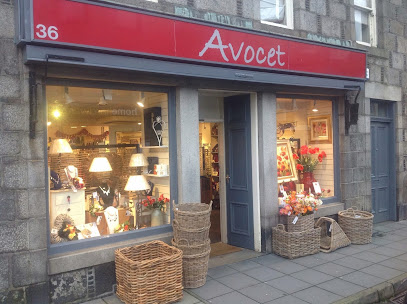
Avocet
12.2 km
Discover unique gifts, candles, garden furniture, and stylish ladies' clothing in a welcoming shop at Newton Stewart’s vibrant Victoria Street.
Essential bars & hidden hideouts

The Galloway Bar
8.2 km
A lively, dog-friendly sports pub in Wigtown offering darts, pool, and live BT & Sky Sports in a welcoming atmosphere.

The Bladnoch Inn
9.7 km
Cozy Scottish countryside inn offering warm hospitality, hearty pub fare, and comfortable stays near Newton Stewart.
Blackhorse Hotel
11.9 km
Cozy 3-star hotel in Newton Stewart with modern rooms, a lively bar, and friendly local charm in Dumfries and Galloway.
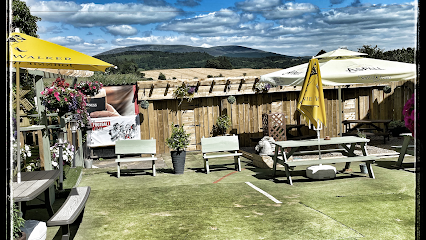
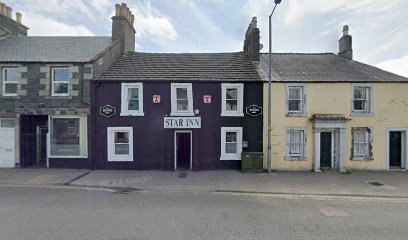
Star Inn
12.1 km
A friendly local bar in Newton Stewart serving hearty pub food with fresh local ingredients in a warm, lively atmosphere.
Galloway Arms Hotel
12.3 km
A traditional Scottish inn in Newton Stewart offering hearty local dishes, fine whiskies, and a warm, welcoming atmosphere steeped in regional charm.
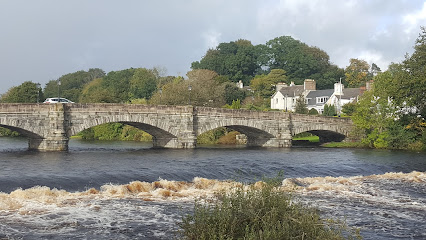
Railway Inn whithorn ltd
18.8 km
Cozy Scottish pub and inn with hearty homemade meals, warm hospitality, and comfortable rooms in the scenic Dumfries & Galloway countryside.
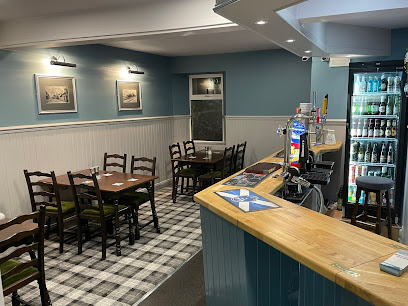
The Steam Packet Inn
22.1 km
Charming harbourfront inn in Isle of Whithorn, renowned for fresh seafood, local ales, and scenic coastal views.
Montys Bar
25.6 km
A lively sports bar in Castle Douglas offering great drinks, casual dining, and a welcoming atmosphere with indoor and outdoor spaces.
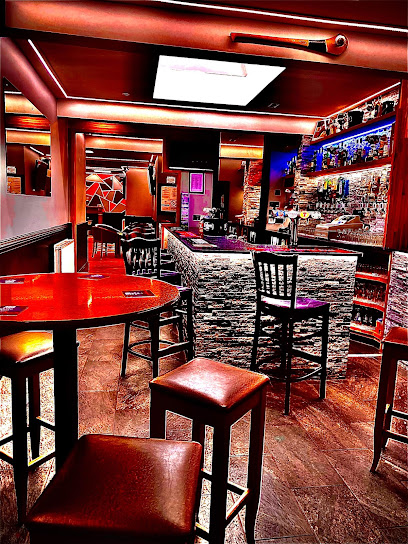
The Meeting Place
44.7 km
A welcoming cocktail bar in Stranraer with expertly crafted drinks, modern mood lighting, and a friendly, pet-inclusive atmosphere.

The Grapes
44.8 km
Experience authentic Scottish pub culture in the heart of Stranraer at The Grapes, a welcoming and timeless local favorite.
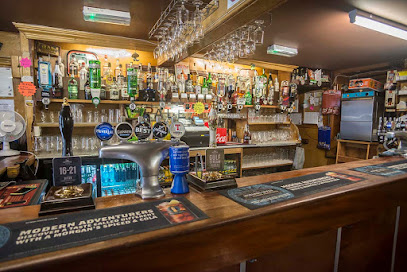
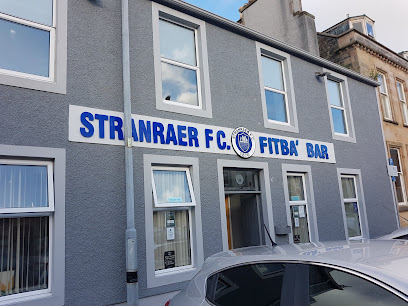
Stranraer F C Fitba Bar
44.8 km
A vibrant sports bar and community hub in Stranraer, blending football passion with live entertainment and friendly local spirit.
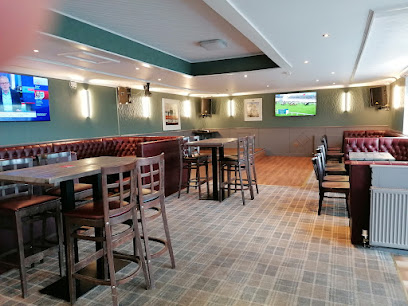
The 19th Hole
46.6 km
A lively, dog-friendly pub in Southerness offering unique pool tables, live sports, and a welcoming atmosphere for golfers and locals alike.
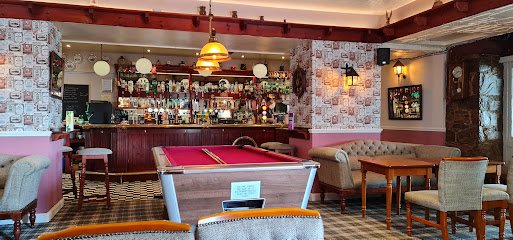
Paul Jones Hotel
46.7 km
A cozy, dog-friendly coastal pub in Southerness serving hearty meals and welcoming locals and visitors alike with warmth and charm.
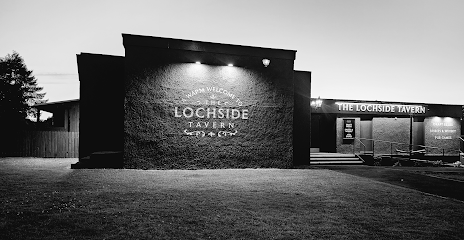
The Lochside Tavern
48.1 km
A cozy riverside pub in Dumfries offering local ales, hearty Scottish fare, and stunning loch views for an authentic experience.
Devorgilla Lounge Bar
49.0 km
A cozy, dog-friendly lounge bar in Dumfries offering friendly service, relaxed vibes, and affordable drinks in the heart of Market Square.
Nightclubs & after hour spots

Railway Social Club
49.9 km
A friendly, community-focused social club in Dumfries offering affordable drinks, lively events, and a welcoming atmosphere near the town centre.
Ramsey crown green bowling club
63.5 km
Discover the local charm and community spirit at Ramsey Crown Green Bowling Club, where traditional bowling meets stunning landscapes.
Manx Sailing & Cruising Club
63.8 km
Discover the vibrant maritime culture at the Manx Sailing & Cruising Club, a hub for sailing enthusiasts along Ramsey's scenic coastline.

R.A.O.B Club
63.8 km
Discover the R.A.O.B Club in Ramsey, a vibrant social hub where locals and tourists unite for friendship and fun on the Isle of Man.
South Ramsey Bowling Club
64.6 km
Discover the charm of bowling at South Ramsey Bowling Club, a local favorite nestled in the scenic beauty of Ramsey, Isle of Man.
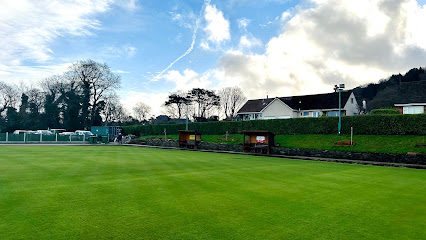
Crumbs & Cocktails
65.4 km
Discover the vibrant nightlife of Ayr at Crumbs & Cocktails, where fun meets flavor in a lively atmosphere filled with entertainment.

Venue38
65.8 km
Discover the heart of live music at Venue38 in Ayr, where unforgettable performances and a vibrant atmosphere await every music lover.
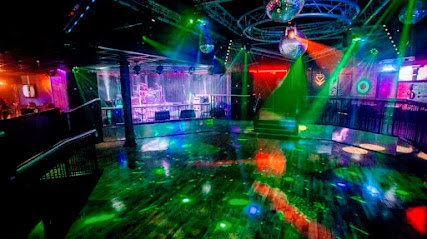
Printhouse Ayr
65.8 km
Experience Ayrshire’s vibrant nightlife and live music scene at Printhouse Ayr, where music and atmosphere unite for unforgettable nights.
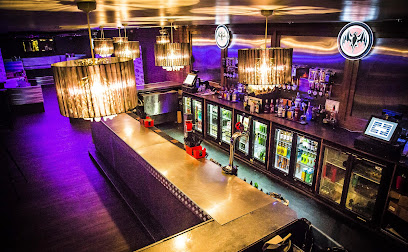
Notion Ayr
65.9 km
Discover the vibrant nightlife at Notion Ayr, an exceptional events venue in the heart of Ayr, perfect for unforgettable social experiences.

Ayr Ex-Services Club
66.1 km
A friendly and lively social club in Ayrshire offering great music, community spirit, and vibrant weekend nights.
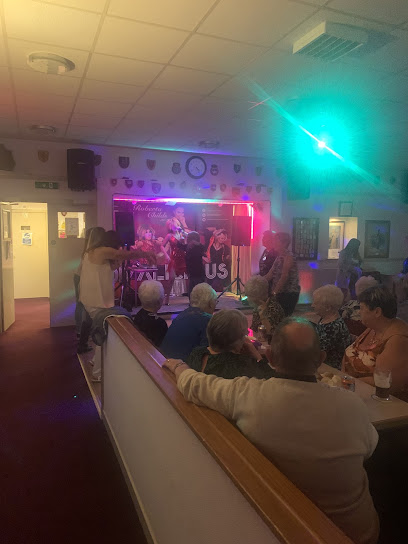
Smugglers
66.2 km
Experience authentic Scottish pub life with lively entertainment, quality beers, and warm hospitality at Smugglers in Ayr.
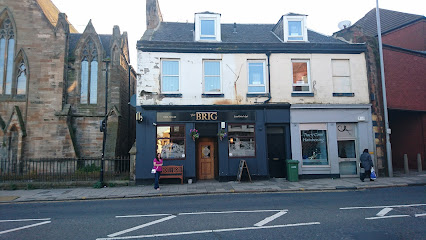
The Raven
66.7 km
Discover the charm of The Raven pub in Ballaugh, Isle of Man - a perfect blend of local flavors, friendly atmosphere, and vibrant entertainment.
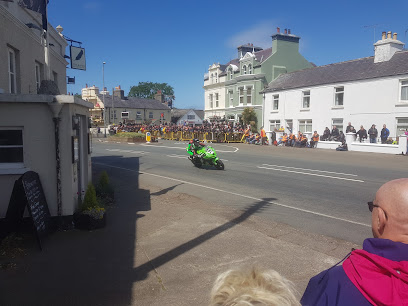
Kirk Michael
69.8 km
Experience the charm of Kirk Michael on the Isle of Man, where stunning landscapes meet vibrant local culture in a warm and inviting setting.
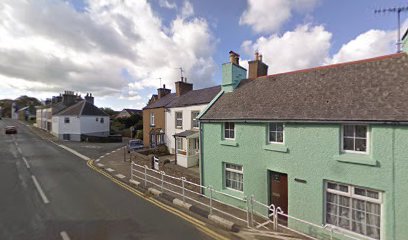
MC Entertainment
70.0 km
Experience unforgettable events with top-notch DJ services and event planning at MC Entertainment in Kirk Michael, Isle of Man.
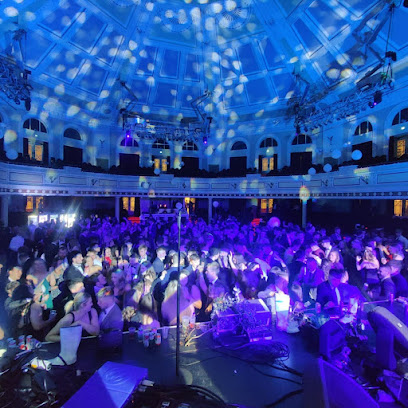
The Mitre Pub
70.3 km
Discover the heart of Isle of Man's hospitality at The Mitre Pub in Kirk Michael, serving local ales and hearty meals in a charming atmosphere.
For the vibe & atmosphere seeker
- Tranquil
- Scenic
- Unique
- Casual
For the design and aesthetic lover
- Rustic Designs
For the architecture buff
- Historic
- Landmarks
For the view chaser and sunset hunter
- Iconic Views
- Panoramas
For the social media creator & influencer
- Instagrammable
- Photo Spots
For the eco-conscious traveler
- Protected Area
- Public-Transport Accessible
- Locally Managed
- Leave-No-Trace Critical
For the kind of experience you’re after
- Cultural Heritage
- Myth & Legends
- Nature Escape
- Day Trip
- Photowalk
For how adventurous you want the journey to be
- Easy Access
Location Audience
- Family Friendly
- Senior Friendly
- Child Friendly
- Teen Friendly
- Solo Friendly
- Couple Friendly
- Vegetarian Friendly
- Vegan Friendly


