

Kensal Green Cemetery: London's First Garden Cemetery and Historic Resting Place
London’s first commercial garden cemetery, a tranquil historic parkland with royal burials, iconic monuments, and rich Victorian heritage.
Kensal Green Cemetery, opened in 1833, is London's first commercial garden cemetery and the oldest of the Magnificent Seven. Located on Harrow Road in northwest London, it spans 72 acres and is renowned for its elegant Greek Revival architecture, diverse monuments, and notable burials including royals, engineers, and writers. The cemetery combines tranquil parkland with rich Victorian history and remains an active burial site and nature conservation area.
A brief summary to Kensal Green Cemetery
- Harrow Rd, London, W10 4RA, GB
- +442089690152
- Visit website
- Duration: 1 to 3 hours
- Free
-
 Outdoor
- Mobile reception: 4 out of 5
- Monday 8 am-5 pm
- Tuesday 9 am-5 pm
- Wednesday 9 am-5 pm
- Thursday 9 am-5 pm
- Friday 9 am-5 pm
- Saturday 9 am-5 pm
- Sunday 10 am-5 pm
Local tips
- Visit the Reformers’ Memorial in the non-conformist section to learn about notable social reformers and humanists buried here.
- Explore the catacombs to see the original hydraulic coffin-lowering mechanism, a rare Victorian funerary technology.
- Take time to appreciate the diverse architectural styles of tombs, from Greek Revival to Egyptian motifs.
- Enjoy the natural surroundings and watch for local wildlife, including various bird species and butterflies.
- Plan your visit during daylight hours for the best experience of the cemetery’s landscape and monuments.

For the on-the-go comforts that matter to you
- Restrooms
- Seating Areas
- Information Boards
Getting There
-
Public Transport
Take the London Underground Central Line to Notting Hill Gate station, then board bus route 52 or 452 towards Kensal Green. The journey takes approximately 25-35 minutes. Buses run frequently but check schedules for evening service. A single fare costs about £2.50 with contactless payment.
-
Train
Use the London Overground to Kensal Green station, about a 15-minute walk from the cemetery. Trains run every 15 minutes from central London stations. Tickets range from £3 to £5 depending on the starting point.
-
Car
Driving to Kensal Green Cemetery via Harrow Road is possible, but parking is limited and on-street. Allow 20-30 minutes from central London depending on traffic. Pay-and-display parking zones apply with typical charges of £2-£4 per hour.
-
Walking
From Kensal Green station, a 15-minute walk along relatively flat terrain leads to the cemetery entrance. The path is accessible but may have uneven surfaces near older gates.
Kensal Green Cemetery location weather suitability
-
 Any Weather
-
 Clear Skies
-
 Rain / Wet Weather
-
 Mild Temperatures
Discover more about Kensal Green Cemetery
Origins and Historical Significance
Kensal Green Cemetery was established in 1833 as the first commercial cemetery in London and the pioneer of the city's Magnificent Seven garden cemeteries. Inspired by Paris’s Père Lachaise Cemetery, barrister George Frederick Carden envisioned a suburban, park-like burial ground to address the overcrowding and unsanitary conditions of urban churchyards. The cemetery was formally authorized by the Metropolitan General Cemetery Act of 1832, and opened as the General Cemetery of All Souls, offering consecrated Anglican and unconsecrated dissenters’ sections. Its establishment marked a shift toward sanitary, secure, and dignified burial practices outside the city center, setting a precedent for subsequent cemeteries across London and beyond.Architectural and Landscape Design
The cemetery’s architecture is predominantly Greek Revival, designed by John Griffith, featuring an imposing entrance arch, two chapels, colonnades, and catacombs. The landscaping combines formal avenues of trees with more relaxed woodland and meadow areas, creating a serene garden atmosphere. Originally surrounded by fields, Kensal Green was conceived as a gentleman’s country park, blending natural beauty with classical monument styles. The cemetery contains a variety of tomb designs, from classical Greco-Roman motifs to Egyptian and Gothic influences, reflecting Victorian tastes and the social status of those interred.Royal Patronage and Social Prestige
Kensal Green’s fortunes improved significantly after the burial of Prince Augustus Frederick, Duke of Sussex, in 1843, who chose Kensal Green over traditional royal burial sites. His interment, followed by that of his sister Princess Sophia and later Prince George, Duke of Cambridge, elevated the cemetery’s status as a fashionable resting place for the aristocracy and wealthy Victorians. Over 650 titled nobility and more than 550 notable figures recorded in the Dictionary of National Biography are buried here, including engineers Isambard Kingdom Brunel and Marc Isambard Brunel, writer William Makepeace Thackeray, and computing pioneer Charles Babbage.Notable Monuments and Memorials
Among its many monuments, Kensal Green houses the Reformers’ Memorial, dedicated to men and women who contributed to social progress and humanist causes. The cemetery also features dramatic and ornate tombs, some with intricate angels and classical sculptures, though some have suffered from weathering and metal theft. The catacombs contain original coffin-lowering mechanisms powered by hydraulic hand pumps, one of only two such systems still in existence. The diversity of memorial styles offers a rich visual journey through Victorian funerary art and the cultural values of the era.Natural Environment and Conservation
The cemetery is recognized as a Site of Metropolitan Importance for Nature Conservation, supporting diverse flora and fauna within its 72 acres. Its mix of woodland, meadows, and scrub attracts over 30 bird species, numerous mammals including hedgehogs and bats, and more than 18 butterfly species. This blend of historic monuments and thriving wildlife creates a unique environment where nature and heritage coexist, offering visitors a tranquil and contemplative experience.Contemporary Use and Management
Still owned and operated by the original General Cemetery Company under its founding Act of Parliament, Kensal Green remains an active cemetery with daily burials and cremations. The West London Crematorium, located within its grounds, reflects the evolving practices of memorialization. The cemetery’s mandate ensures its preservation as a memorial park once burial space is exhausted, maintaining its historic and cultural significance for future generations.Iconic landmarks you can’t miss

The Castle
1.5 km
Experience the charm of a traditional British pub at The Castle on Portobello Road, offering delicious food and a vibrant atmosphere in the heart of London.
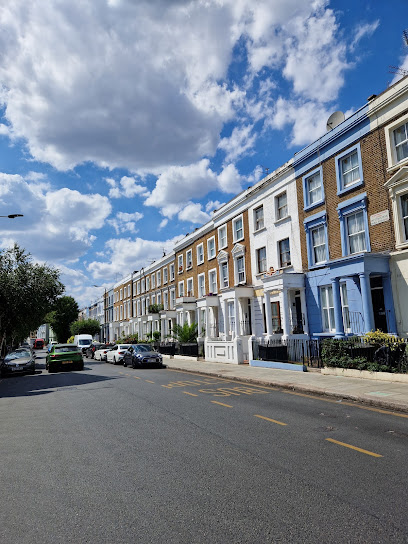
Howard Staunton Blue Plaque
1.8 km
Commemorating Howard Staunton, 19th-century chess master and organizer of the first international chess tournament, at his London blue plaque.
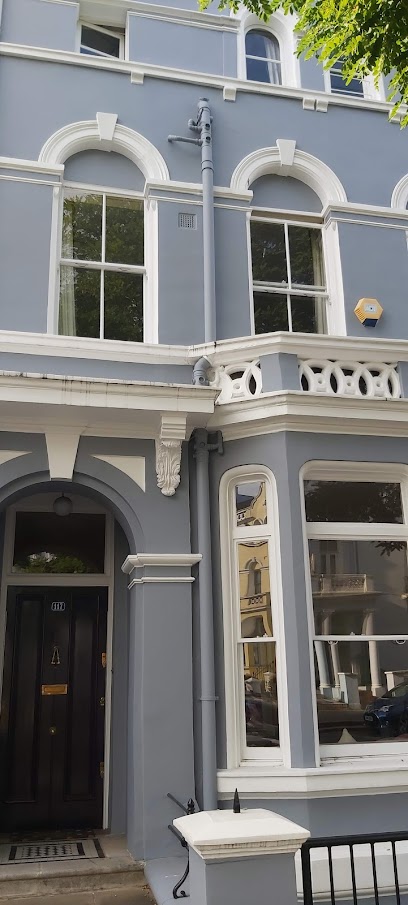
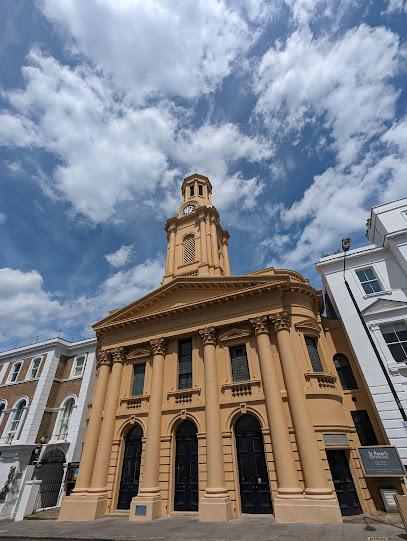
St Peter's Church, Notting Hill
2.0 km
A serene Victorian Anglican church blending classical architecture, rich history, and community spirit in the heart of Notting Hill.
George Orwell Plaque
2.3 km
A literary landmark on vibrant Portobello Road celebrating George Orwell’s enduring legacy in London’s cultural heart.
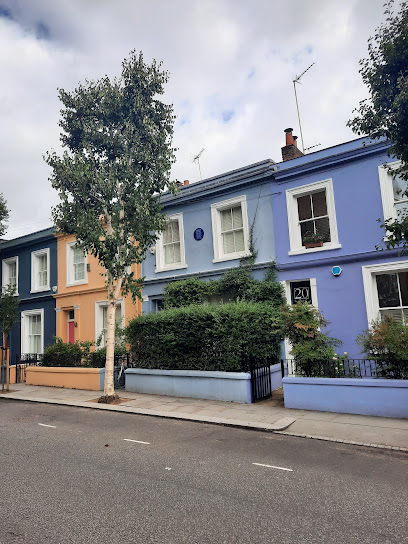
Space Apart Hotel
2.4 km
Modern serviced apartments in historic Kensington Gardens Square, offering stylish comfort and easy access to London’s top attractions.

3 Abbey Rd.
2.7 km
World-famous recording studio in London where The Beatles and many legends crafted music history since 1931.
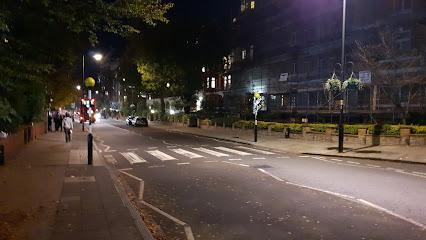
5 Abbey Rd.
2.8 km
World’s oldest purpose-built recording studio and iconic Beatles landmark in London’s St John’s Wood.
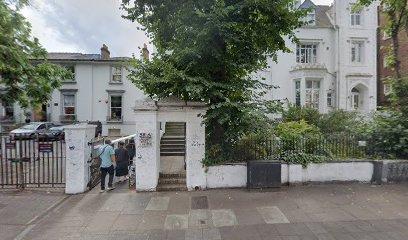
Paddington Basin
3.2 km
Explore the tranquil beauty of Paddington Basin, London's enchanting waterside destination filled with modern architecture and relaxing scenery.
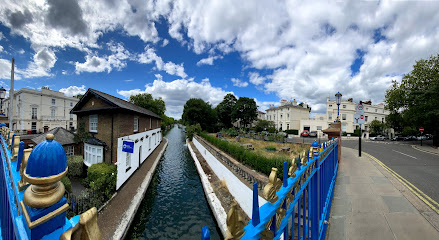
Kensington Palace
3.3 km
Experience the royal history and stunning gardens of Kensington Palace, a must-see attraction in London for every tourist.

The Tower House
3.3 km
A stunning Victorian Gothic Revival townhouse in London, blending medieval artistry with rock legend heritage.
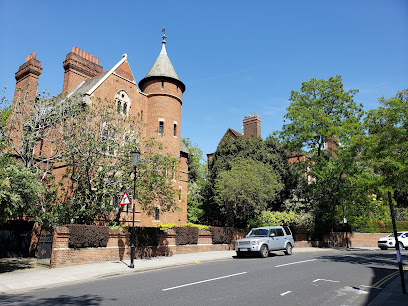
Sussex Gardens
3.3 km
A serene Victorian garden oasis nestled in the historic Tyburnia district, blending lush greenery with elegant architecture in central London.
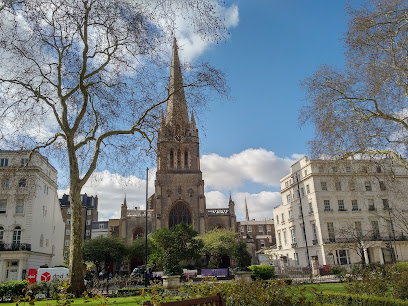
The Fan Bridge
3.3 km
Explore The Fan Bridge in Paddington Basin, London, a stunning architectural landmark offering unique views and a vibrant atmosphere for all visitors.
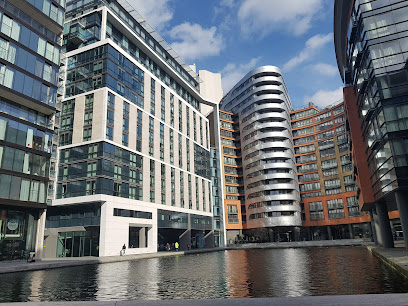
Kensington Palace Green
3.3 km
Explore the serene beauty of Kensington Palace Green, a historical site and park in London, rich in royal history and natural elegance.

Queen Victoria Statue
3.3 km
Explore the Queen Victoria Statue in Kensington Palace Gardens, a serene and historic landmark celebrating Britain's beloved monarch amid lush greenery.
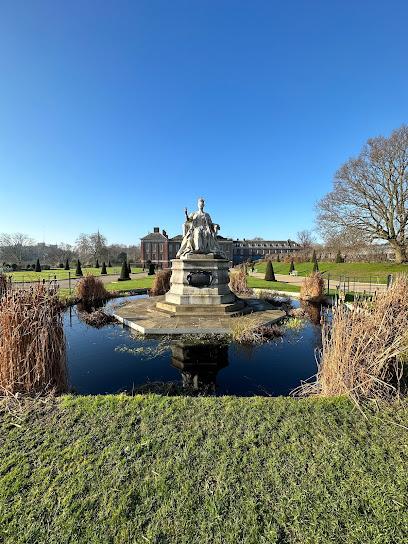
Sambourne House
3.4 km
Explore the authentic Victorian charm of Sambourne House, a historical gem in Kensington that reveals the life and art of Edward Linley Sambourne.
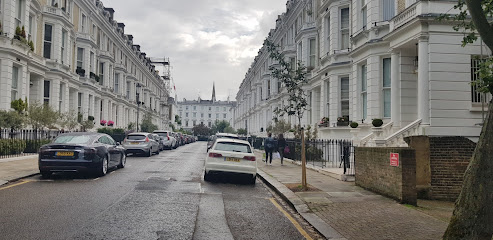
Unmissable attractions to see

Queen's Park
1.1 km
Historic and vibrant, Queen's Park offers a lush green escape with rich community spirit and excellent London connectivity.
Notting Hill
1.2 km
Explore Notting Hill’s colorful streets, iconic market, and vibrant culture in one of London’s most charming neighborhoods.
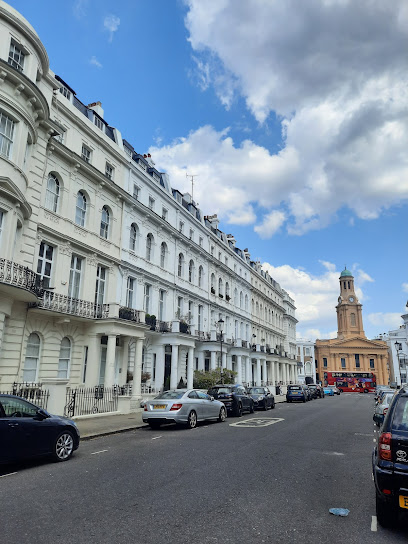
Cambridge Gdns
1.2 km
Charming Notting Hill street with historic homes, leafy communal gardens, and vibrant local culture in the heart of London’s Kensington and Chelsea.

Museum of Brands
1.4 km
Step into a vibrant Time Tunnel tracing 200 years of British brands, design, and consumer culture at London’s Museum of Brands in Notting Hill.

Notting Hill House of Colors
1.5 km
Discover the vibrant charm of Notting Hill House of Colors, where pastel streets meet lively markets and rich cultural heritage in the heart of London.
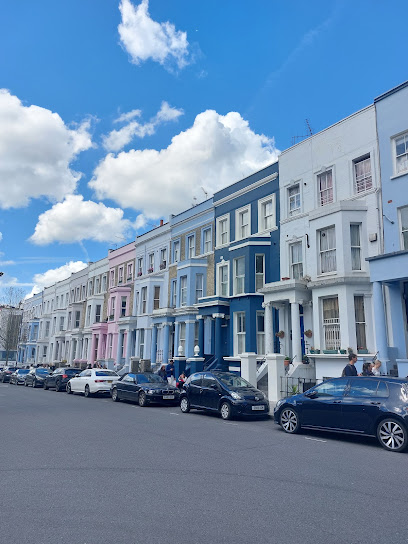
Portobello Road Market
1.5 km
Explore London’s iconic Portobello Road Market, a vibrant blend of antiques, vintage fashion, fresh food, and lively street culture in Notting Hill.
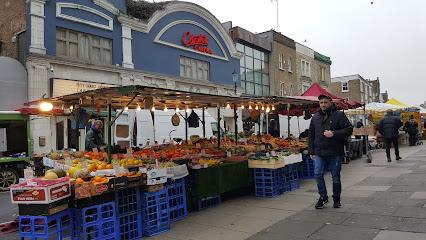
The Blue Door Notting Hill Film
1.5 km
Discover the iconic blue door of Notting Hill at 280 Westbourne Park Road, a beloved symbol of romance and cinema in vibrant West London.
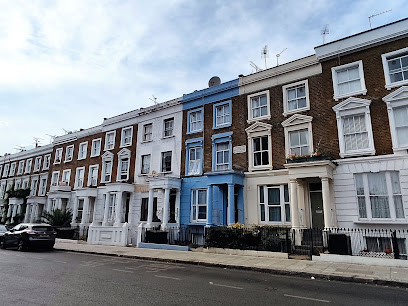
St Lukes Mews
1.5 km
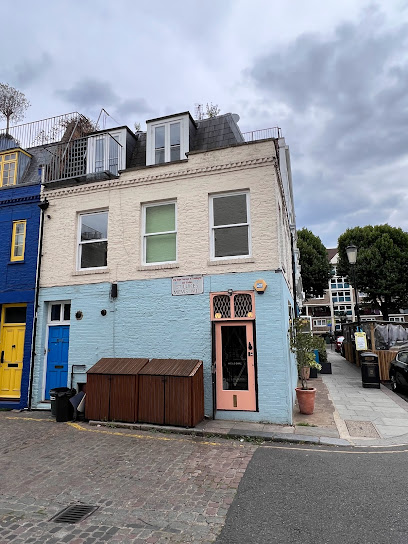
Discover the colorful charm and cinematic history of St Luke's Mews, a serene cobbled street in the heart of Notting Hill.
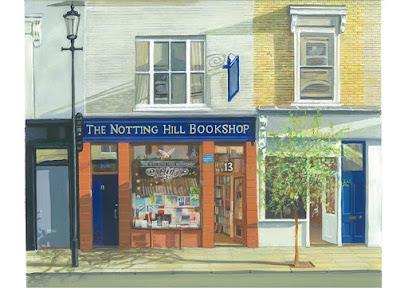
The Notting Hill Bookshop
1.6 km
Discover literary treasures and cinematic magic at The Notting Hill Bookshop, a charming West London landmark famed for its iconic film connection.
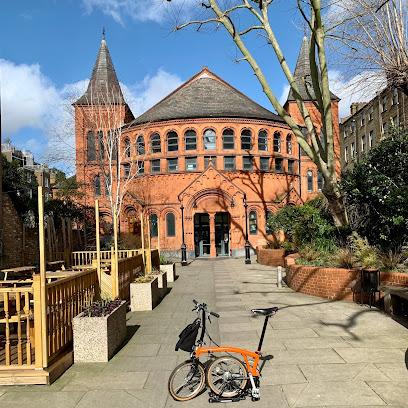
The Tabernacle
1.6 km
Historic Notting Hill venue blending Victorian architecture with vibrant community arts and music culture.
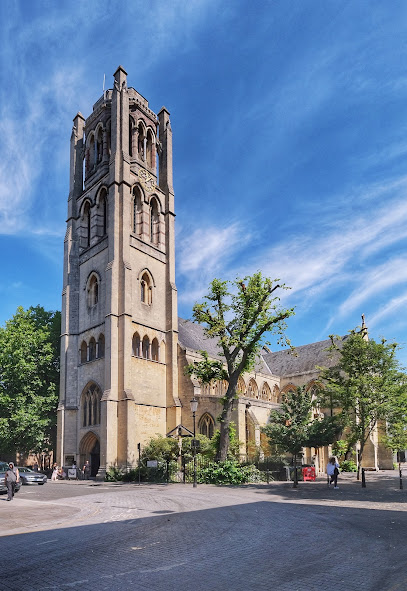
All Saints' Church, Notting Hill
1.6 km
Victorian Gothic Revival marvel with a towering spire, rich Anglo-Catholic heritage, and a vibrant role in Notting Hill’s cultural tapestry.
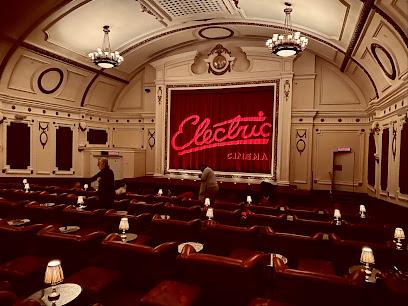
Electric Cinema
1.6 km
Experience cinematic history and luxury in London’s oldest working cinema, blending Edwardian charm with plush comfort on Portobello Road.
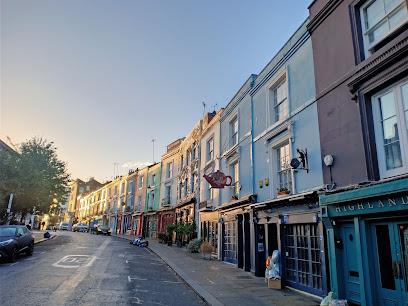
Portobello Rd
1.7 km
Explore London’s vibrant Portobello Road Market, a historic hub of antiques, vintage fashion, fresh produce, and global street food in the heart of Notting Hill.
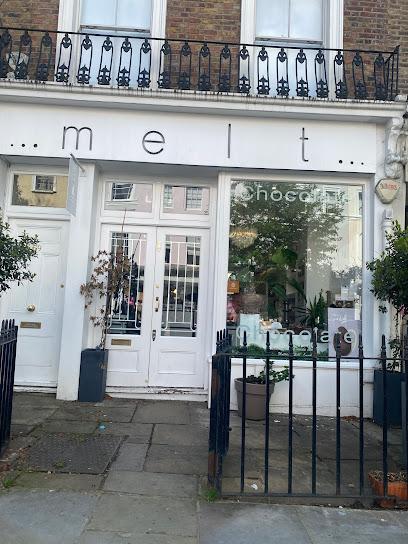
Melt Chocolates
2.0 km
Discover freshly handmade luxury chocolates in Notting Hill’s charming artisan boutique with eco-friendly values and immersive experiences.
Clarendon Cross
2.0 km
Discover Clarendon Cross, a quaint and vibrant village-like square in Notting Hill, blending historic charm with eclectic boutiques and a warm community spirit.
Essential places to dine

Portobello Garden Arcade Italian Restaurant
1.3 km
Authentic Italian dining in a rustic, cozy setting nestled in the heart of vibrant Notting Hill’s Portobello Road.
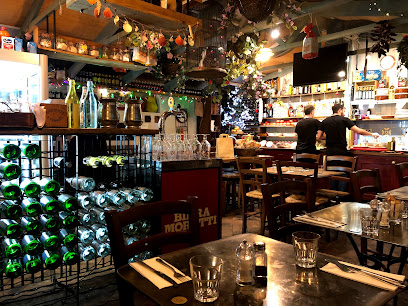
Fez Mangal Ladbroke Grove
1.4 km
Experience authentic Turkish barbecue and vibrant atmosphere at Fez Mangal Ladbroke Grove, a beloved London institution for kebab lovers.
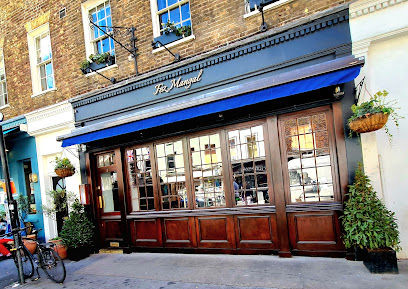
La mia Mamma Notting Hill
1.6 km
Experience authentic Italian regional cuisine prepared by real mammas in a warm, lively Notting Hill trattoria setting.
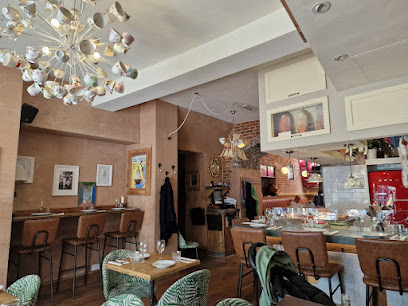
Osteria Napoletana
1.6 km
Cozy Neapolitan eatery in Notting Hill serving authentic southern Italian classics with warm hospitality and a lively atmosphere.
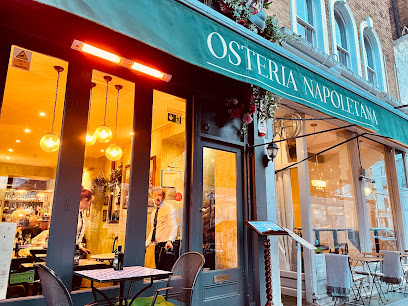
The Sushi Co - Notting Hill
1.7 km
Fresh, flavorful sushi and Asian dishes served late in a casual Portobello Road spot with friendly service and gluten-free options.
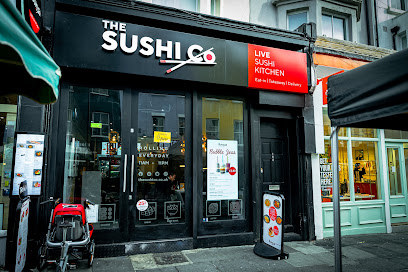
The Ledbury
1.7 km
Experience world-class Modern European fine dining in Notting Hill at The Ledbury, a 3-Michelin-starred culinary gem blending British ingredients with French elegance.
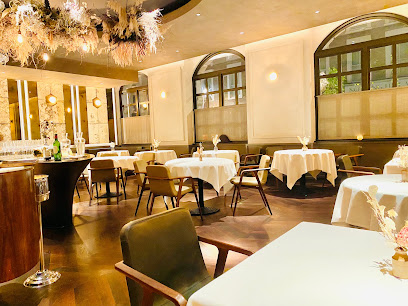
Ci Tua Osteria Romana
1.8 km
Experience authentic Roman cuisine and warm Italian hospitality in the heart of London’s vibrant Portobello Road.
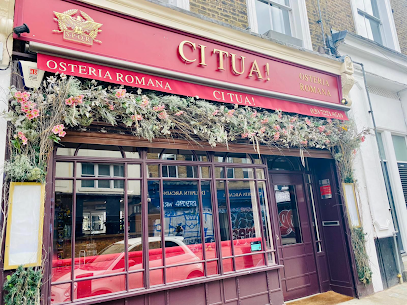
104 Restaurant by Richard Wilkins
1.8 km
A refined modern French gem in Notting Hill offering intimate dining, exquisite tasting menus, and impeccable service in a cozy setting.
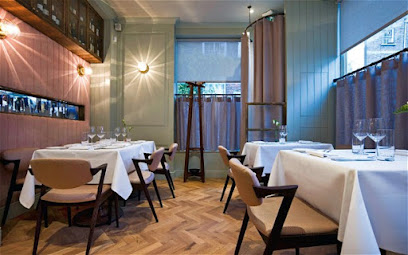
Gold
2.0 km
Stylish modern European dining with wood-roasted seasonal plates and inventive cocktails on iconic Portobello Road in vibrant Notting Hill.
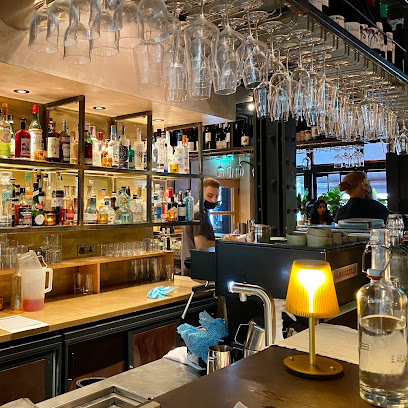
Core by Clare Smyth
2.0 km
Experience three-Michelin-starred modern British cuisine by Clare Smyth in an elegant Notting Hill setting, where sustainability meets culinary artistry.
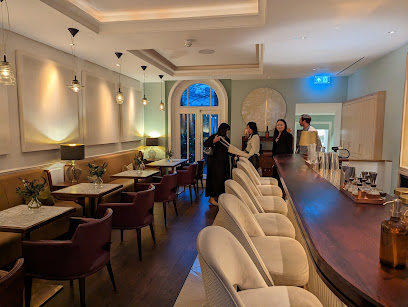
Granger and Co. Notting Hill
2.0 km
Experience vibrant Australian flavors all day in a sunny, welcoming setting at Granger and Co. Notting Hill on Westbourne Grove.
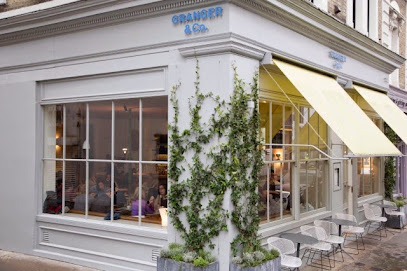
Cocotte Notting Hill
2.2 km
Experience authentic French rotisserie chicken in a cozy, farm-to-table setting on vibrant Westbourne Grove, Notting Hill.
The Ladbroke Arms
2.3 km
A charming gastropub in Notting Hill offering refined British cuisine, standout Sunday roasts, and a welcoming garden terrace.
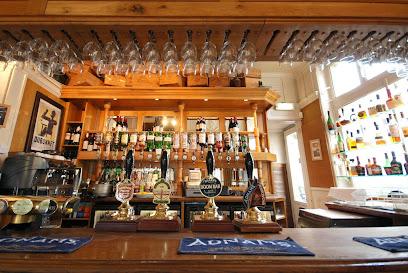
The Shed
2.7 km
A rustic, family-run gem in Notting Hill serving sustainable, farm-to-table British cuisine with a warm, unpretentious atmosphere.
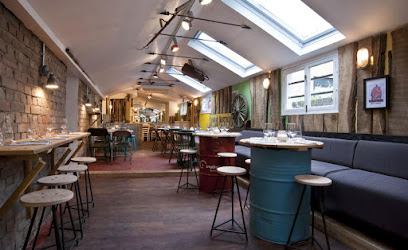
London Shell Co. - The Prince Regent
2.8 km
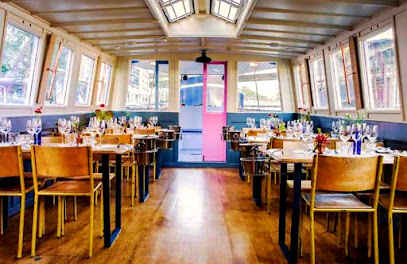
Savor exceptional British seafood aboard a charming canal barge cruising the historic Regent's Canal in Central London.
Markets, malls and hidden boutiques

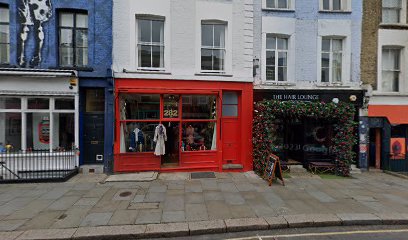
Antique Clothing Shop
1.2 km
Discover timeless threads and retro glamour at this Portobello Road gem, where antique clothing whispers stories from London's stylish past amid market vibrancy.
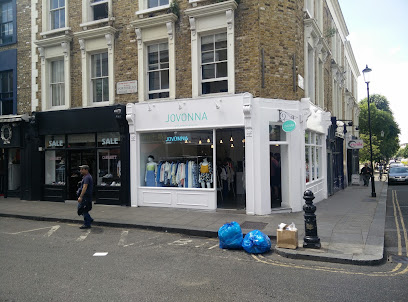
Jovonna Notting Hill Boutique
1.4 km
Discover Jovonna's feminine edge on Portobello Road: classic meets contemporary in Notting Hill's fashion heartbeat.
Hangout Clothing
1.5 km
Discover designer flair on Portobello Road at Hangout Clothing, where trendy threads meet Notting Hill's bohemian buzz in a chic boutique haven.

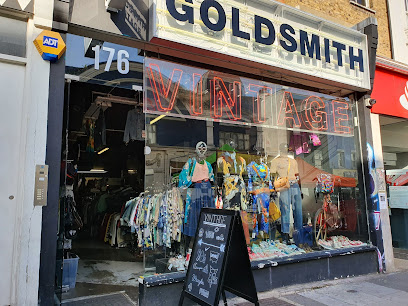
Goldsmith Vintage
1.6 km
Discover chic vintage treasures at Goldsmith Vintage on bustling Portobello Road, where timeless fashion meets Notting Hill's iconic market charm.
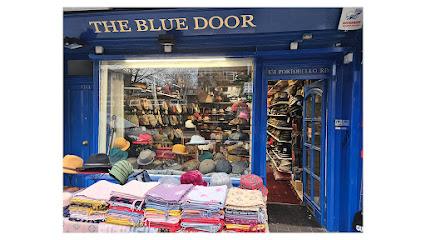
The Blue Door
1.8 km
Discover stylish clothing and unique hats at The Blue Door, a charming boutique nestled in the lively heart of Notting Hill’s Portobello Road.
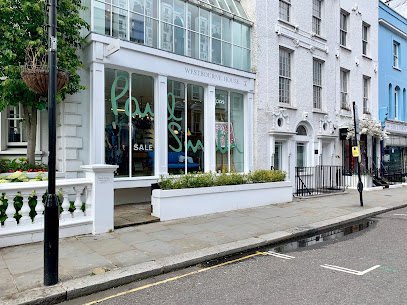
Paul Smith - Notting Hill
1.9 km
Classic British tailoring meets playful innovation at Paul Smith's elegant Notting Hill flagship in historic Westbourne House.
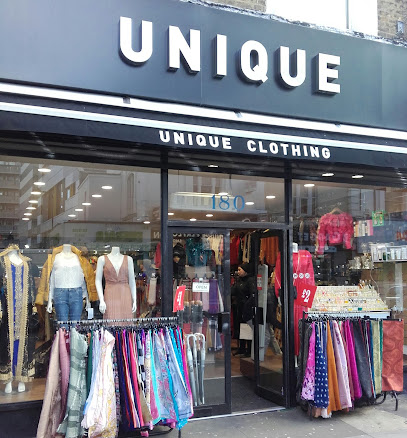
Unique London
2.0 km
A vibrant clothing boutique on Kilburn High Road, offering unique fashion finds and personal service in a diverse, lively London neighbourhood.
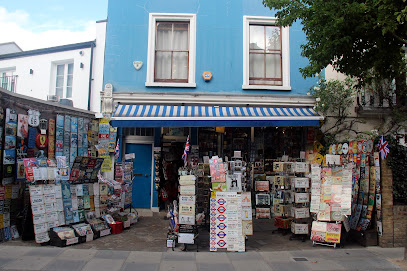
Portobello Gifts Shop London
2.1 km
Retro souvenirs and nostalgic trinkets on Notting Hill's iconic Portobello Road—a treasure hunt for affordable London mementos amid market vibrancy.
RETRO GIFTS RETAIL
2.1 km
Discover nostalgic treasures at Retro Gifts Retail on Portobello Road—retro charms, quirky novelties, and market magic in Notting Hill's vibrant heart.

Gift Centre London
2.1 km
Discover a unique blend of gifts, souvenirs, and practical items at Gift Centre London, your one-stop shop for memorable finds.
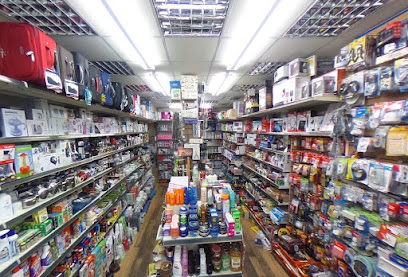
The London Heritage
2.4 km
A boutique heritage hotel in Canary Wharf blending historic elegance with modern luxury and wellness amenities.
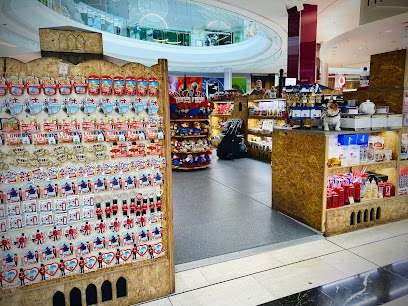
Appletree boutique
2.4 km
A small Notting Hill boutique specialising in retro‑inspired prints, colourful womenswear and standout accessories for playful, individual styling.

The gift store
2.4 km
Discover quirky handmade crafts and Notting Hill treasures at this vibrant Pembridge Road gem, where every shelf holds a unique story from London's creative heart.
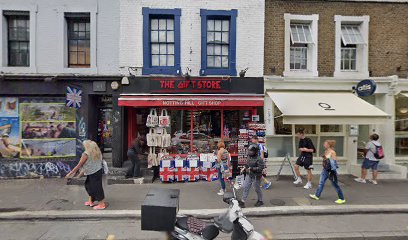
Notting hill store
2.5 km
Explore Notting Hill's local convenience store, your one-stop shop for groceries, unique souvenirs, and reliable luggage storage.
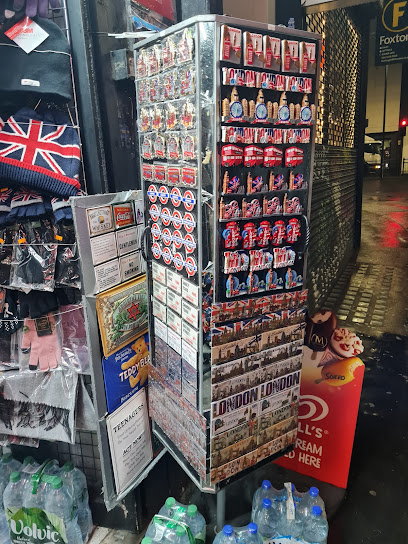
The London Shop
2.7 km
Friendly and affordable gift shop in vibrant Queensway, London, open daily with a welcoming atmosphere and great souvenirs.
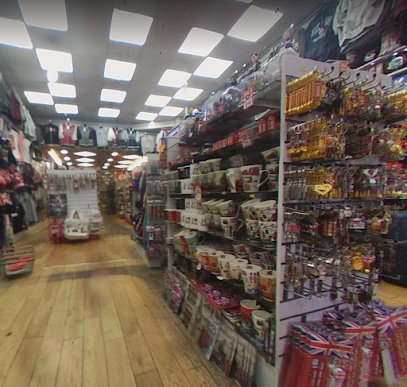
Essential bars & hidden hideouts

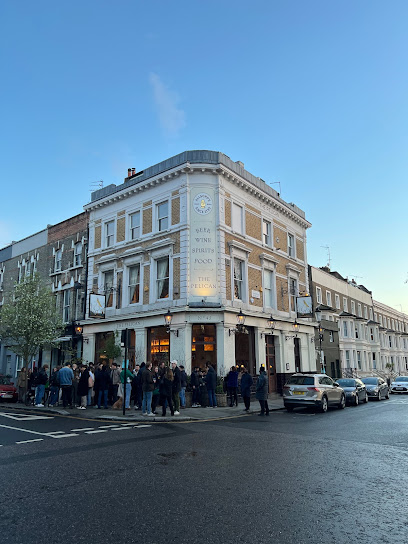
The Pelican
1.4 km
Notting Hill's gastropub gem: robust British plates, craft ales, and sustainable flair in a revived 150-year-old corner boozer.
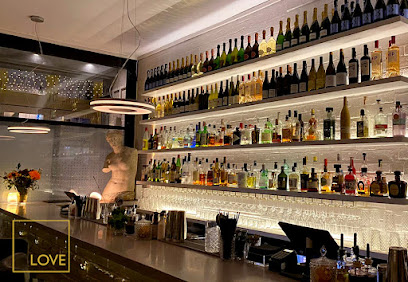
Love
1.4 km
Intimate Portobello Road cocktail bar with polished service, crafted drinks and a warm, late‑night Notting Hill atmosphere.
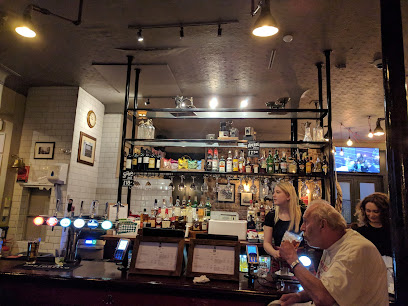
The Quiet Night Inn
1.4 km
Lively Notting Hill pub with roof terrace, local brews, games, live sports, and open mic nights—perfect for casual hangs and private events.
The Elgin
1.4 km
Opulent Notting Hill gastropub with historic charm, seasonal British dishes, gin haven, beer garden buzz, and versatile private event spaces.
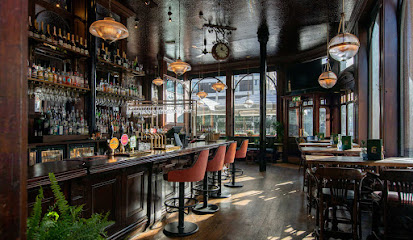
The Little Yellow Door
1.5 km
Notting Hill's quirky flatshare bar where cocktails flow from teacups, games spark laughs, and every night feels like a spontaneous house party in a colorful home.
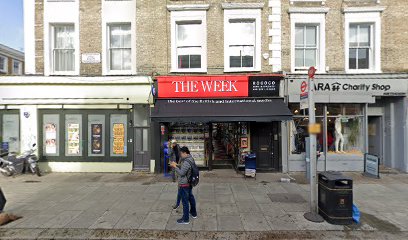
The Week
1.7 km
Cozy Notting Hill bar on Elgin Crescent, blending craft cocktails and warm vibes in West London's chicest corner. Ideal for intimate evenings amid Victorian charm.
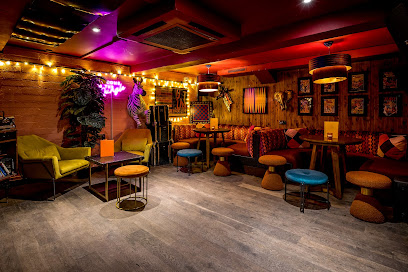
Trailer Happiness
1.7 km
Notting Hill's kitschy tiki basement bar pours rum-heavy daiquiris and tropical twists amid plush, indulgent vibes—prime for rowdy W11 nights.
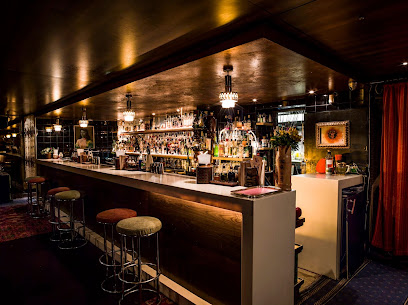
Portobello Star
1.7 km
Gin mastery on Portobello Road: vintage vibes, craft cocktails, and Notting Hill's electric market energy in one cozy retreat.
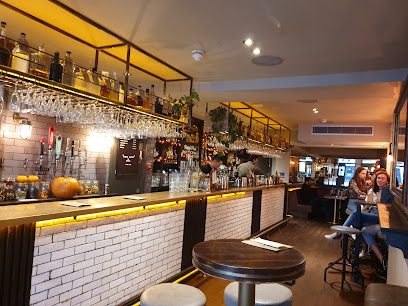
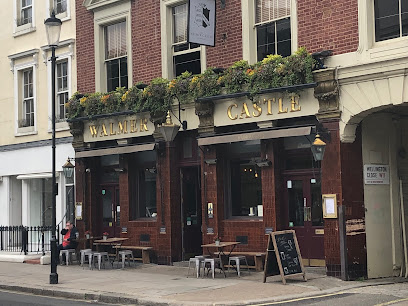
The Walmer Castle
1.9 km
Historic Notting Hill pub revived with cosy fires, seasonal British dishes, and a stellar drinks list – a true neighbourhood gem since 1845.
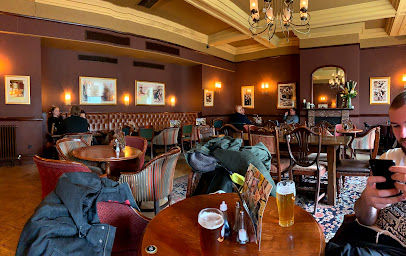
The Earl of Lonsdale
1.9 km
Step into Victorian Notting Hill pub charm at The Earl of Lonsdale, where etched glass, duck-under doors, and Yellow Earl lore create an unmissable Samuel Smith's haven amid Portobello buzz.
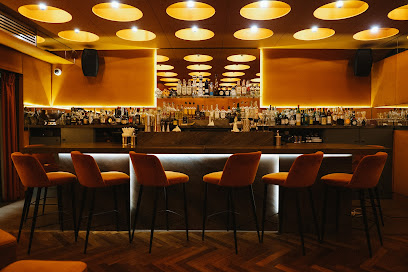
Naked & Famous Bar
1.9 km
A cozy, retro-styled Notting Hill basement bar focused on tequila and mezcal with bold, handcrafted cocktails.
The Sun In Splendour
2.3 km
Historic Notting Hill pub with yellow charm, hearty fare, craft pours, and a secret garden haven on bustling Portobello Road.
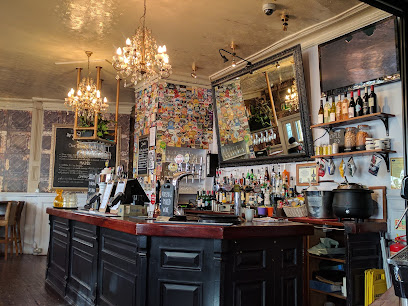
The Henderson Bar & Kitchen
2.5 km
Notting Hill's carnival-inspired bar serving twisted British classics from breakfast to cocktails on a sunny terrace—honoring Russ Henderson's legacy.
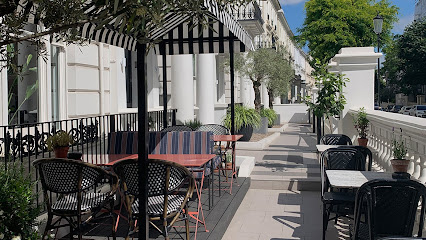
The Churchill Arms, Kensington
2.8 km
London's floral-festooned pub icon: Churchill memorabilia, pioneering Thai eats, and blooming facades since 1750 in vibrant Kensington.
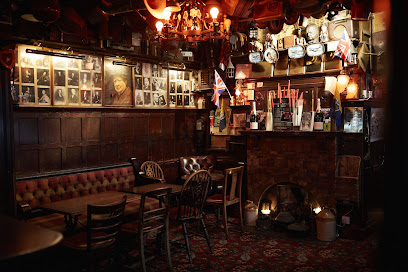
Bobby Fitzpatrick
3.1 km
Step into a vibrant 1970s-themed cocktail bar in West Hampstead, where expertly crafted rum drinks meet retro charm and playful culinary twists.
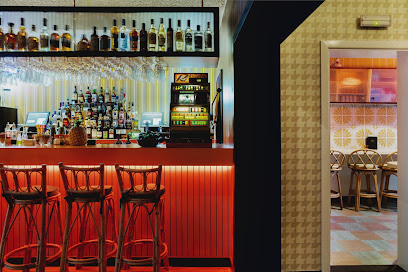
Nightclubs & after hour spots

Subteranian
1.2 km
A compact underground club on Acklam Road delivering dense, DJ-led electronic nights with an intimate, bass-heavy atmosphere.
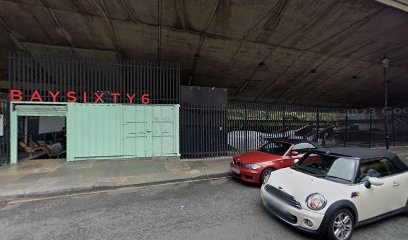
Electric House
1.6 km
Experience the vibrant social scene at Electric House, a chic social club in Notting Hill, London, blending style, comfort, and culinary delights.
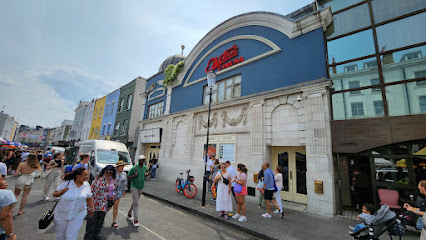
The Duke of Wellington
1.7 km
Historic Young's pub on Portobello Road: Victorian screens, market views, British roasts, and Notting Hill legends in every pint.
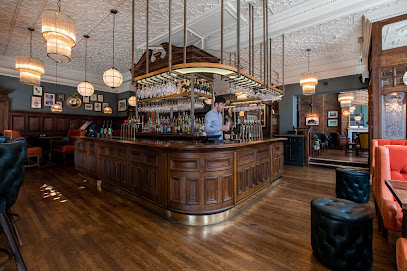
The Globe
1.7 km
Traditional London pub by day, lively late‑night bar and club by night—large, hireable rooms and a warm, characterful interior.
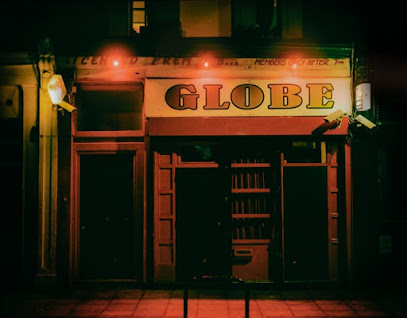
Lost In Disco
2.6 km
An intimate West London disco night celebrating 1970s–80s funk, soul and floor-filling classics with DJs, guest singers and a glittering dancefloor.
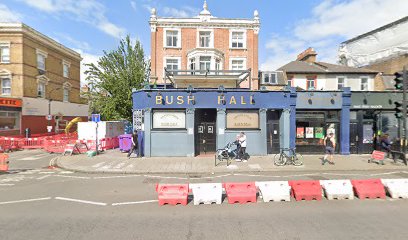
Notting Hill Arts Club
2.6 km
West London's sweaty basement cradle of music legends since '97—coffee by day, live gigs and club nights till 2am in an intimate den of funk, jazz, and raw talent.
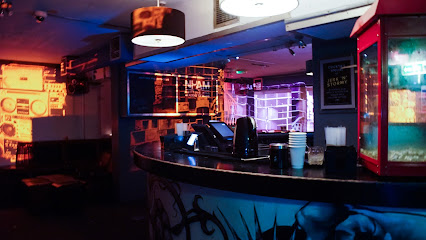
Ricco London
3.1 km
A plush, performance‑led lounge in Kensington Olympia where cocktails, Mediterranean sharers and cabaret create theatrical late‑night nights.
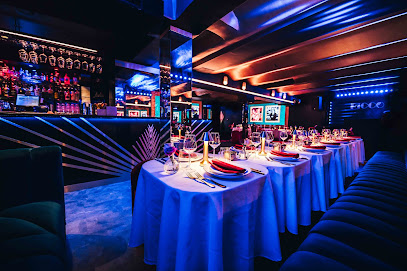
Privilege Entertainment Ltd
3.3 km
Discover the pulsating nightlife at Privilege Entertainment Ltd, London's premier entertainment agency and nightclub, where unforgettable experiences await.

Metric
4.1 km
A compact, collegiate nightclub beneath Imperial College’s Beit Quadrangle — lively student nights, intimate dancefloor and a campus-centred party vibe.
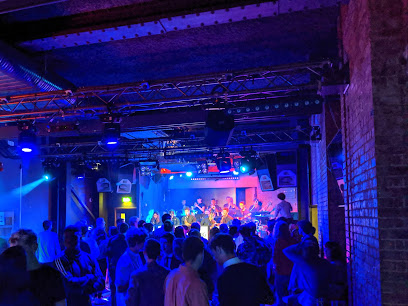
Dolce Night Club , London
4.8 km
Elite VIP nightclub in South Kensington blending luxurious design, R&B beats, and high-end cocktails for unforgettable weekend revelry.
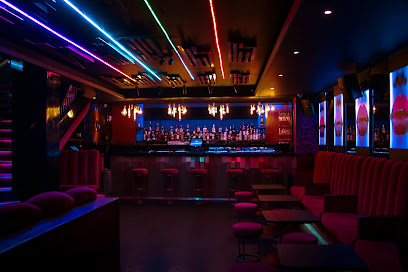
B London
4.8 km
Dive into South Kensington's electric nightlife at B London, where sophisticated beats and stylish crowds fuel unforgettable nights from 9pm till dawn.
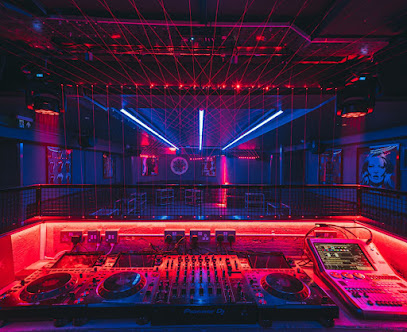
Monster Queen
5.0 km
Dive into Camden's dark heart at Monster Queen: intimate club nights pulsing with goth electronica, historic vibes, and non-stop energy till dawn.

Club Stable
5.0 km
Historic Camden stables turned electrifying nightclub: dance in Victorian horse stalls amid live music, cabaret, and pulsing beats in London's nightlife epicenter.
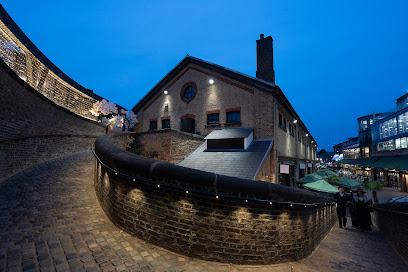
Lockside
5.1 km
Canal views, craft cocktails, and DJ-fueled nights atop Camden Market's vibrant West Yard—a daytime diner turned electric nightlife escape.
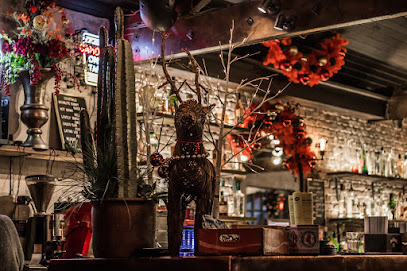
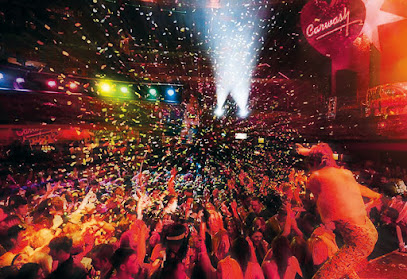
Carwash Nightclub
5.2 km
Europe's longest-running disco since 1989: sequins, funk beats, and joyful dancing in Mayfair's retro heart. Join the glitter-fueled party!
For the vibe & atmosphere seeker
- Tranquil
- Scenic
- Unique
- Relaxing
For the design and aesthetic lover
- Vintage Styles
- Rustic Designs
For the architecture buff
- Historic
- Landmarks
- Sacred Sites
- Parks & Gardens
For the view chaser and sunset hunter
- Iconic Views
- Panoramas
For the social media creator & influencer
- Instagrammable
- Photo Spots
- Architectural Shots
For the eco-conscious traveler
- Protected Area
- Nature Reserve
- Public-Transport Accessible
- Locally Managed
- Wildlife Habitat
For the kind of experience you’re after
- Cultural Heritage
- Nature Escape
- Photowalk
- Myth & Legends
- Day Trip
For how adventurous you want the journey to be
- Easy Access
Location Audience
- Family Friendly
- Senior Friendly
- Child Friendly
- Teen Friendly
- Wheelchair Access
- Pet Friendly
- Solo Friendly
- Couple Friendly


