

Richmond Bridge: London’s Oldest Surviving Thames Crossing
Richmond Bridge, London’s oldest surviving Thames crossing, blends 18th-century Palladian elegance with historic charm and riverside beauty.
Richmond Bridge, completed in 1777, is the oldest surviving bridge spanning the River Thames in London. Designed by architect James Paine in elegant Palladian style and built from Portland stone, it replaced a medieval ferry crossing and has connected Richmond and Twickenham for over two centuries. The bridge was widened in 1937 to accommodate modern traffic while preserving its historic appearance, making it a cherished architectural landmark and cultural icon along the Thames.
A brief summary to Richmond Bridge
- A305, Richmond, TW9 1EW, GB
- Duration: 0.5 to 2 hours
- Free
-
 Outdoor
- Mobile reception: 4 out of 5
Local tips
- Visit during early morning or late afternoon for soft natural light ideal for photography.
- Look beneath the arches to see the subtle brickwork difference from the 1937 widening.
- Combine your visit with a riverside walk along the Thames Path for scenic views.
- Explore nearby Richmond town centre for cafes and shops after admiring the bridge.

For the on-the-go comforts that matter to you
- Seating Areas
- Information Boards
- Restrooms
- Food Options
- Drink Options
Getting There
-
Public Transport
Take the South Western Railway to Richmond station, approximately 15-20 minutes from London Waterloo. From the station, it is a 10-minute walk along the riverside to Richmond Bridge. Train tickets range from £5 to £10 depending on the time and ticket type.
-
Bus
Bus routes 65 and 371 serve Richmond town centre with stops within a 10-minute walk of Richmond Bridge. Buses run frequently throughout the day, with fares around £2-£3 per single journey. Note that buses may be slower during peak hours.
-
Car
Driving to Richmond Bridge is possible but parking near the bridge is limited and often requires payment. Nearby public car parks charge approximately £3-£5 per hour. Traffic congestion can occur during peak times, so plan accordingly.
Richmond Bridge location weather suitability
-
 Any Weather
-
 Clear Skies
-
 Mild Temperatures
Discover more about Richmond Bridge
Architectural Heritage Rooted in 18th-Century Elegance
Richmond Bridge stands as a distinguished example of 18th-century Palladian architecture, designed by James Paine, a leading architect of his era. Constructed primarily from Portland stone, the bridge’s refined arches and balanced proportions reflect classical symmetry and aesthetic principles popularized by Lord Burlington. Its construction began in 1774, with the foundation stone laid by the Hon. Henry Hobart, and it was completed in 1777 to replace the medieval ferry crossing that had long served the area.Engineering Challenges and Historical Context
The bridge’s construction was overseen by a group of Commissioners who funded the project through a tontine share system, where investors received toll revenues until their death. Despite challenges such as flooding during its build, the bridge opened to carriages in January 1777 and was fully completed by December that year. Its opening was celebrated as a significant improvement to local transport and praised for its beauty, with contemporary accounts likening its harmonious integration with the landscape to the works of renowned painters like Claude Lorraine.Adaptation and Preservation Through the 20th Century
By the early 20th century, increasing traffic congestion necessitated the widening of Richmond Bridge. In 1937, the bridge was expanded from approximately 25 feet to 36 feet wide to accommodate modern vehicles. This was achieved by dismantling and rebuilding the upstream side with the original Portland stone facing, preserving the bridge’s historic aesthetic. The subtle contrast between original and newer brickwork is visible only from beneath the arches, demonstrating a careful balance between modernization and heritage conservation.Cultural Significance and Artistic Inspiration
Richmond Bridge has inspired artists and writers for centuries. The famous painter J.M.W. Turner created numerous sketches and a watercolour of the bridge in the 1820s, capturing its scenic beauty and timeless elegance. The bridge remains a symbol of Richmond’s rich heritage and an enduring feature of the Thames’ cultural landscape, celebrated for its architectural grace and historical importance.Modern-Day Importance and Community Connection
Today, Richmond Bridge is a Grade I listed structure and continues to serve as a vital link between Richmond and Twickenham. It is cherished by locals and visitors alike, embodying over two centuries of history while still fulfilling its practical role. The bridge’s bicentenary in 1977 marked a milestone in its legacy, and it remains a prominent landmark that blends historic charm with everyday utility.Experiencing Richmond Bridge Today
Visitors to Richmond Bridge can appreciate not only its architectural beauty but also its picturesque riverside setting. The bridge offers iconic views of the Thames and the surrounding greenery, making it a favorite spot for photographers, artists, and those seeking a tranquil riverside experience. Its timeless design and historical resonance invite reflection on London’s evolving relationship with the Thames and its infrastructure.Iconic landmarks you can’t miss

Richmond Bridge
0.0 km
Richmond Bridge, London's oldest Thames crossing, blends 18th-century Palladian elegance with timeless riverside charm.
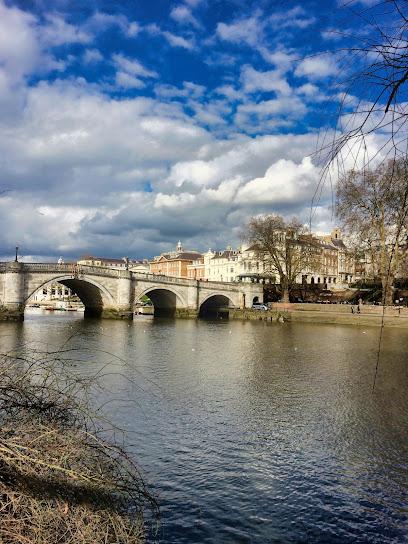
Richmond Hill - Viewing Point
0.8 km
Britain's only parliamentary-protected view, where the Thames winds through timeless meadowland.

Queen Charlotte's Cottage
1.7 km
Discover the charming 18th-century rustic retreat of Queen Charlotte nestled in Kew Gardens' tranquil woodland and royal heritage.
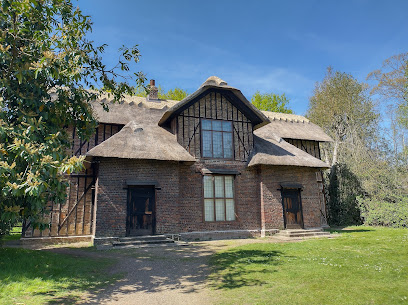
Barmy Arms
1.8 km
Charming riverside pub in Twickenham offering scenic Thames views, classic pub fare, and a relaxed, welcoming atmosphere.
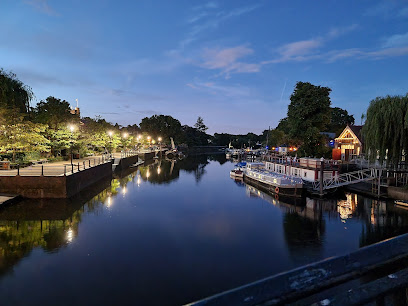
Church Street Twickenham
1.8 km
Discover Twickenham’s charming Church Street, a vibrant hub of independent shops, historic pubs, and community spirit nestled near the town centre.
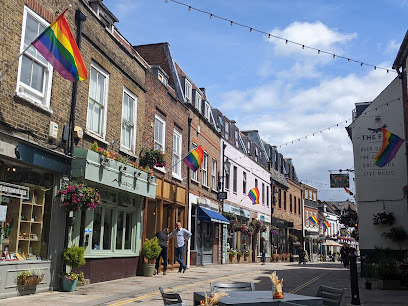
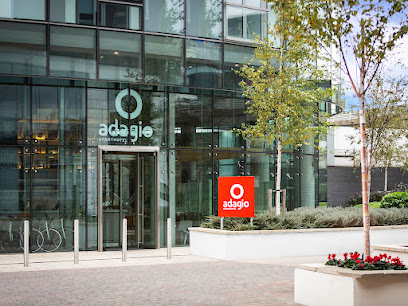
Aparthotel Adagio London Brentford
3.7 km
Modern aparthotel in Brentford offering spacious apartments, fitness facilities, and easy access to Heathrow and central London.
Hammersmith Bridge
6.5 km
Victorian engineering marvel spanning the Thames with a turbulent history of bombs, closures, and remarkable resilience.

Mr Mathias Winkler
6.9 km
Discover exceptional healthcare at Mr. Mathias Winkler's practice in London’s Charing Cross Hospital, where patient care meets expertise.

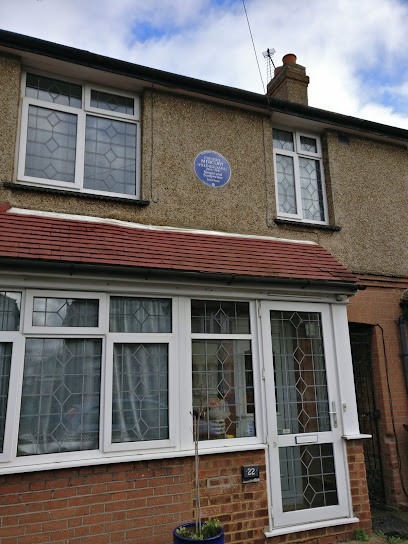
Freddie Mercury Blue Plaque
7.2 km
Discover the modest Feltham home where Freddie Mercury’s legendary musical journey began and his legacy is forever commemorated.
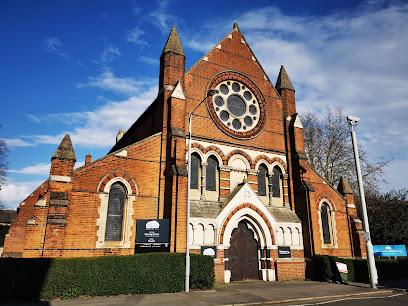
Christ Church, Surbiton Hill
7.6 km
A Victorian Anglican church with stunning stained glass and a peaceful churchyard, Christ Church, Surbiton Hill is a spiritual and historical gem in the heart of Surbiton.
Kempton Steam Museum
7.6 km
Explore the Kempton Steam Museum: A captivating journey into the world of steam technology and industrial heritage in Sunbury-on-Thames.
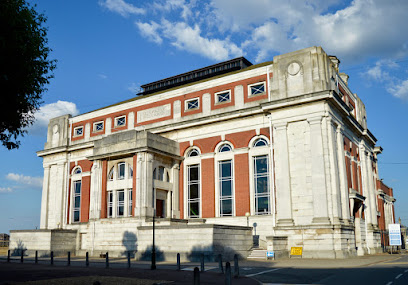
Southall Broadway
7.7 km
Discover Southall Broadway, a vibrant transport hub rich in culture, cuisine, and community that offers a true taste of London's diversity.

Hampton Kempton Waterworks Railway
7.8 km
Discover the historic charm of the Hampton Kempton Waterworks Railway with scenic train rides, picnic spots, and engaging family activities in Feltham.
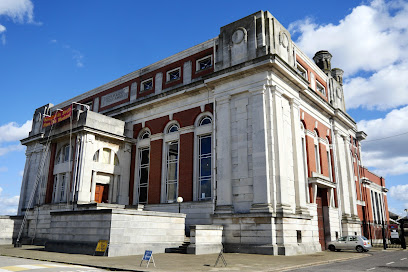
The SkyEx Community Stadium
8.3 km
Discover the electric atmosphere of The SkyEx Community Stadium in Hayes, where sports and community spirit come alive in an unforgettable experience.

Queen Victoria Monument
8.4 km
A majestic tribute to Queen Victoria, blending imperial grandeur with rich symbolism in the heart of London’s royal landscape.

Unmissable attractions to see

Museum of Richmond
0.2 km
Explore Richmond’s rich heritage and royal past in the welcoming Old Town Hall museum with free entry and engaging exhibitions.
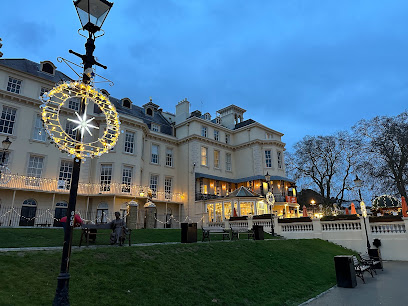
The Poppy Factory
0.3 km
Discover the heart of remembrance and veteran support at The Poppy Factory, Richmond’s historic home of handcrafted poppies and wreaths.
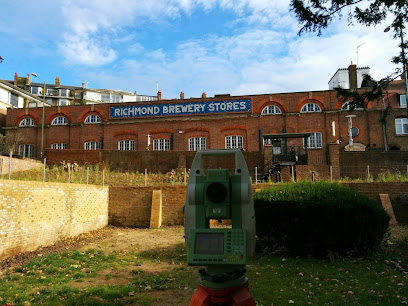
One Paved Court
0.3 km
An intimate artist-run gallery in historic Richmond, showcasing innovative contemporary art in a charming Georgian setting.

Richmond Green
0.5 km
Richmond Green: A historic Tudor and Georgian urban park offering tranquil green space and rich royal heritage in the heart of Richmond-upon-Thames.

Terrace Gardens
0.6 km
A serene formal garden on Richmond Hill offering iconic, protected views over the River Thames and seasonal floral beauty.
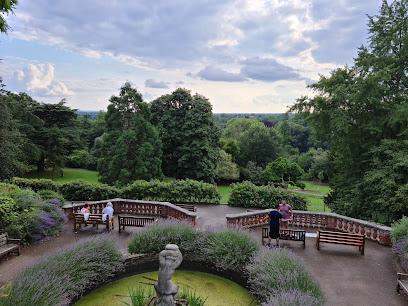
Marble Hill
1.0 km
Discover Marble Hill House, a serene Georgian Palladian villa with exquisite interiors and riverside parkland, embodying 18th-century elegance in Twickenham.
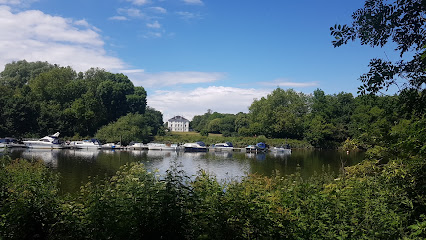
Orleans House Gallery
1.4 km
Discover historic elegance and contemporary creativity at Orleans House Gallery, a free riverside art sanctuary in Twickenham.
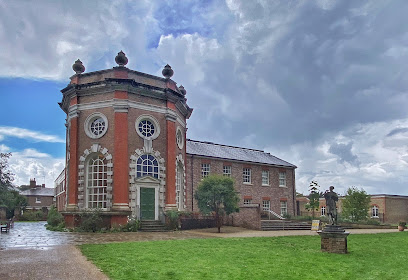
Ham House and Garden
1.6 km
Experience one of England’s finest 17th-century Stuart houses and gardens, steeped in history and set on the scenic Thames in Richmond.
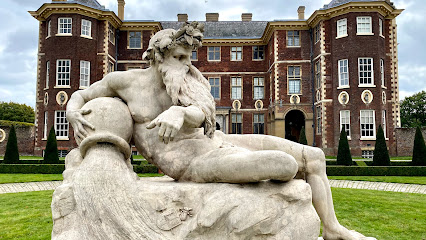
Eel Pie Island Museum
1.6 km
Discover the vibrant musical and artistic heritage of Eel Pie Island at this intimate museum in Twickenham, celebrating a legendary Thames isle’s unique story.
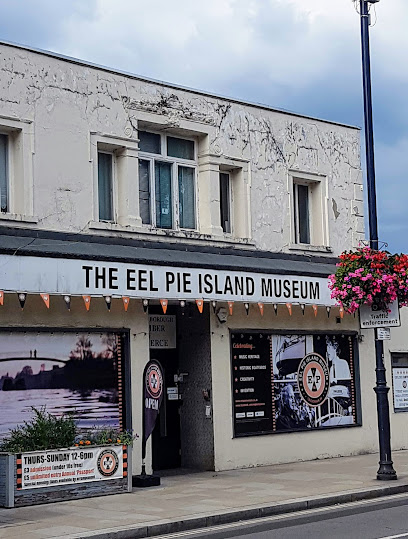
The Twickenham Museum
1.8 km
Discover Twickenham’s rich heritage in a charming Georgian museum on the Thames, showcasing centuries of local history through engaging exhibits and archives.
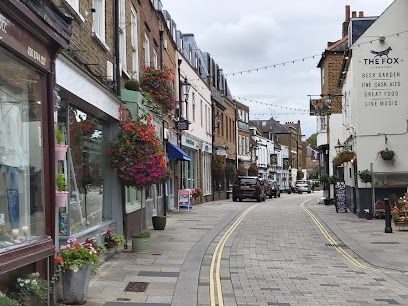
Eel Pie Island
1.9 km
Discover Eel Pie Island, a small Thames island with a rich history, legendary 1960s music scene, and a vibrant community of artists and boatbuilders.
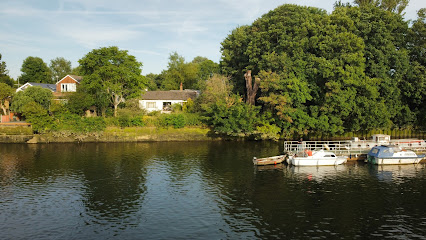
Marianne North Gallery
2.1 km
Explore over 800 vibrant botanical paintings by pioneering Victorian artist Marianne North in a unique gallery at Kew Gardens.
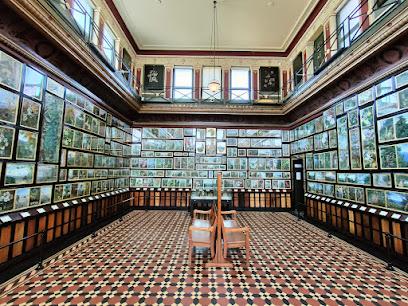
Syon House
2.2 km
Discover the rich Tudor history, Robert Adam’s neoclassical interiors, and Capability Brown’s sweeping landscapes at Syon House in Brentford.
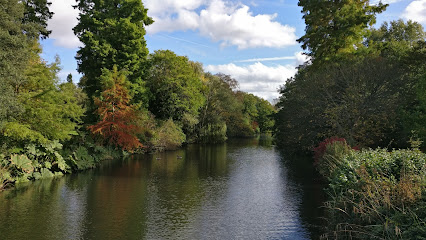
Syon Park
2.3 km
Explore centuries of history, stunning gardens, and the iconic Great Conservatory at Syon Park, the London home of the Duke of Northumberland.
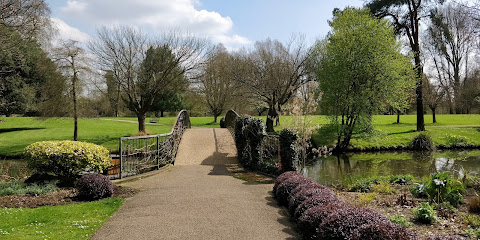
World Rugby Museum & Allianz Stadium Tours
2.4 km
Discover rugby’s legacy and stadium secrets at the world’s largest rugby union venue in Twickenham.

Essential places to dine

A Cena
0.2 km
Refined Southern Italian dining with generous portions, warm ambience, and a curated cocktail bar in the heart of East Twickenham.
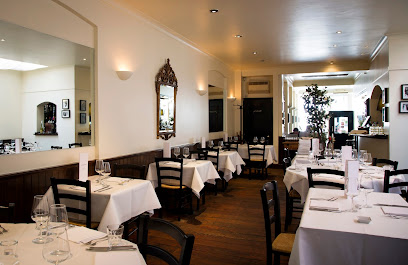
The Petersham Restaurant
0.9 km
Elegant British fine dining with stunning Thames views in Richmond’s historic mid-Victorian setting.
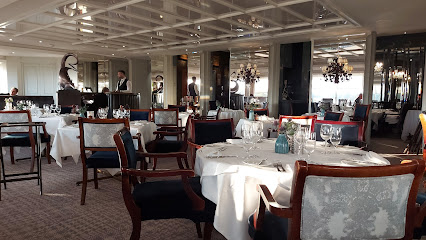
La Rosetta Restaurant
2.9 km
Experience authentic Italian flavors and warm family hospitality at La Rosetta, a beloved Brentford dining destination.
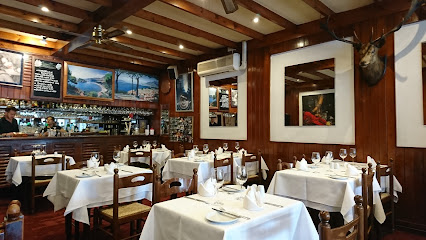
Man vs Food
3.3 km
Bold American flavours and massive portions meet lively challenges in Isleworth’s vibrant Man Vs Food diner.
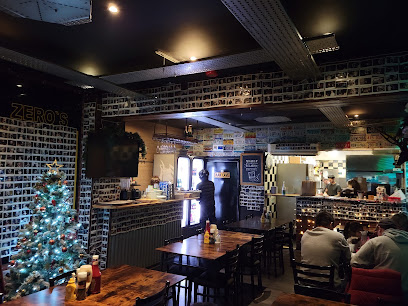
Brouge Gastropub
3.8 km
Experience authentic Belgian beers and hearty British-Belgian cuisine in the welcoming heart of Twickenham’s Fulwell neighbourhood.
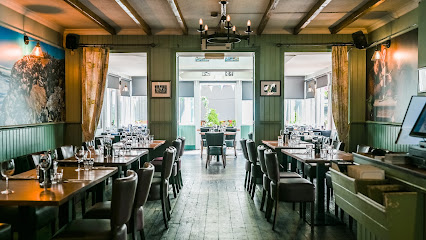
Le Taj
7.5 km
Experience authentic and innovative Indian cuisine with warm hospitality in the heart of Feltham at Le Taj.
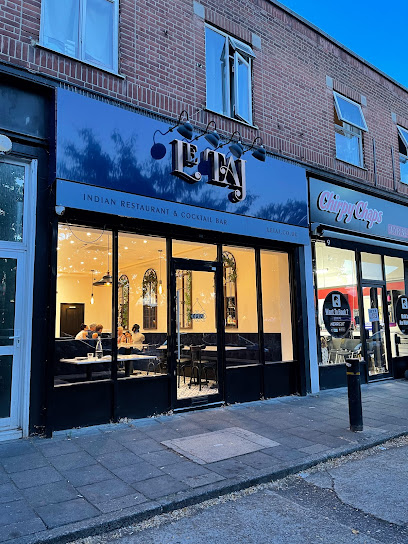
Humble Thali
7.7 km
Experience authentic Indian thali dining with fresh, vibrant flavors and warm service in the heart of Feltham.
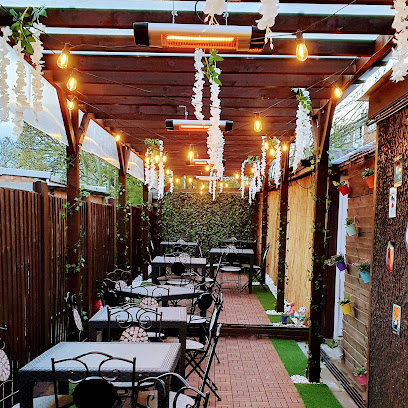
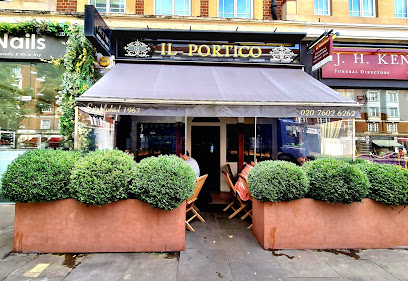
Il Portico
8.7 km
Authentic Northern Italian dining with family warmth and timeless charm in the heart of Kensington.
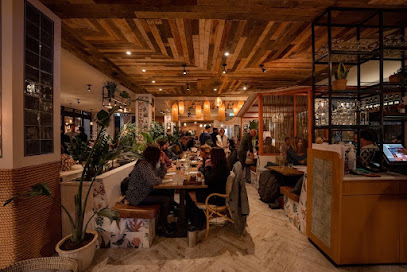
Ollie's House Restaurant (Chelsea)
9.1 km
A vibrant Pan-Asian fusion restaurant in Chelsea serving fresh, bold flavours in a bright, tropical-inspired setting with creative cocktails.
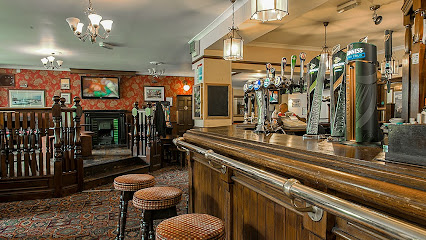
The Bell On The Green - Pub, Bar and Indian Restaurant
9.2 km
A vibrant Feltham pub blending classic British charm with authentic Indian flavors and a welcoming beer garden.
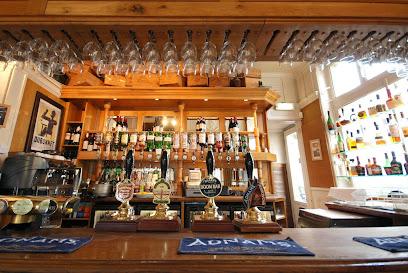
The Ladbroke Arms
9.2 km
A charming gastropub in Notting Hill offering refined British cuisine, standout Sunday roasts, and a welcoming garden terrace.
The Ivy Kensington Brasserie
9.3 km
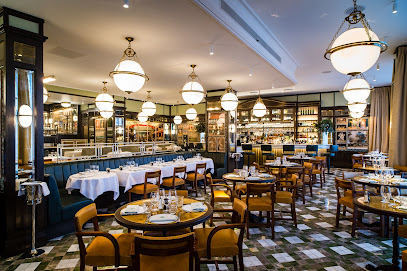
Classic British brasserie charm meets lively Kensington atmosphere in this elegant all-day dining hotspot on High Street.
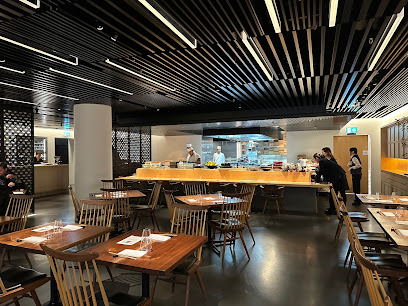
Akira Restaurant at Japan House London
9.4 km
Experience authentic Japanese elegance and exquisite omakase dining in the heart of Kensington at Akira Restaurant, Japan House London.
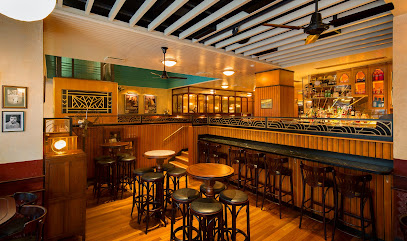
Dishoom Kensington
9.4 km
Experience the vibrant flavours and Art Deco charm of Bombay’s iconic Irani cafés at Dishoom Kensington, London’s stylish Indian dining destination.
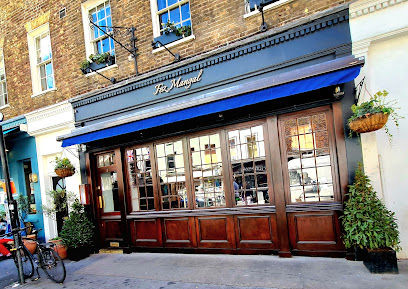
Fez Mangal Ladbroke Grove
9.4 km
Experience authentic Turkish barbecue and vibrant atmosphere at Fez Mangal Ladbroke Grove, a beloved London institution for kebab lovers.
Markets, malls and hidden boutiques

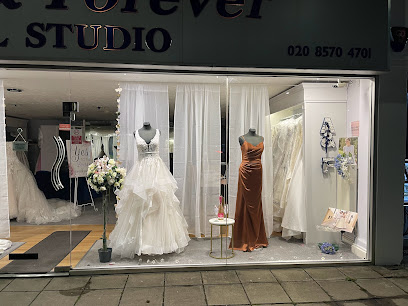
Always & Forever - Wedding Dresses London
3.9 km
Premier family-run bridal boutique in Hounslow offering over 700 gowns and personalized, pressure-free service for your perfect wedding dress.
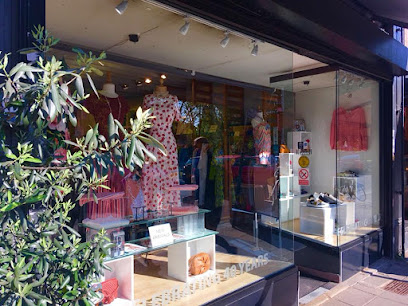
Stuff
6.0 km
Discover stylish women's fashion in a charming West London boutique with a personal touch and curated collections.
The London Heritage
8.0 km
A boutique heritage hotel in Canary Wharf blending historic elegance with modern luxury and wellness amenities.
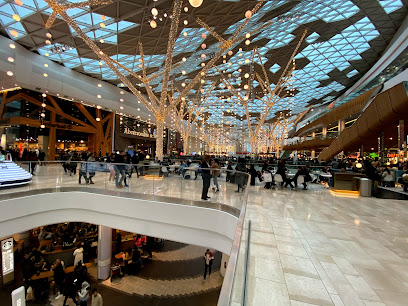
Westfield London
8.1 km
Explore Westfield London: A premier shopping center featuring top brands, diverse dining, and entertainment options in the heart of the city.
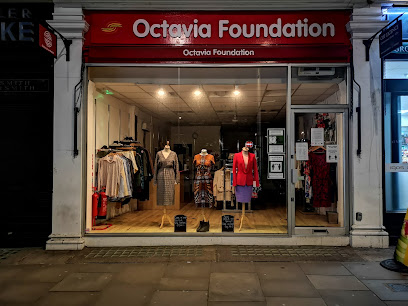
Octavia Foundation - Kensington
8.7 km
Discover designer bargains and vintage treasures at this Kensington High Street charity shop, funding life-changing support for local communities in true Octavia Hill spirit.
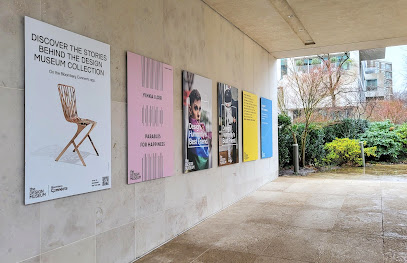
the Design Museum Shop - High Street Shop
8.7 km
Curated design haven on Kensington High Street: books, homewares, and innovative gifts celebrating creativity from the Design Museum.
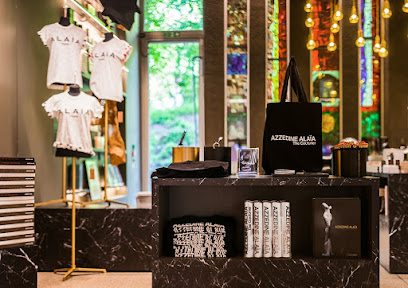
the Design Museum Shop
8.8 km
Curated gifts, books and design objects from the Design Museum’s High Street, Atrium and Exhibition shops—where form, craft and everyday use meet.
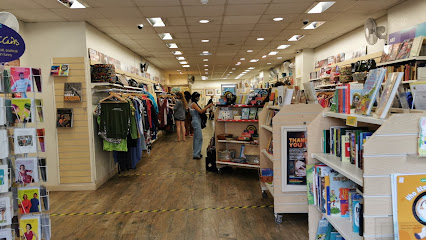
Oxfam Shop - Kensington High Street
8.9 km
Unearth ethical treasures on Kensington High Street at this vibrant Oxfam shop, where second-hand style funds global change amid London's posh shopping scene.
Kensington High St
9.4 km
Discover London’s vibrant shopping heart, where high-end boutiques meet local charm and royal parks.
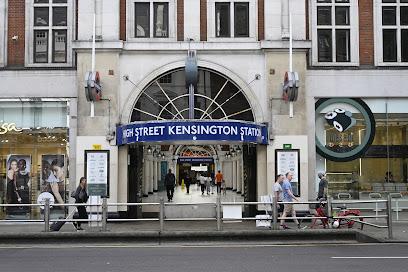
Jigsaw
9.4 km
Refined British womenswear on Kensington High Street, where timeless tailoring meets contemporary elegance in a stylish boutique haven.
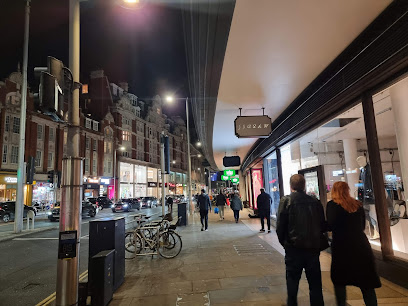
Paul Smith - Notting Hill
9.5 km
Classic British tailoring meets playful innovation at Paul Smith's elegant Notting Hill flagship in historic Westbourne House.
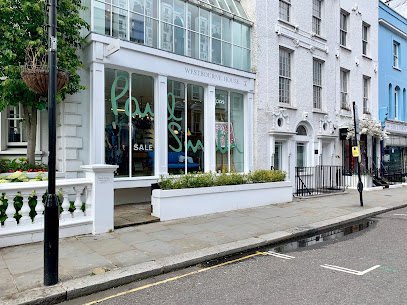
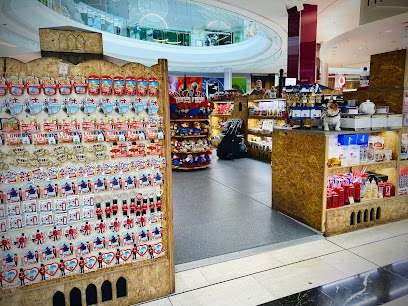
London Souvenir Kensington
9.5 km
Kensington High Street's go-to for authentic London souvenirs: red buses, royal trinkets, and Union Jack delights in a shopper's paradise.
Good
9.5 km
Discover timeless designer vintage at Good, where Kensington Church Street's charm meets sustainable high fashion in a curated second-hand paradise.

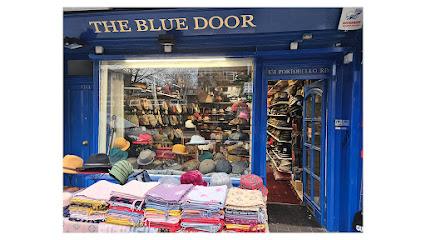
The Blue Door
9.5 km
Discover stylish clothing and unique hats at The Blue Door, a charming boutique nestled in the lively heart of Notting Hill’s Portobello Road.
Notting hill store
9.6 km
Explore Notting Hill's local convenience store, your one-stop shop for groceries, unique souvenirs, and reliable luggage storage.
Essential bars & hidden hideouts

London Apprentice
1.8 km
Historic Georgian riverside pub in Isleworth offering classic ales, scenic Thames views, and lively community events.
The Sussex Arms
3.1 km
A lively gastropub in Twickenham offering craft ales, hearty British dishes, and a welcoming beer garden for all seasons.
The M Bar
5.4 km
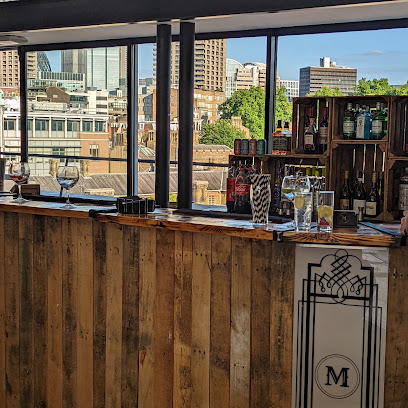
Experience the best of mobile catering and cocktails at The M Bar, a must-visit destination for food lovers and event planners in New Malden.
Star & Scorpion
6.1 km
A lively gastropub in West Ealing serving American-inspired dishes, craft cocktails, and featuring private heated cabins with Sky Sports.
The Queen's Head, Cranford
7.5 km
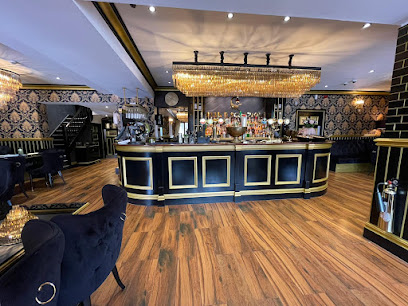
Historic 400-year-old pub in Cranford blending traditional charm with modern gastropub dining and lively entertainment near Heathrow.
The Curtains Up
7.6 km
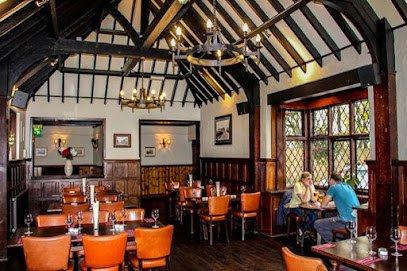
A cozy West Kensington pub blending hearty British fare, lively theatre, and warm local charm for a memorable experience.

Green Man
7.7 km
Historic British pub near Heathrow with traditional charm, lively events, dog-friendly spaces, and unique plane-spotting views.
Evans & Peel Detective Agency
8.8 km
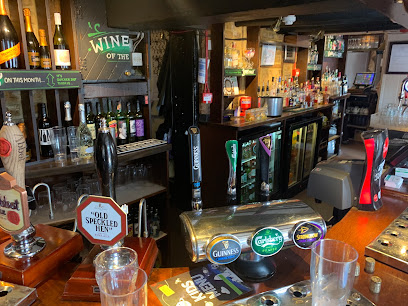
Step into a secret 1920s detective office for immersive cocktails, live jazz, and a playful mystery-solving speakeasy experience in London’s Earl’s Court.
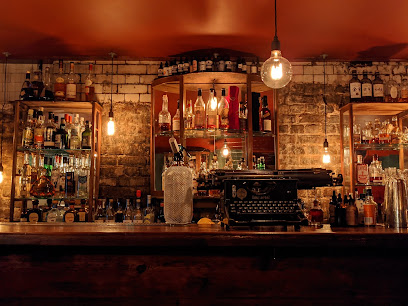
The Elgin
9.4 km
Opulent Notting Hill gastropub with historic charm, seasonal British dishes, gin haven, beer garden buzz, and versatile private event spaces.
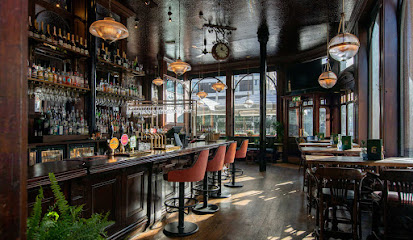
The Owl and Monkey Cocktail Bar
9.4 km
A stylish South Kensington cocktail bar blending tropical design, sustainable mixology, and warm hospitality for memorable nights.
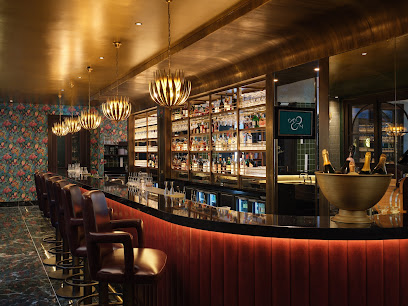
The Builders Arms
9.5 km
A classic Kensington pub with cosy period character, modern British comfort food and a lively, neighbourhood atmosphere.
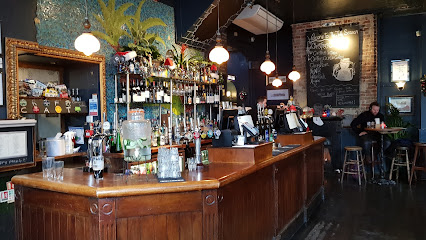
Prince of Wales
9.5 km
A cosy Kensington pub of warm wood, classic pints and a surprising Thai menu tucked behind a Victorian façade.
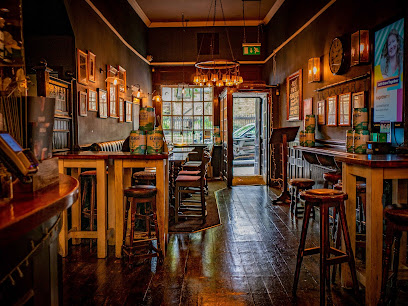
High Spirit Cocktail Bar
9.5 km
A friendly, compact cocktail bar on Kensington High Street serving well-made classics and creative seasonal drinks in a warm, music-led setting.
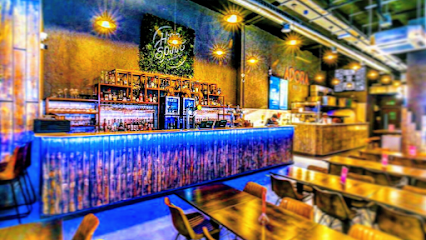
The Churchill Arms, Kensington
9.5 km
London's floral-festooned pub icon: Churchill memorabilia, pioneering Thai eats, and blooming facades since 1750 in vibrant Kensington.
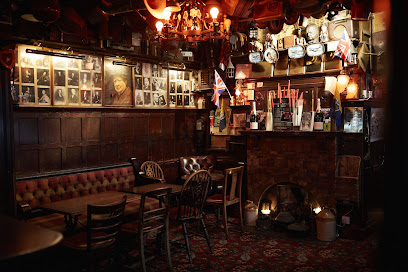
The Week
9.5 km
Cozy Notting Hill bar on Elgin Crescent, blending craft cocktails and warm vibes in West London's chicest corner. Ideal for intimate evenings amid Victorian charm.
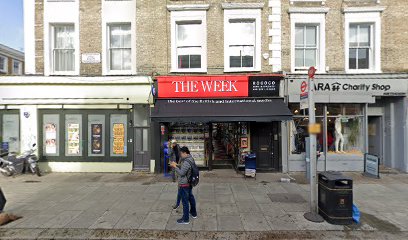
Nightclubs & after hour spots

Le Fez
6.3 km
Experience Putney’s premier Moroccan-inspired nightclub with lush lounges, vibrant dancefloors, and unforgettable late-night entertainment.
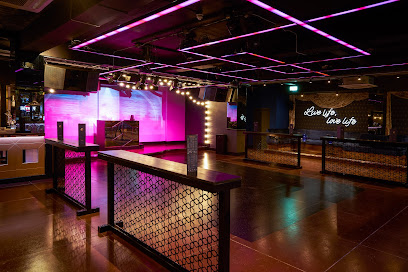
Lost In Disco
7.5 km
An intimate West London disco night celebrating 1970s–80s funk, soul and floor-filling classics with DJs, guest singers and a glittering dancefloor.
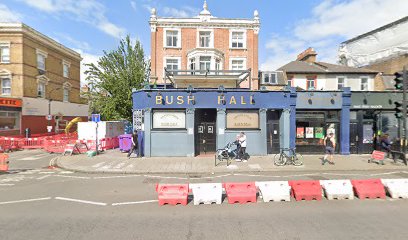
Ricco London
8.2 km
A plush, performance‑led lounge in Kensington Olympia where cocktails, Mediterranean sharers and cabaret create theatrical late‑night nights.
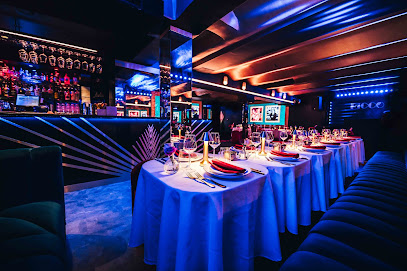
The Clapham Grand
9.6 km
Experience the vibrant nightlife of London at The Clapham Grand, a premier events venue offering live music, comedy, and unforgettable parties.
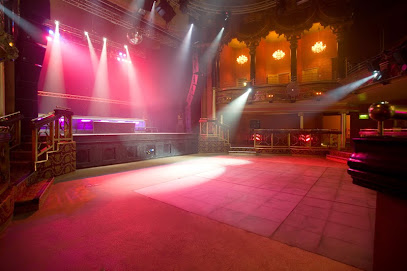
The Duke of Wellington
9.6 km
Historic Young's pub on Portobello Road: Victorian screens, market views, British roasts, and Notting Hill legends in every pint.
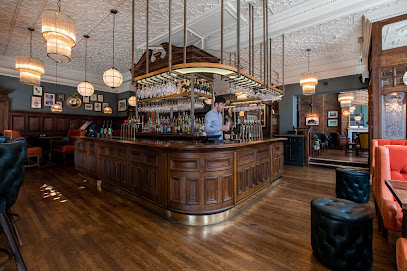
Electric House
9.6 km
Experience the vibrant social scene at Electric House, a chic social club in Notting Hill, London, blending style, comfort, and culinary delights.
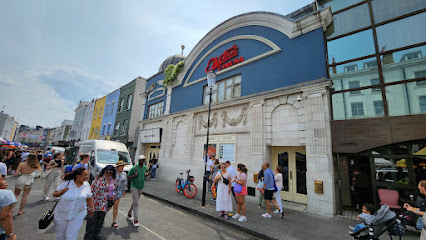
Notting Hill Arts Club
9.7 km
West London's sweaty basement cradle of music legends since '97—coffee by day, live gigs and club nights till 2am in an intimate den of funk, jazz, and raw talent.
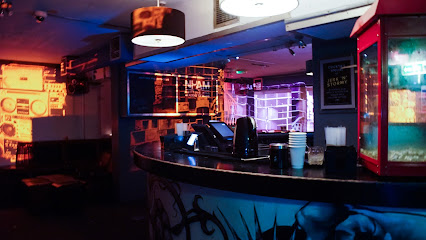
B London
9.7 km
Dive into South Kensington's electric nightlife at B London, where sophisticated beats and stylish crowds fuel unforgettable nights from 9pm till dawn.
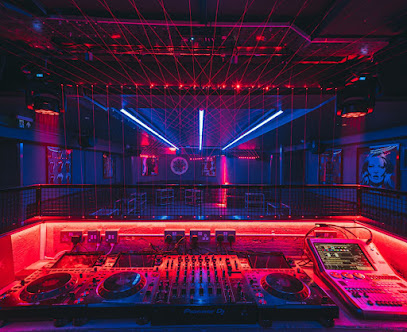
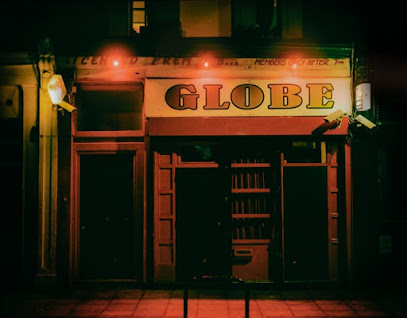
The Globe
9.9 km
Traditional London pub by day, lively late‑night bar and club by night—large, hireable rooms and a warm, characterful interior.
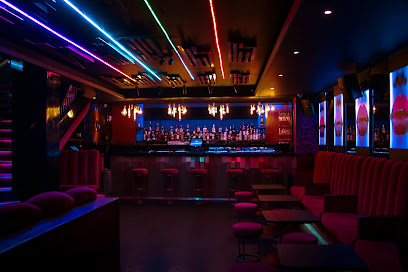
Dolce Night Club , London
10.0 km
Elite VIP nightclub in South Kensington blending luxurious design, R&B beats, and high-end cocktails for unforgettable weekend revelry.
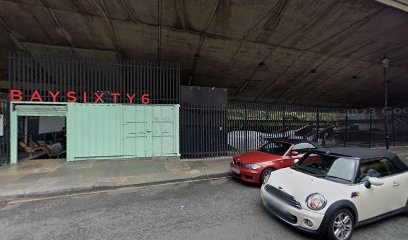
Subteranian
10.0 km
A compact underground club on Acklam Road delivering dense, DJ-led electronic nights with an intimate, bass-heavy atmosphere.
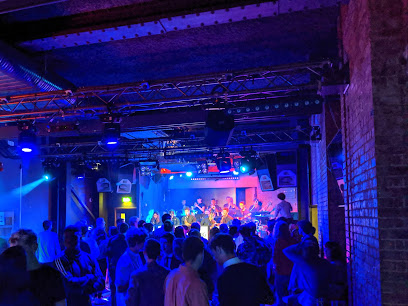
Metric
10.1 km
A compact, collegiate nightclub beneath Imperial College’s Beit Quadrangle — lively student nights, intimate dancefloor and a campus-centred party vibe.
Privilege Entertainment Ltd
10.9 km
Discover the pulsating nightlife at Privilege Entertainment Ltd, London's premier entertainment agency and nightclub, where unforgettable experiences await.

Infernos Nightclub
11.9 km
Clapham’s legendary two-floor nightclub where wild nights, iconic music, and unforgettable parties come alive until dawn.
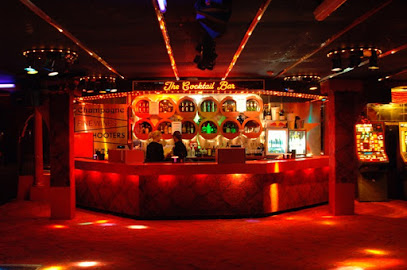
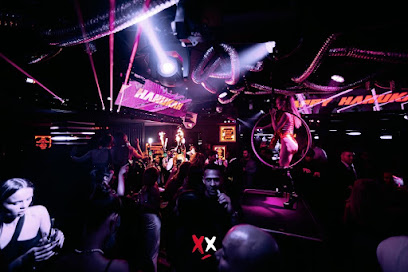
LUXX CLUB LONDON
12.7 km
Experience Mayfair’s premier luxury nightclub with dazzling lights, top DJs, and exclusive VIP vibes at LUXX CLUB LONDON.
For the vibe & atmosphere seeker
- Scenic
- Tranquil
- Romantic
- Historic
For the design and aesthetic lover
- Vintage Styles
For the architecture buff
- Historic
- Landmarks
For the view chaser and sunset hunter
- Iconic Views
- Waterfront
- Sunset Spots
For the social media creator & influencer
- Instagrammable
- Photo Spots
- Selfie Spots
For the eco-conscious traveler
- Public-Transport Accessible
- Low Impact
For the kind of experience you’re after
- Cultural Heritage
- Photowalk
- Nature Escape
- Day Trip
For how adventurous you want the journey to be
- Easy Access
Location Audience
- Family Friendly
- Senior Friendly
- Child Friendly
- Couple Friendly
- Solo Friendly
- Vegetarian Friendly
- Vegan Friendly
- Pet Friendly


