
Upper Wimpole Street
London's prestigious medical district where Georgian elegance meets contemporary healthcare excellence.
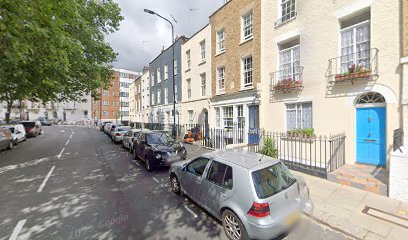
Upper Wimpole Street is a prestigious Georgian thoroughfare in Marylebone, central London, renowned as the heart of the city's medical district. This elegant street features distinctive period architecture and has attracted notable residents throughout its history, from composers to literary figures. Today it remains a hub for private medical practices and professional services, offering a blend of historical significance and contemporary importance within Westminster's most distinguished neighborhoods.
A brief summary to Upper Wimpole St
- London, GB
- Duration: 0.5 to 2 hours
- Free
-
 Outdoor
- Mobile reception: 5 out of 5
Local tips
- Bond Street Underground Station is the nearest Tube station, approximately 8 minutes' walk away. The street is also within walking distance of several other central London stations, making it easily accessible by public transport.
- Pay-by-phone parking is available directly outside buildings on the street, offering convenient parking for those arriving by car in this central London location.
- The street is best appreciated on foot, allowing you to observe the architectural details of the Georgian and Edwardian buildings and absorb the professional atmosphere that defines this medical district.
- Visit during weekday business hours to experience the street at its most vibrant, when medical professionals and patients move through the area and the consulting rooms are active.
- Look for the green heritage plaques marking notable residents and historical events, which tell the story of the street's cultural and professional significance.

For the on-the-go comforts that matter to you
- Restrooms
- Drink Options
- Food Options
- Seating Areas
- Information Boards
Getting There
-
Underground (Tube)
Bond Street Station on the Central, Elizabeth, and Jubilee lines is the nearest Tube station, approximately 8 minutes' walk from Upper Wimpole Street. From Bond Street, exit onto Oxford Street and navigate toward Marylebone. Journey times from central London terminals range from 15–25 minutes depending on your starting point. Fares are covered by standard London Transport zones 1–2 daily caps (approximately £1.75–£2.80 off-peak, £2.80–£3.40 peak).
-
Bus
Multiple bus routes serve the Marylebone area surrounding Upper Wimpole Street. Routes 2, 13, 30, 74, and 82 provide connections to nearby stops within 5–10 minutes' walk of the street. Journey times from central London vary from 20–40 minutes depending on traffic and route. Single fares are £1.75 (contactless payment) or covered by daily caps.
-
Private Car or Taxi
Upper Wimpole Street is accessible by private vehicle or licensed taxi from any London location. Pay-by-phone parking is available directly outside buildings on the street. Journey times from central London (e.g., Piccadilly Circus, King's Cross) typically range from 15–30 minutes depending on traffic conditions. Taxi fares from central London average £12–£25 depending on exact origin and time of day.
-
Walking
From Oxford Street or Regent Street, Upper Wimpole Street is accessible via a pleasant 10–15 minute walk through Marylebone's residential streets. The route is relatively flat with good pavement conditions and clear street signage. This approach allows you to experience the neighborhood's character and discover nearby shops, cafes, and galleries.
Upper Wimpole St location weather suitability
-
 Any Weather
Discover more about Upper Wimpole St
A Street Steeped in Medical Heritage
Upper Wimpole Street stands as the epicenter of London's Medical District, a designation it has held for generations. The street's association with private medical practice and medical associations runs deep, with numerous clinics, consulting rooms, and professional medical offices lining its pavements. This concentration of healthcare expertise has made it one of Europe's most significant addresses for specialist medical consultation and treatment, attracting patients and practitioners from across the globe.Georgian Elegance and Architectural Character
The street's built environment reflects the refined tastes of 18th and 19th-century London. Georgian and Edwardian architecture defines the streetscape, with period townhouses and purpose-built professional buildings showcasing the craftsmanship of their era. Notable examples include No. 1 Wimpole Street, an Edwardian baroque masterpiece completed in 1912 by architects John Belcher and J. J. Joass, which serves as the home of the Royal Society of Medicine. The headquarters of the British Dental Association also occupies a prominent position on the street, further cementing its role as a center for medical excellence.Literary and Cultural Connections
Upper Wimpole Street has long captured the imagination of writers and artists. Arthur Conan Doyle, creator of Sherlock Holmes, worked and wrote at 2 Upper Wimpole Street in 1891, a connection commemorated by a green heritage plaque. The street gained further literary prominence through George Bernard Shaw's play Pygmalion and its musical adaptation My Fair Lady, where 27a Wimpole Street is referenced as the residence of the character Henry Higgins. These cultural associations have woven the street into the fabric of London's artistic legacy.Musical Heritage and Notable Residents
The street's residential history includes remarkable musical figures. In 1871, the first complete English performance of Brahms' Ein deutsches Requiem took place at 35 Wimpole Street, the home of composer and pianist Kate Loder. During the 1960s and 1970s, composer and BBC producer Ivor Walsworth lived at No. 59 with his wife, concert pianist Joan Davies. Perhaps most famously, Paul McCartney resided at 57 Wimpole Street from 1964 to 1966 at the home of the Asher family, where he and John Lennon composed "I Want to Hold Your Hand" in the front basement room, and where McCartney wrote the melody to "Yesterday."Historical Origins and Evolution
The street's name derives from the Wimpole Estate in Cambridgeshire, which in the 18th century was the seat of the Harley family, the developers of this London thoroughfare. The street was developed as part of the broader expansion of Marylebone, reflecting the ambitions of London's Georgian planners to create neighborhoods of distinction and refinement. Over two centuries, it has evolved from a fashionable residential address to a specialized professional district while maintaining its architectural integrity and prestige.Contemporary Significance and Accessibility
Today, Upper Wimpole Street remains a vital destination for those seeking specialist medical consultation and professional services. Its location in Marylebone places it within easy reach of major transport links, with Bond Street Underground Station just an 8-minute walk away. The street benefits from convenient parking arrangements and proximity to numerous other Underground stations, making it accessible to visitors and patients from across London and beyond. The area continues to embody the qualities that have defined it for centuries: professionalism, discretion, and excellence.Iconic landmarks you can’t miss

Former EMI House (Beatles album cover photo)
0.5 km
Where The Beatles' iconic Please Please Me album cover was photographed in 1963.
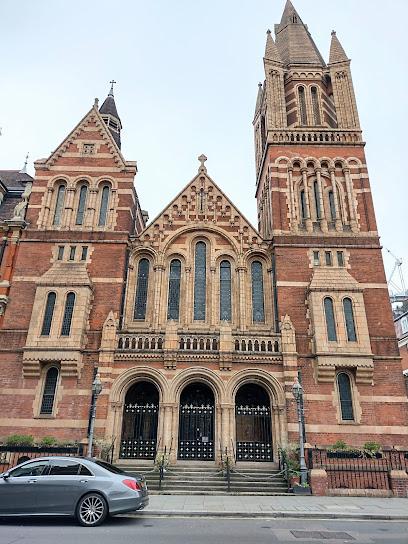
Ukrainian Catholic Cathedral
0.8 km
A historic London landmark blending Alfred Waterhouse’s architecture with vibrant Ukrainian Catholic tradition in the heart of Mayfair.
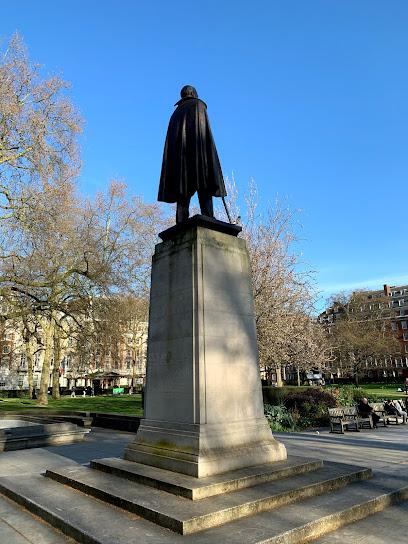
Roosevelt Memorial
1.0 km
A dignified tribute to Franklin D. Roosevelt in the historic heart of London’s Grosvenor Square, symbolizing enduring Anglo-American friendship.
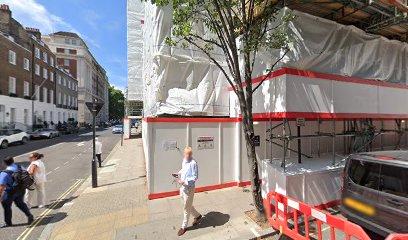
38 Grosvenor Sq
1.2 km
Historic mid-19th-century Italianate residence in London’s prestigious Grosvenor Square, a symbol of aristocratic and diplomatic heritage.
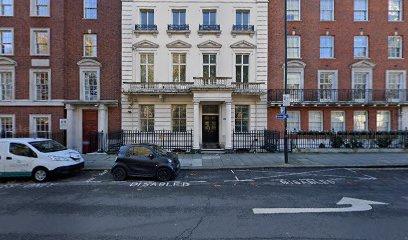
Spirit of Soho Mural
1.2 km
Discover the Spirit of Soho Mural, a captivating tribute to London's vibrant culture and artistic heritage in the heart of Soho.
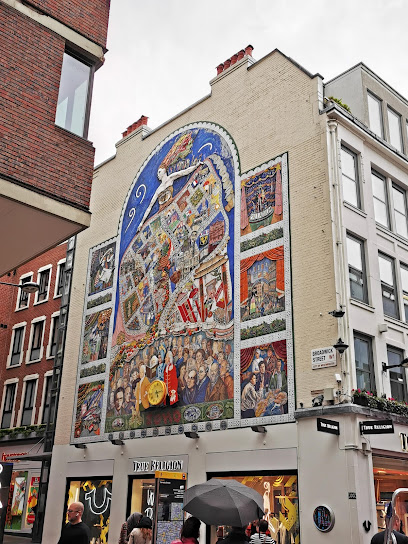
Soho
1.2 km
London's pulsating heart of nightlife, cuisine, and cultural reinvention where bohemian heritage meets contemporary glamour.
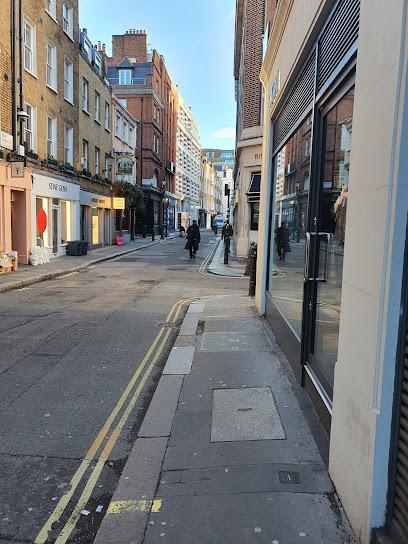
Savile Row
1.2 km
Explore the elegance of Savile Row, London's renowned street for bespoke tailoring and luxury fashion, where craftsmanship meets tradition.
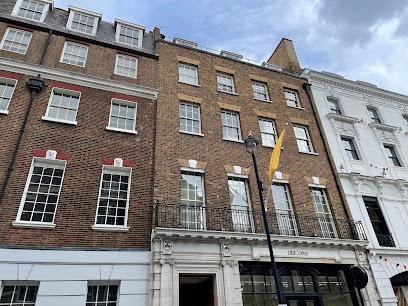
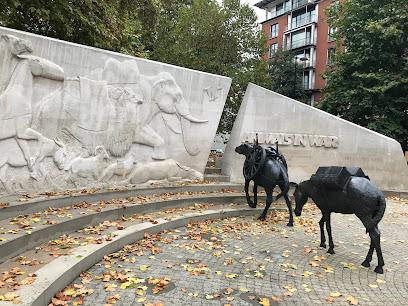
Animals In War Memorial
1.2 km
A poignant tribute in central London to the animals that served and died in wars alongside British and Allied forces, from horses and mules to dogs and pigeons.
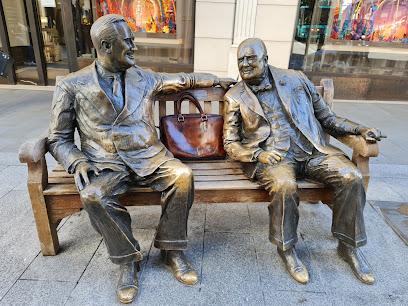
Allies (Churchill & Roosevelt)
1.2 km
A life-size bronze sculpture on New Bond Street celebrating Churchill and Roosevelt’s historic wartime alliance and enduring friendship.
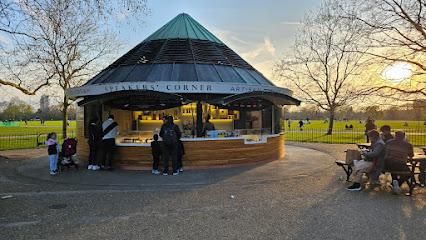
Speakers' Corner
1.3 km
Historic Speakers' Corner in Hyde Park: London's iconic open-air forum for free speech and public debate since the 19th century.
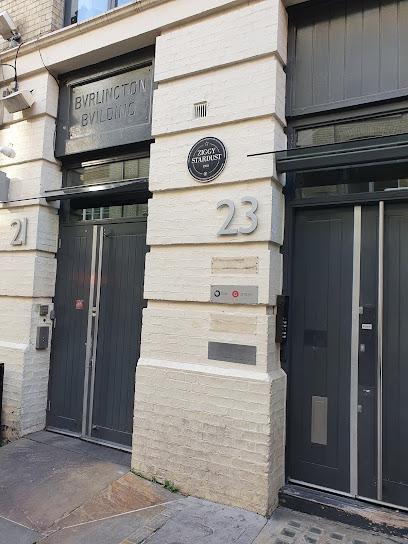
Ziggy Stardust album cover
1.3 km
Step into the legendary London street where David Bowie’s Ziggy Stardust persona was born on an iconic 1972 album cover.
Golden Square
1.3 km
Discover the tranquility of Golden Square, a charming park in the heart of London, perfect for relaxation, picnics, and cultural experiences.
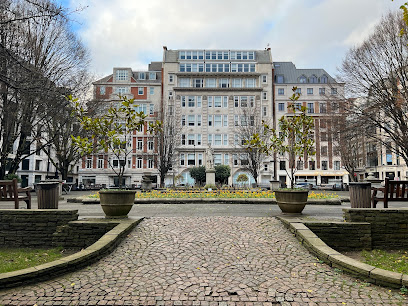
3 Savile Row
1.3 km
Historic Georgian townhouse in London, famed as The Beatles’ Apple Corps HQ and site of their legendary 1969 rooftop concert.
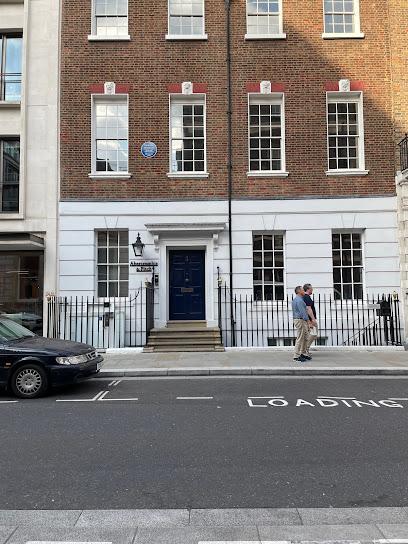
#O hello sunshine Public Art Sculpture
1.3 km
Discover the vibrant O Hello Sunshine sculpture in London, a historical landmark that embodies creativity and community spirit amidst the city's artistic landscape.
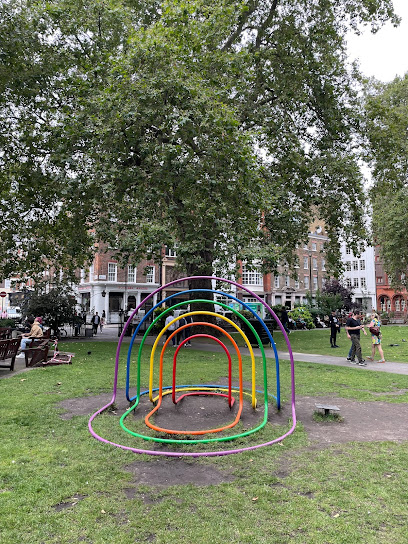
Soho Square
1.3 km
Historic Georgian square where aristocrats, scientists, and artists shaped London's cultural legacy
Unmissable attractions to see

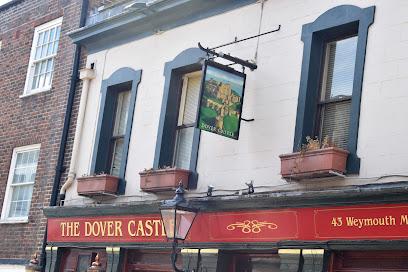
The Dover Castle
0.2 km
Discover The Dover Castle, a historic London mews pub famed for its cozy wood-paneled interiors and legendary rock heritage.
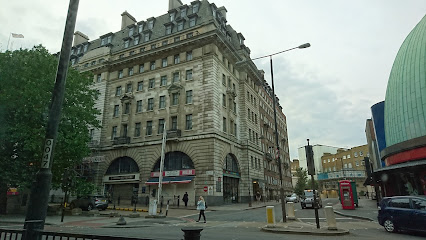
University of Westminster Marylebone Hall
0.4 km
Modern student living in central London, opposite Madame Tussaud’s and close to Regent’s Park and the vibrant West End.
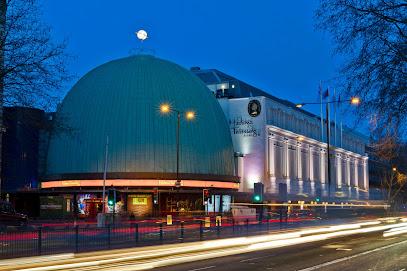
Madame Tussauds London
0.4 km
Step into the world of fame and history with over 150 lifelike celebrity figures and immersive experiences at Madame Tussauds London.
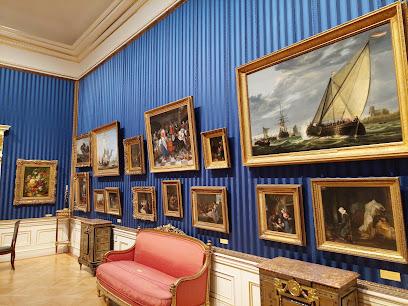
The Wallace Collection
0.5 km
Discover timeless masterpieces and aristocratic elegance in the heart of London at the Wallace Collection, a free museum of art and history.
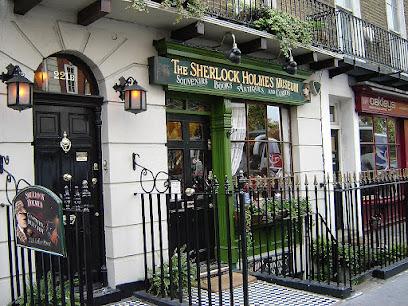
Baker St
0.5 km
Step into Victorian London at the world's first literary character museum, where Sherlock Holmes' iconic address comes alive.
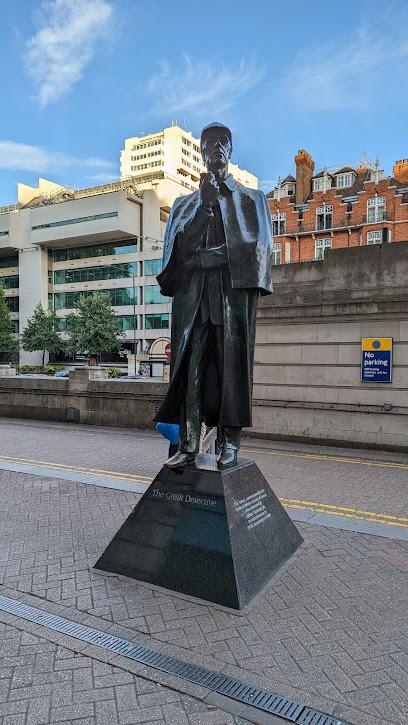
Sherlock Holmes Statue
0.5 km
Iconic bronze statue near Baker Street celebrating Sherlock Holmes, London’s legendary fictional detective and literary icon.
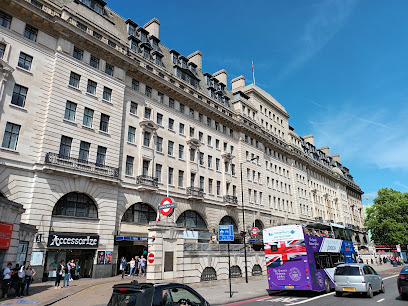
The Wonderpass
0.6 km
Discover The Wonderpass, a vibrant and artistic pedestrian underpass at Baker Street that turns a simple crossing into a captivating cultural journey.
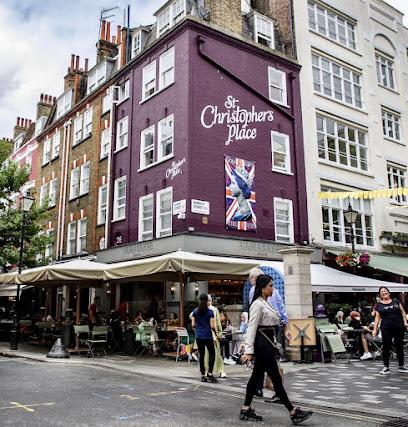
St Christopher's Place
0.7 km
A charming pedestrianised enclave of boutique shops and global dining, tucked just off Oxford Street in central London.
Swingers West End
0.7 km
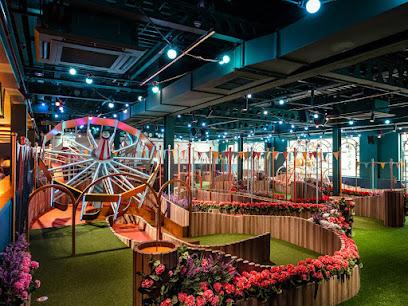
Experience vibrant indoor mini golf, creative cocktails, and street food in London’s lively West End carnival-themed venue.
Disney Store
0.7 km
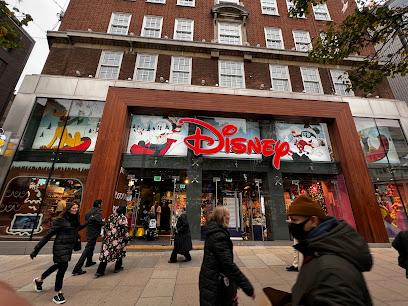
Step into a world of magic and adventure at London’s iconic Disney Store on Oxford Street, where beloved characters come to life across three enchanting floors.
The Sherlock Holmes Museum
0.7 km
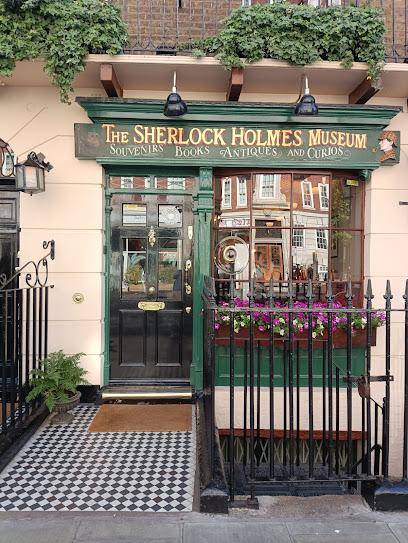
Step inside the legendary detective’s Victorian home and immerse yourself in the world of Sherlock Holmes at 221B Baker Street.
221B Baker St
0.7 km
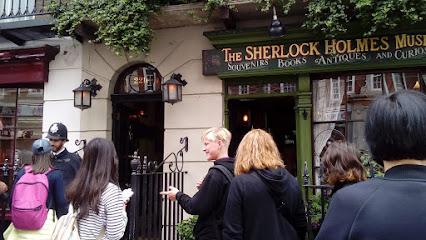
Step into the legendary Victorian home of Sherlock Holmes at 221B Baker Street, London’s iconic address of mystery and literary heritage.
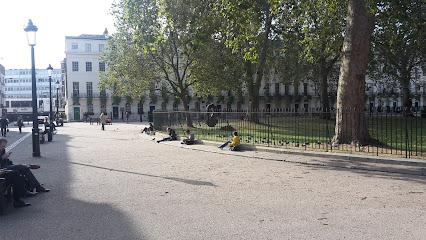
Fitzroy Square
0.7 km
Discover Fitzroy Square, a serene Georgian oasis in London’s West End, renowned for its elegant architecture and rich cultural heritage.
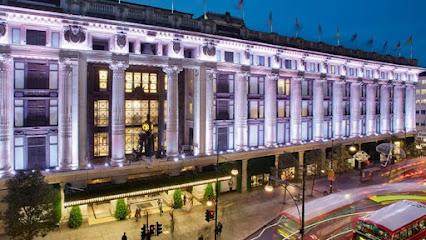
Selfridges
0.7 km
Discover Selfridges London, a historic Oxford Street icon blending luxury shopping, innovative experiences, and cultural heritage across six vibrant floors.
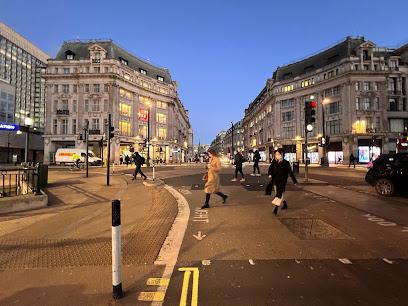
Fashion Space Gallery
0.8 km
Contemporary fashion exhibitions at the intersection of art, design, and cultural critique in Central London.
Essential places to dine

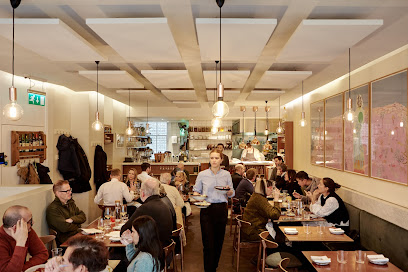
Portland
0.5 km
Michelin-starred modern European dining in Fitzrovia, blending seasonal British ingredients with refined, creative flavors in an intimate setting.
Apricity Restaurant
0.8 km
Sustainable fine dining in Mayfair blending seasonal British produce with innovative, low-waste culinary artistry.
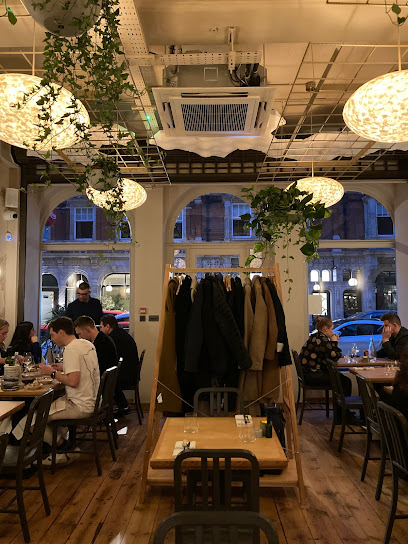
Little Social
1.0 km
Stylish Mayfair bistro offering refined modern British small plates with an intimate atmosphere and excellent wine selection.
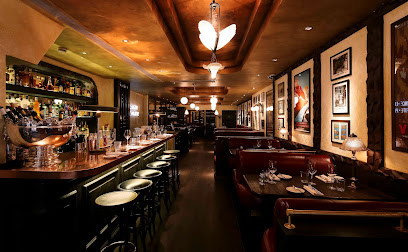
The Ninth
1.0 km
Michelin-starred modern French cuisine with Mediterranean flair in Fitzrovia’s chic and relaxed dining hotspot.
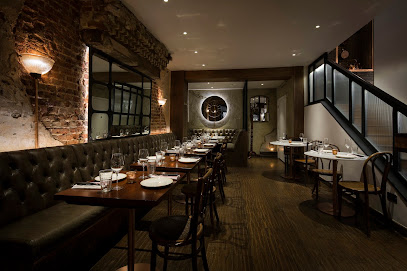
sketch
1.1 km
An iconic Mayfair venue blending avant-garde art, Michelin-starred dining, and whimsical design for an unforgettable London experience.
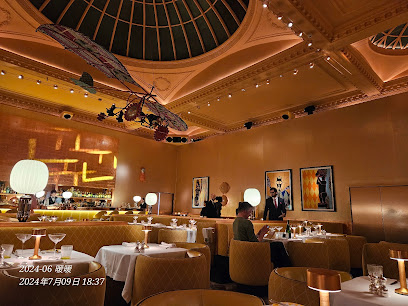
Blanchette
1.2 km
Cozy Soho French bistro serving modern small plates, charcuterie, and exquisite cheese and honey pairings in a Parisian-inspired setting.
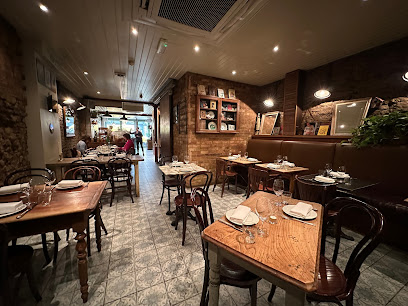
Social Eating House
1.2 km
Modern European dining in Soho with creative British flair, relaxed elegance, and an intimate chef’s counter experience.
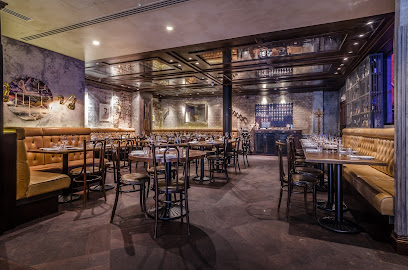
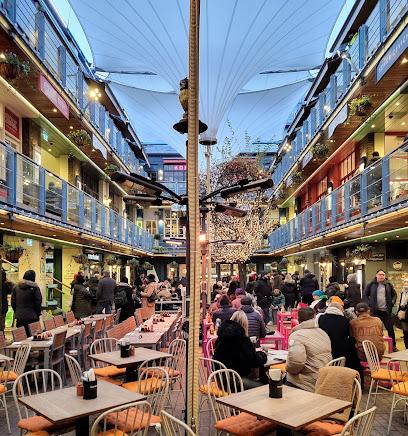
Kingly Court
1.2 km
Discover a world of flavors in London’s vibrant Kingly Court, where global cuisine meets Soho’s lively spirit.
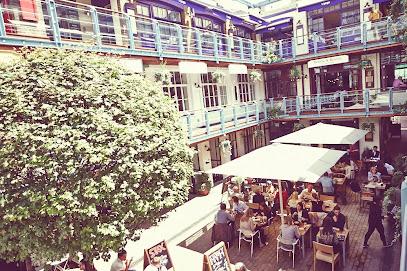
Inamo
1.3 km
Experience futuristic Asian fusion dining with interactive tables and vibrant sharing plates in the heart of London’s Covent Garden.
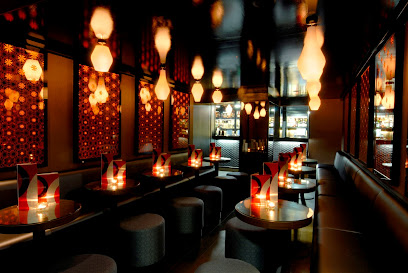
Andrew Edmunds Restaurant
1.3 km
A romantic Soho townhouse serving refined Franco-Mediterranean dishes with an acclaimed wine list in an intimate, candlelit setting.
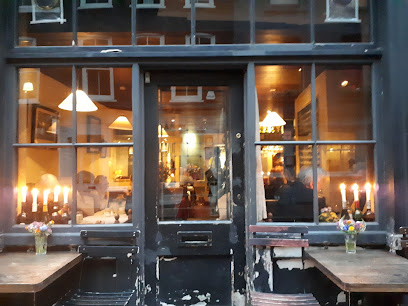
NOPI
1.3 km
Experience vibrant Mediterranean and Middle Eastern flavors in Soho at NOPI, Ottolenghi’s innovative restaurant known for shareable, seasonal dishes.
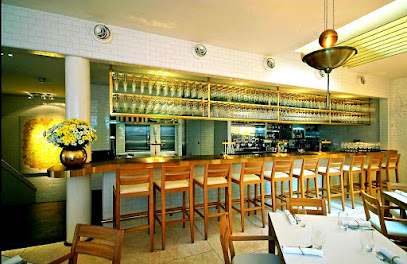
Bob Bob Ricard Soho
1.3 km
Experience glamorous British & French dining in Soho with iconic booths and a unique ‘Press for Champagne’ button at every table.
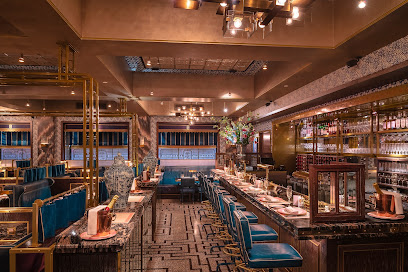
The Punch Bowl
1.3 km
Historic Mayfair gastropub where three centuries of character meet contemporary British cuisine and award-winning hospitality.
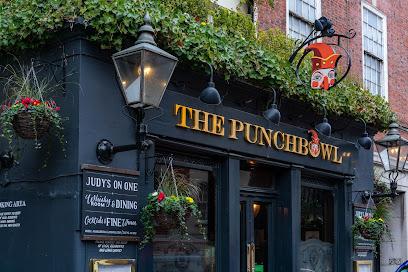
Quo Vadis
1.4 km
An iconic Soho dining destination blending refined modern British cuisine with elegant historical charm and a lively, convivial atmosphere.
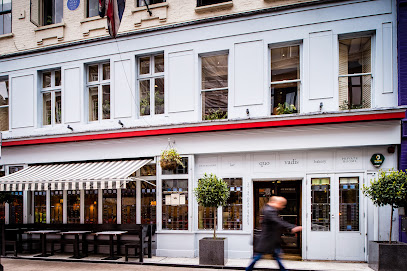
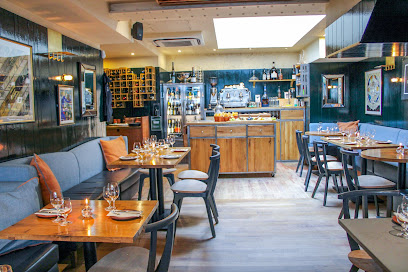
Sussex Bar & Restaurant
1.4 km
A vibrant Soho bistro blending Sussex countryside flavors with London’s energy, featuring seasonal British dishes and curated wines.
Markets, malls and hidden boutiques

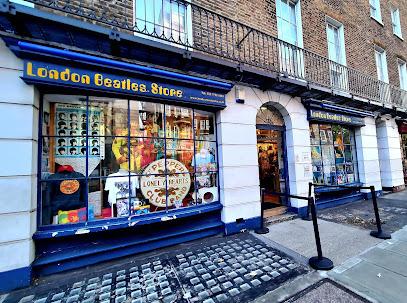
London Beatles Store
0.7 km
A vibrant Beatles memorabilia haven on Baker Street celebrating the timeless legacy of the Fab Four.
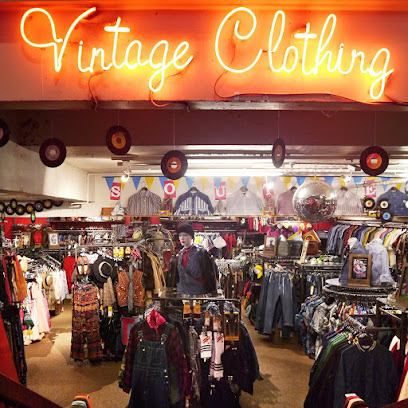
Beyond Retro Soho
0.9 km
Dive into Soho's ultimate vintage vault: two floors of era-spanning fashion, weekly drops, and pop-up vibes for the preloved obsessed.
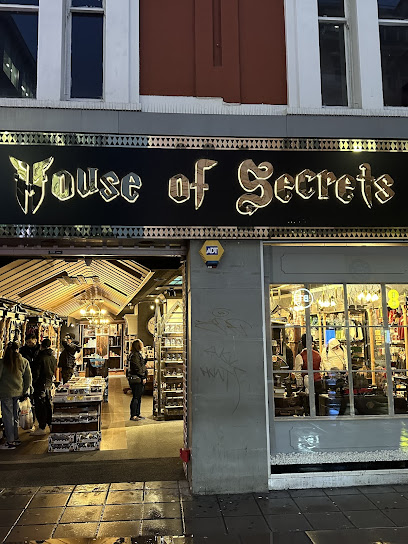
House of secrets
1.0 km
Step into House of Secrets on Oxford Street and discover a magical world of Harry Potter collectibles and enchanting souvenirs in the heart of London.
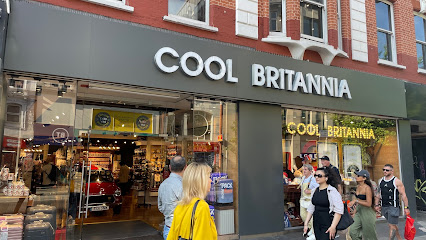
Cool Britannia Oxford Street
1.0 km
Discover authentic British souvenirs and capture timeless memories in the heart of London at Cool Britannia Oxford Street.
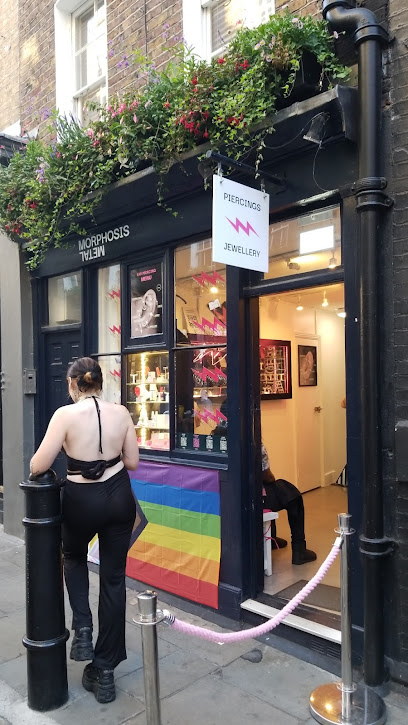
Canvas Collection
1.1 km
Discover handmade ceramics, jewelry, and accessories in Carnaby's artistic gift haven—unique treasures from London's creative makers.
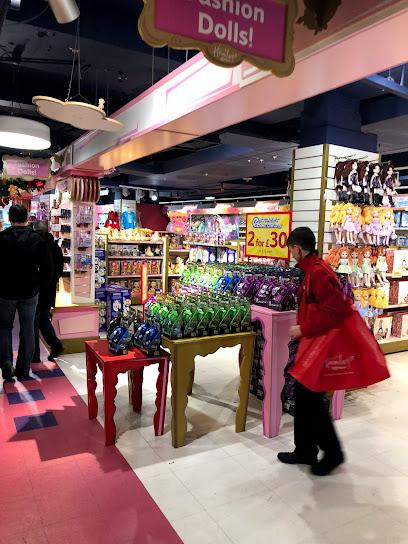
Hamleys
1.1 km
Seven floors of toy wonder in London's most iconic toy shop since 1760.
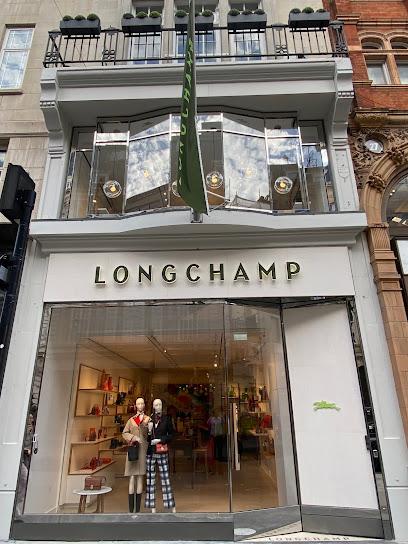
LONGCHAMP
1.1 km
Discover French luxury and craftsmanship at Longchamp’s elegant Bond Street boutique in London’s exclusive Mayfair district.
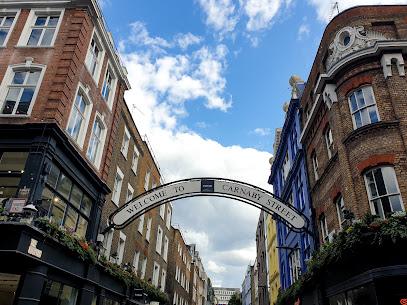
Carnaby St
1.1 km
London's iconic fashion hub where 1960s counterculture meets contemporary style across 14 vibrant streets.
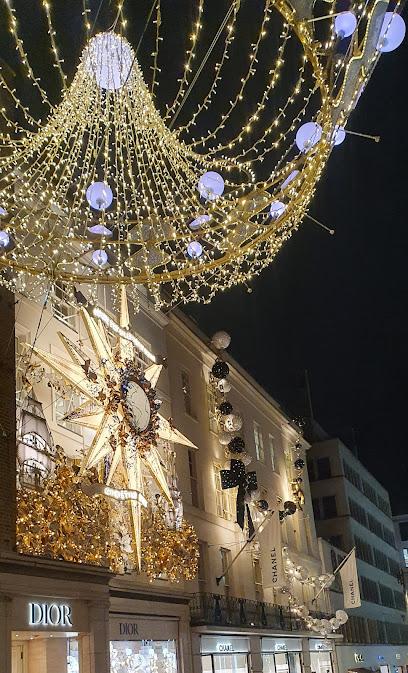
Bond St
1.1 km
London's most exclusive luxury shopping street, where three centuries of elegance meet contemporary high fashion.
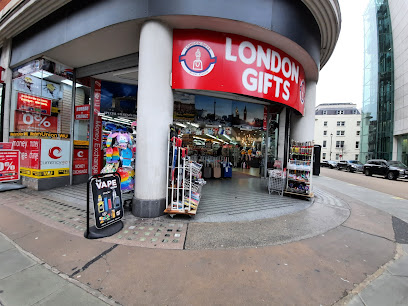
Souvenir Shop
1.2 km
Discover authentic British souvenirs in the heart of London’s iconic Oxford Street.
Kingly Ct
1.2 km
A vibrant three-storey courtyard in Soho offering eclectic global dining and unique shops in a lively, relaxed atmosphere.
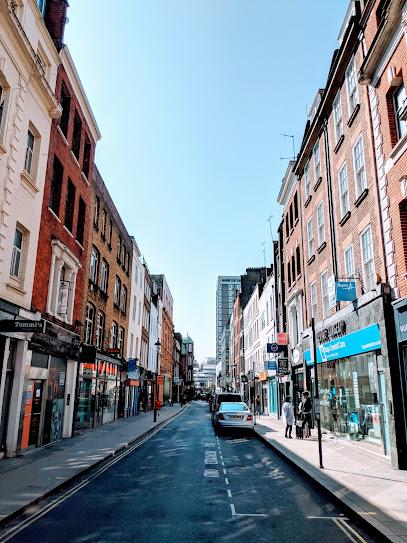
Berwick St
1.2 km
London's legendary market where 18th-century tradition meets contemporary street food culture and vinyl heritage.
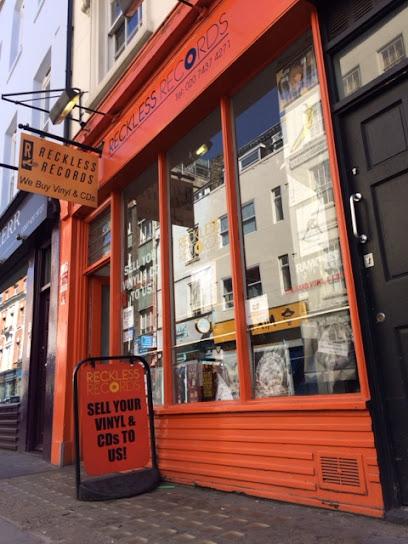
Reckless Records
1.2 km
Discover music history and rare vinyl in the heart of Soho at Reckless Records, London’s iconic independent record shop.
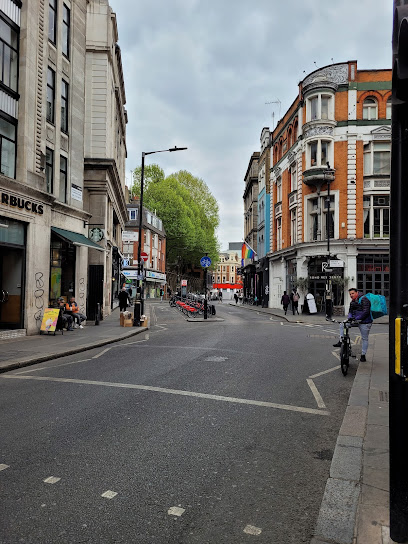
Pop Up 38
1.2 km
A compact, curated boutique on Broadwick Street offering rotating seasonal pieces and design-led accessories in the heart of Soho.
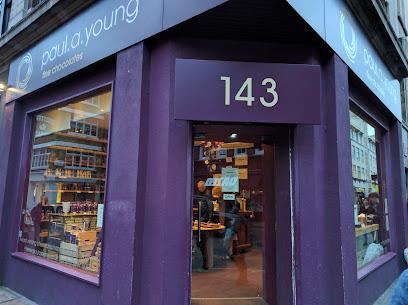
Paul A Young Fine Chocolates
1.3 km
Artisan chocolate craftsmanship in the heart of Soho, where award-winning sea salted caramels and inventive flavours await.
Essential bars & hidden hideouts

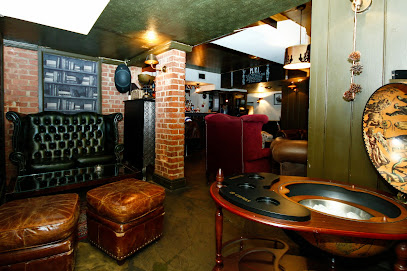
Purl London
0.4 km
Discover Purl London, a speakeasy-style cocktail bar in Marylebone offering expertly crafted drinks in a cozy vintage setting.
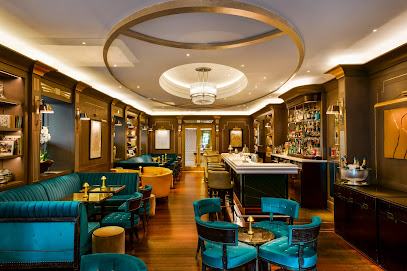
The Churchill Bar & Terrace
0.8 km
Sophisticated cocktail bar and terrace in central London, blending classic British charm with modern elegance and a vibrant social scene.
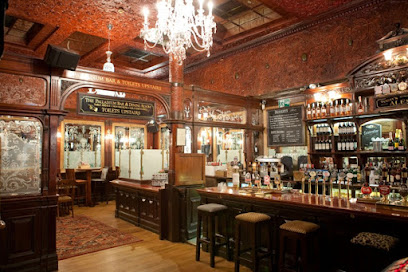
The Argyll Arms
0.9 km
Step into The Argyll Arms, a Victorian-era pub gem in Soho blending historic charm, real ales, and hearty British fare near Oxford Circus.
Punch Room
1.0 km
An exclusive Fitzrovia cocktail bar where historic punch traditions meet innovative craft mixology in a cozy, club-like setting.
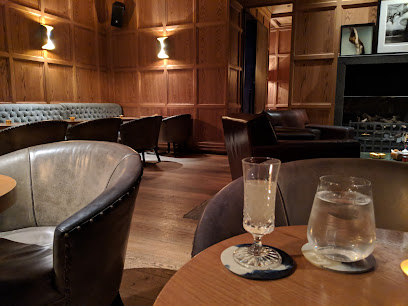
NQ64 Soho
1.1 km
Dive into a neon-lit world of retro arcade games and themed cocktails in the heart of Soho’s vibrant nightlife scene.
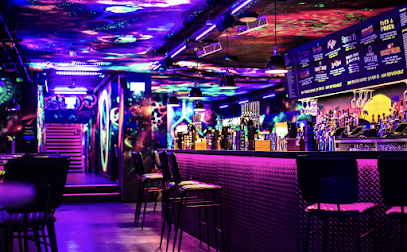
Cahoots London
1.2 km
Step into a 1940s London underground tube station and enjoy creative cocktails in a vibrant, theatrical vintage setting.
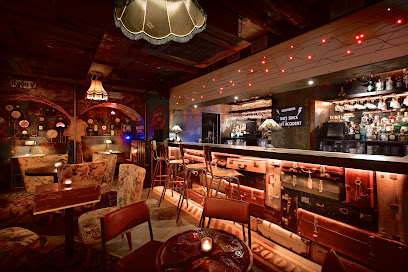
The Black Horse - Pub & Cocktail Bar
1.2 km
Experience the perfect blend of traditional pub charm and stylish cocktails in the heart of Soho’s vibrant nightlife.
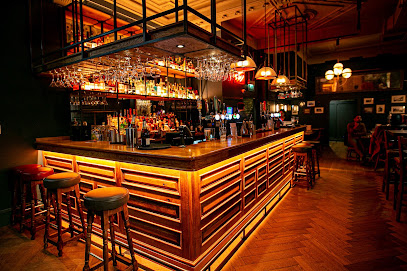
Disrepute - Soho
1.2 km
Descend into Soho's glamorous underworld at Disrepute, where 1960s scandal meets masterful cocktails in velvet-clad vaults—Soho's seductive late-night escape.
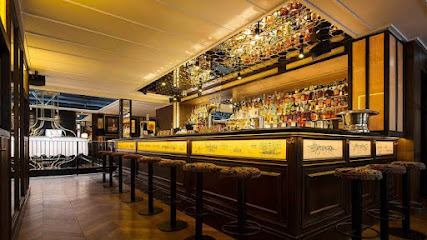
Basement Sate
1.3 km
Discover Soho’s chic basement bar where decadent desserts meet expertly crafted cocktails in an intimate, stylish setting.
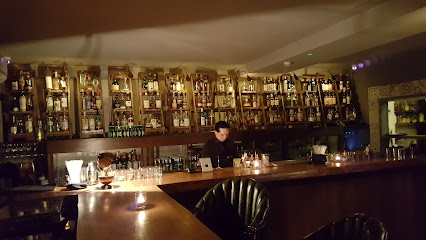
The Nellie Dean
1.3 km
A classic Soho pub blending traditional charm with lively local spirit and renowned for hearty pies and well-kept ales.
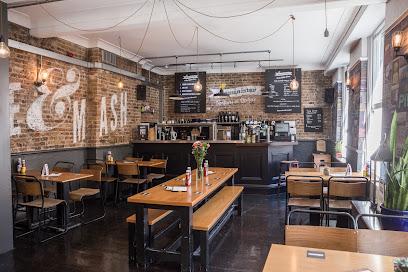
Henson's Bar and Social
1.4 km
Soho's oak-panelled cocktail sanctuary: precise classics, inventive signatures, and fireside intimacy amid Frith Street's electric vibe.
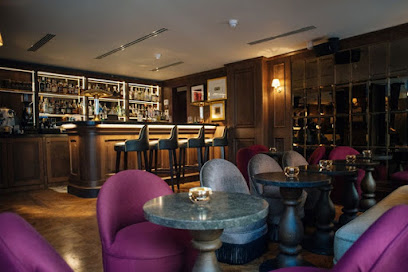
Duke of Argyll
1.4 km
Step into the Duke of Argyll for authentic Victorian pub charm, affordable ales, and a warm Soho atmosphere in central London.
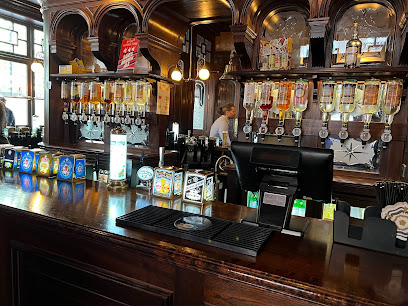
Village Soho
1.5 km
A lively, inclusive gay bar in Soho with energetic dance floors, go-go dancers, karaoke nights, and a vibrant LGBTQ+ atmosphere.
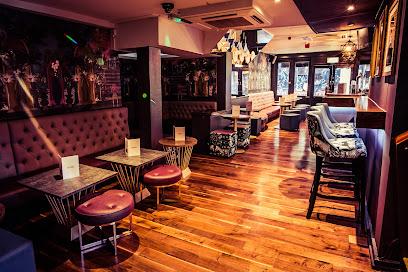
The Thin White Duke
1.5 km
Discover Soho’s intimate cocktail bar inspired by David Bowie, blending bespoke drinks, award-winning dim sum, and creative recording studios.
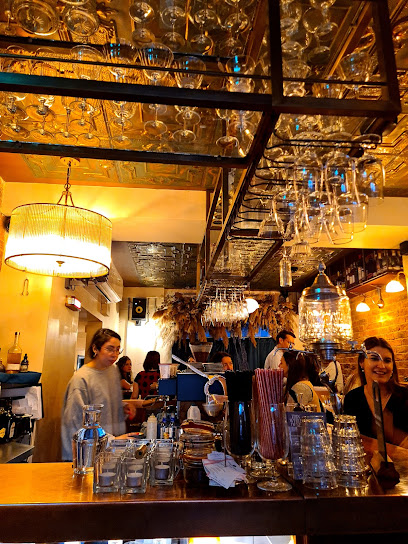
Thirst Bar Soho
1.5 km
Compact Soho cocktail bar by day, pulsing DJ‑led club by night—cheap cocktails, leather booths and a lively basement scene.
Nightclubs & after hour spots

Carwash Nightclub
0.8 km
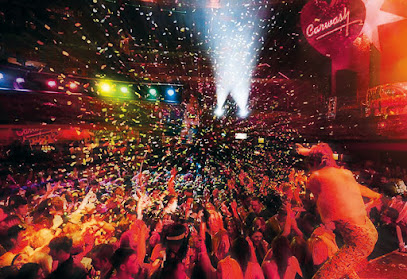
Europe's longest-running disco since 1989: sequins, funk beats, and joyful dancing in Mayfair's retro heart. Join the glitter-fueled party!
101 Nightclub London
1.1 km
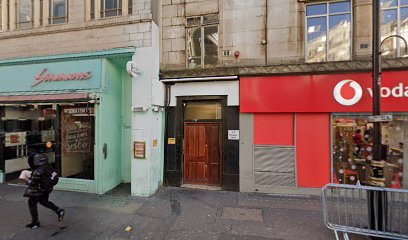
Soho's raw Saturday night pulse: intimate beats, crowded floors, and unfiltered London club energy on Wardour Street.
Bordello London
1.1 km
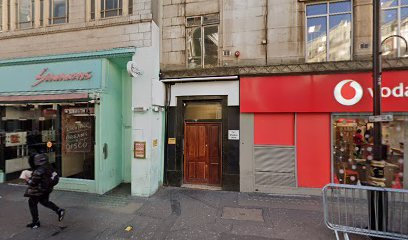
Dive into Soho's seductive basement beats at Bordello London, where Wardour Street's nightlife legacy ignites late-night frenzy on weekends.
Sunset night club
1.2 km
Dive into Soho's electric nightlife at Sunset Night Club, where thumping beats, craft cocktails, and dawn-chasing energy define unforgettable nights in London's vibrant core.
St Moritz Club
1.2 km
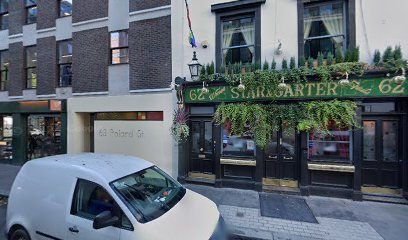
Soho's retro basement nightclub: 1960s vibes meet modern beats in an intimate, wood-paneled haven beneath a Swiss chalet restaurant.
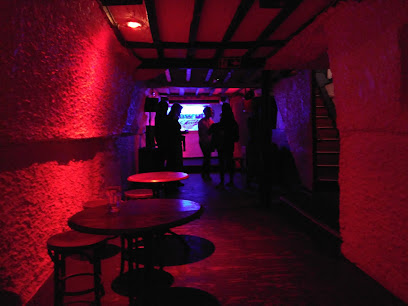
The Box Soho
1.4 km
A clandestine Soho cabaret where decadent staging, provocative shows and high‑end cocktails collide in an intense late‑night theatre.
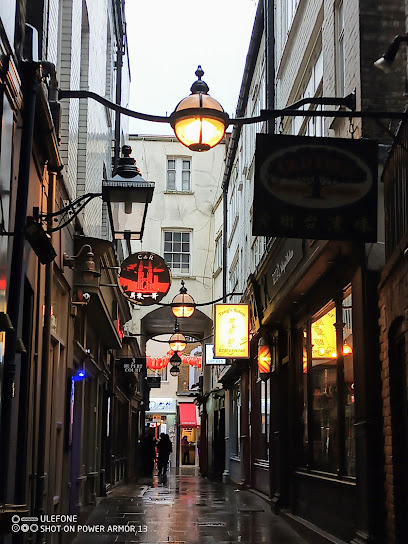
Versity Camp Nightclub
1.4 km
Dive into Soho's beating heart at Versity Camp Nightclub, where thumping bass, inventive cocktails, and an electric crowd fuel unforgettable nights until dawn.
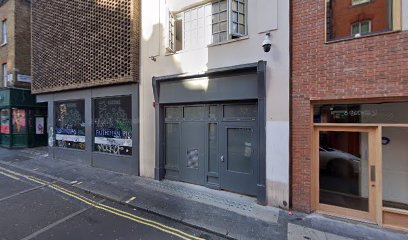
LUXX CLUB LONDON
1.4 km
Experience Mayfair’s premier luxury nightclub with dazzling lights, top DJs, and exclusive VIP vibes at LUXX CLUB LONDON.
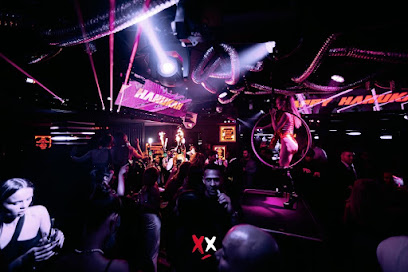
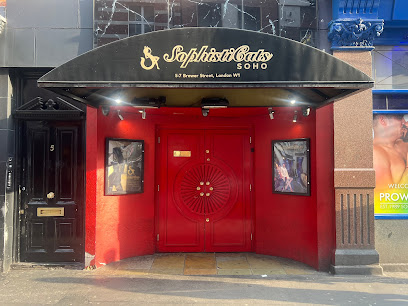
Sophisticats Soho
1.4 km
An intimate, late‑night Soho gentlemen’s club on Brewer Street offering staged performances, VIP seating and an upmarket, discreet atmosphere.
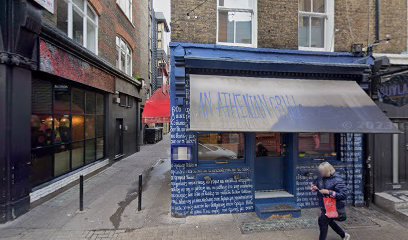
La Capannina Club
1.4 km
Discover Soho's discreet gentlemen's club: seductive stage shows, cosy vibes, and late-night allure in London's nightlife heart.
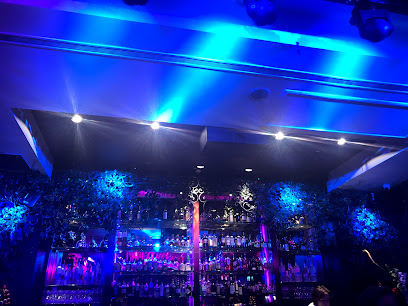
The Cuckoo Club
1.5 km
Exclusive Mayfair nightclub and restaurant blending glamorous design, contemporary cuisine, and vibrant nightlife in London’s upscale scene.
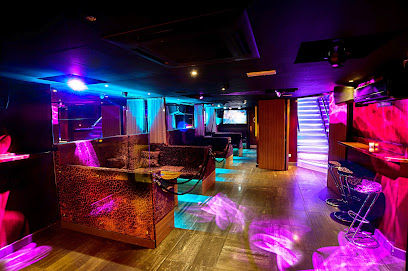
Club49Soho
1.5 km
Soho's stylish cocktail haven with DJ-fueled dancefloor energy, blending upscale drinks and classy nightlife vibes until 3am.
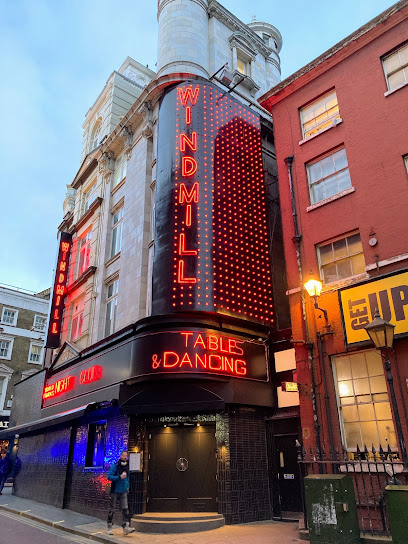
The Windmill Soho | Restaurant, Cabaret & Nightclub in Soho, London
1.5 km
Soho's legendary cabaret den revived: burlesque bites, theatrical feasts, and all-night beats in a historic hotspot of hedonism.
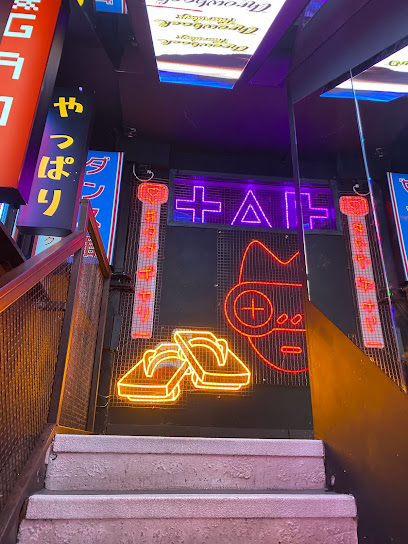
Tabu London
1.6 km
Escape Mayfair's polish for Tokyo's neon-lit Shinjuku alleys at Tabu London—retro gaming vibes, caged dancers, hip-hop beats, and upscale bites fuel epic nights.
Max's Other Flat
1.7 km
Discover a vibrant nightlife experience at Max's Other Flat, a must-visit nightclub in London offering electrifying music and unforgettable moments.
For the vibe & atmosphere seeker
- Romantic
- Unique
- Casual
For the design and aesthetic lover
- Vintage Styles
- Retro Vibes
For the architecture buff
- Historic
- Landmarks
- Heritage Neighborhoods
For the view chaser and sunset hunter
- Iconic Views
For the social media creator & influencer
- Architectural Shots
- Photo Spots
For the eco-conscious traveler
- Public-Transport Accessible
For the kind of experience you’re after
- Cultural Heritage
- Photowalk
- Day Trip
For how adventurous you want the journey to be
- Easy Access
Location Audience
- Family Friendly
- Solo Friendly
- Couple Friendly
- Senior Friendly
- Business Friendly


