

The Norman House: York’s Oldest Surviving Medieval Residence
Discover York’s oldest medieval house, a Norman stone residence with rare surviving walls and a Norman window hidden behind Stonegate.
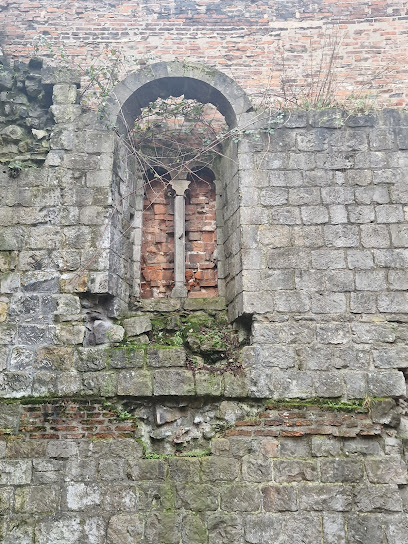
The Norman House, located behind Stonegate in York, is the city’s oldest surviving medieval house, dating back to the late 12th century. This Grade I listed ruin features two remaining stone walls and a Norman-style double-arched window, revealing a rare glimpse into Norman domestic architecture. Once a prestigious stone residence likely owned by clergy, the house was rediscovered in 1939 beneath later buildings and now forms a quiet courtyard accessible from Church Passage.
A brief summary to The Norman House
- 52A Stonegate, York, YO1 8AS, GB
- Visit website
- Duration: 0.5 to 1.5 hours
- Budget
-
 Outdoor
- Mobile reception: 4 out of 5
Local tips
- Visit early in the day to enjoy the quiet courtyard and avoid crowds in nearby Stonegate.
- Look closely at the double-arched Norman window and the grooves of the medieval cupboard for architectural details.
- Combine your visit with a walk along the Jewish History Trail to explore York’s medieval Jewish heritage.
- Wear comfortable shoes as access is via a narrow snickelway between buildings.

For the on-the-go comforts that matter to you
- Information Boards
- Seating Areas
- Trash Bins
Getting There
-
Bus
Take the York Park & Ride service from the outskirts of the city to the city center, with a stop near Stonegate. The journey typically lasts 15-25 minutes with frequent departures. From the stop, the Norman House is a short 5-minute walk. Tickets cost around £3-£5 per person.
-
Walking
From York Minster, walk approximately 10 minutes along Stonegate to reach the Norman House courtyard. The route is on paved city streets but includes narrow passageways. Suitable for most visitors, though some parts may be less accessible for wheelchairs.
-
Taxi
A taxi from York railway station to the Norman House takes about 10 minutes, depending on traffic. Fares typically range from £7 to £12. This is a convenient option if carrying luggage or during inclement weather.
The Norman House location weather suitability
-
 Any Weather
-
 Rain / Wet Weather
-
 Clear Skies
-
 Mild Temperatures
Discover more about The Norman House
Ancient Foundations in York's Historic Core
The Norman House stands as a remarkable relic of York’s medieval past, constructed between 1170 and 1180. Situated just north of Stonegate, the site was originally open ground after Roman occupation had ceased. This two-storey stone house was built during a period when stone construction signified status and wealth, contrasting with the timber homes common at the time. Its use of Magnesian Limestone and Norman architectural features mark it as an exceptional survivor of domestic stonework from the period.Architecture and Layout of a Norman Residence
The house originally comprised a ground-floor undercroft supported by three stone pillars, used for storage, and an upper hall that served as living quarters. The surviving south-west wall includes a distinctive double-arched Norman window, while the south-east wall retains traces of a cupboard with grooves for doors and shelves. Archaeological finds such as a garderobe (medieval toilet) shaft and shutter hinges reveal the domestic nature of the building. The interior courtyard today allows visitors to appreciate these architectural details in situ.Clerical Connections and Historical Significance
By the late 14th century, the Norman House was owned by the Prebend of Ampleforth, a senior clergyman linked to York Minster. It remained a city residence for clergy for nearly 400 years, reflecting its importance within the ecclesiastical community. The house’s proximity to the Minster and Stonegate underscores its prestigious status. Though largely demolished by the 18th century, the surviving walls were uncovered during 1939 demolitions, preserving a rare example of Norman domestic architecture in its original location.Rediscovery and Preservation Efforts
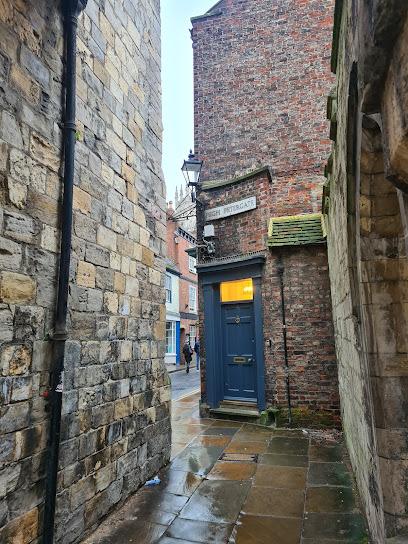
The 1939 uncovering of the Norman House’s remains revealed not only the walls but also the bases of the undercroft pillars and garderobe shaft, which lie below ground level. These elements were carefully preserved, with the interior transformed into a small courtyard accessible through a narrow snickelway between 50 and 52 Stonegate. The site is protected as a scheduled monument and Grade I listed building, ensuring its conservation as a vital piece of York’s heritage.Comparative Context and Cultural Legacy
The Norman House shares architectural similarities with the 'Jew’s House' in Lincoln, another stone Norman residence from the same era, both associated historically with Jewish ownership before the tragic 1190 massacre in York. The house represents not only medieval domestic life but also the complex social and religious history of the city. It stands as a tangible link to York’s Norman past and the evolution of urban life around the Minster.Experience and Atmosphere Today
Today, visitors find the Norman House a quiet, contemplative spot tucked just off one of York’s busiest streets. The ruins evoke a sense of medieval life layered beneath the modern city, inviting reflection on centuries of history. The courtyard’s intimate scale and surviving architectural features offer a unique window into Norman craftsmanship and the lives of York’s medieval elite.Iconic landmarks you can’t miss

The Norman House
0.0 km
Discover York’s oldest medieval house, a Norman stone residence with rare surviving walls and a Norman window hidden behind Stonegate.
Best of Britain – Yorkshire Day Tours (formally BOBH)
0.1 km
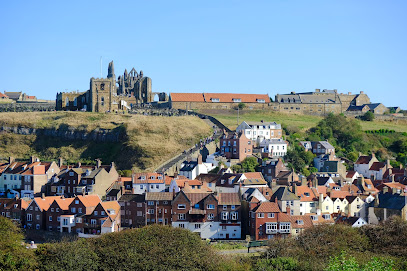
Discover the enchanting landscapes and rich heritage of Yorkshire with personalized tours from Best of Britain – Yorkshire Day Tours.
Roman Column
0.1 km
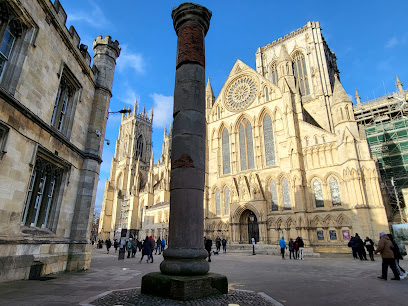
A 7.6-metre Roman column where Constantine may have been declared Emperor, standing in the shadow of York Minster since 1971.
The Cathedral and Metropolitical Church of St Peter in York
0.1 km
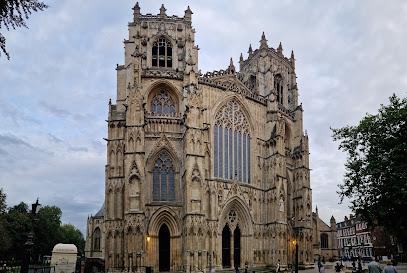
A soaring Gothic masterpiece in the heart of York, where 1,400 years of faith, history, and light-filled architecture converge in one of England’s greatest cathedrals.
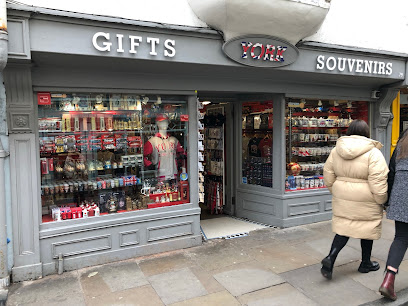
York Gifts and Souvenirs
0.1 km
Explore York Gifts and Souvenirs for locally crafted treasures and unique gifts that capture the essence of York's rich history and culture.
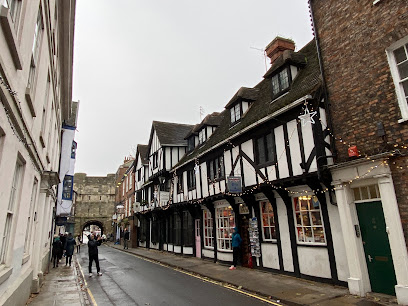
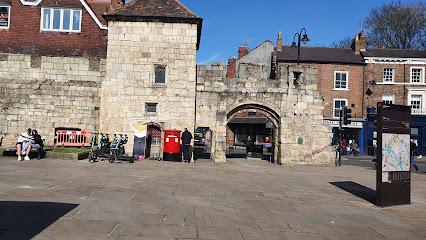
Bootham Bar
0.2 km
Explore Bootham Bar, York’s medieval gateway with Roman roots, historic portcullis, and stunning views of the city’s ancient walls and Minster.
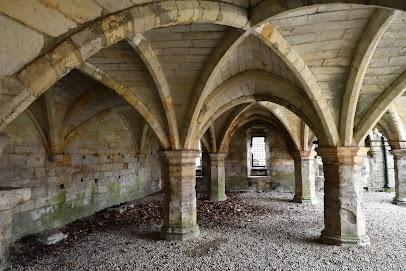
St. Leonard's Hospital
0.2 km
Explore the evocative ruins of York’s largest medieval hospital, where healing met faith in a grand historic sanctuary.
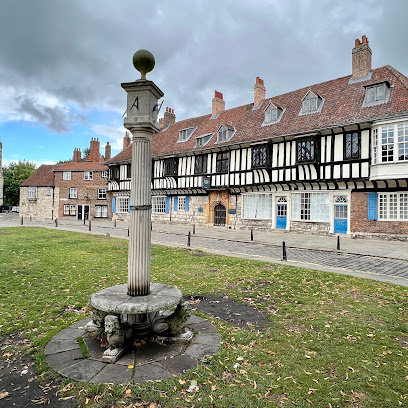
Sundial Column
0.2 km
An elegant 18th-century sundial column on stone lions, quietly marking time just east of York Minster in a peaceful corner of the cathedral precincts.
Anglian Tower
0.2 km
Discover York’s rare Anglo-Saxon watchtower, a unique stone relic woven into ancient Roman walls and shrouded in centuries of history.
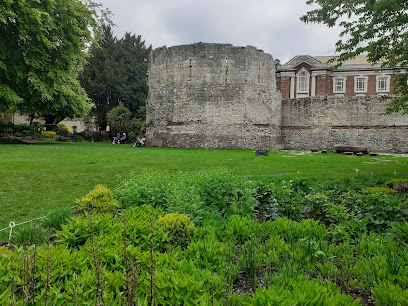
Ghost Hunt of York
0.3 km
Explore the haunted streets of York with the Ghost Hunt, where history and the supernatural collide in an unforgettable sightseeing experience.
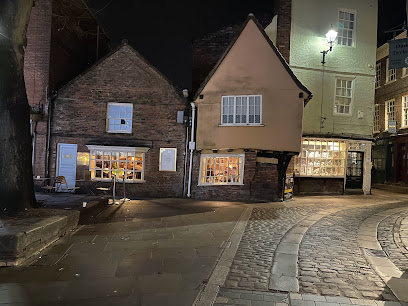
The York Ghost Merchants
0.3 km
Explore a unique blend of York's ghostly history and charming souvenirs at The York Ghost Merchants, your destination for eerie collectibles.
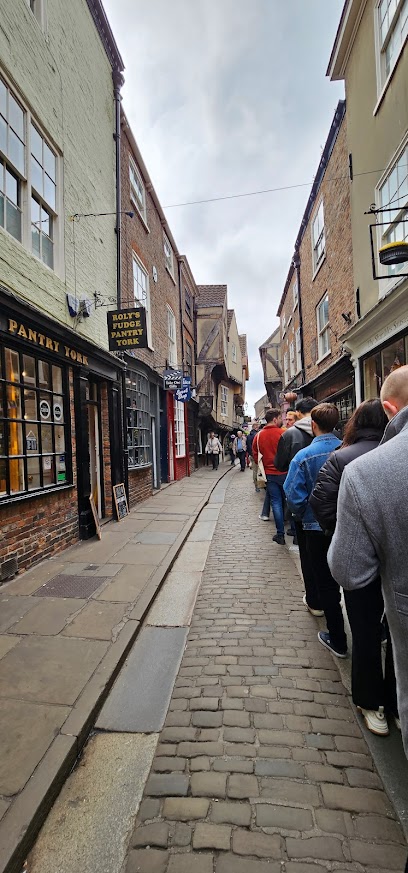
Shambles Market
0.3 km
Discover York’s vibrant Shambles Market, where historic charm meets artisan crafts and global street food in a lively covered marketplace.
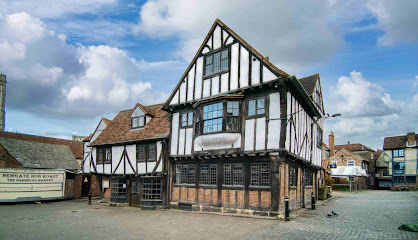
11 Shambles
0.3 km
Explore the enchanting 11 Shambles in York, a medieval street with charming shops, historic architecture, and a vibrant atmosphere.
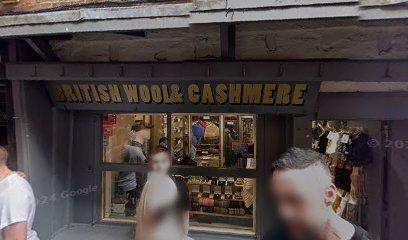
Shrine of Saint Margaret Clitherow
0.3 km
Explore the Shrine of Saint Margaret Clitherow in York, a serene sanctuary steeped in history and spiritual significance, perfect for reflection and discovery.
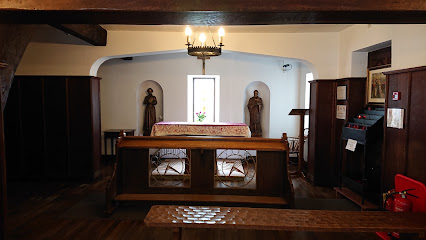
Parliament St
0.3 km
York's vibrant shopping street where Victorian commerce meets medieval heritage and market tradition.
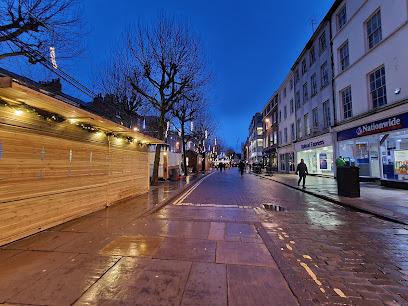
Unmissable attractions to see

St Michael Le Belfrey
0.0 km
York’s largest Tudor parish church, rich in history, vibrant worship, and the baptism site of Guy Fawkes.
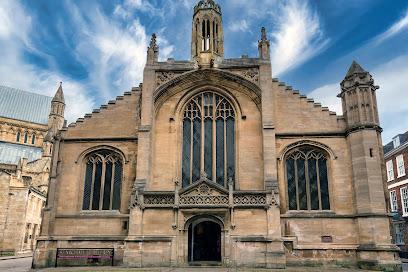
York Armoury
0.1 km
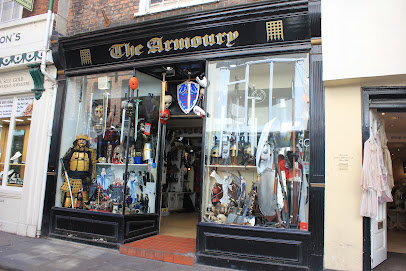
Discover authentic historical arms, armour, and movie swords in York’s premier specialist gift shop on atmospheric Stonegate.
The Antiques Centre York
0.1 km
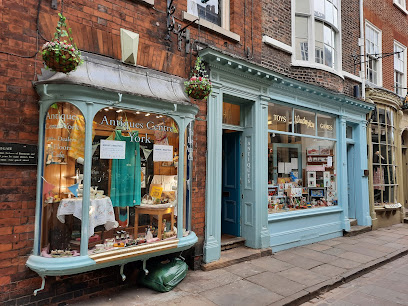
York’s largest antiques emporium on historic Stonegate, offering diverse treasures across three floors in a vibrant community setting.
Mountain Goat Tours - York
0.1 km
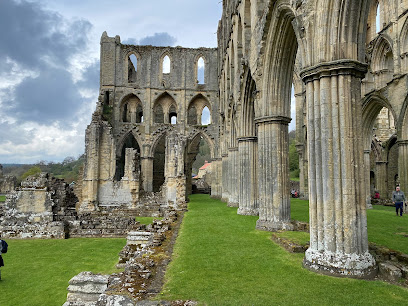
Discover the rich history and breathtaking landscapes of York with Mountain Goat Tours, your gateway to unforgettable adventures in this historic city.
The Ghost Trail Of York
0.1 km
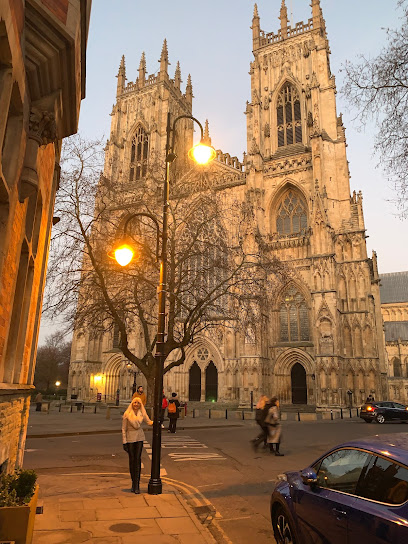
Explore York’s haunted snickelways on a thrilling, family-friendly ghost walk beneath the gothic grandeur of York Minster.
Grand Yorkshire - Day Trips and Tours
0.1 km
Exclusive small-group day tours from York featuring vintage steam train rides and immersive journeys through Yorkshire’s scenic countryside and heritage.
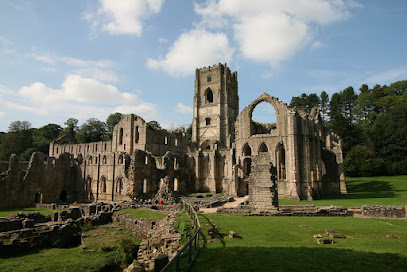
Stonegate
0.1 km
Discover Stonegate, York’s historic street where Roman roots meet medieval charm and vibrant cultural heritage in the city’s heart.
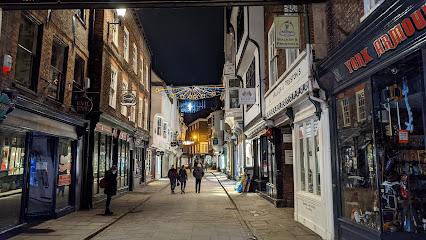
Coffee yard
0.1 km
Discover the quiet charm and medieval heritage of Coffee Yard, a historic snickelway nestled in the heart of York’s old city.
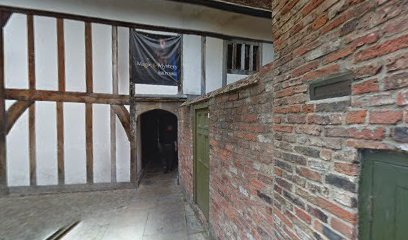
Barley Hall
0.1 km
Step into Barley Hall, York’s beautifully restored medieval townhouse, and experience the vibrant domestic life of 14th-century England.
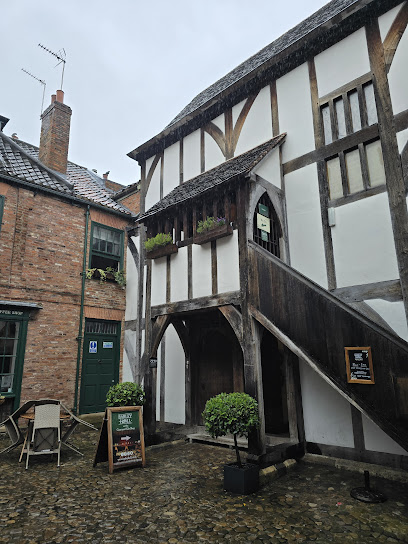
The Deathly Dark Tours
0.1 km
Discover York’s haunted streets with a perfect mix of spooky tales and dark humor on The Deathly Dark Tours ghost walk.

York Oratory
0.1 km
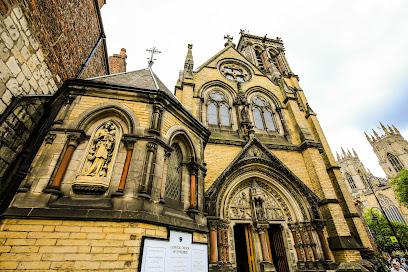
A Gothic Revival masterpiece and spiritual heart of York’s Catholic community, rich in history, art, and enduring faith.
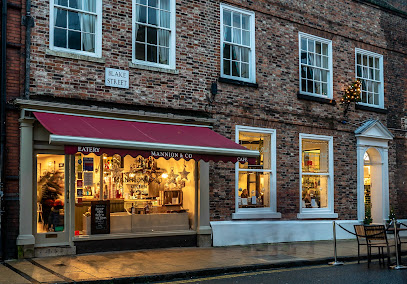
Mannion & Co
0.1 km
A cosy York bistro famed for artisan brunch, deli boards, and a hidden courtyard in the city’s historic heart.
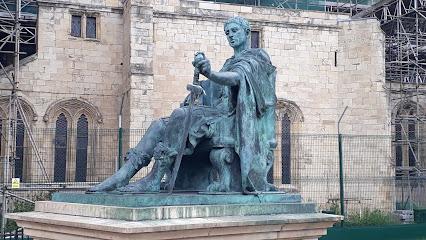
Constantine the Great
0.1 km
Bronze statue of Roman Emperor Constantine the Great at York Minster, marking his historic proclamation as emperor in AD 306.
The Red House Antique Centre
0.1 km
Discover a treasure trove of antiques and collectibles in York’s historic Red House, where over 60 dealers offer unique finds for every budget.
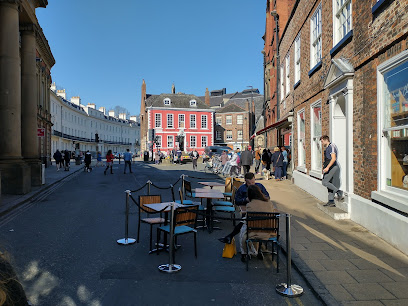
Petergate House
0.1 km
Explore Petergate House, a stunning historical landmark in York, where rich heritage meets architectural beauty, perfect for every tourist's journey.
Essential places to dine

Guy Fawkes Inn
0.0 km
Historic inn with cozy period rooms, lively pub, and unbeatable central location near York Minster.

House Of The Trembling Madness // Stonegate (No table bookings)
0.0 km
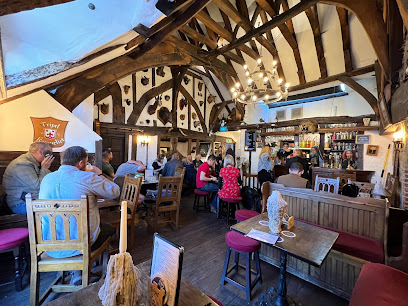
A medieval ale house with a vast craft beer collection, quirky charm, and hearty Yorkshire fare in the heart of historic York.
The Botanist York
0.1 km
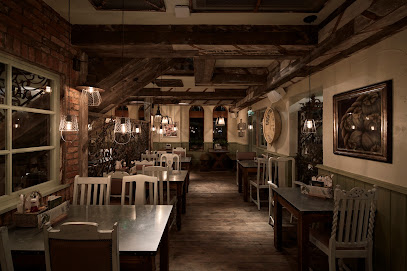
A vibrant botanical bar and restaurant on York’s historic Stonegate, blending fresh seasonal cuisine with live music and lush, nature-inspired interiors.
Côte York
0.1 km
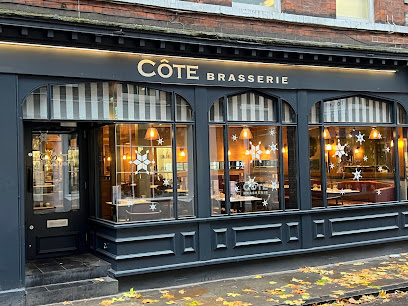
Experience authentic Parisian brasserie dining with classic French dishes and warm hospitality in the heart of historic York.
Forage Kitchen & Bar
0.1 km
Refined fire-cooked dishes and inventive Yorkshire cocktails in a lush, intimate setting on York’s historic Little Stonegate.
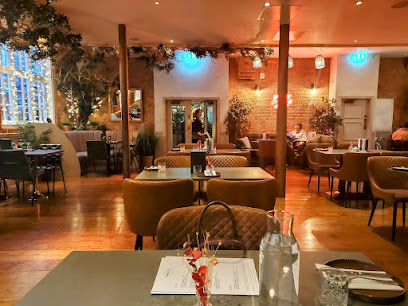
Kennedy's Bar & Restaurant
0.1 km
A vibrant York hotspot blending modern British cuisine, live music, and expertly crafted cocktails in a lively, welcoming atmosphere.
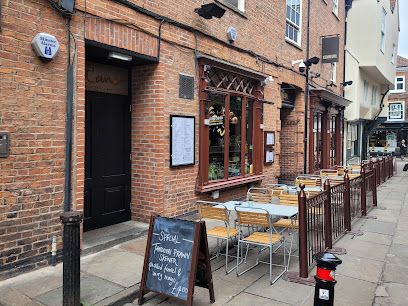
Fat Hippo York
0.1 km
Savour bold, creative burgers and dirty fries in York’s historic Low Petergate, where casual meets flavour-packed indulgence.
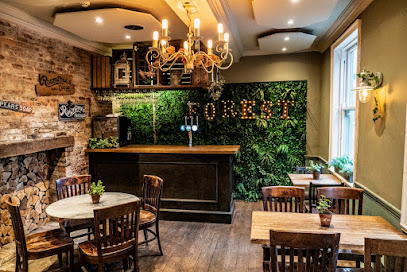
Forest
0.1 km
Charming Georgian hotel in York’s historic heart with cozy rooms and acclaimed Forest Restaurant, perfect for exploring medieval streets and local culture.
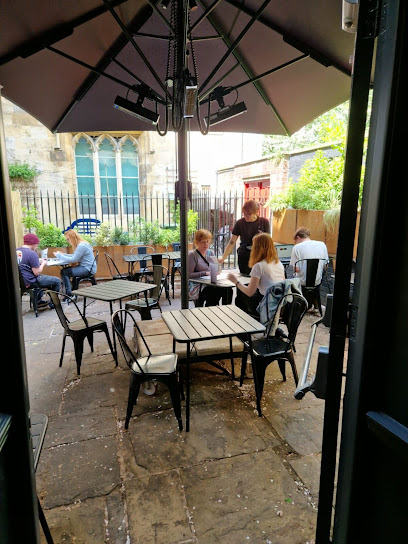
Los Moros
0.1 km
Experience authentic North African cuisine with vibrant flavors and a rustic charm in the heart of historic York.
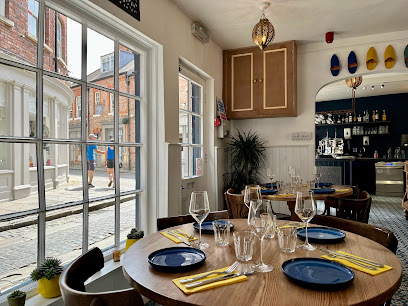
Lucia Restaurant
0.1 km
Experience vibrant Italian dining and cocktails in York’s heart, with a heated courtyard and stylish lounge for all-day enjoyment.
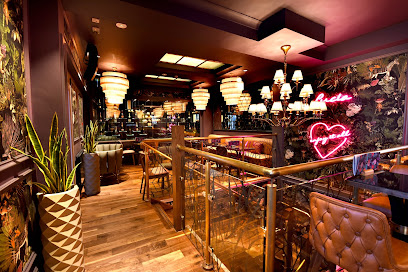
Turtle Bay York
0.1 km
Experience authentic Caribbean flavors and vibrant island vibes in the heart of historic York at Turtle Bay.
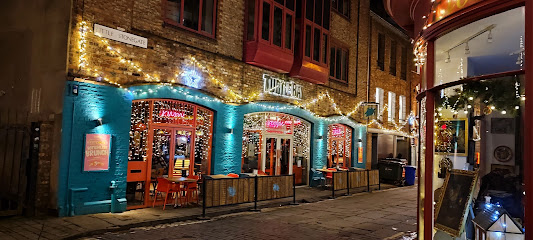
Las Iguanas - York
0.1 km
Experience vibrant Latin American flavours and lively cocktails in York’s historic city centre at Las Iguanas.
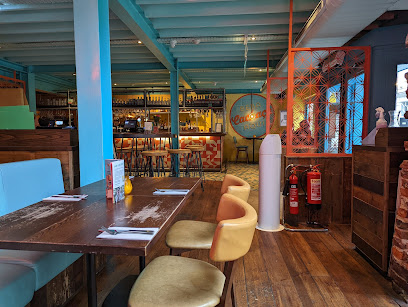
La Vecchia Scuola
0.1 km
Experience authentic Italian flavors and contemporary dining in the heart of historic York at La Vecchia Scuola.
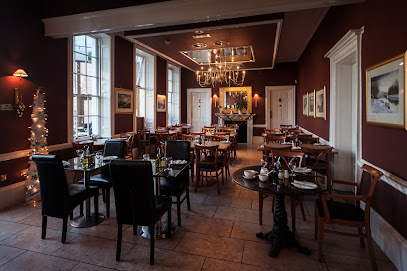
Brew & Brownie
0.2 km
Cozy family-run café in York serving locally inspired breakfasts, artisan coffee, and indulgent brownies in a rustic, welcoming setting.
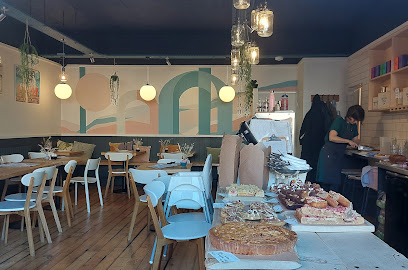
Wildwood
0.2 km
Cozy Italian dining with stone-baked pizzas, fresh pasta, and vegan-friendly options in the heart of historic York’s Low Petergate.
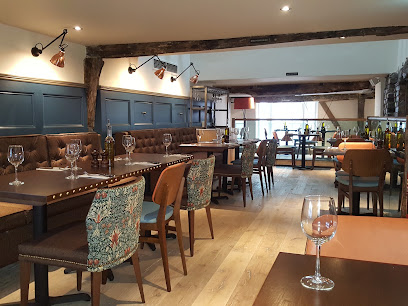
Markets, malls and hidden boutiques

Rookscroft
0.0 km
Discover handcrafted treasures and local charm at Rookscroft, York’s cozy gift shop on historic Stonegate.
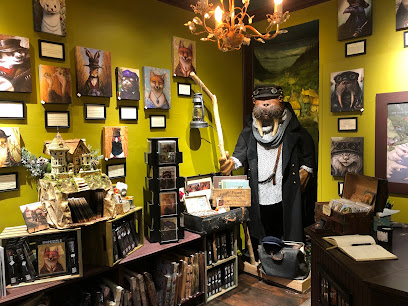
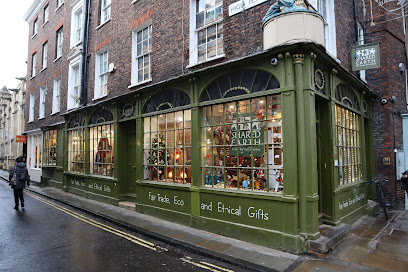
Shared Earth
0.0 km
Discover ethically sourced treasures and handcrafted fair trade gifts in the heart of historic York.
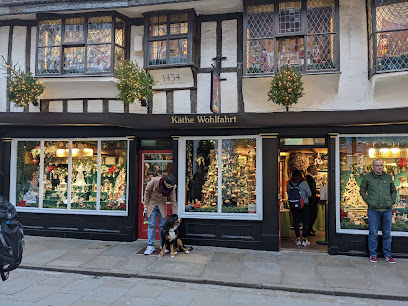
Käthe Wohlfahrt
0.1 km
Experience authentic German Christmas magic year-round in York’s historic Tudor townhouse on Stonegate.
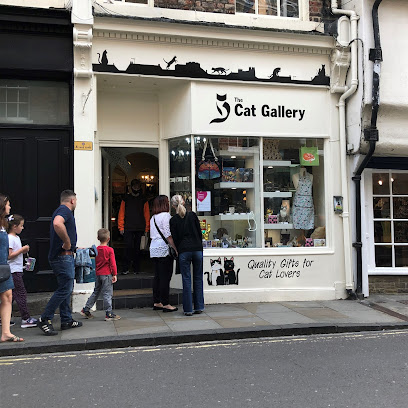
The Cat Gallery
0.1 km
York's iconic independent gift shop celebrating all things feline since 2001.
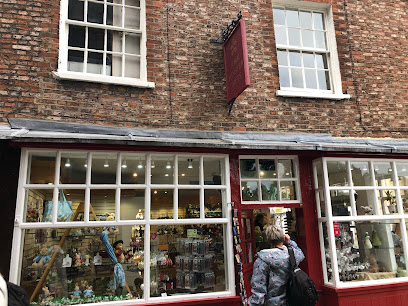
York Minster Shop
0.1 km
Discover authentic souvenirs and specialist books celebrating York Minster's medieval heritage.
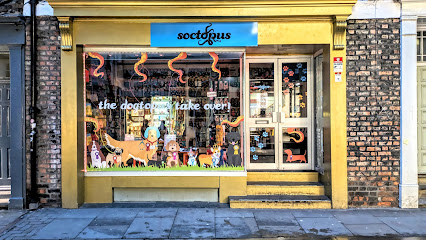
SOCTOPUS
0.1 km
Discover York’s playful sock boutique blending British humour, culture, and quirky style in every colourful pair.
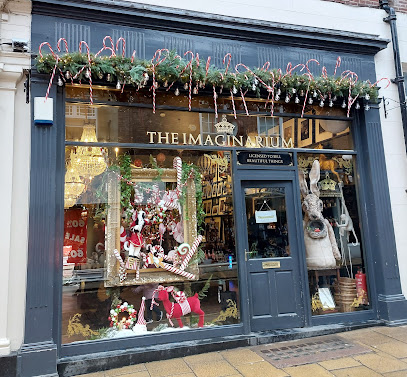
The Imaginarium
0.1 km
Discover York’s enchanting Victorian-style curiosity shop filled with unique art, vintage-inspired homewares, and affordable luxuries.
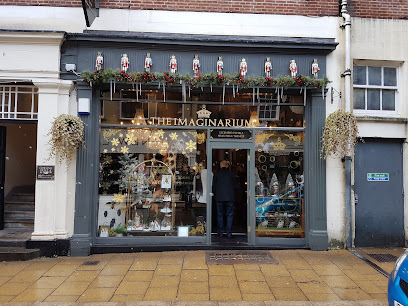
The Yorkshire Soap Company - York
0.1 km
A fragrant, playful haven of handmade soaps and scented treats in the heart of York – perfect for gifts and a little indulgence.
Paper Doll
0.1 km
Discover unique, colourful fashion and artisan jewellery in York’s charming Paper Doll boutique, a hidden gem for stylish and distinctive finds.
York Souvenirs and Gifts
0.2 km
Authentic Yorkshire souvenirs and handcrafted gifts in the heart of historic York’s medieval streets.
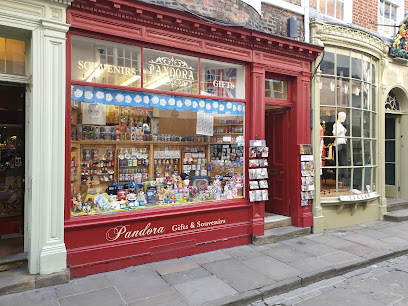
Pandora
0.2 km
Discover elegant, hand-finished jewellery crafted with care and inspired by timeless style at Pandora on Low Petergate, York.
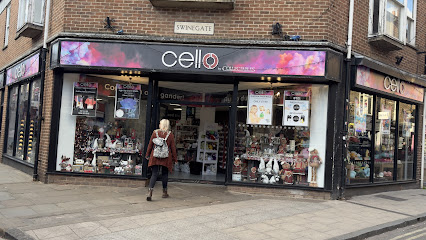
Cello by Collectables
0.2 km
Explore Cello by Collectables, a charming gift shop in York offering unique handcrafted treasures that embody the city's rich culture.
The Medieval Scribe
0.2 km
Discover unique medieval-inspired crafts and artisanal treasures in the heart of York’s historic Church Street.
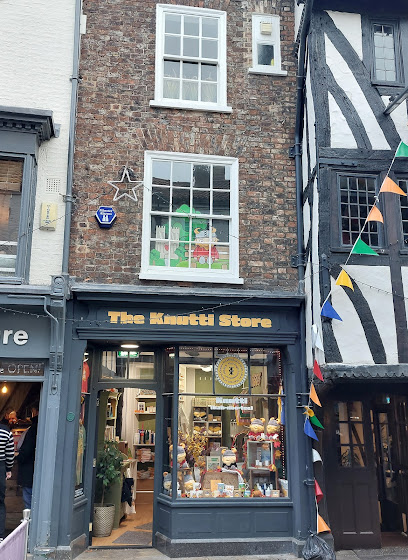
The Knutti Store, a Viking Trading Post
0.2 km
Step into York’s Viking past at The Knutti Store, where authentic craftsmanship meets legendary tales in a charming trading post setting.
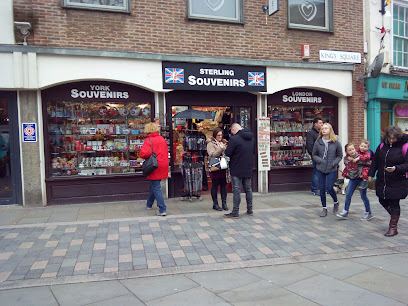
Sterling Souvenirs
0.2 km
Discover authentic York treasures and unique souvenirs at Sterling Souvenirs, your friendly gift shop in the heart of King’s Square.
Essential bars & hidden hideouts

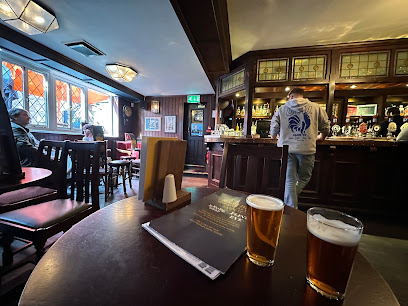
Ye Olde Starre Inne
0.0 km
Historic and welcoming pub on York’s Stonegate, serving hearty British classics in a charming medieval setting.
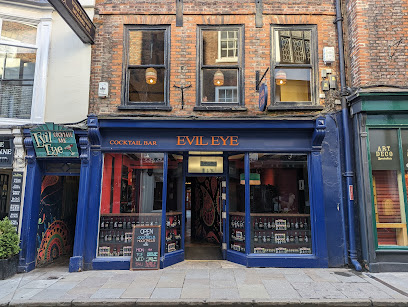
Evil Eye
0.0 km
Quirky cocktails and lively entertainment blend seamlessly in York’s vibrant Evil Eye Lounge on historic Stonegate.
The Punch Bowl
0.1 km
A historic York pub blending traditional charm, eclectic ales, and hearty British fare in a cozy, welcoming setting on Stonegate.
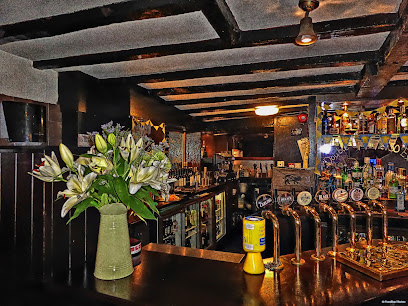
Bobos Cocktail Bar York
0.1 km
York’s vibrant two-floor cocktail bar with tropical drinks, heated shisha terrace, lively DJs, and unbeatable drink deals in the historic Quarter.
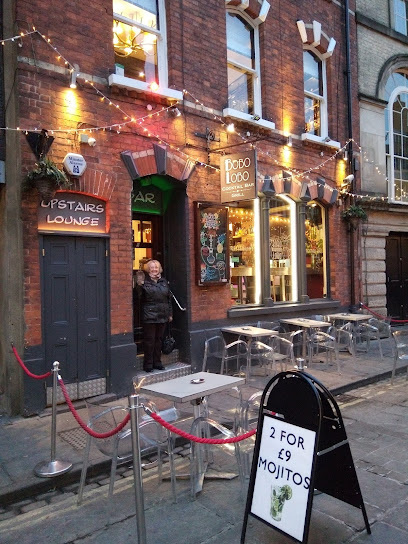
Slug & Lettuce - Swinegate York
0.1 km
A lively cocktail bar and casual dining spot in York’s historic centre, perfect for social drinks, events, and weekend late nights.
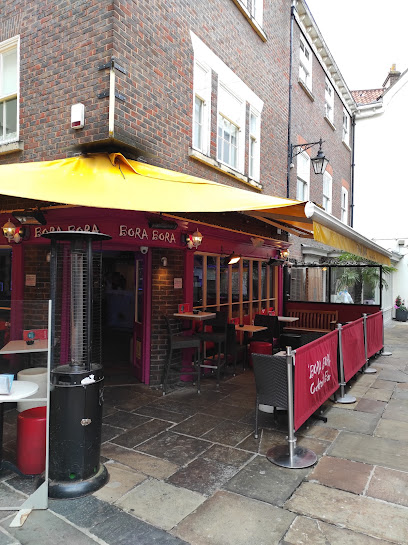
Eagle & Child
0.1 km
Historic 17th-century timber-framed pub in York offering craft ales, good food, and a charming beer garden in a quaint, lively setting.
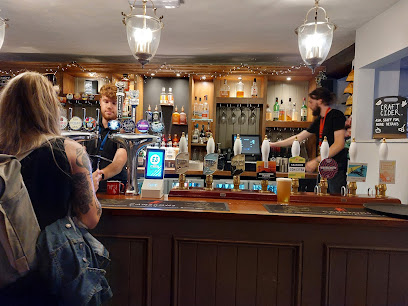
Oscar's Wine Bar & Bistro
0.2 km
A lively and welcoming wine bar in York offering quality food, diverse wines, and a charming atmosphere for all occasions.
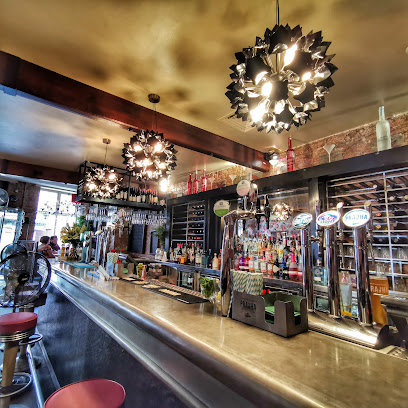
Victor J's
0.2 km
Eclectic art-inspired bar and restaurant in York’s heart, offering cozy seating, creative vibes, and lively weekend nights.
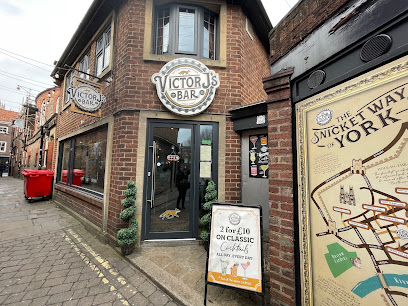
Vudu Lounge
0.2 km
York’s eclectic after-hours lounge blending quality cocktails with a lively, quirky nightlife vibe until the early morning.
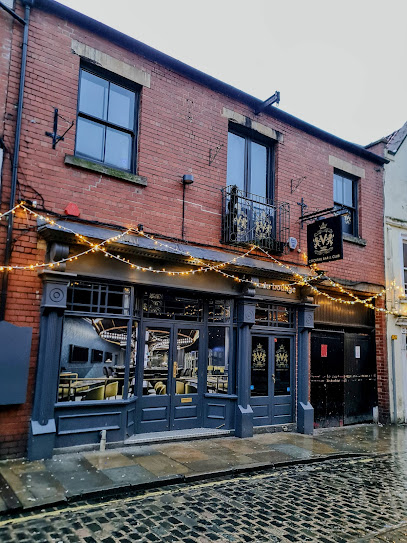
House Of Trembling Madness // Lendal (No table bookings)
0.2 km
Step into York’s medieval gem where historic ambiance meets an extraordinary craft beer selection in a quirky, lively setting.
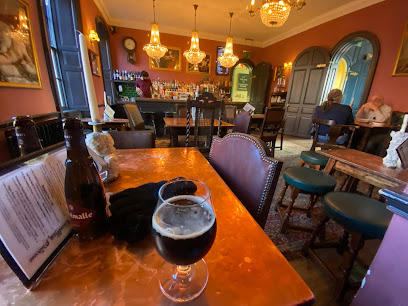
Lendal Cellars
0.2 km
Historic underground pub with a quirky atmosphere, diverse menu, and a rare city-center beer garden in York.
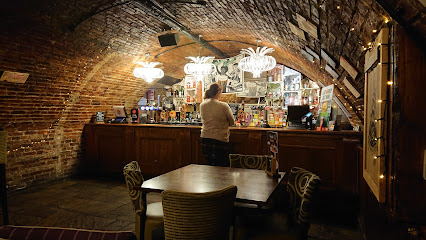
Dusk
0.2 km
A quirky and welcoming bar in York’s city centre, perfect for lively nights and casual drinks in a vibrant atmosphere.
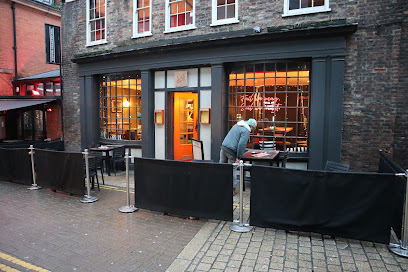
Pivní York
0.2 km
Historic 16th-century timber-framed pub in York offering an exceptional selection of local and global craft beers in a cosy, multi-floor setting.
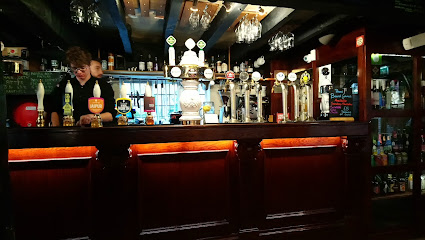
Revolution York
0.3 km
Lively riverside bar and restaurant in York’s historic centre with multiple bars, garden terrace, and a vibrant atmosphere for all occasions.
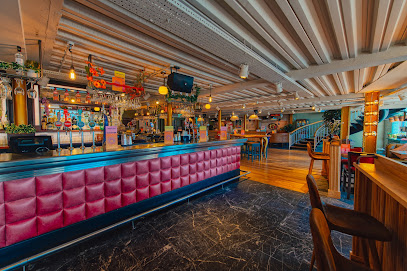
Royal Oak
0.3 km
Traditional British pub charm in York’s historic heart, serving seasonal classics and local ales with a warm, dog-friendly welcome.
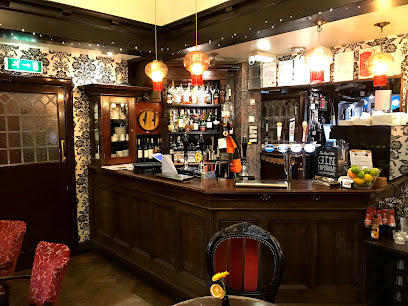
Nightclubs & after hour spots

BlueBox
0.2 km
York’s premier late-night nightclub, BlueBox pulses with House, Tech House, and Disco beats until dawn in a vibrant city-center setting.
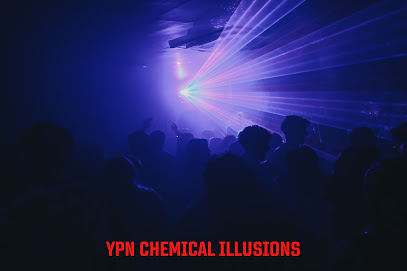
Flares - York
0.4 km
Experience York’s ultimate retro nightclub with decades-spanning hits, vibrant dance floors, and an inclusive party atmosphere.
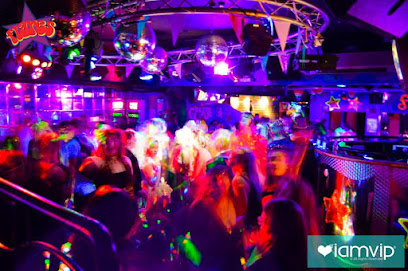
Club Salvation
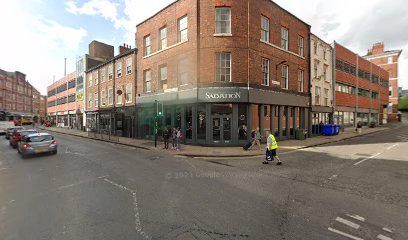
0.4 km
York’s vibrant nightclub with dual music rooms, lively atmosphere, and fair-priced drinks for an unforgettable night out.
Popworld York
0.5 km
York’s vibrant pop music nightclub with a unique revolving dancefloor and a lively atmosphere for unforgettable nights out.
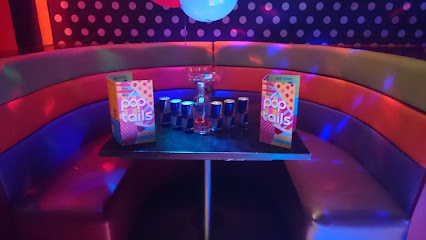
Kuda
0.5 km
York’s vibrant nightclub offering diverse music, live DJs, and a lively late-night atmosphere in the heart of the city.
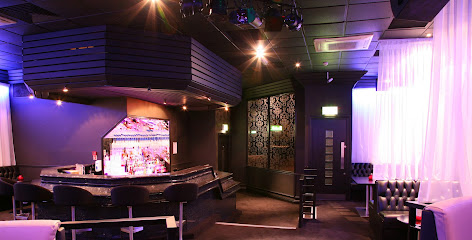
Ziggy's Bar & Nightclub
0.6 km
York’s iconic student nightclub offering energetic dance floors, affordable drinks, and a lively atmosphere since the 1980s.
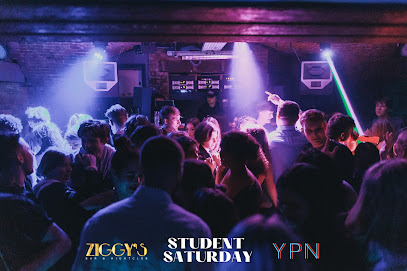
Bar 55 York
0.6 km
York’s exclusive strip club offering sophisticated adult entertainment and premium nightlife in a stylish, historic setting.
Karaoke Rooms (KTV)
1.3 km
Experience lively private karaoke rooms in the heart of York’s vibrant nightlife at Chuandao Karaoke Bar.
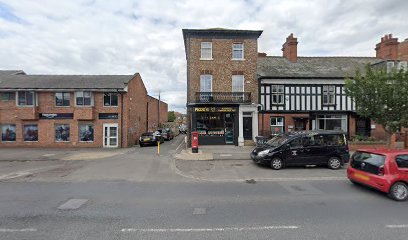
Big Fellas Nightclub
33.6 km
A lively and casual nightclub in Pontefract offering energetic late-night dancing and drinks in a central urban setting.
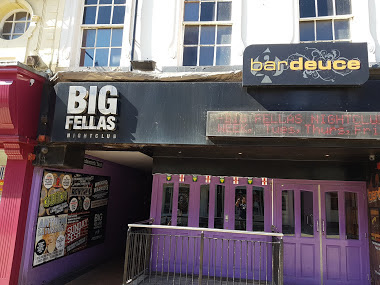
Arabian Night Lounge
34.1 km
Dive into Arabian enchantment on Leeds' nightlife scene: shisha, beats, and opulent vibes await at this Cherry Row gem.
Quadrophenia Night
34.7 km
Rev up for mod anthems, live ska-soul bands, and 60s film vibes at Leeds' ultimate Quadrophenia tribute night—pure energy and rebellion on the dancefloor.
Disco Stu's
34.9 km
Pulse-pounding beats and sticky-floored euphoria on Vicar Lane—Disco Stu's delivers unfiltered Leeds nightlife with affordable drinks and all-night energy.

The Lab Nightclub Leeds
34.9 km
Experience Leeds' electric nightlife at The Lab Nightclub, where music flows smoothly and the party never stops in the heart of the city.
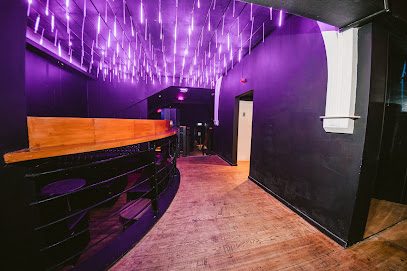
The Key Club
35.1 km
Intimate, no-frills live-music club in central Leeds where punk, indie and alternative acts play close and loud beneath Merrion Street.
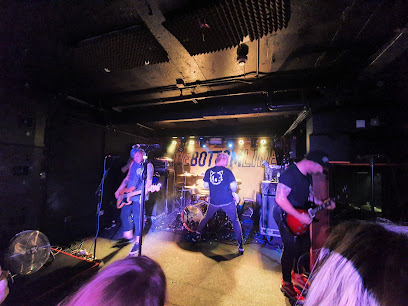
PRYZM
35.1 km
Leeds' multi-themed superclub where futuristic beats meet quirky rooms in the heart of Arena Quarter nightlife.
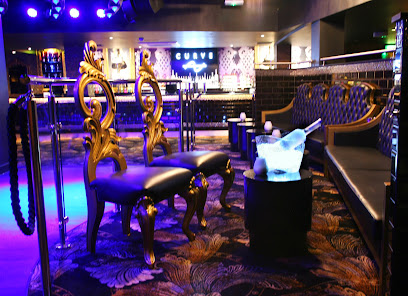
For the vibe & atmosphere seeker
- Tranquil
- Historic
- Unique
- Scenic
For the design and aesthetic lover
- Rustic Designs
- Vintage Styles
For the architecture buff
- Historic
- Landmarks
- Heritage Neighborhoods
For the view chaser and sunset hunter
- Iconic Views
For the social media creator & influencer
- Instagrammable
- Photo Spots
- Architectural Shots
For the eco-conscious traveler
- Protected Area
- Public-Transport Accessible
- Locally Managed
For the kind of experience you’re after
- Cultural Heritage
- Myth & Legends
- Photowalk
- Day Trip
For how adventurous you want the journey to be
- Easy Access
Location Audience
- Family Friendly
- Senior Friendly
- Child Friendly
- Teen Friendly
- Wheelchair Access
- Solo Friendly
- Couple Friendly


