

Black window cat, York Travel Guide
Free Guide: Victorian architectural gem showcasing French Renaissance design and meticulous Victorian craftsmanship in historic York.


A brief summary of Black window cat
Victorian architectural gem showcasing French Renaissance design and meticulous Victorian craftsmanship in historic York.
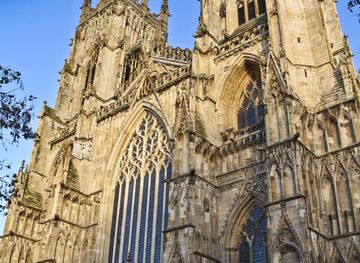
Club Chambers is a Grade II listed Victorian building located on Museum Street in York's city centre, designed by renowned Scottish architect George Fowler Jones in 1875. This striking three-storey structure showcases French Renaissance styling with elaborate decorative detailing, including polychrome brick, ornamental faience tilework, and intricate stone dressings. Today, it stands as a notable architectural landmark within York's historic core, positioned at the intersection of Museum Street and Lendal, offering visitors a glimpse into Victorian design excellence and craftsmanship.
On-site amenities
 Information boards
- Address
- Club Chambers, 15 Museum St, York YO1 7DT
Getting there
On foot from York city centre
By bus from York city centre
By taxi or ride-share from York Railway Station
Discover more about Black window cat
A Victorian Masterpiece of Design and Ornamentation
Club Chambers represents one of York's finest examples of Victorian architecture, designed by George Fowler Jones, a Scottish architect of considerable repute who established a substantial practice in York after initially working in Aberdeen. Completed in 1875, this Grade II listed building exemplifies the ambition and aesthetic refinement of the Victorian era. The structure rises three storeys above a basement level, crowned by an attic storey featuring a distinctive mansard roof with a pyramidal corner tower at the junction of Museum Street and Lendal. Every architectural element has been meticulously considered, from the ground floor entrance with its dentilled ledge and elaborate console brackets to the round-headed dormer windows adorned with decorative finials.
Architectural Styling and Decorative Language
The building's design draws inspiration from French Renaissance aesthetics, though rendered in distinctly Victorian terms. The façade employs a sophisticated palette of materials and techniques: polychrome brick banding extends even to the chimney stacks, while stone dressings and quoins provide structural emphasis. The windows are carefully differentiated at each storey, constituting a notable design feature in themselves. Above the third storey, the elaborate use of glazed faience tiles demonstrates an effort to dress the chambers as fashionably and elegantly as any prestigious club house in London or other major cities. This decorative tilework forms part of a complex programme that includes geometric panel work, ornamental masks, and refined detailing that rewards close observation.
Craftsmanship in Every Detail
Jones, renowned as a fine draughtsman, lavished attention on every aspect of the building's execution. The front desk area features parchment and Macassar Ebony, while the interior incorporates fine walnut flooring complemented by Tibetan and Turkish rugs. Even utilitarian elements such as drainpipes have been thoughtfully designed to frame the windows and contribute to the overall presentation. The working two-storey gas fireplace in the lobby and leather- and mohair-upholstered furnishings reflect the quality of materials and finishes throughout. This meticulous approach to design and material selection distinguishes Club Chambers from its contemporaries and underscores the architect's commitment to creating a building of lasting aesthetic and structural integrity.
Historical Significance Within York's Urban Fabric
Positioned prominently at the corner of Museum Street and Lendal, Club Chambers occupies a significant location within York's historic city centre. The building's Grade II listing recognises its architectural and historical importance as a representative example of Victorian commercial and institutional design. Its proximity to the city's cultural institutions and its prominent street corner position have ensured its visibility and relevance throughout the centuries since its completion. The building stands as a testament to York's prosperity during the Victorian period and the city's capacity to attract architects and craftspeople of national standing.
Architectural Innovation and Period Context
The early Edwardian period saw widespread revival and refinement of decorative tilework in public and private buildings across Europe and North America. Club Chambers exemplifies this trend, with its glazed faience forming a central component of a comprehensive decorative strategy. The use of coloured brick banding, stone embellishment, and wrought-iron detailing reflects contemporary design principles while maintaining a distinctive character. The building's three-storey composition with basement and attic, combined with its corner tower and mansard roof, creates a visually complex silhouette that engages the street and establishes a strong presence within York's architectural landscape.
Evendo Review Centre
 Google
Guest reviews
Best time to go
Quietest: Jan, Feb & Dec · before 6am or from 11pm
Busy times are Evendo estimates for a typical year, to help you plan. Actual crowds vary with events, school holidays and the weather.
Explore Black window cat on the map
A handpicked selection of must-see spots near Black window cat, mapped for you.
Get your free copy of our complete guide to Black window cat, delivered straight to you.
Everything on this page, from opening hours and how to get there to Eve’s tips and the best time to go, in one PDF you can read offline, print or share.
Already have an account? Sign in
Your Black window cat guide is ready.
We'll send it to · Not you? Sign out

Getting your guide ready…
We are putting together a fresh copy of the Black window cat guide. This can take up to a minute.
This can take a few moments. If your browser asks, choose Allow so the download can start. You'll find the guide in your Downloads folder.
Nothing happened? Download it again
Sorry, the guide is taking longer than usual. Please try again in a minute, or get it by email instead.
Other nearby places you may find interesting
The closest places of the same kind, if this one is not quite what you had in mind.
-
-
-
-
-


Swipe for more places
More to explore near Black window cat

 Best experiences near Black window cat
 Best hotels near Black window cat
 Best landmarks near Black window cat
 Best attractions near Black window cat
 Best shops near Black window cat
 Best restaurants near Black window cat
 Best bars near Black window cat
Do you manage this location?
Take control to get all the benefits, like improved information, better appearance, and stronger visibility across AI-powered discovery.
Explore more
Explore more of York
Explore York, a captivating city where medieval history meets modern charm. Discover York Minster, The Shambles, and a vibrant food scene in this must-visit UK destination.
Explore York
Explore more of United Kingdom
Discover the United Kingdom: A blend of rich history, stunning landscapes, and vibrant cities, offering a unique travel experience for every visitor.
Explore United Kingdom
