

St. Leonard's Hospital: Medieval York's Largest Healing Sanctuary
Explore the evocative ruins of York’s largest medieval hospital, where healing met faith in a grand historic sanctuary.
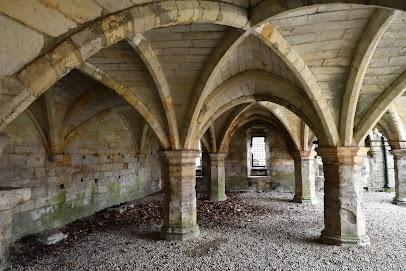
St. Leonard's Hospital in York, founded soon after the Norman Conquest, was the largest medieval hospital in northern England. Its ruins, nestled within Museum Gardens, reveal a history of care for the sick, poor, and condemned, blending medical aid with spiritual rituals. The site features remarkable vaulted undercrofts and stonework, reflecting its dual role as a religious and healing institution until its dissolution in the 16th century.
A brief summary to St. Leonard's Hospital
- York, York, GB
- Visit website
- Duration: 0.5 to 2 hours
- Free
-
 Outdoor
- Mobile reception: 4 out of 5
Local tips
- Visit the undercroft to see original medieval stonework and vaulted ceilings, offering a unique glimpse into the hospital’s architecture.
- Combine your visit with a stroll through York Museum Gardens to experience other historic sites nearby.
- Visit during daylight hours for the best views of the ruins and to appreciate the design features like large windows and high ceilings.
- Learn about the hospital’s role in medieval social care, including its support for the poor and prisoners.

For the on-the-go comforts that matter to you
- Restrooms
- Seating Areas
- Information Boards
Getting There
-
Bus
Take local bus routes serving York city center, with stops near Museum Gardens. Buses run frequently every 10-20 minutes, with a fare typically around £2-£4. The stop is about a 5-minute walk from the hospital ruins. Service operates daily but check schedules for evenings and weekends.
-
Walking
From York city center, enjoy a 10-15 minute walk along pedestrian-friendly streets to Museum Gardens. Terrain is flat and accessible, suitable for wheelchairs and strollers. This option allows you to experience other nearby historic sites en route.
-
Taxi
Taxis are readily available in York city center and can take you directly to Museum Gardens in 5-10 minutes depending on traffic. Typical fare ranges from £5 to £10. This option offers convenience, especially for visitors with limited mobility.
St. Leonard's Hospital location weather suitability
-
 Any Weather
-
 Rain / Wet Weather
-
 Clear Skies
-
 Mild Temperatures
Discover more about St. Leonard's Hospital
Origins and Historical Significance
St. Leonard's Hospital was established shortly after the Norman Conquest, on the site of the earlier St. Peters Hospital, which had been severely damaged by fire around 1137. It grew to become the largest medieval hospital in northern England, serving as a vital institution in York for centuries. The hospital was closely associated with York Minster, sharing grounds due to its considerable size, and operated as a self-sufficient complex until the English Reformation in the 16th century led to its decline and partial destruction.Architecture and Design Reflecting Medieval Beliefs
The surviving ruins of St. Leonard's Hospital, including its vaulted undercroft and large stone windows, offer a glimpse into medieval architectural responses to health care. High ceilings and expansive windows were designed to circulate fresh air, counteracting the then-common belief that illness was caused by 'bad air' or miasma. The hospital’s chapel-like appearance underscores the deep intertwining of religious faith and medicine, where spiritual cleansing through confession and prayer was a prerequisite for physical treatment.Role in Medieval Society
Beyond medical care, St. Leonard's Hospital served the poor, elderly, and infirm, as well as prisoners at nearby York Castle, providing food and shelter. Nurses and caregivers performed essential duties such as feeding, cleaning, and clothing patients. The hospital also operated a grammar school for choirboys, orphans, and local boys, emphasizing religious education as a cornerstone of medieval life. This dual focus on physical and spiritual well-being highlights the holistic approach to care during the period.Impact of the Reformation and Later Use
The English Reformation (circa 1522–1552) dramatically altered the hospital’s fate, as religious institutions were suppressed and the hospital’s religious functions were targeted. This led to the hospital’s closure and destruction, leaving York without a hospital for nearly two centuries until the founding of York County Hospital in 1740. Subsequently, parts of the site were repurposed, including use as the Royal Mint and later development into a fashionable Georgian boulevard.Present-Day Ruins and Visitor Experience
Today, visitors can explore the atmospheric ruins of St. Leonard's Hospital within York Museum Gardens, near the Museum Street entrance. The undercroft houses collections of Roman and medieval stonework, while the ruins themselves evoke the hospital’s once-grand scale and spiritual importance. The site’s proximity to other historic landmarks makes it a compelling stop for those interested in York’s rich medieval heritage.Legacy and Cultural Importance
St. Leonard's Hospital stands as a testament to medieval healthcare, religious devotion, and community support. Its ruins symbolize the complex relationship between faith and medicine in the Middle Ages and offer insight into the social fabric of medieval York. The hospital’s history enriches the understanding of the city’s development from a Norman stronghold to a vibrant cultural center.Iconic landmarks you can’t miss

St. Leonard's Hospital
0.0 km
Explore the evocative ruins of York’s largest medieval hospital, where healing met faith in a grand historic sanctuary.
Anglian Tower
0.1 km
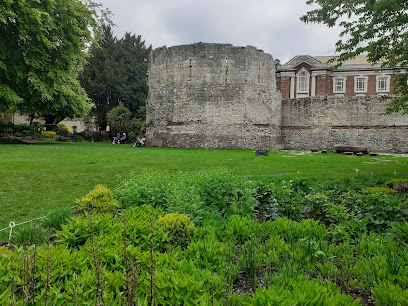
Discover York’s rare Anglo-Saxon watchtower, a unique stone relic woven into ancient Roman walls and shrouded in centuries of history.
Best of Britain – Yorkshire Day Tours (formally BOBH)
0.2 km
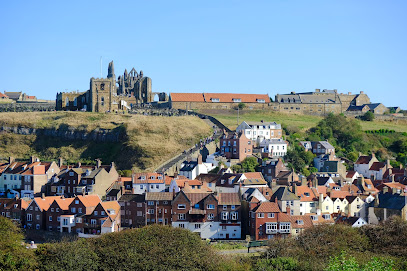
Discover the enchanting landscapes and rich heritage of Yorkshire with personalized tours from Best of Britain – Yorkshire Day Tours.
York Gifts and Souvenirs
0.2 km
Explore York Gifts and Souvenirs for locally crafted treasures and unique gifts that capture the essence of York's rich history and culture.
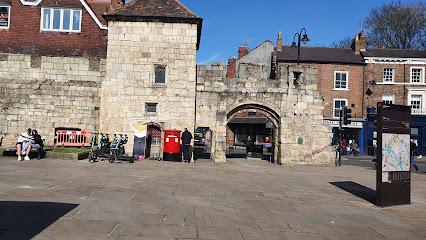
Bootham Bar
0.2 km
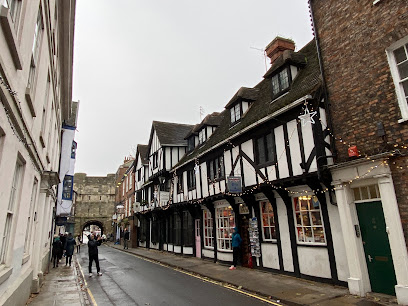
Explore Bootham Bar, York’s medieval gateway with Roman roots, historic portcullis, and stunning views of the city’s ancient walls and Minster.
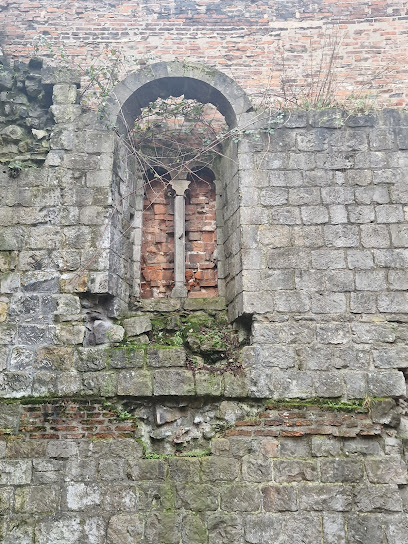
The Norman House
0.2 km
Discover York’s oldest medieval house, a Norman stone residence with rare surviving walls and a Norman window hidden behind Stonegate.
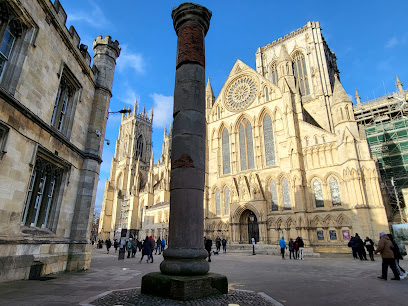
Roman Column
0.3 km
A 7.6-metre Roman column where Constantine may have been declared Emperor, standing in the shadow of York Minster since 1971.
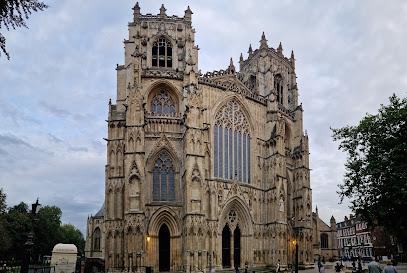
The Cathedral and Metropolitical Church of St Peter in York
0.3 km
A soaring Gothic masterpiece in the heart of York, where 1,400 years of faith, history, and light-filled architecture converge in one of England’s greatest cathedrals.
Historic England - York Office
0.4 km
Explore the Historic England - York Office, a hub for heritage preservation in the heart of York, where history meets contemporary conservation efforts.
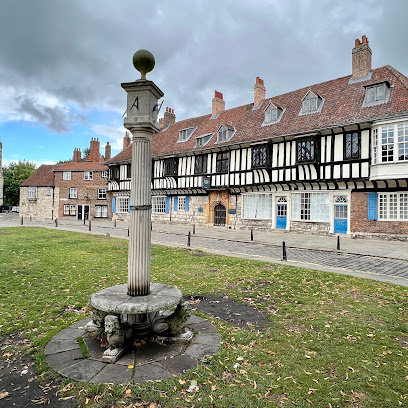
Sundial Column
0.4 km
An elegant 18th-century sundial column on stone lions, quietly marking time just east of York Minster in a peaceful corner of the cathedral precincts.
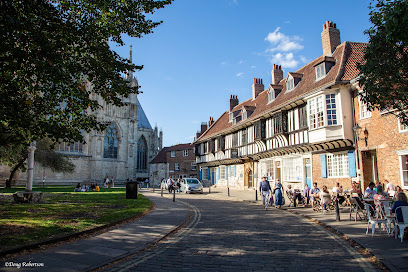
The Bloody Tour of York
0.4 km
Discover the haunted tales of York on The Bloody Tour, where history and ghostly legends intertwine for an unforgettable experience.
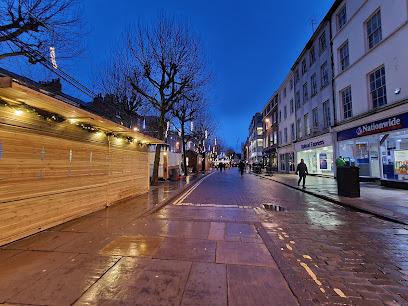
Parliament St
0.4 km
York's vibrant shopping street where Victorian commerce meets medieval heritage and market tradition.
Ghost Hunt of York
0.4 km
Explore the haunted streets of York with the Ghost Hunt, where history and the supernatural collide in an unforgettable sightseeing experience.
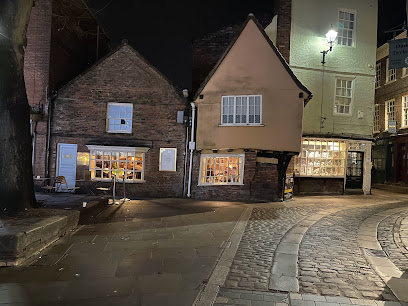
National Trust - Treasurer's House, York
0.4 km
Explore the grandeur of Treasurer's House in York, a captivating historical museum that unveils the rich tapestry of English heritage.
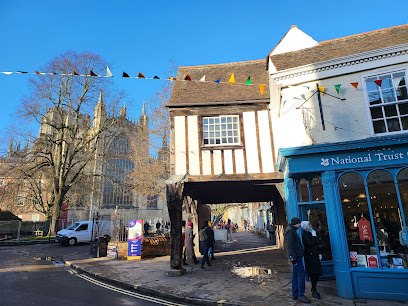
Shambles Market
0.4 km
Discover York’s vibrant Shambles Market, where historic charm meets artisan crafts and global street food in a lively covered marketplace.
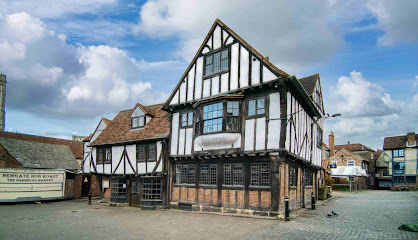
Unmissable attractions to see

Black window cat
0.0 km
Explore Black Window Cat in York, a vibrant tourist attraction blending art, culture, and community in a historic setting.
Locked in Games York
0.1 km
Solve puzzles, beat the clock and escape in York’s clever escape room centre near the museum gardens.
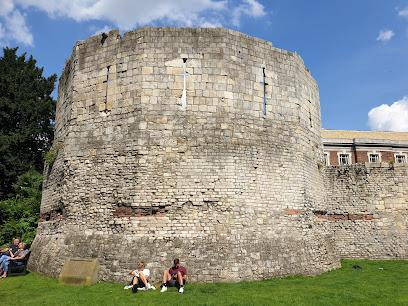
Multangular Tower
0.1 km
Explore York’s iconic ten-sided Roman tower blending ancient military might with medieval defense, nestled in serene Museum Gardens.
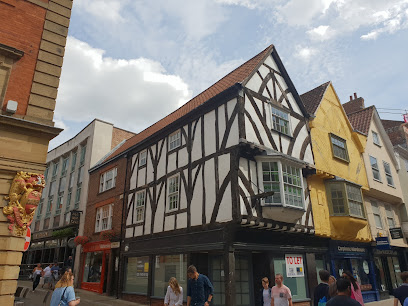
Huntfun York
0.1 km
Explore York’s historic heart through a captivating, family-friendly treasure hunt filled with cryptic clues and hidden gems.
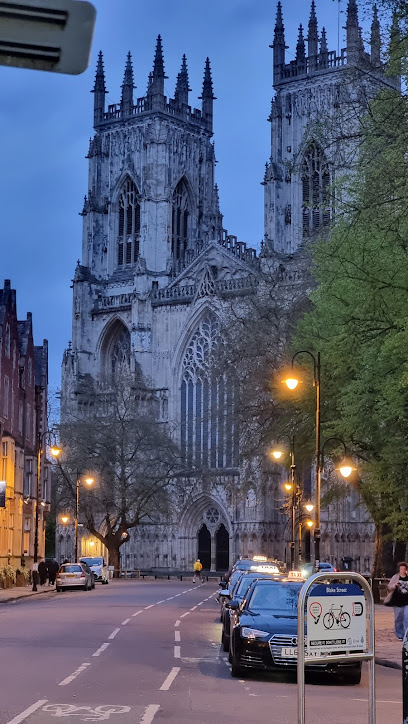
The Red House Antique Centre
0.1 km
Discover a treasure trove of antiques and collectibles in York’s historic Red House, where over 60 dealers offer unique finds for every budget.
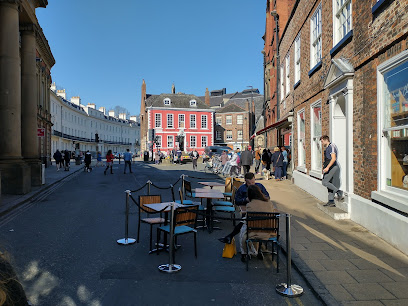
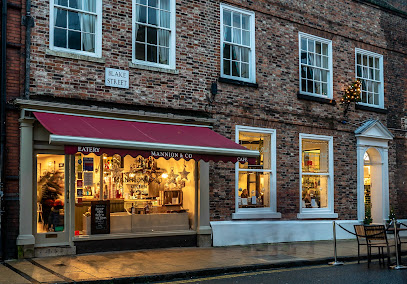
Mannion & Co
0.1 km
A cosy York bistro famed for artisan brunch, deli boards, and a hidden courtyard in the city’s historic heart.
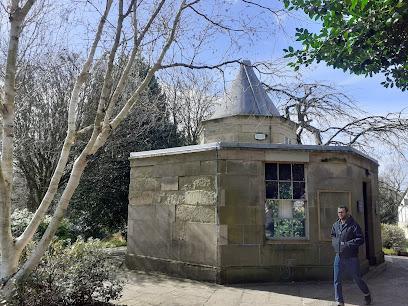
York Observatory
0.1 km
Explore Yorkshire’s oldest working observatory nestled in York’s scenic Museum Gardens, home to historic telescopes and star clocks.
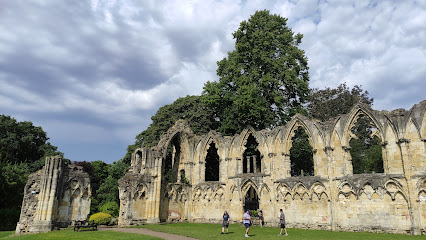
Yorkshire Museum
0.1 km
Explore Yorkshire’s rich history from prehistoric fossils to Viking treasures in York’s iconic Greek Revival museum nestled in tranquil gardens.
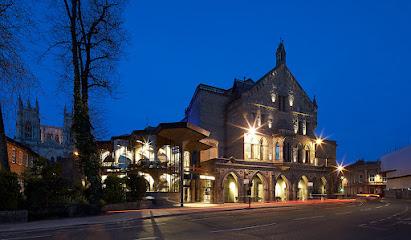
York Theatre Royal
0.1 km
Discover York Theatre Royal, a historic gem blending medieval roots with Victorian Gothic and modernist design, alive with over 270 years of theatrical heritage.
York Oratory
0.1 km
A Gothic Revival masterpiece and spiritual heart of York’s Catholic community, rich in history, art, and enduring faith.
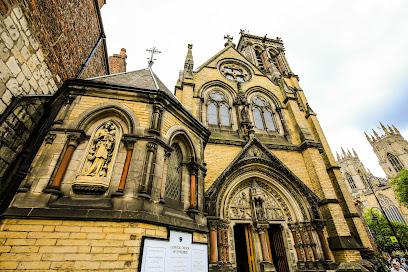
Museum Gardens
0.1 km
Discover York Museum Gardens: a historic botanical oasis blending medieval ruins, lush greenery, and vibrant community life in the city centre.
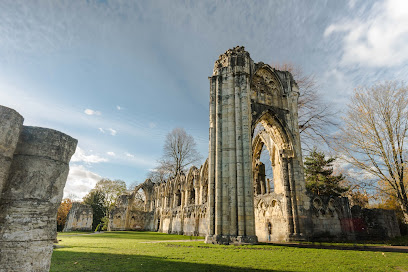
King's Manor - University of York
0.2 km
A historic Tudor and Stuart manor in York city centre, blending royal heritage with academic excellence since the 15th century.
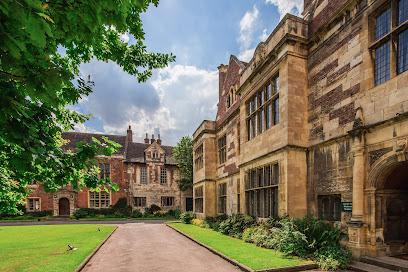
Grand Yorkshire - Day Trips and Tours
0.2 km
Exclusive small-group day tours from York featuring vintage steam train rides and immersive journeys through Yorkshire’s scenic countryside and heritage.
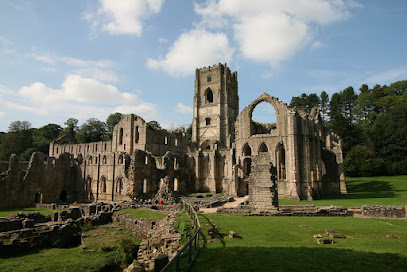
York Mansion House
0.2 km
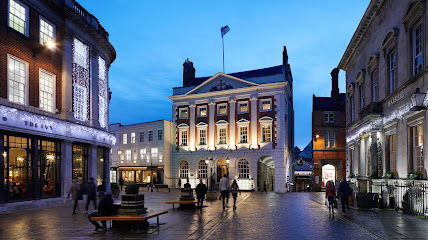
Explore the elegant Georgian Mansion House, a historic civic residence and cultural gem in the heart of York’s vibrant city centre.
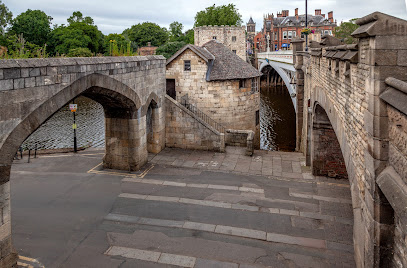
Barker Tower
0.2 km
Discover the medieval charm and historical significance of Barker Tower, a must-visit landmark in the heart of York.
Essential places to dine

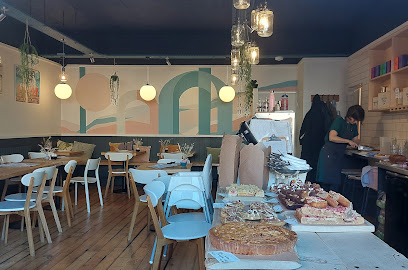
Brew & Brownie
0.0 km
Cozy family-run café in York serving locally inspired breakfasts, artisan coffee, and indulgent brownies in a rustic, welcoming setting.
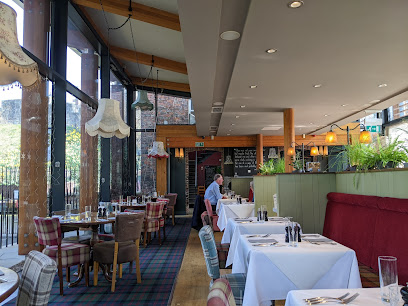
The Star Inn The City
0.1 km
Elegant riverside dining in York offering seasonal British cuisine with a rustic countryside charm and stunning views of the River Ouse.
Tomahawk Steakhouse York
0.1 km
Savor Himalayan salt dry-aged steaks and vibrant cocktails in the heart of York’s historic city centre at Tomahawk Steakhouse.
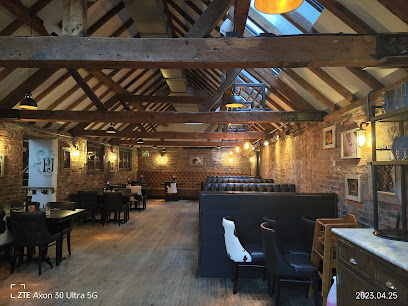
The Ivy St Helen's Square York
0.2 km
Elegant British brasserie in York’s historic heart, offering modern classics, vibrant interiors, and a lively yet refined atmosphere.
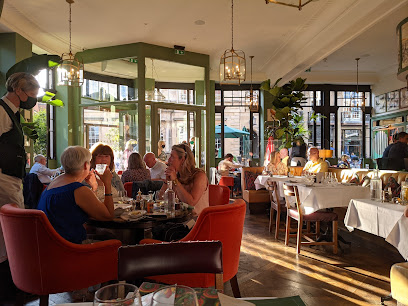
The Botanist York
0.2 km
A vibrant botanical bar and restaurant on York’s historic Stonegate, blending fresh seasonal cuisine with live music and lush, nature-inspired interiors.
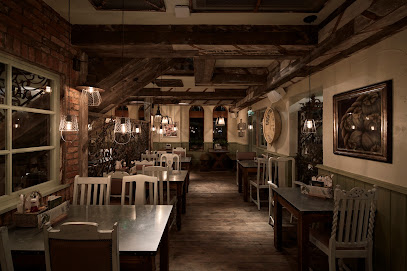
Kennedy's Bar & Restaurant
0.2 km
A vibrant York hotspot blending modern British cuisine, live music, and expertly crafted cocktails in a lively, welcoming atmosphere.
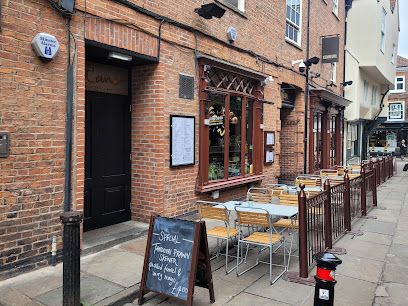
Forage Kitchen & Bar
0.2 km
Refined fire-cooked dishes and inventive Yorkshire cocktails in a lush, intimate setting on York’s historic Little Stonegate.
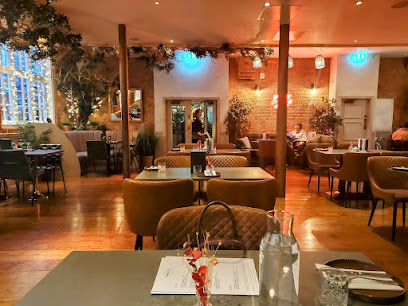
Guy Fawkes Inn
0.2 km
Historic inn with cozy period rooms, lively pub, and unbeatable central location near York Minster.

Bill's York Restaurant
0.2 km
Colourful British comfort food in a historic York building, perfect for brunch, burgers and cocktails in the city centre.
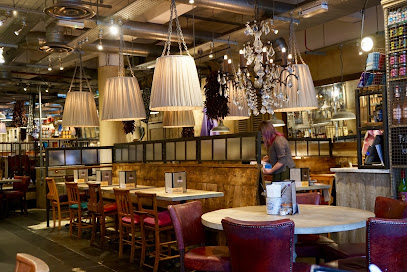
House Of The Trembling Madness // Stonegate (No table bookings)
0.2 km
A medieval ale house with a vast craft beer collection, quirky charm, and hearty Yorkshire fare in the heart of historic York.
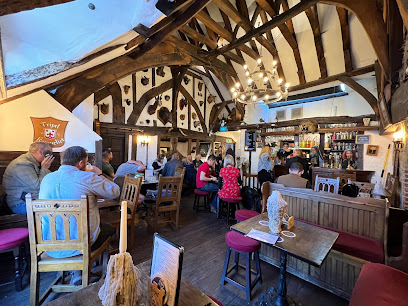
Turtle Bay York
0.2 km
Experience authentic Caribbean flavors and vibrant island vibes in the heart of historic York at Turtle Bay.
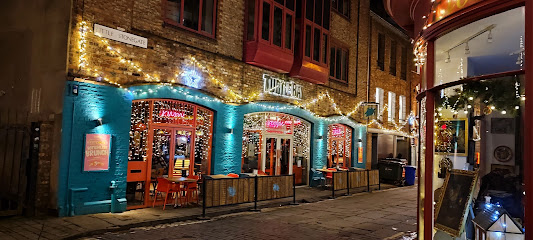
Las Iguanas - York
0.3 km
Experience vibrant Latin American flavours and lively cocktails in York’s historic city centre at Las Iguanas.
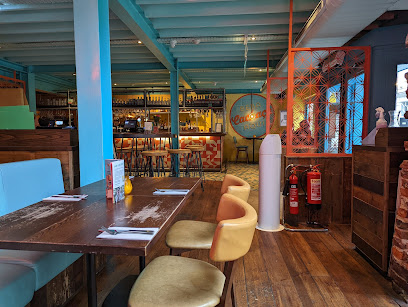
Los Moros
0.3 km
Experience authentic North African cuisine with vibrant flavors and a rustic charm in the heart of historic York.
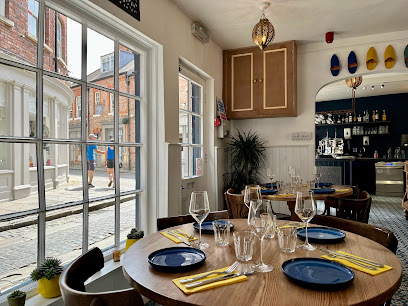
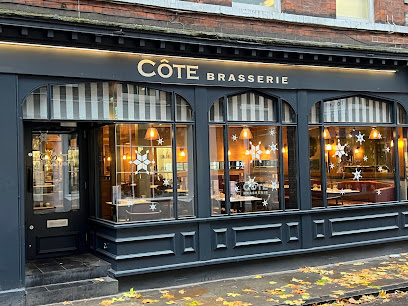
Côte York
0.3 km
Experience authentic Parisian brasserie dining with classic French dishes and warm hospitality in the heart of historic York.
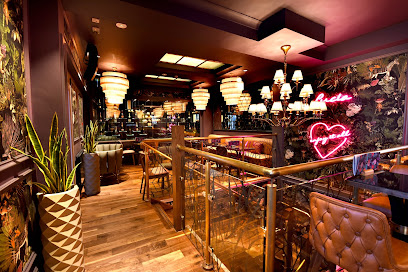
Lucia Restaurant
0.3 km
Experience vibrant Italian dining and cocktails in York’s heart, with a heated courtyard and stylish lounge for all-day enjoyment.
Markets, malls and hidden boutiques

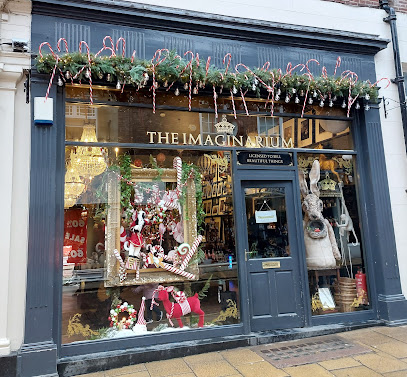
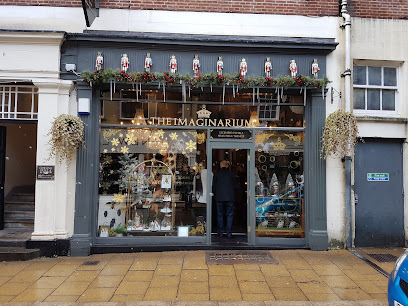
The Imaginarium
0.1 km
Discover York’s enchanting Victorian-style curiosity shop filled with unique art, vintage-inspired homewares, and affordable luxuries.
The Yorkshire Soap Company - York
0.1 km
A fragrant, playful haven of handmade soaps and scented treats in the heart of York – perfect for gifts and a little indulgence.
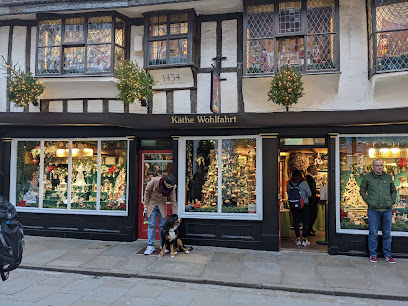
Käthe Wohlfahrt
0.2 km
Experience authentic German Christmas magic year-round in York’s historic Tudor townhouse on Stonegate.
Rookscroft
0.2 km
Discover handcrafted treasures and local charm at Rookscroft, York’s cozy gift shop on historic Stonegate.
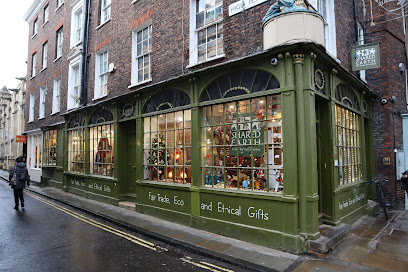
Shared Earth
0.3 km
Discover ethically sourced treasures and handcrafted fair trade gifts in the heart of historic York.
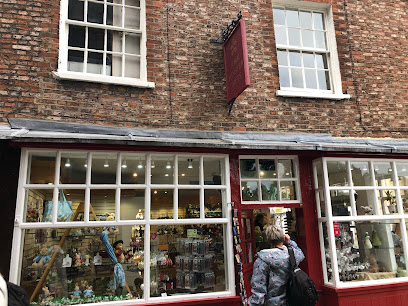
York Minster Shop
0.3 km
Discover authentic souvenirs and specialist books celebrating York Minster's medieval heritage.
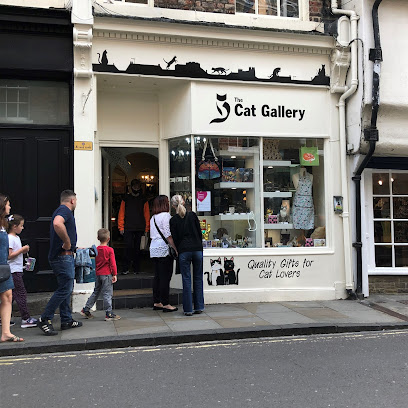
The Cat Gallery
0.3 km
York's iconic independent gift shop celebrating all things feline since 2001.
Paper Doll
0.3 km
Discover unique, colourful fashion and artisan jewellery in York’s charming Paper Doll boutique, a hidden gem for stylish and distinctive finds.
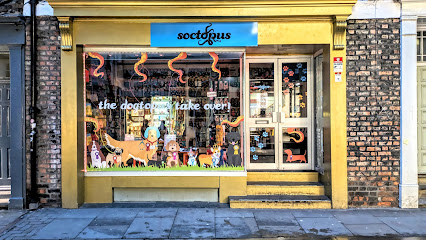
SOCTOPUS
0.3 km
Discover York’s playful sock boutique blending British humour, culture, and quirky style in every colourful pair.
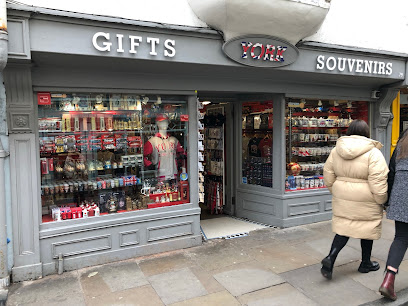
York Souvenirs and Gifts
0.3 km
Authentic Yorkshire souvenirs and handcrafted gifts in the heart of historic York’s medieval streets.
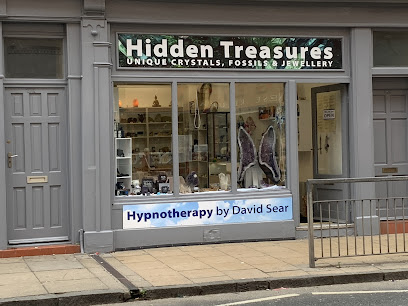
Hidden Treasures
0.3 km
Discover unique crystals and spiritual tools in a tranquil metaphysical shop at York’s George Hudson Street.
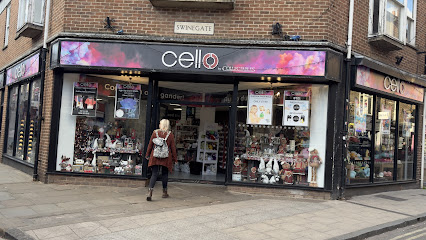
Cello by Collectables
0.3 km
Explore Cello by Collectables, a charming gift shop in York offering unique handcrafted treasures that embody the city's rich culture.
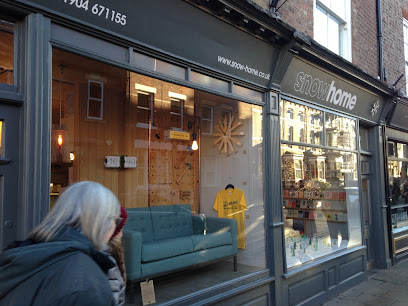
Snowhome
0.4 km
Discover Snowhome, York’s premier independent lifestyle store blending exquisite stationery, niche perfumes, and sustainable home accessories since 2001.
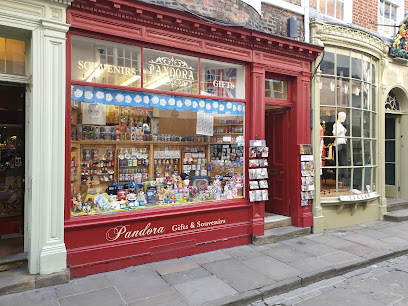
Pandora
0.4 km
Discover elegant, hand-finished jewellery crafted with care and inspired by timeless style at Pandora on Low Petergate, York.
The Medieval Scribe
0.4 km
Discover unique medieval-inspired crafts and artisanal treasures in the heart of York’s historic Church Street.
Essential bars & hidden hideouts

House Of Trembling Madness // Lendal (No table bookings)
0.1 km
Step into York’s medieval gem where historic ambiance meets an extraordinary craft beer selection in a quirky, lively setting.
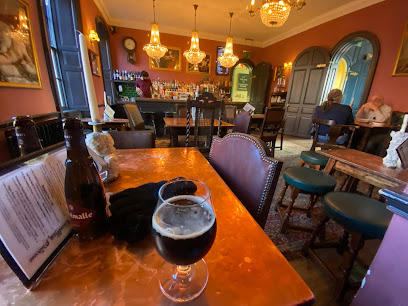
Lendal Cellars
0.1 km
Historic underground pub with a quirky atmosphere, diverse menu, and a rare city-center beer garden in York.
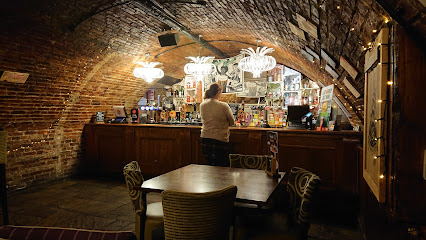
The Punch Bowl
0.2 km
A historic York pub blending traditional charm, eclectic ales, and hearty British fare in a cozy, welcoming setting on Stonegate.
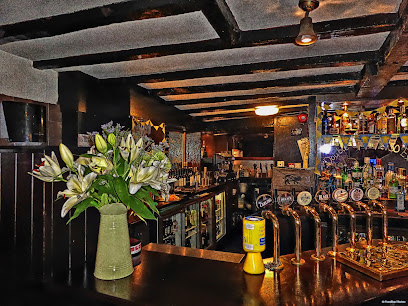
Ye Olde Starre Inne
0.2 km
Historic and welcoming pub on York’s Stonegate, serving hearty British classics in a charming medieval setting.
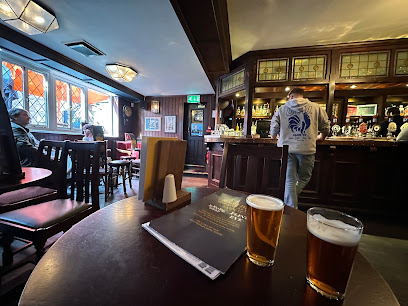
Eagle & Child
0.2 km
Historic 17th-century timber-framed pub in York offering craft ales, good food, and a charming beer garden in a quaint, lively setting.
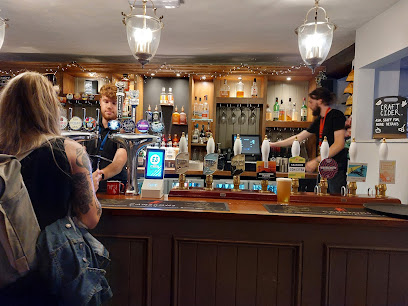
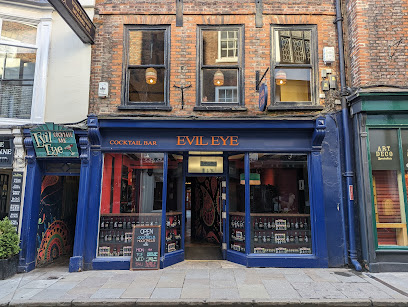
Evil Eye
0.2 km
Quirky cocktails and lively entertainment blend seamlessly in York’s vibrant Evil Eye Lounge on historic Stonegate.
Revolution York
0.2 km
Lively riverside bar and restaurant in York’s historic centre with multiple bars, garden terrace, and a vibrant atmosphere for all occasions.
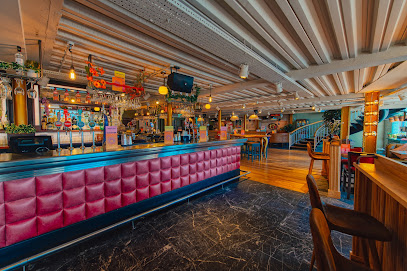
Bobos Cocktail Bar York
0.2 km
York’s vibrant two-floor cocktail bar with tropical drinks, heated shisha terrace, lively DJs, and unbeatable drink deals in the historic Quarter.
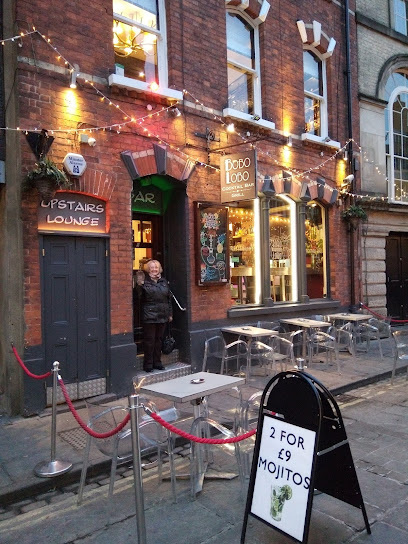
The Maltings
0.2 km
A quirky, friendly pub in York offering a wide beer selection and a welcoming atmosphere in the heart of Tanner's Moat.
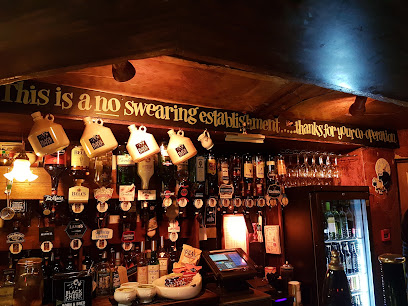
Dusk
0.2 km
A quirky and welcoming bar in York’s city centre, perfect for lively nights and casual drinks in a vibrant atmosphere.
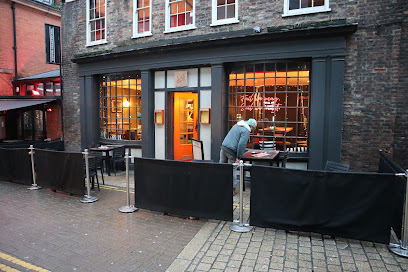
Slug & Lettuce - Swinegate York
0.3 km
A lively cocktail bar and casual dining spot in York’s historic centre, perfect for social drinks, events, and weekend late nights.
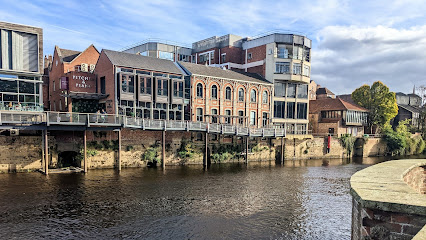
Pitcher & Piano York
0.3 km
Lively riverside bar on Coney Street blending modern British cuisine, vibrant social events, and scenic views of the River Ouse in York.
Oscar's Wine Bar & Bistro
0.3 km
A lively and welcoming wine bar in York offering quality food, diverse wines, and a charming atmosphere for all occasions.
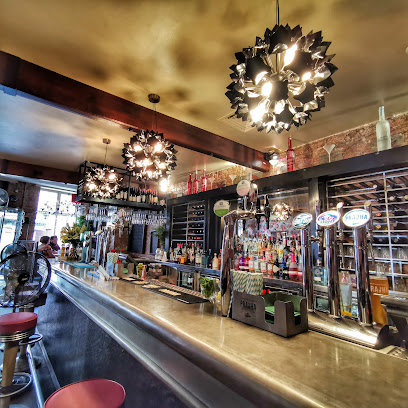
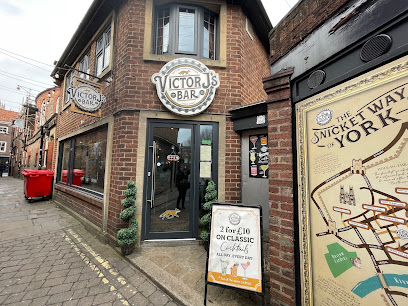
Victor J's
0.3 km
Eclectic art-inspired bar and restaurant in York’s heart, offering cozy seating, creative vibes, and lively weekend nights.
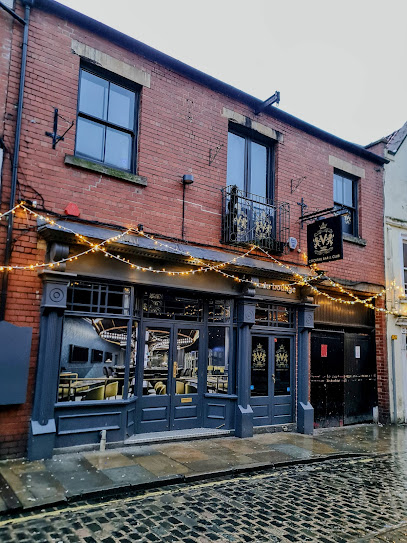
Vudu Lounge
0.3 km
York’s eclectic after-hours lounge blending quality cocktails with a lively, quirky nightlife vibe until the early morning.
Nightclubs & after hour spots

BlueBox
0.2 km
York’s premier late-night nightclub, BlueBox pulses with House, Tech House, and Disco beats until dawn in a vibrant city-center setting.
Flares - York
0.3 km
Experience York’s ultimate retro nightclub with decades-spanning hits, vibrant dance floors, and an inclusive party atmosphere.
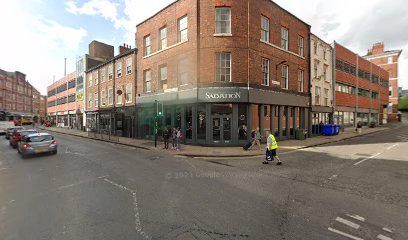
Club Salvation
0.3 km
York’s vibrant nightclub with dual music rooms, lively atmosphere, and fair-priced drinks for an unforgettable night out.
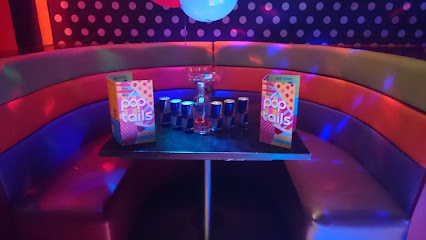
Popworld York
0.4 km
York’s vibrant pop music nightclub with a unique revolving dancefloor and a lively atmosphere for unforgettable nights out.
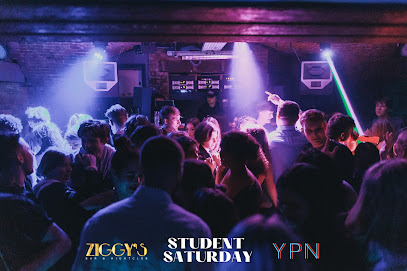
Ziggy's Bar & Nightclub
0.4 km
York’s iconic student nightclub offering energetic dance floors, affordable drinks, and a lively atmosphere since the 1980s.
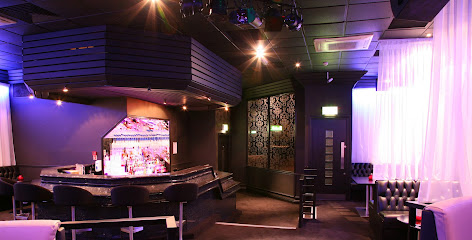
Bar 55 York
0.4 km
York’s exclusive strip club offering sophisticated adult entertainment and premium nightlife in a stylish, historic setting.

Kuda
0.5 km
York’s vibrant nightclub offering diverse music, live DJs, and a lively late-night atmosphere in the heart of the city.
Karaoke Rooms (KTV)
1.5 km
Experience lively private karaoke rooms in the heart of York’s vibrant nightlife at Chuandao Karaoke Bar.
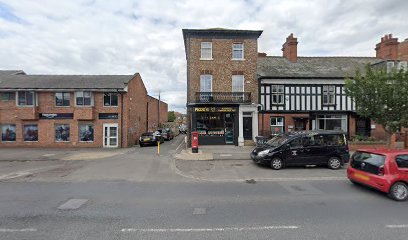
Big Fellas Nightclub
33.5 km
A lively and casual nightclub in Pontefract offering energetic late-night dancing and drinks in a central urban setting.
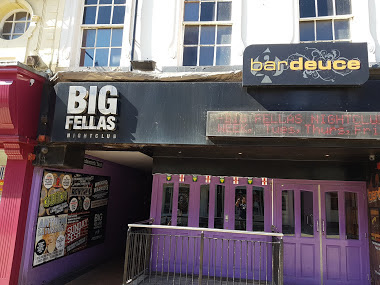
Arabian Night Lounge
33.9 km
Dive into Arabian enchantment on Leeds' nightlife scene: shisha, beats, and opulent vibes await at this Cherry Row gem.
Quadrophenia Night
34.5 km
Rev up for mod anthems, live ska-soul bands, and 60s film vibes at Leeds' ultimate Quadrophenia tribute night—pure energy and rebellion on the dancefloor.
Disco Stu's
34.7 km
Pulse-pounding beats and sticky-floored euphoria on Vicar Lane—Disco Stu's delivers unfiltered Leeds nightlife with affordable drinks and all-night energy.

The Lab Nightclub Leeds
34.7 km
Experience Leeds' electric nightlife at The Lab Nightclub, where music flows smoothly and the party never stops in the heart of the city.
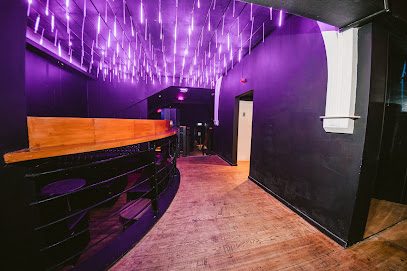
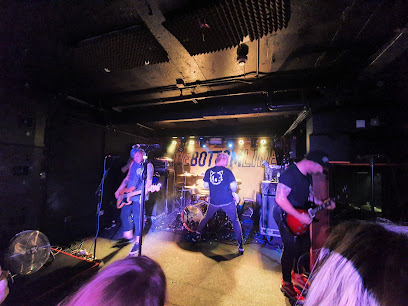
The Key Club
34.9 km
Intimate, no-frills live-music club in central Leeds where punk, indie and alternative acts play close and loud beneath Merrion Street.
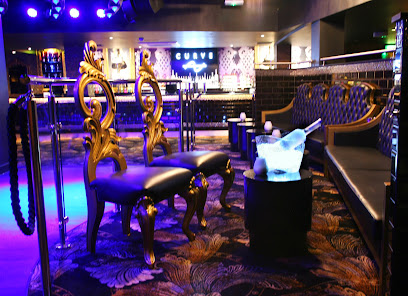
PRYZM
34.9 km
Leeds' multi-themed superclub where futuristic beats meet quirky rooms in the heart of Arena Quarter nightlife.
For the vibe & atmosphere seeker
- Tranquil
- Scenic
- Historic
- Unique
For the design and aesthetic lover
- Rustic Designs
- Vintage Styles
For the architecture buff
- Historic
- Landmarks
- Sacred Sites
For the view chaser and sunset hunter
- Iconic Views
- Panoramas
For the social media creator & influencer
- Instagrammable
- Photo Spots
- Architectural Shots
For the eco-conscious traveler
- Public-Transport Accessible
- Locally Managed
For the kind of experience you’re after
- Cultural Heritage
- Photowalk
- Day Trip
- Weekend Getaway
For how adventurous you want the journey to be
- Easy Access
Location Audience
- Family Friendly
- Senior Friendly
- Child Friendly
- Teen Friendly
- Wheelchair Access
- Solo Friendly
- Couple Friendly
- Solo Female Friendly


