
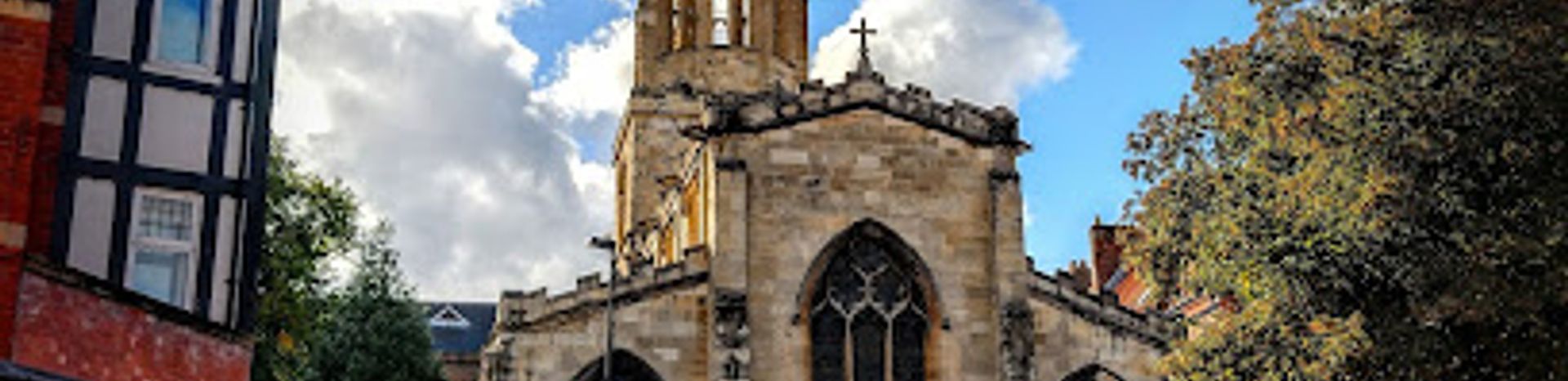
Parish of All Saints, Pavement: York’s Historic Beacon Church
Discover York’s historic All Saints, Pavement—home to a medieval lantern tower beacon and centuries of rich heritage in the city’s heart.
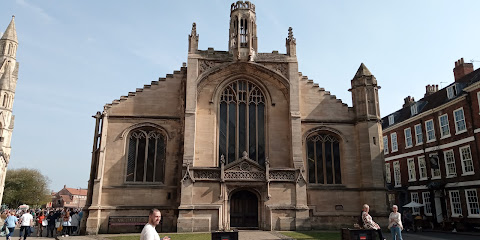
Nestled in the heart of York’s bustling city centre, All Saints, Pavement is a remarkable Anglican church with origins dating back to the 10th century. Known for its distinctive octagonal lantern tower, once a beacon for travellers, this church blends medieval architecture with rich historical layers, including Anglo-Danish artifacts and exquisite stained glass. Open weekdays and Saturdays, it offers visitors a serene spiritual haven amid York’s vibrant market area.
A brief summary to Parish of All Saints, Pavement
- High Ousegate, York, YO1 8RZ, GB
- +447388510894
- Visit website
- Duration: 0.5 to 2 hours
- Free
-
 Indoor
- Mobile reception: 4 out of 5
- Monday 10 am-4 pm
- Tuesday 10 am-4 pm
- Wednesday 10 am-4 pm
- Thursday 10 am-4 pm
- Friday 10 am-4 pm
- Saturday 10 am-4 pm
Local tips
- Visit on a weekday or Saturday between 10am and 4pm for quiet exploration and to appreciate the stained glass and medieval features.
- Attend one of the regular Sunday services if you want to experience the church’s vibrant worship and choral traditions.
- Look for the unique 14th-century Passion window at the west end and the Anglo-Danish child’s grave cover inside.
- Take time to admire the octagonal lantern tower from outside, a rare architectural feature that once guided travellers.

For the on-the-go comforts that matter to you
- Restrooms
- Seating Areas
- Information Boards
Getting There
-
Bus
Several city bus routes serve York city centre with stops within 5 to 10 minutes’ walk of All Saints, Pavement. Typical journey times from York railway station are 10–20 minutes. Tickets cost approximately £2–£4 one way.
-
Train and Walk
From York railway station, a 20-minute walk through the historic city centre leads to All Saints, Pavement. The route is mostly flat and suitable for most visitors.
-
Taxi
Taxis from York railway station to the church take around 5–10 minutes depending on traffic. Fares typically range from £6 to £10.
Parish of All Saints, Pavement location weather suitability
-
 Any Weather
-
 Rain / Wet Weather
-
 Clear Skies
-
 Mild Temperatures
Discover more about Parish of All Saints, Pavement
A Storied Past Rooted in Early Christian York
All Saints, Pavement stands on a site with Christian worship stretching back over a millennium. Originally established as a Norse Christian church in the 10th century, the present structure was comprehensively rebuilt in the 14th century to a rectangular plan. There is a tradition that the church was founded as early as AD 685 for St Cuthbert, and it is recorded in the Domesday Book as being held by the Bishop of Durham on behalf of the King. Over the centuries, the church has undergone significant architectural changes, including the demolition of the chancel in 1782 to accommodate York’s expanding market and rebuilding of its north wall and west end in the 19th century.The Iconic Lantern Tower: A Guiding Light
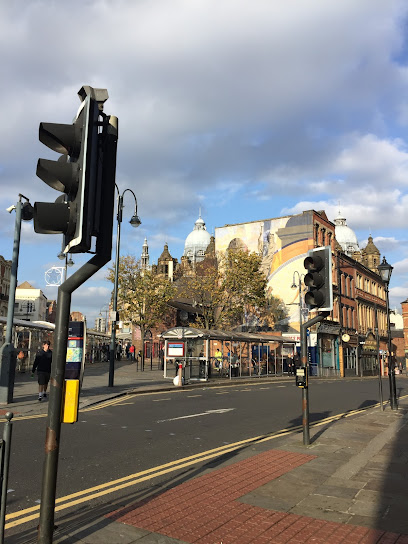
One of All Saints’ most striking features is its octagonal lantern tower, added around 1400 and rebuilt in 1837. This tower historically served as a beacon for travellers navigating the city, making it a distinctive landmark within York’s skyline. The lantern’s elegant design and historical significance contribute to the church’s unique character, symbolizing guidance and welcome.Architectural and Artistic Treasures Inside
Inside, visitors encounter a wealth of historic and artistic elements. The west end houses a rare 14th-century window depicting scenes from the Passion and Resurrection of Christ, while the north aisle features memorial windows dedicated to The Royal Dragoon Guards and recent conflicts such as Afghanistan. The finely crafted hexagonal oak pulpit, dating from circa 1634, is notable for its decorative sounding board and its association with John Wesley, who once preached from it. Additionally, a pre-conquest Anglo-Danish child’s grave cover from the early 10th century offers a tangible link to the church’s ancient origins.Community and Regimental Connections
All Saints, Pavement serves as the Guild Church of York and the Regimental Church of The Royal Dragoon Guards, reflecting its ongoing role in the city’s civic and military life. It is a preferred place of worship for ex-service associations in the area, emphasizing its importance beyond purely religious functions. The church also hosts regular worship services, including Holy Communion, Mattins, and Evensong, fostering a vibrant spiritual community.Visiting and Experiencing All Saints
The church welcomes visitors Monday through Saturday from 10am to 4pm, offering free entry to explore its historic interior and tranquil atmosphere. Its central location adjacent to York’s main shopping district makes it an accessible cultural and spiritual retreat. The combination of medieval architecture, rich history, and ongoing community engagement makes All Saints, Pavement a compelling destination for those interested in York’s heritage and religious traditions.Preservation and Restoration Efforts
Throughout its history, All Saints has benefited from careful restoration, notably in 1887 by architect George Edmund Street. This work included cleaning the stonework, restoring pinnacles, and installing stained glass by Charles Eamer Kempe. The church’s preservation ensures that its architectural and artistic treasures remain vibrant for future generations, maintaining its status as a cherished landmark in York’s historic core.Iconic landmarks you can’t miss

Parliament St
0.1 km
York's vibrant shopping street where Victorian commerce meets medieval heritage and market tradition.
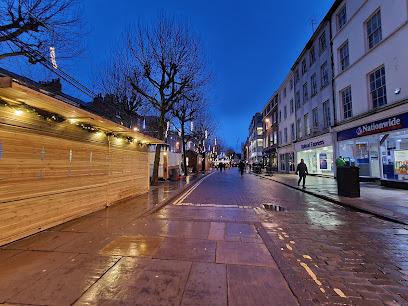
St Crux
0.1 km
Explore the echoes of medieval York at St Crux, where a grand church’s legacy lives on in a historic parish hall and poignant tales of martyrdom.
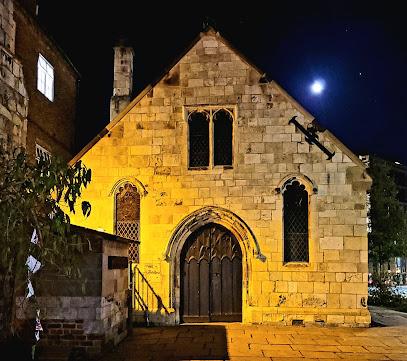
The York Ghost Merchants
0.2 km
Explore a unique blend of York's ghostly history and charming souvenirs at The York Ghost Merchants, your destination for eerie collectibles.
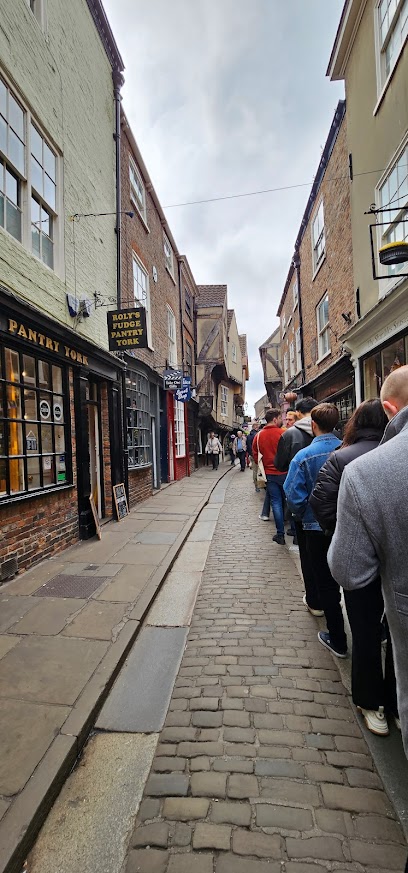
Ghost Hunt of York
0.2 km
Explore the haunted streets of York with the Ghost Hunt, where history and the supernatural collide in an unforgettable sightseeing experience.
Ouse Bridge
0.2 km
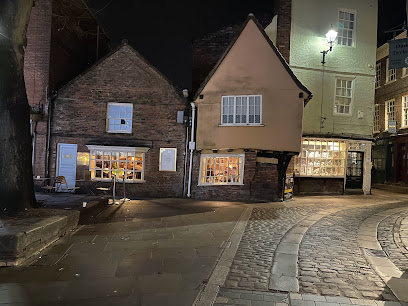
Historic Ouse Bridge in York spans the River Ouse, blending medieval heritage with 19th-century architecture and city life.
The Stonebow
0.3 km
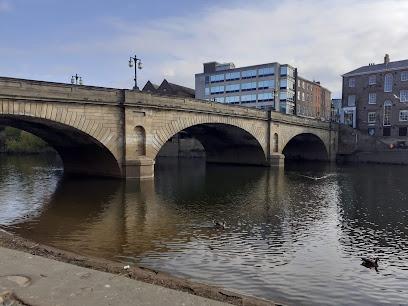
A historic gateway blending medieval charm and architectural evolution at York’s vibrant city heart.
Roman Column
0.4 km
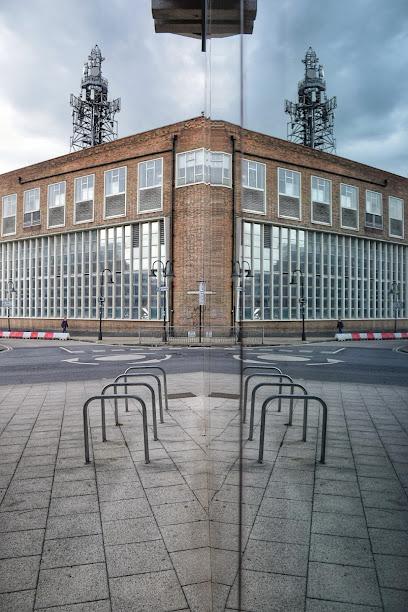
A 7.6-metre Roman column where Constantine may have been declared Emperor, standing in the shadow of York Minster since 1971.
Bedern Hall
0.4 km
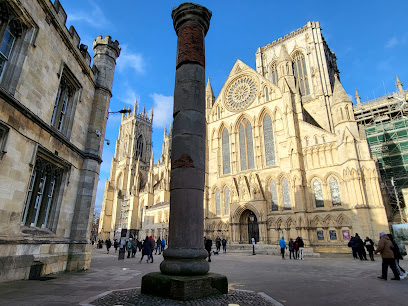
Experience the enchanting Bedern Hall in York, a perfect venue that beautifully blends history and elegance for unforgettable weddings and events.
The Norman House
0.4 km
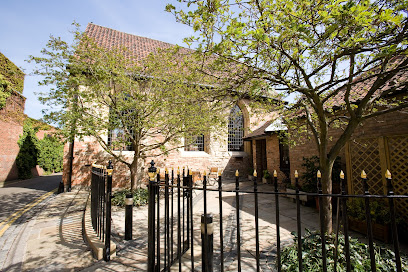
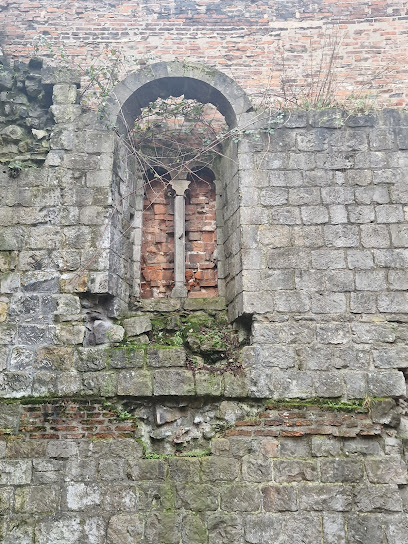
Discover York’s oldest medieval house, a Norman stone residence with rare surviving walls and a Norman window hidden behind Stonegate.
St Michael Le Belfrey
0.4 km
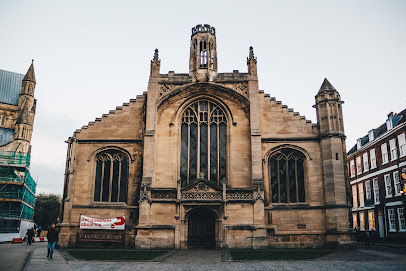
Discover the enchanting St Michael Le Belfrey, an Anglican church in York, rich in history and architectural beauty, perfect for spiritual reflection.
Sundial Column
0.4 km
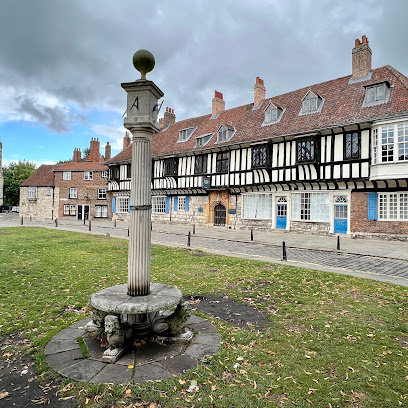
An elegant 18th-century sundial column on stone lions, quietly marking time just east of York Minster in a peaceful corner of the cathedral precincts.
Shadows of York Ghost Walk
0.4 km
Experience York's haunted history with the Shadows of York Ghost Walk, a thrilling journey through the city's ghostly past and chilling legends.
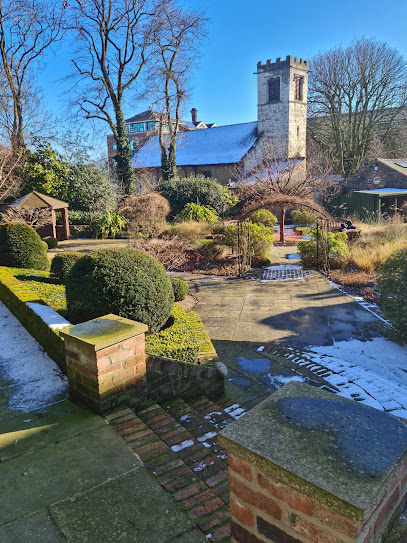
St Anthonys Garden
0.4 km
Explore St Anthony's Garden in York, a serene retreat filled with lush greenery and vibrant flowers, perfect for relaxation and contemplation.
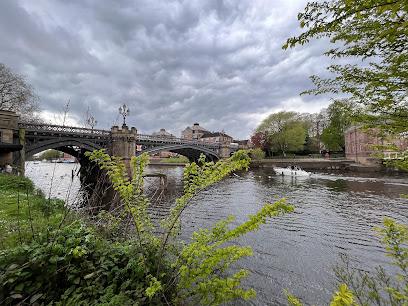
Skeldergate Bridge
0.4 km
Discover the stunning Skeldergate Bridge in York, where modern design meets historic charm, offering breathtaking views of the River Ouse and city skyline.
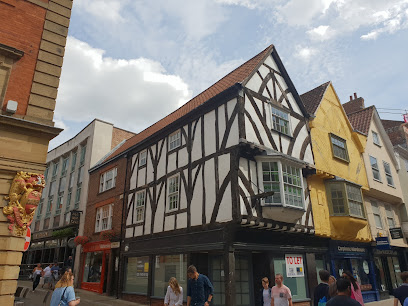
Locked in Games York
0.5 km
Experience the thrill of escaping at Locked in Games York, a top-rated escape room center perfect for families, friends, and adventurers!
Unmissable attractions to see

Coppergate Shopping Centre
0.1 km
Historic York’s vibrant open-air shopping centre blending culture, retail, and dining in the city’s ancient heart.
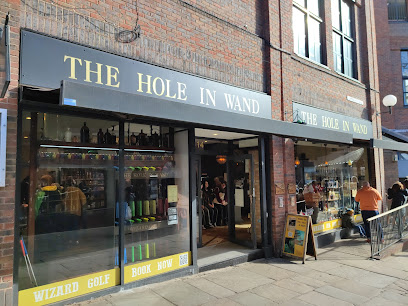
JORVIK Viking Centre
0.1 km
Step into Viking-age York at JORVIK Viking Centre, where history comes alive through immersive rides, artefacts, and interactive experiences.

Ghost keeper - Meeting point
0.1 km
Explore York’s haunted streets with the Ghost Keeper tour—a thrilling blend of history, spooky tales, and theatrical storytelling.
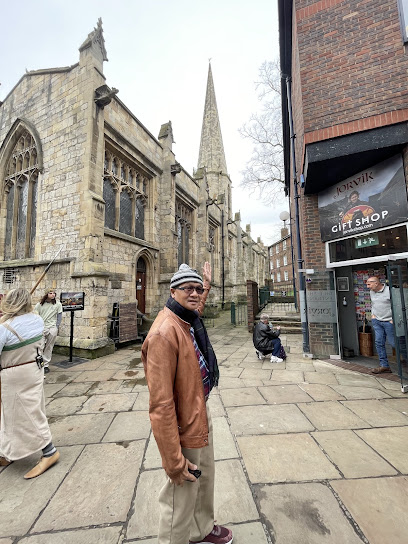
Van Gogh: The Immersive Experience York
0.1 km
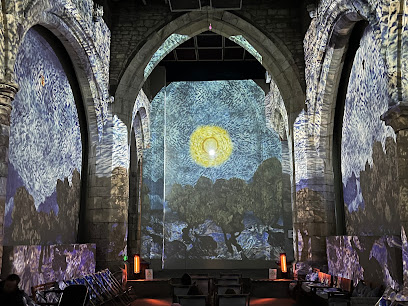
Step inside Van Gogh’s world with immersive projections and VR at historic St Mary's Abbey, York’s captivating digital art experience.
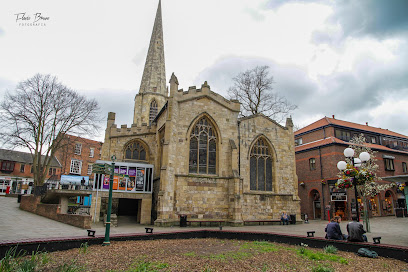
St Mary's Church
0.1 km
Discover York’s ancient St Mary's Church—where medieval history meets contemporary art in a stunning Castlegate landmark.
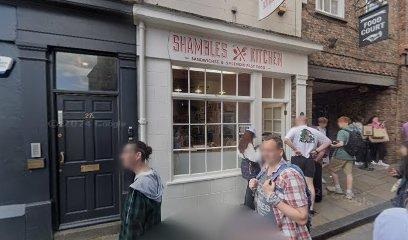
28 Shambles
0.1 km
Discover the historical allure and vibrant atmosphere of 28 Shambles, York's iconic medieval street filled with charming shops and local delicacies.
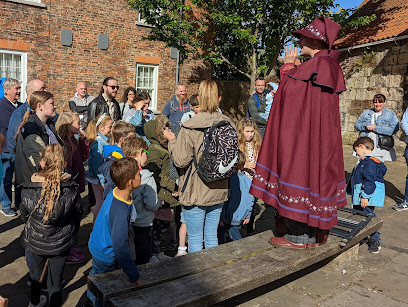
Wizard Walk of York - WINNER Best Tour and Best of York Award!
0.1 km
Experience the magic of York with the Wizard Walk, an award-winning tour that blends history, folklore, and captivating storytelling in a charming setting.
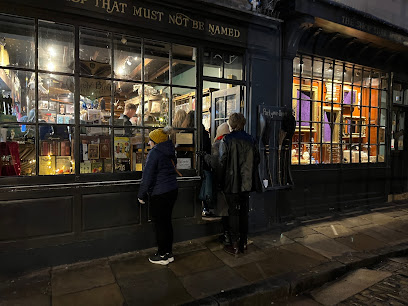
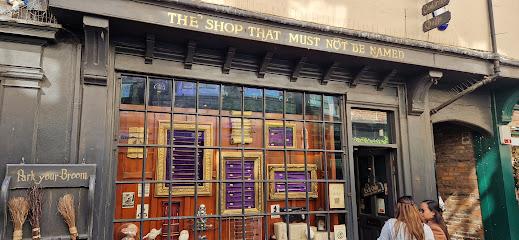
The Shop That Must Not Be Named
0.1 km
Step into York’s enchanting Shambles and discover The Shop That Must Not Be Named, a magical Harry Potter emporium filled with wizarding wonders and immersive charm.
Shambles Market
0.1 km
Discover York's vibrant Shambles Market, a historic covered marketplace blending artisan crafts, fresh food, and lively atmosphere daily from 9am to 5pm.
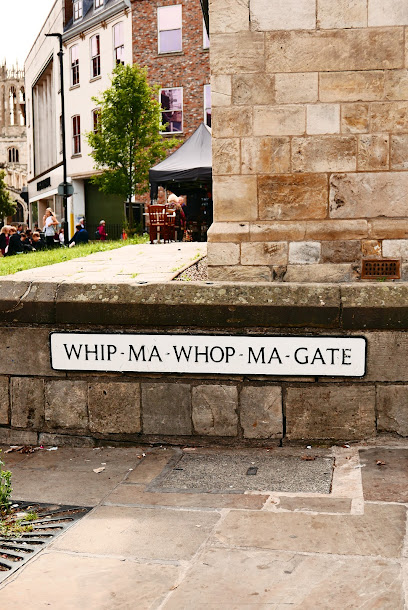
Whip-Ma-Whop-Ma-Gate Sign
0.1 km
Discover York’s quirkiest tiny street marked by the Whip-Ma-Whop-Ma-Gate Sign, nestled near the medieval charm of the Shambles.
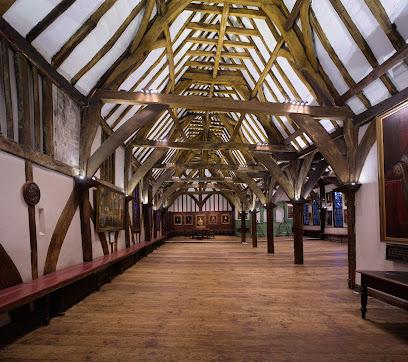
Merchant Adventurers' Hall
0.1 km
Step into York’s medieval past at the Merchant Adventurers' Hall, a stunning timber-framed guildhall alive with history, commerce, and community spirit.
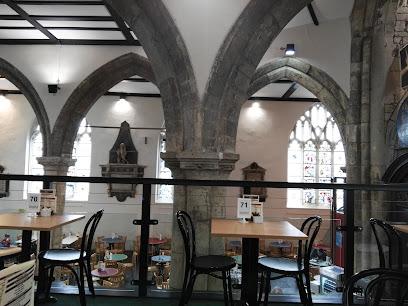
The Spurriergate Centre
0.1 km
A historic 12th-century church transformed into a vibrant community café and Christian centre in the heart of York.
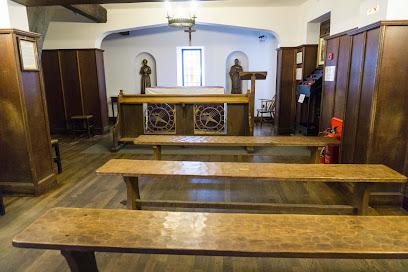
Shrine of Saint Margaret Clitherow
0.1 km
A modest yet powerful shrine in York’s Shambles honoring Saint Margaret Clitherow, the courageous Catholic martyr known as the Pearl of York.
The Potions Academy
0.1 km
Step into a magical classroom in York’s historic Shambles and craft your own enchanting potions in an immersive family-friendly adventure.
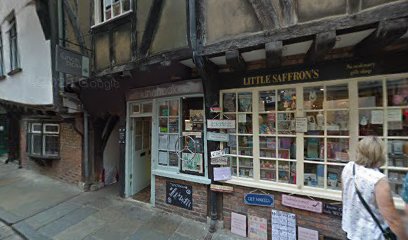
Shambles
0.1 km
Step into York’s medieval heart on The Shambles, a narrow, timber-framed street rich with history, charm, and magical inspiration.
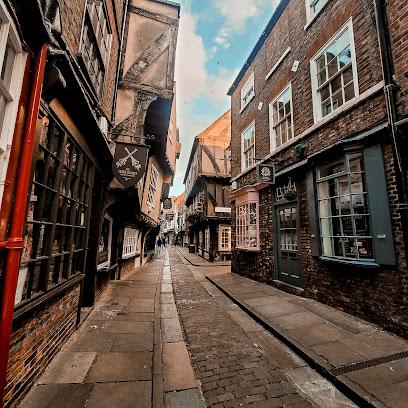
Essential places to dine

Ate O'Clock
0.0 km
Enchanting modern British dining in York’s fairy-lit alley, blending classic flavors with stylish charm and warm hospitality.
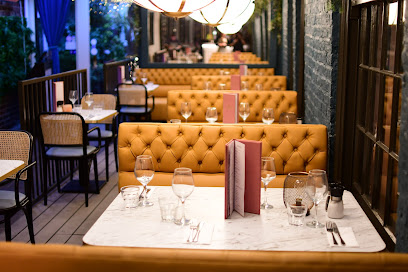
Pavement Vaults
0.0 km
Experience York’s vibrant grill and bar scene with generous smoked meats, craft beers, and a lively, welcoming atmosphere at Pavement Vaults.
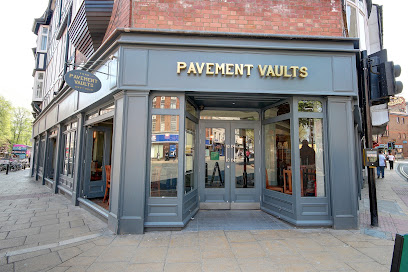
Marzano Italian & Grill
0.1 km
Experience authentic Italian flavors and warm hospitality in the heart of York’s vibrant Fossgate district.
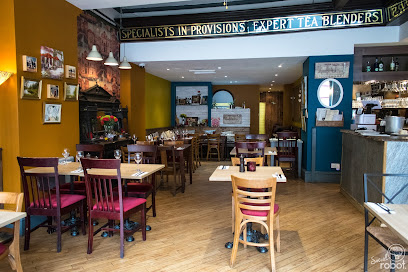
Rustique Restaurant
0.1 km
Experience authentic French flavors and vibrant bistro charm at Rustique, York’s beloved French restaurant with a welcoming atmosphere and great value.
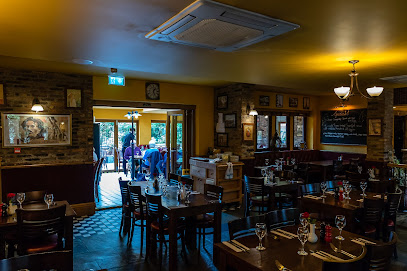
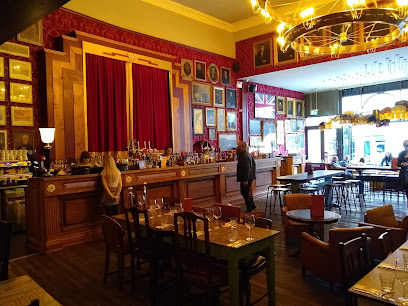
Cosy Club
0.1 km
Historic charm meets stylish dining and cocktails in York’s iconic Cosy Club on Fossgate, perfect for all-day indulgence and special celebrations.
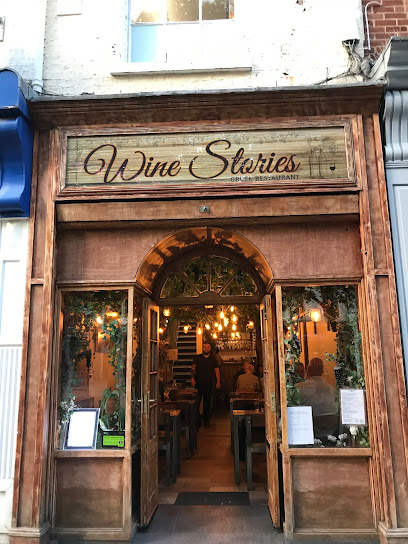
Wine Stories
0.2 km
Experience authentic Greek cuisine and an extensive wine selection in the cozy heart of York’s historic center at Wine Stories.
Ambiente Tapas Fossgate
0.2 km
Experience authentic Spanish tapas and vibrant atmosphere in York’s stylish Ambiente Tapas Fossgate, perfect for sharing, sipping, and socializing.
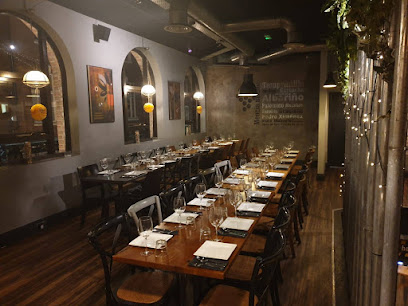
The Blue Barbakan
0.2 km
Experience hearty Polish classics and warm hospitality in York’s vibrant Fossgate at The Blue Barbakan.
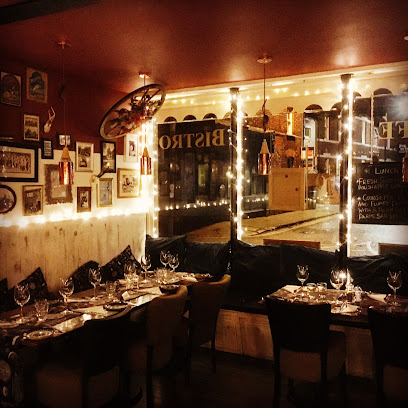
Corner Grill House
0.2 km
Award-winning Yorkshire steakhouse serving premium beef and local ingredients in York's vibrant city centre.
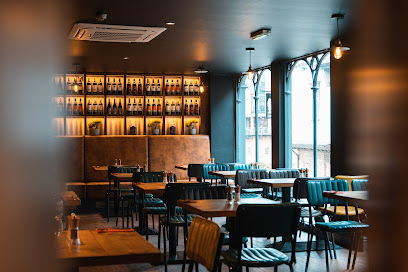
31 Castlegate Restaurant
0.2 km
Experience refined modern European dining in the historic heart of York, blending seasonal flavors with warm hospitality.
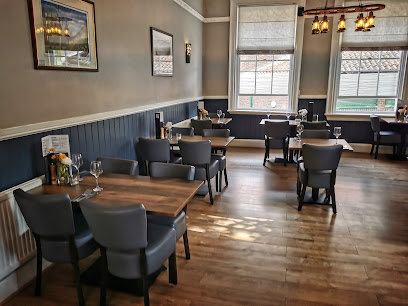
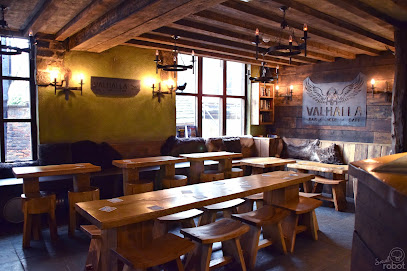
Valhalla York
0.2 km
Experience hearty Viking-inspired tapas, unique ales, and a lively atmosphere at Valhalla York in the heart of the city.
The Cut & Craft York
0.2 km
Stylish steakhouse in York’s historic St. Sampson’s Square, famed for premium cuts, craft beers, and inviting modern ambiance.
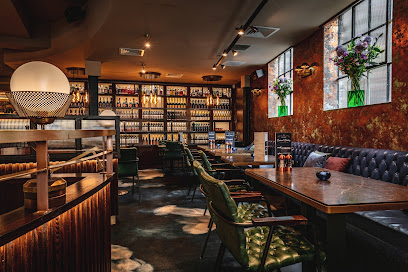
D'vine Restaurant And Social Bar
0.2 km
A vibrant York venue blending British, Italian, and Mediterranean flavors with a lively social bar atmosphere.
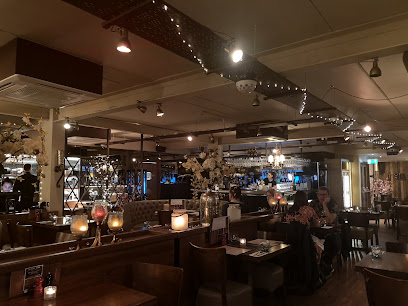
Las Iguanas - York
0.3 km
Experience vibrant Latin American flavours and lively cocktails in York’s historic city centre at Las Iguanas.
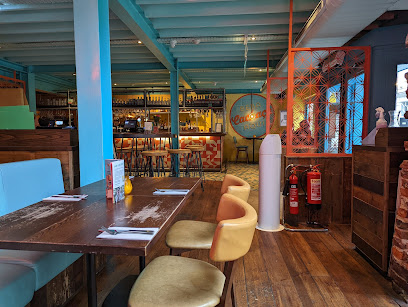
Bill's York Restaurant
0.3 km
Colourful British comfort food in a historic York building, perfect for brunch, burgers and cocktails in the city centre.
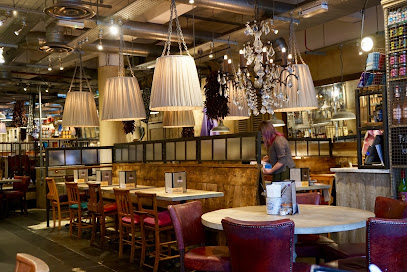
Markets, malls and hidden boutiques

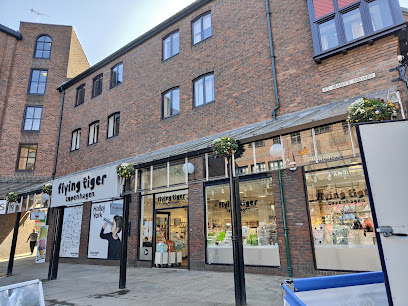
Flying Tiger Copenhagen
0.1 km
Scandinavian creativity meets quirky British charm in this beloved gift and lifestyle shop.
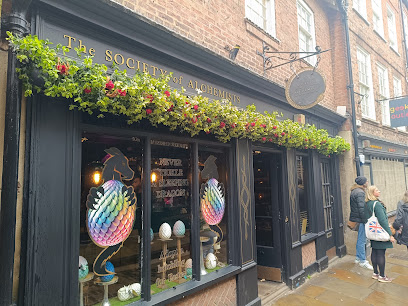
Gift Gallery
0.1 km
Discover unique gifts and charming souvenirs in the heart of York’s historic Shambles, where tradition meets thoughtful shopping.
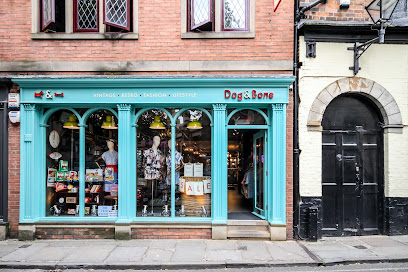
Dog & Bone Vintage
0.1 km
Discover timeless vintage fashion and unique homewares in York’s charming Dog & Bone Vintage, where style meets sustainability across two floors.
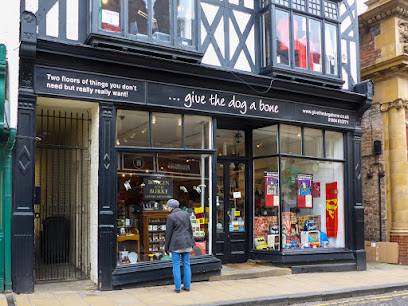
Give The Dog A Bone
0.1 km
Discover York’s quirky gift haven with two floors of unique treasures, from funky homeware to pop culture collectibles on historic Fossgate.
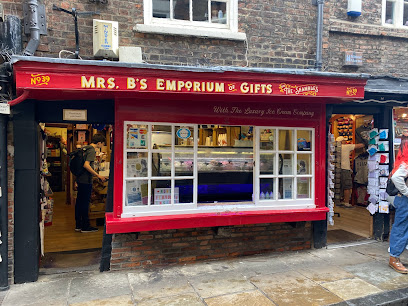
Mrs B's Emporium of Gifts
0.1 km
Discover quirky, unique gifts and playful treasures in the heart of York’s historic Shambles at Mrs B's Emporium of Gifts.
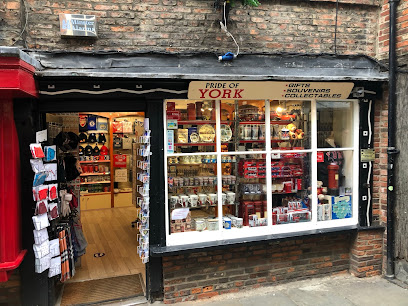
Pride of York Souvenirs
0.1 km
Discover authentic York treasures and unique souvenirs in the heart of the historic Shambles at Pride of York Souvenirs.
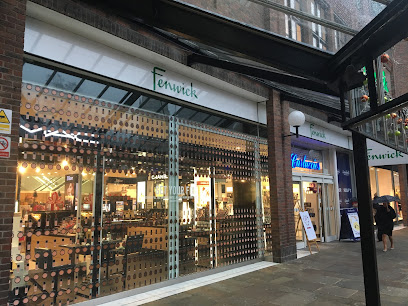
Fenwick York
0.2 km
Discover luxury fashion, beauty, and homeware at Fenwick York, a boutique department store nestled in the heart of Coppergate Centre.
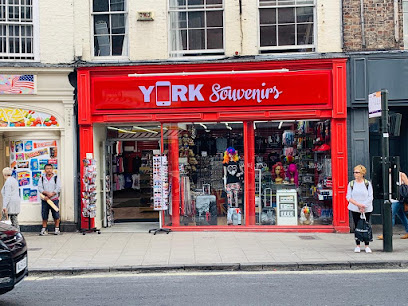
York Souvenir's
0.2 km
Discover authentic York treasures and charming souvenirs at this friendly, independent gift shop in the heart of York.
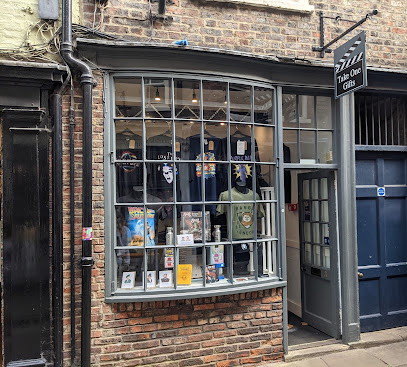
Take One Gifts
0.2 km
Explore Take One Gifts in York for unique souvenirs, artisan crafts, and memorable collectibles reflecting the city's charm.
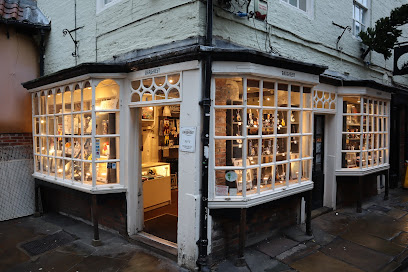
Barghest
0.2 km
Discover Barghest, a quirky gift shop in York’s historic Shambles, offering unique film, TV, and music merchandise in a medieval setting.
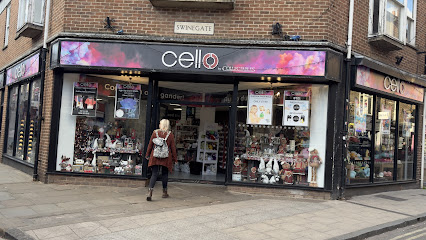
Cello by Collectables
0.2 km
Explore Cello by Collectables, a charming gift shop in York offering unique handcrafted treasures that embody the city's rich culture.
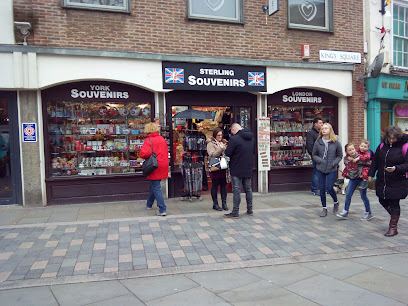
Sterling Souvenirs
0.2 km
Discover authentic York treasures and unique souvenirs at Sterling Souvenirs, your friendly gift shop in the heart of King’s Square.
The Medieval Scribe
0.2 km
Discover unique medieval-inspired crafts and artisanal treasures in the heart of York’s historic Church Street.
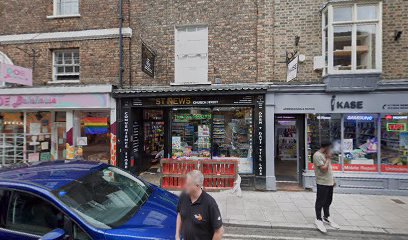
Expressions
0.2 km
Discover unique vintage American sportswear and retro styles at Expressions, York’s friendly and authentic vintage clothing shop on historic Walmgate.
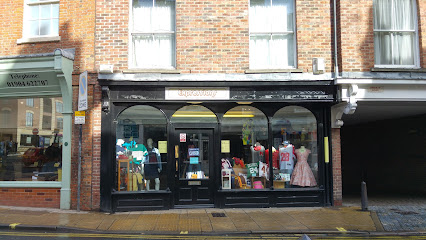
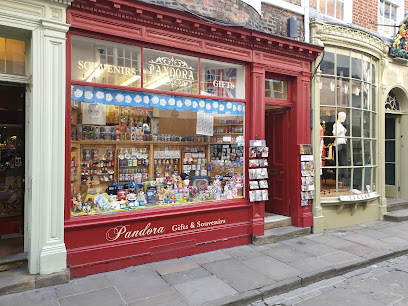
Pandora
0.3 km
Discover elegant, hand-finished jewellery crafted with care and inspired by timeless style at Pandora on Low Petergate, York.
Essential bars & hidden hideouts

Social 8 Lounge
0.0 km
Stylish York lounge bar offering crafted cocktails, small plates, and boozy brunch in a relaxed, elegant setting with a courtyard garden.
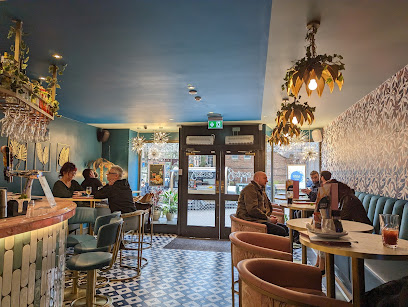
The Three Tuns
0.0 km
Step into The Three Tuns, a centuries-old timber-framed pub on Coppergate offering historic charm and hearty Yorkshire hospitality in York’s heart.
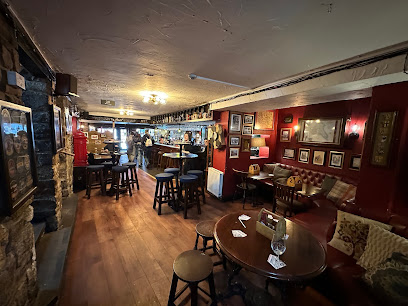
Golden Fleece York
0.1 km
York’s oldest haunted pub offering historic charm, classic ales, cozy rooms, and a lively social atmosphere in the heart of the city.
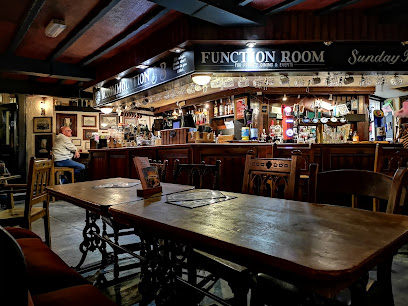
The Blue Bell
0.1 km
York’s smallest and most beloved Edwardian pub, famed for its authentic atmosphere, quality ales, and warm community spirit.
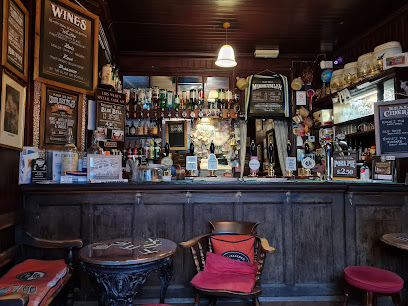
The Hop York
0.1 km
A lively York city centre bar known for its craft beers, stone-baked pizzas, and vibrant live music in a historic Victorian setting.
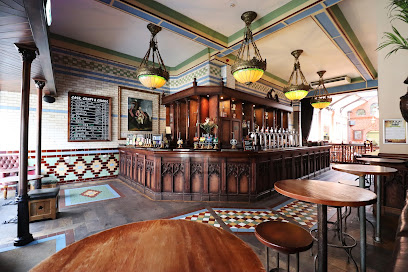
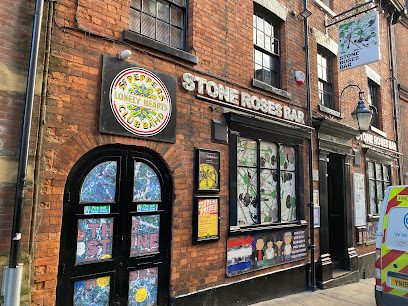
The Stone Roses Bar
0.1 km
York’s premier indie music bar, blending iconic memorabilia with lively vibes and friendly service in a central city location.
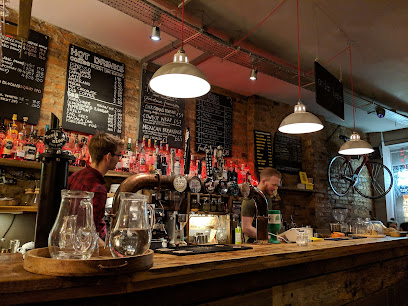
The Fossgate Social
0.2 km
A lively independent bar and coffee shop on York’s Fossgate, known for craft drinks, specialty coffee, and a welcoming atmosphere.
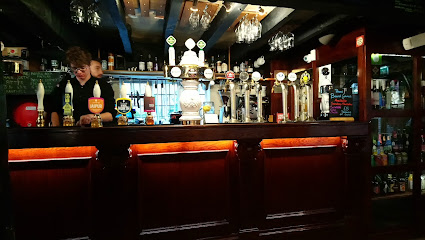
Pivní York
0.2 km
Historic 16th-century timber-framed pub in York offering an exceptional selection of local and global craft beers in a cosy, multi-floor setting.
Slug & Lettuce York Riverside
0.2 km
Lively riverside bar and restaurant in York offering cocktails, casual dining, and vibrant social vibes with scenic river views.
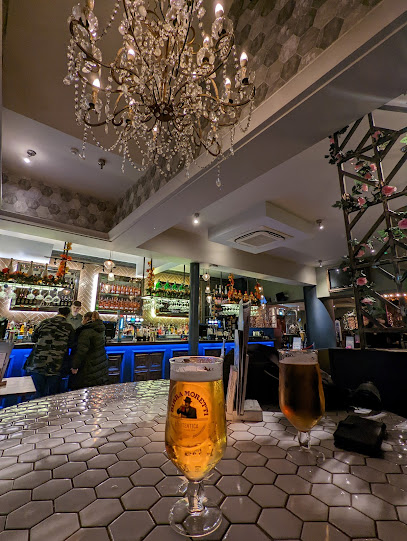
Plonkers
0.2 km
Family-run riverside wine bar and bistro in York serving home-cooked meals, fine wines, craft beers, and lively live music events since the 1980s.
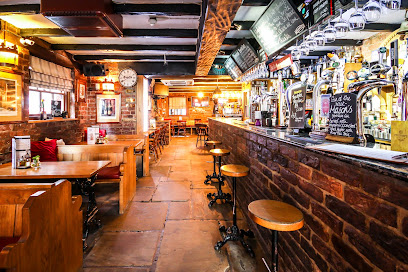
Vudu Lounge
0.2 km
York’s eclectic after-hours lounge blending quality cocktails with a lively, quirky nightlife vibe until the early morning.
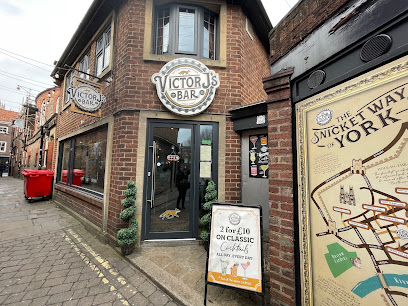
Victor J's
0.2 km
Eclectic art-inspired bar and restaurant in York’s heart, offering cozy seating, creative vibes, and lively weekend nights.
Pitcher & Piano York
0.2 km
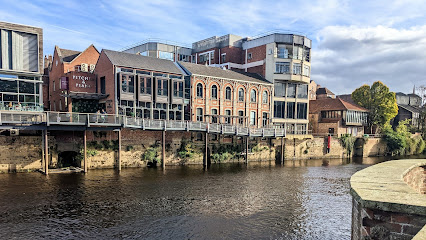
Lively riverside bar on Coney Street blending modern British cuisine, vibrant social events, and scenic views of the River Ouse in York.
Dusk
0.3 km
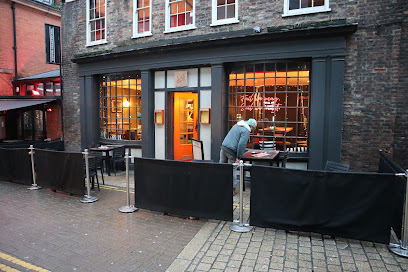
A quirky and welcoming bar in York’s city centre, perfect for lively nights and casual drinks in a vibrant atmosphere.
Oscar's Wine Bar & Bistro
0.3 km
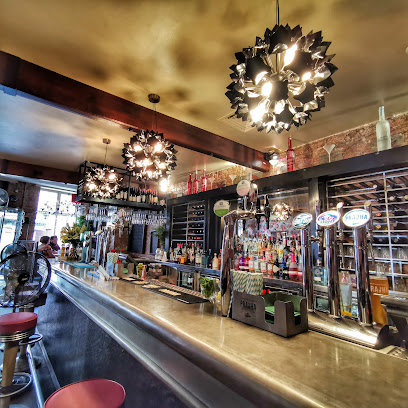
A lively and welcoming wine bar in York offering quality food, diverse wines, and a charming atmosphere for all occasions.
Nightclubs & after hour spots

Kuda
0.2 km
York’s vibrant nightclub offering diverse music, live DJs, and a lively late-night atmosphere in the heart of the city.
BlueBox
0.3 km
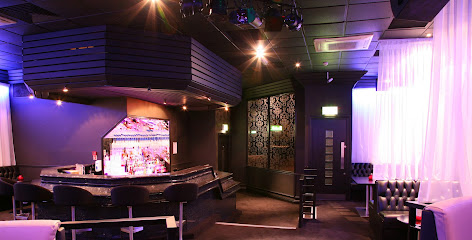
York’s premier late-night nightclub, BlueBox pulses with House, Tech House, and Disco beats until dawn in a vibrant city-center setting.

Flares - York
0.4 km
Experience York’s ultimate retro nightclub with decades-spanning hits, vibrant dance floors, and an inclusive party atmosphere.
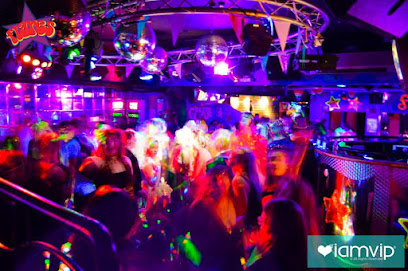
Popworld York
0.4 km
York’s vibrant pop music nightclub with a unique revolving dancefloor and a lively atmosphere for unforgettable nights out.
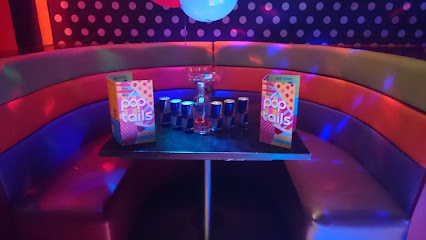
Club Salvation
0.4 km
York’s vibrant nightclub with dual music rooms, lively atmosphere, and fair-priced drinks for an unforgettable night out.
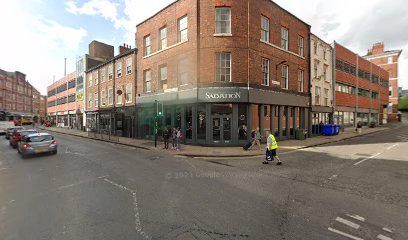
Ziggy's Bar & Nightclub
0.5 km
York’s iconic student nightclub offering energetic dance floors, affordable drinks, and a lively atmosphere since the 1980s.
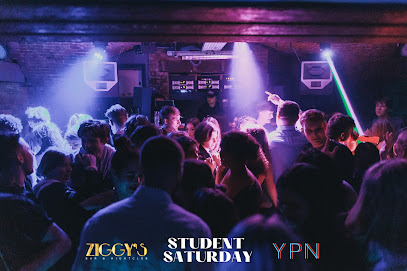
Bar 55 York
0.5 km
York’s exclusive strip club offering sophisticated adult entertainment and premium nightlife in a stylish, historic setting.

Karaoke Rooms (KTV)
1.0 km
Experience lively private karaoke rooms in the heart of York’s vibrant nightlife at Chuandao Karaoke Bar.
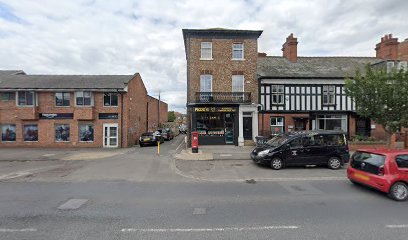
Big Fellas Nightclub
33.4 km
A lively and casual nightclub in Pontefract offering energetic late-night dancing and drinks in a central urban setting.
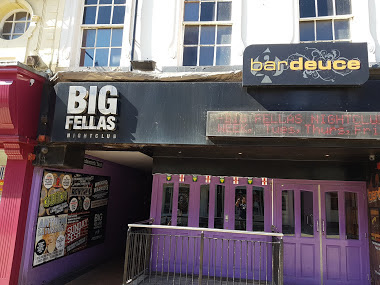
Arabian Night Lounge
34.0 km
Dive into Arabian enchantment on Leeds' nightlife scene: shisha, beats, and opulent vibes await at this Cherry Row gem.

Quadrophenia Night
34.6 km
Rev up for mod anthems, live ska-soul bands, and 60s film vibes at Leeds' ultimate Quadrophenia tribute night—pure energy and rebellion on the dancefloor.
Disco Stu's
34.9 km
Pulse-pounding beats and sticky-floored euphoria on Vicar Lane—Disco Stu's delivers unfiltered Leeds nightlife with affordable drinks and all-night energy.

The Lab Nightclub Leeds
34.9 km
Experience Leeds' electric nightlife at The Lab Nightclub, where music flows smoothly and the party never stops in the heart of the city.
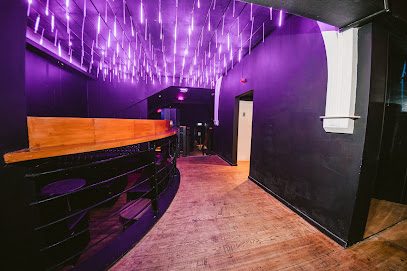
The Key Club
35.0 km
Intimate, no-frills live-music club in central Leeds where punk, indie and alternative acts play close and loud beneath Merrion Street.

Wire
35.1 km
A compact, music-first basement club on Call Lane where tight crowds and a punchy sound system make late-night electronic parties feel immediate and intense.
For the vibe & atmosphere seeker
- Tranquil
- Scenic
- Unique
- Relaxing
For the design and aesthetic lover
- Vintage Styles
For the architecture buff
- Historic
- Landmarks
- Sacred Sites
For the view chaser and sunset hunter
- Iconic Views
For the social media creator & influencer
- Instagrammable
- Photo Spots
- Architectural Shots
For the eco-conscious traveler
- Public-Transport Accessible
For the kind of experience you’re after
- Cultural Heritage
- Spiritual / Energy Spot
- Myth & Legends
- Day Trip
- Photowalk
For how adventurous you want the journey to be
- Easy Access
Location Audience
- Family Friendly
- Senior Friendly
- Child Friendly
- Teen Friendly
- Wheelchair Access
- Pet Friendly
- Solo Friendly
- Couple Friendly
- Vegetarian Friendly
- Vegan Friendly


