Dick Turpins grave, Yorkshire Travel Guide
Explore the legendary resting place of England’s notorious highwayman, Dick Turpin, in York’s historic St George’s Churchyard.
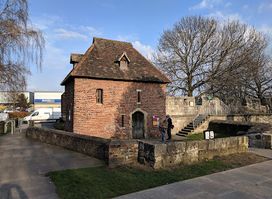
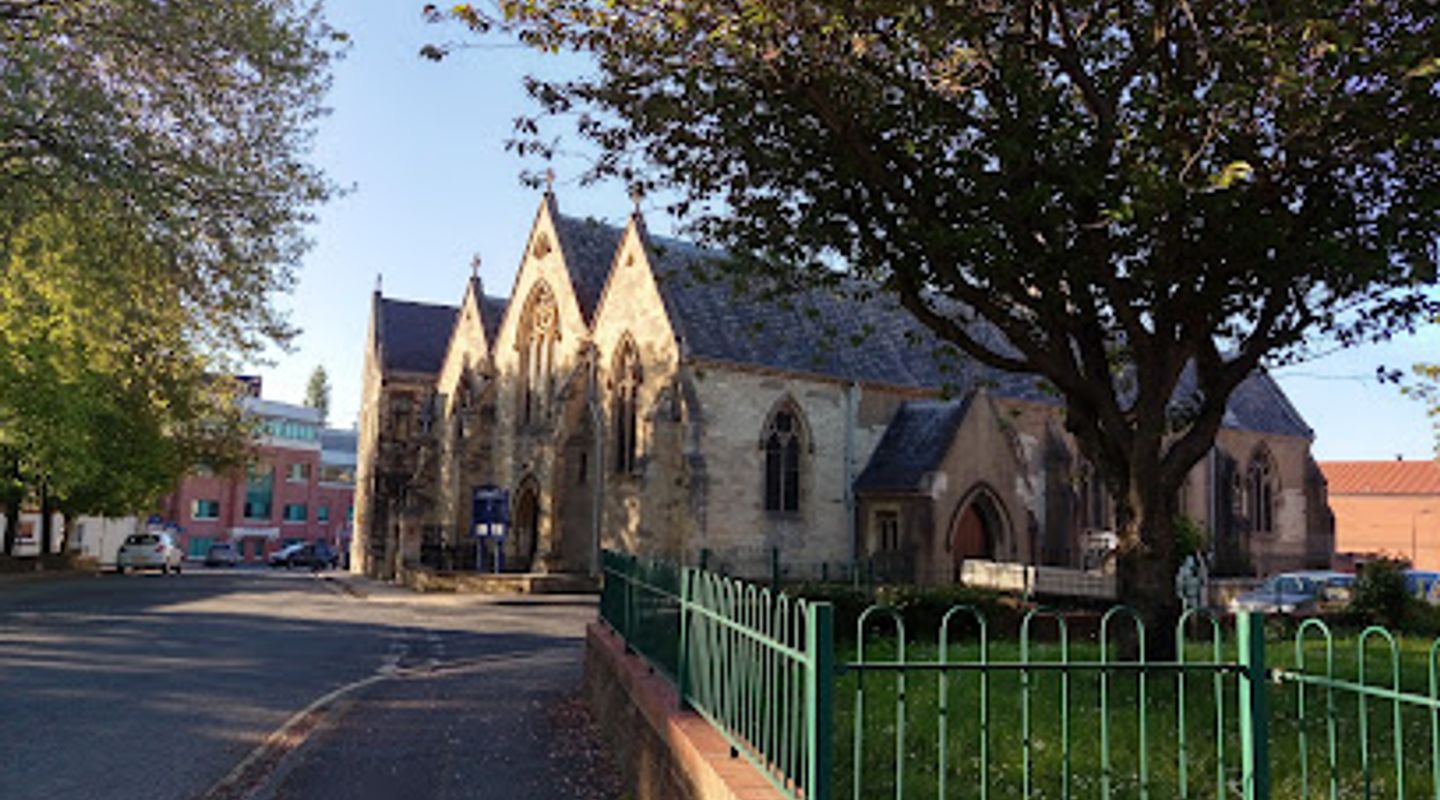
Dick Turpin's Grave, located in the churchyard of St George's Church on Lead Mill Lane, York, marks the final resting place of the infamous 18th-century highwayman. The grave and its iconic headstone attract visitors intrigued by Turpin's dramatic life, execution in 1739, and enduring legend. Situated near York city centre, this historic site offers a glimpse into England's turbulent criminal past and the folklore surrounding one of its most notorious outlaws.
A brief summary to Dick Turpins grave
- 6 Lead Mill Ln, York, YO1 9QH, GB
- Click to display
- Duration: 0.25 to 1 hours
- Free
-
 Outdoor
- Mobile reception: 4 out of 5

Know before you go
Hi, I'm Eve. Here are a few practical things to know before exploring Dick Turpins grave.
- Visit during daylight hours for the best experience, as the churchyard can be quiet and less maintained in the evenings.
- Combine your visit with a tour of York Castle Museum to see the jail cell where Turpin was held before his execution.
- Wear comfortable walking shoes as the graveyard has uneven ground and is outdoors.
- Respect the solemnity of the site; it is a historic burial ground with other graves nearby.
Do you manage this location?
Take control to get all the benefits, like improved information, better appearance, and stronger visibility across AI-powered discovery. Learn more about listing your business on Evendo
Activate your presenceOther nearby places you may find interesting
The closest places of the same kind, if this one is not quite what you had in mind.


Explore Dick Turpins grave on the Map
A handpicked selection of must-see spots near Dick Turpins grave, mapped for you.
Unlock the Best of Dick Turpins grave
Buy tickets
-
No tickets available
Book tours with entry


Book tours without entry

Getting There
-
Bus
Take York City Sightseeing buses or local bus services to the York city centre; from there, the grave is a 10-15 minute walk. Bus fares typically range from £2 to £4 for a single journey.
-
Walking
From York city centre, walk approximately 1 km to St George’s Churchyard on Lead Mill Lane. The route is mostly flat and accessible, taking 10-15 minutes through historic streets.
-
Taxi
Local taxis can reach the grave site within 5 minutes from central York, costing around £5-£8 depending on time and traffic.
For the on-the-go comforts that matter to you
-
 Restrooms
-
 Information Boards
-
 Seating Areas
Discover more about Dick Turpins grave
The Legacy of an Infamous Highwayman
Dick Turpin, born in 1705, became one of England's most notorious highwaymen, known for his violent crimes and daring escapades across the countryside. Initially apprenticed as a butcher, Turpin turned to crime, engaging in cattle rustling and horse theft, which escalated into highway robbery. His ruthless methods included brutal acts such as scalding victims with boiling water and violence that cemented his fearsome reputation. Despite this, his story has been romanticized over centuries, partly due to literary works like Harrison Ainsworth's 1834 novel "Rookwood," which popularized the legendary ride of Turpin's horse, Black Bess, from London to York.The Final Days and Execution
Turpin's criminal career ended abruptly when he was arrested for horse theft in 1739. Tried at York Assizes, he was convicted and sentenced to death. On April 7, 1739, Turpin was executed by hanging at York's Knavesmire, also known as York Tyburn, a wooden gallows structure infamous in the city. Contemporary accounts describe Turpin's composed demeanor during his execution, where he reportedly confessed to murder but denied other charges. His body was buried in the churchyard of St George's Church, but his corpse was later exhumed and briefly stolen for illegal dissection before being recovered and reburied.The Grave and Its Enigmas
The grave, marked by a distinctive headstone inscribed with "Richard Turpin, York’s Most Famous Highwayman, Executed 1739," lies approximately 50 meters from the entrance of St George’s Churchyard on George Street. The site is modest, set within a small gated cemetery opposite the church, surrounded by other graves yet uniquely preserved. While there is some debate about the exactness of Turpin's burial spot, the grave has become a symbolic monument to his life and legend. Visitors often note the serene yet slightly eerie atmosphere of the churchyard, which contrasts with the violent life Turpin led.Visiting the Site Today
Located just a short walk from York's city centre and landmarks like York Minster, the grave is accessible to the public year-round. The surrounding area is a quiet churchyard that offers a moment of reflection amid the bustling city. Nearby, visitors can explore related historical sites such as the York Castle Museum, which houses the jail cell where Turpin was held before his execution. The grave itself serves as a tangible connection to 18th-century England’s darker history and the folklore that has kept Turpin’s story alive.Cultural Impact and Continuing Fascination
Dick Turpin’s grave is more than a burial site; it is a cultural icon representing the romanticized outlaw figure in English history. His story has inspired numerous books, films, and local legends, making the grave a pilgrimage site for those fascinated by crime history and folklore. The juxtaposition of Turpin’s brutal reality with the mythic tales surrounding his life and death continues to captivate visitors, historians, and storytellers alike.Preservation and Historical Significance
The grave is listed on the National Heritage List for England, recognized for its historic interest as the resting place of a figure emblematic of 18th-century criminality and social unrest. Efforts to maintain the site ensure that it remains a respectful and informative destination. While modest in scale, the grave’s presence within York’s historic landscape enriches the city’s narrative and offers insight into the era’s justice system and societal challenges.












Your all‑in‑one travel companion app
Explore expert travel guides, compare and book tours, experiences, hotels, and more—all from the palm of your hand. Download now for seamless trip planning wherever your wanderlust takes you.


Explore More of Yorkshire
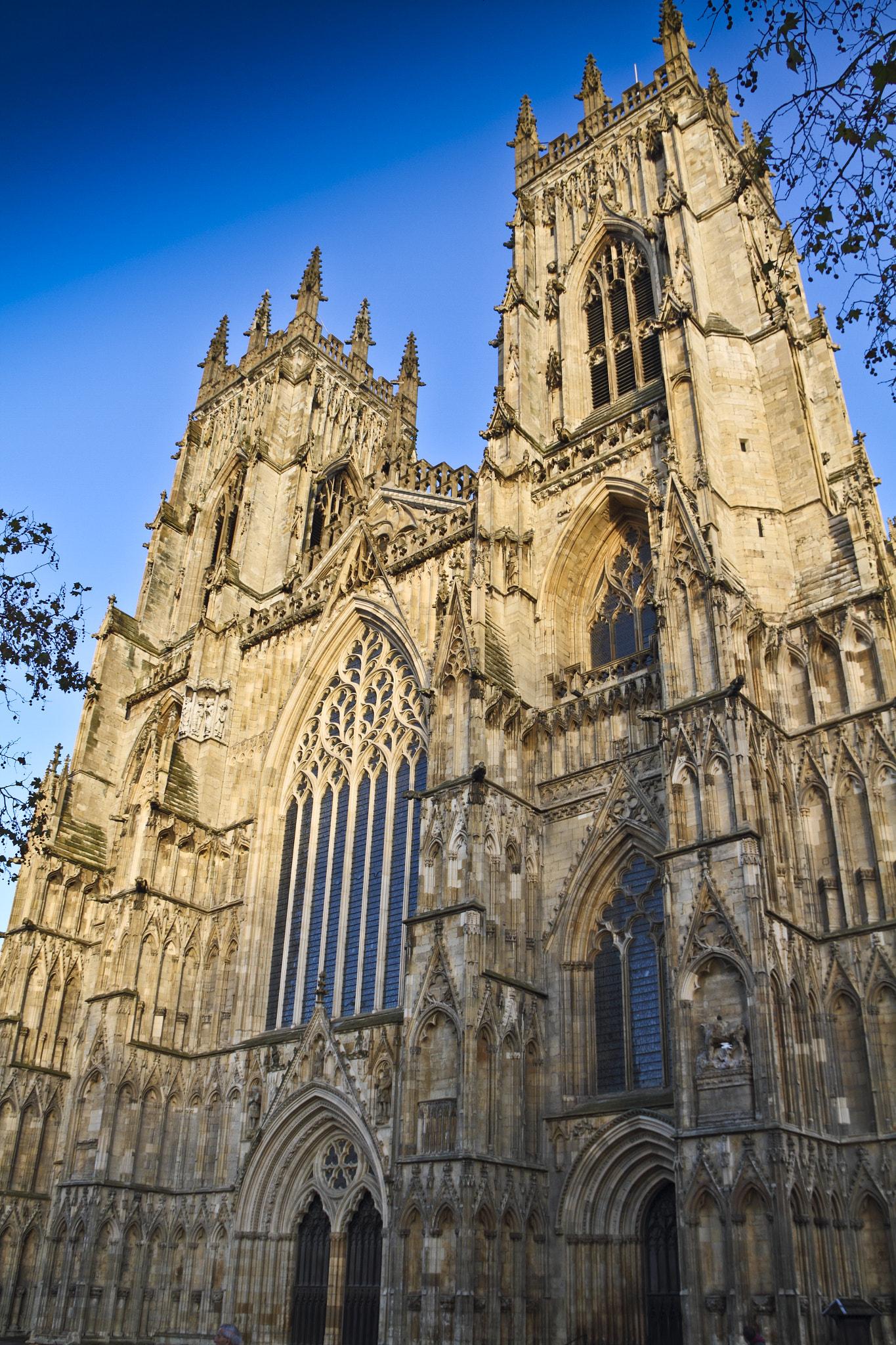
Looking beyond Dick Turpins grave? Discover Yorkshire for broader travel guides, local hot-spots, and regional highlights.
Explore Yorkshire