

Kirkham Priory Travel Guide
Free Guide: Peaceful riverside ruins of a 12th-century Augustinian priory, with a magnificent gatehouse and a secret WWII past, set in the scenic Derwent Valley near York.


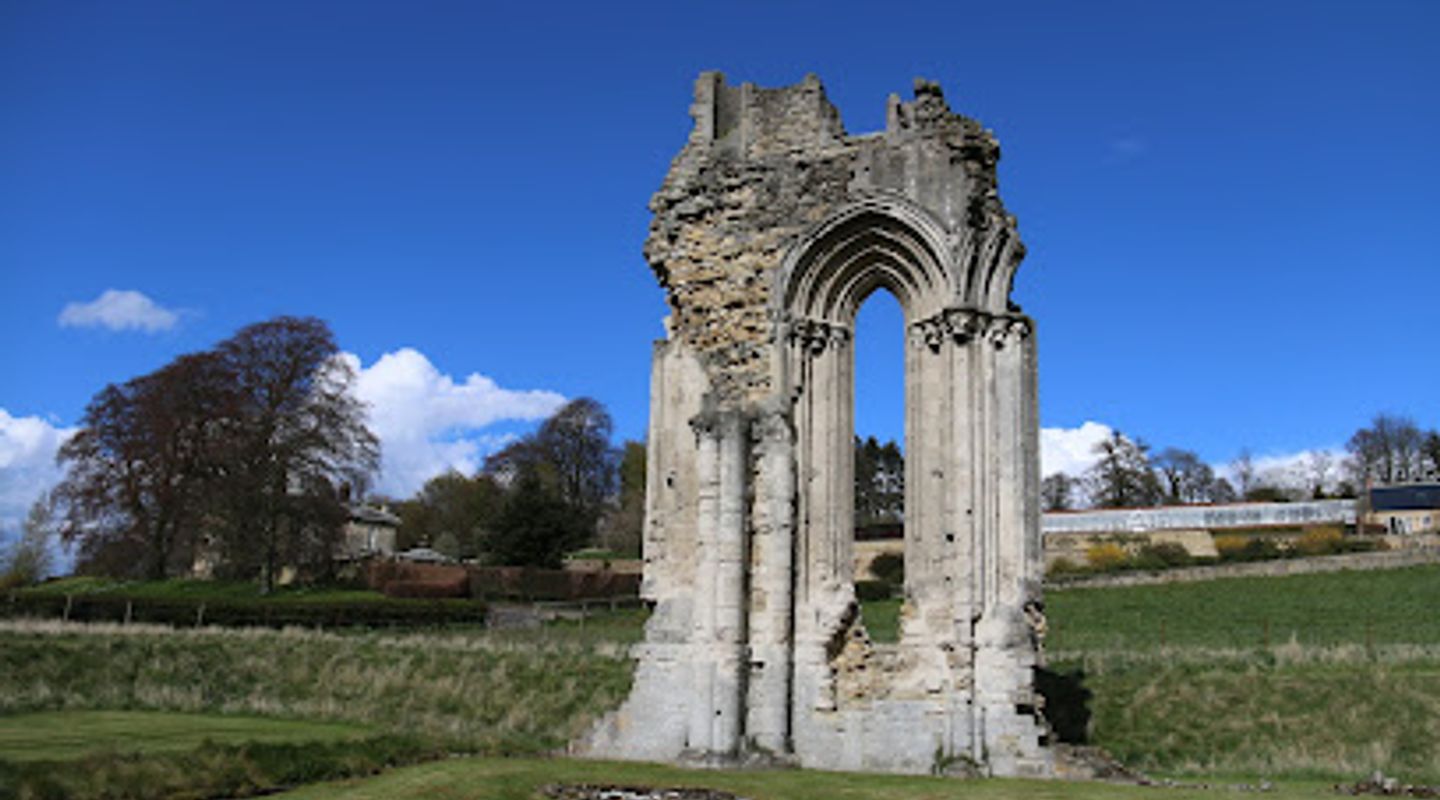
A brief summary of Kirkham Priory
Peaceful riverside ruins of a 12th-century Augustinian priory, with a magnificent gatehouse and a secret WWII past, set in the scenic Derwent Valley near York.
Nestled in the Derwent Valley near York, Kirkham Priory is a peaceful riverside ruin of a 12th-century Augustinian priory. Managed by English Heritage, its highlight is the ornate 13th-century gatehouse with medieval sculptures, set in scenic countryside perfect for picnics, quiet walks, and photography. The site also played a secret role in WWII D-Day preparations, adding a layer of modern history to its ancient stones.
On-site amenities
 Restrooms
 Drink options
 Drinking water
 Food options
 Seating areas
 Picnic areas
 Trash bins
 Information boards
Opening hours
- Every day10 am–5 pm
Opening hours as listed on the venue’s Google Business Profile. Hours can change for services and special events, so check with the venue before you go.
- Address
- Malton Ln, York YO60 7JS
- Phone
- Website
Getting there
Car
Public Transport
Cycling
Walking
Discover more about Kirkham Priory
Whispers of Monastic Life
Founded in the 1120s, Kirkham Priory was once a thriving Augustinian house where monks lived a life of prayer, study, and agricultural work. Though much of the priory lies in picturesque ruin, the layout of the cloisters, the monastic washbasins, and the foundations of the church and domestic buildings still speak clearly of its former scale and order. Standing among the grassy remains, it’s easy to imagine the rhythm of medieval monastic life: the ringing of bells, the chanting of offices, and the quiet industry of the cloister garth. The site’s peaceful atmosphere today contrasts with its turbulent past, including suppression under Henry VIII, yet the spirit of contemplation remains palpable.
The Splendour of the Gatehouse
The priory’s most striking surviving feature is its magnificent 13th-century gatehouse, a masterpiece of Decorated Gothic architecture. Adorned with the heraldry of the powerful De Roos family, lords of Helmsley Castle, the gatehouse is richly sculpted with figures including St George and the Dragon and David and Goliath. These carvings, weathered but still vivid, offer a glimpse into the medieval imagination and the values of chivalry and faith. The gatehouse once controlled access to the priory precinct and now serves as a dramatic focal point, framing views of the ruins and the surrounding landscape.
Riverside Ruins and Natural Beauty
Kirkham Priory is beautifully set beside the River Derwent, in a valley of rolling countryside near the Yorkshire Wolds. The combination of ancient stone and flowing water creates a scene of timeless serenity, ideal for quiet reflection or a family picnic on the grassy banks. The site is surrounded by open fields and woodland, with footpaths leading along the river and into the wider Derwent Valley. This natural setting enhances the sense of escape from the modern world, making it a favourite spot for walkers, photographers, and anyone seeking a peaceful day out in the countryside.
Secrets of the Second World War
Beyond its medieval history, Kirkham Priory has a remarkable 20th-century chapter. During the Second World War, the ruins were used as a secret training ground for the D-Day invasion. Tanks were waterproofed in a pool created between the ruins and the river, while soldiers practised scaling the priory walls with scrambling nets. In a top-secret visit, Winston Churchill and King George VI came to Kirkham to observe these exercises, underscoring the site’s strategic importance. This wartime use adds a poignant, modern layer to the ancient stones, connecting the priory to one of the defining moments of the 20th century.
A Place for Quiet Exploration
Today, Kirkham Priory is a free-to-enter English Heritage site, open to all who wish to wander among the ruins, admire the gatehouse, and enjoy the riverside setting. Information boards around the site explain the layout of the priory and its history, from monastic life to wartime training. There are picnic tables, benches, and a small shop near the entrance, along with accessible toilet facilities. The site is dog-friendly, with areas where dogs can be off-lead, and it’s well suited to families, couples, and solo visitors looking for a gentle, historically rich outing in the North Yorkshire countryside.
Evendo Review Centre
 Google
Guest reviews
Best time to go
Quietest: Jan, Feb & Dec · before 9am or from 7pm
Busy times are Evendo estimates for a typical year, to help you plan. Actual crowds vary with events, school holidays and the weather.
Explore Kirkham Priory on the map
A handpicked selection of must-see spots near Kirkham Priory, mapped for you.
Get your free copy of our complete guide to Kirkham Priory, delivered straight to you.
Everything on this page, from opening hours and how to get there to Eve’s tips and the best time to go, in one PDF you can read offline, print or share.
Already have an account? Sign in
Your Kirkham Priory guide is ready.
We'll send it to · Not you? Sign out

Getting your guide ready…
We are putting together a fresh copy of the Kirkham Priory guide. This can take up to a minute.
This can take a few moments. If your browser asks, choose Allow so the download can start. You'll find the guide in your Downloads folder.
Nothing happened? Download it again
Sorry, the guide is taking longer than usual. Please try again in a minute, or get it by email instead.
Other nearby places you may find interesting
The closest places of the same kind, if this one is not quite what you had in mind.
-
-
-

-
-


Swipe for more places
More to explore near Kirkham Priory

 Best experiences near Kirkham Priory
 Best hotels near Kirkham Priory
 Best landmarks near Kirkham Priory
 Best attractions near Kirkham Priory
 Best shops near Kirkham Priory
 Best restaurants near Kirkham Priory
 Best bars near Kirkham Priory
Do you manage this location?
Take control to get all the benefits, like improved information, better appearance, and stronger visibility across AI-powered discovery.
Explore more
Explore more of Yorkshire
Discover the timeless charm of Yorkshire, where history meets natural beauty and vibrant city life. Perfect for history buffs, nature lovers, and food enthusiasts.
Explore Yorkshire
Explore more of United Kingdom
Discover the United Kingdom: A blend of rich history, stunning landscapes, and vibrant cities, offering a unique travel experience for every visitor.
Explore United Kingdom
