
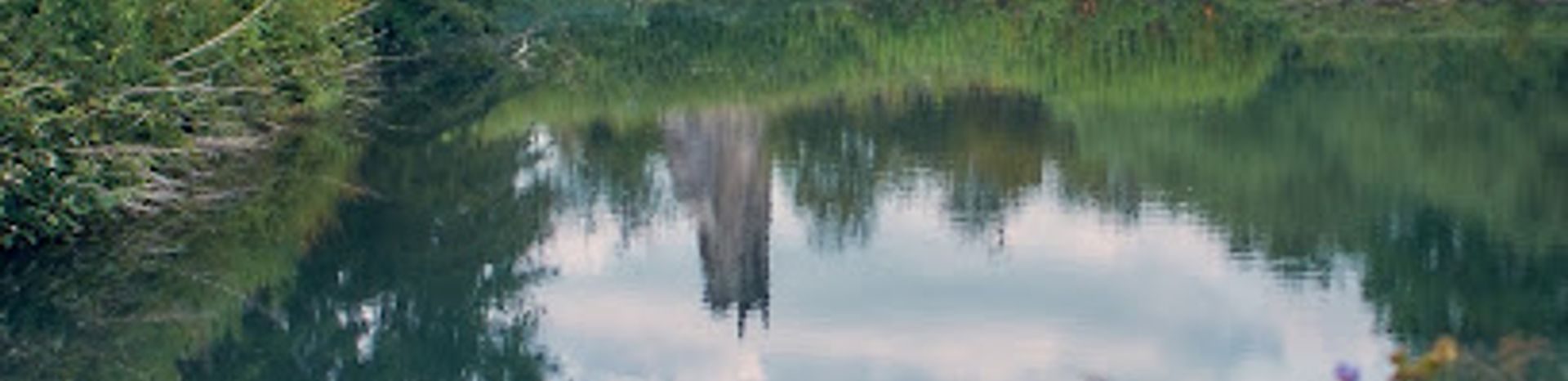
Wharram Percy Deserted Medieval Village
Explore the hauntingly preserved ruins of Wharram Percy, England’s iconic deserted medieval village nestled in the tranquil Yorkshire Wolds.
Wharram Percy is one of England’s best-preserved deserted medieval villages, located in the scenic Yorkshire Wolds near Malton. The site reveals the earthworks and stone foundations of a once-thriving community occupied for around 600 years before abandonment in the early 16th century. Visitors can explore the atmospheric ruins of St. Martin’s Church, the 17th-century farmhouse, and the outlines of over 30 medieval houses amid tranquil farmland, offering a unique glimpse into medieval rural life.
A brief summary to Wharram Percy Medieval Village
- Station Rd, Malton, YO17 9TD, GB
- +443703331181
- Visit website
- Duration: 1 to 2 hours
- Budget
-
 Outdoor
- Mobile reception: 3 out of 5
- Monday 12 am-12 am
- Tuesday 12 am-12 am
- Wednesday 12 am-12 am
- Thursday 12 am-12 am
- Friday 12 am-12 am
- Saturday 12 am-12 am
- Sunday 12 am-12 am
Local tips
- Wear sturdy walking shoes as paths are uneven and can be muddy, especially after rain.
- Bring your own water and snacks since there are no refreshment or toilet facilities on-site.
- Visit in spring mornings for fewer crowds and to enjoy wildflowers in the surrounding fields.
- Allow at least 1.5 to 2 hours to explore the ruins and surrounding landscape at a relaxed pace.

For the on-the-go comforts that matter to you
- Information Boards
- Picnic Areas
- Trash Bins
Getting There
-
Car
Driving from Malton, the nearest town, takes about 15-20 minutes via rural roads. A free car park is available near the site for English Heritage members; non-members pay a £2 parking fee. Note that satnav can be unreliable, so follow local road signs carefully.
-
Bus and Walking
Local bus services run from Malton to nearby villages, but the final approach to Wharram Percy requires a walk of approximately 1.2 km over uneven terrain. The walk takes about 20-30 minutes and is not suitable for wheelchairs or buggies.
-
Walking
For those staying in nearby villages or countryside accommodations, walking to the site is feasible but involves navigating muddy and uneven paths. Allow at least 30 minutes for the walk from the closest public roads.
Wharram Percy Medieval Village location weather suitability
-
 Any Weather
-
 Rain / Wet Weather
-
 Clear Skies
-
 Mild Temperatures
-
 Windy Conditions
Discover more about Wharram Percy Medieval Village
A Window into Medieval Rural Life
Wharram Percy stands as one of the most extensively studied and best-preserved deserted medieval villages in England. Situated on a grassy plateau overlooking a remote valley in the Yorkshire Wolds, the site showcases the foundations and earthworks of more than 30 medieval peasant houses, crofts, and farm buildings. The village was continuously inhabited for approximately six centuries, from its probable founding in the 9th or 10th century through to its abandonment soon after 1500. This long occupation period is reflected in the layered archaeological remains and evolving settlement patterns visible today.Ruins of St. Martin’s Church and Later Structures
The most prominent surviving feature is the evocative ruin of St. Martin’s Church, originally constructed in timber during the 10th century and rebuilt multiple times over the centuries. The church served not only Wharram Percy but the wider parish until its closure in 1928. Nearby stands a 17th-century farmhouse, the most visible later-period structure, illustrating the village’s gradual transition from medieval to post-medieval rural life. The church ruins and farmhouse are surrounded by the remains of the village’s houses and a millpond, which was excavated and restored in the mid-20th century.Landscape and Ancient Trackways
The village is set within a tranquil rural landscape characterized by gently rolling farmland and ancient trackways. Some of these paths date back to the Bronze Age, connecting Wharram Percy to other historical settlements and providing a sense of continuity with millennia of human activity. The surrounding fields and the village lake offer peaceful spots for reflection and picnicking, while the site’s open nature allows visitors to physically trace the village’s original layout and imagine its past vibrancy.Archaeological Significance and Preservation
Wharram Percy is internationally renowned for the pioneering archaeological research conducted here since the 1950s. Excavations have revealed detailed insights into medieval village life, social structures, and the reasons behind the village’s desertion, such as economic shifts and changing land use. The site is carefully preserved in situ by Historic England and English Heritage, allowing visitors to experience the village’s remains authentically and appreciate the depth of England’s rural heritage.Visitor Experience and Practical Details
Visitors access the site via a walk of about three-quarters of a mile from the car park, traversing uneven and sometimes muddy terrain, making sturdy footwear essential. The site is free to enter, though a parking charge applies for non-members. There are no visitor facilities such as toilets or refreshments on-site, so preparation is advised. Informative boards throughout the village provide historical context, enhancing the self-guided exploration experience. The peaceful atmosphere and scenic surroundings make Wharram Percy an ideal destination for history enthusiasts, nature lovers, and those seeking a contemplative outdoor experience.Connecting Past and Present
Wharram Percy offers a rare chance to walk through the physical footprint of a medieval community, connecting visitors directly with England’s rural past. The site’s enduring preservation and archaeological richness continue to inspire research and education, while its serene setting invites visitors to reflect on the lives of the villagers who once called this place home. Whether exploring the church ruins, tracing ancient pathways, or simply enjoying the quiet landscape, Wharram Percy remains a poignant and evocative testament to England’s historical tapestry.Iconic landmarks you can’t miss

Walmgate Bar
27.8 km
York’s most complete medieval gatehouse, with the only surviving town gate barbican in England and a quirky coffee house inside its ancient walls.
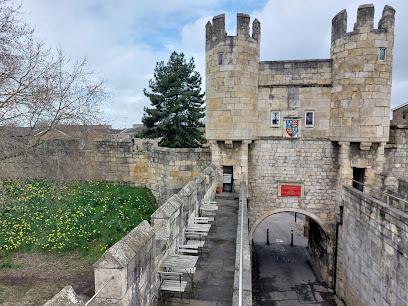
The Stonebow
28.0 km
A historic gateway blending medieval charm and architectural evolution at York’s vibrant city heart.
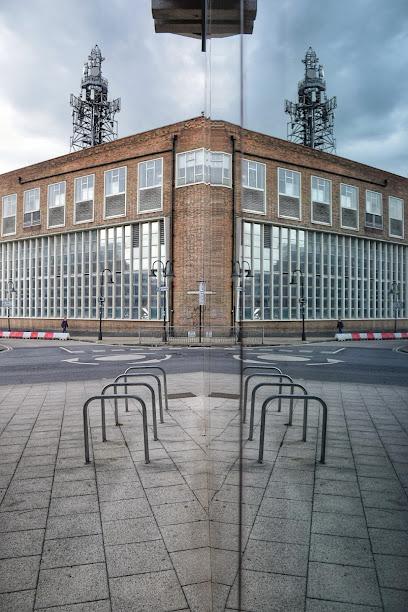
Medieval Walls
28.0 km
Walk England’s longest medieval walls, tracing 2,000 years of York’s history with stunning city views and iconic fortified gateways.
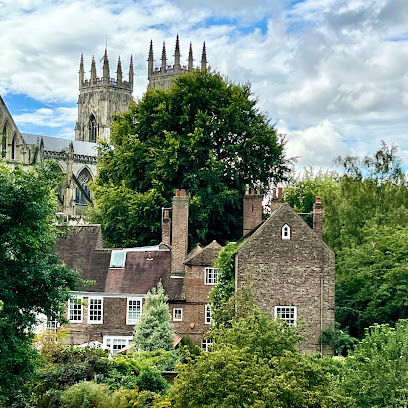
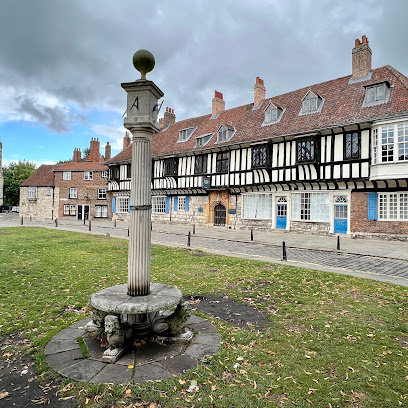
Sundial Column
28.0 km
An elegant 18th-century sundial column on stone lions, quietly marking time just east of York Minster in a peaceful corner of the cathedral precincts.
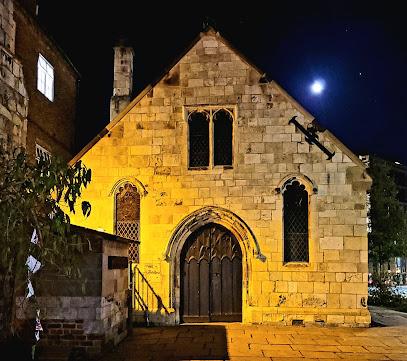
St Crux
28.1 km
Explore the echoes of medieval York at St Crux, where a grand church’s legacy lives on in a historic parish hall and poignant tales of martyrdom.
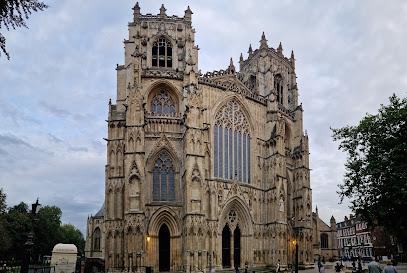
The Cathedral and Metropolitical Church of St Peter in York
28.1 km
A soaring Gothic masterpiece in the heart of York, where 1,400 years of faith, history, and light-filled architecture converge in one of England’s greatest cathedrals.
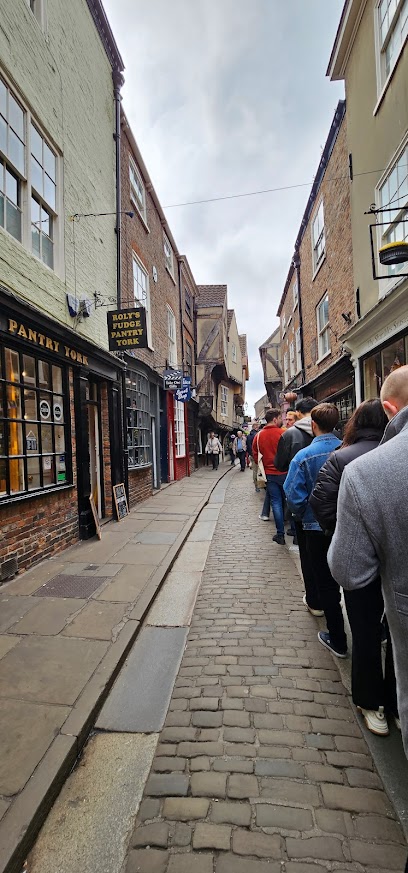
The York Ghost Merchants
28.1 km
Explore a unique blend of York's ghostly history and charming souvenirs at The York Ghost Merchants, your destination for eerie collectibles.
Ghost Hunt of York
28.1 km
Explore the haunted streets of York with the Ghost Hunt, where history and the supernatural collide in an unforgettable sightseeing experience.
Roman Column
28.1 km
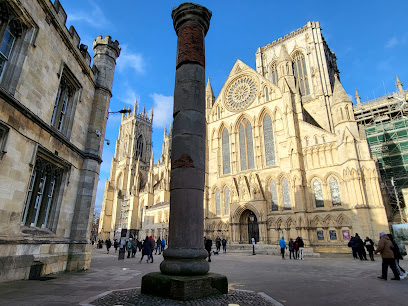
A 7.6-metre Roman column where Constantine may have been declared Emperor, standing in the shadow of York Minster since 1971.
Wizard Walk of York - WINNER Best Tour and Best of York Award!
28.1 km
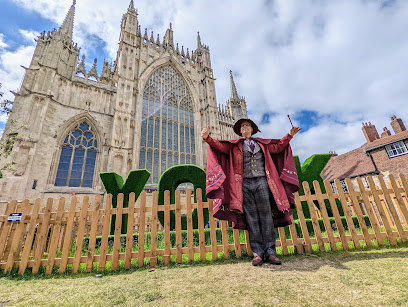
Experience the magic of York with the Wizard Walk, an award-winning tour that unveils the city's enchanting history and captivating tales.
Shrine of Saint Margaret Clitherow
28.1 km
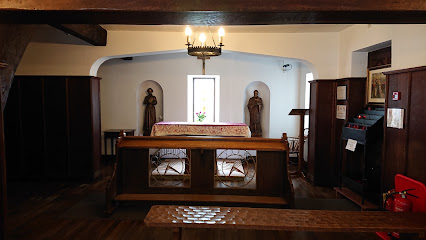
Explore the Shrine of Saint Margaret Clitherow in York, a serene sanctuary steeped in history and spiritual significance, perfect for reflection and discovery.
28 Shambles
28.2 km
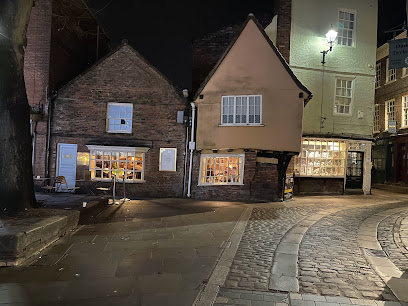
Medieval York's most iconic street, where 900 years of history meet vibrant modern commerce.
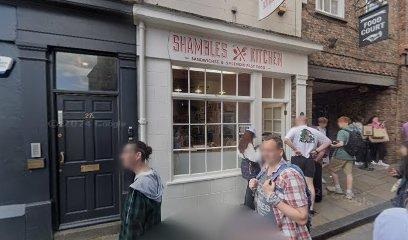
Merchant Adventurers' Hall
28.2 km
Explore the captivating history of York at Merchant Adventurers' Hall, a unique blend of medieval architecture and rich heritage.
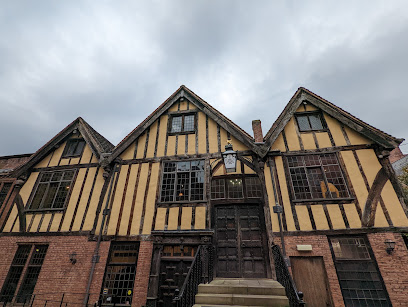
Shambles Market
28.2 km
Discover York’s vibrant Shambles Market, where historic charm meets artisan crafts and global street food in a lively covered marketplace.
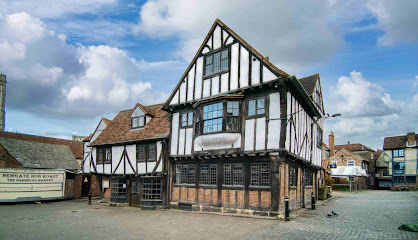
The Deathly Dark Tours
28.2 km
Unearth the chilling tales of York's past with The Deathly Dark Tours, where ghostly legends and history intertwine for an unforgettable adventure.

Unmissable attractions to see

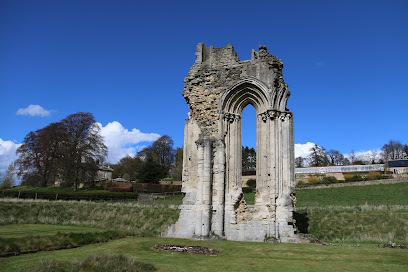
Kirkham Priory
12.3 km
Peaceful riverside ruins of a 12th-century Augustinian priory, with a magnificent gatehouse and a secret WWII past, set in the scenic Derwent Valley near York.
Howsham Mill
12.9 km
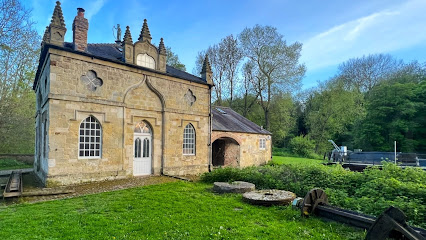
Historic Georgian Gothic watermill restored as a renewable energy and environmental education centre on a scenic island in the River Derwent.
Castle Howard
15.4 km
Experience the grandeur of Castle Howard, a historic English country house set in stunning gardens and parkland, blending heritage, nature, and family fun.

Medieval Village of East Lilling
19.5 km
Explore the haunting earthworks of East Lilling, a deserted medieval village near York steeped in history and surrounded by serene countryside.
North Yorkshire Moors Railway
20.9 km
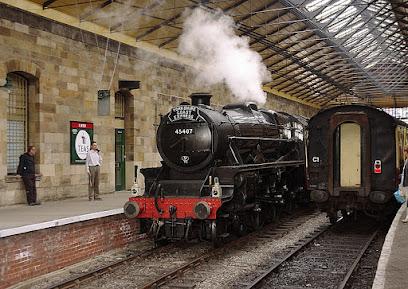
Step back in time at Pickering Station, the charming 1930s terminus of the North Yorkshire Moors Railway, and journey through Yorkshire’s breathtaking moorland.
Piglets Adventure Farm
21.0 km
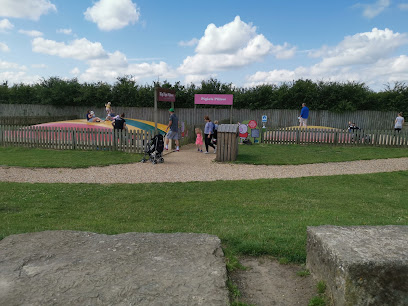
A vibrant family farm near York with hands-on animal encounters, adventure play, and seasonal events for all ages.
YWT Strensall Common
21.1 km
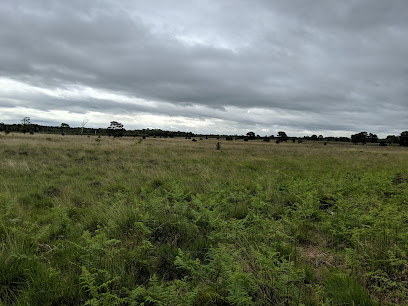
Vibrant heathland sanctuary where military heritage and nature conservation create a unique Yorkshire wilderness.
Cravens Motocycle Museum
22.7 km
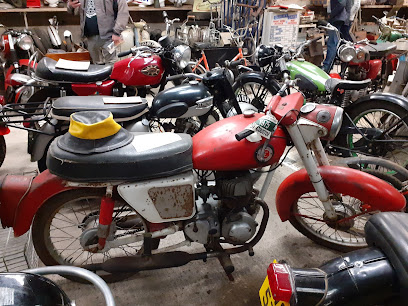
A passionate private collection of classic British motorcycles and motoring memorabilia, hidden in a quiet York suburb.
Yorkshire Air Museum and Allied Air Forces Memorial
23.9 km
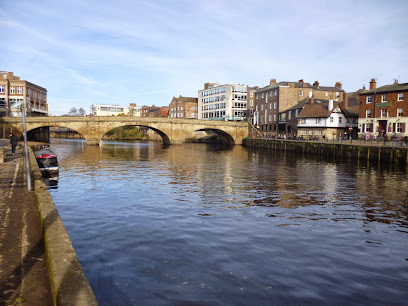
Explore historic aircraft and wartime stories at the Yorkshire Air Museum, a living tribute on a former RAF bomber base near York.
Danelaw Centre For Living History
23.9 km
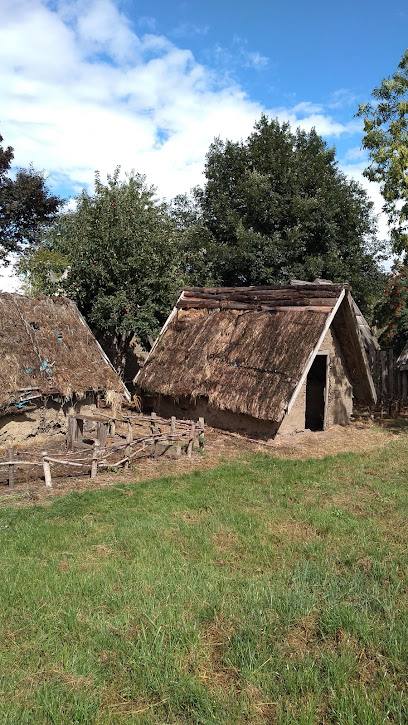
Step back over a thousand years to explore authentic Viking and Roman life in a vibrant living history centre set within scenic rural Yorkshire.
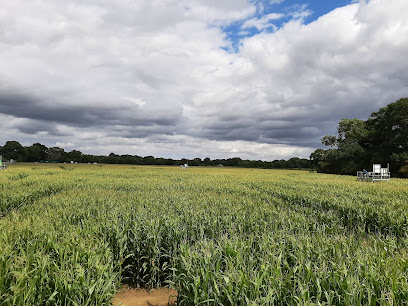
York Maze
23.9 km
Explore Europe’s largest maize maze and enjoy over 20 rides and attractions in a vibrant family adventure near York.
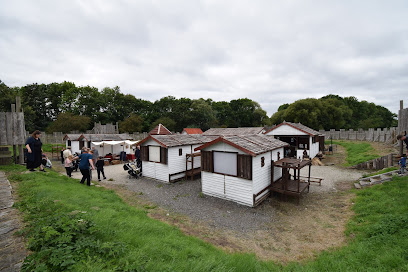
Murton Park
23.9 km
Explore Yorkshire’s rich farming heritage and living history on 14 acres of interactive exhibits, animals, and family fun near York.
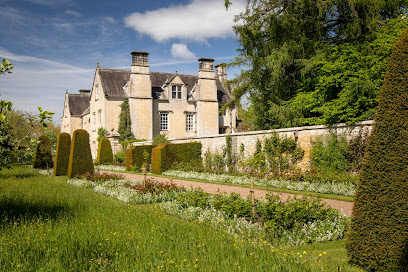
National Trust - Nunnington Hall
24.2 km
Explore the timeless charm of Nunnington Hall, a 17th-century Yorkshire manor with historic interiors, exquisite miniature collections, and tranquil organic gardens.
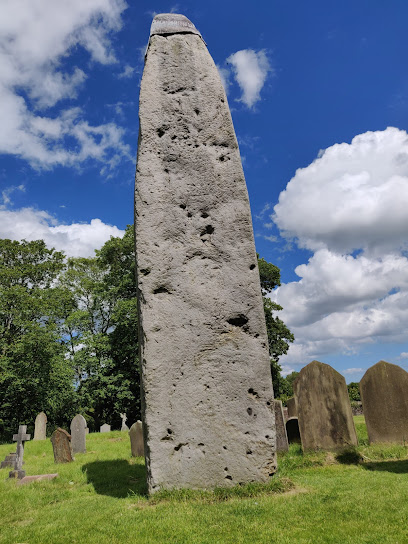
Rudston Monolith
24.2 km
Discover the towering Rudston Monolith, Britain's tallest prehistoric standing stone set in a sacred landscape rich with ancient history and mystery.
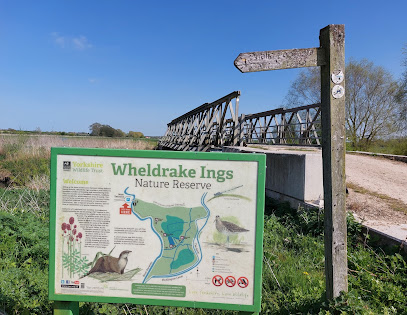
Wheldrake Ings Nature Reserve
25.7 km
A serene wetland sanctuary near York, Wheldrake Ings offers spectacular birdwatching, peaceful walks, and rich wildlife across its flood meadows and riverbanks.
Essential places to dine

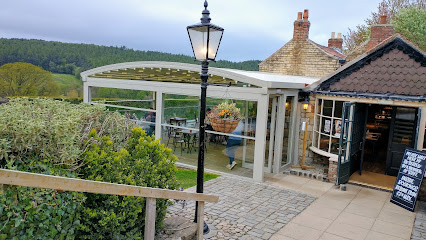
The Stone Trough Inn
12.0 km
Historic Yorkshire inn with rustic charm, local cuisine, and stunning views overlooking Kirkham Abbey’s scenic countryside.
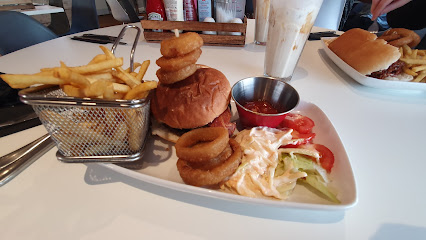
Huckleberrys American Diner
16.6 km
Classic American diner fare with a friendly vibe, hearty burgers, and a welcoming atmosphere in the heart of York.
Dewars Restaurant And Rooms
17.2 km
Boutique luxury and exceptional dining in a tranquil North Yorkshire village retreat with heated pool and sauna.
Pipe and Glass
21.6 km
A Michelin-starred Yorkshire pub blending rustic charm, hearty local cuisine, award-winning wines, and boutique luxury accommodation.
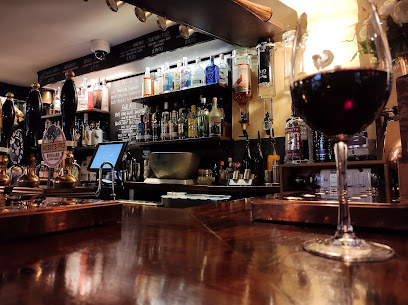
Restaurant Mýse
22.2 km
An acclaimed Michelin-starred modern British restaurant in Hovingham delivering innovative, locally inspired multi-course tasting menus in a cozy, elegant setting.
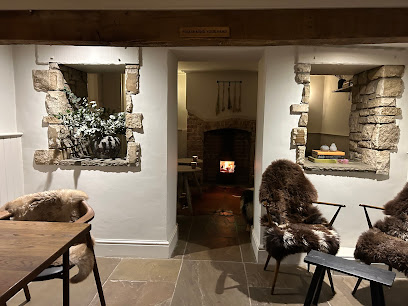
The Fox & Rabbit Inn
24.1 km
A cosy, dog-friendly country pub in Pickering serving hearty British fare with vegetarian options, set amidst North Yorkshire’s scenic beauty.
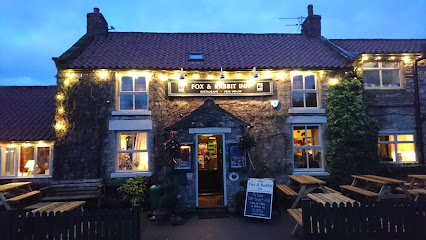
The Star Inn
27.7 km
Michelin-starred gastropub in historic Harome, blending rustic charm, exceptional Yorkshire cuisine, and warm hospitality in the scenic Howardian Hills.
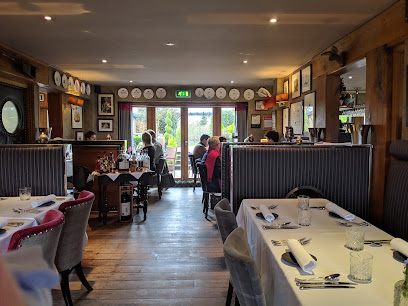
Arras
27.8 km
Innovative British cuisine with Mediterranean flair in a stylish, intimate setting tucked away in historic York.
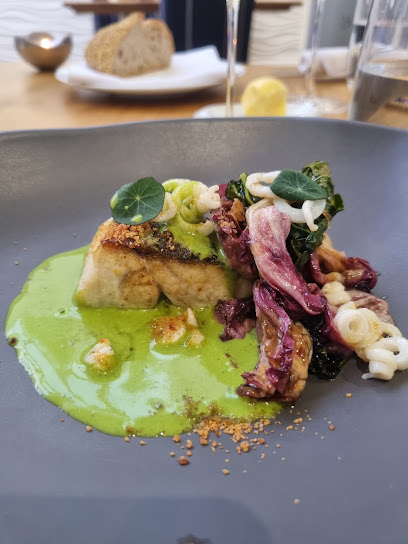
Little Italy
27.9 km
Authentic Italian dining and deli in York’s historic heart, serving traditional flavors since 1992 in a warm, inviting atmosphere.
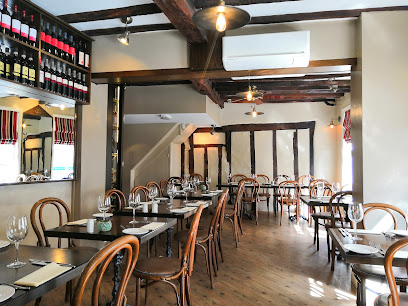
Ambiente Tapas Goodramgate
27.9 km
Experience authentic Spanish tapas and warm Andalusian charm in York’s historic Goodramgate, with a welcoming atmosphere and diverse vegan options.
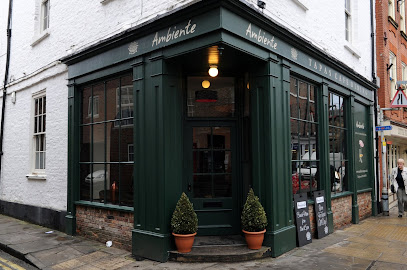
Tabanco By Ambiente
28.0 km
Experience authentic Spanish tapas and sherry in a warm, inviting atmosphere at Tabanco By Ambiente in York’s historic Walmgate.
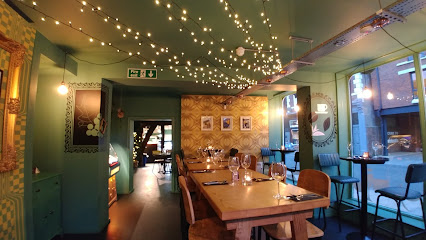
Fancy Hank's Bar & Kitchen
28.0 km
Experience hearty Southern American flavors and vibrant cocktails in the heart of York’s historic Minster Quarter.
Il Paradiso Del Cibo
28.0 km
A lively, cash-only Italian gem on Walmgate, serving authentic Sardinian-style pizzas, pastas, and hearty meat dishes in a bustling, family-run setting.
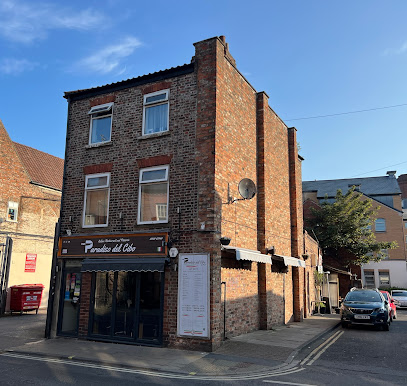
Bab Tooma York
28.1 km
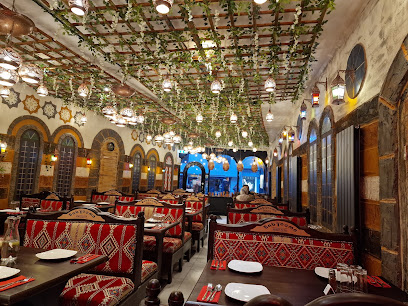
Experience authentic Syrian cuisine in a warm, traditional setting with generous portions and BYOB in the heart of York.
The Blue Barbakan
28.1 km
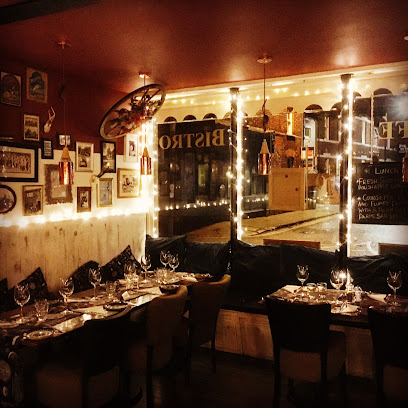
Experience hearty Polish classics and warm hospitality in York’s vibrant Fossgate at The Blue Barbakan.
Markets, malls and hidden boutiques

Kemps General Store Ltd
10.4 km
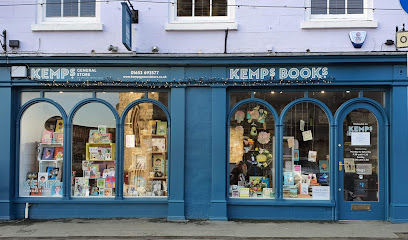
Discover unique gifts and books in a friendly, independent emporium at the heart of Malton’s historic Market Place.
Museum Shop
23.9 km
Explore the Museum Shop in York for unique gifts and souvenirs that celebrate the local culture and history.
Old York
27.6 km
Explore Old York Antique Shop: A vintage treasure trove in the heart of York, perfect for history lovers and collectors seeking unique finds.
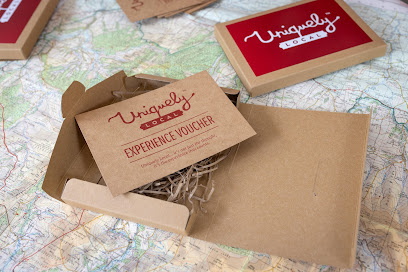
Uniquely Local Experiences
27.8 km
Explore a unique gift shop in York offering local crafts, corporate gifts, and event planning services for a truly memorable experience.
Village Shop
27.9 km
Discover timeless antiques and vintage treasures in York’s historic heart at the Village Shop, open daily with expert guidance and a warm atmosphere.
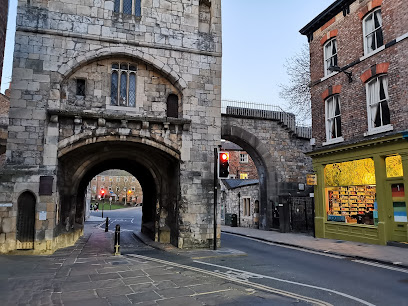
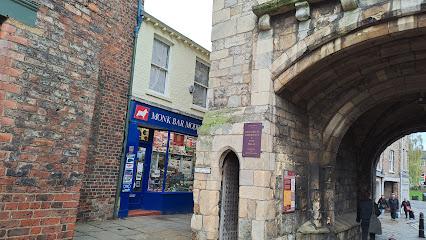
Monk Bar Model Shop
27.9 km
York’s historic model shop offering a vast selection of trains, kits, and collectibles with expert staff and a welcoming atmosphere.
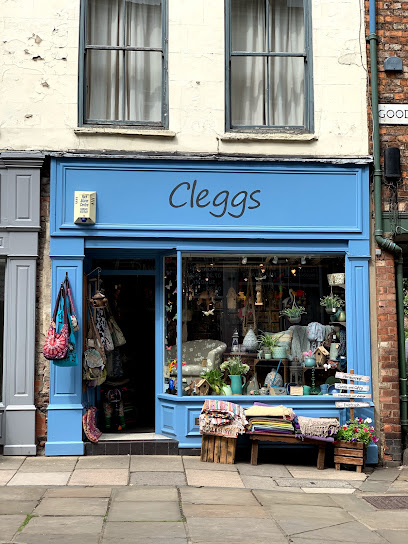
Cleggs
27.9 km
Discover unique gifts, handcrafted homewares, and stylish accessories in the heart of York’s historic Goodramgate at Cleggs.
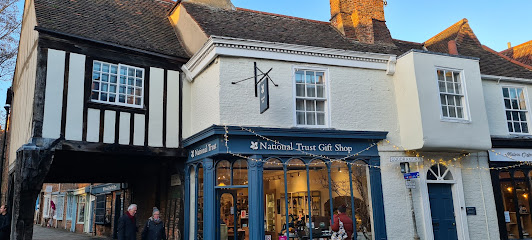
National Trust Gift Shop
28.0 km
Discover unique National Trust gifts and local crafts in a historic York setting supporting conservation and heritage.
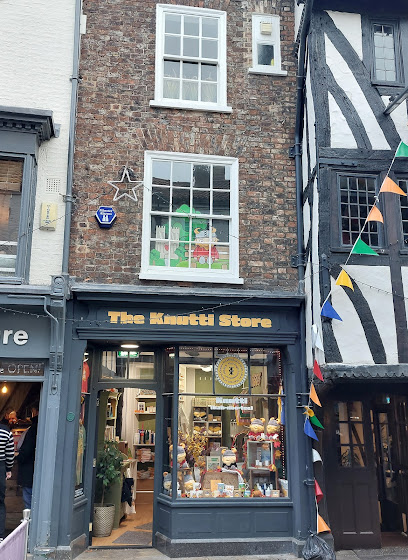
The Knutti Store, a Viking Trading Post
28.0 km
Step into York’s Viking past at The Knutti Store, where authentic craftsmanship meets legendary tales in a charming trading post setting.
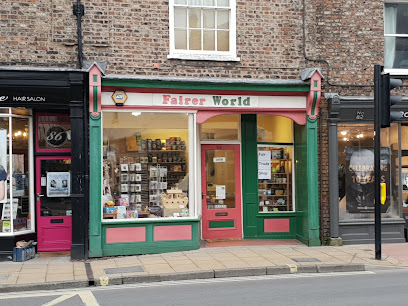
Fairer World
28.1 km
Discover unique fair trade treasures and support global artisans at York’s dedicated ethical gift shop on historic Gillygate.
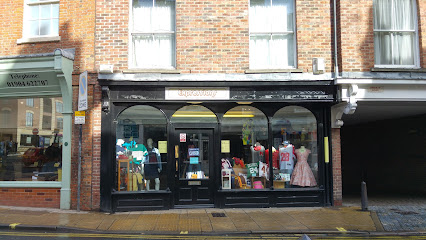
Expressions
28.1 km
Discover unique vintage American sportswear and retro styles at Expressions, York’s friendly and authentic vintage clothing shop on historic Walmgate.
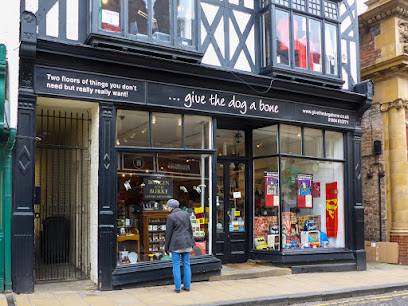
Give The Dog A Bone
28.1 km
Discover York’s quirky gift haven with two floors of unique treasures, from funky homeware to pop culture collectibles on historic Fossgate.
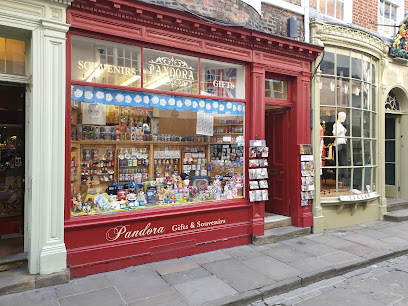
Pandora
28.1 km
Discover elegant, hand-finished jewellery crafted with care and inspired by timeless style at Pandora on Low Petergate, York.
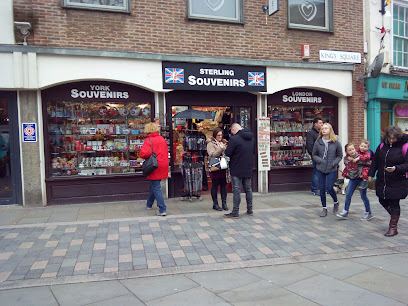
Sterling Souvenirs
28.1 km
Discover authentic York treasures and unique souvenirs at Sterling Souvenirs, your friendly gift shop in the heart of King’s Square.
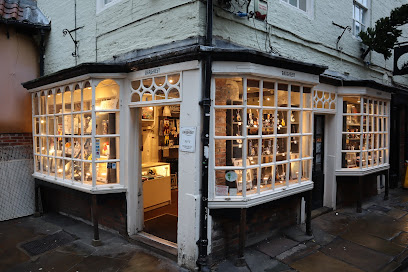
Barghest
28.1 km
Discover Barghest, a quirky gift shop in York’s historic Shambles, offering unique film, TV, and music merchandise in a medieval setting.
Essential bars & hidden hideouts

Royal Oak
28.0 km
Traditional British pub charm in York’s historic heart, serving seasonal classics and local ales with a warm, dog-friendly welcome.
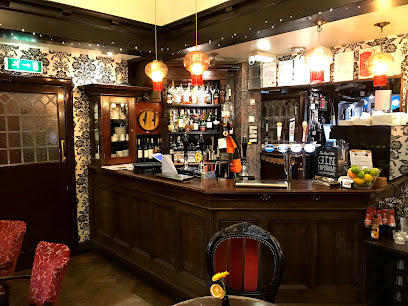
The Fossgate Social
28.1 km
A lively independent bar and coffee shop on York’s Fossgate, known for craft drinks, specialty coffee, and a welcoming atmosphere.
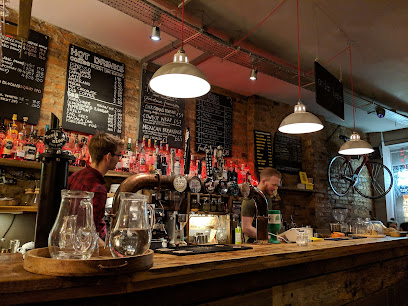
The Hop York
28.1 km
A lively York city centre bar known for its craft beers, stone-baked pizzas, and vibrant live music in a historic Victorian setting.
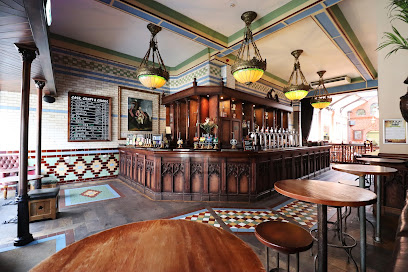
The Blue Bell
28.1 km
York’s smallest and most beloved Edwardian pub, famed for its authentic atmosphere, quality ales, and warm community spirit.
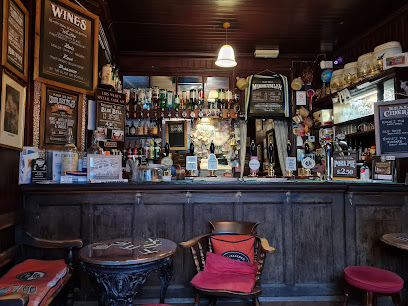
Golden Fleece York
28.2 km
York’s oldest haunted pub offering historic charm, classic ales, cozy rooms, and a lively social atmosphere in the heart of the city.
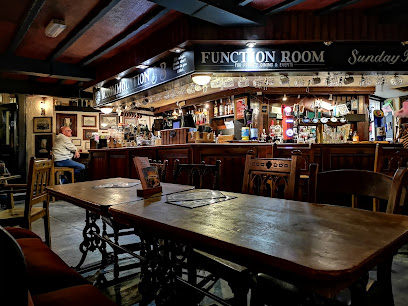
Pivní York
28.2 km
Historic 16th-century timber-framed pub in York offering an exceptional selection of local and global craft beers in a cosy, multi-floor setting.
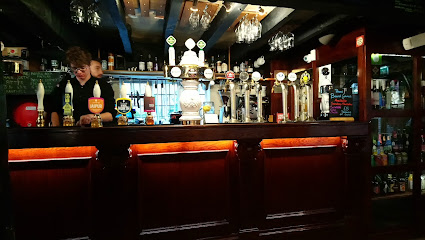
Vudu Lounge
28.2 km
York’s eclectic after-hours lounge blending quality cocktails with a lively, quirky nightlife vibe until the early morning.
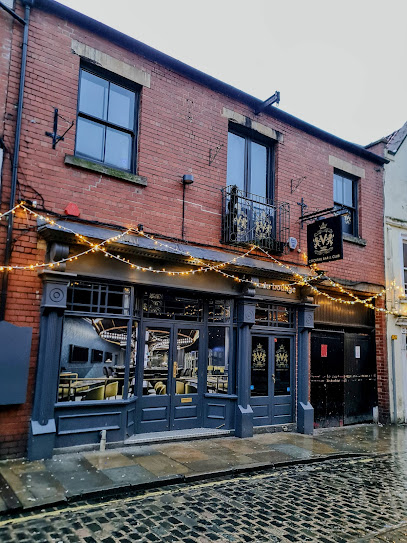
Oscar's Wine Bar & Bistro
28.2 km
A lively and welcoming wine bar in York offering quality food, diverse wines, and a charming atmosphere for all occasions.
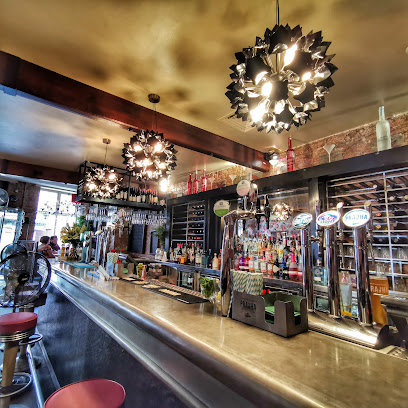
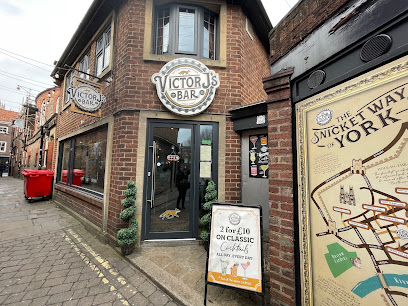
Victor J's
28.2 km
Eclectic art-inspired bar and restaurant in York’s heart, offering cozy seating, creative vibes, and lively weekend nights.
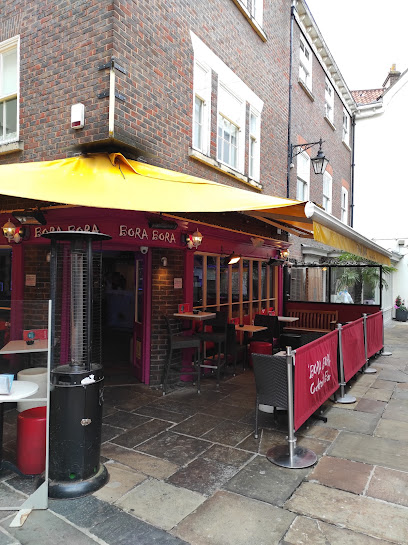
Slug & Lettuce - Swinegate York
28.2 km
A lively cocktail bar and casual dining spot in York’s historic centre, perfect for social drinks, events, and weekend late nights.
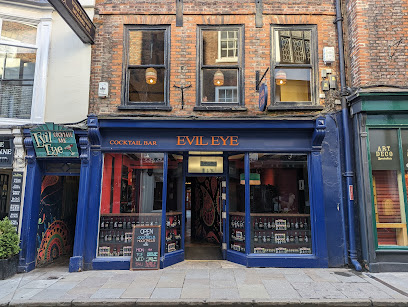
Evil Eye
28.2 km
Quirky cocktails and lively entertainment blend seamlessly in York’s vibrant Evil Eye Lounge on historic Stonegate.
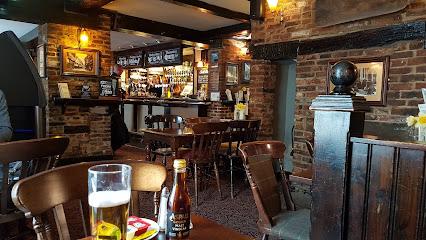
Hole In The Wall
28.3 km
Historic red-brick pub on York’s High Petergate, blending hearty fare, ghostly tales, and a warm atmosphere near iconic city landmarks.
Ye Olde Starre Inne
28.3 km
Historic and welcoming pub on York’s Stonegate, serving hearty British classics in a charming medieval setting.
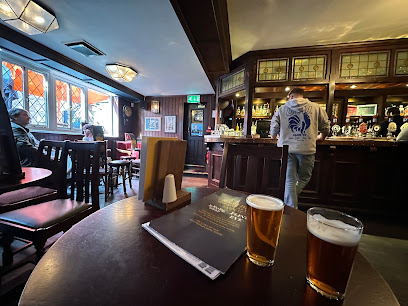
Social 8 Lounge
28.3 km
Stylish York lounge bar offering crafted cocktails, small plates, and boozy brunch in a relaxed, elegant setting with a courtyard garden.
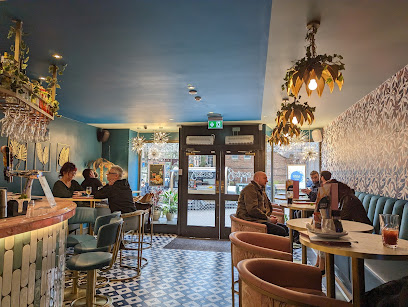
Eagle & Child
28.3 km
Historic 17th-century timber-framed pub in York offering craft ales, good food, and a charming beer garden in a quaint, lively setting.
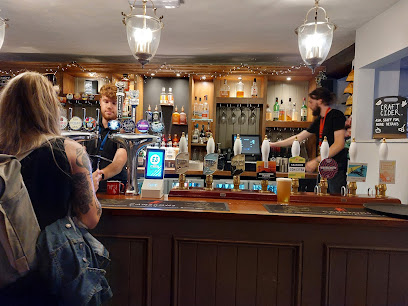
Nightclubs & after hour spots

Karaoke Rooms (KTV)
27.6 km
Experience lively private karaoke rooms in the heart of York’s vibrant nightlife at Chuandao Karaoke Bar.
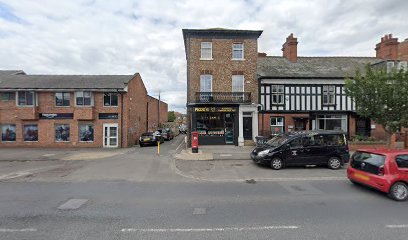
BlueBox
28.4 km
York’s premier late-night nightclub, BlueBox pulses with House, Tech House, and Disco beats until dawn in a vibrant city-center setting.

Kuda
28.4 km
York’s vibrant nightclub offering diverse music, live DJs, and a lively late-night atmosphere in the heart of the city.
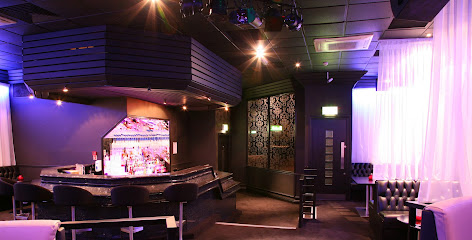
Flares - York
28.6 km
Experience York’s ultimate retro nightclub with decades-spanning hits, vibrant dance floors, and an inclusive party atmosphere.
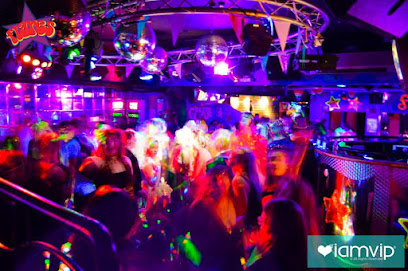
Club Salvation
28.6 km
York’s vibrant nightclub with dual music rooms, lively atmosphere, and fair-priced drinks for an unforgettable night out.
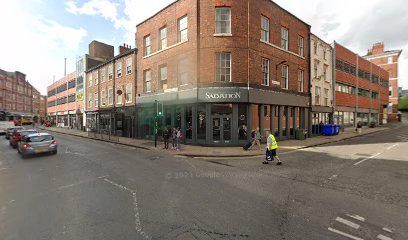
Popworld York
28.6 km
York’s vibrant pop music nightclub with a unique revolving dancefloor and a lively atmosphere for unforgettable nights out.
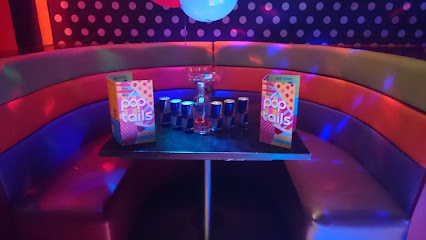
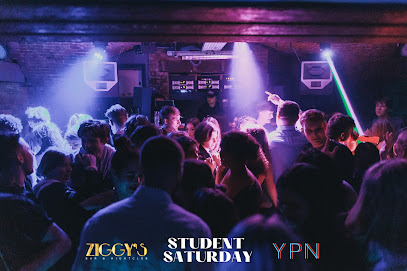
Ziggy's Bar & Nightclub
28.7 km
York’s iconic student nightclub offering energetic dance floors, affordable drinks, and a lively atmosphere since the 1980s.
Bar 55 York
28.7 km
York’s exclusive strip club offering sophisticated adult entertainment and premium nightlife in a stylish, historic setting.

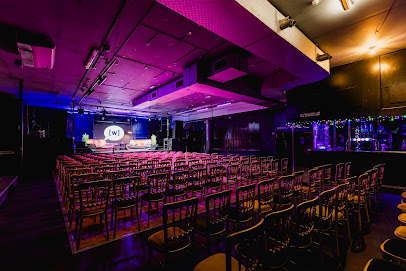
The Welly
41.4 km
Hull’s iconic alternative nightclub with over a century of live music, club nights, and a legendary atmosphere on Beverley Road.
Spiders
42.3 km
Hull’s legendary alternative nightclub with decades of goth, punk, and rock heritage, vibrant atmosphere, and welcoming community spirit.
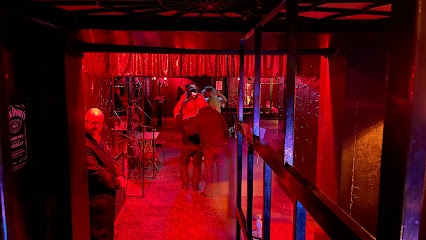
Videotheque Disco's
46.5 km
Discover the vibrant nightlife at Videotheque Disco's in Whitby, where music and fun come together to create unforgettable memories.

Harry's Lounge Bar & Brasserie
47.2 km
Experience modern British cuisine at Harry's Lounge Bar & Brasserie, a vibrant destination in Whitby with a diverse menu and welcoming atmosphere.
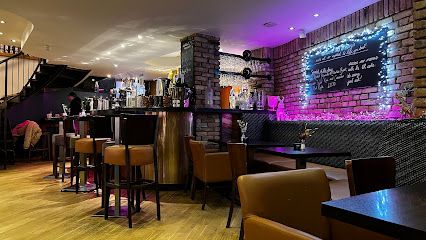
The Met Lounge & Ballroom
47.3 km
Discover The Met Lounge & Ballroom in Whitby: Where Elegance Meets Relaxation in a Vibrant Coastal Town.
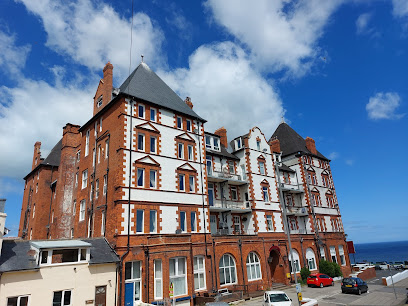
The Metropole
47.3 km
Experience the charm of Whitby at The Metropole, a dog-friendly bar with stunning beach views and a relaxed atmosphere.
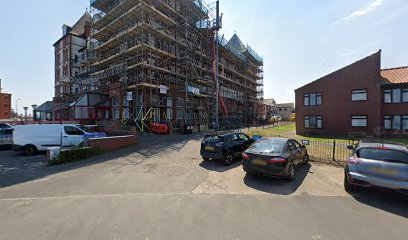
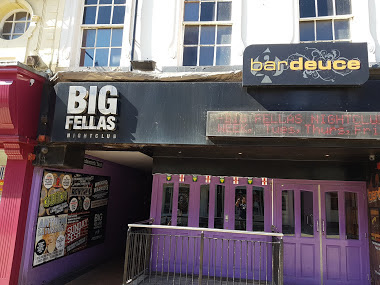
Big Fellas Nightclub
58.4 km
A lively and casual nightclub in Pontefract offering energetic late-night dancing and drinks in a central urban setting.
For the vibe & atmosphere seeker
- Tranquil
- Scenic
- Unique
- Relaxing
For the design and aesthetic lover
- Rustic Designs
For the architecture buff
- Historic
- Landmarks
For the view chaser and sunset hunter
- Panoramas
- Iconic Views
For the social media creator & influencer
- Instagrammable
- Photo Spots
For the eco-conscious traveler
- Protected Area
- Public-Transport Accessible
- Leave-No-Trace Critical
- Locally Managed
For the kind of experience you’re after
- Cultural Heritage
- Photowalk
- Nature Escape
- Day Trip
- Weekend Getaway
- Myth & Legends
For how adventurous you want the journey to be
- Easy Access
Location Audience
- Family Friendly
- Senior Friendly
- Child Friendly
- Teen Friendly
- Solo Friendly
- Couple Friendly
- Vegetarian Friendly
- Vegan Friendly


