

Free Sevier Valley Travel Guide & Mobile App
Explore Sevier Valley with free travel guides. Discover regional history, expert tips, proposed trips, and audio guides on web or mobile app.


Sevier Valley combines Utah farm country, Fremont heritage, mountain recreation and spacious high-desert scenery along a memorable central Utah road journey.
Read more about Sevier Valley
Getting to and around Sevier Valley
How to get there
Transportation
Top city travel guides in Sevier Valley
The cities of Sevier Valley, and the easiest places to base yourself.
-
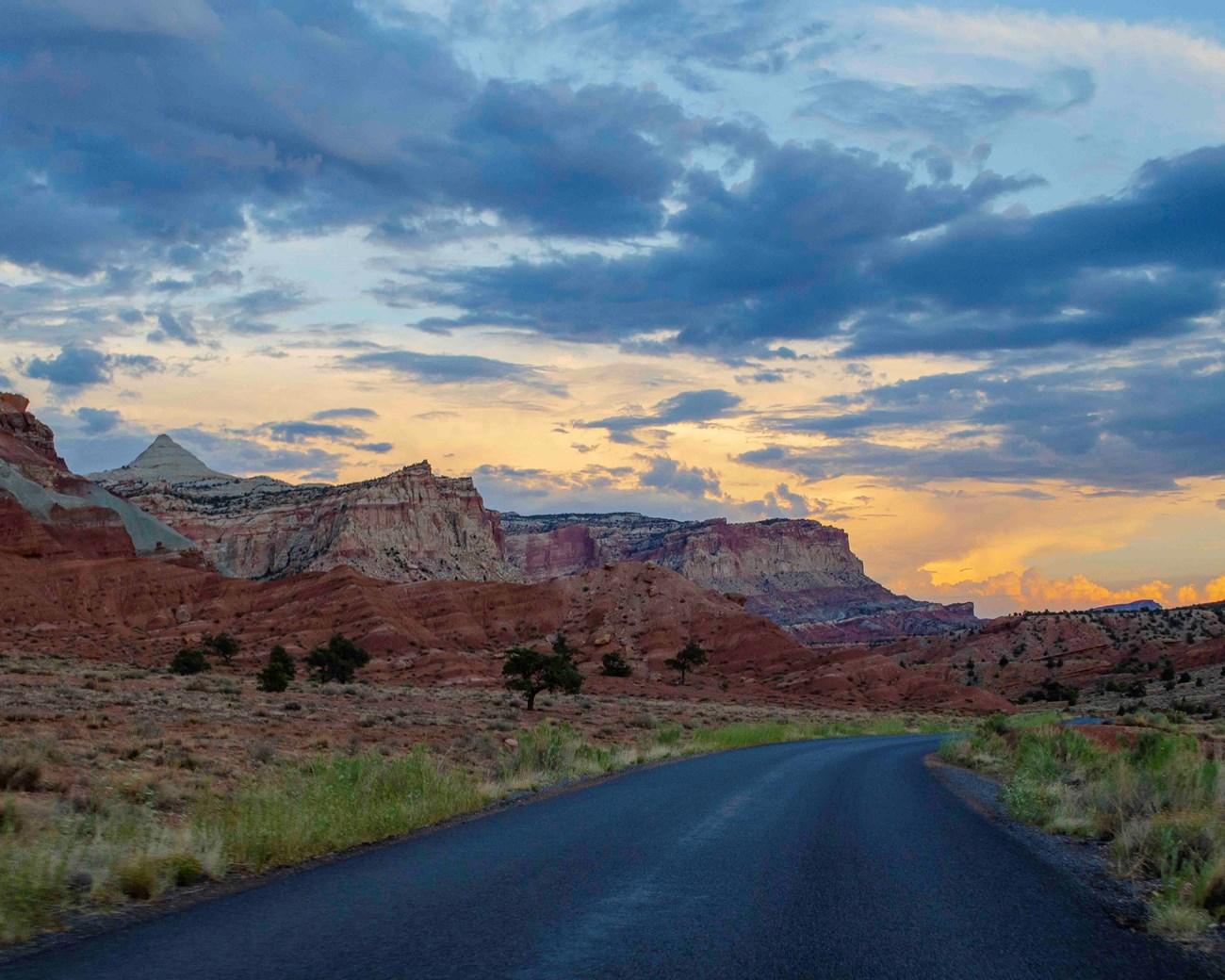 Richfield
Discover Richfield, Utah: Your gateway to breathtaking landscapes, small-town charm, and year-round festivities in the heart of Utah.
Richfield
Discover Richfield, Utah: Your gateway to breathtaking landscapes, small-town charm, and year-round festivities in the heart of Utah.
-


Swipe for more cities
Best attractions in Sevier Valley
Sevier Valley's attractions combine archaeological interpretation, working landscapes and access to high country rather than a single concentration of headline sights. Fremont Indian State Park near Sevier is the defining heritage attraction, with a museum, archaeological displays, rock-art areas and trails that explain the Fremont culture and the later history of the valley. Around Richfield, Salina and the smaller agricultural communities, visitors encounter viewpoints, historic town features, local events and roads that lead towards the mountains. Fishlake National Forest, on the eastern side of the valley, provides opportunities for hiking, fishing, camping, wildlife viewing and scenic drives, with conditions varying by elevation and season. The Sevier River, reservoirs and irrigated farmland offer a quieter picture of central Utah's relationship with water. Winter sports and snow-based recreation are possible in the high country when conditions permit, while summer is suited to hiking, angling and exploring forest roads. The region is also a useful base for longer journeys to destinations outside the valley, including Capitol Reef National Park, but those should be planned as separate excursions because distances and road conditions can make day trips demanding.
-
National park
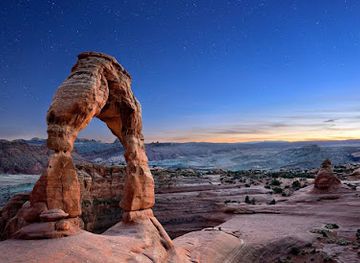
Arches National Park
Explore the breathtaking natural arches and stunning landscapes of Arches National Park in Utah, a top destination for outdoor enthusiasts and nature lovers.
-
State park
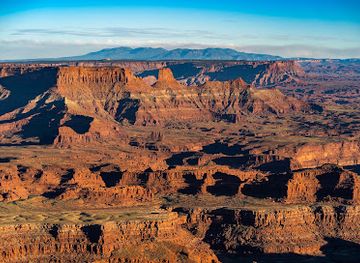
Dead Horse Point State Park
Explore the stunning vistas and rich history of Dead Horse Point State Park, a breathtaking gem in Utah's canyonlands.
-
National forest
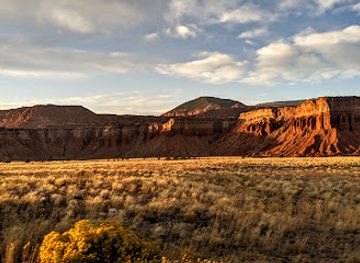
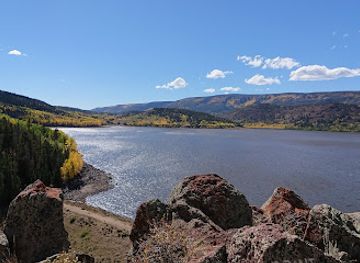
Fishlake National Forest
Experience the breathtaking landscapes and rich biodiversity of Fishlake National Forest in Utah, a perfect escape for outdoor enthusiasts and nature lovers.
-
Tourist attraction
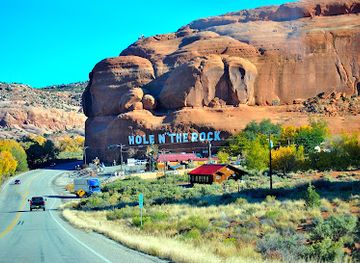
Hole 'N' The Rock
Explore Hole 'N' The Rock, a captivating rock dwelling and zoo in Moab, Utah, offering a unique blend of history, art, and fun for the entire family.
Best landmarks in Sevier Valley
Fremont Indian State Park is Sevier Valley's most significant cultural landmark, preserving a concentration of archaeological evidence and rock art beside the modern valley route. Its museum and interpretive landscape connect the visible remains with the wider story of Fremont communities and the disruption caused when the highway was built. The Sevier River is the valley's defining natural feature, threading through irrigated fields and giving shape to settlements that depend on its water. In Richfield and nearby towns, historic churches, cemeteries, civic buildings and older commercial streets record the nineteenth-century settlement pattern without forming one single preserved historic district. The surrounding mountain walls are equally important to the region's identity: the Wasatch Plateau and Fishlake-area high country rise sharply from the valley floor, creating a clear visual boundary between cultivated lowlands and public mountain landscapes. Fish Lake, in the neighbouring high country east of the valley, is a notable natural landmark and recreation destination, but it is best understood as part of the wider mountain setting rather than as a town-centre attraction.
-
National forest
Fishlake National Forest
Explore the vast beauty of Fishlake National Forest, a Utah treasure perfect for adventure seekers and nature lovers with stunning landscapes and diverse wildlife.
-
Historical landmark
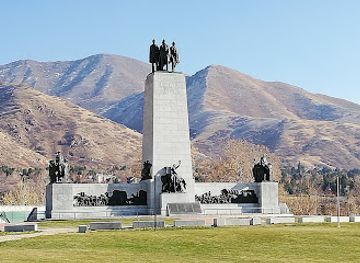
This Is The Place Heritage Park
Explore the rich history of Utah at This Is The Place Heritage Park, where adventure meets education in a stunning outdoor setting.
-
Historical place
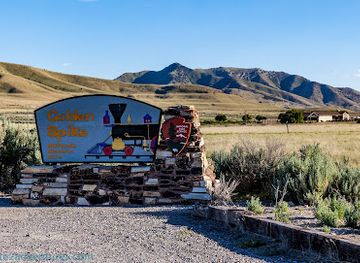
Golden Spike National Historical Park
Explore Golden Spike National Historical Park, where the First Transcontinental Railroad was completed, combining history with breathtaking natural beauty.
-
Historical place museum
Bluff Fort Historic Site
Explore the captivating history at Bluff Fort Historic Site, where early pioneers' stories come to life amidst Utah's stunning landscapes.

Explore Sevier Valley on the map
Plan your trip on one map. See where the top cities, national parks and sights are, and book hotels and experiences in a few clicks.
Best hotels in Sevier Valley
Best restaurants in Sevier Valley
Dining in Sevier Valley is practical, informal and closely tied to the needs of a rural highway region. Richfield has the broadest choice of restaurants, cafés, bakeries and familiar American dining, while Salina and the smaller towns provide locally used diners, quick meals and traditional Utah-style eateries. Hearty breakfasts, burgers, sandwiches, steaks, Mexican-American dishes and home-style cooking are common, with seasonal fruit and farm produce appearing through roadside stands, markets and community sales rather than through a narrowly defined regional cuisine. Local grocery shops are useful for picnics before heading into the mountains, where dining options are scarce. Pubs and restaurants may include Utah favourites such as fry sauce and scones, but these are associated with wider Utah food culture rather than Sevier Valley alone. Service can be limited outside the principal towns, especially in the evening, so travellers on remote itineraries should plan meals and supplies in advance.
-
Restaurant
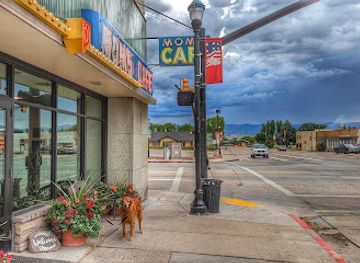
Mom's Cafe
Experience heartwarming home-cooked meals at Mom's Cafe in Salina - where comfort food meets community spirit.
-
Mexican
El Mexicano Restaurant
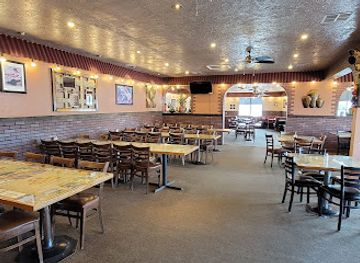
Discover authentic Mexican flavors at El Mexicano Restaurant in Salina, Utah – where every meal is a fiesta!
-
American
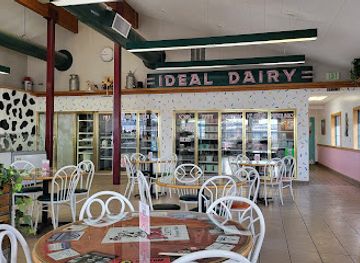
The Ideal Dairy
Experience delicious American cuisine at The Ideal Dairy in Richfield - where ice cream dreams come true!
-
Fast Food
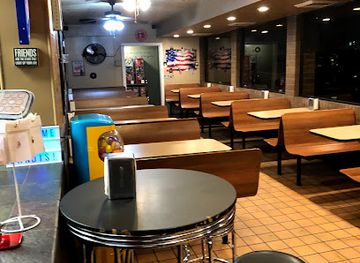
Sandi's Drive Inn
Experience the charm of Sandi's Drive Inn in Richfield - your go-to spot for delicious fast food with local flair.
Best bars in Sevier Valley
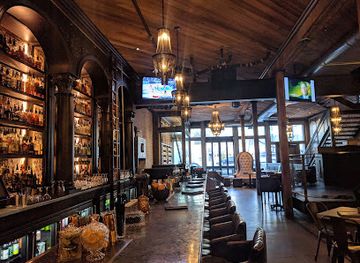
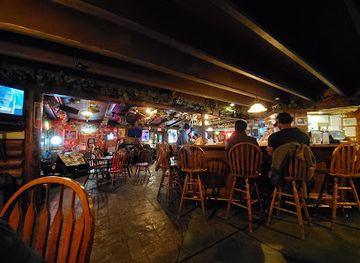
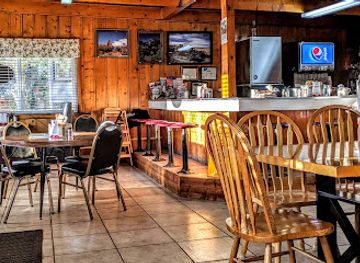
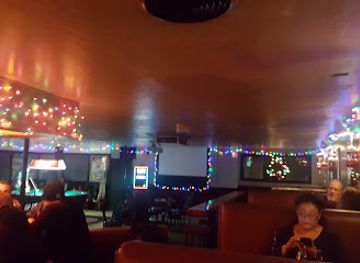
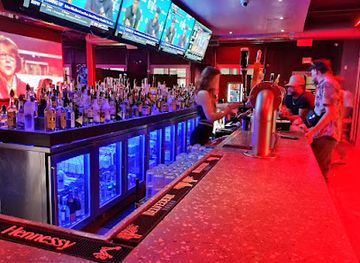
Sevier Valley does not have a major nightclub scene; evening life is centred on restaurants, cafés, community activities and the traditional social role of small-town gathering places. Richfield provides the largest selection of evening venues, while Salina and other communities are quieter and more dependent on local businesses and seasonal events. Utah's alcohol laws apply throughout the region, and licensed venues operate within those state regulations; visitors should carry accepted identification and check current service arrangements rather than expecting late-night entertainment. After dark, the valley is better suited to relaxed meals, conversation, stargazing and early starts for outdoor activities than to clubbing. Summer events, county fairs, concerts and community gatherings can add occasional evening activity, but dates and programmes change from year to year.
-
Cocktail bar
Whiskey Street Cocktails & Dining
Explore Whiskey Street Cocktails & Dining in Salt Lake City for an unforgettable blend of innovative cocktails and delightful dining experiences.
-
Bar
Lake Effect
Discover Lake Effect, Salt Lake City's premier cocktail bar and event venue, where exquisite drinks meet a lively atmosphere for an unforgettable experience.
-
Grill
The Hog Wallow Pub
Experience the vibrant atmosphere of The Hog Wallow Pub, where delicious grill cuisine meets live music in the heart of Cottonwood Heights.
-
Country food restaurant
Marinia's Country Cafe
Discover the heartwarming flavors of country cuisine at Marinia's Country Cafe in Loa, Utah - a delightful dining experience awaits!

Best nightclubs in Sevier Valley
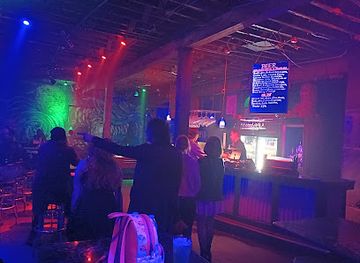
Sevier Valley does not have a major nightclub scene; evening life is centred on restaurants, cafés, community activities and the traditional social role of small-town gathering places. Richfield provides the largest selection of evening venues, while Salina and other communities are quieter and more dependent on local businesses and seasonal events. Utah's alcohol laws apply throughout the region, and licensed venues operate within those state regulations; visitors should carry accepted identification and check current service arrangements rather than expecting late-night entertainment. After dark, the valley is better suited to relaxed meals, conversation, stargazing and early starts for outdoor activities than to clubbing. Summer events, county fairs, concerts and community gatherings can add occasional evening activity, but dates and programmes change from year to year.
-
Club
Club 90
Discover the electrifying nightlife at Club 90 in Sandy, Utah - a premier destination for music, dancing, and unforgettable memories.
-
Night club
Area 51
Discover Salt Lake City's ultimate nightlife hotspot at Area 51, where electrifying music and endless dance await you.
-
Lounge
Bongo Lounge
Experience the vibrant nightlife of Salt Lake City at Bongo Lounge, a lively bar and nightclub with a unique atmosphere and diverse drink selection.
-
Night club
Sky SLC
Discover Salt Lake City's nightlife at Sky SLC, a vibrant night club with live music, dancing, and a lively bar atmosphere.

Best shops in Sevier Valley
Shopping in Sevier Valley is concentrated in Richfield, with supermarkets, practical services, independent retailers and supplies for road trips and outdoor recreation. Salina also serves local residents and passing travellers, while smaller communities offer a limited range of everyday shops rather than a concentrated retail district. Seasonal farm stands and community markets are the best places to look for locally grown fruit, vegetables, preserves and other food products, although their availability follows the agricultural calendar. Visitors may find antiques, handmade items, artwork and practical western or outdoor goods through independent businesses and occasional local events, but the region is not a luxury-shopping destination. Stock up on specialist outdoor supplies, fuel and substantial provisions before heading into the mountains, where retail choices are sparse. Souvenirs connected with Utah landscapes, Indigenous heritage and Fremont archaeology are more appropriate purchases than attempting to remove anything from archaeological or natural sites.
-
Department store
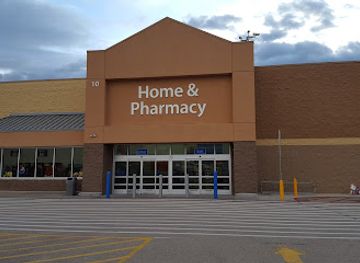
Walmart Supercenter
Discover a vast selection of groceries, clothing, electronics, and more at Walmart Supercenter in Richfield, Utah - your ultimate shopping destination.
-
Grocery store
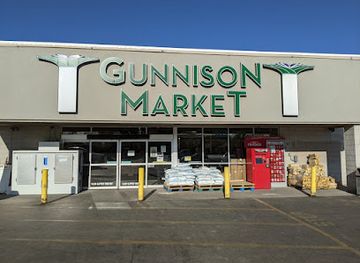
Gunnison Market
Discover Gunnison Market: Your one-stop shop for local flavors and fresh produce in the heart of Gunnison, Utah.
-
Gift shop
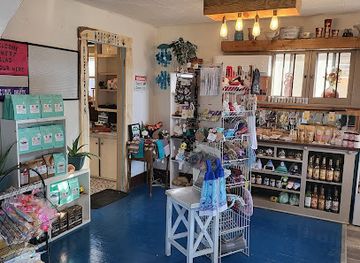
Sevier Valley Coffee & Gifts LLC
Discover the perfect blend of artisanal coffee and unique gifts at Sevier Valley Coffee & Gifts, a cozy retreat in Salina, Utah.
-
Hardware store
Rasmussen's Ace Hardware
Explore Rasmussen's Ace Hardware in Gunnison, Utah, for all your home improvement needs with exceptional service and quality products.

Get your free copy of our complete guide to Sevier Valley, delivered straight to you.
Everything on this page, from attractions and restaurants to essentials and local phrases, in one PDF you can read offline, print or share.
Already have an account? Sign in
Your Sevier Valley guide is ready.
We'll send it to · Not you? Sign out

Getting your guide ready…
We are putting together a fresh copy of the Sevier Valley guide. This can take up to a minute.
This can take a few moments. If your browser asks, choose Allow so the download can start. You'll find the guide in your Downloads folder.
Nothing happened? Download it again
Sorry, the guide is taking longer than usual. Please try again in a minute, or get it by email instead.
Sevier Valley essentials
Currency and Payment
Safety
Emergency Situations
Do's and Don'ts
Local Tips
From Eve
Local phrases worth knowing
You don't need to get them perfect. A few words go a long way, and locals appreciate the effort.
Basics
| English | Local | Say it |
|---|---|---|
| Hello | Howdy | [Haw-dee] |
| Goodbye | See ya | [See yah] |
| Yes | Yup | [Yup] |
| No | Nope | [Nope] |
| Please/You're welcome | Please/No problem | [Pleez/No prob] |
| Thank you | Thanks | [Thangs] |
| Excuse me/Sorry | Pardon me/Sorry | [Pardon me/Saw-ree] |
| How are you? | How ya doin'? | [How ya doin'?] |
| Fine. And you? | Good. And you? | [Good. An' you?] |
| Do you speak English? | Do ya speak English? | [Do ya speek Ing-lish?] |
| I don't understand | I don't get it | [I don't get it] |
Eating & Drinking
| English | Local | Say it |
|---|---|---|
| I'd like to see the menu, please | Can I see the menu, please? | [Can I see the men-yoo, pleez?] |
| I don't eat meat | I don't eat meat | [I don't eet meet] |
| Cheers! | Cheers! | [Cheers!] |
| I would like to pay, please | Can I pay, please? | [Can I pay, pleez?] |
Emergencies
| English | Local | Say it |
|---|---|---|
| Help! | Help! | [Help!] |
| Go away! | Leave me alone! | [Leave me alone!] |
| Call the Police! | Call the cops! | [Call the cops!] |
| Call a doctor! | Get a doctor! | [Get a doctah!] |
| I'm lost | I can’t find my way | [I can't find my way] |
| I'm ill | I feel sick | [I feel sick] |
Shopping
| English | Local | Say it |
|---|---|---|
| I'd like to buy... | I want to buy... | [I want to buy...] |
| I'm just looking | Just lookin' | [Just lookin'] |
| How much is it? | What’s the price? | [What's the price?] |
| That's too expensive | That's way too high | [That's way too high] |
| Can you lower the price? | Can ya make it cheaper? | [Can ya make it cheaper?] |
Time & Numbers
| English | Local | Say it |
|---|---|---|
| What time is it? | What time ya got? | [What time ya got?] |
| It's one o'clock | It's one | [It's one] |
| Half past (10) | Half past ten | [Half past ten] |
| Morning | Mornin' | [Mornin'] |
| Afternoon | Afternoon | [Afternoon] |
| Evening | Evenin' | [Evenin'] |
| Yesterday | Yesterday | [Yesterday] |
| Today | Today | [Today] |
| Tomorrow | Tomorrow | [Tomorrow] |
| 1 | One | [One] |
| 2 | Two | [Two] |
| 3 | Three | [Three] |
| 4 | Four | [Four] |
| 5 | Five | [Five] |
| 6 | Six | [Six] |
| 7 | Seven | [Seven] |
| 8 | Eight | [Eight] |
| 9 | Nine | [Nine] |
| 10 | Ten | [Ten] |
Transport & Directions
| English | Local | Say it |
|---|---|---|
| Where's a/the...? | Where's the nearest...? | [Where's the nearest...?] |
| What's the address? | What's the address? | [What's the address?] |
| Can you show me (on the map)? | Can ya show me on the map? | [Can ya show me on the map?] |
| When's the next (bus)? | When's the next bus? | [When's the next bus?] |
| A ticket (to ....) | A ticket to ... | [A ticket to ...] |
History of Sevier Valley
Fremont Culture and Earlier Indigenous Landscapes
The Sevier Valley formed part of the wider homeland and seasonal landscape of the Fremont culture, whose communities lived across central Utah roughly between AD 1 and 1300. They cultivated crops, hunted, gathered wild plants and left distinctive rock art and archaeological remains in sheltered locations. Fremont Indian State Park preserves and interprets important evidence beside the Sevier River, including sites affected by the construction of modern transport routes. The valley also lies within the broader cultural landscape of the Ute people, whose history and continuing presence are essential to understanding central Utah beyond the archaeological record.
Spanish and American Exploration
Long before permanent Euro-American settlement, the Sevier River country was encountered by Indigenous travellers, traders and later explorers moving through the interior West. The Domínguez–Escalante expedition passed through parts of present-day Utah in 1776, establishing an early European account of the region, although it did not create a settlement here. In the nineteenth century, fur trappers, traders and federal expeditions added to outside knowledge of the valley. Their journeys followed routes shaped by water, mountain passes and existing Indigenous networks rather than the later grid of roads and irrigated farms.
Mormon Settlement and Irrigation
Permanent Latter-day Saint settlement expanded into the Sevier Valley during the 1860s, when communities established farms, canals and town sites along the river and its tributaries. Richfield was founded in 1865, and additional settlements developed as colonists sought arable land and reliable water. Relations with local Ute communities were deeply affected by the arrival of settlers, competition for resources and the wider conflicts of the period. Irrigation transformed portions of the valley from dry interior grassland into productive agricultural country, creating a pattern of fields, orchards and compact towns that remains characteristic today.
The Black Hawk War and Regional Disruption
The Black Hawk War, fought in Utah from 1865 to 1872, affected the Sevier region through conflict, displacement and the defensive pressures placed on newly established settlements. Many communities built forts or used fortified meeting places, while settlers temporarily abandoned some locations as violence and fear spread through parts of central and southern Utah. The conflict reflected mounting pressure on Indigenous lands and resources rather than a single local dispute. Its legacy is present in regional historical accounts and in the broader transformation of the Sevier Valley during the settlement era.
Railways, Roads and Commercial Towns
Transport connections helped turn the valley's settlements into durable commercial centres. Railways reached central Utah in the late nineteenth century, linking agricultural communities with wider markets and supporting the movement of livestock, grain and other produce. Later, improved highways altered travel patterns again, with US 89 becoming the principal north–south route and I-70 connecting the northern valley to the Wasatch Front and Colorado. Richfield grew as the main regional service centre, while Salina and smaller towns retained roles tied to farming, transport and local trade.
Agriculture, Water and Modern Regional Life
Twentieth-century Sevier Valley life was shaped by irrigation infrastructure, reservoirs, farming and the continuing management of an arid river system. Alfalfa, livestock, grain, fruit and other crops have been important to the local economy, though agriculture has always depended on variable snowpack, rainfall and river flows. Schools, churches, civic organisations and family businesses helped sustain communities across the valley as improved roads made regional shopping and employment more accessible. Today, farming remains visible alongside public-land recreation, tourism services and the practical industries that support rural central Utah.
Sevier Valley in Photos
Browse through our photo collection highlighting the charm and character of the destination.
Neighbouring regions of Sevier Valley
The closest regions to Sevier Valley, if you have time for more than one.
-

-

-

-

-
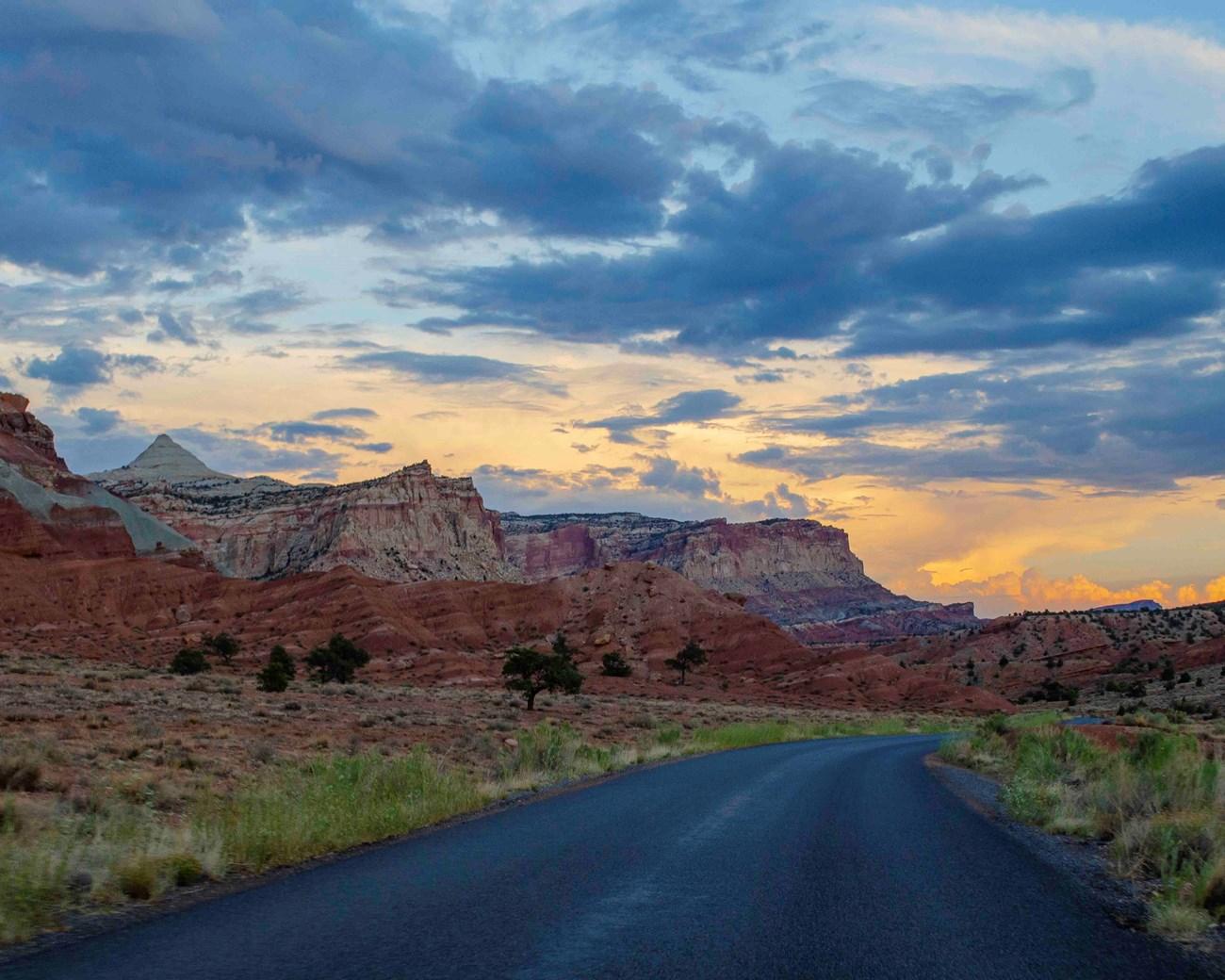 Capitol Reef National Park
Explore Capitol Reef National Park in Utah for folded red-rock geology, historic Fruita orchards, scenic drives, canyons and remote desert trails.
Capitol Reef National Park
Explore Capitol Reef National Park in Utah for folded red-rock geology, historic Fruita orchards, scenic drives, canyons and remote desert trails.


Swipe for more regions
Explore more

Explore more of Utah
Explore Utah's stunning national parks, rich cultural heritage, and year-round outdoor adventures. Discover why this diverse state is a top destination for travelers.
Explore Utah