

Free Kitsap Peninsula Travel Guide & Mobile App
Explore Kitsap Peninsula with free travel guides. Discover regional history, expert tips, proposed trips, and audio guides on web or mobile app.


Explore the Kitsap Peninsula for Puget Sound ferries, forested parks, naval history, Scandinavian heritage, island gardens and waterfront towns.
Read more about Kitsap Peninsula
Getting to and around Kitsap Peninsula
How to get there
Transportation
Top city travel guides in Kitsap Peninsula
The cities of Kitsap Peninsula, and the easiest places to base yourself.
-

-

-


Swipe for more cities
Best attractions in Kitsap Peninsula
Kitsap Peninsula attractions reflect its meeting point of water, forest, industry and living culture. Bremerton's Puget Sound Navy Museum explains the area's naval history, while the waterfront and ferry terminal provide views across the sound. Poulsbo offers a compact historic centre, maritime setting and Scandinavian-American heritage, and Port Gamble presents a preserved nineteenth-century mill town beside the bay. On Bainbridge Island, the Bloedel Reserve combines gardens, woodland and carefully composed landscapes, while Fort Ward State Park and other island parks reveal layers of military and maritime history. State parks including Manchester, Illahee and Scenic Beach provide beaches, picnic areas and wooded walks, though facilities and access vary seasonally. The Hood Canal side is suited to quiet shoreline exploration, wildlife watching and kayaking, with changing tides and weather requiring care. Visitors can also seek out galleries, farms, breweries, cultural museums and community events. The strongest appeal lies in combining several modest experiences: a ferry crossing, a town waterfront, a forest trail and a historic site, rather than expecting one concentrated tourist district.
-
Park
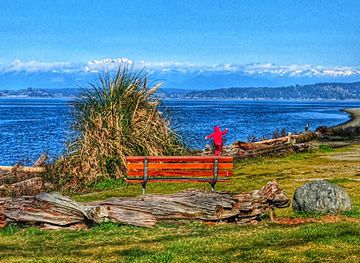
Lincoln Park
Explore Lincoln Park in Seattle, a stunning urban park with breathtaking views, diverse wildlife, and endless recreational opportunities for every traveler.
-
State park
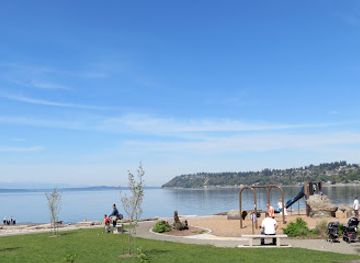
Dash Point State Park
Discover the beauty of Dash Point State Park, where lush forests meet serene beaches along the stunning shores of Puget Sound.
-
Tourist attraction
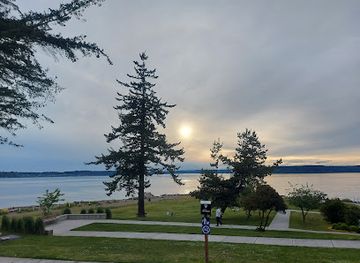
Seahurst Park
Explore the natural beauty of Seahurst Park in Burien, WA, where coastal views, outdoor activities, and serene landscapes await.
-
Tourist attraction
Browns Point Lighthouse Park
Experience the beauty and history of Browns Point Lighthouse Park, a serene coastal park in Washington perfect for nature lovers and families.

Best landmarks in Kitsap Peninsula
The Kitsap Peninsula's most recognisable landmarks are strongly connected to water, work and cultural memory. Puget Sound Naval Shipyard dominates the Bremerton waterfront and remains an active military-industrial site, so it is best understood from public viewpoints and museums rather than approached as an open attraction. The USS Turner Joy, a preserved naval destroyer at Bremerton's waterfront, provides a tangible connection with twentieth-century naval history, subject to its visitor arrangements. In Poulsbo, the waterfront and historic downtown express the town's Scandinavian-American identity through its streetscape and maritime setting. Port Gamble's company-town buildings and church form an unusually coherent nineteenth-century industrial landscape. On Bainbridge Island, the Japanese American Exclusion Memorial at the former Eagledale Ferry Dock site commemorates the forced removal of Japanese Americans during the Second World War. Chief Seattle's gravesite at Suquamish is an important cultural and historical place, while the wooded shores of Hood Canal and the broad views across Puget Sound serve as natural landmarks that define the peninsula's geography.
-
Park
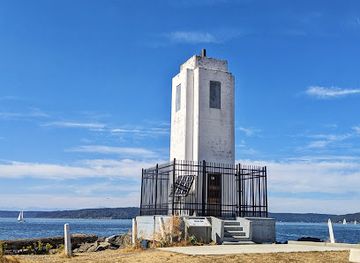
Browns Point Lighthouse Park
Explore the breathtaking Browns Point Lighthouse Park, a serene waterfront escape with stunning views and rich maritime history.
-
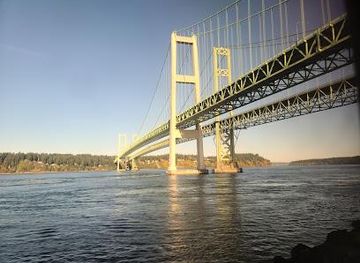
Bridge
Tacoma Narrows Bridge
Explore the Tacoma Narrows Bridge: A stunning engineering marvel offering breathtaking views and rich history in Washington State.
-
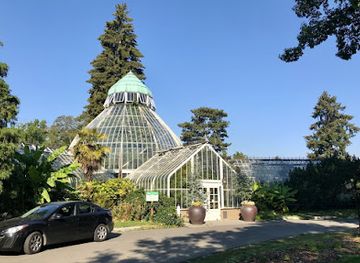
Botanical garden
W.W. Seymour Botanical Conservatory
Explore the serene beauty of the W.W. Seymour Botanical Conservatory, a lush retreat in Tacoma showcasing diverse plant species and stunning landscapes.
-
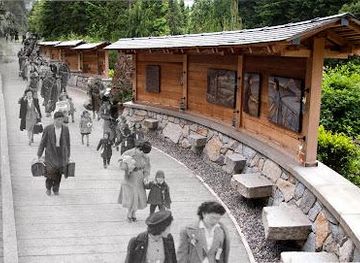
Historical landmark
Bainbridge Island Japanese American Exclusion Memorial
Explore the Bainbridge Island Japanese American Exclusion Memorial, a powerful tribute to resilience and remembrance of Japanese American internment during WWII.
Explore Kitsap Peninsula on the map
Plan your trip on one map. See where the top cities, national parks and sights are, and book hotels and experiences in a few clicks.
Best hotels in Kitsap Peninsula
Best restaurants in Kitsap Peninsula
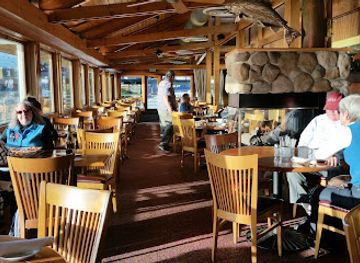
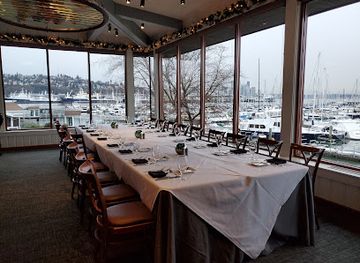
Eating on the Kitsap Peninsula is shaped by Puget Sound, working waterfronts, farms and the region's mixed cultural history. Seafood is widely represented, with salmon, oysters, clams and other shellfish appearing where local supply and regulations allow, although visitors should distinguish restaurant dishes from personal harvesting and check current shellfish advisories. Bremerton and Poulsbo have the broadest choice of cafés, bakeries, pubs and international restaurants, while Bainbridge Island adds farm-oriented dining, tasting rooms and independent food businesses. Port Gamble and smaller communities are suited to a slower meal or café stop rather than extensive choice. Farm stands and markets may offer berries, apples, vegetables, preserves and baked goods, reflecting the mild maritime climate. Scandinavian-influenced baking and pastries are particularly associated with Poulsbo's heritage, while local breweries, cider makers and wineries provide regional drinks. Menus and businesses change, so checking current arrangements is sensible outside the main towns.
-
Italian
The Pink Door
Indulge in exquisite Italian cuisine and vibrant entertainment at The Pink Door in Seattle's picturesque Waterfront district.
-
Seafood
Anthony's HomePort
Experience exceptional seafood dining with breathtaking waterfront views at Anthony's HomePort in Des Moines.
-
Seafood
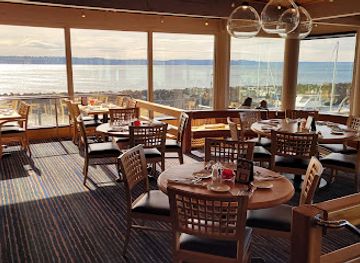
Ray's Boathouse
Experience exquisite seafood dining at Ray's Boathouse in Seattle with stunning views of Puget Sound and exceptional service.
-
Seafood
Palisade
Experience exquisite seafood and steak at Palisade while enjoying breathtaking views of Seattle's marina and mountains.

Best bars in Kitsap Peninsula
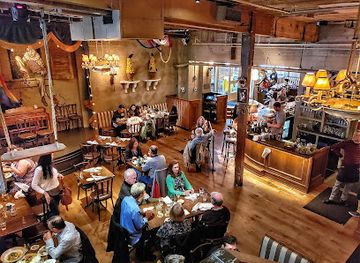
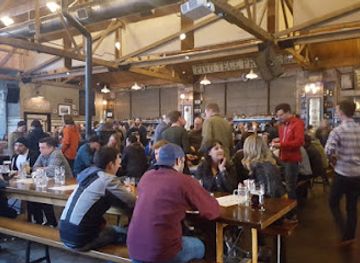
Evenings on the Kitsap Peninsula generally centre on pubs, breweries, restaurants, live music and waterfront conversation rather than a large nightclub scene. Bremerton has the region's broadest after-dark choice, including traditional bars, casual drinking establishments, music venues and restaurants near the central waterfront and downtown streets. Poulsbo and Bainbridge Island offer smaller-scale options, with breweries, wine-focused venues, cocktail bars and eateries that are often busiest at weekends and in summer. Port Gamble and Hood Canal communities are quieter, with evenings built around historic inns, local restaurants and outdoor settings rather than late-night entertainment. Some venues may be affected by ferry times or seasonal demand, so do not assume that a rural establishment stays open late. Alcohol is only one part of local evening culture: theatre, community events, sunset walks and live performances can be equally relevant ways to spend the night.
-
Italian
The Pink Door
Experience the magic of Italian cuisine at The Pink Door, a gem in Seattle's Post Alley with enchanting ambiance and exquisite dishes.
-
Bar
Queen Anne Beerhall
Discover the lively Queen Anne Beerhall in Seattle, where great beer and delicious food unite in a vibrant communal atmosphere.
-
Lounge
Monkey Loft
Monkey Loft: A vibrant Seattle lounge offering live music, eclectic drinks, and an unforgettable nightlife experience in the heart of SODO.
-
Restaurant
Purdy's Public House & Arcade
Experience the perfect blend of delicious dining and nostalgic gaming at Purdy's Public House & Arcade in Sumner, Washington.

Best nightclubs in Kitsap Peninsula
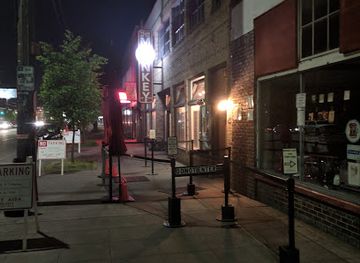
Evenings on the Kitsap Peninsula generally centre on pubs, breweries, restaurants, live music and waterfront conversation rather than a large nightclub scene. Bremerton has the region's broadest after-dark choice, including traditional bars, casual drinking establishments, music venues and restaurants near the central waterfront and downtown streets. Poulsbo and Bainbridge Island offer smaller-scale options, with breweries, wine-focused venues, cocktail bars and eateries that are often busiest at weekends and in summer. Port Gamble and Hood Canal communities are quieter, with evenings built around historic inns, local restaurants and outdoor settings rather than late-night entertainment. Some venues may be affected by ferry times or seasonal demand, so do not assume that a rural establishment stays open late. Alcohol is only one part of local evening culture: theatre, community events, sunset walks and live performances can be equally relevant ways to spend the night.
-
Night club
Eden NightClub and Lounge
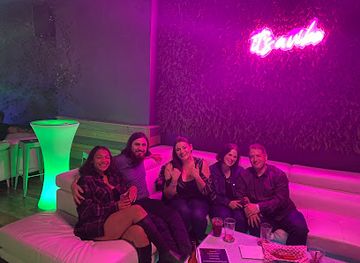
Experience the pulse of Bremerton's nightlife at Eden NightClub and Lounge, where music, dance, and vibrant energy collide for an unforgettable evening.
Best shops in Kitsap Peninsula
-
Shopping mall
Bellevue Square
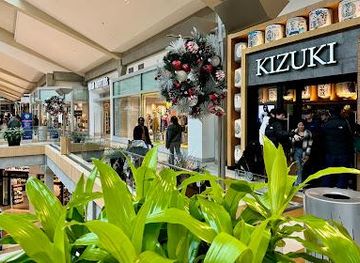
Explore Bellevue Square, where shopping, dining, and entertainment converge in a vibrant atmosphere in the heart of Bellevue, Washington.
-
Department store
Nordstrom
Explore Seattle's Nordstrom for an unparalleled shopping experience featuring clothing, accessories, and cosmetics for all ages.
-
Gift shop
Ye Olde Curiosity Shop
Explore Ye Olde Curiosity Shop, a unique Seattle destination filled with eclectic gifts, artifacts, and treasures by the waterfront.
-
Shopping mall
Broadway Market
Explore Broadway Market in Seattle's Capitol Hill—an eclectic shopping and dining destination filled with local flavors and vibrant community spirit.
Get your free copy of our complete guide to Kitsap Peninsula, delivered straight to you.
Everything on this page, from attractions and restaurants to essentials and local phrases, in one PDF you can read offline, print or share.
Already have an account? Sign in
Your Kitsap Peninsula guide is ready.
We'll send it to · Not you? Sign out

Getting your guide ready…
We are putting together a fresh copy of the Kitsap Peninsula guide. This can take up to a minute.
This can take a few moments. If your browser asks, choose Allow so the download can start. You'll find the guide in your Downloads folder.
Nothing happened? Download it again
Sorry, the guide is taking longer than usual. Please try again in a minute, or get it by email instead.
Kitsap Peninsula essentials
Currency and Payment
Safety
Emergency Situations
Do's and Don'ts
Local Tips
From Eve
Local phrases worth knowing
You don't need to get them perfect. A few words go a long way, and locals appreciate the effort.
Basics
| English | Local | Say it |
|---|---|---|
| Hello | Hiya | [Hī-yə] |
| Goodbye | See ya | [Sē yə] |
| Yes | Yep | [Yep] |
| No | Nah | [Nə] |
| Please/You're welcome | Sure thing | [Shər θɪŋ] |
| Thank you | Thanks | [θæŋks] |
| Excuse me/Sorry | My bad | [Maɪ bæd] |
| How are you? | How's it going? | [Haʊz ɪt ˈɡoʊɪŋ] |
| Fine. And you? | Good. And you? | [ɡʊd. ənd jʊ?] |
| Do you speak English? | You speak English? | [Ju spik ˈɪŋɡlɪʃ?] |
| I don't understand | I don't get it | [Aɪ doʊnt gɛt ɪt] |
Eating & Drinking
| English | Local | Say it |
|---|---|---|
| I'd like to see the menu, please | Can I see the menu? | [Kæn aɪ si ðə ˈmɛnju?] |
| I don't eat meat | I'm vegetarian | [Aɪm ˌvɛdʒɪˈtɛriən] |
| Cheers! | Cheers! | [ʧɪrz] |
| I would like to pay, please | Can I get the check? | [Kæn aɪ gɛt ðə ʧɛk?] |
Emergencies
| English | Local | Say it |
|---|---|---|
| Help! | Help! | [hɛlp] |
| Go away! | Leave me alone! | [Liv mi əˈloʊn] |
| Call the Police! | Call 911! | [Kɔl naɪn-wʌn-wʌn] |
| Call a doctor! | Get a doctor! | [ɡɛt ə ˈdɑktər] |
| I'm lost | I'm turned around | [Aɪm tɜrnd əˈraʊnd] |
| I'm ill | I'm feeling sick | [Aɪm ˈfiːlɪŋ sɪk] |
Shopping
| English | Local | Say it |
|---|---|---|
| I'd like to buy... | I wanna buy... | [Aɪ ˈwɑnə baɪ...] |
| I'm just looking | Just browsing | [Jʌst ˈbraʊzɪŋ] |
| How much is it? | What's the price? | [Wʌts ðə praɪs?] |
| That's too expensive | That's way too much | [ðæts weɪ tu mʌʧ] |
| Can you lower the price? | Can you make it cheaper? | [Kæn ju meɪk ɪt ˈʧipər?] |
Time & Numbers
| English | Local | Say it |
|---|---|---|
| What time is it? | What time? | [Wʌt taɪm?] |
| It's one o'clock | It's one | [ɪts wʌn] |
| Half past (10) | Half past ten | [Hæf pæst tɛn] |
| Morning | Morning | [ˈmɔrnɪŋ] |
| Afternoon | Afternoon | [ˈæftərˌnun] |
| Evening | Evening | [ˈivnɪŋ] |
| Yesterday | Yesterday | [ˈjɛstərdeɪ] |
| Today | Today | [təˈdeɪ] |
| Tomorrow | Tomorrow | [təˈmɔroʊ] |
| 1 | One | [Wʌn] |
| 2 | Two | [Tu] |
| 3 | Three | [θri] |
| 4 | Four | [fɔr] |
| 5 | Five | [faɪv] |
| 6 | Six | [sɪks] |
| 7 | Seven | [ˈsɛvən] |
| 8 | Eight | [eɪt] |
| 9 | Nine | [naɪn] |
| 10 | Ten | [tɛn] |
Transport & Directions
| English | Local | Say it |
|---|---|---|
| Where's a/the...? | Where's the...? | [Wɛrz ðə...?] |
| What's the address? | What's the address? | [Wʌts ði əˈdrɛs?] |
| Can you show me (on the map)? | Can you point it out? | [Kæn ju pɔɪnt ɪt aʊt?] |
| When's the next (bus)? | When's the next bus? | [Wɛnʔs ðə nɛkst bʌs?] |
| A ticket (to ....) | A ticket to... | [A ˈtɪkɪt tu...] |
History of Kitsap Peninsula
Coast Salish Homelands
The Kitsap Peninsula lies within the ancestral homelands of Coast Salish peoples, including the Suquamish and Port Gamble S'Klallam. Communities developed sophisticated relationships with the peninsula's forests, tidelands, rivers and waterways, travelling by canoe and relying on seasonal resources such as salmon, shellfish, berries and plants. Suquamish territory includes areas around central Puget Sound, and the community's cultural presence remains visible at places such as the Suquamish Museum and Chief Seattle's gravesite. Indigenous history is not confined to the past: tribal governments, families and cultural organisations continue to shape the region.
Maritime Exploration and American Settlement
European and American maritime expeditions entered Puget Sound in the late eighteenth and early nineteenth centuries, adding new names and commercial interests to an already inhabited landscape. As American settlement expanded, treaties and territorial changes profoundly affected Coast Salish communities and their access to land and resources. The Treaty of Point Elliott, signed in 1855, established reservations including the Suquamish Reservation and altered the political geography of the region. Later settlers developed farms, roads, mills and ports around the peninsula's bays and inlets.
Port Gamble and the Timber Economy
Port Gamble was established in 1853 by the Puget Mill Company as a company town and sawmill settlement. Its position on Port Gamble Bay provided access to timber and water transport, while the mill became one of the Pacific Northwest's important nineteenth-century industrial enterprises. The surviving historic village contains company-era houses, a general store and other buildings that convey the planned character of the settlement. The mill closed in 1995, but Port Gamble's landscape remains one of the clearest places on the peninsula to examine the relationship between logging, company power and maritime commerce.
Bremerton and Puget Sound Naval Shipyard
Bremerton grew rapidly after the Puget Sound Naval Shipyard was established in 1891. The yard became a major centre for ship construction, repair and overhaul, bringing skilled workers and federal investment to the town. Its activities expanded during the world wars and remained important through later periods of American naval history. The shipyard still operates, so access is controlled, but its presence influences Bremerton's waterfront, employment and civic identity. The Puget Sound Navy Museum provides public context on the region's naval technology, shipbuilding and military communities.
The Mosquito Fleet and Ferry Connections
Before modern bridges and highways, Puget Sound communities depended heavily on small steamers and passenger boats often known collectively as the Mosquito Fleet. These vessels linked villages, mill towns, farms and cities, allowing movement of people, mail and goods across the water. The tradition survives in the region's modern ferry network, which remains a practical part of daily life rather than solely a tourist attraction. Connections between Seattle, Bremerton, Bainbridge Island and other Puget Sound communities continue to shape where people live, work and travel.
From Resource Extraction to Heritage and Recreation
During the twentieth century, timber, shipbuilding, military employment, fishing and shellfish cultivation continued to influence the peninsula, while suburban growth connected many communities more closely to the Seattle metropolitan area. Former industrial and military sites have acquired new roles as museums, parks, cultural venues and public waterfronts. The region's present identity combines working harbours and naval infrastructure with conservation, agritourism, outdoor recreation and heritage interpretation. That mixture explains why Kitsap can feel both industrial and rural within a relatively compact travel area.
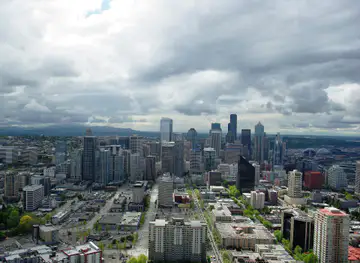
Kitsap Peninsula in Photos
Browse through our photo collection highlighting the charm and character of the destination.
Neighbouring regions of Kitsap Peninsula
The closest regions to Kitsap Peninsula, if you have time for more than one.
-
-

-

-

-


Swipe for more regions
Explore more

Explore more of Washington
Explore Washington State: From the vibrant streets of Seattle to the tranquil beauty of the Olympic Peninsula, discover the diverse landscapes, culture, and adventures awaiting you.
Explore Washington