
Puget Sound, Washington Travel Guide
Explore the breathtaking beauty of Puget Sound, from Seattle's vibrant waterfront to the serene islands and lush forests of Washington State.
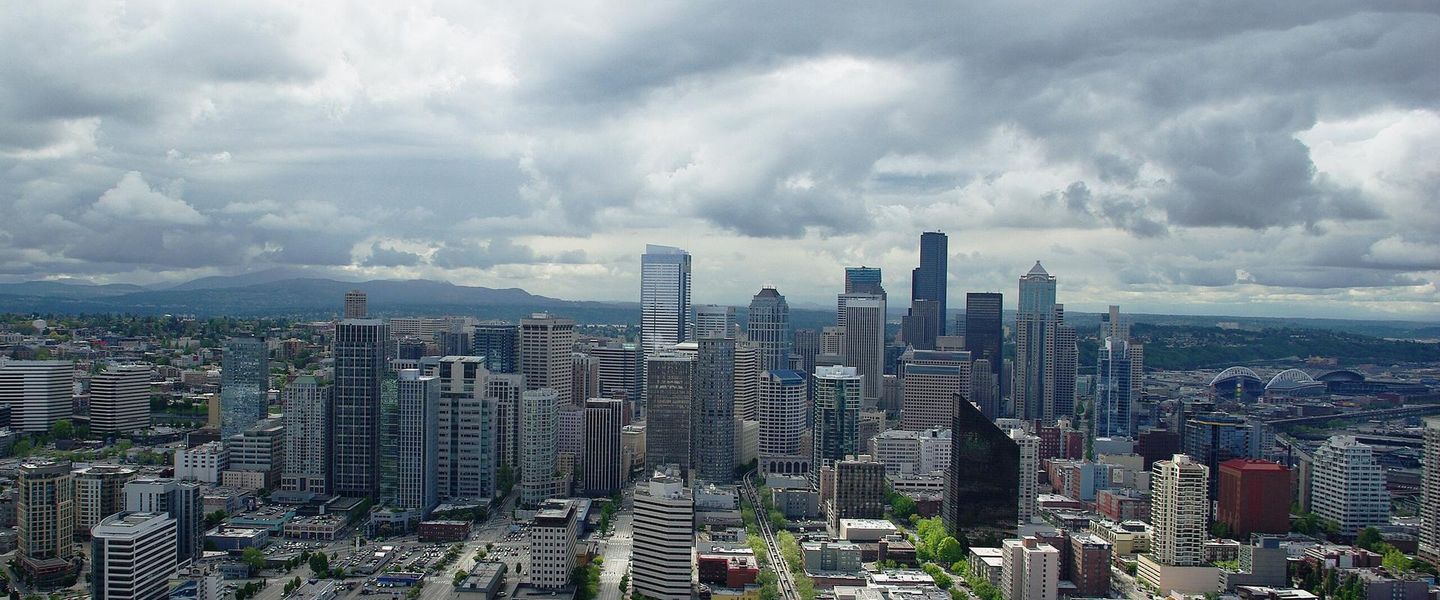
Nestled in the Pacific Northwest, Puget Sound is a stunning estuary in Washington State. It offers a perfect blend of natural beauty, marine life, and vibrant communities. The region is known for its serene waters, lush forests, and picturesque islands. Whether you're a nature enthusiast, a history buff, or someone seeking relaxation, Puget Sound has something for everyone. Begin your journey in Seattle, the heart of Puget Sound. The city's iconic Space Needle offers panoramic views of the Sound, Elliott Bay, and the distant Olympic Mountains. Don't miss the bustling Pike Place Market, where you can sample fresh seafood, local produce, and artisan crafts. From Seattle, take a ferry ride to Bainbridge Island for a day of charming boutiques, wineries, and scenic trails. For a deeper dive into nature, head to the Olympic Peninsula. Here, you can explore the lush Hoh Rainforest, hike the trails of Olympic National Park, or relax on the beaches of the Pacific Coast. The San Juan Islands, accessible by ferry, are a haven for whale watchers and kayakers. Each island has its unique charm, from the bustling Friday Harbor on San Juan Island to the tranquil shores of Lopez Island. Puget Sound's maritime heritage is evident in its many historic sites and museums. Visit the Puget Sound Navy Museum in Bremerton or the Foss Waterway Seaport in Tacoma to learn about the region's naval history. For a unique experience, take a boat tour to see the Sound's diverse marine life, including orcas, seals, and seabirds.

Know before you go
Hi, I'm Eve. Here are a few practical things to know before exploring Puget Sound.
- Check the ferry schedules in advance, as they can vary and may fill up quickly during peak times.
- Dress in layers; the weather can change rapidly, especially near the water.
- Visit the local farmers' markets for fresh produce and unique local products.
- Bring binoculars for whale watching and bird spotting.
- Consider renting a kayak or joining a guided tour to explore the Sound from the water.
Top City Travel Guides in Puget Sound
The cities of Puget Sound, and the easiest places to base yourself.



Destinations in Puget Sound
Resorts, valleys and scenic spots worth a trip of their own.

Explore Puget Sound: Things to Do, Places to Eat, Hotels & More
Handpicked recommendations for top attractions, local dining, accommodations, and more

Top Attractions & Sightseeing in Puget Sound
Top-rated picks
Best Attractions

Pike Place Market
Discover the vibrant culture and exceptional cuisine at Pike Place Market, Seattle's historic marketplace filled with fresh produce, artisan goods, and dining delights.

Pike Place Market
Explore Seattle's historic Pike Place Market, a vibrant hub of local cuisine, crafts, and culture with stunning waterfront views.

Space Needle
Discover the breathtaking views of Seattle at the historic Space Needle, an iconic landmark and observation deck offering unforgettable experiences.

Seattle Center
Explore Seattle Center, a cultural oasis featuring the Space Needle, museums, festivals, and vibrant outdoor spaces, perfect for all visitors.

Best landmarks in Puget Sound
Top-rated picks
Best Landmarks

Pike Place Market
Explore the vibrant Pike Place Market in Seattle, where local flavors, unique crafts, and stunning waterfront views come together in a historic setting.

Space Needle
Experience breathtaking 360-degree views of Seattle and beyond from the iconic Space Needle, a must-visit observation deck and tourist attraction.

Seattle Center
Experience the vibrant culture and rich entertainment scene at Seattle Center, a historic landmark offering a variety of attractions and events.

Chihuly Garden and Glass
Explore the vibrant world of Dale Chihuly at Chihuly Garden and Glass in Seattle, where stunning art meets nature in a breathtaking display.

Best restaurants in Puget Sound
Top-rated picks
Best Restaurants

The 5 Point Cafe | 24 Hour Legendary Dive Bar & Diner
Experience Seattle's vibrant nightlife at The 5 Point Cafe - your go-to dive bar & diner open 24/7 for delicious American cuisine.

The Pink Door
Experience the charm of Italy at The Pink Door in Seattle - where exquisite cuisine meets captivating ambiance.

Elliott's Oyster House
Discover Elliott's Oyster House: Seattle's premier seafood destination offering fresh oysters and breathtaking waterfront views.

Toulouse Petit Kitchen & Lounge
Experience the vibrant flavors of Creole and Southern cuisine at Toulouse Petit Kitchen & Lounge in Seattle's Queen Anne neighborhood.

Best bars in Puget Sound
Top-rated picks
Best Bars

The Pink Door
Discover the charm of The Pink Door in Seattle, where exquisite Italian cuisine meets an enchanting atmosphere and live entertainment.

Von's 1000 Spirits
Discover the vibrant flavors and lively atmosphere at Von's 1000 Spirits, Seattle's premier American restaurant, perfect for any food lover.

Unicorn
Discover Unicorn, a whimsical bar in Seattle's Capitol Hill, where imaginative cocktails and vibrant atmosphere create unforgettable nights.

Flatstick Pub - Pioneer Square
Experience the vibrant atmosphere of Flatstick Pub in Pioneer Square - where craft drinks meet fun miniature golf in Seattle.

Best nightclubs in Puget Sound
Top-rated picks
Best Nightclubs

Monkey Loft
Discover Monkey Loft, Seattle's vibrant lounge offering eclectic music, innovative drinks, and an unforgettable nightlife experience in SODO.

Cactus Moon Saloon
Experience the lively atmosphere of Cactus Moon Saloon, Everett's go-to bar for drinks, karaoke, and unforgettable nights out.

The Cove Restaurant and Lounge
Experience the vibrant dining scene at The Cove Restaurant and Lounge, where delicious food meets a lively atmosphere in Lynnwood, WA.

Sarajevo Nightclub
Discover the vibrant energy of Sarajevo Nightclub in Belltown, Seattle, where music, dance, and good times come together for an unforgettable nightlife experience.

Best shops in Puget Sound
Top-rated picks
Best Shops

Bellevue Square
Explore Bellevue Square, the ultimate shopping destination in Bellevue, WA, featuring diverse stores, delectable dining, and vibrant events year-round.

IKEA
Discover stylish furniture and home decor at IKEA Renton, a shopper's paradise for all your home furnishing needs.

Nordstrom
Explore Nordstrom in Seattle for an unparalleled shopping experience featuring fashion, footwear, and beauty products for the entire family.

Ye Olde Curiosity Shop
Explore the unique treasures of Ye Olde Curiosity Shop, a Seattle gem filled with eclectic gifts, Native American artifacts, and fascinating memorabilia.

Explore Puget Sound on the Map
A handpicked selection of must-see spots in Puget Sound, mapped for you.
Puget Sound Essentials
-
Puget Sound is located in the Pacific Northwest region of the United States. The primary gateway to the area is Seattle-Tacoma International Airport (SEA), which offers numerous domestic and international flights. From the airport, you can rent a car, take a taxi, or use public transportation to reach various destinations within Puget Sound. Amtrak also provides train service to Seattle from major cities along the West Coast. Additionally, ferries connect many of the islands in Puget Sound, providing scenic travel between destinations.
-
Transportation options in Puget Sound are diverse. Public transit is available through King County Metro Transit, Sound Transit, and Community Transit, offering bus and light rail services. Ferries operated by Washington State Ferries are a popular way to travel between the mainland and the islands. For those preferring to drive, car rentals are widely available. Ride-sharing services like Uber and Lyft operate throughout the region. Biking is also a great option, with many bike-friendly routes and rental services available.
-
The official currency in Puget Sound, like the rest of the United States, is the US Dollar (USD). Credit and debit cards are widely accepted in most establishments, including restaurants, shops, and hotels. ATMs are plentiful, and contactless payment methods like Apple Pay and Google Wallet are increasingly common. It’s a good idea to carry some cash for smaller vendors, especially in more remote areas.
-
Puget Sound is generally a safe destination for tourists. However, some neighborhoods in larger cities like Seattle have higher crime rates, particularly for property crimes. Areas such as the International District and parts of downtown Seattle can be hotspots for pickpocketing and other petty crimes. It is advisable to take standard precautions: avoid walking alone at night in unfamiliar areas, keep valuables secure, and stay aware of your surroundings.
-
In case of an emergency, dial 911 for immediate assistance. Seattle and other major cities in Puget Sound have well-equipped medical facilities and hospitals. It’s recommended to have travel insurance that covers medical emergencies. For minor health issues, there are numerous pharmacies where you can purchase over-the-counter medications. Familiarize yourself with the location of the nearest hospital or urgent care center to your accommodation.
-
Fashion: Do dress in layers, as the weather can be unpredictable. Don’t wear overly casual clothing when dining in finer restaurants. Religion: Do respect places of worship. Don’t be disruptive when services are in progress. Public Transport: Do be courteous and give up your seat to elderly or disabled passengers. Don’t be loud or disruptive on public transportation. Greetings: Do greet people with a smile and a handshake. Don’t be overly familiar with strangers. Eating & Drinking: Do try local seafood delicacies. Don’t forget to tip, as it is customary in the United States.
-
To experience Puget Sound like a local, explore the farmers' markets in Seattle, such as Pike Place Market, where you can find fresh produce and local crafts. Take a ferry ride to Bainbridge Island for a day trip. Engage with locals at coffee shops and breweries, as Puget Sound has a rich coffee culture and craft beer scene. Don't miss out on the hiking trails in the region, such as those in the Olympic National Park, which offer stunning views and a chance to experience the natural beauty of the area.
When is the best time to visit Puget Sound?
Useful Local Phrases for Puget Sound
You don't need to speak the language perfectly. Even learning a few simple words can make conversations warmer—and locals usually appreciate the effort.
— Eve

Here are the phrases I use most often in Puget Sound. Try a few—you'll be surprised how far they go! 😊
❤️
-
- HelloHey
[hey] - GoodbyeSee ya
[see yah] - YesYeah
[yeah] - NoNah
[nah] - Please/You're welcomeNo problem
[no proh-blem] - Thank youThanks
[thanks] - Excuse me/SorrySorry
[sorry] - How are you?How's it going?
[how's it go-ing] - Fine. And you?Good. You?
[good. you?] - Do you speak English?Do you speak English?
[do you speak English?] - I don't understandI don’t get it
[I don’t get it]
- HelloHey
-
- I'd like to see the menu, pleaseCan I see the menu?
[can I see the menu?] - I don't eat meatI’m vegetarian
[I’m vege-tarian] - Cheers!Cheers!
[cheers!] - I would like to pay, pleaseCan I get the check?
[can I get the check?]
- I'd like to see the menu, pleaseCan I see the menu?
-
- Help!Help!
[help!] - Go away!Leave me alone!
[leave me alone!] - Call the Police!Call 911!
[call nine-one-one!] - Call a doctor!I need a doctor!
[I need a doctor!] - I'm lostI'm lost
[I'm lost] - I'm illI’m not feeling well
[I’m not feeling well]
- Help!Help!
-
- I'd like to buy...I want to buy...
[I want to buy...] - I'm just lookingJust browsing
[just browsing] - How much is it?What’s the price?
[what’s the price?] - That's too expensiveThat's way too much
[that's way too much] - Can you lower the price?Can you give me a deal?
[can you give me a deal?]
- I'd like to buy...I want to buy...
-
- What time is it?What time is it?
[what time is it?] - It's one o'clockIt's one o'clock
[it's one o'clock] - Half past (10)Half past ten
[half past ten] - MorningMorning
[morning] - AfternoonAfternoon
[afternoon] - EveningEvening
[evening] - YesterdayYesterday
[yesterday] - TodayToday
[today] - TomorrowTomorrow
[tomorrow] - 1One
[one] - 2Two
[two] - 3Three
[three] - 4Four
[four] - 5Five
[five] - 6Six
[six] - 7Seven
[seven] - 8Eight
[eight] - 9Nine
[nine] - 10Ten
[ten]
- What time is it?What time is it?
-
- Where's a/the...?Where's the...?
[where's the...?] - What's the address?What’s the address?
[what’s the address?] - Can you show me (on the map)?Can you point it out?
[can you point it out?] - When's the next (bus)?When's the next bus?
[when's the next bus?] - A ticket (to ....)A ticket to...
[a ticket to...]
- Where's a/the...?Where's the...?
History of Puget Sound
-
Long before European settlers arrived, the Puget Sound area was inhabited by various indigenous tribes, including the Duwamish, Suquamish, Snohomish, and Puyallup. These tribes thrived on the abundant natural resources, practicing fishing, hunting, and gathering. They developed complex societies with rich cultural traditions, spiritual beliefs, and intricate art forms. The indigenous peoples of Puget Sound lived in harmony with the land and waters, creating a deep connection to the environment that continues to influence the region today.
-
In 1792, British Captain George Vancouver became one of the first Europeans to explore Puget Sound. His expedition mapped the coastline and named many of the area's prominent features, including Mount Rainier and Puget Sound itself, which he named after his lieutenant, Peter Puget. Vancouver's detailed charts and journals provided valuable information for future explorers and settlers, marking the beginning of European influence in the region.
-
In the mid-19th century, the Oregon Trail brought an influx of settlers to the Pacific Northwest, including Puget Sound. The promise of fertile land and new opportunities attracted pioneers who established homesteads, farms, and small communities. The Donation Land Claim Act of 1850 further encouraged settlement by offering free land to those willing to cultivate it, leading to rapid population growth and the development of towns such as Seattle and Tacoma.
-
In 1855, the Treaty of Point Elliott was signed between the United States government and several Puget Sound tribes. The treaty aimed to resolve land disputes and establish reservations for the indigenous peoples. However, it also led to the forced relocation of many tribes from their ancestral lands and significant changes to their traditional way of life. The treaty remains a contentious issue, with ongoing efforts to address the historical injustices faced by the indigenous communities.
-
The Klondike Gold Rush of 1897-1898 had a profound impact on Puget Sound, particularly on the city of Seattle. As the primary supply point for gold seekers heading to Alaska, Seattle experienced a boom in business and population. The influx of prospectors and the subsequent economic growth transformed the city into a bustling gateway to the north, leaving a lasting legacy on its infrastructure and cultural landscape.
-
During World War I, Puget Sound became a hub for the shipbuilding industry, producing vessels for the U.S. Navy and Merchant Marine. The demand for ships led to the establishment of shipyards in cities like Bremerton and Tacoma, providing jobs and boosting the local economy. The shipbuilding boom continued into World War II, further solidifying Puget Sound's reputation as a key maritime center.
-
In the latter half of the 20th century, Puget Sound emerged as a major center for the technology industry. Companies like Microsoft, Amazon, and Boeing established headquarters and operations in the region, attracting a skilled workforce and fostering innovation. This technological boom transformed the economic landscape, making Puget Sound a global leader in software development, e-commerce, and aerospace.
-
Puget Sound's natural beauty and ecological importance have inspired numerous conservation efforts over the years. Organizations and government agencies have worked to protect the region's diverse ecosystems, including its marine life, forests, and wetlands. Initiatives such as the restoration of salmon habitats, the preservation of old-growth forests, and the cleanup of polluted waterways reflect a growing commitment to sustainable practices and environmental stewardship.
Neighbouring Regions of Puget Sound
The closest regions to Puget Sound, if you have time for more than one.



Your all‑in‑one travel companion app
Explore expert travel guides, compare and book tours, experiences, hotels, and more—all from the palm of your hand. Download now for seamless trip planning wherever your wanderlust takes you.


Explore More of Washington

Looking beyond Puget Sound? Discover Washington for broader travel guides, local hot-spots, and regional highlights.
Explore WashingtonPuget Sound in Photos
Browse through our photo collection highlighting the charm and character of the destination.
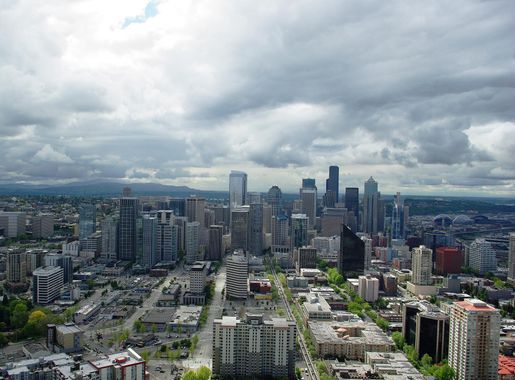
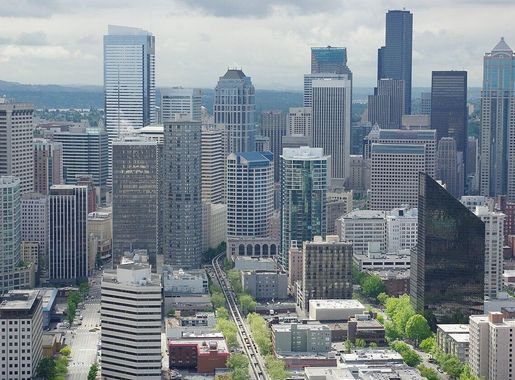


The Majestic Waters of Puget Sound
Nestled in the Pacific Northwest, Puget Sound is a stunning estuary in Washington State. It offers a perfect blend of natural beauty, marine life, and vibrant communities. The region is known for its serene waters, lush forests, and picturesque islands. Whether you're a nature enthusiast, a history buff, or someone seeking relaxation, Puget Sound has something for everyone. Begin your journey in Seattle, the heart of Puget Sound. The city's iconic Space Needle offers panoramic views of the Sound, Elliott Bay, and the distant Olympic Mountains. Don't miss the bustling Pike Place Market, where you can sample fresh seafood, local produce, and artisan crafts. From Seattle, take a ferry ride to Bainbridge Island for a day of charming boutiques, wineries, and scenic trails. For a deeper dive into nature, head to the Olympic Peninsula. Here, you can explore the lush Hoh Rainforest, hike the trails of Olympic National Park, or relax on the beaches of the Pacific Coast. The San Juan Islands, accessible by ferry, are a haven for whale watchers and kayakers. Each island has its unique charm, from the bustling Friday Harbor on San Juan Island to the tranquil shores of Lopez Island. Puget Sound's maritime heritage is evident in its many historic sites and museums. Visit the Puget Sound Navy Museum in Bremerton or the Foss Waterway Seaport in Tacoma to learn about the region's naval history. For a unique experience, take a boat tour to see the Sound's diverse marine life, including orcas, seals, and seabirds.