

The Skagit Valley, Washington Travel Guide
Discover the vibrant landscapes, outdoor adventures, and charming towns of Skagit Valley, Washington, a perfect blend of natural beauty and cultural richness.
The Skagit Valley, nestled in Washington State, is a breathtaking destination known for its vibrant landscapes and charming small towns. Each spring, the valley bursts into a riot of colors during the world-famous Skagit Valley Tulip Festival, where endless fields of tulips create a mesmerizing floral tapestry. This event attracts thousands of visitors who come to witness the spectacular blooms and enjoy the lively atmosphere with local arts, crafts, and delicious food. Beyond the tulip fields, Skagit Valley offers a diverse range of outdoor activities. Explore the scenic hiking trails in the North Cascades National Park or enjoy a peaceful boat ride on the Skagit River. Bird watchers will delight in the Skagit Wildlife Area, home to a variety of bird species, including the majestic bald eagle. The valley's fertile farmlands also offer farm-to-table dining experiences, with numerous farmers' markets and roadside stands selling fresh, local produce. The valley's quaint towns, such as La Conner and Mount Vernon, provide a perfect blend of historic charm and modern amenities. Stroll through the streets lined with boutique shops, galleries, and cozy cafes. La Conner, in particular, is known for its vibrant arts scene and picturesque waterfront views. Mount Vernon, the largest town in the valley, hosts the annual Skagit Valley Tulip Festival Street Fair, showcasing local artisans and performers. Whether you're seeking adventure, relaxation, or a bit of both, Skagit Valley is a destination that promises unforgettable memories.

Know before you go
Hi, I'm Eve. Here are a few practical things to know before exploring The Skagit Valley.
- Visit during the Skagit Valley Tulip Festival in April for the best floral displays.
- Bring binoculars for bird watching at the Skagit Wildlife Area.
- Explore the local farmers' markets for fresh produce and handmade goods.
- Wear comfortable shoes for walking through the tulip fields and hiking trails.
- Check the weather forecast and dress in layers, as conditions can change quickly.
Top City Travel Guides in The Skagit Valley
The cities of The Skagit Valley, and the easiest places to base yourself.


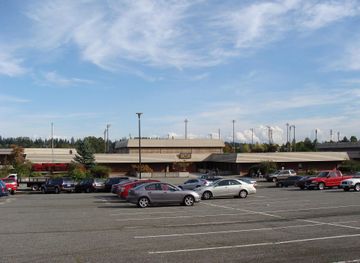

Destinations in The Skagit Valley
Resorts, valleys and scenic spots worth a trip of their own.


Explore The Skagit Valley: Things to Do, Places to Eat, Hotels & More
Handpicked recommendations for top attractions, local dining, accommodations, and more

Top Attractions & Sightseeing in The Skagit Valley
Top-rated picks
Best Attractions

Whatcom Falls Park
Experience the natural beauty of Whatcom Falls Park in Bellingham, WA, with its stunning waterfalls, scenic trails, and serene picnic spots.

Roozengaarde
Explore Roozengaarde in Mount Vernon, Washington, a stunning flower market and garden showcasing vibrant tulips and seasonal blooms.

Train Wreck Bar & Grill
Experience the vibrant atmosphere and delicious menu at Train Wreck Bar & Grill in Burlington, Washington, a unique dining destination for all travelers.

Lake Padden Park
Explore the tranquil beauty of Lake Padden Park in Bellingham, WA, a perfect outdoor retreat for nature lovers and adventure seekers alike.

Best landmarks in The Skagit Valley
Top-rated picks
Best Landmarks

Northern State Recreation Area
Explore the lush landscapes and historical charm of Northern State Recreation Area, a nature lover's paradise in Sedro-Woolley, Washington.

Fort Ebey
Explore the historical significance and scenic beauty of Fort Ebey, a must-visit landmark on Whidbey Island, Washington.

Skagit Wildlife Area-Wiley Slough
Uncover the wonders of Washington's Skagit Wildlife Area-Wiley Slough, a premier destination for birdwatching and nature exploration.

Monte Cristo
Discover the rich history and breathtaking wilderness of Monte Cristo, a captivating historical landmark in Washington State.

Best restaurants in The Skagit Valley
Top-rated picks
Best Restaurants

Train Wreck Bar & Grill
Discover the lively Train Wreck Bar & Grill in Burlington, WA - where delicious food meets a vibrant atmosphere perfect for tourists.

Olive Garden Italian Restaurant
Experience the warmth of Italy at Olive Garden in Burlington - perfect for family meals or romantic dinners with gluten-free options.

COA Mexican Eatery & Tequileria MV
Discover the vibrant taste of Mexico at COA Mexican Eatery & Tequileria in Mount Vernon - where authentic flavors meet welcoming hospitality.

Front Street Grill
Experience fresh seafood delights with stunning waterfront views at Front Street Grill in Coupeville, Washington.

Best bars in The Skagit Valley
Top-rated picks
Best Bars

The Skagit Casino Resort
Discover the thrill of gaming, dining, and live entertainment at The Skagit Casino Resort in beautiful Bow, Washington.

Train Wreck Bar & Grill
Discover the heart of Burlington at Train Wreck Bar & Grill – where delicious food meets a vibrant atmosphere perfect for any traveler.

Railroad Pub & Pizza
Discover Burlington's vibrant dining scene at Railroad Pub & Pizza, where unique pizza creations and a cozy atmosphere await you.

The Oyster Bar
Experience the best of Pacific Northwest seafood at The Oyster Bar, where fresh oysters meet breathtaking views in Bow, Washington.

Best nightclubs in The Skagit Valley
Top-rated picks
Best Nightclubs

The Skagit Casino Resort
Unleash your excitement at The Skagit Casino Resort, where gaming, gourmet dining, and live entertainment await in the heart of Washington.

Train Wreck Bar & Grill
Experience the vibrant atmosphere and delicious offerings at Train Wreck Bar & Grill in Burlington, Washington – a local favorite for food and fun!

Sports Keg Grill
Experience the perfect blend of sports, food, and fun at Sports Keg Grill in Burlington, WA, where every meal is a celebration.

Big Lake Bar & Grill
Explore the heart of Mount Vernon at Big Lake Bar & Grill, where delicious food meets vibrant entertainment for an unforgettable dining experience.

Best shops in The Skagit Valley
Top-rated picks
Best Shops

Walmart Supercenter
Discover the ultimate shopping experience at Walmart Supercenter in Mount Vernon, Washington, where convenience meets affordability for every traveler.

Skagit Valley Food Co-op
Experience local culture and flavors at Skagit Valley Food Co-op, your one-stop shop for organic produce, gourmet gifts, and specialty foods.

Real Canadian Superstore Gladwin Road
Discover a world of flavors at Real Canadian Superstore Gladwin Road, your go-to grocery destination in Abbotsford, BC.

Cascade Mall
Discover Cascade Mall, a vibrant shopping hub in Burlington, Washington, offering diverse stores, delightful dining, and engaging events for all visitors.

Explore The Skagit Valley on the Map
A handpicked selection of must-see spots in The Skagit Valley, mapped for you.
The Skagit Valley Essentials
-
The Skagit Valley is located in the northwestern part of Washington State, USA. The nearest major airport is Seattle-Tacoma International Airport (SEA), approximately 70 miles south of the valley. From the airport, you can rent a car or take a shuttle service to reach the Skagit Valley. Amtrak's Cascades route also stops in nearby Mount Vernon, providing an alternative train option from Seattle, Portland, and Vancouver, BC.
-
The Skagit Valley is best explored by car, giving you the flexibility to visit various attractions at your own pace. Local car rental services are available in Mount Vernon and Burlington. Public transportation options include the Skagit Transit bus system, which connects major towns within the valley. Biking is also popular, especially during the Skagit Valley Tulip Festival, with dedicated bike lanes and scenic routes.
-
The official currency is the US Dollar (USD). Credit and debit cards are widely accepted in most hotels, restaurants, and shops. ATMs are readily available in major towns like Mount Vernon, Burlington, and Anacortes. It is advisable to carry some cash for smaller establishments, farmers' markets, and rural areas where card payments may not be accepted.
-
The Skagit Valley is generally a safe destination for tourists. However, as with any travel destination, it is wise to take standard precautions. Avoid leaving valuables in your car and be cautious when exploring secluded areas alone. Mount Vernon and Burlington have low crime rates, but it's always best to stay alert and aware of your surroundings.
-
In case of emergency, dial 911 for immediate assistance. There are medical facilities and hospitals in Mount Vernon and Burlington. It is recommended to have travel insurance that covers medical emergencies. For minor health issues, there are numerous pharmacies in the valley where you can purchase over-the-counter medications.
-
Fashion: Do dress in layers as the weather can be unpredictable. Don't forget to bring waterproof clothing if visiting in spring. Religion: Do respect local customs and traditions, especially when visiting religious sites or Native American reservations. Public Transport: Do be respectful and give up your seat to elderly passengers. Don't eat or drink on public transport. Greetings: Do greet people with a friendly hello or a handshake. Eating & Drinking: Do try local dishes and seafood. Don't refuse hospitality, as it is considered impolite.
-
To experience the Skagit Valley like a local, visit the local farmers' markets and buy fresh produce. The Skagit Valley Tulip Festival in April is a must-see event, showcasing breathtaking fields of tulips. For a unique experience, take a ferry from Anacortes to the San Juan Islands. Engage with locals, as they are often friendly and willing to share stories about the area's history and culture. Don't miss visiting Deception Pass State Park, which offers stunning views and excellent hiking trails.
When is the best time to visit The Skagit Valley?
Useful Local Phrases for The Skagit Valley
You don't need to speak the language perfectly. Even learning a few simple words can make conversations warmer—and locals usually appreciate the effort.
— Eve

Here are the phrases I use most often in The Skagit Valley. Try a few—you'll be surprised how far they go! 😊
❤️
-
- HelloHi there
[hai thair] - GoodbyeSee ya later
[see ya lay-ter] - YesYep
[ Yep] - NoNah
[nah] - Please/You're welcomeSure thing
[shur thing] - Thank youThanks a lot
[thangs a lot] - Excuse me/SorryOops, my bad
[oops, my bad] - How are you?How's it going?
[how's it goin?] - Fine. And you?Good. You?
[good. you?] - Do you speak English?You speak English?
[you speak english?] - I don't understandI don't get it
[I don't get it]
- HelloHi there
-
- I'd like to see the menu, pleaseCan I see the menu?
[can I see the menu?] - I don't eat meatI'm not a meat eater
[I'm not a meat eater] - Cheers!Bottoms up!
[bottoms up!] - I would like to pay, pleaseCan I get the check?
[can I get the check?]
- I'd like to see the menu, pleaseCan I see the menu?
-
- Help!Help me!
[help me!] - Go away!Leave me alone!
[leave me alone!] - Call the Police!Call 911!
[call nine one one!] - Call a doctor!Get a doctor!
[get a doctor!] - I'm lostI'm turned around
[I'm turned around] - I'm illI'm not feeling well
[I'm not feeling well]
- Help!Help me!
-
- I'd like to buy...I want to buy...
[I want to buy...] - I'm just lookingJust browsing, thanks
[just browsing, thanks] - How much is it?What's the price?
[what's the price?] - That's too expensiveThat's too pricey
[that's too pricey] - Can you lower the price?Can you give me a deal?
[can you give me a deal?]
- I'd like to buy...I want to buy...
-
- What time is it?What time ya got?
[what time ya got?] - It's one o'clockIt's one
[it's one] - Half past (10)Half past ten
[half past ten] - MorningMorning
[morning] - AfternoonAfternoon
[afternoon] - EveningEvening
[evening] - YesterdayYesterday
[yesterday] - TodayToday
[today] - TomorrowTomorrow
[tomorrow] - 1One
[one] - 2Two
[two] - 3Three
[three] - 4Four
[four] - 5Five
[five] - 6Six
[six] - 7Seven
[seven] - 8Eight
[eight] - 9Nine
[nine] - 10Ten
[ten]
- What time is it?What time ya got?
-
- Where's a/the...?Where's the...?
[where's the...?] - What's the address?What's the address?
[what's the address?] - Can you show me (on the map)?Can you point it out?
[can you point it out?] - When's the next (bus)?When's the next bus?
[when's the next bus?] - A ticket (to ....)A ticket to...
[a ticket to...]
- Where's a/the...?Where's the...?
History of The Skagit Valley
-
Before European settlers arrived, the Skagit Valley was home to the Coast Salish peoples, including the Swinomish, Upper Skagit, and Sauk-Suiattle tribes. These indigenous communities thrived on the region’s abundant natural resources, particularly salmon from the Skagit River. Their culture, rich with traditions, art, and spiritual beliefs, continues to influence the valley today.
-
In the late 18th century, European explorers, including George Vancouver, began charting the Pacific Northwest. By the mid-19th century, settlers were drawn to the fertile lands of the Skagit Valley. The Homestead Act of 1862 spurred significant settlement, as pioneers established farms and towns, laying the foundation for the valley's agricultural community.
-
The arrival of the Great Northern Railway in the late 19th century transformed the Skagit Valley. The railway facilitated the transportation of goods and people, spurring economic growth and leading to the establishment of towns like Mount Vernon and Sedro-Woolley. Timber, mining, and agriculture flourished, shaping the valley's economic landscape.
-
In the early 20th century, the Skagit River became a focal point for hydroelectric power development. Projects like the Gorge Dam, Diablo Dam, and Ross Dam, constructed by Seattle City Light, harnessed the river's energy to provide electricity to Seattle and surrounding areas. These ambitious engineering feats also created recreational areas and influenced the region's ecological balance.
-
During World War II, the Skagit Valley saw an industrial transformation as local industries shifted to support the war effort. Shipbuilding, aircraft production, and other manufacturing activities increased, bringing jobs and economic vitality to the region. This period also saw the construction of infrastructure that would support post-war growth.
-
The annual Skagit Valley Tulip Festival, established in the 1980s, celebrates the valley's rich agricultural heritage. Each spring, fields burst into vibrant color as millions of tulips bloom, attracting visitors from around the world. The festival highlights the valley's enduring commitment to agriculture, showcasing local farms and produce.
-
In recent decades, Skagit Valley has become a model for conservation and environmental stewardship. Efforts to protect the Skagit River's salmon runs, preserve wetlands, and maintain the valley's natural beauty have been paramount. Organizations like the Skagit Land Trust work tirelessly to balance development with the need to protect the region's unique ecosystems.
Neighbouring Regions of The Skagit Valley
The closest regions to The Skagit Valley, if you have time for more than one.



Your all‑in‑one travel companion app
Explore expert travel guides, compare and book tours, experiences, hotels, and more—all from the palm of your hand. Download now for seamless trip planning wherever your wanderlust takes you.


Explore More of Washington

Looking beyond The Skagit Valley? Discover Washington for broader travel guides, local hot-spots, and regional highlights.
Explore WashingtonThe Skagit Valley in Photos
Browse through our photo collection highlighting the charm and character of the destination.


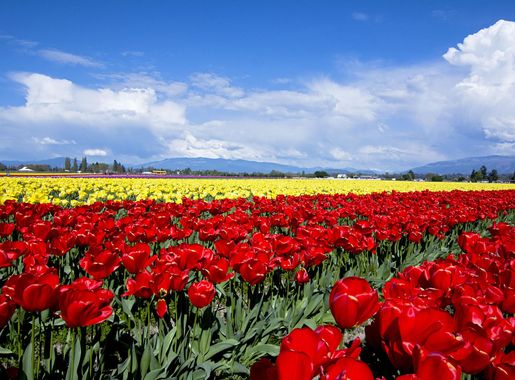


The Enchanting Skagit Valley: A Natural Wonderland
The Skagit Valley, nestled in Washington State, is a breathtaking destination known for its vibrant landscapes and charming small towns. Each spring, the valley bursts into a riot of colors during the world-famous Skagit Valley Tulip Festival, where endless fields of tulips create a mesmerizing floral tapestry. This event attracts thousands of visitors who come to witness the spectacular blooms and enjoy the lively atmosphere with local arts, crafts, and delicious food. Beyond the tulip fields, Skagit Valley offers a diverse range of outdoor activities. Explore the scenic hiking trails in the North Cascades National Park or enjoy a peaceful boat ride on the Skagit River. Bird watchers will delight in the Skagit Wildlife Area, home to a variety of bird species, including the majestic bald eagle. The valley's fertile farmlands also offer farm-to-table dining experiences, with numerous farmers' markets and roadside stands selling fresh, local produce. The valley's quaint towns, such as La Conner and Mount Vernon, provide a perfect blend of historic charm and modern amenities. Stroll through the streets lined with boutique shops, galleries, and cozy cafes. La Conner, in particular, is known for its vibrant arts scene and picturesque waterfront views. Mount Vernon, the largest town in the valley, hosts the annual Skagit Valley Tulip Festival Street Fair, showcasing local artisans and performers. Whether you're seeking adventure, relaxation, or a bit of both, Skagit Valley is a destination that promises unforgettable memories.