

Free Mount Rainier Area Travel Guide & Mobile App
Explore Mount Rainier Area with free travel guides. Discover regional history, expert tips, proposed trips, and audio guides on web or mobile app.


Explore the Mount Rainier Area for glacier views, wildflower meadows, old-growth forests, historic parklands and Washington mountain trails.
Read more about Mount Rainier Area
Getting to and around Mount Rainier Area
How to get there
Transportation
Top city travel guides in Mount Rainier Area
The cities of Mount Rainier Area, and the easiest places to base yourself.
-

-

-

-

-

-


Swipe for more cities
Destinations in Mount Rainier Area
Resorts, valleys and scenic spots worth a trip of their own.
-
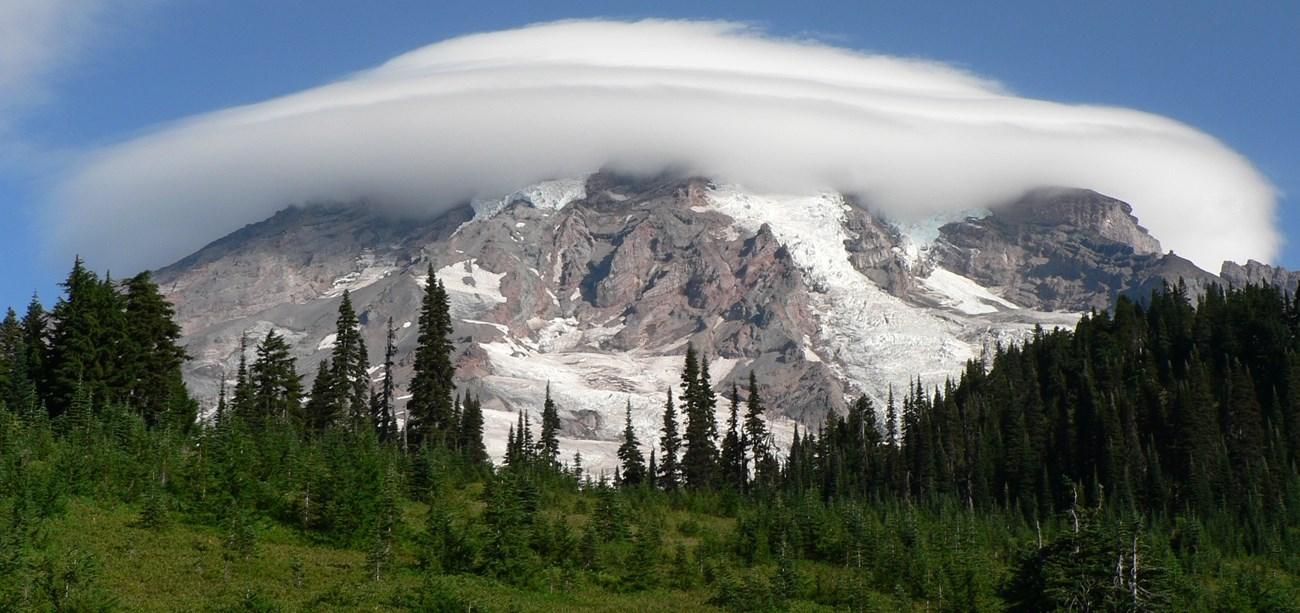 Mount Rainier National Park
 in Washington offers glacier-clad peaks, wildflower meadows, old-growth forests, scenic drives, hiking and heritage.
Mount Rainier National Park
Mount Rainier National Park in Washington offers glacier-clad peaks, wildflower meadows, old-growth forests, scenic drives, hiking and heritage.
-

-


Swipe for more destinations
Best attractions in Mount Rainier Area
Mount Rainier National Park provides the area's main concentration of attractions, with distinct experiences on each approach. Paradise combines high-elevation views, visitor facilities and trails through subalpine meadows, while Longmire offers museum interpretation, historic buildings and accessible forest walks at a lower elevation. Sunrise presents open alpine terrain and wide views towards the mountain and surrounding Cascades when the road is open. Ohanapecosh is valued for old-growth forest, clear rivers and shaded walking routes, and Carbon River offers a wetter, quieter landscape in the park's north-west. Beyond the park, the gateway communities add railway heritage in Elbe, rural and timber history around Packwood, and forest and foothill recreation near Enumclaw, Greenwater and Wilkeson. Hiking is the central activity, ranging from short nature trails to demanding routes and mountaineering objectives, while wildlife watching, photography, snow sports and scenic driving broaden the experience. Conditions, access and trail difficulty vary sharply with elevation and season.
-
National park
Mount Rainier National Park
Discover the breathtaking beauty and diverse wildlife of Mount Rainier National Park, a top-tier destination for outdoor enthusiasts and nature lovers.
-
Event venue
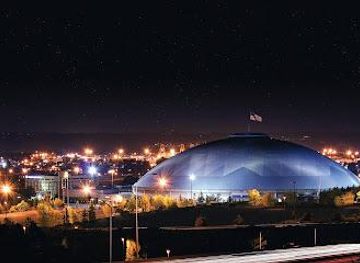
Tacoma Dome
Discover the Tacoma Dome, a premier event venue in Washington, offering a diverse range of concerts, sports, and community events in a stunning architectural setting.
-
Wildlife park
Northwest Trek Wildlife Park
Explore Northwest Trek Wildlife Park, an enchanting wildlife sanctuary showcasing North America's native animals in their natural habitats.
-
Nature preserve
Billy Frank Jr. Nisqually National Wildlife Refuge
Explore the breathtaking landscapes and rich wildlife at Billy Frank Jr. Nisqually National Wildlife Refuge in Olympia, Washington.



Best landmarks in Mount Rainier Area
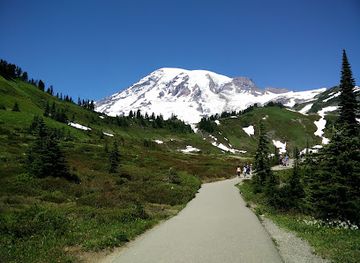
Mount Rainier is the defining natural landmark: its ice-covered summit dominates views from the park and many distant Washington communities, while glaciers and volcanic ridges reveal the scale of the active Cascade volcano. Paradise and Sunrise are important high-elevation viewpoints, but they are also landscapes whose appearance changes with snow, cloud and wildflower season. The Nisqually, Carbon, White and Cowlitz river valleys provide contrasting geographic markers as they descend from the mountain through forested terrain. In the built landscape, Paradise Inn is a notable example of early national-park rustic architecture, and Longmire's historic structures preserve the memory of the park's first tourist era. Outside the park, Elbe's historic railway buildings and small-town setting reflect the transport history of the foothills, while Wilkeson's surviving industrial and sandstone heritage points to earlier extractive industries. These landmarks are most meaningful when read together: glaciated summit, river systems, protected forest, park architecture and working gateway communities form a connected regional landscape.
-
Video arcade
Dorky's Arcade
Experience the thrill of retro gaming, delicious pizza, and craft drinks at Dorky's Arcade in Tacoma, a fun-filled destination for all ages.
-
Historical landmark
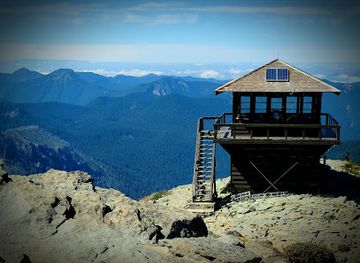
Mt. Fremont Fire Lookout
Experience the breathtaking views and rich history at Mt. Fremont Fire Lookout in Mount Rainier National Park, a must-visit for nature lovers and hikers.
-
Bridge
Chihuly Bridge of Glass
Discover the Chihuly Bridge of Glass in Tacoma, a vibrant display of art and architecture, bridging nature and creativity through stunning glass sculptures.
-
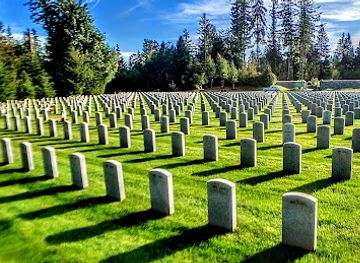
Military cemetery
Tahoma National Cemetery
Visit Tahoma National Cemetery in Kent, WA, for a serene and reflective experience honoring the sacrifices of America's military heroes.
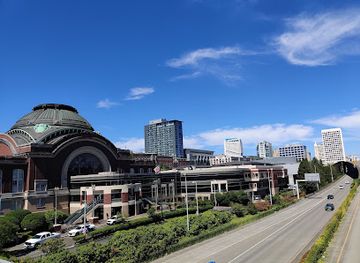
Explore Mount Rainier Area on the map
Plan your trip on one map. See where the top cities, national parks and sights are, and book hotels and experiences in a few clicks.
Best hotels in Mount Rainier Area
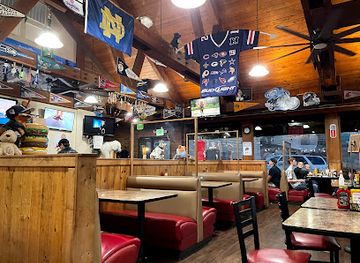
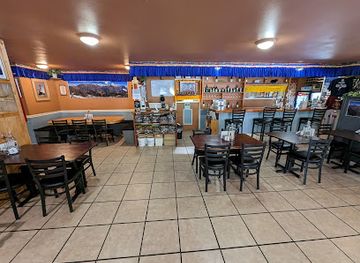
Best restaurants in Mount Rainier Area
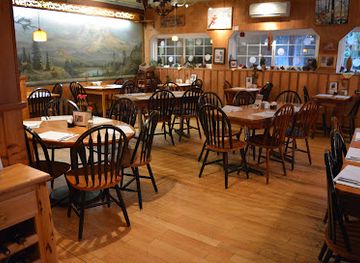
Dining in the Mount Rainier Area is shaped by small gateway communities rather than a large restaurant district. Ashford has the greatest concentration of cafés, casual restaurants, lodges and provisions for visitors using the Nisqually approach, while Packwood, Enumclaw, Greenwater, Elbe and nearby foothill communities offer a mixture of cafés, bakeries, traditional American diners, pubs and family-run restaurants. Menus commonly draw on Pacific Northwest ingredients such as salmon, berries, mushrooms and apples, alongside burgers, soups, sandwiches and hearty breakfasts suited to outdoor days. Farm stands and seasonal produce appear along rural approaches, and general stores are useful for picnic supplies because food options become sparse inside and near the national park. Dining can be limited in the evening and opening patterns vary by season, so visitors staying in remote accommodation should plan provisions rather than assuming a late meal will be available. Local beer, cider and Washington wines are widely represented, reflecting the broader state's agricultural and drinks culture.
-
National park
Mount Rainier National Park
Explore Mount Rainier National Park: A breathtaking escape into nature's beauty with towering peaks and vibrant wildlife.
-
Restaurant
Copper Creek Inn Restaurant & Lodging
Experience rustic charm at Copper Creek Inn Restaurant & Lodging, where delicious local cuisine meets breathtaking natural beauty.
-
American
Bruno's Family Restaurant & Bar
Experience comfort food at its best at Bruno's Family Restaurant & Bar in Eatonville - where American cuisine meets warm hospitality.
-
Restaurant
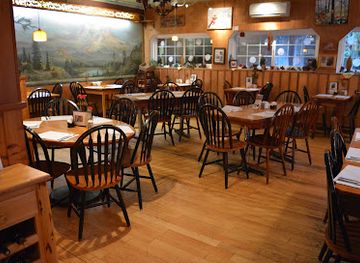
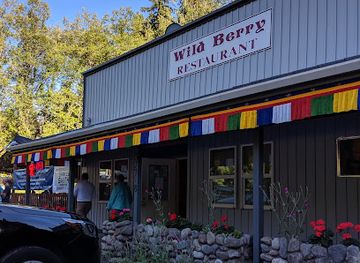
Wildberry Restaurant
Experience delightful Nepalese-American fusion cuisine amidst breathtaking scenery at Wildberry Restaurant in Ashford.
Best bars in Mount Rainier Area
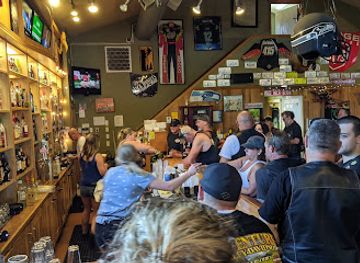
Nightlife is low-key and dispersed, with evening activity centred on pubs, lodge restaurants, cafés and community-oriented venues in Ashford, Packwood, Enumclaw, Elbe and other gateway settlements rather than dedicated nightclub districts. Traditional bars may serve local beer, cider and spirits alongside food, while some restaurants provide relaxed evenings with Washington wines and seasonal menus. Live music and social events occur periodically in small-town venues, but schedules are changeable and should be checked locally. Inside Mount Rainier National Park, the emphasis is on quiet nights, early starts and dark skies rather than late entertainment. Visitors should plan transport before drinking, since distances are considerable, taxis are limited and rural roads can be poorly lit. Larger city nightlife is found outside the area towards Tacoma or the Seattle metropolitan region, not at the mountain gateways themselves.
-
Restaurant
Copper Creek Inn Restaurant & Lodging
Experience exquisite dining and cozy log cabin lodging at Copper Creek Inn, your perfect retreat in the scenic landscapes of Ashford, WA.
-
Restaurant
Wildberry Restaurant
Experience the perfect harmony of Nepalese and American cuisine at Wildberry Restaurant, nestled in the scenic beauty of Ashford, WA.
-
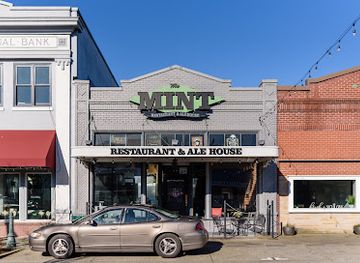
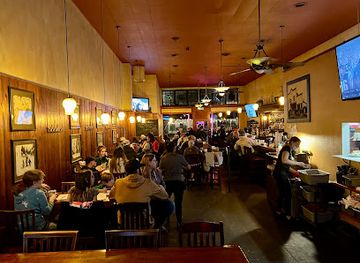
Grill
The Historic Mint Restaurant & Alehouse
Experience the charm of Enumclaw at The Historic Mint Restaurant & Alehouse, where American cuisine meets local brews in a cozy atmosphere.
-
Grill
The Rainier Bar & Grill
Discover the unique flavors of American cuisine at the Rainier Bar & Grill, a must-visit dining destination in Enumclaw, Washington.
Best nightclubs in Mount Rainier Area
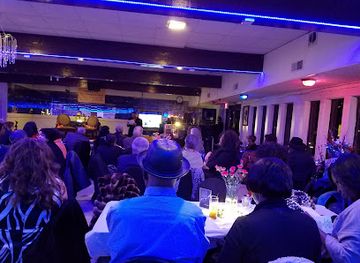
Nightlife is low-key and dispersed, with evening activity centred on pubs, lodge restaurants, cafés and community-oriented venues in Ashford, Packwood, Enumclaw, Elbe and other gateway settlements rather than dedicated nightclub districts. Traditional bars may serve local beer, cider and spirits alongside food, while some restaurants provide relaxed evenings with Washington wines and seasonal menus. Live music and social events occur periodically in small-town venues, but schedules are changeable and should be checked locally. Inside Mount Rainier National Park, the emphasis is on quiet nights, early starts and dark skies rather than late entertainment. Visitors should plan transport before drinking, since distances are considerable, taxis are limited and rural roads can be poorly lit. Larger city nightlife is found outside the area towards Tacoma or the Seattle metropolitan region, not at the mountain gateways themselves.
-
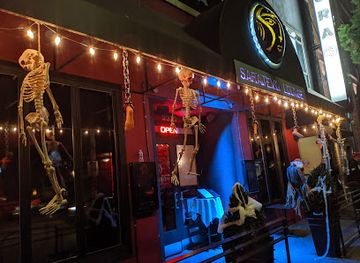
Night club
Sarajevo Nightclub
Discover the heart of Seattle's nightlife at Sarajevo Nightclub, where vibrant music and lively crowds create unforgettable experiences.
-
Night club
Big Whisky Saloon
Discover the electrifying nightlife of Big Whisky Saloon in Puyallup, WA - a dance hall and bar that guarantees an unforgettable experience.
-
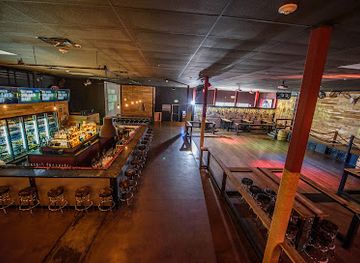
Sports bar
Yella Beak Saloon
Discover the excitement of Yella Beak Saloon, a top sports bar in Enumclaw, WA, offering great food, drinks, and a vibrant atmosphere for every sports fan.
-
Club
Caballeros Club
Discover the vibrant nightlife of Tacoma at Caballeros Club, where themed events and a lively atmosphere await every night.
Best shops in Mount Rainier Area
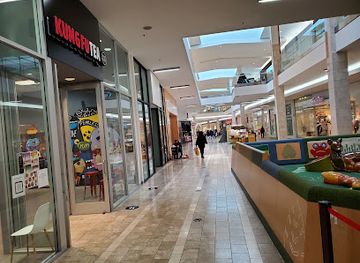
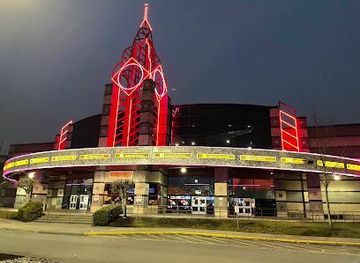
Shopping in the Mount Rainier Area is practical and locally scaled. Ashford, Packwood, Enumclaw, Greenwater and Elbe have small general stores, outdoor suppliers, cafés and independent businesses where visitors can buy food, maps, clothing, gifts and supplies for the road. Packwood is known for seasonal flea-market and craft-market activity, while rural stands and farm shops may offer fruit, preserves, honey and other regional produce at appropriate times of year. Gallery-style shops and craft sellers in gateway communities can feature woodwork, handmade goods, outdoor-themed gifts and Pacific Northwest food products, although choice is limited compared with Washington's larger towns and cities. National-park shops and visitor facilities provide books, maps and educational merchandise rather than extensive retail. Plan purchases before entering remote areas, as high-elevation destinations and trailheads have few shopping services and small businesses may keep seasonal or variable hours.
-
Shopping mall
Westfield Southcenter
Discover a shopping experience like no other at Westfield Southcenter, Seattle's premier destination for retail, dining, and entertainment.
-
Shopping mall
The Outlet Collection Seattle
Discover unbeatable deals and a diverse shopping experience at The Outlet Collection Seattle, perfect for tourists and locals alike.
-
Department store
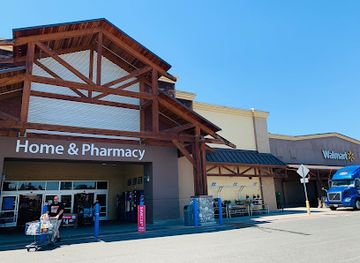
Walmart Supercenter
Discover the convenience of Walmart Supercenter in Puyallup, WA, where diverse products meet affordability, making shopping a breeze for every traveler.
-
Gift shop
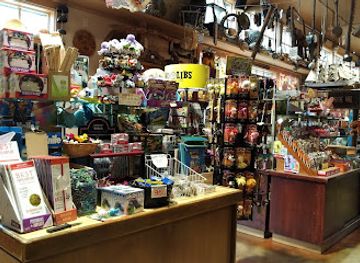
Ye Olde Curiosity Shop
Discover the wonders of Ye Olde Curiosity Shop in Seattle, a unique gift shop and museum filled with eclectic treasures and local artistry.
Get your free copy of our complete guide to Mount Rainier Area, delivered straight to you.
Everything on this page, from attractions and restaurants to essentials and local phrases, in one PDF you can read offline, print or share.
Already have an account? Sign in
Your Mount Rainier Area guide is ready.
We'll send it to · Not you? Sign out

Getting your guide ready…
We are putting together a fresh copy of the Mount Rainier Area guide. This can take up to a minute.
This can take a few moments. If your browser asks, choose Allow so the download can start. You'll find the guide in your Downloads folder.
Nothing happened? Download it again
Sorry, the guide is taking longer than usual. Please try again in a minute, or get it by email instead.
Mount Rainier Area essentials
Currency and Payment
Safety
Emergency Situations
Do's and Don'ts
Local Tips
From Eve
Local phrases worth knowing
You don't need to get them perfect. A few words go a long way, and locals appreciate the effort.
Basics
| English | Local | Say it |
|---|---|---|
| Hello | Howdy | [/ˈhaʊ.di/] |
| Goodbye | See ya | [/si jə/] |
| Yes | Yup | [/jʌp/] |
| No | Nah | [/nɑː/] |
| Please/You're welcome | Sure thing | [/ʃʊr θɪŋ/] |
| Thank you | Thanks a lot | [/θæŋks ə lɑt/] |
| Excuse me/Sorry | Pardon me | [/ˈpɑːrdən mi/] |
| How are you? | How's it going? | [/haʊz ɪt ˈɡoʊ.ɪŋ/] |
| Fine. And you? | Good. You? | [/ɡʊd ju/] |
| Do you speak English? | You speak English? | [/ju spiːk ˈɪŋ.ɡlɪʃ/] |
| I don't understand | I ain't got it | [/aɪ eɪnt ɡɑt ɪt/] |
Eating & Drinking
| English | Local | Say it |
|---|---|---|
| I'd like to see the menu, please | Can I see the menu? | [/kæn aɪ si ðə ˈmɛnju/] |
| I don't eat meat | I'm a vegetarian | [/aɪm ə ˌvɛdʒ.ɪˈtɛr.i.ən/] |
| Cheers! | Cheers! | [/tʃɪrz/] |
| I would like to pay, please | Can I get the check? | [/kæn aɪ gɛt ðə tʃɛk/] |
Emergencies
| English | Local | Say it |
|---|---|---|
| Help! | Help! | [/hɛlp/] |
| Go away! | Get lost! | [/ɡɛt lɔst/] |
| Call the Police! | Call the cops! | [/kɔl ðə kɑps/] |
| Call a doctor! | Get a doctor! | [/ɡɛt ə ˈdɑk.tər/] |
| I'm lost | I'm lost | [/aɪm lɔst/] |
| I'm ill | I'm sick | [/aɪm sɪk/] |
Shopping
| English | Local | Say it |
|---|---|---|
| I'd like to buy... | I want to buy... | [/aɪ wɑnt tə baɪ/] |
| I'm just looking | Just browsing | [/dʒʌst ˈbraʊ.zɪŋ/] |
| How much is it? | What's the price? | [/wɑts ðə praɪs/] |
| That's too expensive | That's pricey | [/ðæts ˈpraɪ.si/] |
| Can you lower the price? | Can you cut the price? | [/kæn ju kʌt ðə praɪs/] |
Time & Numbers
| English | Local | Say it |
|---|---|---|
| What time is it? | What time is it? | [/wʌt taɪm ɪz ɪt/] |
| It's one o'clock | It's one o'clock | [/ɪts wʌn əˈklɑk/] |
| Half past (10) | Half past ten | [/hæf pæst tɛn/] |
| Morning | Morning | [/ˈmɔrnɪŋ/] |
| Afternoon | Afternoon | [/ˌæf.tɚˈnuːn/] |
| Evening | Evening | [/ˈiːv.nɪŋ/] |
| Yesterday | Yesterday | [/ˈjɛs.tər.deɪ/] |
| Today | Today | [/təˈdeɪ/] |
| Tomorrow | Tomorrow | [/təˈmɔː.roʊ/] |
| 1 | One | [/wʌn/] |
| 2 | Two | [/tuː/] |
| 3 | Three | [/θriː/] |
| 4 | Four | [/fɔːr/] |
| 5 | Five | [/faɪv/] |
| 6 | Six | [/sɪks/] |
| 7 | Seven | [/ˈsɛv.ən/] |
| 8 | Eight | [/eɪt/] |
| 9 | Nine | [/naɪn/] |
| 10 | Ten | [/tɛn/] |
Transport & Directions
| English | Local | Say it |
|---|---|---|
| Where's a/the...? | Where's the...? | [/wɛrz ðə.../] |
| What's the address? | What's the address? | [/wɑts ði əˈdrɛs/] |
| Can you show me (on the map)? | Can you point it out? | [/kæn ju pɔɪnt ɪt aʊt/] |
| When's the next (bus)? | When's the next bus? | [/wɛn ðə nɛkst bʌs/] |
| A ticket (to ....) | A ticket to... | [/ə ˈtɪk.ɪt tə/] |
History of Mount Rainier Area
Indigenous Homelands and Traditional Connections
The mountain now commonly called Mount Rainier lies within the ancestral homelands and cultural landscapes of peoples including the Nisqually, Cowlitz, Puyallup and Muckleshoot. Indigenous communities travelled through the surrounding valleys and mountain passes, gathered food and materials, and maintained knowledge of the area's rivers, forests and seasonal conditions long before the creation of a national park. The name Tacoma or Tahoma remains important in regional Indigenous and place-naming traditions, while Mount Rainier derives from the name of British naval officer Peter Rainier. Contemporary tribal connections continue through cultural stewardship, treaty rights and interpretation of the landscape.
Early Non-Indigenous Exploration and Naming
European and American maritime exploration brought new names and outside mapping practices to the southern Cascades. In 1792, British naval officer George Vancouver named the mountain Mount Rainier after his colleague Peter Rainier, although Indigenous names and relationships with the peak were much older. Fur traders, surveyors and later settlers gradually expanded knowledge of the region from the lowland side. The mountain's isolated prominence made it a significant navigational and symbolic feature, while the surrounding terrain remained difficult to cross because of dense forest, steep river valleys, snow and glaciers.
Settlement, Timber and Railways
During the nineteenth and early twentieth centuries, foothill communities developed around timber, mining, transport and agriculture. Railways helped connect places such as Elbe and Ashford with markets and larger towns, while logging altered portions of the lower valleys outside the protected mountain landscape. Wilkeson grew through coal and sandstone industries, and Packwood became associated with timber, ranching and regional trade. These industries left physical and social traces in the approach roads, railway heritage and small-town landscapes. The resulting gateway communities remain important service points for visitors entering the national park.
Creation of Mount Rainier National Park, 1899
Mount Rainier National Park was established by Congress in 1899, making it the fifth national park in the United States. Its creation reflected growing interest in protecting dramatic mountain scenery, glaciers, forests and wildlife while also establishing a framework for public recreation. National-park status did not erase earlier Indigenous connections or the history of surrounding communities, but it changed how the central mountain landscape was managed. The park's boundaries and regulations have shaped road building, conservation, tourism and the preservation of large areas of relatively undeveloped Cascadian terrain.
Scientific Study and Early Mountaineering
Mount Rainier became an important centre for glaciology, geology, natural history and mountaineering. Hazard Stevens and P. B. Van Trump made the first recorded successful ascent in 1870, and later climbers developed routes across the mountain's glaciers and steep upper slopes. Scientific observation helped document volcanic geology, ice movement, snow conditions and the effects of weather on the landscape. The mountain remains a serious climbing objective rather than an ordinary hiking destination: attempts require preparation for crevasses, altitude, cold, navigation and rapidly changing conditions.
National-Park Roads, Lodges and Rustic Design
Improved roads and automobile travel transformed access during the early twentieth century. The approaches to Longmire, Paradise, Sunrise and other park destinations allowed more visitors to experience high mountain scenery, while carefully designed trails, lodges and administrative buildings established a recognisable national-park architectural tradition. The Paradise Inn, completed in 1916, and historic structures around Longmire are particularly visible expressions of this period. Road construction also brought engineering challenges, including steep terrain, avalanches, heavy snowfall and river crossings, issues that still influence seasonal access.
Conservation, Recreation and Climate Change
The modern Mount Rainier Area balances public access with protection of fragile meadows, old-growth forests, glaciers and wildlife habitat. Hiking, climbing, photography and nature study have grown alongside stronger conservation standards, visitor-management measures and restoration work. Climate change is increasingly evident in shrinking glaciers, altered snow conditions, wildfire risk in the wider region and pressure on water systems and ecosystems. The park's future therefore involves more than preserving scenery: it requires managing infrastructure, visitor numbers and ecological change while recognising the Indigenous histories and living communities connected to the mountain.
Mount Rainier Area in Photos
Browse through our photo collection highlighting the charm and character of the destination.
Neighbouring regions of Mount Rainier Area
The closest regions to Mount Rainier Area, if you have time for more than one.
-

-

-

-
-


Swipe for more regions
Explore more

Explore more of Washington
Explore Washington State: From the vibrant streets of Seattle to the tranquil beauty of the Olympic Peninsula, discover the diverse landscapes, culture, and adventures awaiting you.
Explore Washington