

Free The Yakima Valley Travel Guide & Mobile App
Explore The Yakima Valley with free travel guides. Discover regional history, expert tips, proposed trips, and audio guides on web or mobile app.


The Yakima Valley combines Washington wine country, orchard roads, hop fields, Indigenous heritage and outdoor pursuits across a sunlit agricultural corridor.
Read more about The Yakima Valley
Getting to and around The Yakima Valley
How to get there
Transportation
Top city travel guides in The Yakima Valley
The cities of The Yakima Valley, and the easiest places to base yourself.
-

-


Swipe for more cities
Destinations in The Yakima Valley
Resorts, valleys and scenic spots worth a trip of their own.
-
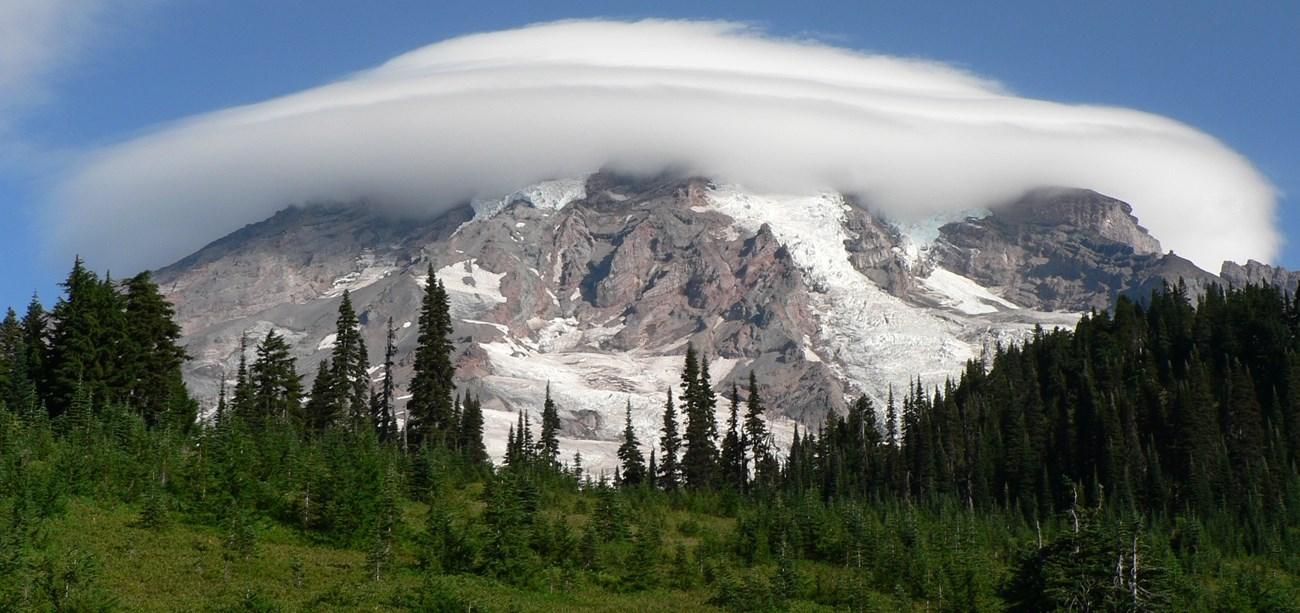 Mount Rainier National Park
 in Washington offers glacier-clad peaks, wildflower meadows, old-growth forests, scenic drives, hiking and heritage.
Mount Rainier National Park
Mount Rainier National Park in Washington offers glacier-clad peaks, wildflower meadows, old-growth forests, scenic drives, hiking and heritage.
-
-

-


Swipe for more destinations
Best attractions in The Yakima Valley
The Yakima Valley’s attractions are closely tied to its working landscape, cultural history and dry inland environment. In Yakima, visitors can explore museums, galleries, performing-arts venues and public spaces before heading into the surrounding orchard country. The Yakama Nation Cultural Center near Toppenish provides a significant introduction to Indigenous history, art and continuing community life, while Toppenish’s large outdoor murals turn the town into an open-air historical gallery. Wine tasting rooms and vineyard estates extend from the central valley towards Zillah and the lower valley around Prosser, and many offer views across irrigated fields and dry hills. Seasonal fruit stands, farmers’ markets and blossom or harvest drives reveal the agricultural cycle. The Yakima River supports walking, fishing in permitted areas, birdwatching and other low-impact recreation, while foothill areas provide access to hiking and winter landscapes. Museums, heritage buildings and community events add local depth, but the valley is not a theme-park destination: many of its most distinctive experiences come from observing farms, rivers, hop fields and broad skies while travelling between communities.
-
Arena
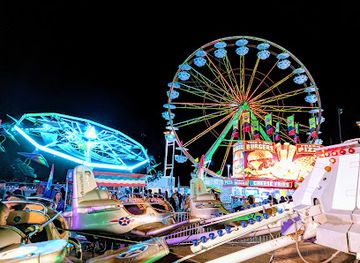
State Fair Park - Home of the Yakima Valley SunDome & Central Washington State Fair
Explore the lively State Fair Park in Yakima, home to the Central Washington State Fair and year-round entertainment including concerts and community events.
-
Park
Franklin Park
Discover the natural beauty and recreational charm of Franklin Park in Yakima, Washington, a perfect getaway for relaxation and outdoor fun.
-
Arboretum
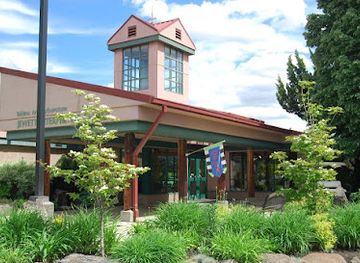
Yakima Area Arboretum
Explore the Yakima Area Arboretum, a serene natural retreat featuring diverse flora, educational events, and beautiful landscapes in Yakima, Washington.
-
Park
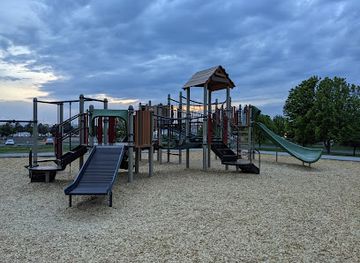
Sarg Hubbard Park
Discover the lush beauty and family-friendly amenities of Sarg Hubbard Park in Yakima, WA, a perfect getaway for nature lovers and families.
Best landmarks in The Yakima Valley
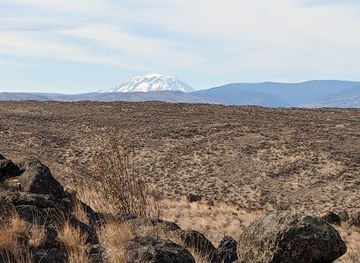
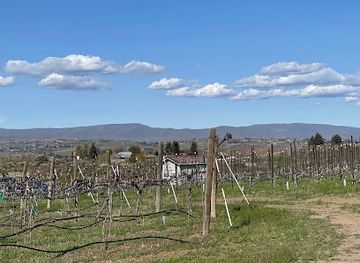
The Yakima Valley’s most significant landmarks express its Indigenous heritage, agricultural development and distinctive inland geography. The Yakama Nation Cultural Center near Toppenish is an important cultural landmark, with museum, arts and heritage functions that place the valley within the continuing history of the Yakama Nation. Toppenish’s mural-covered buildings form a recognisable civic landscape, presenting scenes from local history across the town. In Yakima, the historic Capitol Theatre is a notable example of early twentieth-century civic architecture and remains associated with the city’s performing-arts life. The Yakima River is the valley’s defining natural and economic feature, threading through orchards, towns and wetlands before joining the larger Columbia system. Irrigation canals, hop fields and fruit-packing landscapes are less monumental but equally characteristic, revealing how water engineering transformed a dry valley. In the lower valley, vineyard slopes and broad agricultural views provide a visual landmark of Washington’s interior wine country, while the distant Cascade foothills frame the western horizon.
-
Hiking area
Cowiche Canyon Trail
Discover the breathtaking Cowiche Canyon Trail in Yakima, WA—a scenic hiking area perfect for nature lovers and outdoor adventurers alike.
-
Winery
Wilridge Vineyard, Winery & Distillery
Discover the delightful flavors and breathtaking views at Wilridge Vineyard, Winery & Distillery in Yakima, WA, where exceptional wines meet scenic beauty.
-
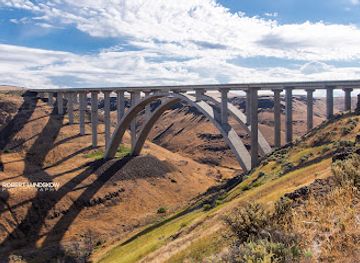
Bridge
Fred G. Redmon Memorial Bridge
Experience the stunning views and serene ambiance at the Fred G. Redmon Memorial Bridge in Yakima, a perfect blend of nature and engineering.
-
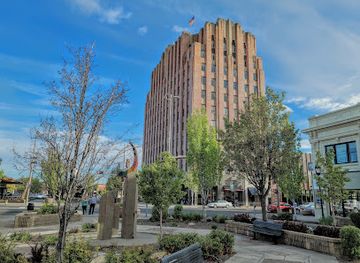
Historical landmark
A.E. Larson Building
Discover the A.E. Larson Building, a stunning historical landmark in Yakima, Washington, blending architectural beauty with cultural significance.
Explore The Yakima Valley on the map
Plan your trip on one map. See where the top cities, national parks and sights are, and book hotels and experiences in a few clicks.
Best hotels in The Yakima Valley
Best restaurants in The Yakima Valley
Dining in the Yakima Valley reflects its agricultural economy and the cultural diversity of its communities. Menus in Yakima and the larger valley towns range from Mexican and other Latin American cooking to American diners, cafés, breweries, pizzerias and contemporary restaurants using local fruit and vegetables. Apples, cherries, pears, stone fruit and hops are prominent regional products, while seasonal farm stands and markets offer an immediate way to taste the harvest. Wineries around Zillah and Prosser are often paired with small-plate menus or locally sourced food, although arrangements vary and advance checking is sensible. Traditional American restaurants and rural inns remain important stopping places on longer drives, and bakeries and coffee shops serve valley residents as well as visitors. Local wines, craft beer and cider complement the produce economy, but the valley’s culinary character is broader than beverages: it is shaped by orchard work, irrigation, migration and the many communities that have made the agricultural corridor their home.
-
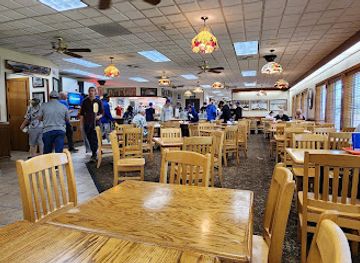
Hamburger
Miner's Drive-In Restaurant
Discover the iconic Miner's Drive-In Restaurant in Yakima, WA – where classic American fast food meets nostalgic charm.
-
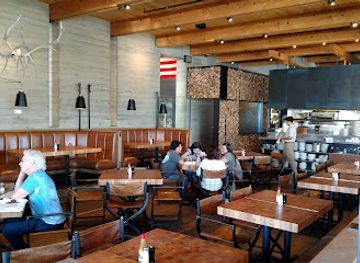
American
Cowiche Canyon Kitchen & Ice House Bar
Discover Cowiche Canyon Kitchen & Ice House Bar: where delicious American cuisine meets an inviting bar atmosphere in Yakima.
-
American
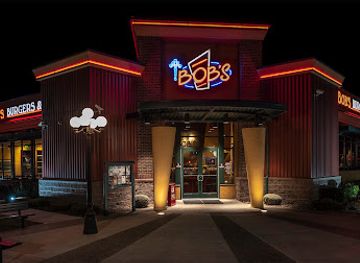
Bob's Burgers & Brew - Yakima
Discover the flavors of America at Bob's Burgers & Brew in Yakima - where delicious burgers meet family-friendly service.
-
Steak
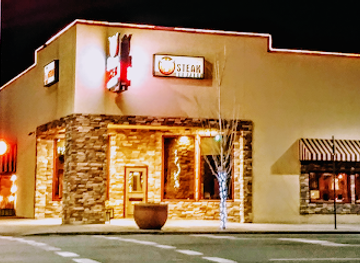
Yakima Steak Company
Experience the best steaks in Yakima at Yakima Steak Company—where quality meets flavor in every bite.
Best bars in The Yakima Valley
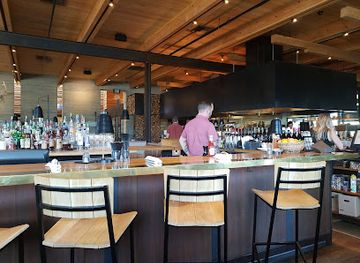
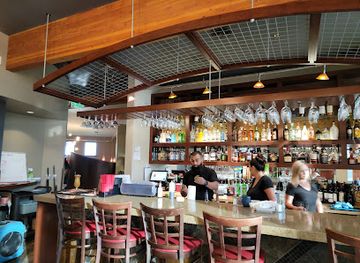
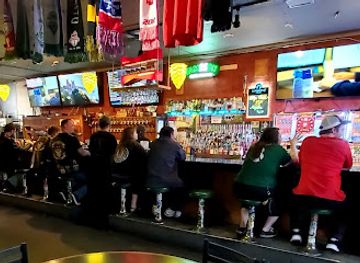
Evening life in the Yakima Valley is concentrated in Yakima and the larger towns rather than spread across a single nightlife district. Downtown Yakima has the broadest mix of pubs, breweries, wine bars, restaurants and occasional live-music venues, while smaller communities tend towards neighbourhood bars, taverns, cafés and dining rooms that close earlier. Wineries and breweries provide relaxed tasting environments, particularly around Zillah and Prosser, but visitors should check current opening arrangements and organise a sober driver for rural routes. Seasonal events can increase evening activity during harvest periods, yet much of the valley remains agricultural and low-key after dark. Nightclubs are less central to the regional experience than live music, local restaurants, taprooms and traditional American bars, and the choice becomes more limited outside the principal towns.
-
American
Cowiche Canyon Kitchen & Ice House Bar
Discover Yakima's Cowiche Canyon Kitchen & Ice House Bar for an unforgettable dining experience featuring delicious American cuisine and innovative cocktails.
-
Grill
Second Street Grill
Discover the culinary delights of Yakima at Second Street Grill, where grilled specialties and crafted cocktails meet a welcoming atmosphere.
-
Restaurant
WaterFire Restaurant & Bar
Discover the essence of Yakima dining at WaterFire Restaurant & Bar, where local flavors meet a stunning ambiance for an unforgettable culinary experience.
-
Grill
Bill's Place
Discover the flavors of Yakima at Bill's Place, where delicious grill favorites meet a welcoming atmosphere for all.

Best nightclubs in The Yakima Valley
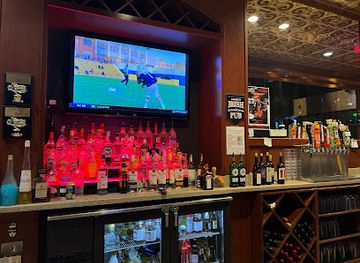
Evening life in the Yakima Valley is concentrated in Yakima and the larger towns rather than spread across a single nightlife district. Downtown Yakima has the broadest mix of pubs, breweries, wine bars, restaurants and occasional live-music venues, while smaller communities tend towards neighbourhood bars, taverns, cafés and dining rooms that close earlier. Wineries and breweries provide relaxed tasting environments, particularly around Zillah and Prosser, but visitors should check current opening arrangements and organise a sober driver for rural routes. Seasonal events can increase evening activity during harvest periods, yet much of the valley remains agricultural and low-key after dark. Nightclubs are less central to the regional experience than live music, local restaurants, taprooms and traditional American bars, and the choice becomes more limited outside the principal towns.
-
Bar
Hoops
Discover Yakima's nightlife at Hoops, a lively bar with great drinks, sports, and a friendly atmosphere perfect for all occasions.
-
Pub
Mickey's Pub
Experience the heart of Yakima at Mickey's Pub, where delicious food, a vibrant atmosphere, and great drinks come together for an unforgettable evening.
-
Bar
Ranch Tavern
Experience the warmth and charm of Ranch Tavern, Yakima's beloved bar with great drinks and a cozy ambiance for every traveler.
-
Cocktail bar
Sky Bar & Lounge
Discover the enchanting Sky Bar & Lounge in Yakima, where stunning views and exquisite cocktails create an unforgettable nightlife experience.



Best shops in The Yakima Valley
Shopping in the Yakima Valley is oriented towards local produce, independent businesses and practical town-centre retail rather than large-scale luxury shopping. Yakima offers the widest selection of shops, galleries, bookstores, cafés and everyday services, with additional high-street shopping in towns such as Sunnyside and Prosser. During the growing season, roadside stands, farm shops and farmers’ markets are good places to look for apples, cherries, pears, peaches, preserves and other valley produce, although individual availability follows the harvest calendar. Wine, cider and craft beer may be purchased from authorised producers, subject to Washington regulations and visitors’ travel arrangements. Toppenish’s arts and mural traditions provide a cultural context for locally made work, while galleries and craft retailers across the valley may offer pottery, paintings, textiles and food products. Ask vendors about packing and transport for breakable or perishable purchases, and remember that smaller rural businesses may accept cards but can have more limited hours than shops in Yakima.
-
Shopping mall
Valley Mall
Discover Valley Mall in Union Gap, WA - your ultimate shopping destination with diverse stores, delicious dining, and entertainment for all ages.
-
Shopping mall
Rainier Square
Discover the endless shopping and dining opportunities at Rainier Square, Yakima’s ultimate retail destination for visitors.
-
Video game store
1UP Games
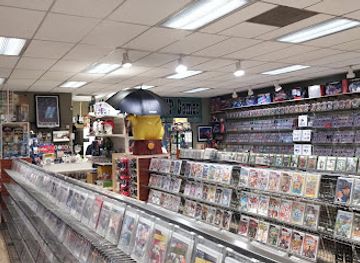
Explore the ultimate gaming destination in Yakima, WA - 1UP Games offers a vast selection of video games, collectibles, and a welcoming community atmosphere.
-
Antique store
Somewhere In Time - That 70s Shop
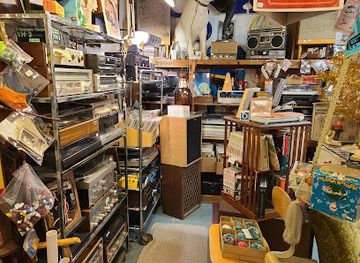
Explore a vibrant collection of 70s, 80s, and 90s memorabilia at Somewhere In Time - That 70s Shop, a nostalgic antique and record store.


Get your free copy of our complete guide to The Yakima Valley, delivered straight to you.
Everything on this page, from attractions and restaurants to essentials and local phrases, in one PDF you can read offline, print or share.
Already have an account? Sign in
Your The Yakima Valley guide is ready.
We'll send it to · Not you? Sign out

Getting your guide ready…
We are putting together a fresh copy of the The Yakima Valley guide. This can take up to a minute.
This can take a few moments. If your browser asks, choose Allow so the download can start. You'll find the guide in your Downloads folder.
Nothing happened? Download it again
Sorry, the guide is taking longer than usual. Please try again in a minute, or get it by email instead.
The Yakima Valley essentials
Currency and Payment
Safety
Emergency Situations
Do's and Don'ts
Local Tips
From Eve
Local phrases worth knowing
You don't need to get them perfect. A few words go a long way, and locals appreciate the effort.
Basics
| English | Local | Say it |
|---|---|---|
| Hello | Howdy | [haʊdi] |
| Goodbye | See ya | [si jə] |
| Yes | Yep | [jɛp] |
| No | Nah | [nɑ] |
| Please/You're welcome | Sure thing | [ʃʊr θɪŋ] |
| Thank you | Thanks | [θæŋks] |
| Excuse me/Sorry | Pardon me | [ˈpɑrdən mi] |
| How are you? | How's it going? | [haʊz ɪt ˈɡoʊɪŋ] |
| Fine. And you? | Good, you? | [ɡʊd, ju] |
| Do you speak English? | You speak English? | [ju spiːk ˈɪŋɡlɪʃ] |
| I don't understand | I don't get it | [aɪ doʊnt ɡɛt ɪt] |
Eating & Drinking
| English | Local | Say it |
|---|---|---|
| I'd like to see the menu, please | Can I see the menu? | [kæn aɪ si ðə ˈmɛnju] |
| I don't eat meat | I’m not into meat | [aɪm nɑt ˈɪntu mit] |
| Cheers! | Cheers! | [ʧɪrz] |
| I would like to pay, please | Can I get the check? | [kæn aɪ ɡɛt ðə ʧɛk] |
Emergencies
| English | Local | Say it |
|---|---|---|
| Help! | Help! | [hɛlp] |
| Go away! | Leave me alone! | [liv mi əˈloʊn] |
| Call the Police! | Call the cops! | [kɔl ðə kɑps] |
| Call a doctor! | Get a doctor! | [ɡɛt ə ˈdɑktər] |
| I'm lost | I can't find my way | [aɪ kænt faɪnd maɪ weɪ] |
| I'm ill | I’m not feeling well | [aɪm nɑt ˈfiːlɪŋ wɛl] |
Shopping
| English | Local | Say it |
|---|---|---|
| I'd like to buy... | I wanna buy... | [aɪ ˈwɑnə baɪ] |
| I'm just looking | Just browsing | [dʒʌst ˈbraʊzɪŋ] |
| How much is it? | What’s the price? | [wʌts ðə praɪs] |
| That's too expensive | That’s way too pricey | [ðæts weɪ tu ˈpraɪsi] |
| Can you lower the price? | Can you drop the price? | [kæn ju drɑp ðə praɪs] |
Time & Numbers
| English | Local | Say it |
|---|---|---|
| What time is it? | What time is it? | [wʌt taɪm ɪz ɪt] |
| It's one o'clock | It’s one | [ɪts wʌn] |
| Half past (10) | Half past ten | [hæf pæst tɛn] |
| Morning | Morning | [ˈmɔrnɪŋ] |
| Afternoon | Afternoon | [ˌæftərˈnun] |
| Evening | Evening | [ˈivnɪŋ] |
| Yesterday | Yesterday | [ˈjɛstərdeɪ] |
| Today | Today | [təˈdeɪ] |
| Tomorrow | Tomorrow | [təˈmɔroʊ] |
| 1 | One | [wʌn] |
| 2 | Two | [tu] |
| 3 | Three | [θri] |
| 4 | Four | [fɔr] |
| 5 | Five | [faɪv] |
| 6 | Six | [sɪks] |
| 7 | Seven | [ˈsɛvən] |
| 8 | Eight | [eɪt] |
| 9 | Nine | [naɪn] |
| 10 | Ten | [tɛn] |
Transport & Directions
| English | Local | Say it |
|---|---|---|
| Where's a/the...? | Where’s the...? | [wɛrz ðə] |
| What's the address? | What’s the address? | [wʌts ði əˈdrɛs] |
| Can you show me (on the map)? | Can you point it out? | [kæn ju pɔɪnt ɪt aʊt] |
| When's the next (bus)? | When's the next bus? | [wɛn'z ðə nɛkst bʌs] |
| A ticket (to ....) | A ticket to ... | [ə ˈtɪkɪt tu] |
History of The Yakima Valley
Yakama Homelands and River Culture
The Yakima Valley lies within the traditional homelands of peoples represented today by the Confederated Tribes and Bands of the Yakama Nation. The Yakama, Palouse, Klickitat, Wanapum and related communities maintained economies connected to rivers, seasonal food gathering, fishing and trade long before American settlement. The Yakama Treaty of 1855 ceded extensive territory while reserving rights including fishing, hunting and gathering in defined areas. The Yakama Nation remains a major cultural and political presence in the valley, making Indigenous history a continuing part of the region rather than only a subject of the past.
Treaty Era and Forced Displacement
Following the 1855 treaty, federal policy sought to concentrate Yakama people on a reservation and open surrounding lands to non-Indigenous settlement. The Yakima War of 1855–1858 grew from disputes over treaty interpretation, land and enforcement, and conflict affected communities across the wider region. The reservation and treaty rights that emerged from this period continue to shape land, fisheries and cultural affairs in the valley. Visitors should understand that agricultural and urban development took place within a history of dispossession and contested sovereignty.
Irrigation and Agricultural Transformation
The valley’s modern agricultural economy depended on irrigation as much as on climate and fertile soils. Water-management projects in the late nineteenth and early twentieth centuries helped convert parts of the dry interior into productive orchard and farmland, while canals and reservoirs reorganised settlement and cultivation. Apples, pears, cherries, hops and other crops became central to the regional economy. Irrigation also created continuing debates about water allocation, environmental stewardship and treaty-protected rights, issues that remain important to the Yakima River basin.
Railways, Towns and Agricultural Markets
Railway development in the late nineteenth century connected valley communities with larger markets and encouraged the growth of towns such as Yakima, Toppenish and Sunnyside. The Northern Pacific Railway helped establish transport links for people, agricultural supplies and perishable produce, while packing, storage and processing industries developed alongside the tracks. Rail connections also accelerated non-Indigenous settlement and commercial expansion. Many present-day roads, town plans and industrial areas reflect this period, even though freight and highways now play a larger role in moving the valley’s harvest.
Migration and the Agricultural Workforce
The expansion of orchards, vineyards and hop production required a large seasonal workforce. Indigenous workers and migrants from Mexico, the Philippines, Japan and other communities, as well as families from across the United States, contributed to planting, harvesting, packing and processing. Their labour shaped the valley’s towns, churches, businesses and food culture. The history is also marked by unequal wages, difficult working conditions and discrimination, including the wider injustices faced by Japanese Americans during the Second World War. Contemporary Yakima Valley communities continue to reflect this complex agricultural migration.
The Rise of Washington Wine and Hops
The valley’s dry climate, irrigation and varied elevations made it an important centre for Washington viticulture from the late twentieth century onwards. The Yakima Valley American Viticultural Area, established in 1983, helped formalise its identity as a wine-growing region within the larger Columbia Valley. Hops have an even longer agricultural presence and remain particularly significant in the lower valley. Wineries, breweries and farm-focused tourism now complement, rather than replace, the established fruit and hop economy.
The Yakima Valley in Photos
Browse through our photo collection highlighting the charm and character of the destination.
Neighbouring regions of The Yakima Valley
The closest regions to The Yakima Valley, if you have time for more than one.
-
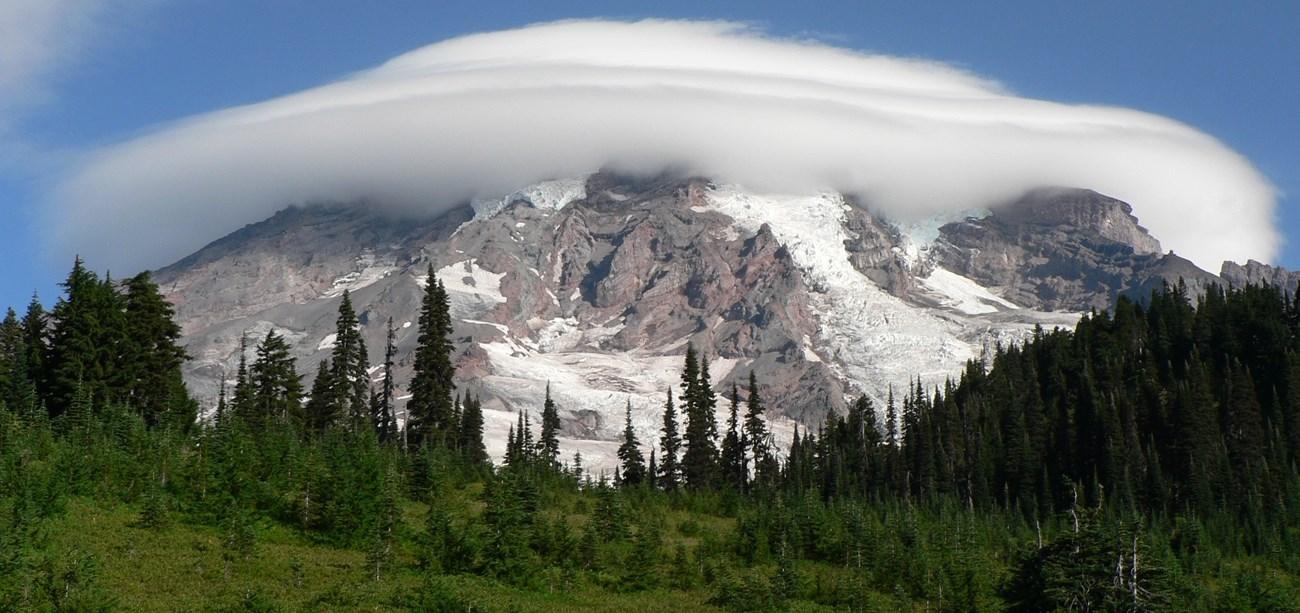 Central Washington
Explore Central Washington for mountain towns, orchard valleys, Columbia Plateau landscapes, river recreation, wine and farm-to-table flavours.
Central Washington
Explore Central Washington for mountain towns, orchard valleys, Columbia Plateau landscapes, river recreation, wine and farm-to-table flavours.
-

-

-

-
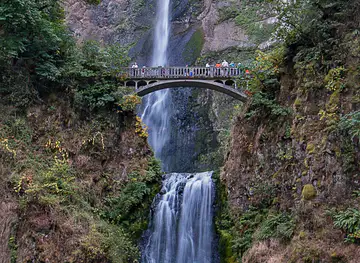


Swipe for more regions
Explore more

Explore more of Washington
Explore Washington State: From the vibrant streets of Seattle to the tranquil beauty of the Olympic Peninsula, discover the diverse landscapes, culture, and adventures awaiting you.
Explore Washington