

Free Martinsburg Travel Guide & Mobile App
Plan your Martinsburg trip with Evendo. Get free guides to top attractions, restaurants, hotels, and bars. Web access or download the mobile app.


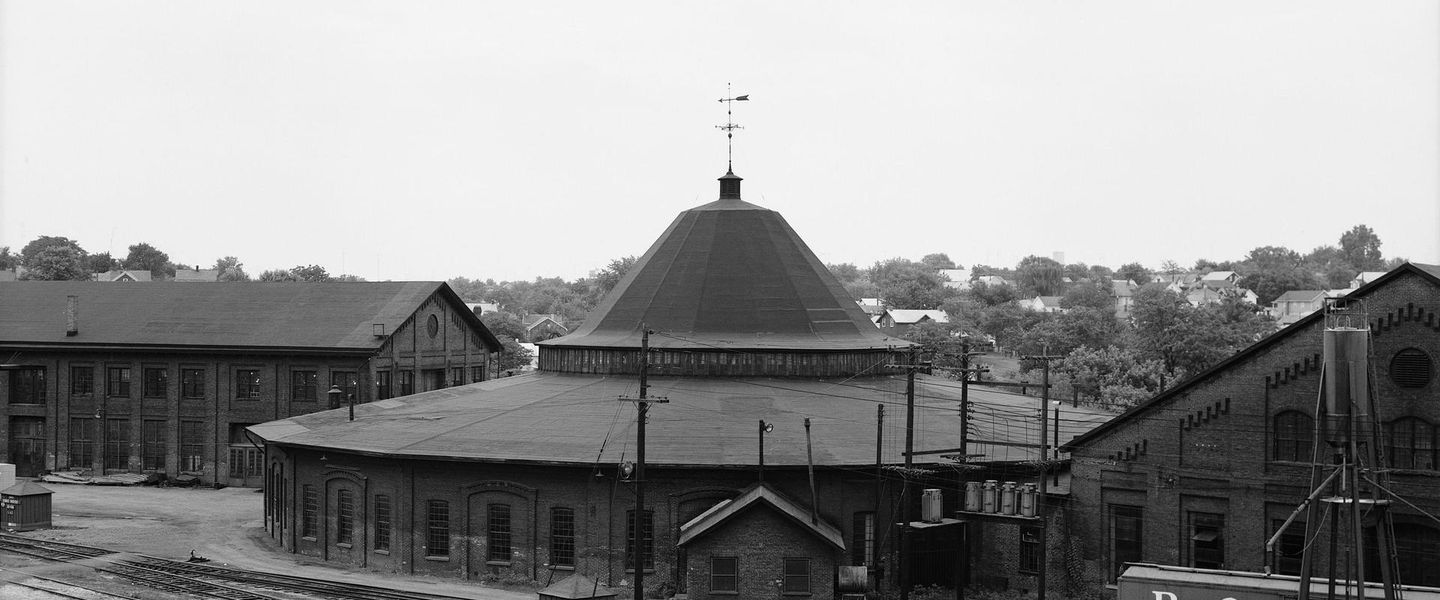


Martinsburg, West Virginia, pairs Civil War history, railroad heritage, historic downtown architecture and Eastern Panhandle landscapes near the Potomac.
A Historic Eastern Panhandle City
Martinsburg lies in Berkeley County, in West Virginia’s Eastern Panhandle near the Potomac River and the Maryland border. Its setting has long connected the Shenandoah Valley, the Appalachian interior and the Washington–Baltimore corridor, giving the city a practical, layered character shaped by agriculture, transport and industry. Downtown Martinsburg preserves a concentration of nineteenth- and early twentieth-century buildings, while broad avenues and surrounding hills reveal the transition between historic town and rapidly developing regional centre.Read more about Martinsburg
Railroads, Industry and Memory
Downtown Culture and Nearby Landscapes
When is the best time to visit Martinsburg?
Best: May–June, September · 23–28°C| Month | High (°C) | Rainfall (mm) |
|---|---|---|
| January | 5 | 66 |
| February | 7 | 61 |
| March | 13 | 82 |
| April | 18 | 75 |
| May (best) | 23 | 89 |
| June (best) | 28 | 93 |
| July | 30 | 94 |
| August | 29 | 87 |
| September (best) | 25 | 89 |
| October | 18 | 70 |
| November | 12 | 76 |
| December | 7 | 72 |
Getting to and around Martinsburg
How to get there
Transportation
Best attractions in Martinsburg
Martinsburg’s principal attractions reflect its position as an old county seat and railway town. The Martinsburg Roundhouse, a surviving Baltimore and Ohio Railroad complex, offers an evocative look at the engineering and labour that shaped the city, while the Adam Stephen House introduces the settlement’s eighteenth-century origins through a preserved historic residence. The Belle Boyd House explores the life and reputation of the Confederate spy associated with Martinsburg during the Civil War. In the centre, the Berkeley County Museum presents local history through objects and stories from the surrounding Eastern Panhandle, and the Apollo Civic Theatre provides a focus for community performance and film. Downtown streets reward a slower walk among historic commercial buildings, churches and civic architecture, while nearby parks and the rural roads of Berkeley County offer a change of scale. The attractions are relatively close-knit in character, with the strongest interest lying in their combined account of settlement, conflict, transport and local community life.
-
Tourist attraction
War Memorial Park Martinsburg
Discover the serene beauty of War Memorial Park in Martinsburg, a perfect blend of nature, recreation, and community events.
5 min drive · 1.7 km from city centre
-
Tourist attraction
Ambrose Park
Explore Ambrose Park in Martinsburg for a perfect mix of relaxation, play, and outdoor fun with family and pets.
16 min walk · 1.3 km from city centre
-
Performing arts theater
Apollo Civic Theatre
Discover the Apollo Civic Theatre in Martinsburg, WV – A historic performing arts venue offering diverse shows and a vibrant cultural experience.
5 min walk · 0.4 km from city centre
-
Tourist attraction
Oatesdale Park
Discover the beauty of nature at Oatesdale Park in Martinsburg, a perfect getaway for relaxation and recreation amidst scenic landscapes.
15 min walk · 1.2 km from city centre


Best landmarks in Martinsburg
The Adam Stephen House is one of Martinsburg’s key architectural and historical landmarks, linking the present city with its eighteenth-century founder and colonial beginnings. The Belle Boyd House, a preserved nineteenth-century residence, is associated with Belle Boyd and the contested, dramatic history of the Civil War in the Shenandoah Valley. The Martinsburg Roundhouse is the city’s most distinctive industrial landmark: its railway buildings and circular engine-house form record the scale of Baltimore and Ohio Railroad operations and the importance of skilled railway work. Around the historic downtown, commercial blocks, churches and civic buildings express the town’s growth as Berkeley County’s seat and a prosperous railway centre. The courthouse area provides an important civic focus, while the surviving historic streetscape shows how commercial and residential development expanded beyond the original settlement. Together, these landmarks connect colonial settlement, political division, industrial transport and modern preservation.
-
Park
War Memorial Park Martinsburg
Experience the charm of War Memorial Park in Martinsburg: a perfect blend of nature and history for a memorable outing.
5 min drive · 1.7 km from city centre
-
Seafood
Mother Shuckers Crab Shack
Discover the best seafood at Mother Shuckers Crab Shack in Martinsburg, where crab dishes and fresh local flavors await seafood enthusiasts.
5 min drive · 1.6 km from city centre
-
Hotel
Holiday Inn Martinsburg, an IHG Hotel
Discover comfort and convenience at Holiday Inn Martinsburg, your ideal hotel for business and leisure in West Virginia.
6 min drive · 1.9 km from city centre
-
Indian
Spice Connexion
Experience a vibrant taste of India at Spice Connexion, Martinsburg's premier Indian restaurant, where authentic flavors meet warm hospitality.
5 min drive · 1.8 km from city centre


Explore Martinsburg on the map
Plan your Martinsburg trip on one map. See where the top attractions, landmarks, restaurants, bars and hotels are, find what's near where you're staying, and book hotels and experiences in a few clicks.
Best hotels in Martinsburg
Best restaurants in Martinsburg
Martinsburg’s dining scene reflects the Eastern Panhandle’s agricultural setting and its proximity to Maryland, Virginia and the Washington metropolitan area. Visitors will find familiar American comfort food, casual family restaurants, diners, cafés, bakeries and contemporary eateries alongside national chains on the wider commercial roads. Local menus commonly draw on regional staples such as barbecue, fried chicken, biscuits, country ham, burgers and seasonal produce, while the area’s Appalachian and Mid-Atlantic influences meet in practical, generous cooking rather than a single narrowly defined cuisine. Downtown offers the most convenient setting for combining food with historic streets and theatre visits, whereas larger shopping corridors provide broader choice and easy parking. Farmers’ markets and seasonal community events can add locally grown fruit, vegetables, baked goods and prepared foods to the experience, with availability varying through the year. Dining is generally informal, and checking current hours is sensible for independent establishments.
-
Fast Food
Chick-fil-A
Discover Chick-fil-A in Martinsburg: Enjoy delicious chicken meals with family-friendly service in a welcoming atmosphere.
7 min drive · 2.3 km from city centre
-
American
Cracker Barrel Old Country Store
Experience the warmth of Southern hospitality at Cracker Barrel Old Country Store in Martinsburg—where traditional American comfort food meets unique shopping.
6 min drive · 1.9 km from city centre
-
Steak
Outback Steakhouse
Discover authentic Australian cuisine at Outback Steakhouse in Martinsburg – where mouthwatering steaks meet vibrant flavors in a relaxed setting.
6 min drive · 1.9 km from city centre
-
Italian
Olive Garden Italian Restaurant
Savor authentic Italian flavors at Olive Garden in Martinsburg - where family dining meets exceptional cuisine.
6 min drive · 2.1 km from city centre


Best bars in Martinsburg
Martinsburg’s evening scene is modest and locally oriented rather than built around large nightclubs. Downtown bars, taverns and casual restaurants provide places for conversation, drinks and occasional live music, while the wider city includes familiar American sports-bar and neighbourhood-bar formats. The Apollo Civic Theatre contributes a different kind of night-time activity through films, concerts, plays and community performances, and local event calendars may include seasonal music or heritage programmes. The historic centre is the most natural area for combining an evening venue with a walk through older commercial streets, although entertainment is also dispersed along the city’s main roads. Choices can be quieter on weeknights and more active when performances, festivals or sporting events are taking place. Alcohol service follows West Virginia law, and visitors should carry identification, arrange a safe journey home and avoid assuming that every venue operates late or offers dancing.
-
Restaurant
Applebee's Grill + Bar
Experience a vibrant blend of flavors at Applebee's Grill + Bar, where classic American dishes meet a welcoming atmosphere in Martinsburg.
6 min drive · 2.0 km from city centre
-
Bar
Chili's Grill & Bar
Experience the best of American and Tex-Mex cuisine at Chili's Grill & Bar in Martinsburg, perfect for family gatherings and casual dining.
6 min drive · 2.0 km from city centre
-
Seafood
Kitzie's | Restaurant & Lounge
Discover the flavors of the sea at Kitzie's Restaurant & Lounge, Martinsburg's premier seafood destination offering fresh, flavorful dishes in a cozy atmosphere.
10 min drive · 3.4 km from city centre
-
Grill
The Copper Still Pub & Grill
Experience the heart of Martinsburg dining at The Copper Still Pub & Grill, where great food meets a welcoming atmosphere.
10 min drive · 3.2 km from city centre


Best nightclubs in Martinsburg
Martinsburg’s evening scene is modest and locally oriented rather than built around large nightclubs. Downtown bars, taverns and casual restaurants provide places for conversation, drinks and occasional live music, while the wider city includes familiar American sports-bar and neighbourhood-bar formats. The Apollo Civic Theatre contributes a different kind of night-time activity through films, concerts, plays and community performances, and local event calendars may include seasonal music or heritage programmes. The historic centre is the most natural area for combining an evening venue with a walk through older commercial streets, although entertainment is also dispersed along the city’s main roads. Choices can be quieter on weeknights and more active when performances, festivals or sporting events are taking place. Alcohol service follows West Virginia law, and visitors should carry identification, arrange a safe journey home and avoid assuming that every venue operates late or offers dancing.
-
Pub
Mountaineer Pub
Discover the vibrant atmosphere of Mountaineer Pub in Martinsburg, where great food and local brews meet sports and entertainment.
12 min drive · 4.1 km from city centre
-
Lounge
Palace Lounge
Discover the vibrant atmosphere and culinary delights at Palace Lounge in Martinsburg, West Virginia - the perfect spot for casual dining and nightlife.
8 min drive · 2.6 km from city centre
-
Bar
VIP Lounge
Discover the lively ambiance of VIP Lounge in Martinsburg, where great drinks and vibrant entertainment create unforgettable nights.
8 min drive · 2.8 km from city centre
-
Grill
Stoney's Whiskey Wine & Raw Bar
Discover the vibrant flavors of Stoney's Whiskey Wine & Raw Bar, featuring fresh seafood and an extensive selection of wines and whiskeys in Martinsburg.
5 min walk · 0.4 km from city centre


Best shops in Martinsburg
Shopping in Martinsburg combines a traditional downtown core with larger retail areas along the main commercial roads. Historic Queen Street and adjoining central blocks contain independent businesses, cafés, services, gift shops and occasional specialist retailers, making them the most atmospheric places to browse on foot. Outside the centre, shopping is more car-oriented, with supermarkets, everyday retailers and national chains serving Martinsburg as a regional hub for Berkeley County. Seasonal farmers’ markets and community markets may offer local produce, preserves, baked goods, crafts and handmade items, although their schedules change throughout the year. Visitors looking for meaningful souvenirs can consider West Virginia-made food products, Appalachian-inspired crafts, locally produced artwork and railway or Civil War-related items from museum shops and independent sellers. The city is not primarily a luxury-shopping destination; its retail character is practical, local and closely linked to the needs of residents and surrounding rural communities.
-
Shopping mall
The Commons
Discover a vibrant shopping haven at The Commons in Martinsburg, featuring diverse stores and dining options for an enjoyable day out.
9 min drive · 2.9 km from city centre
-
Discount store
Gabe's
Discover unbeatable prices on stylish clothing and shoes for the whole family at Gabe's, your go-to discount store in Martinsburg, West Virginia.
7 min drive · 2.3 km from city centre
-
Craft store
Hobby Lobby
Explore a World of Creativity at Hobby Lobby - Your One-Stop Craft Store in Martinsburg, WV, Offering Endless Supplies and Inspiration.
6 min drive · 1.9 km from city centre
-
Craft store
Michaels
Discover your creative side at Michaels, the go-to craft store in Martinsburg, WV, with endless supplies for all your DIY projects.
9 min drive · 2.9 km from city centre


Get your free copy of our complete guide to Martinsburg, delivered straight to you.
Everything on this page, from attractions and restaurants to essentials and local phrases, in one PDF you can read offline, print or share.
Already have an account? Sign in
Your Martinsburg guide is ready.
We'll send it to · Not you? Sign out

Getting your guide ready…
We are putting together a fresh copy of the Martinsburg guide. This can take up to a minute.
This can take a few moments. If your browser asks, choose Allow so the download can start. You'll find the guide in your Downloads folder.
Nothing happened? Download it again
Sorry, the guide is taking longer than usual. Please try again in a minute, or get it by email instead.
Martinsburg essentials
Currency and Payment
Safety
Emergency Situations
Do's and Don'ts
Local Tips
From Eve
Local phrases worth knowing
You don't need to get them perfect. A few words go a long way, and locals appreciate the effort.
Basics
| English | Local | Say it |
|---|---|---|
| Hello | Howdy | [haw-dee] |
| Goodbye | Catch ya later | [ketch yuh lay-tur] |
| Yes | Yep | [yep] |
| No | Nah | [nah] |
| Please/You're welcome | Please/No problem | [pleez / no prob-lem] |
| Thank you | Thanks | [thanks] |
| Excuse me/Sorry | Pardon me | [par-dun me] |
| How are you? | How y'all doin'? | [how y'all doin'] |
| Fine. And you? | Just fine. How 'bout you? | [just fine. how 'bout yuh] |
| Do you speak English? | Y'all speak English? | [y'all speak ing-lish] |
| I don't understand | I ain't gettin' it | [I ain't get-tin' it] |
Eating & Drinking
| English | Local | Say it |
|---|---|---|
| I'd like to see the menu, please | I wanna check out the menu, please | [I wanna chek out the menu, please] |
| I don't eat meat | I don't do meat | [I don't do meat] |
| Cheers! | Cheers! | [Cheers!] |
| I would like to pay, please | I wanna settle up, please | [I wanna set-tul up, please] |
Emergencies
| English | Local | Say it |
|---|---|---|
| Help! | Help! | [Help!] |
| Go away! | Get lost! | [Get lost!] |
| Call the Police! | Call the cops! | [Call the cops!] |
| Call a doctor! | Get a doc! | [Get a doc!] |
| I'm lost | I'm turned around | [I'm turned around] |
| I'm ill | I ain't feelin' right | [I ain't feelin' right] |
Shopping
| English | Local | Say it |
|---|---|---|
| I'd like to buy... | I wanna buy... | [I wanna buy...] |
| I'm just looking | I'm just browsin' | [I'm just brow-sin'] |
| How much is it? | How much does it cost? | [How much duz it cost?] |
| That's too expensive | That's a bit steep | [That's a bit steep] |
| Can you lower the price? | Can ya knock the price down? | [Can ya knock the price down?] |
Time & Numbers
| English | Local | Say it |
|---|---|---|
| What time is it? | What's the time? | [What's the time?] |
| It's one o'clock | It's one | [It's one] |
| Half past (10) | 10:30 | [ten-thur-tee] |
| Morning | Mornin' | [Mornin'] |
| Afternoon | Afternoon | [Afternoon] |
| Evening | Evenin' | [Evenin'] |
| Yesterday | Yest'day | [Yest'day] |
| Today | Today | [Today] |
| Tomorrow | Tomorra | [Tomorra] |
| 1 | One | [wun] |
| 2 | Two | [too] |
| 3 | Three | [three] |
| 4 | Four | [for] |
| 5 | Five | [fahv] |
| 6 | Six | [siks] |
| 7 | Seven | [sev-uhn] |
| 8 | Eight | [ate] |
| 9 | Nine | [nine] |
| 10 | Ten | [ten] |
Transport & Directions
| English | Local | Say it |
|---|---|---|
| Where's a/the...? | Where's the...? | [Where's the...?] |
| What's the address? | What's the street? | [What's the street?] |
| Can you show me (on the map)? | Can you point it out (on the map)? | [Can you point it out (on the map)?] |
| When's the next (bus)? | When's the next (bus)? | [When's the next (bus)?] |
| A ticket (to ....) | A ticket (to ....) | [A ticket (to ....)] |
History of Martinsburg
A Settlement Founded by Adam Stephen
Martinsburg developed from land associated with Adam Stephen, a Scottish-born physician and military officer who established the town in 1778. The settlement was named for Stephen’s brother-in-law, Thomas Bryan Martin, whose landholdings formed part of the surrounding colonial landscape. The town grew within the wider Shenandoah Valley economy, where farms, mills and roads linked local communities with markets in Virginia and Maryland. Stephen’s home, now known as the Adam Stephen House, survives as an important reminder of the city’s eighteenth-century origins. Martinsburg’s position at the meeting point of regional routes helped it develop beyond a small agricultural settlement, although its early growth remained closely connected to the productive countryside around Berkeley County.
Roads, Farms and Early Commerce
During the late eighteenth and early nineteenth centuries, Martinsburg became a local centre for trade and administration in the fertile Eastern Panhandle. Grain, livestock and other agricultural goods moved through the town, while inns, workshops and commercial buildings served travellers and nearby farmers. Its location between the Potomac crossings and the Shenandoah Valley made transport central to the town’s prospects. Martinsburg was incorporated in 1778 and later became the seat of Berkeley County, reinforcing its civic role. Many of the town’s later institutions and streets were rooted in this period, when a compact courthouse community gradually acquired the commercial functions of a small regional centre.
The Baltimore and Ohio Railroad Arrives
The arrival of the Baltimore and Ohio Railroad in the 1840s marked a major transformation in Martinsburg’s history. Rail connections tied the town to Baltimore, the Ohio Valley and a widening national market, encouraging industrial investment and increasing the movement of people and goods. The railroad established workshops and repair facilities in Martinsburg, creating skilled employment and shaping the city’s physical development. The surviving roundhouse and related structures testify to this period of engineering and labour. Rail activity also made Martinsburg strategically important during the American Civil War, when the town’s position on a major east–west route placed it repeatedly within military operations and disrupted everyday commerce.
Civil War Occupation and Division
Martinsburg and the surrounding Eastern Panhandle experienced repeated troop movements, occupations and economic disruption during the American Civil War. The region’s divided loyalties reflected its location in the western part of Virginia, where Unionist and Confederate sympathies coexisted uneasily. Rail lines, roads and agricultural supplies gave the town military importance, and railroad facilities were damaged during the conflict. Martinsburg became part of the new state of West Virginia in 1863, when the western counties of Virginia formed a Union state separate from the Confederacy. Local historic houses and museums, including the Belle Boyd House, preserve different aspects of the period’s political divisions, espionage stories and civilian experience.
Industrial Change and Preservation
After the Civil War, Martinsburg rebuilt around rail transport, manufacturing, commerce and the agricultural economy of the Eastern Panhandle. The railroad continued to provide employment and national connections, while downtown streets acquired commercial blocks, civic buildings and houses reflecting nineteenth-century prosperity. Like many American industrial towns, Martinsburg later faced changes in rail technology, manufacturing and shopping patterns. Preservation efforts have helped retain the Adam Stephen House, the Belle Boyd House, the Martinsburg Roundhouse and the historic downtown streetscape as tangible links to earlier periods. Contemporary Martinsburg combines its county-seat functions with cultural programming, local businesses and a growing relationship with the Washington metropolitan region.
Martinsburg in Photos
Browse through our photo collection highlighting the charm and character of the destination.
Cities near Martinsburg
The closest cities to Martinsburg, if you have time for more than one stop.
-

-

-

-

-


Swipe for more cities
Explore more

Explore more of West Virginia
Discover West Virginia's natural beauty, historic charm, and outdoor adventures in the heart of the Appalachian Mountains.
Explore West Virginia