

Free Huntington Travel Guide & Mobile App
Plan your Huntington trip with Evendo. Get free guides to top attractions, restaurants, hotels, and bars. Web access or download the mobile app.


Discover Huntington, West Virginia: A perfect blend of history, culture, and natural beauty nestled in the scenic Appalachian Mountains.
Read more about Huntington
When is the best time to visit Huntington?
Best: May, September–October · 19–26°C| Month | High (°C) | Rainfall (mm) |
|---|---|---|
| January | 6 | 70 |
| February | 8 | 65 |
| March | 15 | 80 |
| April | 19 | 90 |
| May (best) | 24 | 100 |
| June | 28 | 105 |
| July | 31 | 105 |
| August | 30 | 100 |
| September (best) | 26 | 90 |
| October (best) | 19 | 80 |
| November | 13 | 90 |
| December | 7 | 95 |
Getting to and around Huntington
How to get there
Transportation
Best attractions in Huntington
Huntington, West Virginia is a charming city with a rich history and plenty of attractions to offer visitors. Take a stroll through the beautiful Ritter Park, with its picturesque walking paths and serene ponds, or explore the interactive exhibits at the Huntington Museum of Art. History buffs will enjoy a visit to the Heritage Farm Museum and Village, a living history museum showcasing Appalachian life in the 19th century. For a taste of local flavor, be sure to stop by the bustling Central City Market, where you can sample delicious food and browse unique artisan goods. And don't miss the stunning views from the top of the iconic Marshall Memorial Fountain, a must-see landmark in the heart of downtown Huntington.
-
Tourist attraction
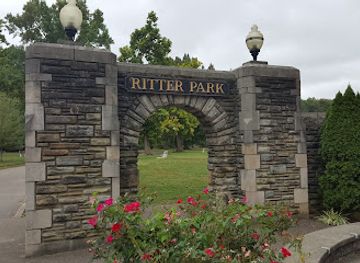
Ritter Park
Discover the natural beauty of Ritter Park, an urban oasis in Huntington, WV, featuring lush gardens, scenic trails, and family-friendly spaces.
19 min walk · 1.5 km from city centre
-
Tourist attraction
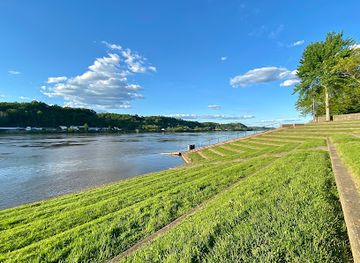
Harris Riverfront Park
Discover the beauty of Harris Riverfront Park, a tranquil escape in Huntington, WV, featuring lush landscapes, river views, and community events.
7 min walk · 0.6 km from city centre
-
Tourist attraction
Heritage Farm Museum & Village
Discover West Virginia's rich heritage at the Heritage Farm Museum & Village, where history, culture, and family fun intertwine.
15 min drive · 5.1 km from city centre
-
Tourist attraction
Ritter Park Rose Garden
Discover the enchanting Ritter Park Rose Garden in Huntington, WV—a picturesque escape filled with vibrant blooms and serene landscapes perfect for every traveler.
19 min walk · 1.5 km from city centre


Best landmarks in Huntington
Huntington, West Virginia offers a rich tapestry of historical landmarks that are sure to captivate visitors. From the stunning architecture of the Keith-Albee Theatre to the grandeur of the Marshall University campus, there is no shortage of beauty to behold. Explore the heritage of the city at the Heritage Farm Museum and Village, or take a stroll through the stunning Ritter Park. Don't miss the chance to visit the historic grave of Chief Cornstalk at Spring Hill Cemetery, or marvel at the beauty of the Huntington Museum of Art. With its blend of history, culture, and natural beauty, Huntington is a must-visit destination for any traveler.
-
Shopping mall
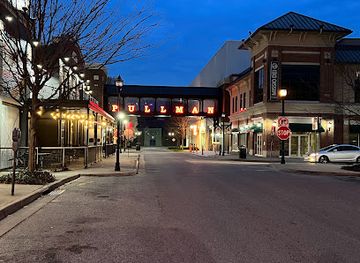
Pullman Square
Explore Pullman Square, Huntington's premier shopping mall offering diverse retail, delightful dining, and vibrant entertainment in a lively community setting.
5 min walk · 0.4 km from city centre
-
Park
Ritter Park
Discover the natural beauty and serene landscapes of Ritter Park, a tranquil escape in Huntington, West Virginia, perfect for relaxation and outdoor activities.
19 min walk · 1.5 km from city centre
-
Tourist information center
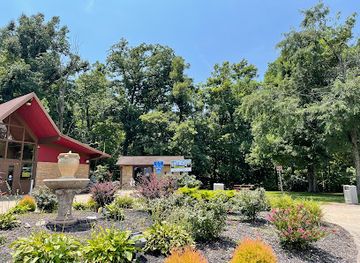
I-64 Eastbound West Virginia Welcome Center
Discover the heart of West Virginia at the I-64 Eastbound Welcome Center—your essential stop for travel tips, local insights, and scenic adventures.
11 min drive · 3.6 km from city centre
-
Park
Harris Riverfront Park
Explore Harris Riverfront Park: A Scenic Urban Oasis in Huntington, WV, Perfect for Family Fun and Relaxation by the Ohio River.
7 min walk · 0.6 km from city centre
Explore Huntington on the map
Plan your Huntington trip on one map. See where the top attractions, landmarks, restaurants, bars and hotels are, find what's near where you're staying, and book hotels and experiences in a few clicks.
Best hotels in Huntington
Best restaurants in Huntington
Huntington, West Virginia offers a diverse and vibrant dining scene that will excite and satisfy any visitor. From cozy cafes serving up delicious brunches to trendy gastropubs with craft cocktails, there is something for every palate. Dive into the local Appalachian cuisine with hearty dishes like pepperoni rolls and hot dogs topped with slaw, or explore global flavors at ethnic restaurants offering authentic dishes from around the world. Don't forget to indulge in the city's renowned BBQ joints and seafood spots for a true taste of the region. Whether you're looking for a casual meal or a fine dining experience, Huntington has it all waiting for you to discover.
-
Steak
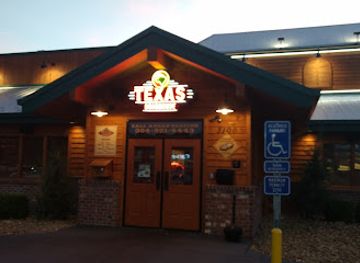
Texas Roadhouse
Experience authentic American dining at Texas Roadhouse in Huntington - home to hand-cut steaks and warm hospitality.
16 min drive · 5.2 km from city centre
-
German
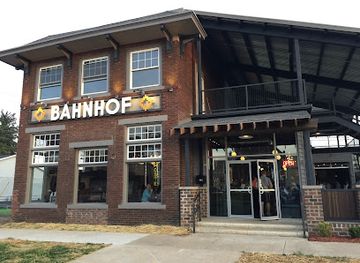
Bahnhof WVrsthaus & Biergarten
Discover authentic German cuisine at Bahnhof WVrsthaus & Biergarten in Huntington, where tradition meets taste in every delightful dish.
4 min walk · 0.3 km from city centre
-
Fast Food
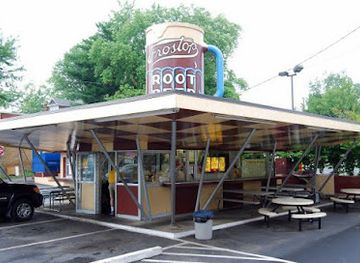
Frostop Drive-In
Experience the charm of classic American fast food at Frostop Drive-In in Huntington, WV – home of delicious burgers and iconic root beer!
6 min drive · 2.0 km from city centre
-
Seafood
Red Lobster
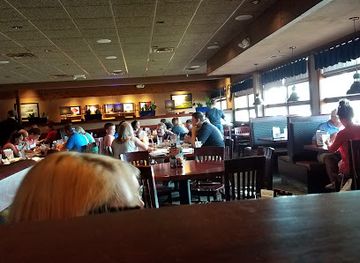
Experience fresh seafood delights at Red Lobster in Huntington - where family-friendly dining meets flavorful ocean fare.
7 min walk · 0.5 km from city centre
Best bars in Huntington
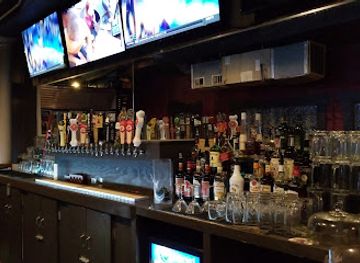
Huntington's nightlife scene offers a vibrant mix of bars and nightclubs that cater to a diverse crowd. From laid-back pubs serving craft beers to high-energy dance clubs with live music and DJs, there is something for everyone to enjoy. Visitors can expect a lively atmosphere, friendly locals, and a chance to immerse themselves in the city's music and entertainment scene. Whether you're looking to unwind with a cocktail or dance the night away, Huntington has a nightlife experience that will leave you wanting more.
-
Steak
Huntington Ale House
Savor the best of American cuisine at Huntington Ale House, where gourmet steaks and craft beers create an unforgettable dining experience.
10 min walk · 0.8 km from city centre
-
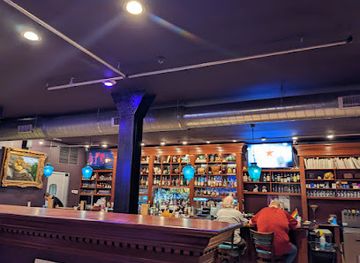
Bar
The Cellar Door
Discover the vibrant culinary experience at The Cellar Door, Huntington's go-to spot for tapas, exquisite wines, and crafted cocktails.
4 min walk · 0.3 km from city centre
-
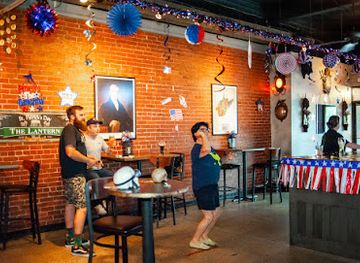
Cocktail bar
The Lantern
Discover the nightlife of Huntington at The Lantern, a lively cocktail bar known for its innovative drinks and welcoming atmosphere.
2 min walk · 0.1 km from city centre
-
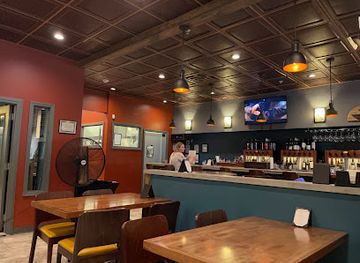
Bar
Sip Downtown Brasserie
Discover the vibrant culinary scene at Sip Downtown Brasserie, where exceptional food meets a delightful selection of wines and whiskeys in Huntington.
3 min walk · 0.3 km from city centre
Best nightclubs in Huntington
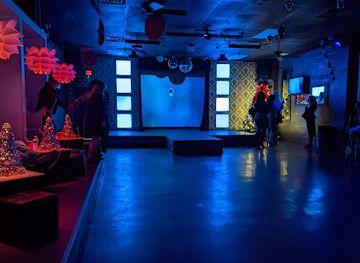
Huntington's nightlife scene offers a vibrant mix of bars and nightclubs that cater to a diverse crowd. From laid-back pubs serving craft beers to high-energy dance clubs with live music and DJs, there is something for everyone to enjoy. Visitors can expect a lively atmosphere, friendly locals, and a chance to immerse themselves in the city's music and entertainment scene. Whether you're looking to unwind with a cocktail or dance the night away, Huntington has a nightlife experience that will leave you wanting more.
-
Bar
Stonewall
Unleash your night at Stonewall, Huntington's premier bar for thrilling music, delectable drinks, and unforgettable memories.
3 min walk · 0.3 km from city centre
-
Night club
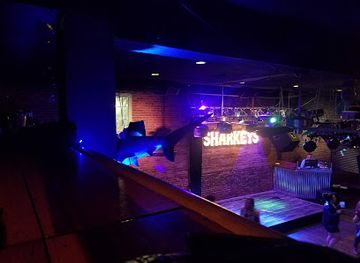
Sharkey's
Experience the vibrant nightlife of Huntington at Sharkey's, where karaoke and live music create unforgettable memories in West Virginia.
4 min walk · 0.3 km from city centre
-
Cocktail bar
The Jockey Club
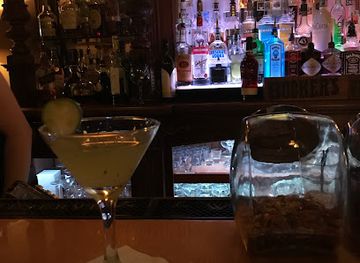
Discover The Jockey Club, a premier cocktail bar in Huntington, WV, offering a vibrant atmosphere and expertly crafted drinks for the perfect night out.
4 min walk · 0.3 km from city centre
-
Lounge
Lucille's II
Discover the vibrant atmosphere of Lucille's II, a lively lounge in Huntington, WV, perfect for drinks, bites, and unforgettable evenings.
19 min drive · 6.3 km from city centre
Best shops in Huntington
In Huntington, visitors can explore a diverse shopping scene that offers a mix of local boutiques, antique shops, and well-known retail stores. Stroll down the historic streets of downtown Huntington to discover unique gifts, handmade crafts, and vintage finds. From trendy clothing and accessories to home decor and specialty foods, there is something for everyone. Don't miss out on the bustling farmers' market for fresh produce and local goods. With a charming atmosphere and friendly locals, shopping in Huntington is a delightful experience for tourists looking for a mix of old-world charm and modern conveniences.
-
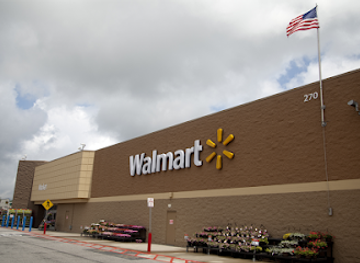
Department store
Walmart Supercenter
Discover Walmart Supercenter in Huntington, WV - your ultimate destination for groceries, electronics, clothing, and more at unbeatable prices.
19 min drive · 6.2 km from city centre
-
Shopping mall
Pullman Square
Explore the dynamic Pullman Square in Huntington, WV – a shopping haven filled with trendy stores, delicious dining, and vibrant entertainment options.
5 min walk · 0.4 km from city centre
-
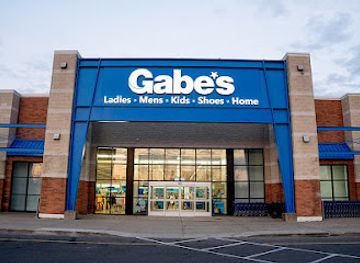
Discount store
Gabe's
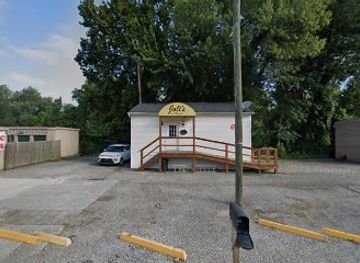
Explore Gabe's in Huntington, WV, where budget-friendly prices meet quality clothing and accessories for the entire family.
16 min drive · 5.4 km from city centre
-
Shopping mall
Eastern Heights Shopping Center
Discover a diverse shopping experience at Eastern Heights Shopping Center, Huntington's go-to destination for fashion, gifts, and delicious dining.
21 min drive · 7.0 km from city centre
Get your free copy of our complete guide to Huntington, delivered straight to you.
Everything on this page, from attractions and restaurants to essentials and local phrases, in one PDF you can read offline, print or share.
Already have an account? Sign in
Your Huntington guide is ready.
We'll send it to · Not you? Sign out

Getting your guide ready…
We are putting together a fresh copy of the Huntington guide. This can take up to a minute.
This can take a few moments. If your browser asks, choose Allow so the download can start. You'll find the guide in your Downloads folder.
Nothing happened? Download it again
Sorry, the guide is taking longer than usual. Please try again in a minute, or get it by email instead.
Huntington essentials
Currency and Payment
Safety
Emergency Situations
Do's and Don'ts
Local Tips
From Eve
Local phrases worth knowing
You don't need to get them perfect. A few words go a long way, and locals appreciate the effort.
Basics
| English | Local | Say it |
|---|---|---|
| Hello | Howdy | [haw-dee] |
| Goodbye | See ya | [see yuh] |
| Yes | Yep | [yep] |
| No | Nah | [nah] |
| Please/You're welcome | Please/No problem | [pleez/no prob-lem] |
| Thank you | Thanks | [thanks] |
| Excuse me/Sorry | Excuse me/Sorry | [ex-kyooz me/sor-ee] |
| How are you? | How ya doin'? | [how yuh doin] |
| Fine. And you? | Fine. Yerself? | [fine. yer-self] |
| Do you speak English? | Ya speak English? | [ya speak ing-glish] |
| I don't understand | I ain't gettin' ya | [eye aint get-tin yuh] |
Eating & Drinking
| English | Local | Say it |
|---|---|---|
| I'd like to see the menu, please | Can I see the menu, please | [can eye see the menu, please] |
| I don't eat meat | I don't do meat | [eye dont do meat] |
| Cheers! | Cheers! | [cheers] |
| I would like to pay, please | I'll settle up, please | [eye'll set-tle up, please] |
Emergencies
| English | Local | Say it |
|---|---|---|
| Help! | Help! | [help] |
| Go away! | Git! | [git] |
| Call the Police! | Call the cops! | [call the cops] |
| Call a doctor! | Get a doc! | [get a doc] |
| I'm lost | I'm turned around | [eye'm turned around] |
| I'm ill | I'm sick | [eye'm sick] |
Shopping
| English | Local | Say it |
|---|---|---|
| I'd like to buy... | I wanna buy... | [eye wanna buy] |
| I'm just looking | Just browsin' | [just brow-sin] |
| How much is it? | How much? | [how much] |
| That's too expensive | That's a bit steep | [that's a bit steep] |
| Can you lower the price? | Can ya knock it down? | [can yuh knock it down] |
Time & Numbers
| English | Local | Say it |
|---|---|---|
| What time is it? | What's the time? | [what's the time] |
| It's one o'clock | It's one | [it's one] |
| Half past (10) | Ten thirty | [ten thur-tee] |
| Morning | Mornin' | [mornin] |
| Afternoon | Afternoon | [after-noon] |
| Evening | Evenin' | [evenin] |
| Yesterday | Yest'day | [yest-day] |
| Today | Today | [today] |
| Tomorrow | Tomorrah | [tom-or-rah] |
| 1 | One | [wun] |
| 2 | Two | [too] |
| 3 | Three | [three] |
| 4 | Four | [four] |
| 5 | Five | [five] |
| 6 | Six | [six] |
| 7 | Seven | [seven] |
| 8 | Eight | [eight] |
| 9 | Nine | [nine] |
| 10 | Ten | [ten] |
Transport & Directions
| English | Local | Say it |
|---|---|---|
| Where's a/the...? | Where's the...? | [where's the] |
| What's the address? | What's the address? | [what's the address] |
| Can you show me (on the map)? | Can ya show me (on the map)? | [can yuh show me (on the map)] |
| When's the next (bus)? | When's the next (bus)? | [when's the next (bus)] |
| A ticket (to ....) | A ticket (to ....) | [a ticket (to)] |
History of Huntington
Founding of Huntington
Huntington was officially founded on February 27, 1871, by the visionary Collis P. Huntington. It was named after him, an influential railroad magnate responsible for the Chesapeake and Ohio Railway (C&O Railway). The new town quickly grew due to its strategic location along the Ohio River and its status as a key railway hub.
Industrial Boom
The late 19th and early 20th centuries saw Huntington thriving as an industrial powerhouse. With its extensive rail connections, the city became a significant center for manufacturing and shipping. Steel mills, glass factories, and other heavy industries provided employment for thousands, making Huntington a crucial part of America's industrial heartland.
Marshall University
Founded in 1837, Marshall University is one of the cornerstones of Huntington's identity. Named after Chief Justice John Marshall, the university has grown alongside the city, providing higher education and cultural enrichment. It gained national attention in 1970 when a tragic plane crash killed most of the football team, leading to the inspiring story of the program's rebirth.
The 1937 Flood
In January 1937, Huntington was severely affected by the Ohio River flood, one of the worst in American history. The floodwaters reached unprecedented levels, inundating much of the city. The disaster led to significant changes in flood management and infrastructure improvements to prevent future occurrences.
Cultural Renaissance
The late 20th century saw a cultural renaissance in Huntington. The establishment of the Huntington Museum of Art in 1952 and the revitalization of the downtown area brought new cultural and artistic opportunities. Festivals, art shows, and live music events have since become integral parts of the city's vibrant cultural scene.
Economic Challenges and Revitalization
Like many industrial cities, Huntington faced significant economic challenges in the late 20th century due to the decline of manufacturing. However, recent years have seen efforts to revitalize the city through economic diversification, with investments in healthcare, education, and technology sectors, helping to reshape Huntington's future.
The Keith-Albee Theatre
Opened in 1928, the Keith-Albee Theatre is an architectural gem and a testament to Huntington's rich cultural heritage. Originally a vaudeville theater, it has been transformed over the decades into a beloved venue for films, performances, and community events, preserving its historic charm while serving modern needs.
Huntington in Photos
Browse through our photo collection highlighting the charm and character of the destination.
Cities near Huntington
The closest cities to Huntington, if you have time for more than one stop.
-

-

-

-

-


Swipe for more cities
Explore more

Explore more of West Virginia
Discover West Virginia's natural beauty, historic charm, and outdoor adventures in the heart of the Appalachian Mountains.
Explore West Virginia