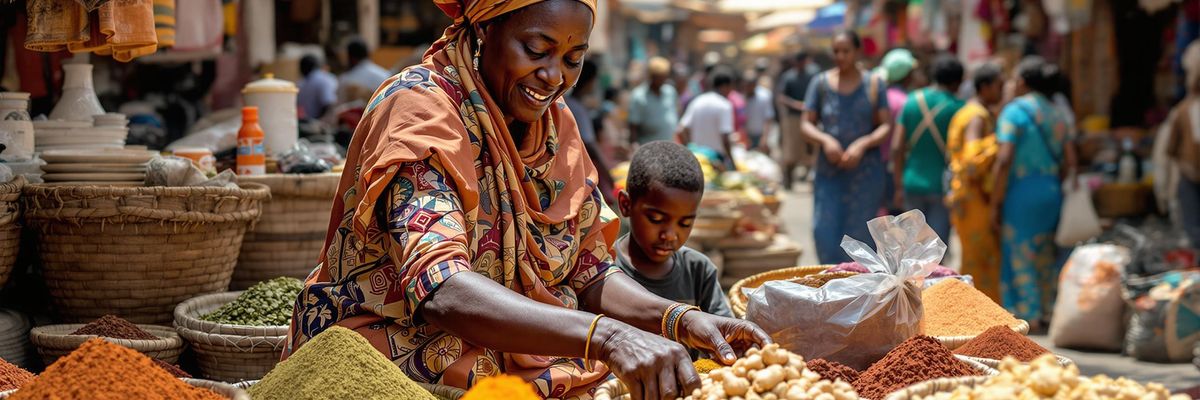
In 2025, travel is no longer just about seeing the sights; it's about immersing yourself in authentic experiences and connecting deeply with local cultures. Travelers are seeking meaningful adventures that go beyond the typical tourist traps, creating lasting memories and a deeper understanding of the world.
The Rise of the Experiential Traveler: Seeking Authenticity
Experiential travel has emerged as the leading trend in 2025, marking a significant shift from traditional sightseeing to immersive and authentic encounters. Travelers are increasingly prioritizing experiences over material possessions, seeking opportunities to connect with local cultures and communities on a deeper level. This trend is fueled by a desire for authenticity and a longing to create meaningful memories that resonate long after the trip is over.
Statistics reveal a growing preference for experiences, with a significant increase in spending on activities like cooking classes, cultural tours, and adventure excursions. Instead of simply visiting landmarks, travelers are eager to participate in hands-on activities that allow them to learn new skills, engage with local traditions, and forge genuine connections with the people they meet along the way. For example, cooking classes in Tuscany offer a chance to learn the art of Italian cuisine from local chefs, while truffle hunting expeditions in Italy provide a unique and immersive culinary experience. In Fez, Morocco, travelers can delve into traditional crafts by learning pottery, leatherwork, or tile-making from skilled artisans.
This shift towards experiential travel stands in stark contrast to traditional tourism, which often focuses on superficial sightseeing and mass-produced souvenirs. Experiential travelers seek out unique and authentic encounters that allow them to step outside their comfort zones, challenge their perspectives, and create lasting memories. They are willing to invest in experiences that enrich their lives and provide a deeper understanding of the world around them.
Accor's survey highlights that 58% of its prioritize travelling to lesser-known destinations over tourist hotspots, with a 150% increase in searches for hidden gem holiday destinations, indicating a growing desire for off-the-beaten-path experiences. This desire for authenticity is the defining trend in travel in 2025.

Cultural Immersion: Beyond the Tourist Trail
Cultural immersion is a key component of experiential travel, with travelers seeking to understand and appreciate local traditions, customs, and ways of life. This goes beyond simply observing cultural performances or visiting historical sites; it involves actively participating in local activities, engaging with community members, and respecting cultural norms.
Destinations offering rich cultural experiences are becoming increasingly popular, with travelers eager to immerse themselves in the local way of life. Kyoto, Japan, with its traditional tea ceremonies and geisha performances, offers a glimpse into the country's rich cultural heritage. In Fez, Morocco, travelers can explore the labyrinthine medina, visit artisan workshops, and learn about traditional crafts. These destinations provide opportunities for travelers to connect with local communities, learn about their traditions, and gain a deeper understanding of their culture.
Responsible and sustainable tourism practices are crucial for ensuring that cultural immersion benefits local communities. Travelers are becoming more aware of the impact their travels have on the environment and local populations and are seeking out experiences that minimize negative impacts and maximize positive contributions. This includes supporting local businesses, respecting cultural norms, and avoiding activities that exploit or harm local communities.
Specific cultural immersion activities, such as homestays, language lessons, and volunteering opportunities, offer travelers a chance to connect with local communities on a deeper level. Homestays provide a unique opportunity to live with a local family, share meals, and learn about their daily lives. Language lessons allow travelers to communicate with locals in their native tongue, fostering deeper connections and understanding. Volunteering opportunities enable travelers to contribute to local communities and make a positive impact on the environment or social issues.
According to Austin Spanish Academy, understanding the local language provides insight into the traditions, history, and way of life that shape the community, enhancing travel experiences by making them more meaningful and memorable, turning ordinary trips into extraordinary journeys of discovery and cultural exchange.

Culinary Adventures: Tasting the World
Culinary tourism is experiencing unprecedented growth, establishing itself as a significant trend in 2025. Travelers are increasingly using food as a gateway to understanding local cultures and traditions. This involves exploring local markets, sampling regional specialties, and learning about the history and significance of traditional dishes.
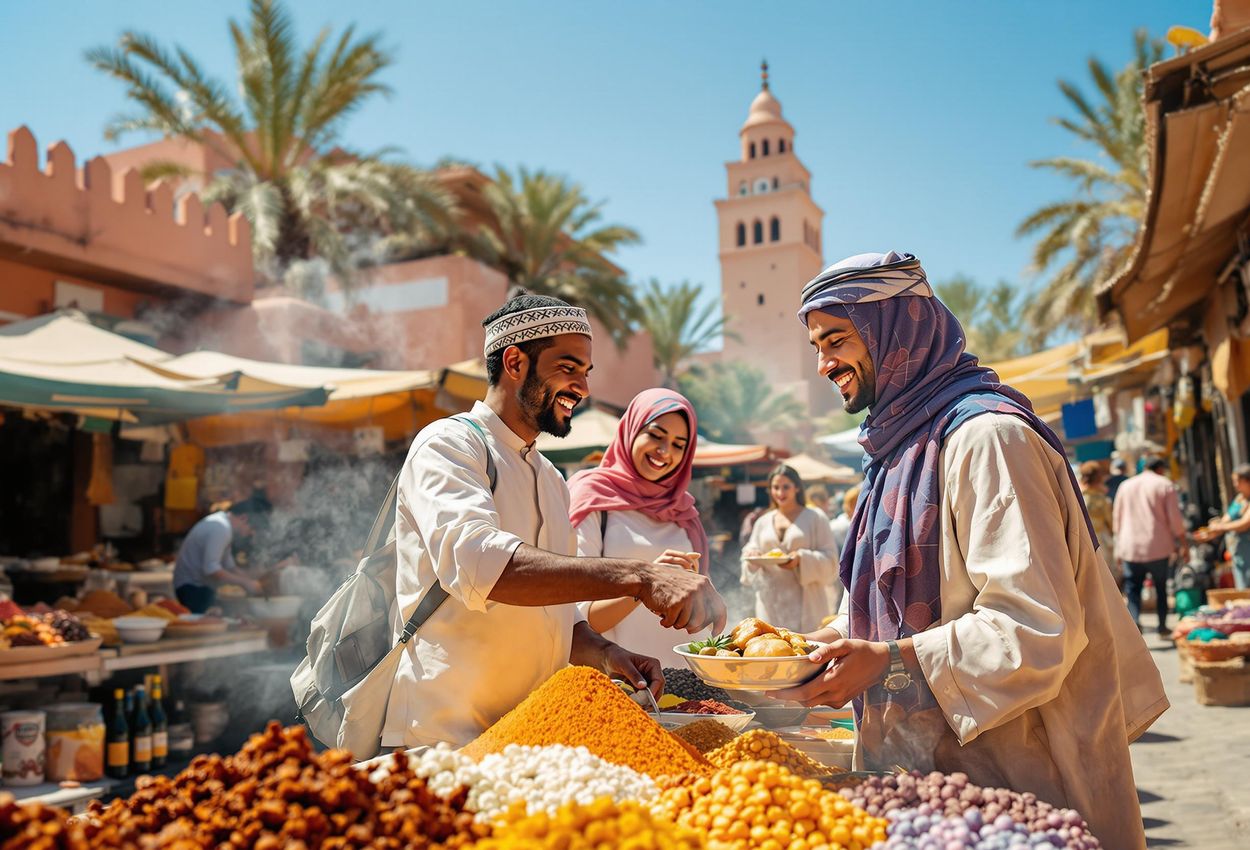
Food tours in Marrakech offer a sensory explosion of flavors, aromas, and textures, allowing travelers to discover the city's culinary heritage through its viant street food scene. Cooking classes in Bali provide hands-on experience in preparing traditional Indonesian dishes, while wine tasting in Tuscany offers a delightful exploration of the region's renowned vineyards and winemaking traditions. These culinary experiences offer a unique and immersive way to connect with local cultures and traditions.
The rise of foodie culture and the influence of social media have fueled the popularity of culinary travel trends. Travelers are increasingly seeking out unique and authentic culinary experiences, driven by recommendations from travel blogs, cooking shows, and social media platforms. This has led to a surge in demand for food tours, cooking classes, and dining experiences that offer a glimpse into the local culinary scene.
Supporting local farmers, producers, and restaurants is crucial for ensuring that culinary tourism benefits local communities. Travelers are becoming more aware of the importance of sustainable food practices and are seeking out restaurants and producers that prioritize local sourcing, ethical production methods, and environmental stewardship. By supporting these businesses, travelers can contribute to the economic well-being of local communities and promote sustainable food systems.
The Accor Group's survey highlights that food has always been a key component of cultural identity, and travellers in 2025 are using it as a gateway to more authentic experiences, connecting with a destination by eating local dishes and learning about culinary traditions. Tasty Travels are prioritising food experiences, seeking out regional specialities, Michelin-starred restaurants, and hidden culinary gems they've seen on travel blogs, cooking shows, or Instagram.
Adventure with a Purpose: Conservation and Exploration
Combining adventure travel with conservation efforts is a growing trend, reflecting travelers' desire to explore the natural world while contributing to its preservation. This involves participating in activities that allow them to connect with nature, learn about conservation efforts, and make a positive impact on the environment.
Adventure activities with a conservation focus, such as gorilla trekking in Uganda and polar bear spotting in the Arctic, offer travelers a unique opportunity to explore the natural world while supporting conservation efforts. Gorilla trekking allows travelers to observe these endangered primates in their natural habitat, while contributing to the local economy and supporting conservation programs. Polar bear spotting in the Arctic raises awareness about the impact of climate change on these iconic animals and their fragile ecosystem.
Participating in citizen science projects is another way for travelers to combine adventure with conservation. These projects involve collecting data, monitoring wildlife, or assisting with research efforts, providing valuable information to scientists and conservation organizations. By participating in these projects, travelers can contribute to our understanding of the natural world and help inform conservation strategies.
Responsible and sustainable adventure tourism practices are essential for minimizing environmental impact. This includes choosing eco-friendly accommodations, respecting wildlife and their habitats, and avoiding activities that harm the environment. By making conscious choices, travelers can ensure that their adventures have a positive impact on the natural world.
The Adventure Travel Trade Association (ATTA) is showcasing the best of the adventure travel industry through learning, networking, and the exchange of ideas at their 2025 signature events, with member companies nominating projects that protect international resources. The Adventure Travel Conservation Fund (ATCF) supports projects that allow sustainable adventure tourism to grow into the future.

Wellness and Rejuvenation: Travel for the Soul
Wellness tourism is on the rise as travelers seek to rejuvenate their minds, bodies, and spirits. This involves participating in activities that promote relaxation, mindfulness, and self-care, such as yoga retreats, spa getaways, and nature-based experiences.
Destinations offering unique wellness experiences are becoming increasingly popular. Ubud, Bali, with its yoga retreats and spiritual traditions, offers a sanctuary for those seeking inner peace and self-discovery. Zihuatanejo, Mexico, with its shamanic healing practices, provides an opportunity to connect with ancient traditions and promote holistic well-being. These destinations offer a variety of wellness activities, such as meditation, yoga, massage, and energy healing, designed to promote relaxation, reduce stress, and enhance overall well-being.
Mindfulness, self-care, and connecting with nature are essential components of wellness travel. Travelers are seeking out experiences that allow them to disconnect from technology, reconnect with themselves, and immerse themselves in the natural world. This includes spending time in nature, practicing mindfulness techniques, and engaging in activities that promote self-care, such as massage, aromatherapy, and healthy eating.
The 2025 Wellness Tourism Report indicates that the wellness tourism market size is projected to reach approximately $978.14 billion in 2025, with a CAGR of 9.3%, including trends like a rise in soft travel focused on mental health, digital detox experiences, and a growing interest in sleep tourism where travelers seek destinations specifically designed for quality sleep.

Tech-Enhanced Travel: AI and Personalization
Technology is playing an increasingly important role in shaping the future of experiential travel. AI, VR, and AR are being used to enhance travel experiences and personalize itineraries, providing travelers with more immersive, engaging, and convenient ways to explore the world.
Virtual tours of historical sites offer a glimpse into the past, allowing travelers to explore ancient ruins, historical landmarks, and cultural treasures from the comfort of their own homes. AI-powered travel planning apps provide personalized recommendations, customized itineraries, and real-time travel updates, making it easier for travelers to plan and manage their trips. Immersive augmented reality experiences ing destinations to life, allowing travelers to interact with their surroundings in new and exciting ways.
Balancing technology with human interaction and authentic cultural experiences is crucial for ensuring that tech-enhanced travel remains meaningful and engaging. While technology can enhance travel experiences, it should not replace the human element of travel, such as interacting with locals, learning about their traditions, and forging genuine connections. By striking a balance between technology and human interaction, travelers can enjoy the benefits of both, creating truly unforgettable travel experiences.
According to The Intellify, AI is transforming travel and tourism, personalizing services and improving efficiency, enabling effortless trip planning with custom itineraries, and providing instant travel ideas and auto-booking support.

Set-Jetting: Travel Inspired by Film and TV
Set-jetting, where travelers visit destinations featured in their favorite movies and TV shows, is a growing trend. Film and TV are influencing travel choices and creating new tourism opportunities, with travelers eager to experience the locations that have captured their imaginations on screen.
Popular set-jetting destinations include Scotland (inspired by Outlander) and Italy (inspired by White Lotus). These destinations have experienced a surge in tourism, with fans eager to explore the landscapes, landmarks, and cultural attractions featured in their favorite shows. Creating authentic and immersive experiences for set-jetting tourists is crucial for ensuring that this trend benefits local communities and preserves cultural heritage.
Accor's survey reveals that 24% of its are keen to visit the filming locations for their favourite films or TV series, reflected in a 50% increase in searches for “Hobbiton movie set tours” and an 83% rise in “Duovnik Croatia Game of Thrones tour” searches over the past year. Explore Worldwide's annual Travel Trends Report has landed, exposing where, when and how we'll be traveling in 2025, with travellers inspired to visit a destination because of a book, movie or TV series they've enjoyed.

Slow Travel: Emacing the Journey
Slow travel, where travelers prioritize longer, more leisurely journeys over quick getaways, is gaining momentum. Slow travel allows for deeper immersion in local cultures and a more sustainable travel experience, fostering connections with local communities and promoting responsible tourism practices.
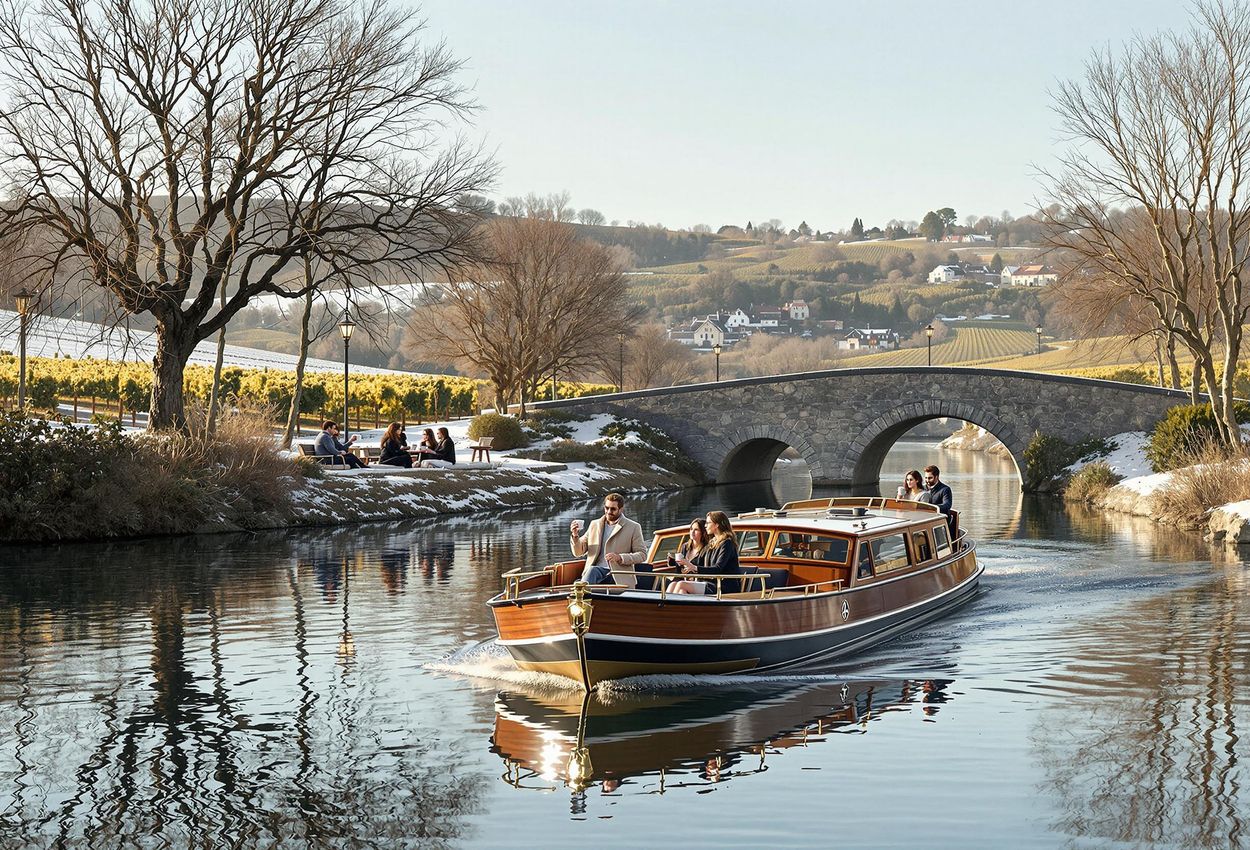
Slow travel activities include train journeys through Europe, canal boating in France, and cycling tours of Tuscany. These activities allow travelers to slow down, appreciate the scenery, and connect with local communities along the way. Train journeys offer a comfortable and scenic way to explore the countryside, while canal boating provides a unique perspective on the waterways and landscapes of France. Cycling tours allow travelers to immerse themselves in the rolling hills and charming villages of Tuscany, while enjoying the fresh air and sunshine.
The benefits of slow travel extend to both travelers and local communities. Travelers experience a deeper sense of relaxation, connection, and cultural understanding, while local communities benefit from increased economic activity, cultural preservation, and environmental protection. By prioritizing slow travel, travelers can contribute to a more sustainable and meaningful travel experience.
Travelbag says one of the biggest 2025 travel trends, slow journeys mean giving yourself time to take it all in, getting under the skin of destinations on tailor-made trips where you spend more days in each location rather than moving every morning to fit in as many places as possible.
Niche Travel: Passion-Focused Adventures
Niche travel, where travelers pursue their specific passions and interests through unique travel experiences, is catering to diverse hobbies and interests, such as birdwatching, photography, genealogy, and historical reenactments. This allows travelers to connect with like-minded individuals, learn new skills, and deepen their understanding of their chosen passion.
Niche travel destinations and activities include birdwatching tours in Costa Rica, photography workshops in Iceland, and genealogy trips to Ireland. These destinations and activities offer travelers a chance to immerse themselves in their chosen passion, learn from experts, and connect with other enthusiasts. Birdwatching tours provide opportunities to observe rare and exotic birds in their natural habitat, while photography workshops offer hands-on training in capturing stunning landscapes and wildlife. Genealogy trips allow travelers to trace their ancestry, explore their heritage, and connect with distant relatives.
Tailoring travel experiences to meet the specific needs and interests of niche travelers is crucial for ensuring that these trips are meaningful and engaging. This involves providing expert guidance, customized itineraries, and opportunities to connect with local experts and resources. By catering to the specific needs and interests of niche travelers, travel providers can create unforgettable experiences that exceed their expectations.
PTN Travel Team reports that emerging travel trends of 2025 are reshaping the industry, with travellers looking for a unique, immersive experience that aligns with their passions and interests. Advisors are leveraging the latest trends to stay ahead of the curve, with hyper-personalized, experience-driven adventures.

The Future of Travel: Sustainable and Meaningful
The key trends shaping the future of travel in 2025 emphasize the importance of sustainability, authenticity, and meaningful experiences. Travelers are becoming more conscious of their impact on the environment and local communities, seeking out experiences that minimize negative impacts and maximize positive contributions.
Travel industry experts and organizations are promoting responsible and sustainable tourism practices, encouraging travelers to make conscious choices that benefit the environment and local communities. This includes supporting local businesses, respecting cultural norms, and avoiding activities that exploit or harm local populations. By working together, travelers, travel providers, and local communities can create a more sustainable and meaningful future for travel.
The future of experiential travel and cultural immersion lies in creating authentic, sustainable, and meaningful experiences that connect travelers with local communities, promote cultural understanding, and protect the environment. By emacing these principles, the travel industry can create a more positive and sustainable future for all.
Bollig Tours reports that in 2025, responsible travel evolves from being a trend to becoming the new normal, with travelers wanting to escape the rush and emace more meaningful experiences, focusing on deep connections with people, cultures, and nature. Less truly becomes more—prioritizing quality over quantity.