The Adventure Travel World Summit (ATWS) 2024 in Panama City wasn't just another industry gathering; it was a viant confluence of ideas, cultures, and a shared passion for responsible exploration. Marking its 20th anniversary, the summit served as a pivotal platform for charting the future of adventure travel, inging together thought leaders, destination representatives, and innovative entrepreneurs from across the globe.
Panama City Sets the Stage: A Summit of Connections
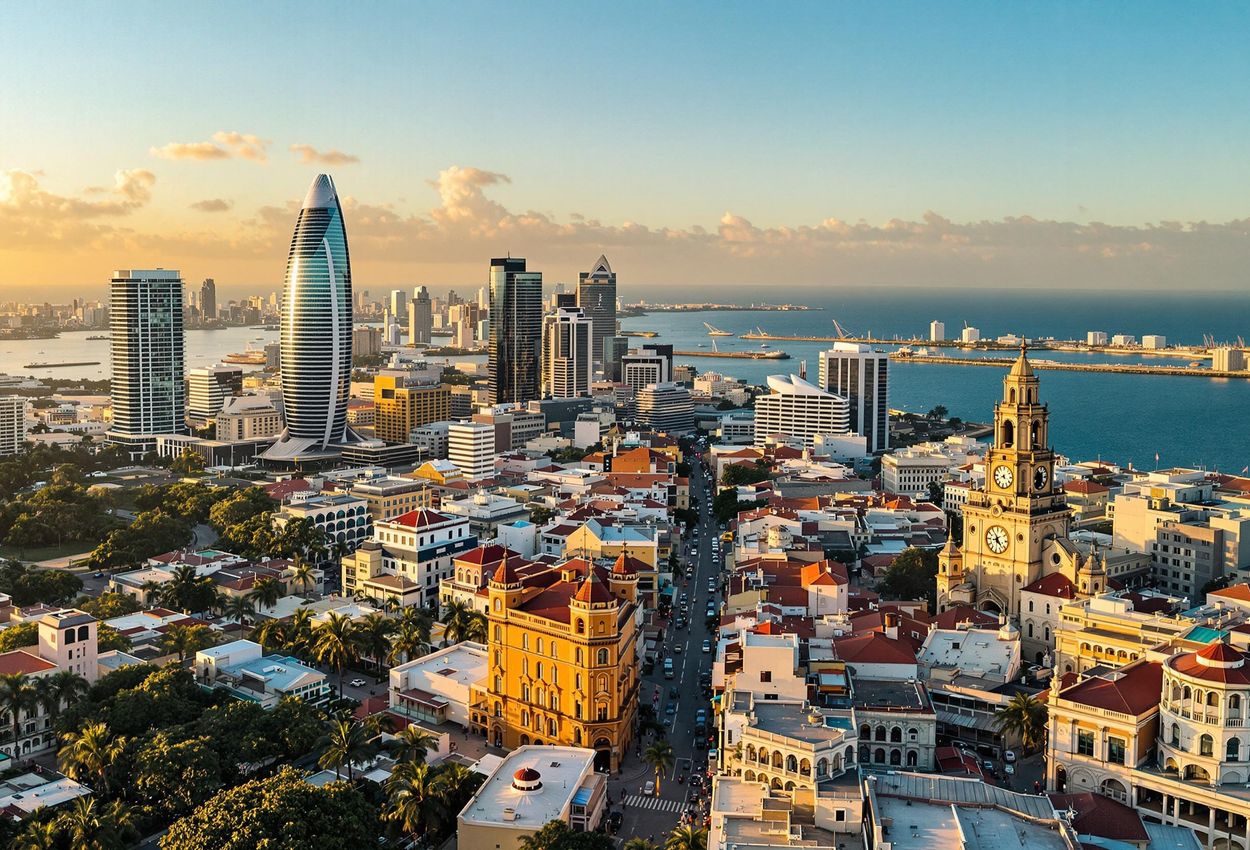
Panama City, a dynamic metropolis idging the Americas, proved to be an ideal host for the ATWS. The city pulsated with a unique energy, a blend of Latin American warmth and cosmopolitan sophistication. Towering skyscrapers cast long shadows over historic colonial architecture, a visual representation of the summit's theme: connecting the past with the future of travel. The air was thick with anticipation as delegates arrived, the scent of salt air mingling with the aroma of freshly ewed Panamanian coffee.
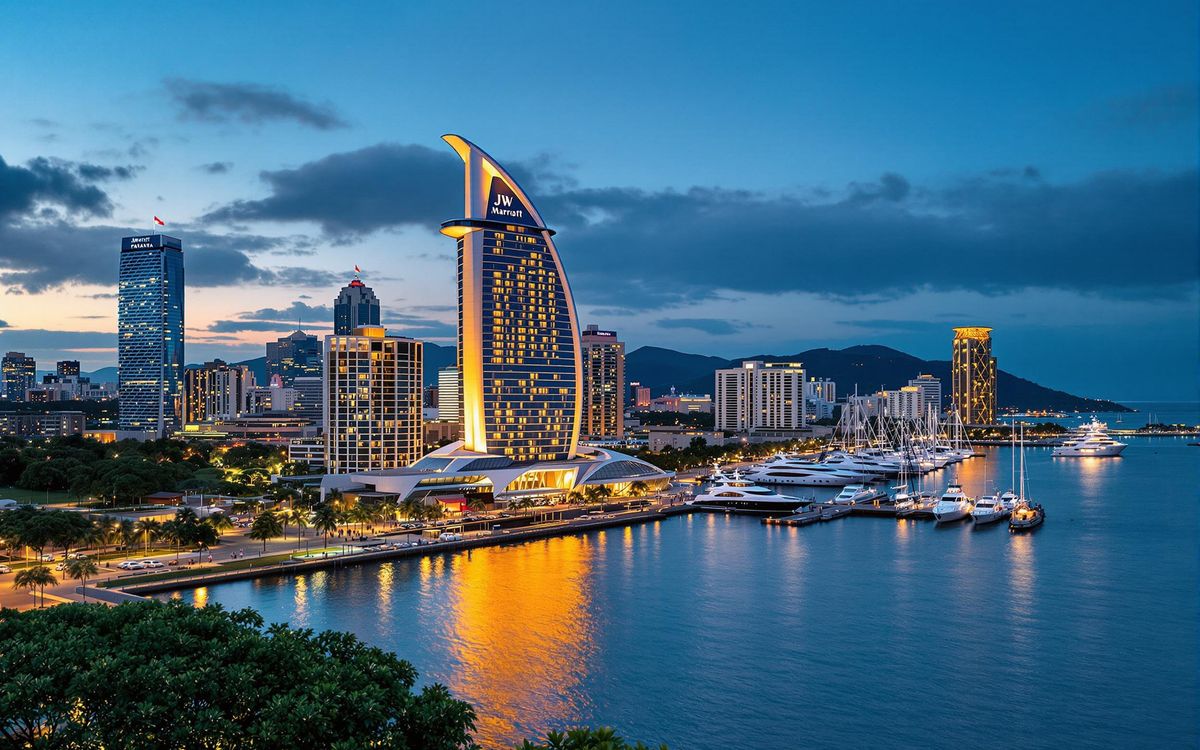
The summit kicked off with a series of engaging networking events, designed to foster collaboration and spark new partnerships. The opening reception, held at a stunning waterfront venue, buzzed with conversation as attendees reconnected with old friends and forged new alliances. Business cards were exchanged, laughter echoed through the space, and the shared excitement for the week ahead was palpable. This year's summit held special significance, celeating two decades of the Adventure Travel Trade Association's (ATTA) commitment to responsible and sustainable tourism.
I had the opportunity to speak with Gabi Stowell, ATTA's Vice President, Regional Development, who highlighted the organization's long-standing commitment to Panama. Since 2017, we've been working closely with local partners to bolster community-based tourism initiatives, Stowell explained. Our goal is to empower local communities, ensuring they benefit directly from tourism while preserving their cultural heritage and natural resources. She further elaborated on specific projects, including training programs for indigenous guides and the development of sustainable lodging options in rural areas. This work underscores the ATTA's dedication to fostering a more equitable and responsible adventure travel ecosystem, one that prioritizes the well-being of both travelers and host communities.
The atmosphere was charged with a sense of purpose. It wasn't merely a trade show; it was a collective effort to address the pressing challenges facing the adventure travel industry and to shape a more sustainable and inclusive future for exploration.

Keynote Visions: Alan Elliott Merschen's Insights
Alan Elliott Merschen, a renowned futurist and innovation expert, delivered a thought-provoking keynote speech that challenged the audience to reimagine the very essence of adventure travel. Merschen's presentation was a dynamic blend of data-driven analysis and visionary thinking, painting a compelling picture of the opportunities and challenges that lie ahead.
One of Merschen's key insights revolved around the evolving expectations of the modern traveler. He argued that today's adventurers are not simply seeking adrenaline-pumping activities; they are craving authentic, transformative experiences that connect them with nature, culture, and themselves. This shift in demand necessitates a fundamental rethinking of how adventure travel products are designed and marketed. Merschen emphasized the importance of storytelling, urging businesses to craft narratives that resonate with travelers on an emotional level, highlighting the unique cultural and environmental significance of each destination.
Merschen also addressed the critical issue of technology, cautioning against its uncritical adoption. While acknowledging the potential of technologies like virtual reality and artificial intelligence to enhance the travel experience, he stressed the importance of maintaining a human-centric approach. Technology should serve to augment, not replace, the human connection, Merschen asserted. The true magic of adventure travel lies in the interactions we have with local communities, the shared moments of discovery, and the challenges we overcome together.
Another resonant point from Merschen's keynote was the need for greater collaboration within the industry. He argued that the complex challenges of sustainability and overtourism require a collective effort, urging businesses, governments, and NGOs to work together to develop innovative solutions. Merschen's call to action was met with enthusiastic applause, underscoring the shared commitment to building a more responsible and resilient adventure travel industry.
Merschen's presentation offered a roadmap for navigating the complexities of the modern travel landscape, emphasizing the importance of authenticity, human connection, and collaborative problem-solving. His insights served as a powerful catalyst for discussion and innovation throughout the remainder of the summit.

Sustainability in Action: Global Destination Leaders Speak
A highlight of the ATWS was the panel discussion featuring global destination leaders, each grappling with the challenges and opportunities of sustainable tourism in their respective regions. The panelists represented a diverse range of destinations, from the pristine wilderness of Patagonia to the viant cultural landscapes of Southeast Asia, providing a rich tapestry of perspectives on the path towards responsible travel.
One recurring theme throughout the discussion was the importance of community engagement. Several panelists shared examples of successful initiatives that empower local communities to become active stewards of their natural and cultural heritage. In Bhutan, for instance, a community-based tourism program provides training and resources to villagers, enabling them to offer authentic cultural experiences to visitors while generating income and preserving their traditions. Similarly, in Costa Rica, eco-lodges are working in partnership with local farmers to source food sustainably, reducing their environmental impact and supporting the local economy.
The panelists also addressed the pressing issue of climate change, highlighting the need for urgent action to mitigate its impact on vulnerable destinations. One innovative approach being implemented in the Maldives involves the development of floating islands, designed to adapt to rising sea levels and provide sustainable housing for local communities. In Norway, the government is investing heavily in renewable energy infrastructure, aiming to reduce the country's carbon footprint and promote sustainable tourism practices.
The discussion also touched upon the challenges of overtourism, with panelists sharing strategies for managing visitor flows and minimizing the negative impacts on local communities and ecosystems. In Venice, authorities are experimenting with new technologies to monitor visitor numbers and implement dynamic pricing, aiming to discourage overcrowding during peak seasons. In Iceland, a campaign promoting off-season travel encourages visitors to explore the country's natural beauty during the quieter months, reducing pressure on popular attractions during the summer.
The panel discussion provided a valuable platform for sharing best practices and fostering collaboration among destination leaders, underscoring the collective commitment to building a more sustainable and resilient future for adventure travel. The insights shared during the session served as a powerful reminder that responsible tourism is not just an aspiration, but a necessity for preserving the planet's natural and cultural treasures for generations to come.

Innovation Unlocked: Lee Kitchen's Creative Workshop
Lee Kitchen, a seasoned innovation expert with a background at Disney, led an engaging and interactive workshop designed to unlock the creative potential of ATWS delegates. Kitchen's session was a refreshing departure from traditional conference formats, encouraging participants to step outside their comfort zones and emace unconventional thinking.
Drawing on his experience in the world of entertainment, Kitchen introduced a range of techniques and exercises designed to stimulate creativity and foster collaboration. One particularly effective exercise involved eaking down complex problems into smaller, more manageable components, encouraging participants to approach challenges from multiple perspectives. Another exercise focused on the power of storytelling, prompting delegates to craft narratives that resonated with their target audiences and conveyed the unique value proposition of their businesses.
Kitchen also emphasized the importance of emacing failure as a learning opportunity, encouraging participants to experiment with new ideas and not be afraid to make mistakes. Innovation is a messy process, Kitchen explained. It requires a willingness to take risks, to challenge assumptions, and to learn from our failures. This message resonated deeply with the audience, creating a safe and supportive environment for experimentation and creative exploration.
Throughout the workshop, delegates worked in small groups to ainstorm solutions for some of the most pressing challenges facing the adventure travel industry, from sustainability and overtourism to technological disruption and changing consumer preferences. The ideas that emerged from these sessions were remarkably diverse and innovative, ranging from new models for community-based tourism to cutting-edge technologies for enhancing the traveler experience.
Kitchen's workshop provided a valuable toolkit for fostering creativity and innovation within the adventure travel industry, empowering delegates to approach challenges with fresh perspectives and develop solutions that are both sustainable and impactful. The session served as a powerful reminder that the future of adventure travel lies in the hands of those who are willing to emace change, challenge the status quo, and think outside the box.

Trends on the Horizon: ATTA's Industry Snapshot
The Adventure Travel Trade Association's (ATTA) Annual State of the Adventure Travel Industry Snapshot Report provided a data-rich overview of the key trends and challenges shaping the sector. The report, presented at the summit, offered valuable insights into the evolving preferences of adventure travelers, the growth of specific market segments, and the critical issues that demand attention from industry stakeholders.
One of the most notable trends highlighted in the report was the growing interest in off-the-beaten-path destinations. Travelers are increasingly seeking authentic, immersive experiences that take them beyond the well-trodden tourist trails, exploring remote regions and engaging with local cultures in a meaningful way. This trend presents both opportunities and challenges for destinations, requiring careful planning and management to ensure that tourism benefits local communities and minimizes environmental impact.
The report also identified the rise of cycling and e-bikes as a significant trend in adventure travel. Cycling tours are becoming increasingly popular, offering travelers a sustainable and active way to explore new destinations. E-bikes, in particular, are opening up new possibilities for a wider range of travelers, enabling them to tackle challenging terrain and cover greater distances with ease. This trend is driving innovation in the cycling tourism sector, with destinations investing in new infrastructure and developing specialized cycling routes.
Another key trend highlighted in the report was the increasing demand for luxury adventure experiences. Travelers are seeking high-end accommodations, gourmet dining, and personalized service, even when venturing into remote and challenging environments. This trend is driving the growth of luxury adventure travel operators, who are catering to discerning travelers seeking unique and unforgettable experiences without compromising on comfort or style.
The report also addressed the critical challenges facing the adventure travel industry, including sustainability, climate change, and overtourism. These issues demand urgent attention and collaborative action from industry stakeholders, requiring innovative solutions and a commitment to responsible tourism practices. The ATTA's report serves as a valuable resource for guiding these efforts, providing data-driven insights and highlighting best practices for sustainable tourism development.
The Adventure Travel World Summit 2024 in Panama City was more than just a conference; it was a crucible for ideas, a catalyst for change, and a testament to the enduring power of adventure to connect us with the world and with each other. As the summit drew to a close, delegates departed with a renewed sense of purpose, armed with new insights, new connections, and a shared commitment to shaping a more sustainable and responsible future for adventure travel.