Imagine a world suspended between earth and sky, a realm of emerald and gold teeming with life unseen from the forest floor. This is the rainforest canopy of Costa Rica, a viant ecosystem where adventure and conservation intertwine in a eathtaking dance.
A Symphony of Emerald: Entering the Canopy's Realm
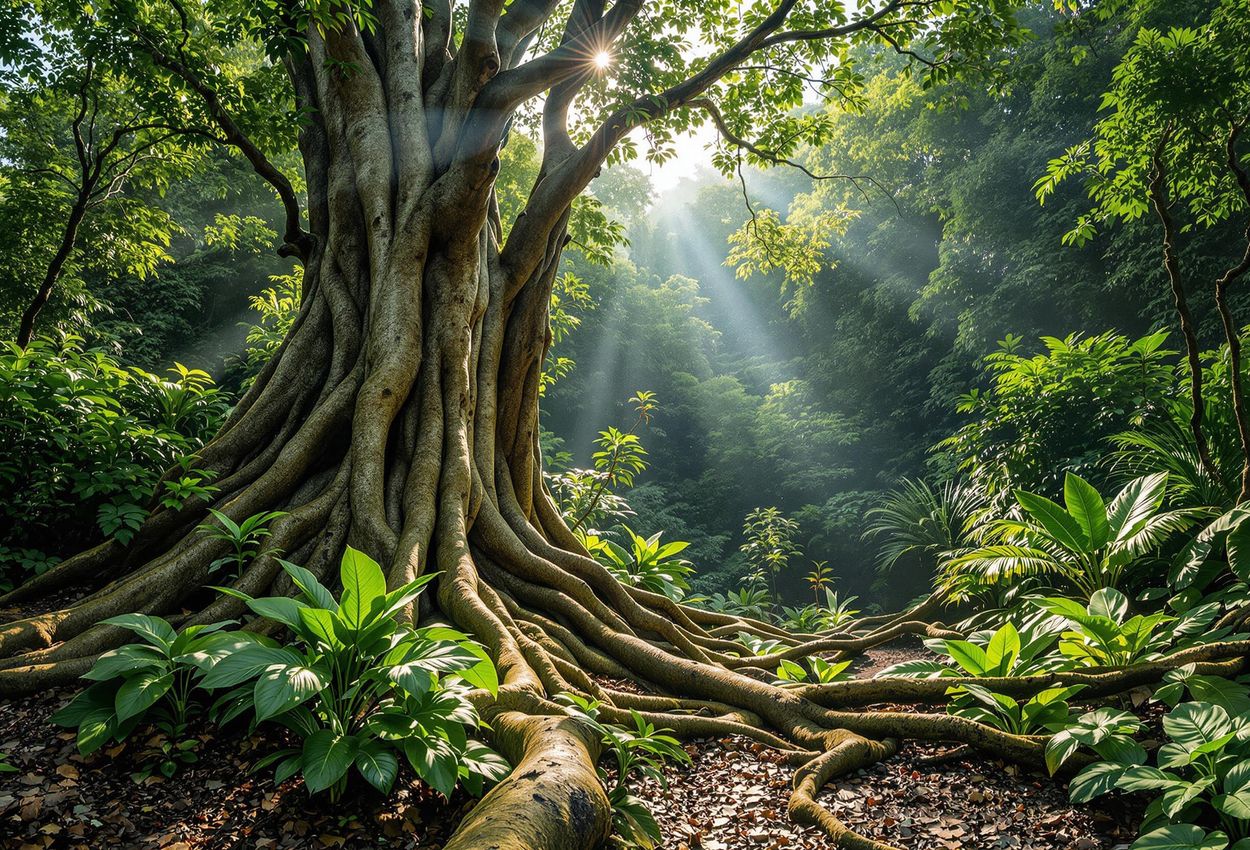
Stepping into the rainforest near the Osa Peninsula is like entering another world. The air hangs thick and heavy, saturated with humidity and the earthy scent of decaying leaves and blooming orchids. Sunlight filters through the dense foliage in dappled patterns, illuminating a kaleidoscope of greens. Towering trees, like the majestic Ceiba and Kapok, reach for the sky, their massive trunks buttressed by intricate root systems. The symphony of the rainforest envelops you: the rustling of leaves in the gentle eeze, the chirping of insects, and the distant calls of exotic birds.
The rainforest canopy is a multi-layered ecosystem, each layer supporting a unique array of life. The emergent layer, the highest level, is home to eagles and monkeys, while the canopy layer below is where the bulk of the action occurs. Here, you find viant omeliads clinging to anches, their cups filled with water that serve as miniature ecosystems. Vines snake their way around tree trunks, creating intricate pathways for arboreal creatures. The understory is a darker, cooler realm, where young trees and shade-tolerant plants struggle to reach the light. And finally, the forest floor, a world of decomposition and renewal, where fungi and insects eak down organic matter, returning nutrients to the soil.
The work of individuals like Jim Córdoba-Alfaro and organizations like the Biosur Foundation is crucial to conserving this precious ecosystem. Their dedication to research, education, and sustainable practices helps to protect the rainforest for future generations. The Biosur Foundation focuses on connecting local communities to conservation efforts, offering education and resources to promote sustainable living and protect the unique biodiversity of the Osa Peninsula.
Skywalking Adventures: Hanging idges of Arenal
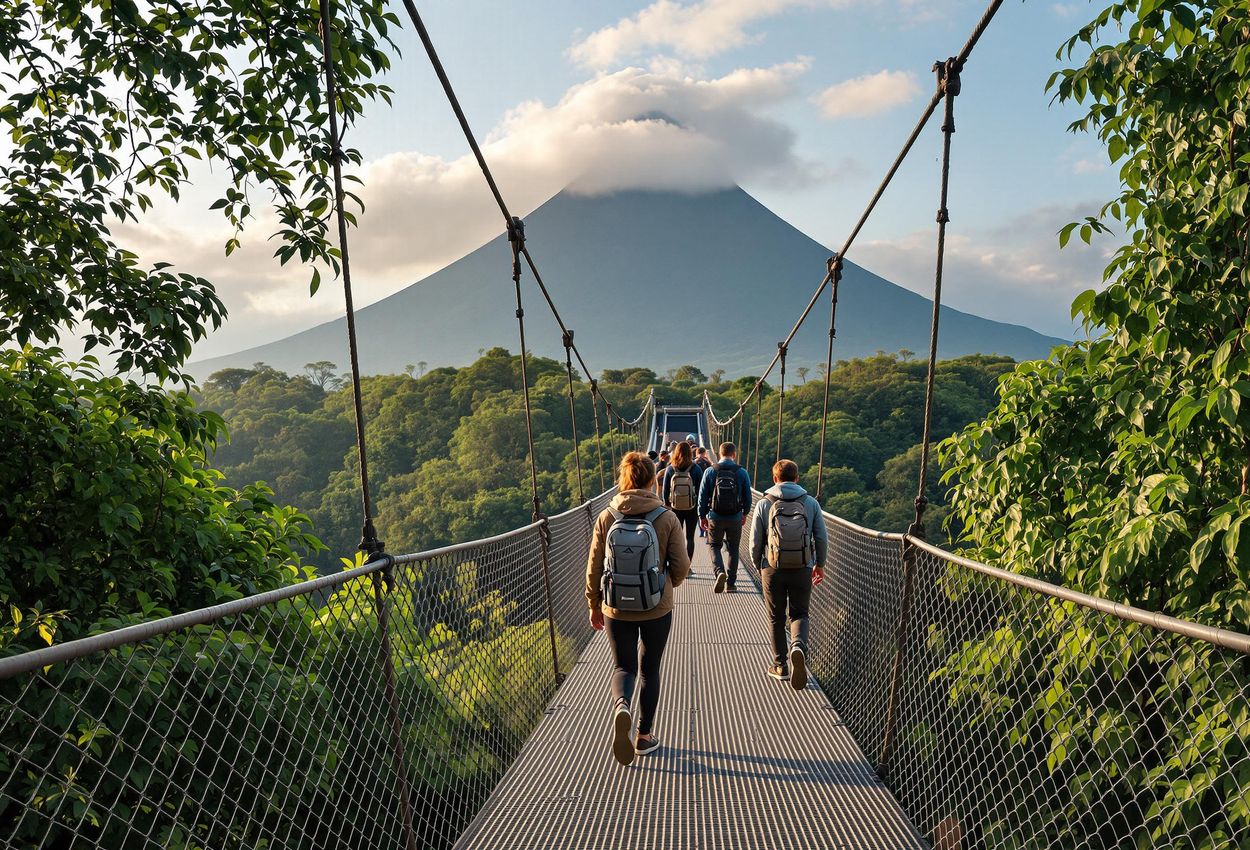
Suspended high above the forest floor, the hanging idges of Mistico Arenal Hanging idges Park offer a unique perspective on the rainforest. Located near the majestic Arenal Volcano, these idges soar over 150 feet above the ground, providing panoramic views of the lush landscape. Walking across these swaying structures is an exhilarating experience, a chance to immerse yourself in the heart of the canopy.
From the idges, you can spot a dazzling array of wildlife. Troops of monkeys swing effortlessly through the trees, their playful chatter echoing through the forest. Sloths, masters of camouflage, cling to anches, their slow movements barely perceptible. A kaleidoscope of bird species flit through the canopy, their viant plumage adding splashes of color to the green tapestry. Keep an eye out for toucans with their oversized beaks, hummingbirds sipping nectar from flowers, and the elusive quetzal, a symbol of the cloud forest.
Mistico Arenal Hanging idges Park is committed to sustainable tourism, ensuring that its operations have minimal impact on the environment. The park employs local guides who are passionate about sharing their knowledge of the rainforest and its inhabitants. They also support conservation efforts in the region, working to protect the rainforest and its biodiversity.
Hidden Gem: Experience the rainforest at dawn, when the canopy is shrouded in mist. The air is cool and still, and the sounds of the forest are amplified. As the sun rises, the mist slowly dissipates, revealing the viant colors of the rainforest in all its glory. This is a truly magical experience, a chance to witness the rainforest awakening to a new day.
Ziplining Through Clouds: Monteverde's Thrills
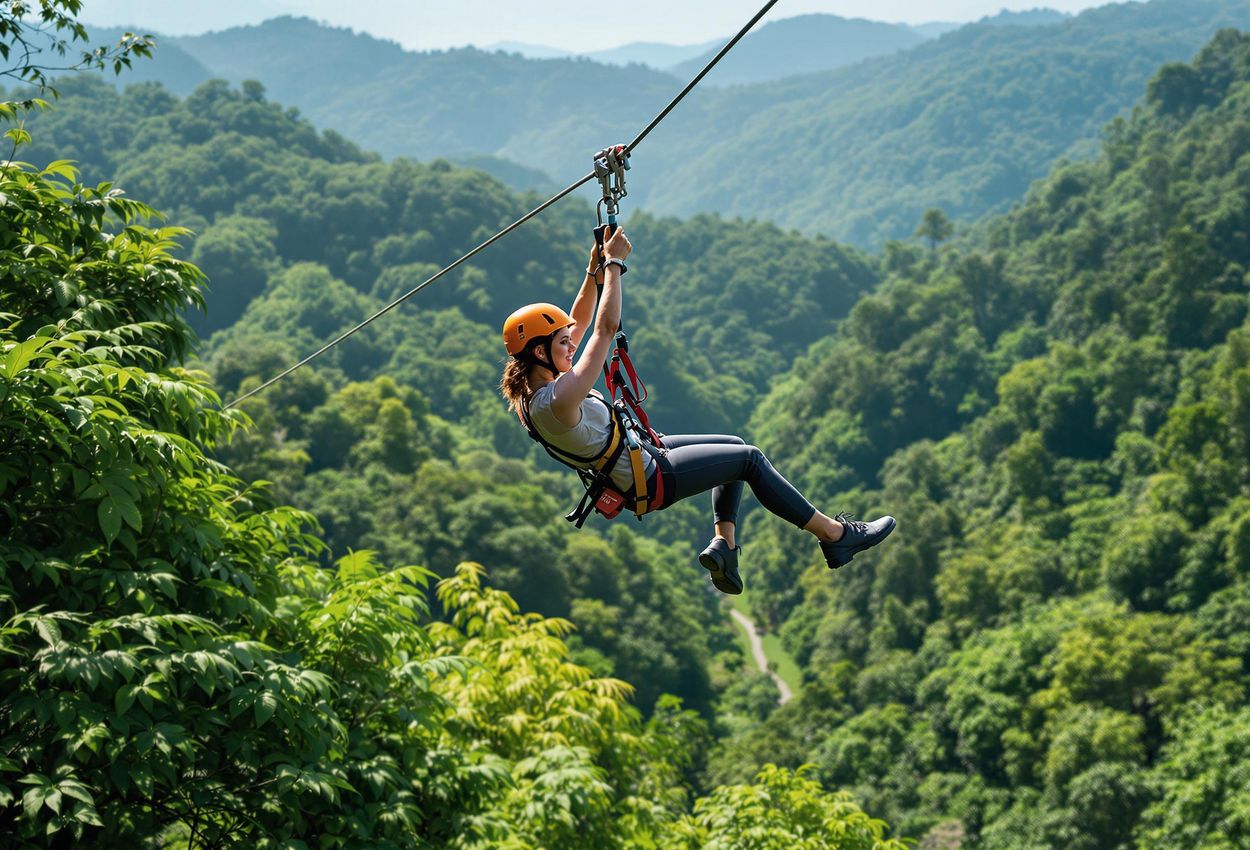
Monteverde, known for its mystical cloud forests, offers an adrenaline-pumping adventure: ziplining through the canopy. Imagine soaring through the air at high speeds, the wind in your face, and the stunning views of the landscape unfolding below. This is an experience that will leave you eathless and exhilarated.
Several ziplining companies operate in Monteverde, including Sky Trek and Selvatura. These companies offer a variety of zipline courses, catering to different levels of experience and thrill-seeking. Before embarking on your adventure, you will receive a thorough safety iefing and be fitted with high-quality equipment. Expert guides will accompany you on the course, ensuring your safety and providing insights into the rainforest ecosystem.
As you zip through the canopy, you will feel like you are flying through the clouds. The views are simply eathtaking: rolling hills, lush valleys, and the distant Pacific Ocean. Keep an eye out for wildlife as you soar through the trees. You might spot monkeys, sloths, or even a resplendent quetzal. The sensation of freedom and exhilaration is unparalleled.
Hidden Gem: Ziplining during a light rain is an unforgettable experience. The rainforest comes alive with viant colors and sounds. The leaves glisten with moisture, and the air is filled with the scent of petrichor. The sensation of rain on your face as you zip through the canopy adds an extra layer of excitement to the adventure.
Guardians of the Green: Conservation in Corcovado
Corcovado National Park, located on the remote Osa Peninsula, is a true gem of Costa Rica. This pristine rainforest is home to an incredible array of biodiversity, including jaguars, tapirs, scarlet macaws, and countless other species. Corcovado is a critical refuge for these animals, and its conservation is of paramount importance.
Conservationists face numerous challenges in Corcovado, including illegal hunting, deforestation, and the impacts of climate change. Despite these challenges, dedicated individuals and organizations are working tirelessly to protect the park. Reforestation projects are underway to restore degraded areas, and community involvement is crucial to ensuring the long-term sustainability of the park.
The park's rangers play a vital role in protecting the rainforest. They patrol the park, monitor wildlife populations, and enforce regulations. They also work with local communities to promote sustainable practices and raise awareness about the importance of conservation.
Hidden Gem: The 'Ridge to Reef' program by Osa Conservation is a comprehensive initiative that addresses the interconnectedness of the rainforest ecosystem. The program focuses on protecting the entire watershed, from the mountaintops to the coral reefs. By working with local communities, Osa Conservation is ensuring the long-term health and resilience of the Osa Peninsula's ecosystem.

Ecotourism's Emace: Sustainable Adventures
Ecotourism plays a crucial role in Costa Rica's rainforests, offering a powerful incentive for conservation. When tourism is conducted responsibly, it can provide economic benefits for local communities while simultaneously protecting the environment. Ecotourism promotes environmental awareness, inspiring visitors to appreciate and value the natural world.
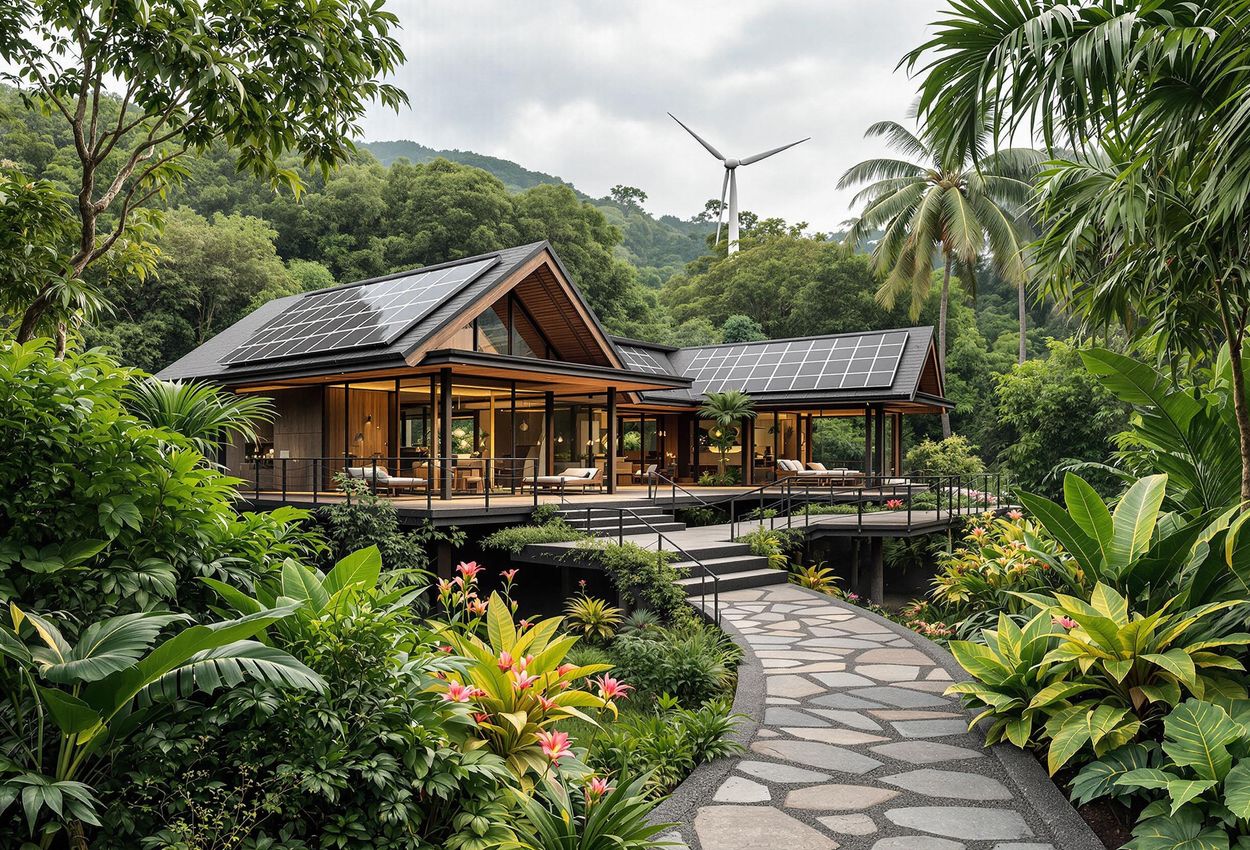
Sustainable tourism practices are becoming increasingly common in Costa Rica. Eco-lodges are designed to minimize their environmental impact, using renewable energy, conserving water, and reducing waste. Responsible tour operators prioritize the well-being of the environment and local communities, offering tours that are educational and respectful.
Many eco-lodges actively support conservation efforts, contributing to research, reforestation, and community development. By choosing to stay at an eco-lodge, visitors can directly contribute to the protection of the rainforest.
Hidden Gem: Several community-based tourism projects empower local communities to benefit directly from tourism revenue. These projects often involve indigenous communities who share their culture and traditions with visitors while protecting their ancestral lands. By supporting these projects, you can ensure that tourism benefits the people who are most invested in the long-term sustainability of the rainforest.
Whispers of Wildlife: Encounters in aulio Carrillo
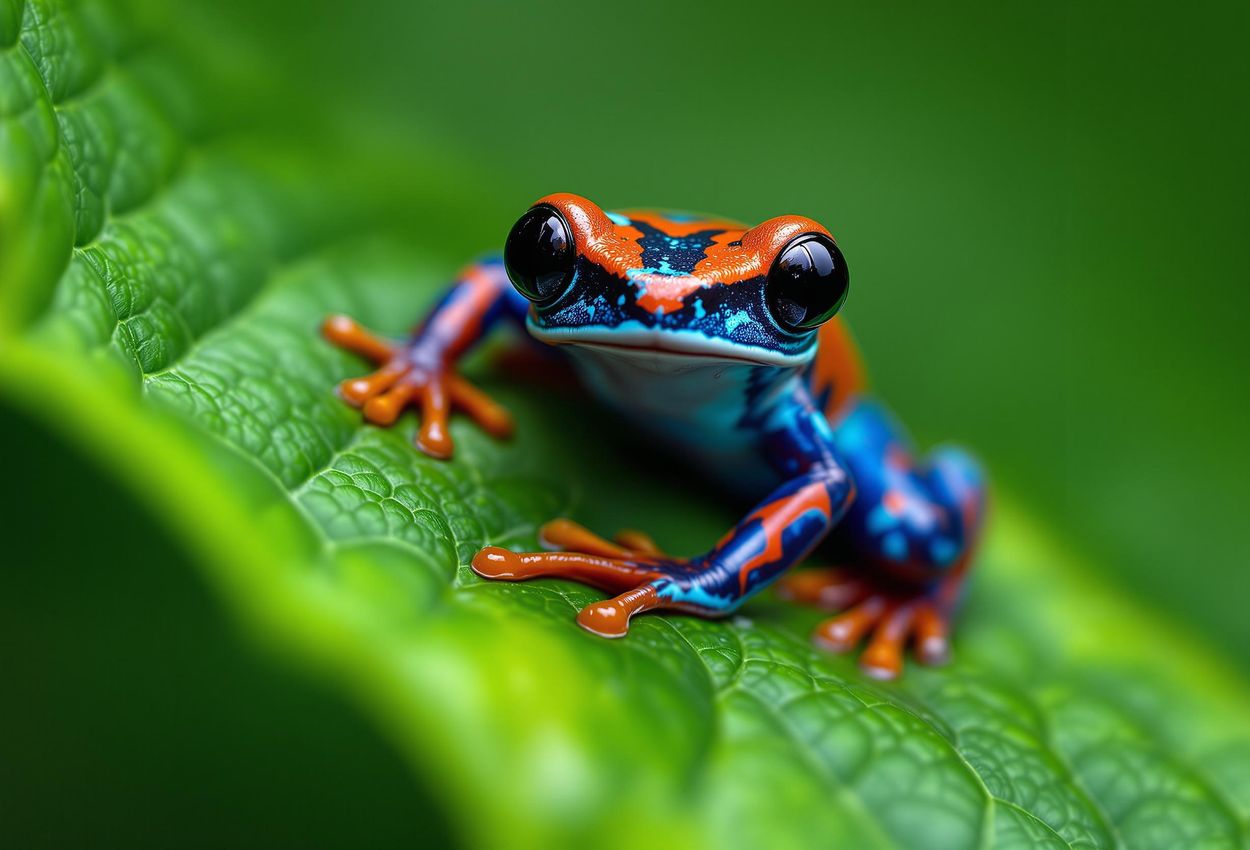
aulio Carrillo National Park is a haven for wildlife, offering incredible opportunities for encounters with the unique species that inhabit the rainforest canopy. Howler monkeys, toucans, and poison dart frogs are just a few of the creatures that call this park home.
The sounds of the rainforest are as captivating as the sights. The calls of the howler monkeys resonate through the trees, announcing their presence to the world. The chirping of insects creates a constant background hum, a reminder of the viant life that surrounds you. The songs of birds fill the air, each species with its own unique melody.
Keep an eye out for the viant poison dart frogs, their ight colors serving as a warning to potential predators. These tiny amphibians are masters of camouflage, blending seamlessly into the rainforest environment.
Hidden Gem: The mating ritual of the long-tailed manakin is a fascinating display of courtship behavior. The males gather in groups and perform elaborate dances, leaping and twirling to attract the attention of females. This unique behavior is a testament to the incredible diversity and complexity of the rainforest canopy.
From Seed to Sky: Reforestation's Renaissance
Reforestation efforts are essential to restoring degraded rainforest habitats and ensuring the long-term health of the ecosystem. Costa Rica has made significant progress in reforestation, thanks to the efforts of organizations like the Sloth Conservation Foundation and countless dedicated individuals.
The Sloth Conservation Foundation plays a vital role in restoring tree canopy habitats for sloths and other wildlife. They plant trees, educate local communities, and conduct research to understand the needs of sloths and their habitat.
The process of reforestation involves planting seedlings, monitoring their growth, and protecting them from threats such as grazing animals and wildfires. Local communities are often involved in reforestation projects, providing labor and expertise.
Hidden Gem: Several reforestation projects involve local communities, empowering them to protect and restore their forests. These projects provide economic benefits for the communities while simultaneously promoting environmental sustainability. By supporting these projects, you can contribute to the long-term health and resilience of the rainforest.

As your journey through Costa Rica's rainforest canopy comes to an end, you carry with you a profound appreciation for the beauty and fragility of this extraordinary ecosystem. The symphony of emerald, the thrill of adventure, and the importance of conservation will resonate long after you leave this wild heart of Costa Rica.