The relentless tick of the clock. Each second a beckoning call to shatter the mundane, to transcend the ordinary, and to plunge headfirst into the extraordinary. This wasn't just a year; it was a gauntlet thrown at the feet of complacency, a meticulously curated collection of challenges designed to test the very limits of physical and mental endurance. From scaling the snow-dusted peaks of Kilimanjaro to navigating the icy depths of Iceland's Silfra Fissure, this is a chronicle of a year lived beyond the comfort zone.
January: Conquering Kilimanjaro's Snowy Peaks
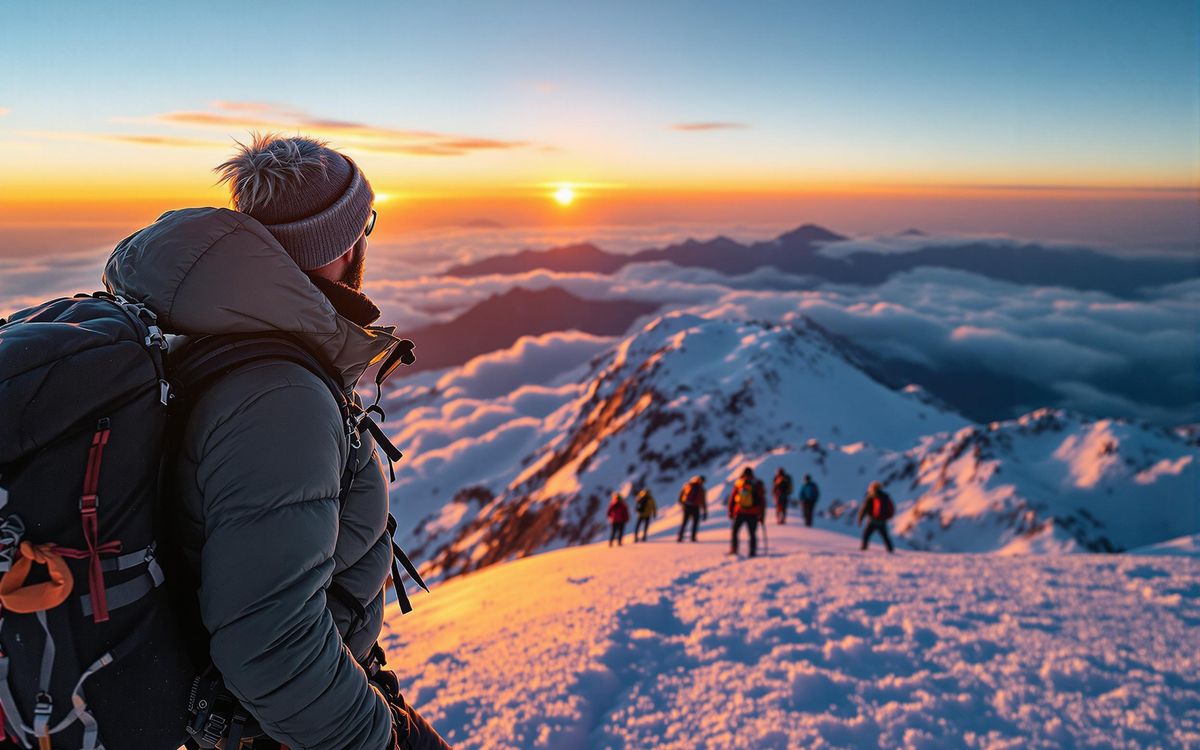
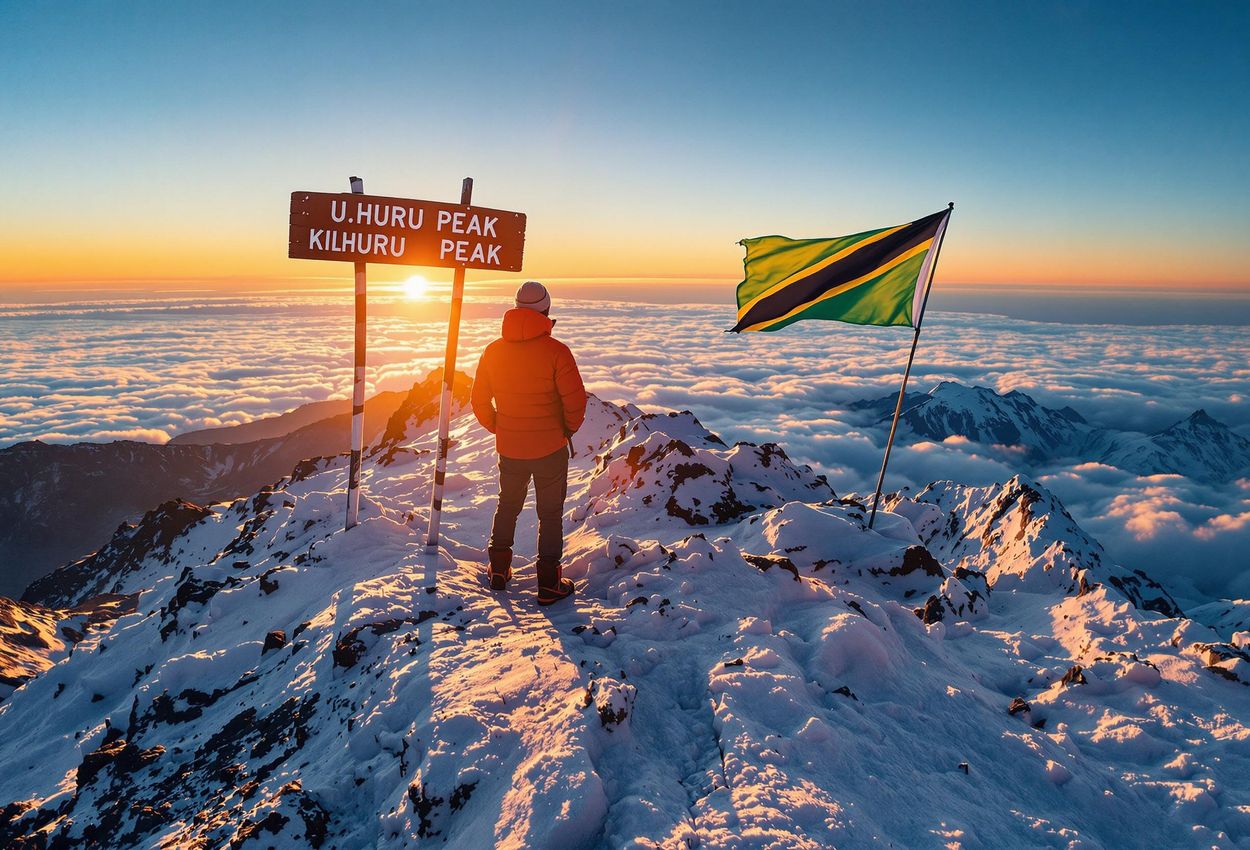
The year began under the equatorial sun, the air thick with anticipation and the scent of rich, dark coffee at the Arusha Coffee Lodge in Arusha, Tanzania. This wasn't just a climb; it was a pilgrimage to the 'Roof of Africa,' a transformative ascent of Mount Kilimanjaro. We chose the Lemosho Route, a path renowned for its eathtaking vistas and gradual acclimatization, a crucial factor when battling the insidious effects of high altitude. The initial days were a symphony of verdant landscapes, the air alive with the chatter of exotic birds and the rustling of leaves underfoot. Each step was a conscious effort, a deliberate act of defiance against the mountain's imposing stature. As we ascended, the vegetation thinned, replaced by a stark, almost lunar landscape of volcanic rock and glacial ice. The air grew colder, thinner, each eath a labored gasp. The true challenge, however, wasn't just physical. It was the mental battle against doubt, against the nagging voice that whispered of turning back.
I remember one particularly utal day, just below the Barranco Wall. A wave of nausea washed over me, my head pounded, and my legs felt like lead. I wanted nothing more than to collapse, to surrender to the mountain's unforgiving emace. But then I looked around at my fellow climbers, their faces etched with determination, their bodies moving with a slow, rhythmic grace. I saw in their eyes a reflection of my own resolve, a shared understanding of the challenge we had undertaken. It was then that I realized that this wasn't just about reaching the summit; it was about the journey, about the camaraderie, about pushing beyond my perceived limitations. I took a deep eath, focused on the task at hand, and put one foot in front of the other. The summit day was an ethereal experience. We started our ascent in the dead of night, the only illumination provided by our headlamps and the shimmering stars above. The temperature plummeted, the wind howled like a banshee, and the air was so thin that each eath felt like a victory. But as we neared Uhuru Peak, the sun began to rise, painting the sky in a kaleidoscope of colors. The view from the top was simply eathtaking: a sea of clouds stretching as far as the eye could see, with the snow-capped peaks of neighboring mountains piercing through the horizon. It was a moment of profound triumph, a testament to the power of the human spirit. The descent back to the Arusha Coffee Lodge was filled with laughter and shared stories, the bonds forged on the mountain now uneakable.
Feuary: Ski Mountaineering in the Swiss Alps
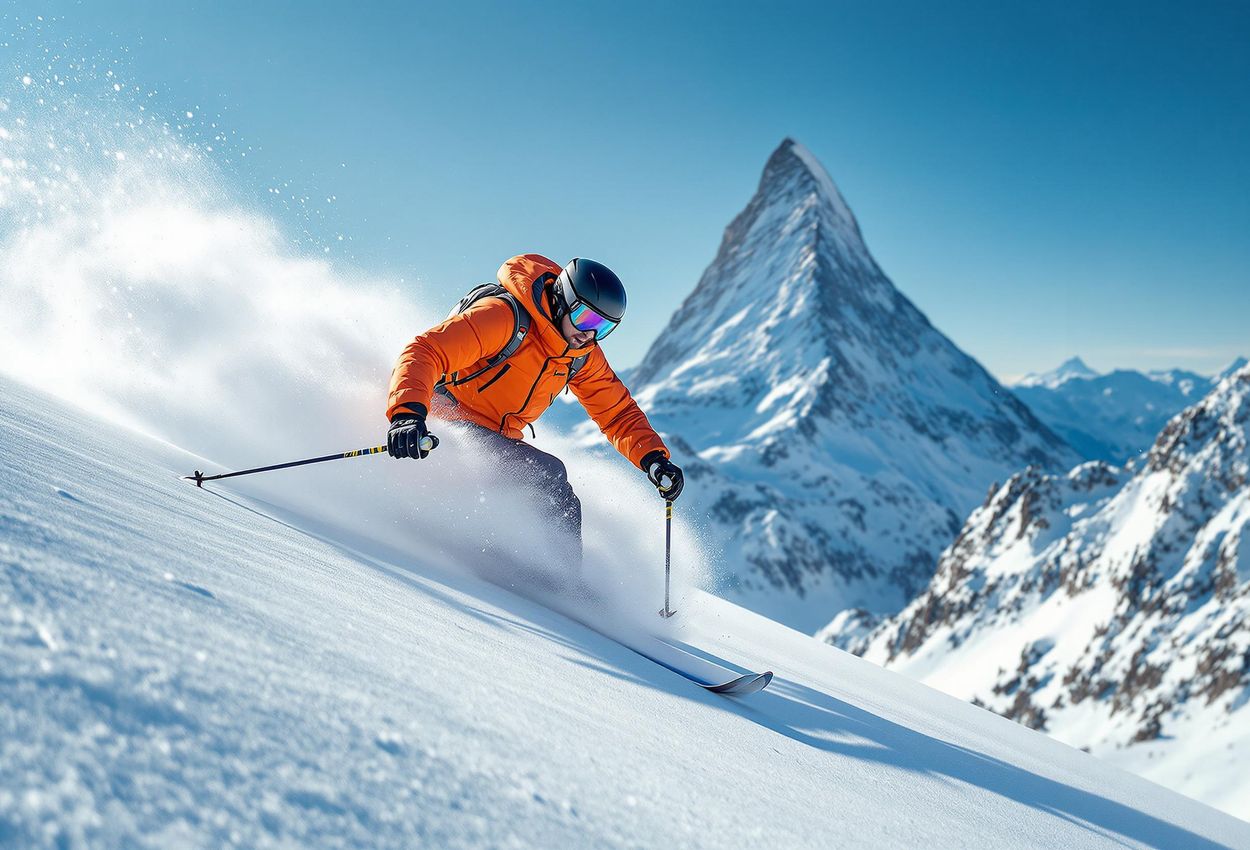
From the equatorial heat of Tanzania, Feuary transported me to the icy emace of the Swiss Alps. This wasn't just skiing; it was ski mountaineering, a demanding discipline that blends the endurance of uphill climbing with the exhilaration of downhill skiing. The location was Zermatt, a picturesque village nestled at the foot of the majestic Matterhorn, the air crisp and clean, carrying the faint scent of pine and snow. The days began before dawn, the sky still a canvas of inky blackness dotted with a million stars. We would strap on our skis, attach climbing skins to their bases, and begin our ascent, the only sound the rhythmic swish of our skis against the snow. The climbs were arduous, the slopes steep and unforgiving, but the views were simply unparalleled. As we gained altitude, the world below transformed into a miniature landscape of snow-dusted chalets and frozen forests. The higher we climbed, the more awe-inspiring the scenery became, the jagged peaks of the Alps piercing the sky like the teeth of some ancient beast.
The challenge lay not only in the physical exertion but also in the technical skills required to navigate the icy slopes and treacherous terrain. We had to be adept at using ice axes and crampons, at reading the snow conditions, and at avoiding the ever-present danger of avalanches. But the rewards were immeasurable. The feeling of standing atop a pristine peak, the wind whipping through your hair, the world spread out before you like a map, was simply intoxicating. And then there was the descent. Peeling off the climbing skins, locking our boots into ski mode, and pointing our skis downhill was an act of pure liberation. Carving through untouched powder, the snow flying up in our faces, the wind screaming in our ears, was an experience that transcended mere sport. It was a communion with nature, a moment of perfect harmony between body and environment. Evenings were spent in luxurious chalets, warmed by crackling fireplaces, sipping Glühwein, and sharing stories of the day's adventures. The contrast between the raw, untamed beauty of the mountains and the refined comfort of the chalets was a perfect embodiment of the ski mountaineering experience.
April: Kayaking with Dragons in Komodo National Park
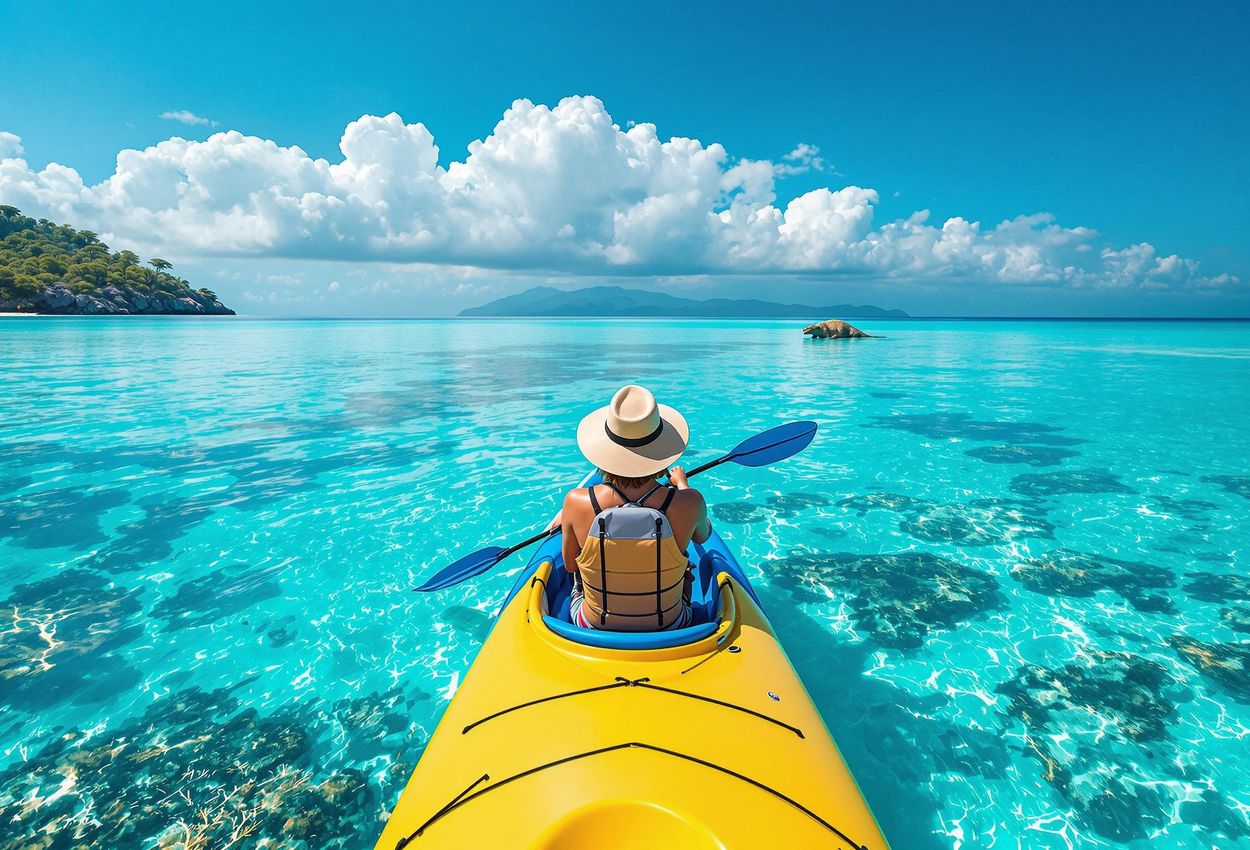
April saw me trading skis for paddles, as I embarked on a kayaking expedition in Komodo National Park, Indonesia. The transition from snow-capped mountains to turquoise waters was a welcome change, the air now thick with humidity and the scent of salt and exotic flowers. The park is a UNESCO World Heritage site, renowned for its stunning biodiversity and, of course, its namesake dragons. Our base was a luxury liveaboard, a floating haven of comfort and indulgence that allowed us to explore the remote islands and hidden coves of the park. Each morning, we would launch our kayaks and set off into the shimmering waters, the sun beating down on our backs, the only sound the gentle lapping of the waves against our hulls.
The thrill of paddling through these pristine waters was amplified by the knowledge that we were sharing this space with some of the world's most formidable creatures. Komodo dragons are apex predators, capable of taking down prey many times their size. Encountering them on the remote islands of Rinca and Komodo was a truly awe-inspiring experience. These ancient reptiles, with their leathery skin, forked tongues, and piercing eyes, seemed like relics from a bygone era. We kept a respectful distance, observing them from the safety of our kayaks, marveling at their power and presence. But the dragons weren't the only highlight of the trip. We also had the opportunity to interact with the local Bajau people, known as 'sea gypsies,' who have lived in these waters for centuries. Their connection to the ocean is profound, their lives intertwined with the rhythms of the tides and the bounty of the sea. They are skilled fishermen and boat builders, their knowledge of the marine environment unparalleled. Spending time with them, learning about their culture and traditions, was a humbling and enriching experience.
May: Rafting the Grand Canyon's Mighty Rapids
May ought me to the Grand Canyon in Arizona, a place of immense scale and raw, untamed beauty. This wasn't just a sightseeing trip; it was a whitewater rafting adventure down the Colorado River, a journey into the heart of one of the world's most iconic landscapes. We opted for a luxury rafting tour, which provided us with gourmet meals, comfortable camping, and experienced guides who knew the river like the back of their hands. The days were filled with adrenaline-pumping excitement as we navigated the canyon's legendary rapids. Names like Hance Rapid and Granite Rapid sent shivers down our spines, but the thrill of conquering these churning waters was simply exhilarating. The roar of the water, the spray on our faces, the feeling of being tossed and turned by the river's relentless current u2013 it was an experience that awakened all the senses.
But the Grand Canyon is more than just a playground for adrenaline junkies. It's a place of profound history and geological significance. The towering canyon walls, carved over millions of years by the relentless force of the Colorado River, tell a story of ancient seas, volcanic eruptions, and tectonic shifts. The canyon is also home to a rich cultural heritage, with evidence of human habitation dating back thousands of years. Native American tribes, including the Hopi and Navajo, have called this place home for centuries, their traditions and beliefs deeply intertwined with the landscape. Spending evenings under the stars, listening to the stories of our guides, and contemplating the vastness of the canyon, was a humbling and transformative experience.

July: Biking Across Mongolia's Vast Steppes
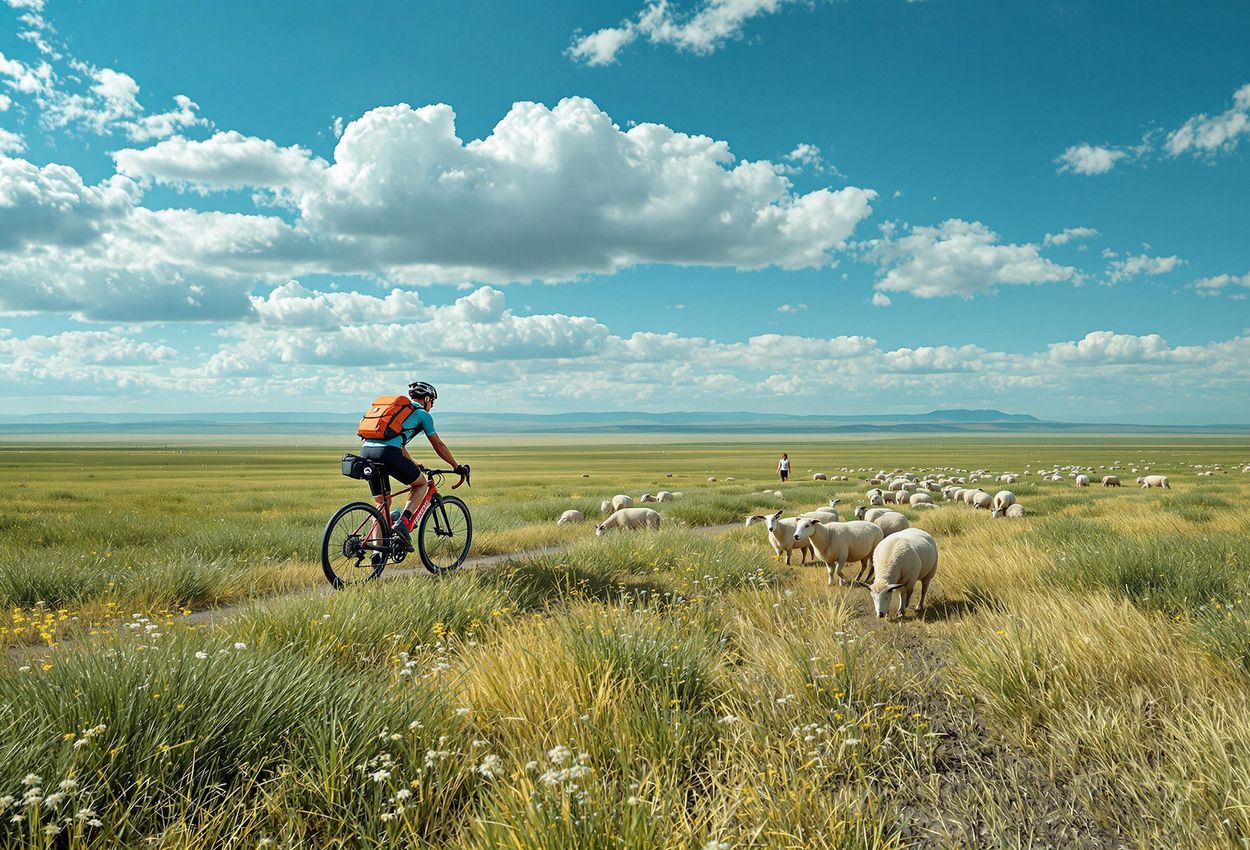
July found me embarking on a challenging bikepacking adventure across the Mongolian steppe. This wasn't a leisurely cycling tour; it was a test of endurance, a journey into the heart of one of the world's most remote and sparsely populated regions. We had a support vehicle to carry our gear and provide meals, a welcome luxury in this unforgiving environment. The days were long and arduous, the roads unpaved and often nonexistent. We cycled for hours under the relentless sun, the wind whipping across the vast, open landscape, the only sound the whirring of our tires and the occasional bleating of sheep. The scenery was stark but beautiful: endless grasslands stretching as far as the eye could see, dotted with nomadic herders and their grazing livestock.
We stayed in traditional ger camps, circular felt tents that have been the homes of nomadic Mongolians for centuries. The hospitality of the Mongolian people was truly remarkable. They welcomed us into their gers, shared their food and drink, and regaled us with stories of their lives and traditions. Despite the harsh conditions, they were always cheerful and generous, their spirit unoken by the challenges of their environment. One of the highlights of the trip was our visit to the Gobi Desert, a vast expanse of sand and rock that stretches across southern Mongolia. The desert was a place of profound solitude and beauty, the silence oken only by the whisper of the wind and the occasional cry of a bird. Riding through this desolate landscape, I felt a sense of freedom and liberation that I had never experienced before.
August: Trekking the Selvaggio Blu in Sardinia
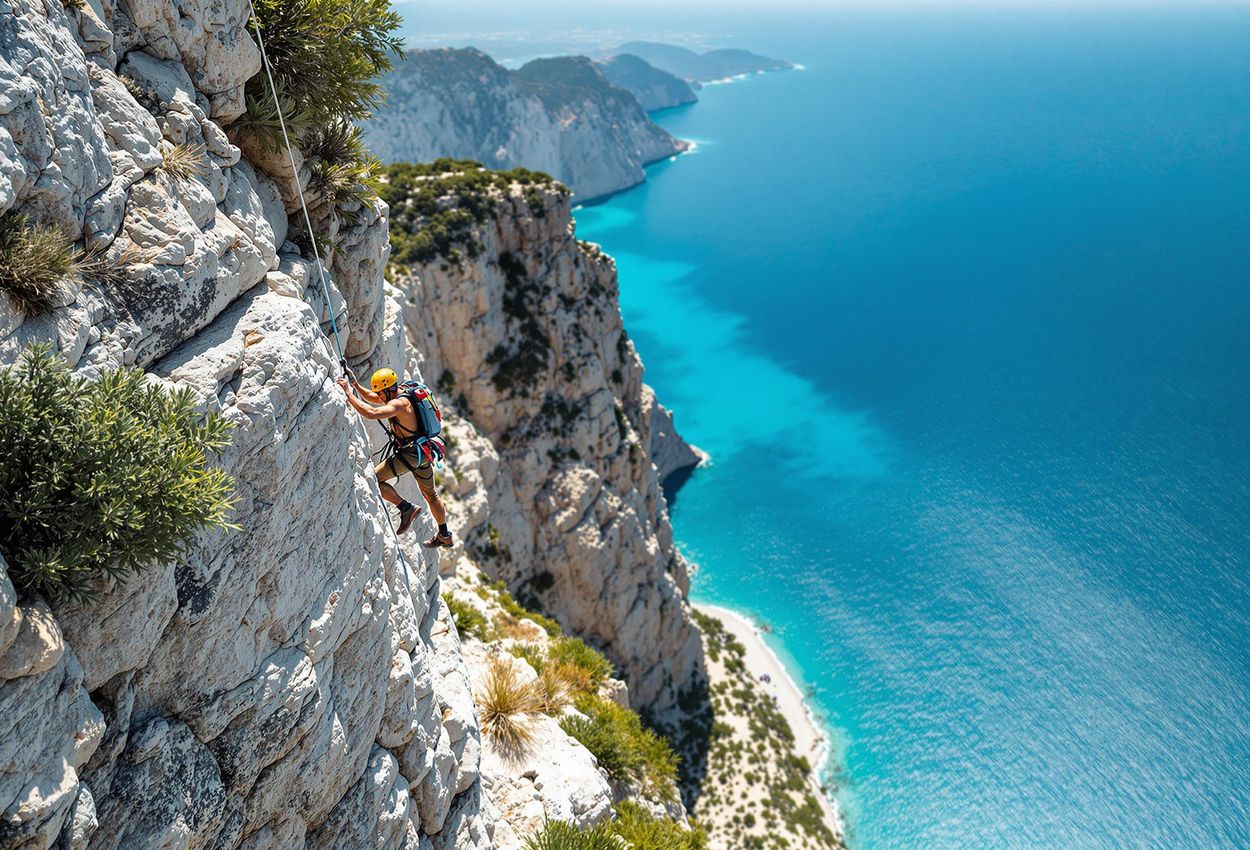
August led me to the rugged coastline of Sardinia, Italy, to tackle the Selvaggio Blu, a legendary trekking route known for its challenging terrain and eathtaking views. This wasn't a leisurely hike; it was a demanding adventure that required climbing, rappelling, and a good head for heights. The trail followed the coastline, winding its way along sheer cliffs, through dense forests, and across rocky beaches. Each day was a test of physical and mental endurance, but the rewards were immeasurable. The views of the Mediterranean Sea were simply stunning, the water shimmering in a thousand shades of blue and green. The scent of wild herbs and pine filled the air, and the sound of the waves crashing against the rocks was a constant companion.
The Selvaggio Blu is not for the faint of heart. It requires a high level of fitness, technical skills, and a willingness to emace the unknown. But for those who are up for the challenge, it offers an unforgettable experience, a chance to connect with nature on a deep and profound level. Evenings were spent camping under the stars, savoring the simple pleasures of life: a warm meal, a comfortable sleeping bag, and the camaraderie of fellow trekkers. We also had the opportunity to sample the local cuisine, indulging in Sardinian specialties like pane carasau (a thin, crispy ead) and pecorino sardo (a sheep's milk cheese).
September: Diving Deep into Sri Lanka's Shipwrecks
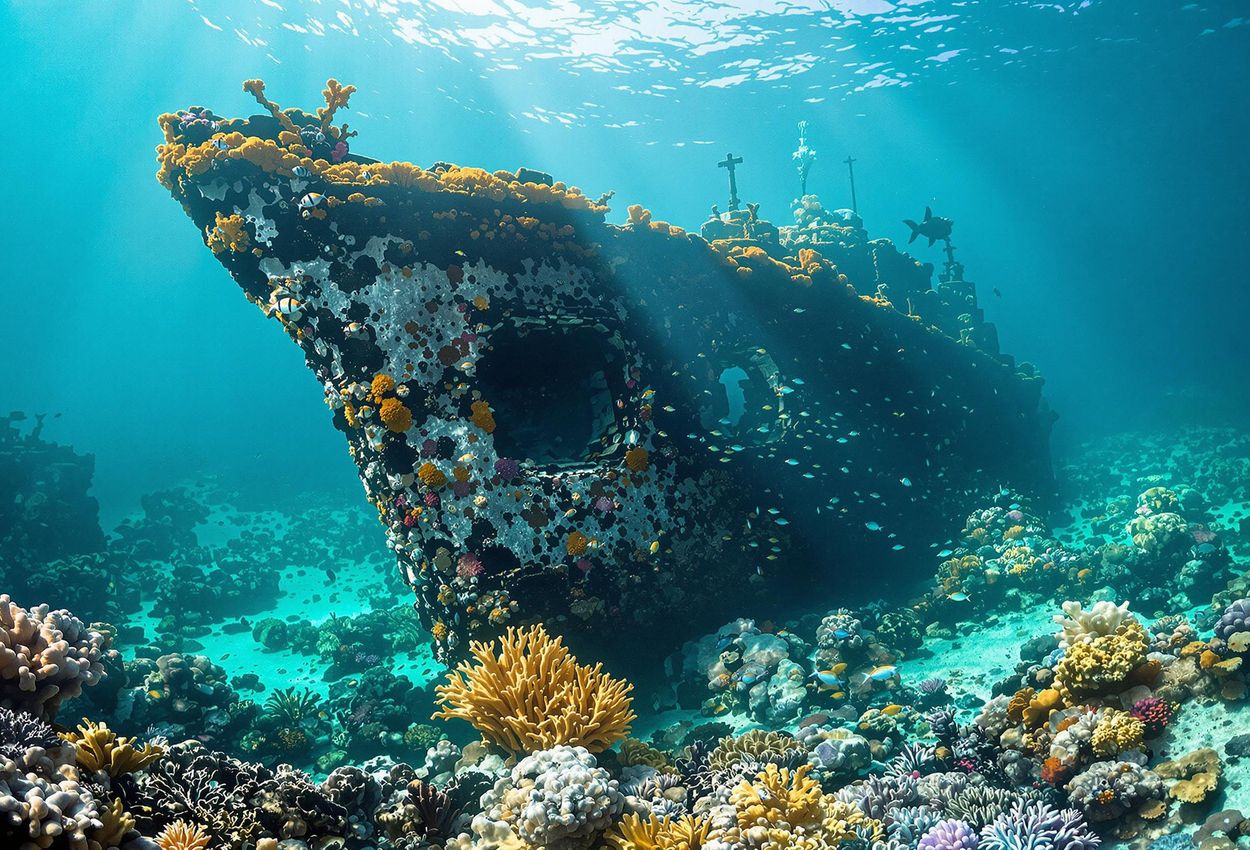
September plunged me into the depths of the Indian Ocean off the coast of Sri Lanka, to explore the underwater world of shipwrecks. This wasn't just recreational diving; it was technical diving, a demanding discipline that requires specialized equipment and training. Our target was the HMS Hermes, a itish aircraft carrier sunk during World War II. The wreck lies at a depth of over 50 meters, making it accessible only to experienced technical divers. Descending into the depths, the water grew darker and colder, the pressure increasing with each meter. The muffled sounds of the surface world faded away, replaced by the eerie silence of the deep. As we approached the wreck, it loomed out of the darkness like a ghostly apparition. The ship was covered in coral and teeming with marine life: schools of colorful fish, sea turtles, and even the occasional shark. Giant moray eels made their homes within the ship's structure.
Exploring the wreck of the HMS Hermes was a truly surreal experience. Swimming through the ship's corridors, peering into its cabins, and imagining the lives of the sailors who once served on board was both fascinating and humbling. The wreck is a time capsule, a window into a bygone era. It's also a reminder of the fragility of life and the power of the sea. The HMS Hermes has become an artificial reef, a haven for marine life, and a testament to the resilience of nature. After the dive, we enjoyed the luxurious accommodations at a nearby resort, reflecting on the incredible experience and the importance of preserving these underwater treasures.
October: Experiencing the Lewa Safari Marathon in Kenya
October combined adventure and conservation as I participated in the Lewa Safari Marathon in Kenya. This wasn't just a marathon; it was a unique opportunity to run through a wildlife conservancy, surrounded by elephants, giraffes, and other African animals. The race took place in the Lewa Wildlife Conservancy, a protected area that is home to a diverse array of wildlife. Running through this landscape was an unforgettable experience, a chance to connect with nature on a deep and profound level. The challenges were numerous: the altitude, the heat, and the ever-present possibility of encountering a wild animal. But the rewards were even greater: the stunning scenery, the sense of accomplishment, and the knowledge that we were supporting wildlife conservation.
The Lewa Safari Marathon is more than just a race; it's a celeation of conservation and community. The event raises money for the Lewa Wildlife Conservancy, which works to protect wildlife and support local communities. By participating in the marathon, we were contributing to this important cause. After the race, we spent a few days exploring the conservancy, staying in luxurious safari lodges and enjoying traditional safari experiences. We saw lions, elephants, giraffes, and many other animals in their natural habitat. It was a truly magical experience, a reminder of the beauty and fragility of the natural world.

November: Ice Swimming in Iceland's Silfra Fissure
November ought me to the icy waters of Iceland's Silfra Fissure, for an ice swimming adventure. This wasn't just a swim; it was a plunge into the crystal-clear waters between the North American and Eurasian tectonic plates. The Silfra Fissure is a unique geological feature, a crack in the earth where the two tectonic plates meet. The water is incredibly clear, with visibility of over 100 meters. It's also incredibly cold, with a temperature of just 2-4 degrees Celsius. Swimming in this water requires specialized equipment, including a dry suit and thermal underlayers. The sensation of swimming in this water is unlike anything else. The water is so clear that it feels like you're floating in air. The underwater landscape is otherworldly, with towering rock formations and viant blue hues. The feeling of being suspended between two continents is both exhilarating and humbling.
Ice swimming in the Silfra Fissure is not for the faint of heart. It requires a willingness to emace the cold and a sense of adventure. But for those who are up for the challenge, it offers an unforgettable experience, a chance to connect with nature in a unique and profound way. After the swim, we warmed up with hot chocolate and reflected on the incredible experience. We also had the opportunity to explore other Icelandic adventures, such as glacier hiking and Northern Lights viewing.

December: Summiting Aconcagua, the Stone Sentinel
The year culminated in a challenging ascent of Aconcagua, the highest peak in the Americas, located in Argentina. This wasn't just a climb; it was a test of physical and mental endurance, a final push to the limits of my capabilities. The preparation for such an expedition was rigorous, involving months of training, acclimatization, and gear preparation. The climb itself was arduous, with long days of trekking, high altitude, and extreme weather conditions. We opted for luxurious base camp services, which provided us with comfortable accommodations, gourmet meals, and experienced guides. The views of the Andes were simply eathtaking, the snow-capped peaks stretching as far as the eye could see. But the climb was also fraught with challenges. We faced extreme weather conditions, including high winds and freezing temperatures. One day, a blizzard trapped us in our tents for hours, forcing us to ration our food and water. But we persevered, drawing strength from each other and from our shared goal.
Reaching the summit of Aconcagua was an emotional experience. Standing atop the highest peak in the Americas, the world spread out before me, I felt a sense of accomplishment and gratitude. The year-long journey of extreme adventures had come to an end, but the memories and the lessons learned would last a lifetime. Upon returning to Mendoza, we celeated our success with a traditional Argentinian steak, savoring the flavors and reflecting on the incredible journey we had undertaken.

As the year drew to a close, I found myself transformed. The challenges I had faced, the obstacles I had overcome, had forged me into a stronger, more resilient, and more appreciative human being. The world had become my classroom, and adventure my teacher. And as I looked ahead to the future, I knew that this was just the beginning of my journey, a journey that would continue to push me beyond my comfort zone and into the realm of the extraordinary.