In an era defined by environmental consciousness, the travel industry is witnessing a profound shift towards sustainability. Leading this transformation are eco-lodges, havens of responsible tourism that prioritize the well-being of our planet and its people. These innovative establishments are not just places to stay; they are catalysts for positive change, demonstrating that luxury and environmental stewardship can coexist harmoniously.
Defining Eco-Lodges: A Sustainable Haven
Eco-lodges represent a commitment to minimizing environmental impact, supporting local communities, and utilizing renewable resources. They are more than just hotels; they are immersive experiences that connect travelers with nature while fostering a deep respect for the environment. Key characteristics include sustainable building materials, energy-efficient operations, waste reduction programs, and a dedication to preserving the natural surroundings.
The core principles of ecotourism, as defined by the UN Environment Program and UN World Tourism Organization, guide the operations of these lodges. These principles emphasize minimizing negative impacts on the environment and local culture, contributing to the conservation of natural and cultural heritage, and providing economic opportunities for local communities. Eco-lodges embody these principles, offering a model for sustainable tourism that benefits all stakeholders.
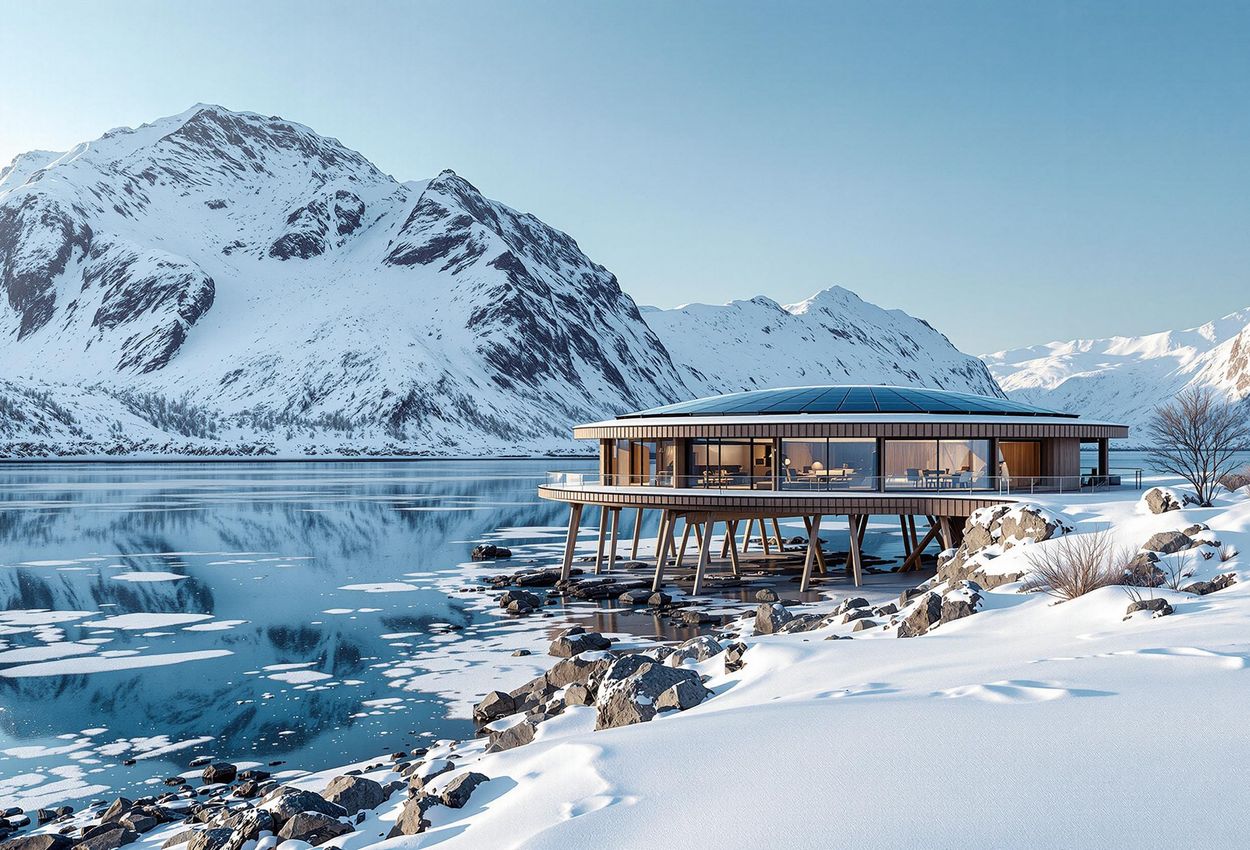
Around the world, exemplary eco-lodges are setting new standards for sustainable travel. Svart in Norway, for example, is poised to be a groundeaking energy-positive hotel above the Arctic Circle, generating more energy than it consumes. Pacuare Lodge in Costa Rica offers a remote rainforest experience, accessible only by raft or horseback, with a strong focus on conservation and community engagement. Mashpi Lodge in Ecuador provides a luxurious immersion in the cloud forest, with extensive research and conservation programs.
Environmental Benefits: Protecting Our Planet
The environmental advantages of eco-lodges are manifold. One of the most significant is the reduction of carbon footprint through the use of renewable energy sources. Many eco-lodges rely on solar power, wind energy, and hydropower to meet their energy needs, minimizing their reliance on fossil fuels. Lady Elliot Island Eco Resort in Australia, for instance, operates a hyid solar power station, significantly reducing its carbon emissions.
Water conservation is another critical aspect of eco-lodge operations. Rainwater harvesting is a common practice, capturing rainwater for use in irrigation, laundry, and toilet flushing. Greywater recycling systems treat wastewater from showers and sinks, allowing it to be reused for non-potable purposes. These measures significantly reduce the demand on local water resources, particularly in water-scarce regions.
Waste reduction is also a priority, with eco-lodges implementing comprehensive composting and recycling programs. Organic waste is composted and used to enrich the soil in gardens and landscaping, while recyclable materials are sorted and sent to recycling facilities. By minimizing waste sent to landfills, eco-lodges reduce pollution and conserve valuable resources.
Beyond reducing their own environmental impact, many eco-lodges actively engage in habitat preservation and biodiversity protection. Reforestation projects are common, with lodges planting native trees to restore degraded areas and create wildlife corridors. Wildlife conservation programs protect endangered species and their habitats, often involving research, monitoring, and anti-poaching efforts. For example, several lodges in the Amazon rainforest partner with local communities to protect jaguars and other iconic species.

Community Impact: Empowering Local Economies
Eco-lodges play a vital role in the economic development of local communities. By creating jobs for local residents, they provide opportunities for economic empowerment and improve livelihoods. These jobs range from guides and hospitality staff to artisans and farmers, providing diverse employment opportunities for people of all skill levels.
Sourcing local materials is another way that eco-lodges support local economies. By purchasing food, building materials, and handicrafts from local suppliers, they stimulate economic activity and reduce the environmental impact of transportation. This also helps to preserve traditional crafts and skills, ensuring that local cultures thrive.
Many eco-lodges have successfully partnered with indigenous communities, creating mutually beneficial relationships that respect cultural traditions and promote sustainable development. Rewa Lodge in Guyana, for example, is owned and operated by the indigenous Rewa community, providing visitors with an authentic cultural experience while generating income for the community. Kapawi Eco Lodge in Ecuador is another example of a successful partnership, with the lodge being managed by the indigenous Achuar people.
Revenue generated from eco-tourism is often reinvested in local infrastructure, education, and healthcare. This can include building schools, providing scholarships, improving healthcare facilities, and supporting community development projects. By investing in the well-being of local communities, eco-lodges contribute to long-term sustainable development.
I spoke with Maria Rodriguez, a community leader from a village near Pacuare Lodge. She emphasized the positive impact of the lodge on her community.
u201cThe lodge has provided jobs for many of our young people, allowing them to stay in the village and support their families. It has also helped us to improve our school and healthcare clinic. We are grateful for the partnership with the lodge and the opportunities it has created for our community.u201d

Case Studies: Successful Eco-Lodge Models
Numerous eco-lodges around the world serve as inspiring examples of sustainable tourism in action. Lady Elliot Island Eco Resort in Australia, mentioned earlier, is a prime example of a lodge committed to environmental sustainability. In addition to its hyid solar power station, the resort implements a range of other eco-friendly practices, including rainwater harvesting, wastewater treatment, and waste reduction programs. The resort also actively engages in marine conservation, protecting the surrounding coral reef and its diverse marine life.
Finca Rosa Blanca in Costa Rica is another outstanding example of a successful eco-lodge. This boutique hotel is committed to environmental and social responsibility, implementing a range of sustainable practices. The hotel uses organic farming methods, grows its own coffee, and supports local artisans. It also offers educational tours and workshops on sustainable living.
Another notable example is Three Camel Lodge in Mongolia. This luxury lodge is built in the traditional Mongolian style, using sustainable materials and construction techniques. The lodge is powered by solar energy and implements a range of water conservation measures. It also supports local communities by employing local staff and purchasing local products.
These case studies demonstrate that eco-lodges can be both environmentally sustainable and economically viable. By implementing innovative practices and engaging with local communities, they offer a model for responsible tourism that benefits both our planet and its people.

As the demand for sustainable travel continues to grow, eco-lodges are poised to play an increasingly important role in the tourism industry. By prioritizing environmental stewardship and community empowerment, they offer a compelling alternative to traditional hotels and resorts. For travelers seeking authentic and responsible experiences, eco-lodges provide a unique opportunity to connect with nature, support local communities, and make a positive impact on the world.