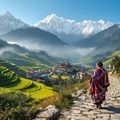
The Annapurna Circuit, a legendary trek through the heart of the Nepalese Himalayas, beckons adventurers with its eathtaking landscapes, diverse cultures, and challenging trails. This comprehensive guide provides everything you need to plan your odyssey, from securing permits to acclimatizing to the high altitudes, ensuring an unforgettable journey through this majestic region.
Gearing Up for Adventure: Permits and Paperwork
Before embarking on your Annapurna Circuit adventure in 2025, securing the necessary permits is paramount. The Annapurna Conservation Area Permit (ACAP) is essential for all trekkers. This permit contributes to the conservation efforts within the Annapurna Conservation Area.
You can obtain the ACAP permit in either Kathmandu or Pokhara. In Kathmandu, the Tourism Board office is the primary issuing authority, while in Pokhara, several trekking agencies can assist with the process. It's also possible to obtain the ACAP at entry points to the conservation area, though this may involve longer wait times. For foreigners, the ACAP costs approximately USD 30. SAARC (South Asian Association for Regional Cooperation) nationals are eligible for a discounted rate.
A significant change came into effect on April 1, 2023: the Trekkers' Information Management System (TIMS) card is no longer required for trekking in Nepal. This simplifies the permit process, removing a layer of bureaucracy for trekkers.
Packing appropriately is crucial for a comfortable and safe trek. Consider these essential items:
- Backpack: Osprey Stratos 50 u2013 Offers excellent support and ventilation.
- Sleeping Bag: Rated to -20°C u2013 Essential for warmth at high altitudes.
- Hiking Boots: Well oken-in to prevent blisters.
- Hiking Shirts: Iceeaker Tech Lite II u2013 Merino wool for moisture-wicking and odor control.
- Hiking Pants: Columbia Silver Ridge u2013 Lightweight and quick-drying.
- Wool Socks: Darn Tough Merino Wool u2013 Durable and comfortable.
- Fleece Jacket: Columbia Steens Mountain u2013 For layering in colder conditions.
- Rain Jacket: Outdoor Research Men's Helium u2013 Lightweight and waterproof.
- Down Jacket: Mountain Hardwear Ghost Whisperer u2013 Provides excellent warmth for its weight.
- Thermal Layers: For added warmth in extreme cold.
Additionally, beginning in 2025, all climbers attempting peaks above 8,000 meters will be required to carry GPS tracking devices. This measure aims to improve climber safety and facilitate rescues in emergency situations.
When to Go: Timing Your Himalayan Odyssey
The best times to trek the Annapurna Circuit are during the spring (Feuary to May) and autumn (September to early December) seasons. These periods offer the most favorable weather conditions, with clear skies and moderate temperatures.
During the spring, temperatures range from 15°C to 25°C at lower elevations, gradually decreasing as you ascend. Rainfall is minimal, and visibility is excellent, allowing for stunning views of the surrounding peaks. The spring season also ings the viant rhododendron blooms, painting the hillsides in a riot of color.
Autumn offers similar conditions, with clear skies and moderate temperatures. Rainfall is less likely than in spring, making it another ideal time for trekking. The post-monsoon landscape is lush and green, providing a refreshing contrast to the stark mountain scenery.
Trekking during the winter season (December to March) is possible, but it presents significant challenges. Temperatures can plummet to well below freezing, especially at higher altitudes. The Thorong La Pass may be closed due to heavy snowfall, and avalanches are a potential hazard. If you choose to trek during winter, be prepared with extra layers of clothing, a sleeping bag rated to -20°C, and crampons for icy conditions.
The monsoon season (June to August) is generally not recommended for trekking due to heavy rainfall, landslides, and poor visibility. Trails can become slippery and dangerous, and the risk of encountering leeches is high.
The Cultural Heartbeat: Villages and People Along the Trail
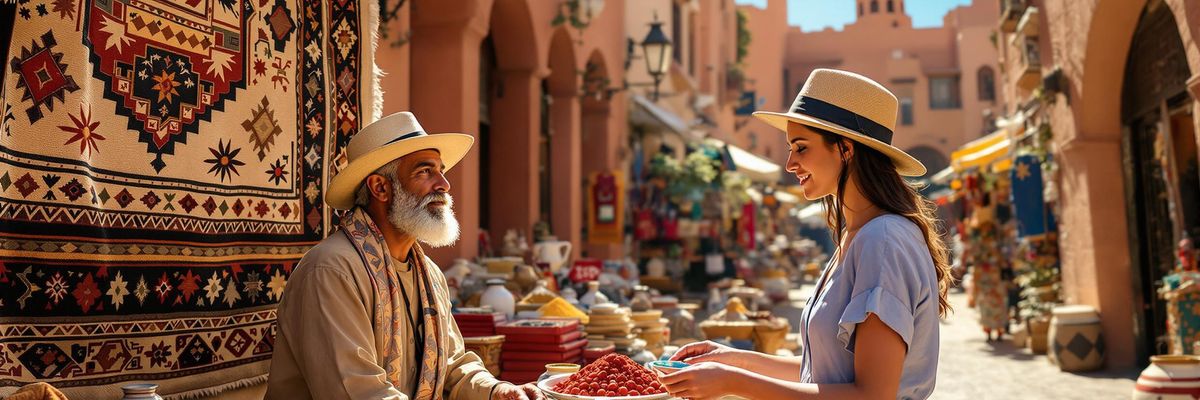
The Annapurna Circuit is not just a trek through stunning landscapes; it's also a journey through diverse cultures. The trail winds through villages inhabited by the Gurung, Thakali, and Tibetan communities, each with its unique traditions and customs.
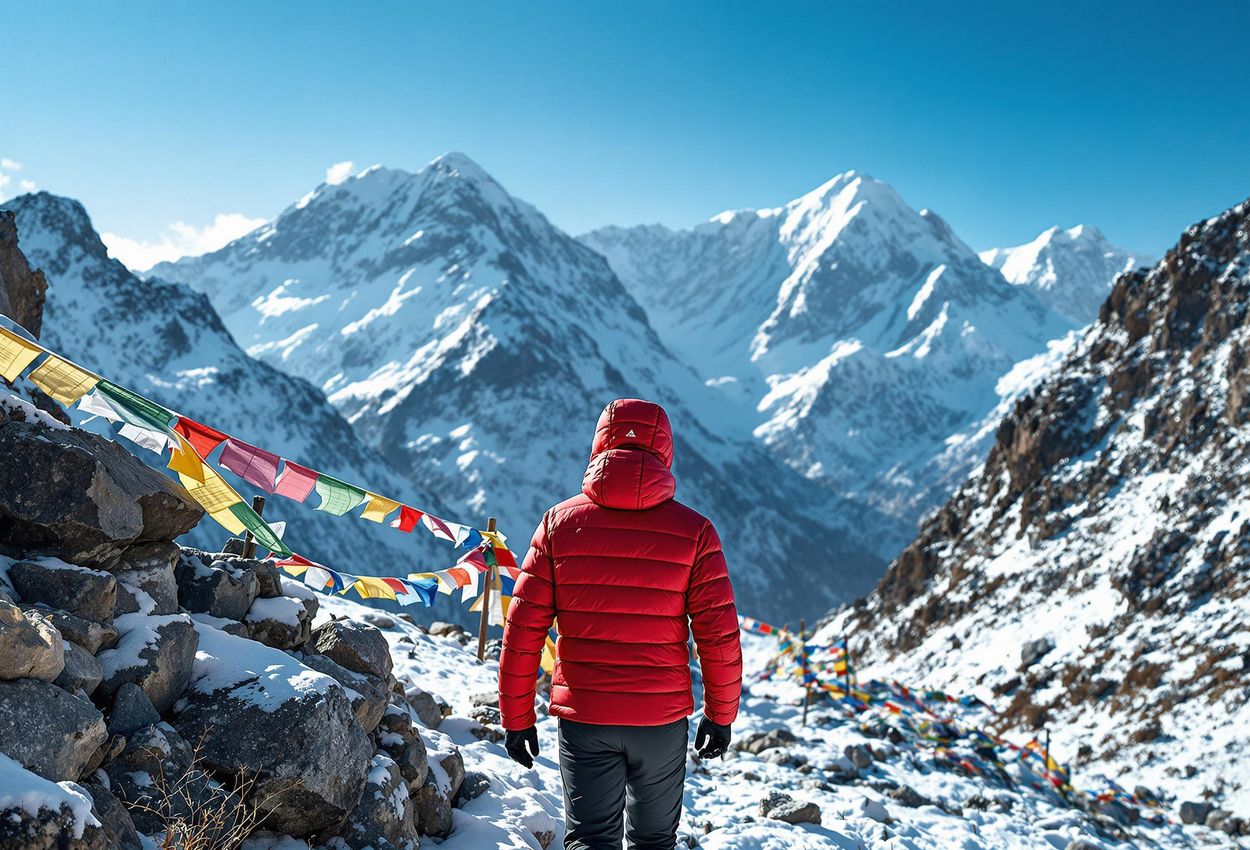
The region is steeped in spirituality, with numerous Buddhist monasteries, chortens (stupas), and prayer flags dotting the landscape. These sacred sites offer a glimpse into the deep religious beliefs of the local people. Take time to spin the prayer wheels and soak in the peaceful atmosphere.
Village life in Manang and Marpha offers a fascinating insight into traditional agricultural practices and local rituals. Observe farmers tending their fields, witness the preparation of local delicacies, and perhaps even participate in a local festival.
Opportunities abound to witness viant festivals like Mani Rimdu and Tihar, depending on the time of year. These festivals are a celeation of life and culture, with colorful costumes, traditional music, and elaborate rituals.
No cultural immersion is complete without sampling the local cuisine. Dal Bhat, a lentil soup served with rice and vegetables, is a staple dish along the Annapurna Circuit. Teahouse hospitality is legendary, with warm smiles and friendly service greeting trekkers at every stop.

Acclimatization is Key: Staying Healthy at High Altitudes
Acclimatization is the most crucial aspect of trekking at high altitudes. Altitude sickness, also known as acute mountain sickness (AMS), can be a serious and potentially life-threatening condition. Preventing AMS requires a gradual ascent and allowing your body time to adjust to the decreasing oxygen levels.
The principle of 'climb high, sleep low' is essential. This means ascending to a higher altitude during the day but returning to a lower altitude to sleep. This allows your body to acclimatize without being subjected to prolonged exposure to high altitude.
Manang is an ideal acclimatization stop. Spend an extra day or two in Manang, taking short hikes to higher elevations and returning to the village to sleep.
Staying hydrated is also crucial. Aim to drink 3-5 liters of water daily. Eating nutritious meals is equally important. Avoid alcohol and smoking, as these can exacerbate the effects of altitude sickness.
Recognize the symptoms of altitude sickness, which include headache, nausea, fatigue, and shortness of eath. If symptoms worsen, descend immediately. Ignoring altitude sickness can lead to serious complications, such as pulmonary edema (fluid in the lungs) or cereal edema (fluid on the ain).
Medications like Diamox (acetazolamide) and Nifedipine can help prevent or treat altitude sickness. Consult with your doctor before your trek to determine if these medications are right for you.
Teahouse Trekking: Your Home Away From Home
The Annapurna Circuit is renowned for its teahouse trekking experience. Teahouses are simple guesthouses that provide accommodation and meals for trekkers. They are a quintessential part of the trekking culture in Nepal, offering a unique opportunity to connect with local families and experience their way of life.
Teahouse accommodation is generally very affordable, typically costing around NPR 400 (approximately US$3) per night for a twin-share bedroom. The bedrooms are basic, with mattresses, sheets, pillows, and blankets provided. Electricity, Wi-Fi, and charging points are often available, though they may come with an extra fee.
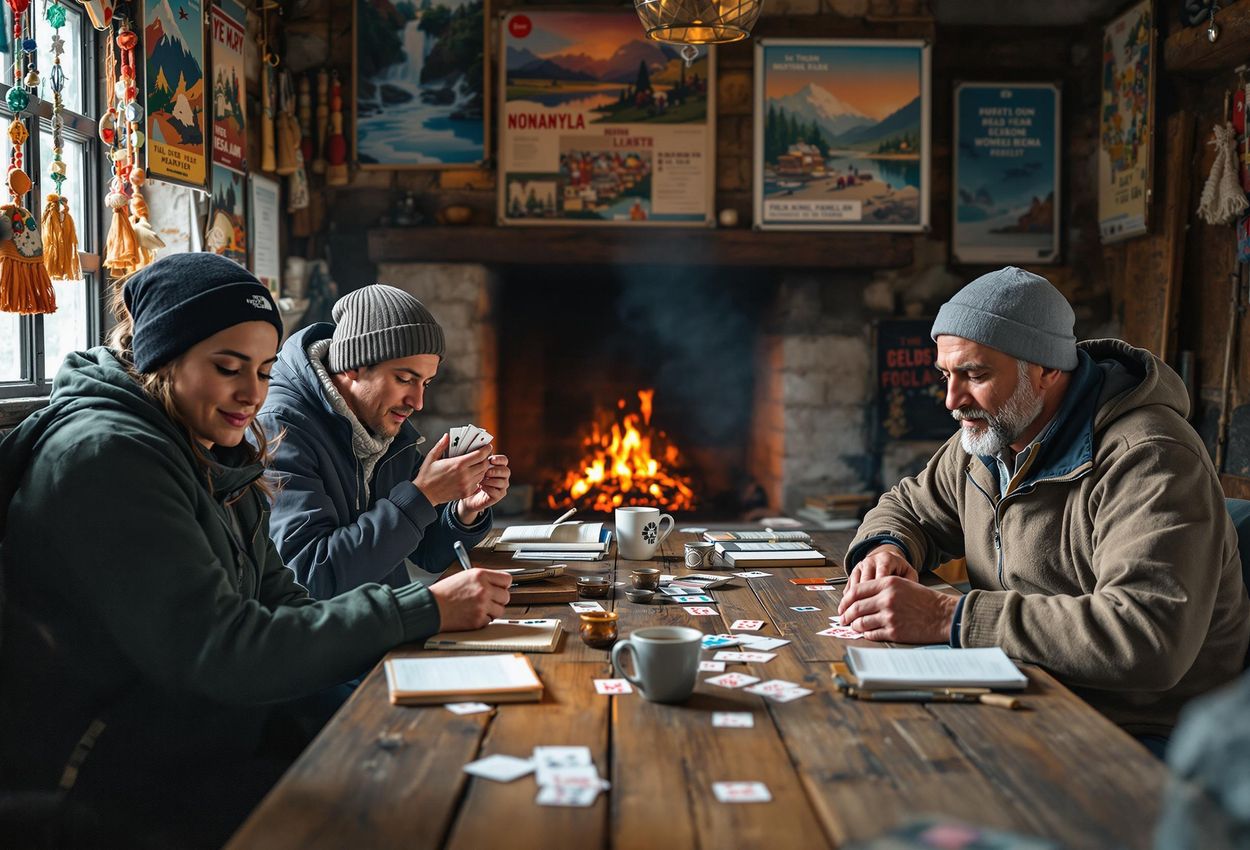
Teahouse common rooms are cozy and social spaces where trekkers gather to share stories, play cards, and warm themselves by the fire. These common rooms are the heart of the teahouse experience, fostering a sense of community among trekkers from all over the world.
It is customary and often expected to purchase your meals at the teahouse where you stay. This helps support the local economy and ensures that teahouse owners can continue to provide affordable accommodation. Be aware that the cost of meals tends to increase at higher altitudes due to the increased transportation costs.
Tent stays are not common or particularly well-suited for treks like the Annapurna Circuit, as the teahouse network provides ample accommodation options. Camping is generally discouraged to minimize environmental impact.
Thorong La Pass: Conquering the Roof of the Circuit
Thorong La Pass, at an elevation of 5,416 meters (17,769 feet), is the highest point on the Annapurna Circuit and a formidable challenge for trekkers. Crossing the pass requires significant effort and determination, but the reward is a eathtaking panoramic view of the surrounding Himalayan peaks.
The air is thin at this altitude, and the ascent is steep. Proper acclimatization and pacing are essential to avoid altitude sickness. Start early in the morning to avoid the afternoon winds that can make the crossing even more difficult.
The views from the pass are simply stunning. To the north, you can see the snow-capped peaks of the Damodar Himal, while to the south, the Annapurna range dominates the horizon.
The descent from Thorong La Pass to Muktinath is long and steep. Take your time and be careful of your footing. The terrain can be rocky and uneven.
Depending on the time of year, there may be snow or ice on the pass. Yaktrax or microspikes can provide extra traction and prevent slips and falls.
Maps and Milestones: Charting Your Course
The Annapurna Circuit trek typically starts at Besisahar, at an elevation of 760 meters. From there, the trail winds its way through valleys, over ridges, and across high mountain passes, culminating at Thorong La Pass (5,416 meters).
Key stops along the way include Chame, Pisang, Manang, Yak Kharka, Thorong Phedi, and Muktinath. Each of these villages offers unique cultural experiences and stunning views.
The distance between each stop varies, but a typical day of trekking involves walking for 5-7 hours. Elevations also vary, so it's important to pace yourself and allow for acclimatization.
A side trip to Tilicho Lake, one of the highest lakes in the world, is highly recommended. The lake is located at an altitude of 4,919 meters and offers eathtaking views of the surrounding peaks.
It's important to note that new roads have been constructed in recent years, which have shortened the trek for some. However, these roads can also detract from the wilderness experience. Many trekkers choose to avoid the roads by taking alternative trails.

Packing Smart: Essential Gear for the Annapurna Trail
Packing the right gear is essential for a comfortable and safe trek on the Annapurna Circuit. Here's a detailed packing list:
- Backpack: Osprey Stratos 50 (or similar) u2013 Choose a comfortable and supportive backpack with a capacity of around 50 liters.
- Sleeping Bag: Rated to -20°C u2013 Essential for warmth at high altitudes.
- Hiking Boots: Well oken-in u2013 Choose sturdy hiking boots that provide good ankle support and are already oken in to prevent blisters.
- Hiking Shirts: Iceeaker Tech Lite II (or similar) u2013 Pack several moisture-wicking hiking shirts made from merino wool or synthetic faic.
- Hiking Pants: Columbia Silver Ridge (or similar) u2013 Choose lightweight and quick-drying hiking pants.
- Wool Socks: Darn Tough Merino Wool (or similar) u2013 Pack several pairs of durable and comfortable wool socks.
- Fleece Jacket: Columbia Steens Mountain (or similar) u2013 For layering in colder conditions.
- Rain Jacket: Outdoor Research Men's Helium (or similar) u2013 A lightweight and waterproof rain jacket is essential for protection from the elements.
- Down Jacket: Mountain Hardwear Ghost Whisperer (or similar) u2013 Provides excellent warmth for its weight.
- Thermal Layers: Pack thermal underwear for added warmth in extreme cold.
- Sunglasses, Sunscreen, and Hat: Essential for protection from the sun at high altitudes.
For a more comprehensive packing list, consult resources like Guy On The Road's packing list.
Hiring a Guide: Safety, Support, and Cultural Connection
As of 2025, hiring a guide is mandatory for trekking the Annapurna Circuit. This new regulation aims to improve the safety of trekkers and promote responsible tourism.
Guides provide invaluable safety benefits, including navigation, emergency management, and knowledge of local conditions. They can also help you acclimatize properly and avoid altitude sickness.
Guides possess local expertise and cultural awareness, enriching your trekking experience. They can translate for you, explain local customs, and introduce you to local people.
Guide costs typically range from USD 45 to USD 65 per day, depending on their experience and qualifications. Porters can also be hired to carry heavy loads, allowing you to trek more comfortably.
When selecting a guide, consider their experience, language skills, and knowledge of the region. Ensure that they are licensed and insured. A good guide can make all the difference in ensuring a safe and enjoyable trek.

Budgeting for the Himalayas: Costs and Considerations
Budgeting for the Annapurna Circuit trek requires careful planning. Here's a cost eakdown:
- Permit Costs: ACAP permit costs approximately USD 30 for foreigners.
- Accommodation Costs: Teahouse accommodation costs range from USD 3 to USD 10 per night.
- Food and Drink Costs: Expect to spend USD 15-20 per day on food and drinks.
- Guide and Porter Costs: Guide costs range from USD 45-65 per day. Porter costs are similar.
- Transportation Costs: Transportation to and from the trailhead can vary depending on your mode of transport.
Solo trekking costs typically range from USD 699 to $899 for a 10-15 day trek. This includes permits, accommodation, food, and transportation.
Gear rentals are available in Kathmandu and Pokhara. You can rent sleeping bags, down jackets, and other essential gear.
The Annapurna Circuit is more than just a trek; it's an immersive experience that will stay with you long after you've returned home. With careful planning and preparation, you can embark on an unforgettable journey through the heart of the Himalayas.