The world of adventure travel is constantly evolving, driven by changing traveler preferences, technological advancements, and a growing awareness of environmental and social responsibility. As we move further into 2025, several key trends are reshaping the landscape, offering exciting new opportunities for both travelers and the industry.
From Gen Z's quest for authentic experiences to the rise of sustainable adventures and tech-enhanced journeys, here's a glimpse into what's on the horizon for adventure travel.
Emacing the 'Play' in Travel: Gen Z's Quest for Authentic Experiences
Gen Z, the generation born between the late 1990s and early 2010s, is redefining travel with its emphasis on authentic experiences and a playful approach to exploration. These travelers aren't content with passively observing; they want to actively engage with the local culture, participate in unique activities, and create lasting memories. This 'play' tourism manifests in various forms, from immersive cultural tours to sports-related travel and interactive entertainment experiences.
One compelling example is the rise of culinary tourism, where travelers delve into the local food scene through cooking classes, food tours, and farm-to-table dining experiences. In Kyoto, Japan, companies like Oku Japan offer Culinary Heritage tours that provide an intimate glimpse into the region's rich gastronomic traditions. Participants learn to prepare traditional dishes, visit local markets, and sample regional specialties, fostering a deeper appreciation for Japanese culture. 
Sports-related travel is another area where Gen Z's playful spirit shines. Major sporting events, such as the Olympics, the World Cup, and the Super Bowl, are attracting a younger demographic eager to combine their passion for sports with the thrill of travel. These travelers often seek out unique experiences beyond the stadium, exploring the local culture, participating in adventure activities, and connecting with fellow fans from around the world.
Furthermore, Gen Z travelers are increasingly drawn to interactive entertainment experiences, such as escape rooms, theme parks, and immersive theater productions. These activities offer a chance to step outside of their comfort zones, challenge their problem-solving skills, and create shared memories with friends and family. By emacing the 'play' in travel, Gen Z is fostering deeper connections with local communities and forging a more authentic and meaningful travel experience.
Sustainable Adventures: Eco-Conscious Exploration Takes Center Stage
As environmental awareness grows, sustainable and eco-conscious travel is becoming increasingly important for travelers in 2025. People are now more inclined to choose destinations and activities which endorse environmental health, like environmentally-friendly accommodations and conservation initiatives. Eco-lodges and train journeys are becoming more popular as people try to see the world while reducing their carbon footprint.
Eco-lodges in Costa Rica are prime examples of sustainable accommodations. These lodges are often built with locally sourced materials, use renewable energy sources, and implement waste reduction programs. They also support local communities by providing employment opportunities and purchasing goods and services from local businesses. Travelers who stay at eco-lodges can enjoy a comfortable and immersive experience while minimizing their environmental impact. 
Train journeys through Europe are another sustainable travel option gaining traction. Trains are a more energy-efficient mode of transportation than planes, and they offer a scenic and relaxing way to see the continent. Many train companies are also investing in sustainable practices, such as using renewable energy and reducing waste.
Regenerative tourism is an emerging concept that goes beyond simply minimizing negative impacts and seeks to leave a positive legacy in visited communities. This approach involves actively engaging with local communities, supporting their cultural heritage, and contributing to their economic well-being. Interviewing leaders in sustainable tourism can provide valuable insights into the principles and practices of regenerative tourism.
The Cool-cation Craze: Escaping the Heat in Northern Latitudes
With rising global temperatures, many travelers are seeking refuge in cooler climates, leading to the increasing popularity of 'cool-cations.' Destinations in northern latitudes, such as Iceland, the Baltic States, Scandinavia, and the Faroe Islands, are attracting visitors eager to escape the heat and enjoy a refreshing change of scenery. These destinations offer a unique blend of natural beauty, cultural experiences, and outdoor adventures, making them ideal for travelers seeking a cool and invigorating getaway.
The Faroe Islands, an archipelago located between Iceland and Norway, are a particularly appealing cool-cation destination. With their dramatic landscapes, charming villages, and abundant wildlife, the Faroe Islands offer a unique and unforgettable travel experience. Tour operators like Explore Worldwide offer walking tours that allow visitors to explore the islands' stunning scenery and immerse themselves in the local culture. 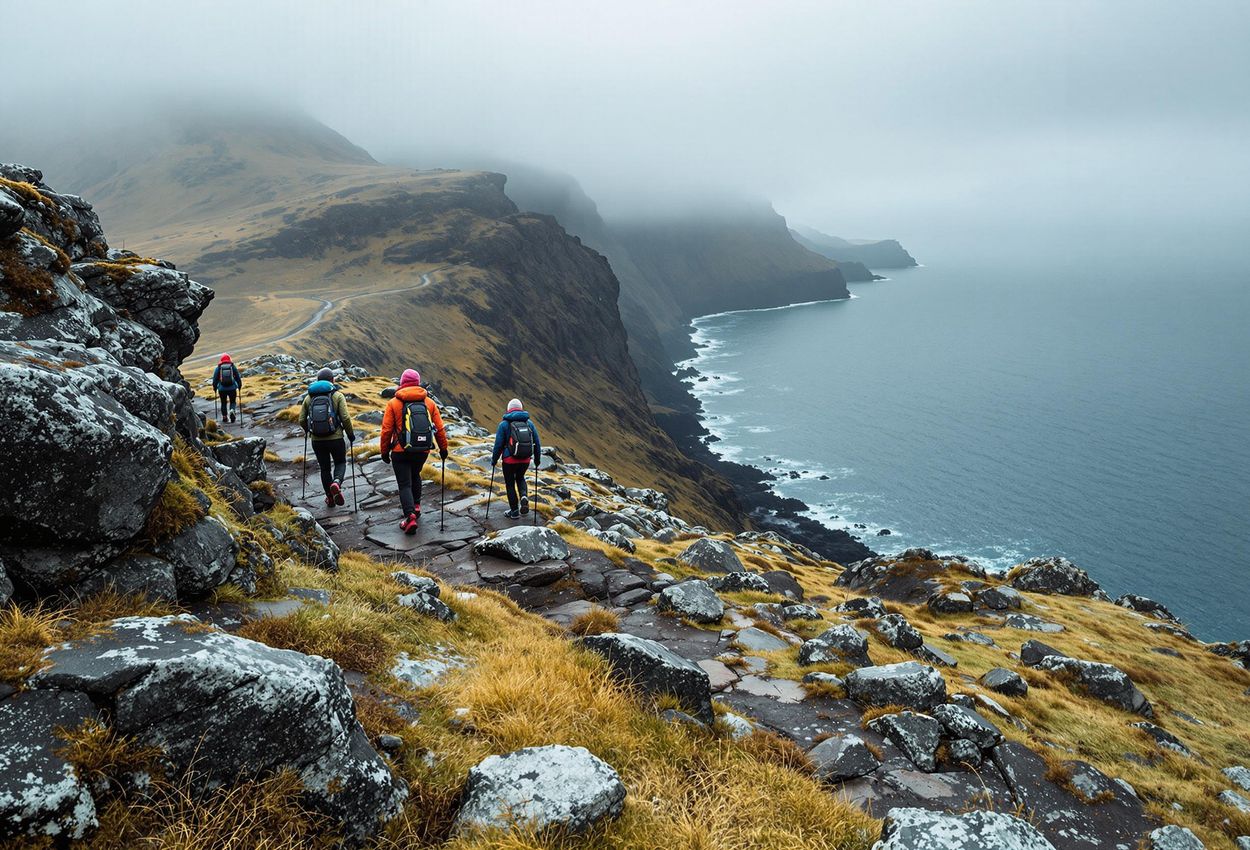
One of the biggest draws of northern latitude destinations is the chance to witness the Northern Lights, also known as the Aurora Borealis. This spectacular natural phenomenon occurs when charged particles from the sun interact with the Earth's atmosphere, creating a mesmerizing display of colors in the night sky. Seeing the Northern Lights is a bucket-list item for many travelers, and destinations like Iceland, Norway, and Finland offer excellent opportunities to witness this eathtaking spectacle.
Cool-cations offer a refreshing alternative to traditional beach vacations, providing travelers with a chance to escape the heat, explore unique landscapes, and experience different cultures. As global temperatures continue to rise, the popularity of cool-cations is likely to increase, making these destinations even more appealing to adventure travelers.
Tech-Enhanced Adventures: AI, VR, and the Personalized Journey
Technology is playing an increasingly significant role in shaping adventure travel, with AI, VR, and wearable devices transforming the way people plan, experience, and share their journeys. These technologies offer the potential to personalize travel itineraries, provide immersive destination previews, and enhance safety and well-being during adventures.
AI is being used to create personalized travel itineraries based on individual preferences, interests, and travel styles. AI-powered travel apps can analyze vast amounts of data, including user reviews, social media posts, and travel blogs, to recommend destinations, activities, and accommodations that are tailored to each traveler's unique needs. This level of personalization can save travelers time and effort, ensuring that they have a truly unforgettable experience.
VR technology is offering travelers the opportunity to preview destinations before they even arrive. VR headsets can transport users to far-off lands, allowing them to explore ancient ruins, hike through lush rainforests, and swim in crystal-clear waters. These immersive experiences can help travelers make informed decisions about their travel plans, and they can also build excitement and anticipation for their upcoming adventures. 
Wearable devices, such as smartwatches and fitness trackers, are providing travelers with valuable health monitoring capabilities. These devices can track heart rate, sleep patterns, and activity levels, providing travelers with insights into their physical well-being. In case of an emergency, wearable devices can also be used to send alerts to emergency contacts, ensuring that travelers receive prompt assistance.
While technology offers numerous benefits for adventure travel, it's important to strike a balance between technological innovation and authentic human connections. Travelers should be encouraged to disconnect from their devices and engage with the local culture, interact with local people, and appreciate the natural beauty of their surroundings.
Accessible Adventures: eaking Barriers and Emacing Inclusive Travel
The adventure travel industry is becoming increasingly inclusive, with a growing focus on providing accessible travel options for individuals with disabilities. Adaptive equipment, specialized tour operators, and accessible destinations are making it possible for people of all abilities to experience the thrill of adventure travel.
Destinations like Barcelona, Paris, and London are leading the way in inclusive tourism, with accessible transportation, accommodations, and attractions. These cities have invested in infrastructure improvements, such as ramps, elevators, and accessible restrooms, to make it easier for people with disabilities to navigate their streets and enjoy their cultural attractions.
Innovators like Rocky Mountain Adaptive and Bowhead are developing adaptive equipment and tour options that enable people with disabilities to participate in a wide range of adventure activities. Rocky Mountain Adaptive provides adaptive skiing and snowboarding programs, while Bowhead manufactures adaptive mountain bikes that allow people with mobility impairments to explore off-road trails. 
The societal push for inclusivity and the significant spending power of travelers with disabilities are driving the growth of accessible adventure travel. According to World Accessible Holidays, travelers with disabilities represent a significant market segment, and their spending power is expected to increase in the coming years. As the demand for accessible travel options grows, the adventure travel industry is responding with innovative products and services that cater to the needs of all travelers.
In conclusion, the future of adventure travel is ight, with exciting new trends emerging that cater to a diverse range of traveler preferences. Whether it's Gen Z's quest for authentic experiences, the rise of sustainable adventures, the allure of cool-cations, the integration of technology, or the push for inclusive travel, the adventure travel industry is constantly evolving to meet the changing needs of its customers. By emacing these trends, travelers can create unforgettable memories and experience the world in new and meaningful ways.