The allure of adventure destinations is undeniable, drawing travelers from across the globe to experience nature's wonders and cultural treasures. However, this surge in tourism has ought a dark side: overtourism. From the crowded trails of Everest Base Camp to the fragile ecosystems of Machu Picchu, the relentless influx of visitors is straining resources, damaging environments, and disrupting local communities. It's time to confront the crushing weight of crowds and explore sustainable solutions that preserve these precious places for generations to come.
The Crushing Weight of Crowds: When Adventure Becomes a Chore
Imagine arriving at the Everest Base Camp, not to be greeted by the serene majesty of the Himalayas, but by a sea of tents, a cacophony of voices, and a queue to take a photo with the iconic backdrop. This is the reality of overtourism. Places once revered for their tranquility and unspoiled beauty are now struggling under the weight of sheer numbers. The Inca Trail, a pilgrimage for many, now sees a constant stream of hikers, diminishing the sense of solitude and spiritual connection that once defined the experience. Similarly, Machu Picchu, a testament to ancient ingenuity, often feels more like an amusement park than a sacred site, with selfie sticks and tour groups jostling for space.
The sensory overload is palpable. Crowded trails become highways of noise, disrupting the natural soundscape that once allowed for quiet contemplation. The visual impact of litter, discarded plastic bottles, and overflowing bins mars the pristine landscapes. The very essence of adventure u2013 the opportunity to escape the ordinary and connect with nature u2013 is eroded by the relentless presence of others.
I spoke with a local guide, Pasang, who has worked in the Everest region for over a decade. The mountains haven't changed, he said, his voice tinged with sadness, but the experience has. There are so many people now, so much competition. It's harder to find that quiet moment, that connection with the mountains. And the waste...it's a constant battle. His words echo the sentiments of many who witness the degradation of these cherished places firsthand.
The impact isn't just on the traveler; it's on the soul of the destination itself. What was once a transformative journey becomes a stressful, superficial experience, leaving both visitor and place diminished. It's a far cry from the promise of adventure, the allure of the unknown, and the chance to find solace in nature's emace.
Hidden Gem Alternative: Instead of the well-trodden Inca Trail, consider the Lares Trek or the Salkantay Trek in Peru. These less-crowded routes offer equally stunning scenery and a more authentic cultural experience, allowing you to connect with the Andes without the overwhelming crowds.

Nature's eaking Point: Environmental Degradation in Beloved Locations
The environmental consequences of overtourism are stark and undeniable. Trail erosion, exacerbated by the constant foot traffic, scars the landscape and disrupts delicate ecosystems. Waste management becomes a monumental challenge, with plastic pollution and overflowing landfills contaminating the environment. Water sources, vital for both humans and wildlife, are increasingly threatened by contamination from improper sanitation and waste disposal.
In the Caribbean, the relentless parade of cruise ships is wreaking havoc on coral reefs, fragile ecosystems that support a vast array of marine life. The discharge of wastewater, the physical damage from anchors, and the increased sedimentation all contribute to the degradation of these vital habitats. In the Amazon, the expansion of tourism infrastructure u2013 hotels, roads, and airports u2013 is driving deforestation, threatening the biodiversity of the rainforest and disrupting the lives of indigenous communities.
Data on the carrying capacity of specific locations paints a grim picture. Many popular destinations are exceeding their limits, leading to irreversible damage. A recent study on the Galapagos Islands, for example, revealed that the islands are experiencing significant stress on their water resources and waste management systems due to the influx of tourists. The delicate balance of this unique ecosystem is being threatened, jeopardizing the very reason people visit in the first place.
I spoke with Dr. Elena Rodriguez, an environmental scientist working in the Amazon. We're seeing the rainforest literally being loved to death, she explained, her voice filled with concern. The pressure from tourism is immense. We need to find a way to balance the economic benefits with the need to protect this irreplaceable ecosystem. Her words are a call to action, a reminder that we must act now to safeguard these precious places.
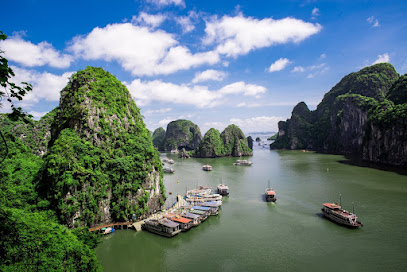
Hidden Gem Alternative: Instead of the crowded Ha Long Bay in Vietnam, explore the pristine waters of Lan Ha Bay. This less-visited gem offers similar stunning scenery u2013 towering limestone karsts and emerald waters u2013 but with far fewer crowds, allowing you to truly appreciate the beauty of the natural world.

Locals Losing Out: The Socio-Economic Costs of Tourist Influxes
Beyond the environmental impact, overtourism also takes a heavy toll on local communities. Rising housing costs, driven by the demand for vacation rentals, displace long-term residents and erode the social faic of neighborhoods. Traditional livelihoods are threatened as souvenir shops and international chains replace local businesses, homogenizing the cultural landscape. The very identity of these places is being transformed, often at the expense of the people who call them home.
In Barcelona, the proliferation of Airbnb has led to a dramatic increase in rental prices, forcing many residents out of their homes. The city's viant neighborhoods are becoming ghost towns, filled with tourists but devoid of the community spirit that once defined them. In Bali, coastal development for tourism has led to the loss of fishing grounds, depriving local fishermen of their traditional livelihoods and threatening their cultural heritage.
I spoke with Maria, a lifelong resident of Venice, who has witnessed the city's transformation firsthand. Venice is becoming a theme park, she lamented, her eyes filled with sadness. We're losing our homes, our businesses, our way of life. The tourists come and go, but we're left to pick up the pieces. Her words are a stark reminder of the human cost of overtourism.
The commodification of culture is another troubling aspect of overtourism. Traditional ceremonies and festivals are often staged for the benefit of tourists, losing their authenticity and spiritual significance. Local artisans are pressured to produce cheap souvenirs, undermining their skills and devaluing their craft. The very essence of a culture is reduced to a spectacle, a product to be consumed by the masses.
Hidden Gem Alternative: Instead of the crowded canals of Venice, explore the charming waterways of Amsterdam in the Netherlands. The city has implemented innovative strategies to manage tourism responsibly, redirecting visitors to less crowded areas and promoting sustainable practices. You can enjoy the beauty of the canals without contributing to the problems of overtourism.

Sustainable Solutions: Managing Tourism for a Healthier Future
The challenges of overtourism are complex, but they are not insurmountable. By implementing sustainable solutions, we can manage tourism in a way that benefits both visitors and local communities, while protecting the environment for future generations. Visitor quotas, raising entry fees, promoting off-season travel, and investing in sustainable infrastructure are all crucial steps in the right direction.
Bhutan's high-value, low-impact tourism model is a shining example of sustainable practices. By charging a daily fee, the country limits the number of visitors and generates revenue that is reinvested in conservation and community development. Amsterdam has implemented a range of measures to redirect tourists to less crowded areas, including promoting lesser-known attractions and investing in public transportation to ease congestion in the city center.
I spoke with Dr. Kenji Tanaka, a tourism expert and policymaker, about the challenges and opportunities in implementing sustainable tourism practices. It's not about stopping tourism, he explained, but about managing it responsibly. We need to find a balance between economic benefits and environmental protection. This requires collaboration between governments, businesses, and local communities. His words highlight the importance of a holistic approach to sustainable tourism.
Investing in sustainable infrastructure is also crucial. This includes developing efficient waste management systems, promoting renewable energy sources, and building eco-friendly accommodations. By minimizing the environmental footprint of tourism, we can ensure that these destinations remain pristine for future generations.
Hidden Gem Alternative: Instead of the crowded Cinque Terre in Italy, explore the less crowded Amalfi Coast. This stunning stretch of coastline offers similar dramatic scenery u2013 picturesque villages clinging to steep cliffs u2013 but with fewer crowds. Support local businesses and utilize sustainable transportation options, such as buses and ferries, to minimize your impact.

Empowering Communities: The Key to Responsible Tourism
Ultimately, the key to responsible tourism lies in empowering local communities. By involving them in tourism planning and management, we can ensure that they benefit from tourism through job creation, revenue sharing, and cultural preservation. Community-based tourism initiatives are a powerful tool for achieving this goal.
The Uros Islands on Lake Titicaca in Peru are a testament to the success of community-based tourism. The indigenous Uros people have created floating islands from reeds and offer tourists a glimpse into their traditional way of life. The revenue generated from tourism is used to support education, healthcare, and other community needs. The Annapurna Community Trek in Nepal is another example of a successful community-based tourism initiative. Local communities manage the trekking routes and provide accommodation and meals to trekkers, ensuring that the benefits of tourism are distributed equitably.
I spoke with a leader from a community that has successfully managed tourism sustainably. We realized that tourism could be a force for good, she explained, but only if we were in control. We needed to ensure that tourism benefited our community, not the other way around. Her words are a powerful reminder that local voices must be at the center of tourism planning and management.
Empowering local communities also means respecting their cultural heritage. Tourists should be encouraged to learn about local customs and traditions and to interact with local people in a respectful manner. By fostering cultural exchange, we can create a more meaningful and enriching travel experience for both visitors and hosts.
Hidden Gem Alternative: Instead of the crowded Galapagos Islands, explore the less-visited islands of the Azores in Portugal. These volcanic islands boast unique biodiversity and a strong commitment to sustainable tourism. You can hike through lush forests, swim in volcanic hot springs, and spot whales and dolphins, all while supporting local communities and protecting the environment.

Overtourism poses a significant threat to adventure destinations around the world, but it is not an insurmountable challenge. By emacing sustainable solutions, empowering local communities, and fostering responsible travel practices, we can protect these precious places for future generations. It's time to shift our focus from quantity to quality, from consumption to conservation, and from exploitation to stewardship. Let us embark on a new era of travel, one that celeates the beauty of our planet and respects the well-being of its people.