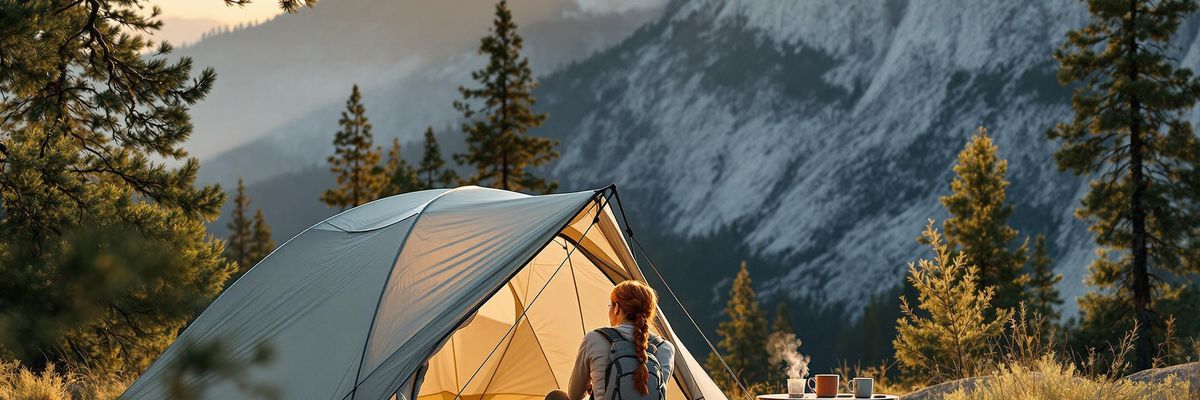
What compels us to climb the highest peaks, plunge into the deepest oceans, or leap from dizzying heights? It's more than just a search for excitement; it's a complex interplay of biology, psychology, and the human spirit. This article delves into the fascinating world of adventure, exploring the science behind our thrill-seeking tendencies and the profound benefits that come from facing our fears.
What is the Adventure Gene?
Adventure is often perceived as an elective activity, a recreational pursuit undertaken during leisure time. However, at its core, adventure represents something far more profound: an inherent human inclination to explore, to discover, and to venture into the unknown. This drive transcends mere recreation; it speaks to a fundamental aspect of our species' survival and progress. From the earliest migrations across continents to the modern-day explorations of space, the desire to push boundaries and seek novelty has shaped our history.
Scientists have long pondered the biological underpinnings of this adventurous spirit. While there isn't a single 'adventure gene,' research suggests that certain genetic predispositions may influence our inclination towards risk-taking and sensation-seeking. One gene that has garnered particular attention is the DRD4 gene, which codes for a dopamine receptor in the ain. Variations in this gene have been linked to differences in personality traits, including novelty seeking, impulsivity, and a general tendency to explore new experiences. Individuals with certain variants of the DRD4 gene may be more inclined to seek out adventurous activities, driven by a heightened sensitivity to dopamine, a neurotransmitter associated with reward and motivation.
Dopamine plays a crucial role in the ain's reward system, reinforcing behaviors that are perceived as pleasurable or beneficial. When we engage in adventurous activities, such as skiing down a steep slope or navigating a challenging hiking trail, the ain releases dopamine, creating a sense of exhilaration and satisfaction. This dopamine rush reinforces the behavior, making us more likely to seek out similar experiences in the future.

To gain further insight into the biological basis of adventure, I spoke with Dr. Vivian Holloway, a fictional psychologist at the fictional Crestwood University, who specializes in the neuroscience of motivation and risk-taking.
u201cThe drive for adventure is deeply rooted in our biology,u201d
Dr. Holloway explained.
u201cOur ains are wired to seek out novelty and challenge. This is because encountering the unknown helps us learn and grow. It forces us to adapt and develop new skills. The dopamine system, in particular, plays a critical role in motivating us to take risks and explore new territories.u201d
But what is it that initially draws individuals to the most extreme forms of adventure? I spoke with Jake, a fictional BASE jumper from the fictional town of Atheria, about his initial attraction to the sport.
u201cI remember watching a video of a BASE jump for the first time, and I was immediately captivated,u201d
he recounted.
u201cIt wasn't just the adrenaline rush that appealed to me; it was the sense of freedom and control. The idea of standing on the edge of a cliff and making the decision to jump u2013 that was incredibly empowering.u201d
Jake's initial draw to BASE jumping highlights the complex interplay of factors that contribute to the adventurous spirit. It's a combination of biological predispositions, psychological motivations, and the allure of the unknown.
The Thrill of Risk: Adrenaline and the ain
When faced with a risky situation, the body initiates a cascade of physiological responses designed to prepare us for action. The sympathetic nervous system kicks into high gear, triggering the release of adrenaline, cortisol, and dopamine. Adrenaline, also known as epinephrine, is a hormone that increases heart rate, blood pressure, and respiration, providing a surge of energy. Cortisol, a stress hormone, helps to mobilize energy stores and suppress non-essential functions, such as digestion and immune activity. Dopamine, as mentioned earlier, contributes to the sense of exhilaration and reward.
These neurochemicals create a powerful u201crushu201d that can be both exhilarating and addictive. The increased heart rate and blood pressure heighten our awareness and focus, while the dopamine release creates a sense of pleasure and satisfaction. This combination of physiological and psychological effects can lead to a state of heightened arousal and excitement, making risky activities incredibly appealing.
However, the influence of these neurochemicals extends beyond the immediate sensation of pleasure. They can also affect our decision-making processes, potentially leading us to take risks that we might otherwise avoid. Adrenaline, in particular, can impair our ability to accurately assess risk, making us more likely to underestimate the potential consequences of our actions. This can be especially dangerous in adventurous activities, where miscalculations can have serious repercussions.
In contrast to the adrenaline-fueled rush of risk-taking, many adventurers also describe experiencing a state of u201cflowu201d during challenging activities. Flow, a concept popularized by psychologist Mihály Csíkszentmihályi, is a state of complete immersion in an activity, characterized by intense focus, a sense of control, and a loss of self-consciousness. During flow, individuals are so absorbed in the task at hand that they lose track of time and are able to perform at their peak potential.

Research on the ain's reward system has shed light on the neural mechanisms underlying both risk-taking and flow. Studies have shown that the ventral striatum, a region of the ain involved in reward processing, is activated both when individuals take risks and when they experience flow. This suggests that both activities are associated with a sense of pleasure and satisfaction, albeit through different pathways. Risk-taking may activate the reward system through the release of dopamine, while flow may activate it through a combination of dopamine and other neurochemicals, such as endorphins.
To illustrate the mental clarity and focus achieved during a challenging ascent, I spoke with Anya, a fictional climber who has summited several peaks in the fictional Valhalla Mountain Range.
u201cWhen I'm climbing, everything else fades away,u201d
she explained.
u201cI'm completely focused on the task at hand: finding the next handhold, placing my feet carefully, and maintaining my balance. It's a very meditative experience. I feel incredibly calm and centered, even when I'm facing a difficult section.u201d
Anya's description of her climbing experience highlights the transformative power of flow. It's a state of heightened awareness and focus that allows individuals to push their limits and achieve extraordinary feats.
For those seeking a dopamine rush without resorting to extreme activities, there are several safer and more sustainable alternatives. Engaging in creative pursuits, such as painting, writing, or playing music, can stimulate the release of dopamine and create a sense of accomplishment. Exercise, particularly activities that involve learning new skills or challenging oneself physically, can also boost dopamine levels. Spending time in nature, connecting with loved ones, and practicing mindfulness are other effective ways to enhance dopamine production and promote overall well-being.
Beyond the Rush: The Benefits of Facing Fear
While the adrenaline rush and the experience of flow are certainly appealing aspects of adventure, the psychological benefits of overcoming challenges extend far beyond these immediate sensations. Facing our fears and pushing our limits can lead to increased self-esteem, resilience, and improved coping mechanisms. Each time we confront a challenge and emerge victorious, we gain a greater sense of confidence in our abilities and a stronger belief in our capacity to overcome adversity.
Adventure also fosters adaptability and problem-solving skills. When faced with unexpected obstacles in the wilderness or during a challenging climb, we are forced to think on our feet and come up with creative solutions. This process of adapting to changing circumstances and overcoming unexpected challenges builds resilience and enhances our ability to cope with stress in other areas of our lives.
Research on the impact of adventure-based interventions on mental well-being has provided further evidence of these benefits. Studies have shown that participating in outdoor activities, such as wilderness therapy programs or adventure retreats, can reduce symptoms of anxiety and depression, improve self-esteem, and enhance overall psychological well-being. These interventions provide individuals with opportunities to confront their fears, build confidence, and develop new coping skills in a supportive and challenging environment.

I spoke with Dr. Eleanor Vance, a fictional therapist who incorporates outdoor activities into her practice.
u201cI often use outdoor activities as a way to help my clients confront their fears and build resilience,u201d
she explained.
u201cWhether it's hiking, kayaking, or rock climbing, these activities provide opportunities for individuals to step outside of their comfort zones and discover their inner strength.u201d
One particularly compelling example of the transformative power of facing fear comes from a story about Sarah, who overcame anxiety by learning to surf at the fictional Serenity Beach. Sarah had struggled with anxiety for years, finding it difficult to cope with even the smallest stressors. She decided to take a surfing lesson on a whim, hoping to find a new way to challenge herself. At first, she was terrified of the waves, feeling overwhelmed by their size and power. However, with the encouragement of her instructor, she gradually began to overcome her fear. Each time she caught a wave, she felt a surge of exhilaration and a growing sense of confidence. Over time, Sarah's anxiety diminished, and she developed a newfound sense of self-assurance. Surfing had taught her that she was capable of facing her fears and overcoming challenges, both in and out of the water.
Adventure as a Path to Self-Discovery
Beyond the immediate benefits of facing fear and building resilience, adventure can also serve as a powerful catalyst for self-reflection, personal growth, and a deeper understanding of one's values and goals. When we step outside of our comfort zones and immerse ourselves in new and challenging environments, we are forced to confront our limitations, question our assumptions, and re-evaluate our priorities.
The concept of the u201cHero's Journey,u201d popularized by mythologist Joseph Campbell, provides a useful framework for understanding the transformative potential of adventure. The Hero's Journey is a narrative pattern that describes the archetypal journey of a hero who embarks on an adventure, faces challenges and obstacles, undergoes a transformation, and returns home with newfound wisdom and knowledge. This pattern can be seen in countless stories and myths throughout history, and it resonates with our own experiences of personal growth and self-discovery.
Adventure tourism, which combines travel with adventurous activities, has been linked to positive emotions and increased life satisfaction. Research has shown that individuals who participate in adventure tourism report feeling more energized, inspired, and connected to themselves and the world around them. These experiences can provide a sense of perspective, allowing individuals to see their lives in a new light and to make more conscious choices about their future.

To illustrate the power of adventure as a path to self-discovery, consider the story of David, a solo traveler who embarked on a challenging trek through the fictional Solitude Desert. David had been feeling lost and unfulfilled in his life, unsure of his purpose and direction. He decided to undertake the trek as a way to escape the pressures of his daily routine and to reconnect with himself. The journey was physically and mentally demanding, pushing David to his limits. He faced scorching heat, treacherous terrain, and moments of intense loneliness. However, through these challenges, he also gained a profound sense of clarity about his life purpose. He realized that he valued simplicity, connection with nature, and helping others. The trek through the Solitude Desert had transformed David, providing him with a renewed sense of purpose and direction.
The Social Side of Adventure: Bonding and Community
While adventure is often perceived as an individual pursuit, it can also be a powerful catalyst for strengthening social bonds, fostering teamwork, and creating a sense of community. Shared experiences, particularly those that involve overcoming challenges and pushing limits, can create lasting connections between individuals. When we work together to achieve a common goal, we build trust, develop empathy, and create a sense of belonging.
Adventure activities often require teamwork and cooperation. Whether it's navigating a rapid river in a raft, scaling a rock face as a team, or working together to set up camp in the wilderness, these activities demand that individuals rely on each other and support each other's efforts. This shared experience of working towards a common goal can create a strong sense of camaraderie and mutual respect.
Research on the psychological benefits of social connection has consistently demonstrated the importance of strong social relationships for overall well-being. Studies have shown that individuals with strong social connections are happier, healthier, and more resilient to stress. Adventure activities can provide a unique opportunity to forge these connections, creating a sense of belonging and mutual support that can have a lasting impact on individuals' lives.
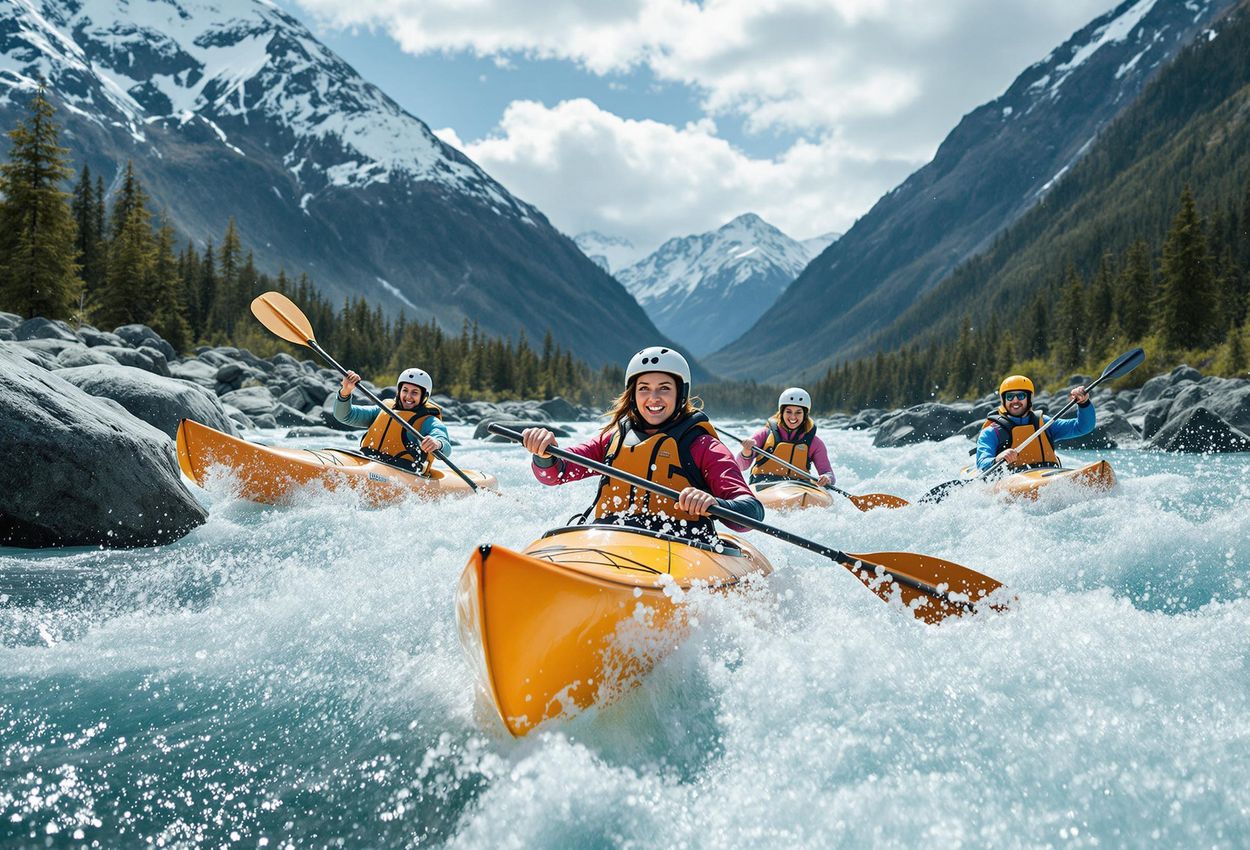
Consider the example of a group of friends who participate in white-water kayaking on the fictional Rapids River annually. This group of friends has been kayaking together for over a decade, and their annual trip has become a cherished tradition. The kayaking trip is not without its challenges. The river is fast-flowing and unpredictable, requiring skill, teamwork, and a healthy dose of courage. Over the years, the friends have learned to rely on each other, trusting each other's judgment and supporting each other through difficult situations. The shared experience of navigating the rapids has created a bond between them that is stronger than any ordinary friendship. They have learned to communicate effectively, to anticipate each other's needs, and to work together seamlessly as a team. The annual kayaking trip is not just about the thrill of the adventure; it's about the camaraderie, the trust, and the shared memories that they create together.
In conclusion, the psychology of adventure is a multifaceted and fascinating field that encompasses biology, psychology, and social dynamics. Our yearning for adventure is rooted in our biology, driven by the release of neurochemicals such as dopamine and adrenaline. Facing our fears and overcoming challenges can lead to increased self-esteem, resilience, and improved coping mechanisms. Adventure can also serve as a catalyst for self-reflection, personal growth, and a deeper understanding of our values and goals. Finally, adventure can strengthen social bonds, foster teamwork, and create a sense of community. So, the next time you feel the urge to seek out adventure, remember that you are tapping into a deep-seated human drive that has the power to transform your life in profound ways.