The call of the wild, the allure of the unknown, the challenge of the physical u2013 these are the siren songs of adventure tourism, a sector experiencing unprecedented growth and reshaping the landscapes and communities it touches. But beyond the thrill-seeking and Instagram-worthy vistas lies a complex web of economic, social, and environmental impacts that demand closer examination.
Unveiling the Adventure Tourism Boom: More Than Just Thrills
Adventure tourism is more than just bungee jumping and white-water rafting. It's a multifaceted industry defined by its core elements: physical activity, a deep connection with nature, and immersive cultural experiences. The Adventure Travel Trade Association (ATTA) perhaps says it best, defining it as travel that incorporates these three elements. This potent combination is fueling a global boom, transforming how we explore the world and interact with its diverse cultures and environments.
The numbers speak for themselves. The adventure tourism market, already a significant force, is projected to reach a staggering USD 1,682.28 billion by 2032. This exponential growth reflects a fundamental shift in traveler preferences. The days of passive sightseeing and predictable package tours are waning, replaced by a hunger for unique, active, and transformative experiences. Travelers are no longer content to simply observe; they want to participate, engage, and challenge themselves.
This desire for experiential travel is echoed in Hilton's 2025 Trends Report, which reveals that one in four travelers actively seeks unique experiences, while 20% are specifically drawn to outdoor adventures. This trend is further amplified by the rise of solo travel, as individuals seek self-discovery and personal growth through challenging journeys. Multi-generational trips are also on the rise, as families seek to bond through shared adventures and create lasting memories. Even the rise of 'soft adventure' -- think glamping and gentle hikes -- shows that the desire for immersion in nature is growing.

We're seeing a real evolution in what people want from their travels, says Jane Smith, a spokesperson for Intrepid Travel, a leading adventure travel company. It's not just about ticking off destinations; it's about connecting with local communities, learning new skills, and pushing personal boundaries in a sustainable and responsible way. People want to return home changed by their travel experiences.
Economic Impact: Adventure Tourism as a Catalyst for Local Growth
Beyond the individual traveler, adventure tourism has a profound economic impact on local communities. In many remote and underserved regions, it serves as a vital catalyst for revenue generation, job creation, and infrastructure development. The benefits ripple outwards, creating a more sustainable and diversified economy.
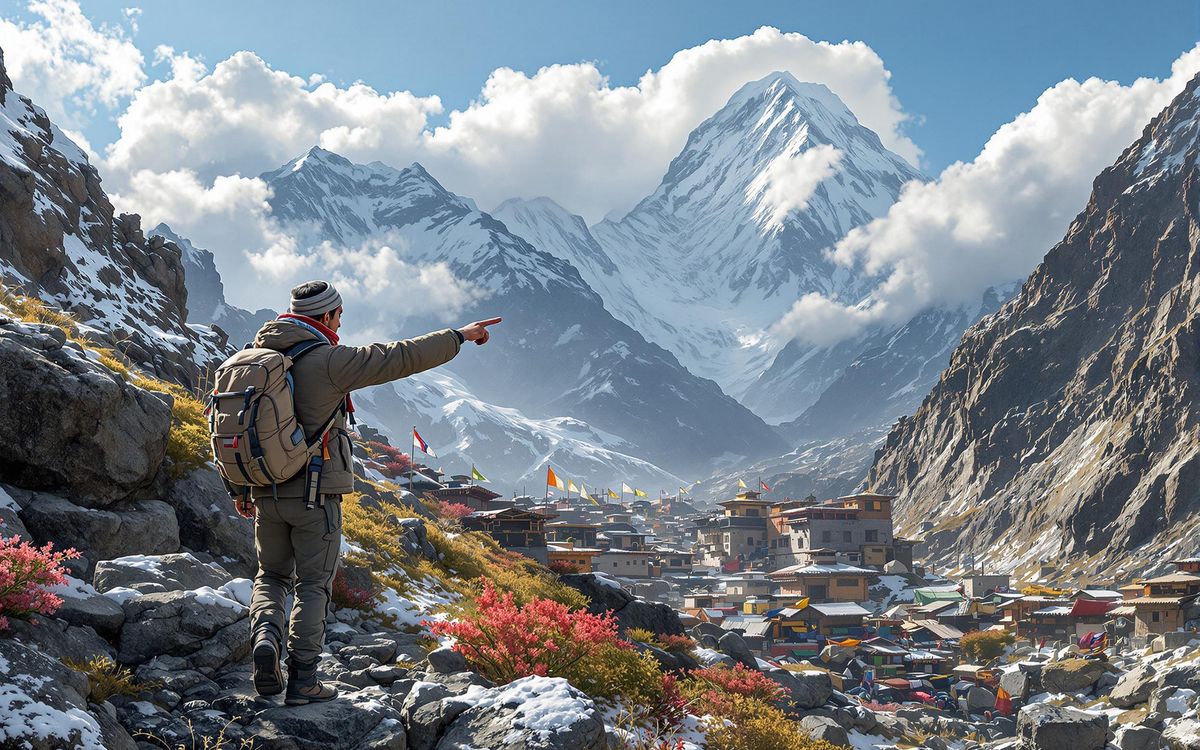
Consider the Khumbu region near Mount Everest, a classic example of adventure tourism's transformative power. Once a remote and isolated area, it has been reshaped by the influx of trekkers and climbers. The revenue generated by tourism has funded schools, hospitals, and vital infrastructure projects, improving the quality of life for local residents. The ATTA estimates that a significant portion of an adventure package cost, around 65.6%, remains in the destinations visited, directly benefiting local economies.
This economic impact extends beyond guiding and portering services. Adventure tourism creates a diverse range of income streams for locals, from operating guesthouses and restaurants to selling artisan crafts and providing transportation. This diversification reduces reliance on traditional industries and creates more resilient local economies.
Community-led initiatives are particularly effective in harnessing the economic benefits of adventure tourism. Indigenous-guided eco-tours, for example, not only provide authentic cultural experiences for travelers but also empower local communities to control their own tourism development and preserve their cultural heritage. These initiatives ensure that tourism benefits are distributed equitably and that local communities have a stake in the industry's success.

Tourism has been a game-changer for our village, explains Pemba Sherpa, a community leader in the Khumbu region. It has allowed us to build a better future for our children, while also preserving our culture and traditions. We are proud to share our mountains and our way of life with the world.
Social Transformation: How Adventure Tourism Reshapes Communities
The impact of adventure tourism extends far beyond economics, profoundly reshaping the social faic of communities. While offering opportunities for cultural exchange and empowerment, it also presents potential challenges that must be carefully addressed.
One of the most significant social benefits of adventure tourism is the fostering of cultural exchange. As travelers interact with local communities, they gain a deeper understanding of different cultures, traditions, and perspectives. This exchange can lead to greater empathy, tolerance, and cross-cultural understanding. Furthermore, tourism can empower local communities by providing platforms for preserving and celeating their cultural heritage. Traditional dances, music, and crafts can be revitalized and shared with the world, fostering a sense of community pride and identity.
However, it is crucial to acknowledge the potential negative impacts of tourism, such as cultural commodification, social displacement, and cultural insensitivity. When cultural traditions are reduced to mere tourist attractions, they can lose their authenticity and significance. Social displacement can occur when rising land prices and rents force local residents out of their homes and communities. Cultural insensitivity can arise when tourists fail to respect local customs and traditions, leading to misunderstandings and resentment.
To mitigate these negative impacts, community-led initiatives are essential. These initiatives integrate local knowledge and traditions into tourism planning, ensuring that tourism development aligns with community values and aspirations. By empowering local communities to control their own tourism development, they can ensure that tourism benefits are distributed equitably and that their cultural heritage is preserved.

Tourism can be a powerful force for social good, but it must be managed responsibly, says Dr. Aisha Khan, a sociologist specializing in tourism. It's crucial to involve local communities in all aspects of tourism planning and to ensure that their voices are heard. We must strive to create a tourism industry that respects local cultures, empowers local communities, and promotes sustainable development.
Environmental Stewardship: Balancing Adventure with Conservation
Adventure tourism's relationship with the environment is a complex and often contradictory one. While it can contribute to conservation efforts and raise environmental awareness, it also carries the potential for significant environmental damage. Balancing the thrill of adventure with the responsibility of environmental stewardship is crucial for the long-term sustainability of the industry.
The potential negative impacts of adventure tourism on the environment are numerous. Pollution from transportation, waste generation, and construction can degrade air and water quality. Habitat destruction can occur as trails are built, forests are cleared, and natural areas are developed for tourism infrastructure. The disruption of wildlife can occur as animals are disturbed by human presence and their habitats are altered.
However, adventure tourism can also be a powerful force for environmental conservation. By generating revenue for conservation projects, promoting sustainable practices, and raising environmental awareness, it can contribute to the protection of natural areas. The concept of ecotourism, which emphasizes responsible travel to natural areas, seeks to minimize environmental impact and benefit local communities. Carbon-neutral or even carbon-negative tours are also gaining popularity, as travelers seek to offset their carbon footprint.
Examples of sustainable practices in adventure tourism abound. Sustainable waste management programs reduce pollution and protect water quality. Reforestation projects restore degraded forests and enhance biodiversity. Protection of endangered habitats ensures the survival of threatened species. Furthermore, the development of urban-based or artificial adventure sites can reduce the pressure on natural environments, providing opportunities for adventure without the environmental impact.

Adventure tourism has the potential to be a force for good, but only if it is managed sustainably, says Dr. David Lee, an environmental scientist working with conservation organizations. We must minimize our impact on the environment, support local communities, and educate travelers about the importance of conservation. Only then can we ensure that adventure tourism benefits both people and the planet.
Managing the Risks: Safety, Sustainability, and Community Involvement
The rapid growth of adventure tourism presents significant challenges in managing destinations effectively. Ensuring safety, maintaining sustainability, and fostering community involvement are paramount for the long-term success of the industry. Addressing these challenges requires a comprehensive approach that involves governments, tourism operators, local communities, and travelers themselves.
Safety is of utmost importance in adventure tourism. Proper training, equipment, and safety protocols are essential for mitigating risks. Guides must be certified and experienced, equipment must be regularly inspected and maintained, and safety procedures must be clearly communicated to travelers. Comprehensive regulations covering environmental protection, safety standards, and operator licensing are crucial for ensuring responsible tourism practices. These regulations should be enforced effectively to prevent environmental damage, protect traveler safety, and ensure fair competition among tourism operators.
Infrastructure limitations in remote destinations can pose significant challenges. Limited access to transportation, communication, and emergency services can increase risks and hinder response efforts. Investing in infrastructure development is crucial for improving accessibility, enhancing safety, and supporting sustainable tourism growth. Community involvement in tourism planning is essential for aligning tourism development with local values and aspirations. Local communities should be consulted on all aspects of tourism planning, from infrastructure development to cultural preservation. By empowering local communities to control their own tourism development, we can ensure that tourism benefits are distributed equitably and that their cultural heritage is preserved.

Managing adventure tourism destinations effectively requires a collaborative approach, says Maria Rodriguez, a tourism board official. Governments, tourism operators, local communities, and travelers must work together to ensure that tourism is safe, sustainable, and beneficial for all. By emacing responsible tourism practices, we can create a tourism industry that enriches lives, protects the environment, and promotes cultural understanding.