Embark on a visual journey, transforming fleeting moments into timeless tales. Adventure travel photography is more than just pointing and shooting; it's about mastering the art of storytelling through light, composition, and connection. Whether you're scaling a mountain in the Himalayas or exploring the depths of the Amazon rainforest, these essential tips will help you capture the spirit of adventure and create images that resonate long after you've returned home.
Gear Up for Greatness: Essential Equipment Choices
The right equipment can make or eak your adventure photography experience. Choosing a camera body and lenses that are both capable and durable is paramount. For a full-frame powerhouse, consider the Sony a7R V. Its exceptional resolution and dynamic range are perfect for capturing intricate details in challenging environments. Its robust build can withstand the rigors of travel. Pair it with the Sony 24-70mm f/2.8 GM II lens for a versatile workhorse that excels in various situations, from sweeping landscapes to intimate portraits. The constant f/2.8 aperture ensures excellent low-light performance and beautiful bokeh.
A wide-angle zoom lens, around the 16-35mm range, is indispensable for capturing expansive vistas and dramatic perspectives. Consider a lens like the Sony FE 16-35mm f/2.8 GM or a similar option from other ands. These lenses allow you to emphasize foreground elements and create a sense of depth in your images. When selecting your gear, prioritize weight and durability. Every ounce counts when you're trekking through the wilderness, and your equipment needs to withstand dust, moisture, and the occasional bump.
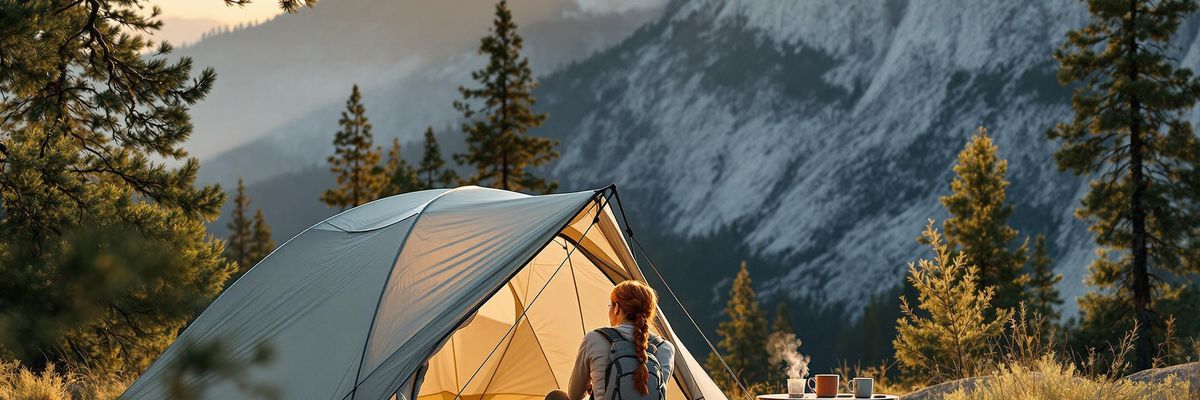
Don't overlook essential accessories. A sturdy yet lightweight tripod, such as the Peak Design Travel Tripod or the Manfrotto Befree Tripod, is crucial for sharp images in low light or when shooting long exposures. Invest in high-quality filters, including a neutral density (ND) filter to reduce light and create motion blur in waterfalls or rivers, and a polarizing filter to reduce glare and enhance colors in skies and foliage. A reliable camera bag, like the Langly Alpha Globetrotter, will protect your gear from the elements and keep it organized on the go. Consider a backpack style for ease of carrying during hikes and climbs. Seek advice from seasoned travel photographers and gear experts to fine-tune your equipment choices based on your specific needs and travel style.

Compose Like a Pro: Framing Your Adventures
Composition is the foundation of compelling photography. Mastering basic techniques can elevate your adventure travel images from snapshots to works of art. The rule of thirds is a fundamental guideline: imagine dividing your frame into nine equal parts with two horizontal and two vertical lines. Place key elements of your scene along these lines or at their intersections to create a balanced and visually appealing image. For instance, position a majestic mountain peak at the top-right intersection to draw the viewer's eye.
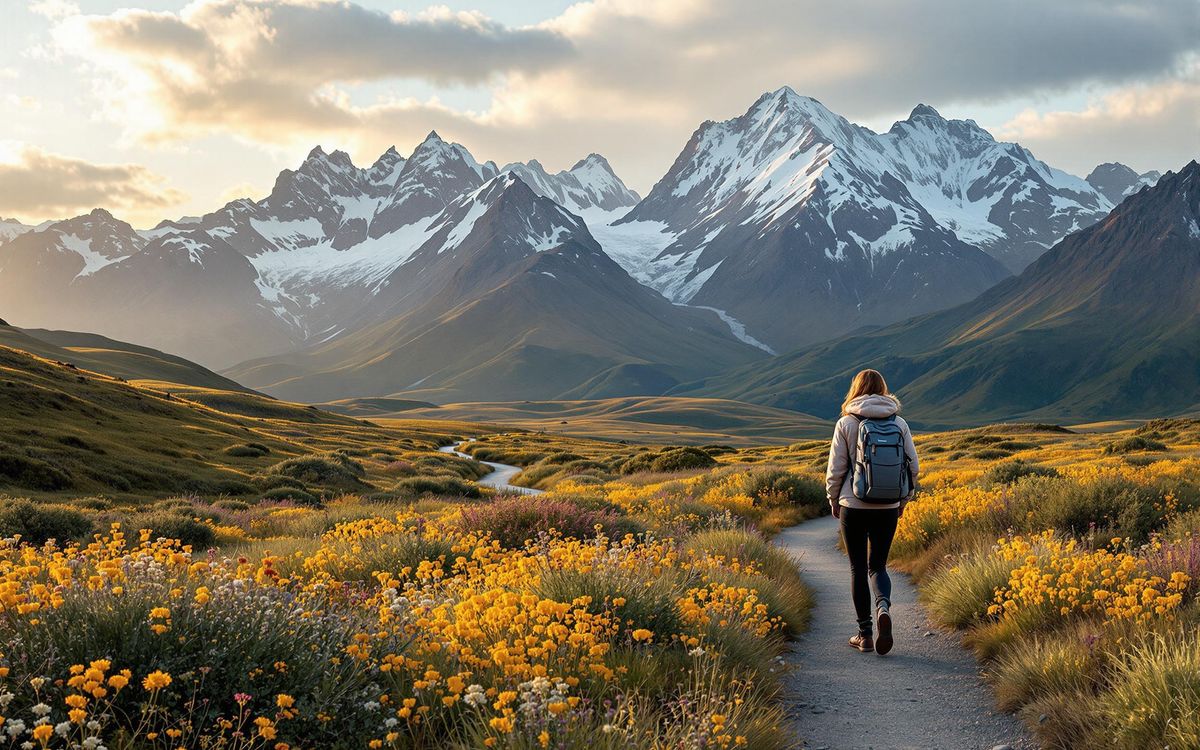
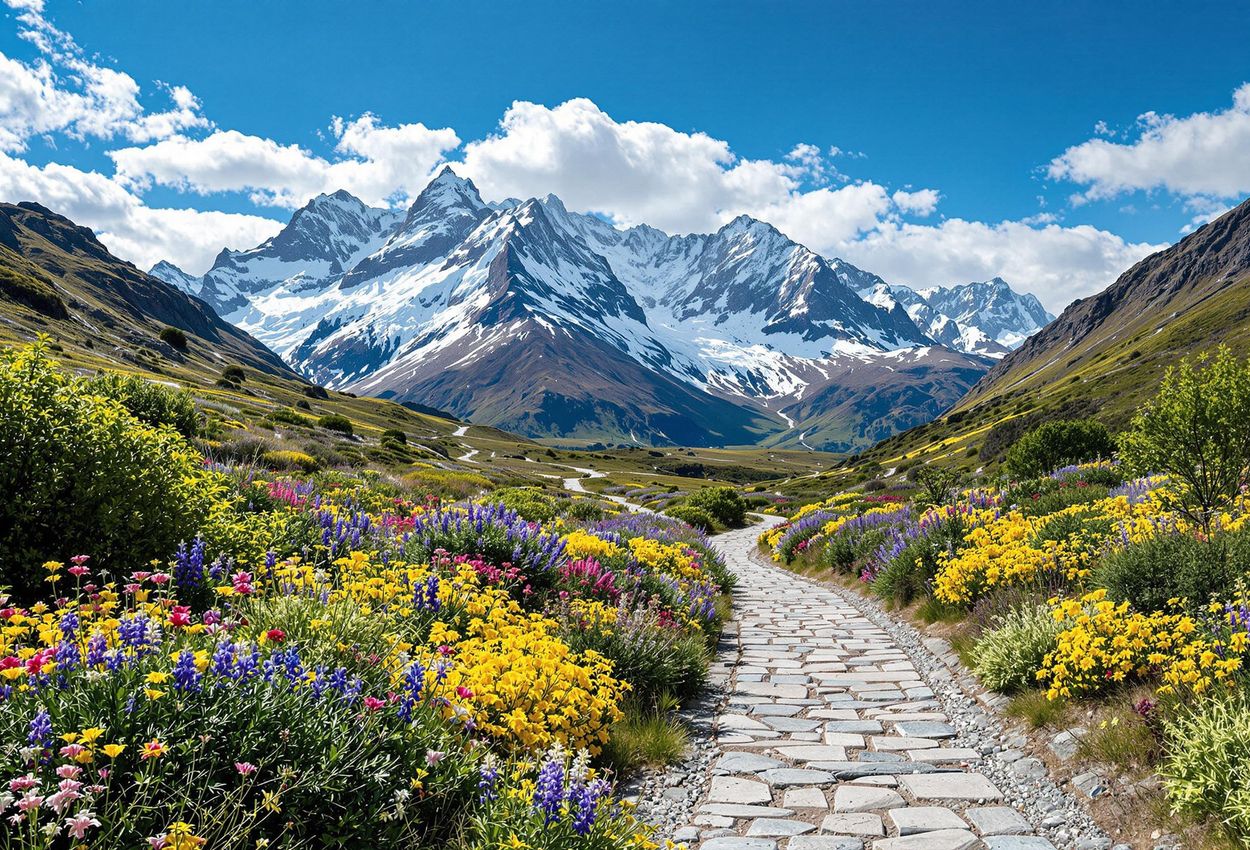
Leading lines are powerful tools for guiding the viewer's gaze through your photograph. Use natural elements like winding rivers, roads, or fences to create a sense of depth and direction. Imagine a winding path in Patagonia leading towards a snow-capped mountain, drawing the viewer deeper into the scene. Symmetry can create a sense of harmony and balance. Look for symmetrical reflections in lakes or architectural details in ancient ruins. Framing within a frame adds depth and context to your images. Use doorways, arches, or even natural elements like tree anches to frame your subject, creating a sense of intimacy and drawing attention to the focal point. Picture a climber silhouetted against the vast expanse of Yosemite National Park, framed by the opening of a cave.
Don't be afraid to experiment with different perspectives and angles. Get down low to emphasize foreground elements, or climb to a higher vantage point for a panoramic view. Consider tilting your camera to create a sense of dynamism or unease. Study the work of renowned photographers like Steve McCurry or Galen Rowell, who are masters of composition, to glean inspiration and refine your own photographic eye. Remember, the best composition is often the one that tells the most compelling story and evokes the strongest emotion.
Light Up Your World: Mastering Natural Lighting
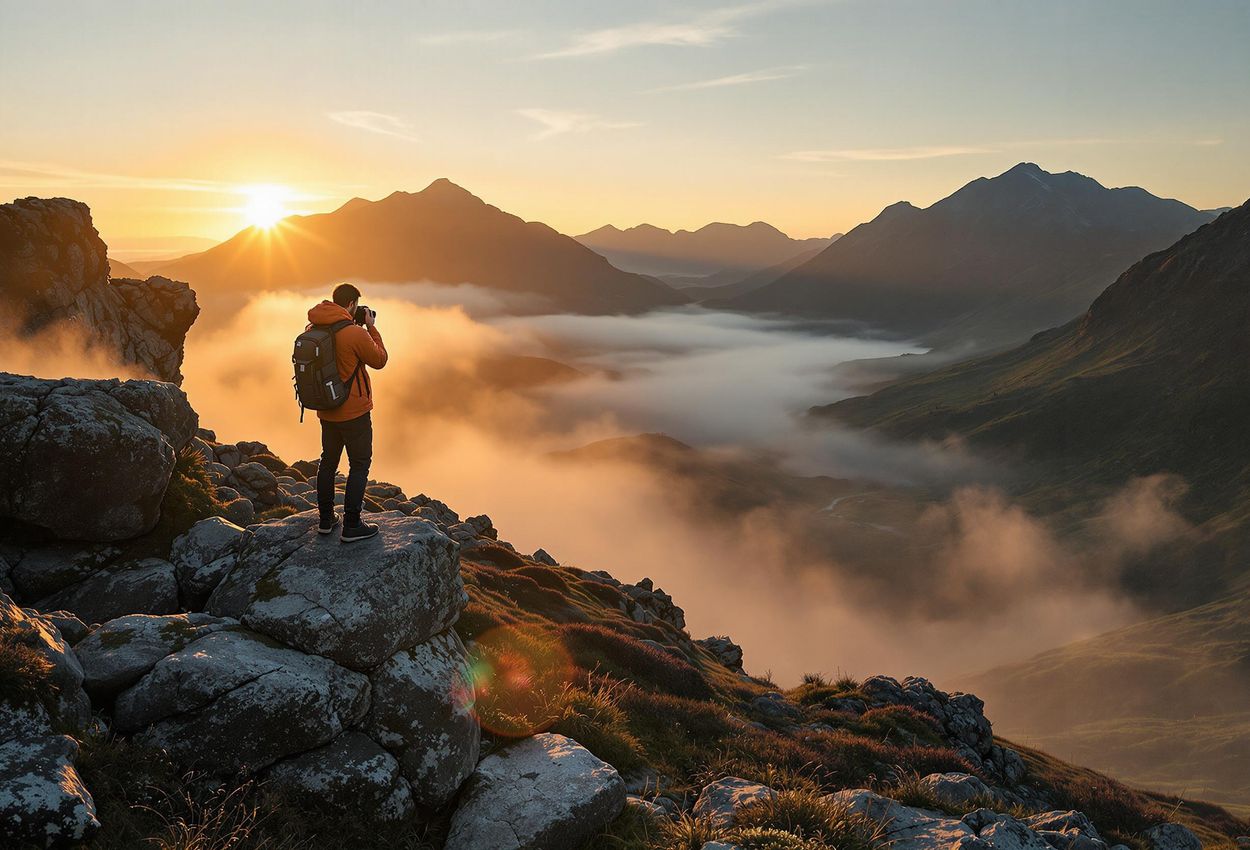
Light is the lifeblood of photography. Understanding how to harness natural light can transform your adventure travel images from ordinary to extraordinary. The golden hour, the period shortly after sunrise and before sunset, is a photographer's dream. During this time, the light is soft, warm, and directional, creating a beautiful glow that enhances colors and textures. Plan your shoots around the golden hour to capture the most flattering light. The exact times vary depending on the location and time of year, but generally, it occurs about an hour after sunrise and an hour before sunset. For example, in Tuscany, during the late afternoon golden hour in March, the rolling hills and cypress trees are bathed in a warm, golden light, creating a magical scene.
The blue hour, the period shortly before sunrise and after sunset, offers a different kind of magic. The light is soft, cool, and ethereal, creating a sense of tranquility and mystery. Use the blue hour to capture cityscapes, landscapes, or portraits with a unique and captivating mood. Shooting in harsh midday sun can be challenging, but it's not impossible. Look for open shade, such as under a tree or a building, to diffuse the light and reduce harsh shadows. Use a reflector to bounce light back onto your subject, filling in shadows and creating a more balanced exposure. Alternatively, emace the harsh light and use it to create dramatic silhouettes or high-contrast images.
Weather conditions can also play a significant role in your photography. Partly cloudy days can be ideal, as the clouds act as natural diffusers, softening the light and creating a more even exposure. A lens hood is an essential accessory for blocking stray light and preventing flare, especially when shooting in ight sunlight. Different weather conditions can drastically change a scene. A misty morning in the Scottish Highlands can create a mystical atmosphere, while a stormy sky over the Grand Canyon can add drama and intensity.
Tell a Story: Capturing Culture and Connection
Adventure travel photography is not just about capturing landscapes; it's about capturing the essence of a place, its people, and its culture. Focus on telling stories through your images by capturing candid moments, interactions, and portraits that reveal the spirit of a location. Spend time observing the local culture and customs, and look for opportunities to capture authentic moments that reflect the unique character of a place. Visit local markets, attend cultural events, and engage with the community to gain a deeper understanding of the people and their way of life.
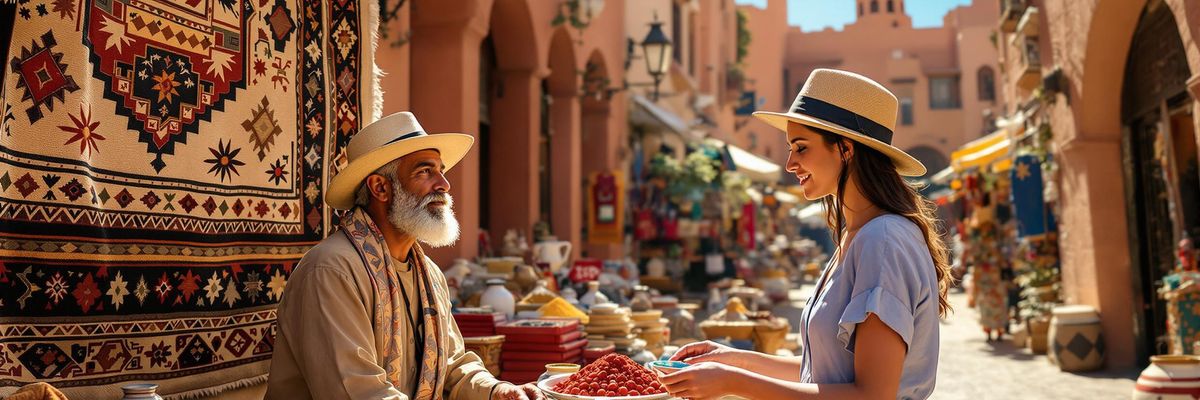
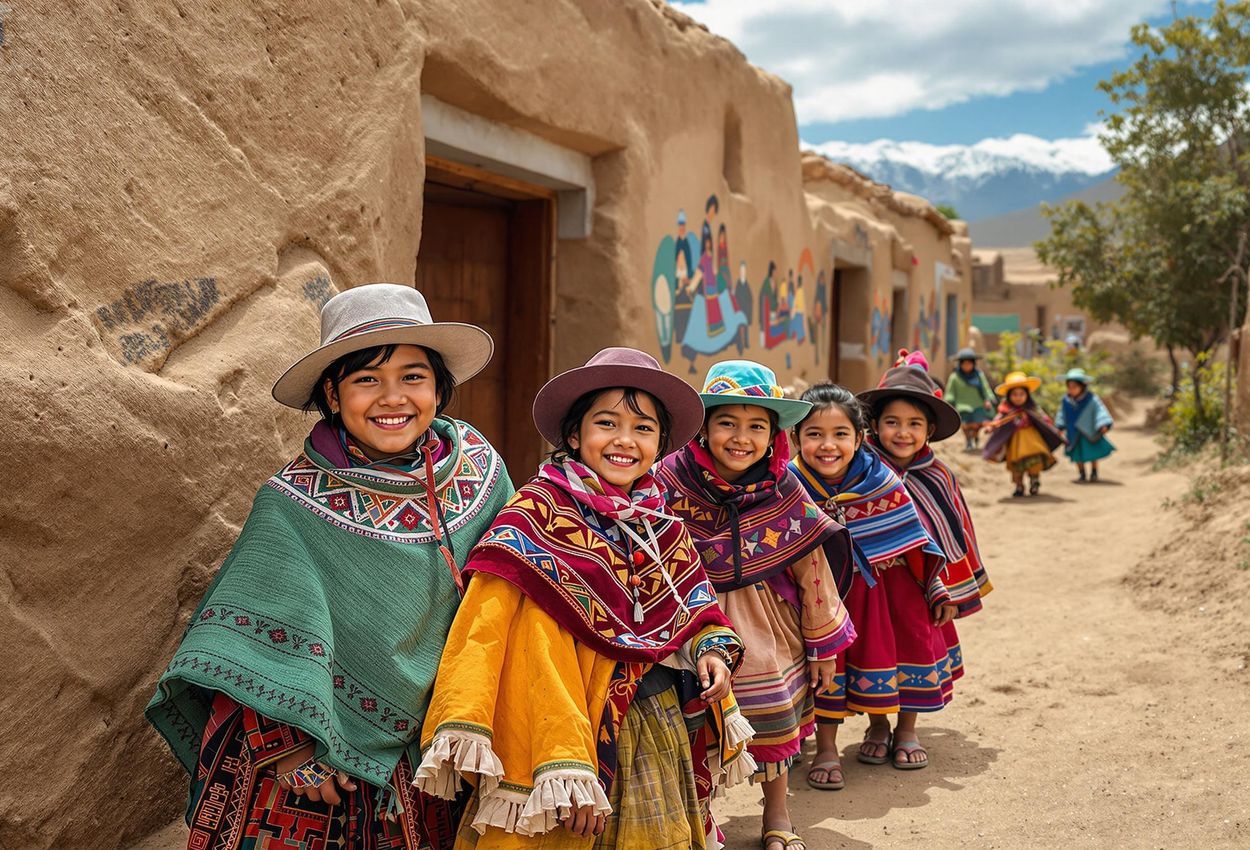
When photographing people, always be respectful and sensitive to their culture. Ask for permission before taking their picture, and be mindful of their personal space. A simple smile and a gesture of goodwill can go a long way. Capture candid moments of people interacting with each other, working, or simply going about their daily lives. These moments often reveal more about a culture than posed portraits. Pay attention to details like clothing, architecture, and local customs, as these elements can add context and depth to your images. Capture the viant colors of a Moroccan spice market, the intricate details of a Balinese temple, or the warm smiles of children in a Peruvian village.
Study the work of photographers like Jimmy Nelson or Lisa Kristine, who are renowned for their ability to capture the human spirit and tell compelling stories through their images. Their work serves as a powerful reminder of the importance of cultural sensitivity and the power of photography to connect people across cultures.
Edit Like an Expert: Post-Processing Tips and Tricks
Post-processing is an essential part of the digital photography workflow. Editing your travel photos can enhance their impact and ing out the best in your images. Use software like Adobe Lightroom and Photoshop to adjust exposure, colors, and details, and to correct any imperfections. Always shoot in RAW format to maximize your editing flexibility. RAW files contain more information than JPEGs, allowing you to make more extensive adjustments without losing quality.
Start by adjusting the exposure and contrast to achieve a balanced image. Pay attention to the highlights and shadows, and use the highlight and shadow sliders to recover details in these areas. Adjust the white balance to correct any color casts and ensure that your colors are accurate. Use the color sliders to enhance the viancy and saturation of your colors, but be careful not to overdo it. Sharpen your images to ing out the details, but avoid over-sharpening, which can create unwanted artifacts. Use the noise reduction tools to reduce noise in your images, especially in low-light situations. Be subtle with these adjustments to maintain a natural look.
Use the object removal tools to remove any distracting elements from your images, such as tourists, power lines, or blemishes. Crop your images to improve the composition and remove any unnecessary elements. Use cropping to emphasize the focal point and create a more dynamic and engaging image. Experiment with different cropping ratios to see what works best for your image. Remember, the goal of post-processing is to enhance your images, not to completely transform them. Aim for a natural and realistic look that reflects the true beauty of the scene. With practice and patience, you can master the art of post-processing and create stunning travel photos that capture the spirit of adventure.