The Himalayas, a colossal range of peaks piercing the sky, have always beckoned adventurers and spiritual seekers alike. Beyond the iconic Everest Base Camp and Annapurna Circuit lie lesser-known valleys and trails, offering a deeper, more intimate connection with this majestic landscape and its resilient people. Prepare to be humbled by the grandeur, enriched by the culture, and transformed by the journey.
Whispers of the Wind: Discovering Hidden Valleys
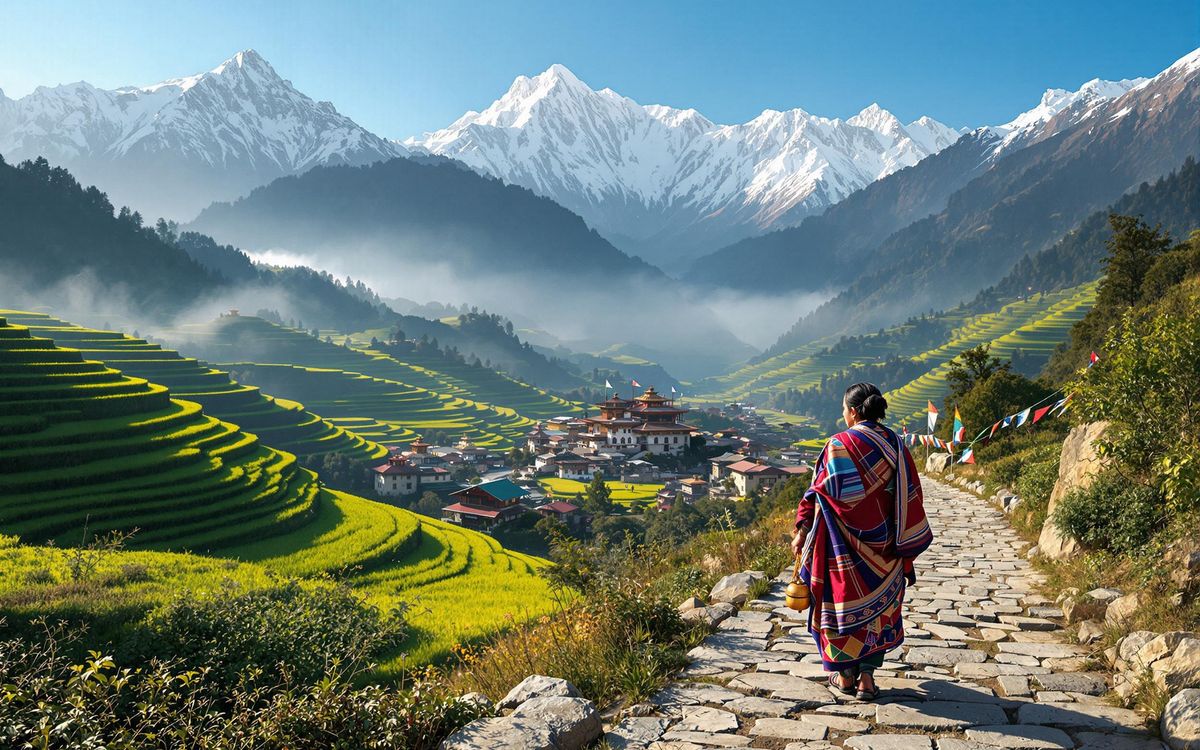
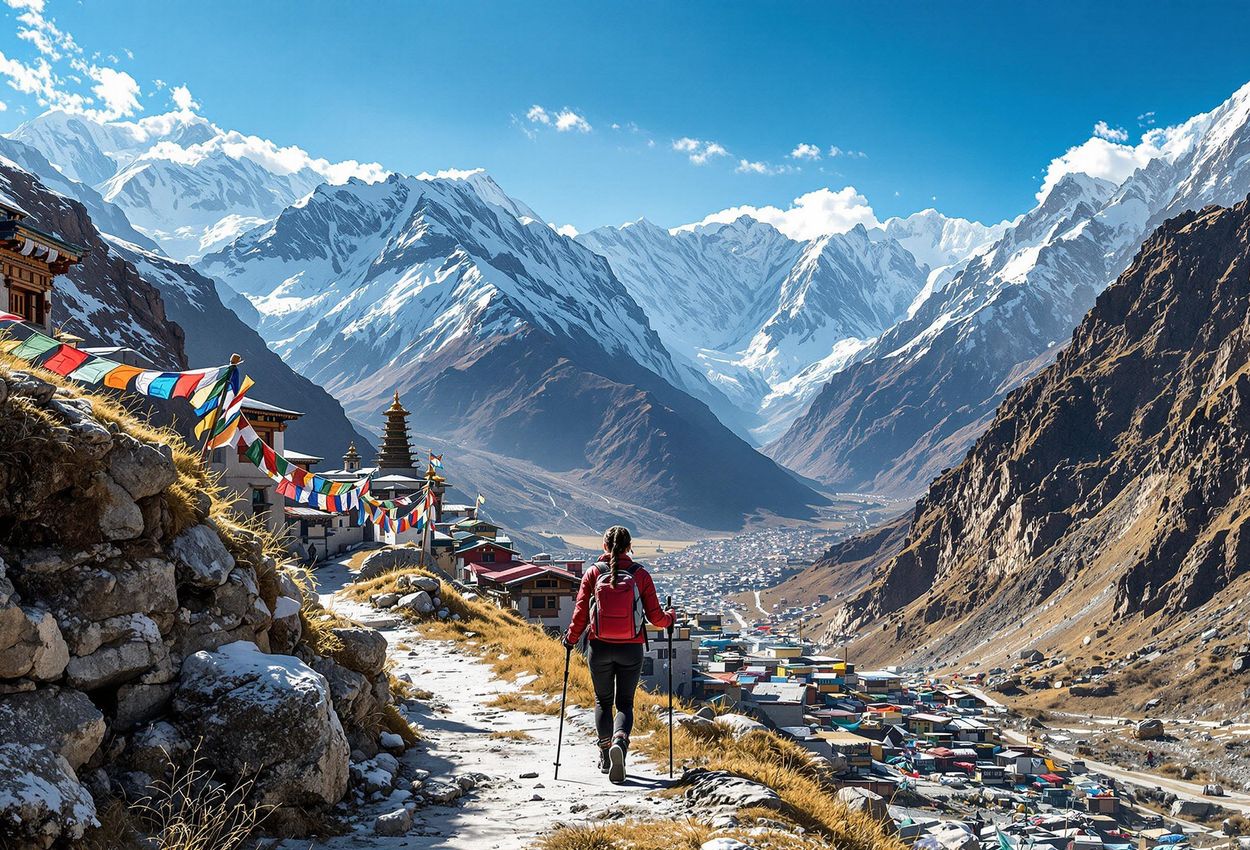
Imagine yourself traversing the Tsum Valley, a sanctuary nestled in the northern reaches of Nepal, where time seems to slow to the rhythm of prayer wheels and the rustling of prayer flags. Or perhaps you find yourself in the Nar Phu Valley, a remote, high-altitude region where ancient Bon and Buddhist traditions thrive, seemingly untouched by the modern world. Alternatively, consider the stark beauty of Zanskar in the Indian Himalayas, a land of snow-capped peaks and turquoise rivers, where monasteries cling precariously to cliff sides. These are the Himalayas beyond the headlines, where the true spirit of the mountains resides.
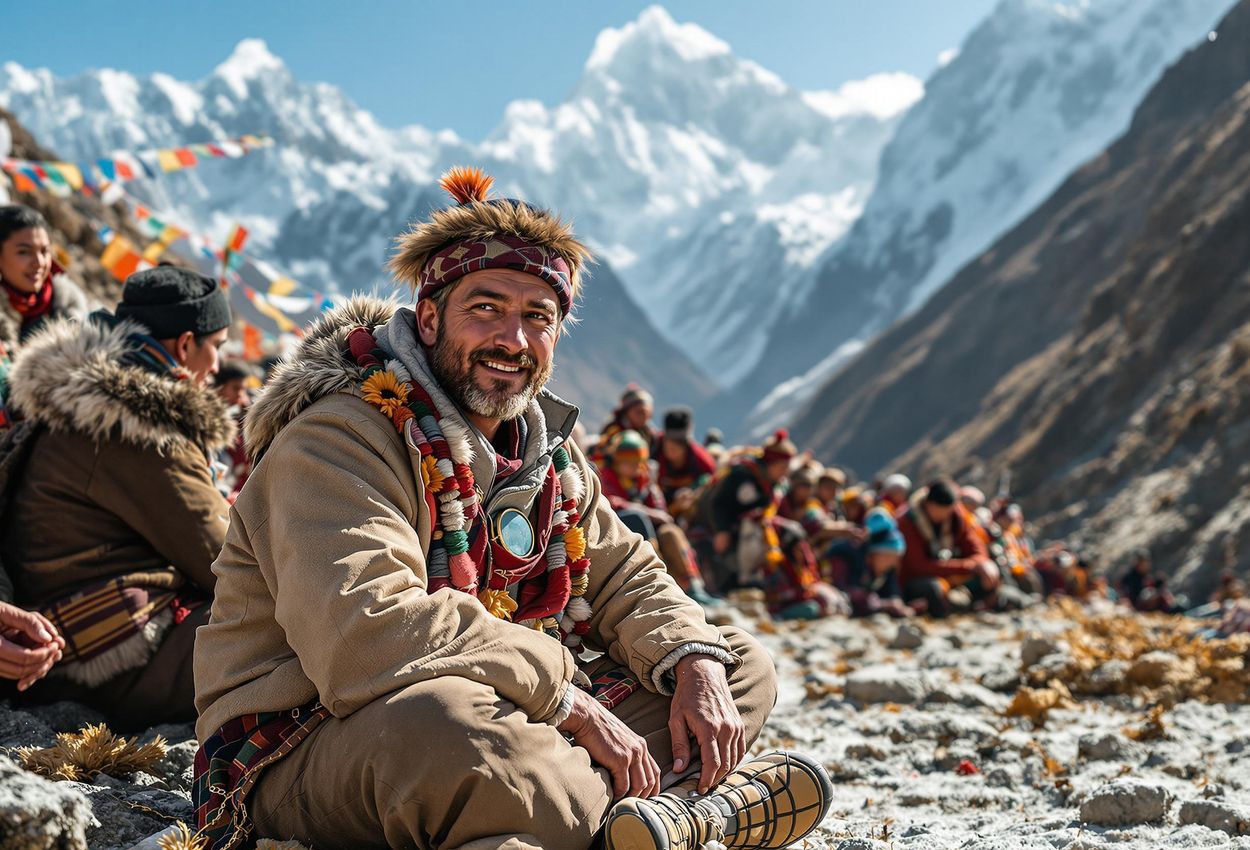
The air here is thin and crisp, carrying the scent of juniper and the faint, earthy aroma of yak dung fires. The silence is profound, oken only by the whisper of the wind and the distant chanting of monks. As you trek, youu2019ll pass through villages where life revolves around the seasons, where hospitality is a way of life, and where the smiles of the locals are as warm as the yak butter tea they offer. One evening, huddled around a crackling stove in a stone teahouse, I shared stories with a local guide named Tenzing. He told me of the valley's history, of the ancient trade routes that once crisscrossed these mountains, and of the deities believed to dwell in the towering peaks above. He spoke of the challenges of preserving their culture in the face of modernization, but also of their unwavering commitment to their traditions.
The food in these remote valleys is simple but nourishing, designed to sustain you through long days of trekking. Tsampa, roasted barley flour mixed with tea, is a staple, providing a slow-release energy boost. Dal Bhat, a lentil soup served with rice and vegetables, is another common dish, offering a hearty and flavorful meal. And of course, thereu2019s yak butter tea, an acquired taste perhaps, but an essential part of the Himalayan experience. Its salty, buttery flavor provides warmth and sustenance in the high-altitude environment.
In 2025, accessing these restricted areas requires careful planning. A guide is mandatory, and permits are digitized, streamlining the process but also ensuring better monitoring of tourist activity. These regulations are in place to protect the fragile environment and preserve the unique culture of these valleys.
Stepping into Shangri-La: Spiritual Sanctuaries En Route
Himalayan trekking is not merely a physical endeavor; itu2019s a journey of the soul. The mountains themselves seem to emanate a sense of peace and tranquility, inviting introspection and contemplation. Scattered throughout the region are ancient monasteries, spiritual sanctuaries that offer a respite from the rigors of the trail and a glimpse into the rich tapestry of Buddhist philosophy.
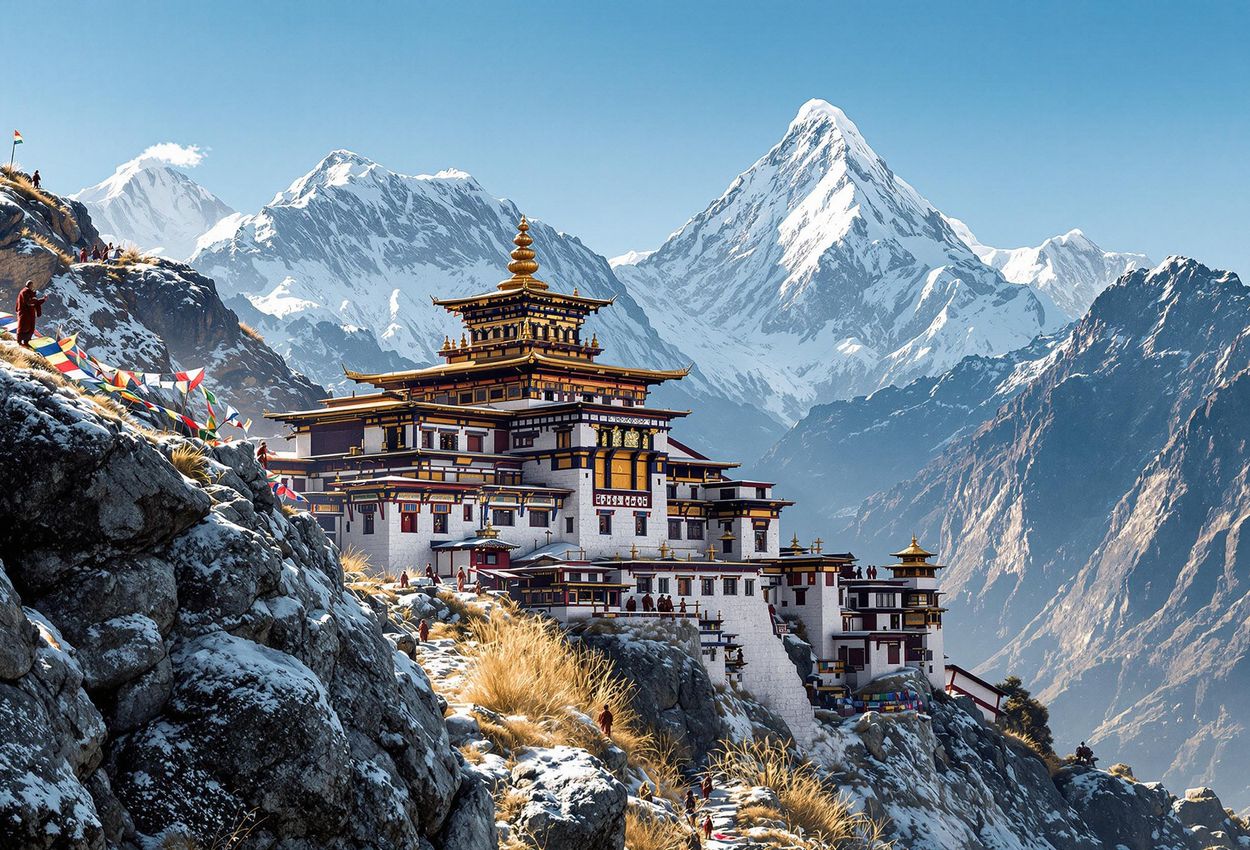
Consider Tengboche Monastery, perched high on a ridge overlooking Mount Everest. The viant colors of the prayer flags fluttering in the wind, the rhythmic chanting of the monks, and the panoramic views of the surrounding peaks create an atmosphere of profound serenity. Or explore the monasteries of Upper Mustang, hidden within the arid landscapes of Nepal, where centuries-old murals and intricate carvings adorn the walls, telling stories of Buddhist deities and ancient kings.
Spinning prayer wheels, adorned with the mantra Om Mani Padme Hum, is a common practice, believed to purify negative karma and accumulate merit. Mani stones, carved with prayers and mantras, are often found lining the trails, creating a pathway of devotion. The act of walking through this landscape, surrounded by these symbols of faith, can be deeply moving.
As a Jewish person, I found echoes of my own spiritual tradition in the mountains' grandeur. The vastness of the landscape reminded me of the infinite nature of God, while the challenges of the trek mirrored the trials and tribulations of life. The silence of the mountains offered an opportunity for introspection, a chance to connect with my inner self and find meaning in the journey.
Respect for local customs and traditions is paramount. Dress modestly when visiting monasteries, remove your shoes before entering prayer halls, and avoid loud or disruptive behavior. Ask permission before taking photos, and be mindful of the sacredness of the space. By demonstrating respect, you not only honor the local culture but also deepen your own spiritual experience.
Guardians of the Peaks: Stories from Local Guides
The heart and soul of Himalayan trekking lie not just in the majestic peaks but in the remarkable individuals who call these mountains home: the local guides. These men and women are more than just navigators; they are storytellers, cultural ambassadors, and guardians of the environment. Their deep connection to the mountains, their intimate knowledge of the local flora and fauna, and their unwavering commitment to preserving their heritage make them invaluable companions on any Himalayan trek.
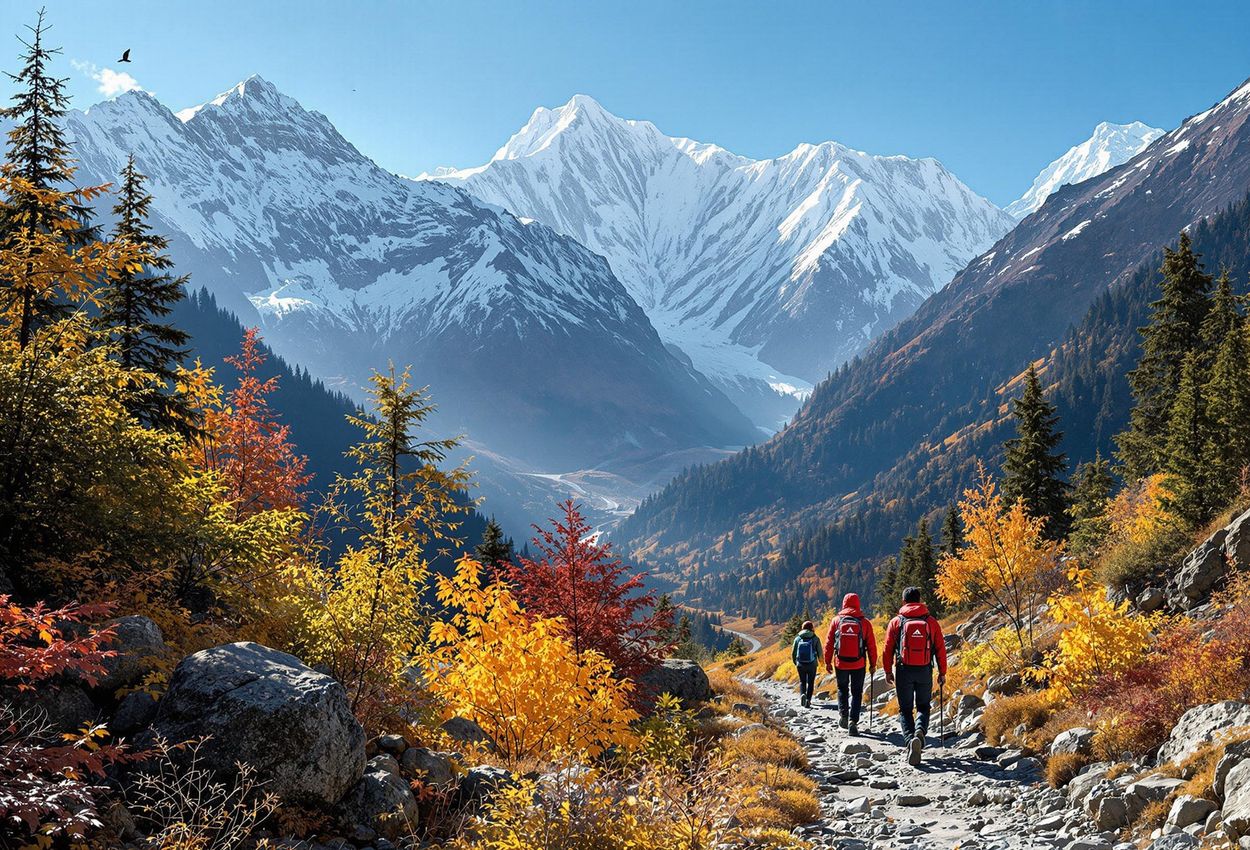
I had the privilege of spending several days trekking with a guide named Pemba, from a small village in the Annapurna region. He shared stories of his childhood, of growing up in the shadow of these towering peaks, of learning the ancient ways of his ancestors. He pointed out rare medicinal plants, explained the migratory patterns of the local wildlife, and shared his concerns about the impact of climate change on the region.
A typical day for a guide like Pemba is long and demanding. He rises before dawn to prepare eakfast, packs the gear, and leads the way along steep, rocky trails. He ensures the safety and well-being of his clients, providing encouragement and support along the way. He answers questions about the local culture, translates conversations with villagers, and shares his knowledge of the mountains. The challenges are numerous: unpredictable weather, altitude sickness, and the constant pressure to provide for his family. But the rewards are equally significant: the satisfaction of sharing his love of the mountains with others, the opportunity to earn a living in his homeland, and the knowledge that he is playing a vital role in preserving his culture and environment.
Hiring local guides is not only a responsible tourism practice but also a way to support the local economy. By employing local guides, you are directly contributing to the livelihoods of families in these remote communities. You are also ensuring that your money stays within the local economy, supporting small businesses and promoting sustainable development. Moreover, local guides provide an authentic and immersive cultural experience, offering insights and perspectives that you would never gain from a guidebook or a large tour operator.

A Symphony of Seasons: Timing Your Himalayan Odyssey
The Himalayas are a year-round destination, but the best time for trekking depends on your preferences and the specific region you plan to visit. Spring (March-May) and autumn (September-November) are generally considered the optimal seasons, offering pleasant weather, clear skies, and stunning views.
In spring, the mountains come alive with viant colors as rhododendrons burst into bloom, painting the hillsides in shades of red, pink, and purple. The weather is generally mild and sunny, making it ideal for trekking at lower altitudes. This is a particularly popular time for trekking to Everest Base Camp, as the trails are relatively dry and the views of Everest are often spectacular.
Autumn offers clear skies and crisp air, providing unparalleled views of the snow-capped peaks. The monsoon rains have subsided, leaving the landscape lush and green. This is an excellent time for tackling the Annapurna Circuit, as the trails are in good condition and the weather is generally stable. However, be prepared for colder temperatures at higher altitudes, especially in late autumn.
Summer (June-August) is monsoon season in the Himalayas, inging heavy rains and frequent landslides. Trekking is still possible during this time, but it can be challenging and potentially dangerous. Winter (December-Feuary) ings freezing temperatures and heavy snowfall, making many high-altitude treks impassable. However, lower-altitude treks can still be enjoyable, offering a unique perspective on the winter landscape.
Weather patterns in the Himalayas can be unpredictable, so itu2019s essential to check the forecast before you go and be prepared for all types of conditions. Temperature ranges can vary dramatically depending on altitude and time of day. Pack layers of clothing to adapt to changing conditions, and be sure to ing waterproof gear, even during the dry seasons.
Footprints on the Roof of the World: Sustainable Trekking Practices
The allure of the Himalayas draws increasing numbers of trekkers each year, but this popularity comes with a responsibility to protect the fragile environment and support the local communities. Sustainable trekking practices are essential to minimize the negative impact of tourism and ensure that future generations can enjoy the beauty of these mountains.
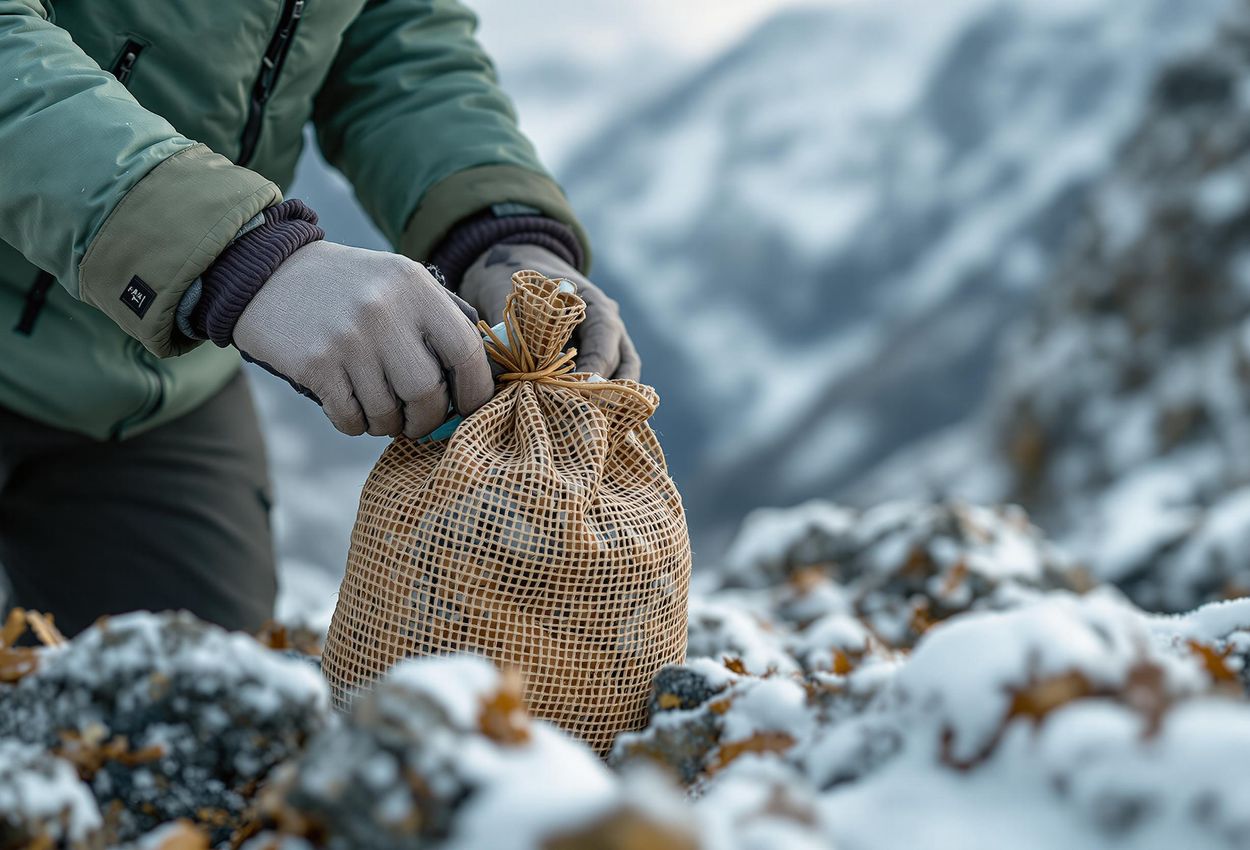
One of the most significant challenges is waste management. Plastic bottles, food wrappers, and other trash can accumulate along the trails, polluting the environment and harming wildlife. Trekkers should pack out all their trash, even small items like candy wrappers and cigarette butts. Using reusable water bottles and avoiding single-use plastics can also make a big difference.
Deforestation is another concern, as trees are often cut down for firewood and construction. Trekkers should avoid using firewood whenever possible, opting for alternative fuels like kerosene or gas. Supporting local businesses that use sustainable practices, such as eco-lodges and restaurants that source their ingredients locally, can also help reduce deforestation.
Respecting local culture is equally important. Dress modestly when visiting villages and monasteries, ask permission before taking photos, and avoid loud or disruptive behavior. Learning a few basic phrases in the local language can also go a long way in building rapport with the community.
Several organizations are working to promote sustainable tourism in the Himalayas. The International Centre for Integrated Mountain Development (ICIMOD) is a regional intergovernmental learning and knowledge sharing centre serving the eight regional member countries of the Hindu Kush Himalaya u2013 Afghanistan, Bangladesh, Bhutan, China, India, Myanmar, Nepal and Pakistan. It has great resources for sustainable practices.
When the Earth Trembles: Navigating Himalayan Challenges
Trekking in the Himalayas is an adventure, but it's also essential to be aware of the potential challenges and to take steps to mitigate the risks. Altitude sickness, unpredictable weather, and natural disasters are all potential hazards that trekkers should be prepared for.
Altitude sickness is a common ailment at high altitudes, caused by the reduced oxygen levels in the air. Symptoms can range from mild headaches and nausea to life-threatening conditions like pulmonary edema and cereal edema. Acclimatization is key to preventing altitude sickness. Ascend gradually, spending several days at each altitude to allow your body to adjust. Drink plenty of water, avoid alcohol and caffeine, and eat a high-carbohydrate diet.
Weather in the Himalayas can change rapidly, even during the dry seasons. Be prepared for sudden storms, heavy snowfall, and extreme temperature fluctuations. Pack appropriate gear, including waterproof clothing, warm layers, and sturdy hiking boots. Stay informed about the weather conditions, and be prepared to adjust your plans if necessary.
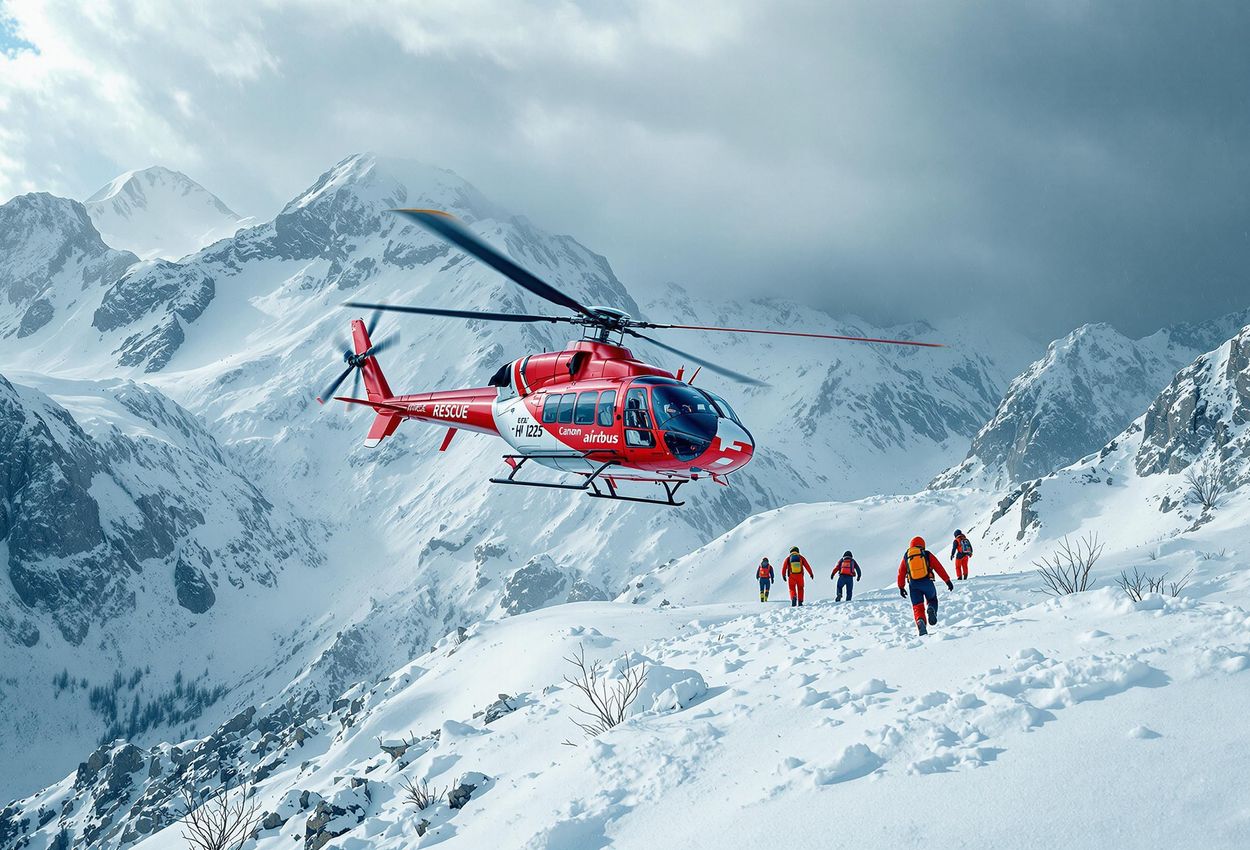
The Himalayas are also prone to natural disasters, such as earthquakes and landslides. Be aware of the potential risks, and follow the advice of local authorities. Travel insurance is essential, as it can cover the costs of medical treatment, evacuation, and other unforeseen expenses. Make sure your insurance policy covers trekking at high altitudes and includes emergency evacuation coverage.
Local rescue services are available in many areas of the Himalayas, but response times can be slow due to the remote terrain. It's important to be self-sufficient and prepared to handle emergencies on your own. Carry a first-aid kit, a satellite phone or personal locator beacon (PLB), and know how to use them.
Permits and Protocols: Gearing Up for the Great Outdoors
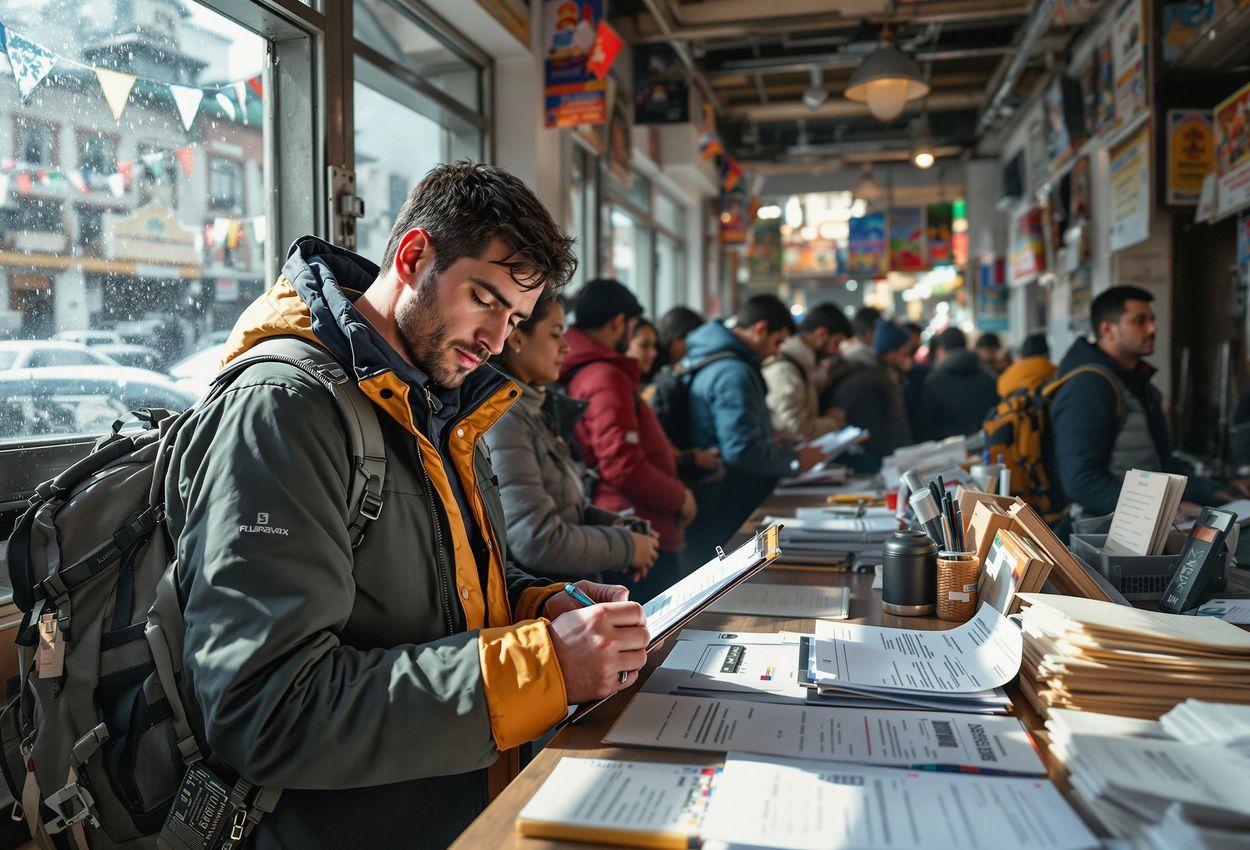
Before embarking on a Himalayan trek, it's essential to obtain the necessary permits and understand the relevant regulations. The requirements vary depending on the destination and the type of trek you plan to undertake. In Nepal, the most common permits are the TIMS (Trekkers' Information Management System) card, the Restricted Area Permit (RAP), the National Park Permit, and the Conservation Area Permit.
The TIMS card is required for all trekkers in Nepal, except for those trekking in restricted areas. It helps the government monitor trekking activity and ensure the safety of trekkers. The RAP is required for trekking in certain restricted areas, such as Upper Mustang and the Tsum Valley. These areas are often culturally sensitive or environmentally fragile, and the RAP helps to regulate the number of trekkers and minimize the impact on the local communities and ecosystems.
National Park Permits and Conservation Area Permits are required for trekking in national parks and conservation areas, such as the Annapurna Conservation Area and the Sagarmatha (Everest) National Park. These permits help to fund conservation efforts and protect the natural environment.
In India, permits are required for trekking in certain areas of the Himalayas, particularly in the states of Jammu and Kashmir, Himachal Pradesh, and Uttarakhand. The requirements vary depending on the state and the specific region. It's essential to check the regulations and obtain the necessary permits before you go.
In 2025, new regulations are in place in many areas of the Himalayas, including mandatory guides and digitized permit systems. These regulations are designed to improve safety, protect the environment, and promote responsible tourism. Be sure to check the latest requirements before you go, and be prepared to comply with all applicable regulations. Permits can typically be obtained in Kathmandu or Pokhara.
Beyond the ochure: Unveiling Authentic Cultural Encounters
While the stunning landscapes of the Himalayas are undoubtedly a major draw, the opportunity for authentic cultural encounters is what truly sets this region apart. Stepping beyond the well-trodden tourist trails and immersing yourself in the local communities can provide a deeper understanding of the Himalayan way of life and create lasting memories.
One of the best ways to experience the local culture is to participate in festivals. These viant celeations are a riot of color, music, and dance, offering a glimpse into the rich traditions of the Himalayan people. Attending a Sherpa wedding, with its elaborate rituals and joyous atmosphere, is an unforgettable experience. Visiting a Gurung village, known for its unique architecture and traditional crafts, can provide a fascinating insight into the local culture. Learning about Tibetan Buddhism, with its emphasis on compassion and mindfulness, can be a transformative experience.
Visiting local homes is another way to connect with the community. Many families offer homestays, providing trekkers with the opportunity to live alongside locals, share meals, and learn about their daily lives. This is a great way to experience the warmth and hospitality of the Himalayan people and to gain a deeper understanding of their culture.
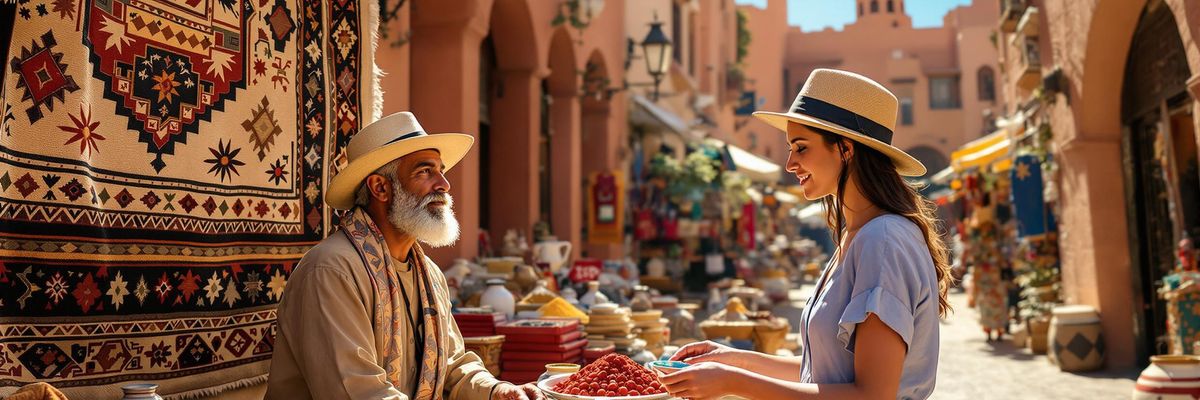
Learning about traditional crafts is also a rewarding experience. The Himalayas are known for their intricate textiles, wood carvings, and metalwork. Visiting local workshops and learning about the techniques used to create these crafts can provide a fascinating insight into the artistic traditions of the region. Purchasing handicrafts directly from the artisans is a great way to support the local economy and preserve these traditions.
Respectful and responsible cultural exchange is essential. Be mindful of local customs and traditions, dress modestly, and ask permission before taking photos. Avoid loud or disruptive behavior, and be sensitive to the local culture. By demonstrating respect, you can foster meaningful connections with the local communities and create a positive impact on their lives.
The Himalayas offer a journey of a lifetime, a chance to connect with nature, culture, and oneself. By emacing the challenges, respecting the environment, and engaging with the local communities, you can create an unforgettable experience that will stay with you long after you've left the mountains.