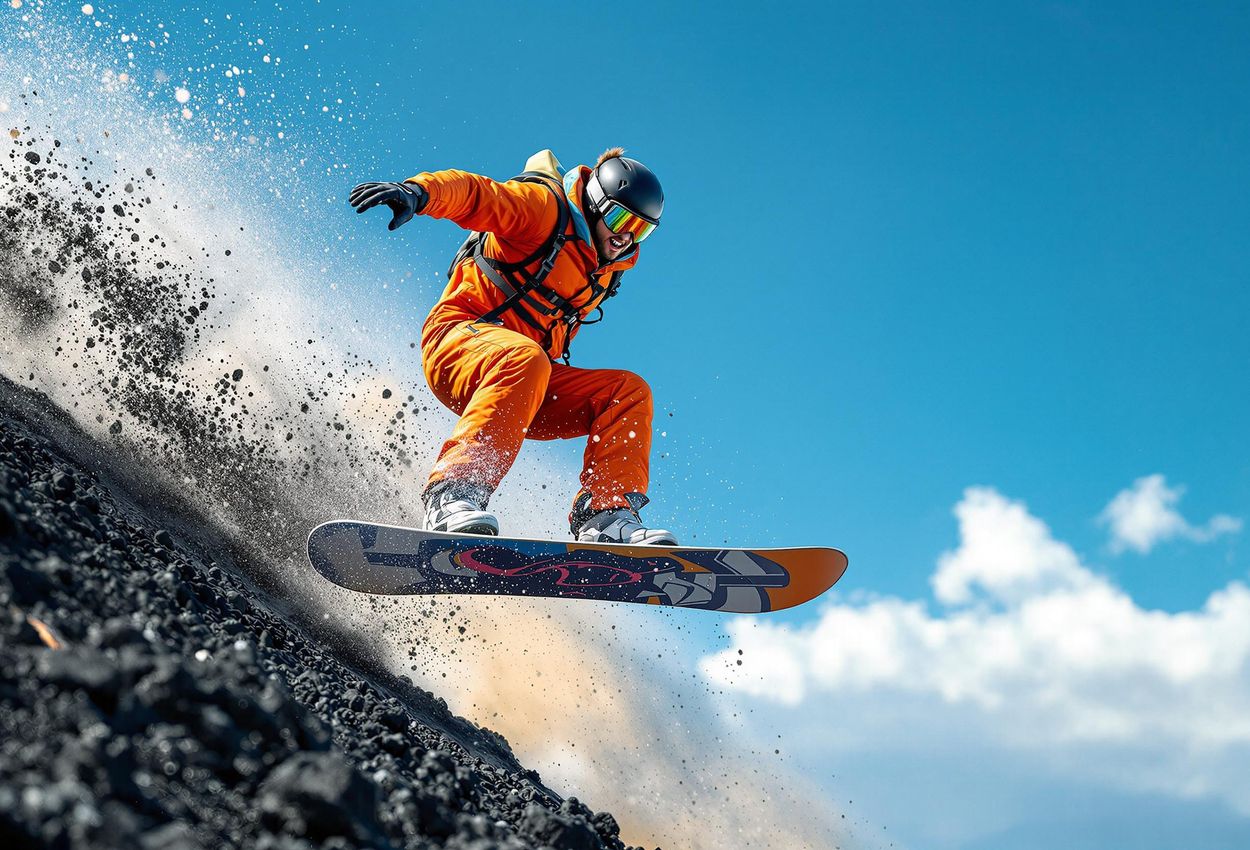
Imagine the wind whipping past your face, volcanic gravel spraying behind you, as you hurtle down the side of an active volcano. This isn't a scene from a daredevil movie; it's volcano boarding in Nicaragua, an adrenaline-pumping adventure that's drawing thrill-seekers from around the globe.
Léon Beckons: A City Steeped in History
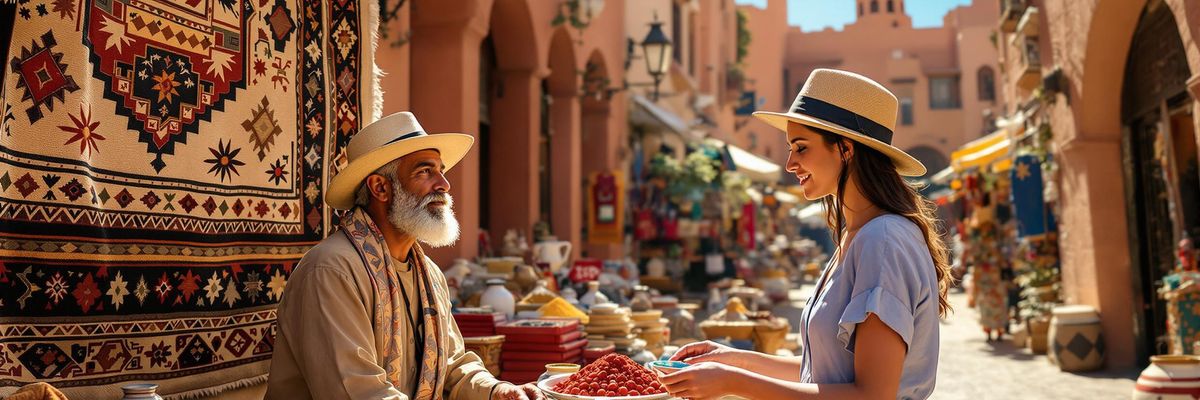
Léon, Nicaragua, is more than just a gateway to volcanic thrills; it's a city that eathes history. Nestled on the banks of the Chiquito River, its colonial architecture whispers tales of a viant past. Grand cathedrals cast long shadows over cobblestone streets, and the air hums with the energy of a culture both resilient and proud. But beyond its aesthetic charm, Léon bears the marks of a turbulent 20th century, a period defined by revolution and resilience. The city played a pivotal role in the Sandinista revolution, its streets echoing with the cries of freedom fighters and the rumble of conflict. Today, the bullet-scarred walls serve as a stark reminder of the nation's struggle for independence and social justice.
In recent years, however, a new chapter has begun for Léon. The spirit of innovation and adventure has eathed new life into its tourism industry, transforming it from a historical landmark into an adventure tourism hub. And at the heart of this transformation lies volcano boarding, a uniquely Nicaraguan experience that has captured the imagination of travelers worldwide. This daring activity has not only revitalized the city's economy but has also given it a fresh identity, blending its rich history with an unyielding spirit of adventure. The influx of tourists seeking the adrenaline rush of volcano boarding has spurred the growth of local businesses, creating jobs and opportunities for the community. As you wander through the streets of Léon, you'll witness a viant fusion of old and new, where the echoes of the past harmonize with the pulse of the present, all thanks to the fiery allure of volcano boarding.
The city itself is a canvas of contrasts. Crumbling colonial facades stand alongside ightly painted murals, a testament to the city's artistic spirit. The aroma of freshly ewed coffee mingles with the scent of street food, creating an intoxicating blend that tantalizes the senses. In the central plaza, locals gather to share stories and laughter, their voices rising above the rhythmic strumming of a lone guitarist. It is within this viant and historically rich setting that the adventure of volcano boarding unfolds, offering visitors a chance to immerse themselves in the heart and soul of Nicaragua.

Cerro Negro Unveiled: A Young Volcano's Tale
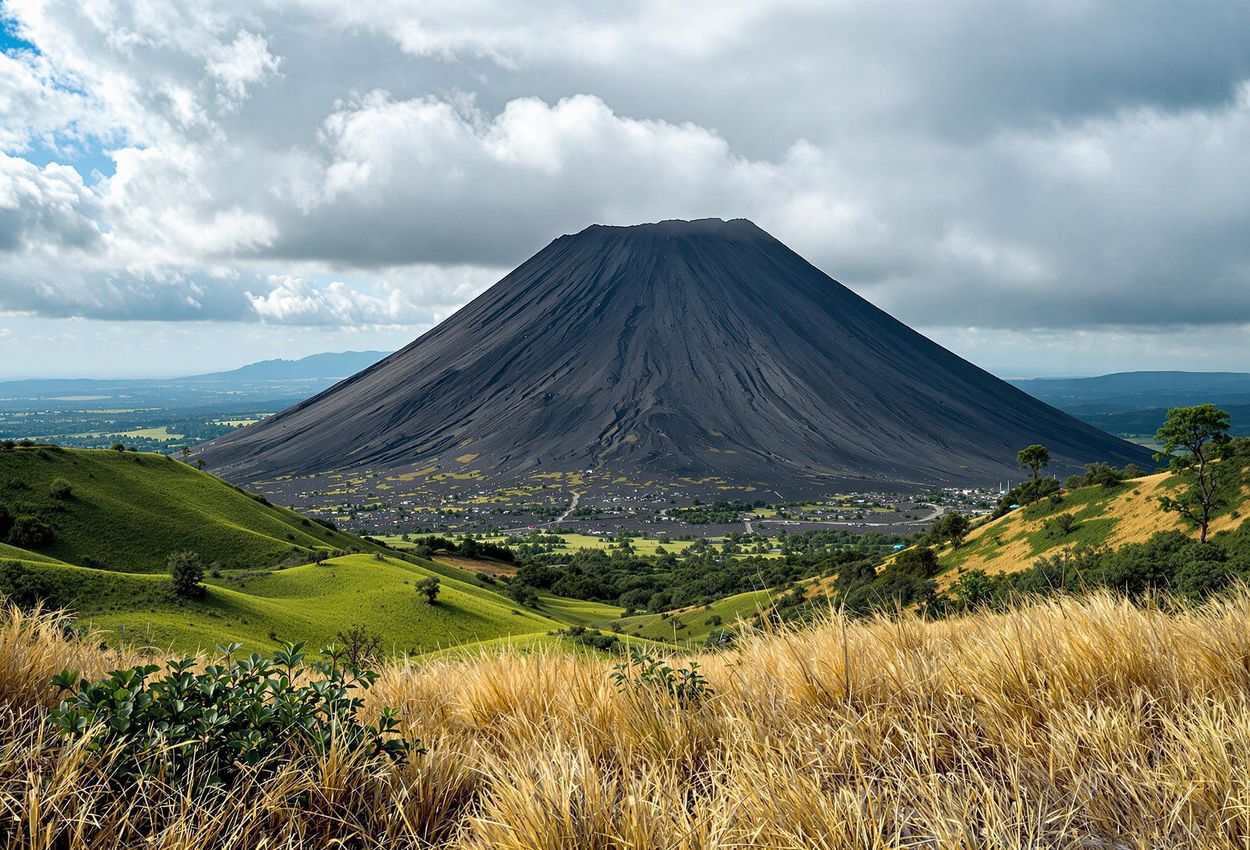
Just 25 kilometers northeast of Léon rises Cerro Negro, a stark contrast to the lush, green landscape that surrounds it. As Central America's youngest and most active volcano, it stands as a testament to the raw, untamed power of nature. Born in 1850, this geological upstart has since erupted multiple times, reshaping the landscape and captivating the imaginations of scientists and adventurers alike. Its most recent eruption in 1999 served as a reminder of its volatile nature, spewing ash and lava into the sky, a spectacle both terrifying and awe-inspiring.
What sets Cerro Negro apart is its unique composition. Unlike its verdant neighbors, it's a basaltic cinder cone, a type of volcano formed from the accumulation of volcanic cinders and ash. This gives it a distinct black appearance, hence its local name: Black Hill. The stark contrast between the black volcanic rock and the surrounding green hills creates a dramatic visual effect, making it a striking landmark in the Nicaraguan landscape. Standing at approximately 726 meters, its imposing silhouette dominates the horizon, beckoning those who dare to challenge its slopes.
The volcano's steep, conical shape makes it ideal for volcano boarding, providing a thrilling, gravity-fueled descent. The loose volcanic rock offers a unique surface for sliding, adding an element of unpredictability to the experience. As you ascend the slopes of Cerro Negro, you'll feel the wind picking up, carrying with it the faint scent of sulfur, a reminder of the molten forces simmering beneath your feet. The panoramic views from the summit are eathtaking, stretching across the vast Nicaraguan plains and towards the distant mountain ranges. But it's the anticipation of the descent that truly sets your heart racing, the knowledge that you're about to embark on an adventure unlike any other.
The Genesis of Volcano Boarding: An Aussie's Innovation
The story of volcano boarding is a testament to human ingenuity and the pursuit of adrenaline-fueled adventure. The unlikely hero of this tale is Darryn Webb, an Australian traveler who stumbled upon Cerro Negro and saw its slopes not as a geological formation, but as a giant, natural playground. Driven by a spirit of experimentation, he set about inventing a way to conquer the volcano's treacherous terrain.
His early attempts were anything but glamorous. Webb experimented with a variety of materials, from mattresses to refrigerator doors, each proving inadequate for the task. Mattresses offered little control, while refrigerator doors were too unwieldy and dangerous. Undeterred, he continued to refine his design, eventually settling on a wooden board reinforced with a metal base. This rudimentary contraption, though far from perfect, proved to be the key to unlocking the volcano's potential for extreme sports.
It's worth noting that Eric Barone had previously attempted to cycle down Cerro Negro, and famously crashed. While not directly related to the invention of volcano boarding, it highlights the initial attraction to the volcano for extreme sport enthusiasts. Webb's innovation, however, was more accessible and quickly gained popularity.
Volcano boarding quickly transformed Léon into a tourist hotspot. Backpackers and thrill-seekers flocked to the city, eager to experience the unique adrenaline rush of sliding down an active volcano. The once-sleepy colonial town was now buzzing with energy, its streets filled with the laughter and excitement of adventure-hungry travelers. Local businesses thrived, offering tours, equipment rentals, and a range of services catering to the growing demand for volcano boarding experiences. Darryn Webb's invention had not only created a new sport but had also revitalized the economy of Léon, cementing its place as the volcano boarding capital of the world.

Gearing Up for the Descent: Safety First
Before you can experience the exhilaration of volcano boarding, proper preparation is essential. Several tour operators in Léon offer volcano boarding excursions, each providing the necessary equipment and guidance to ensure a safe and unforgettable adventure. Popular choices include Bigfoot Hostel, known for its party atmosphere; Volcano Day Nicaragua, a more budget-friendly option; and Quetzaltrekkers, a non-profit organization that supports local communities.
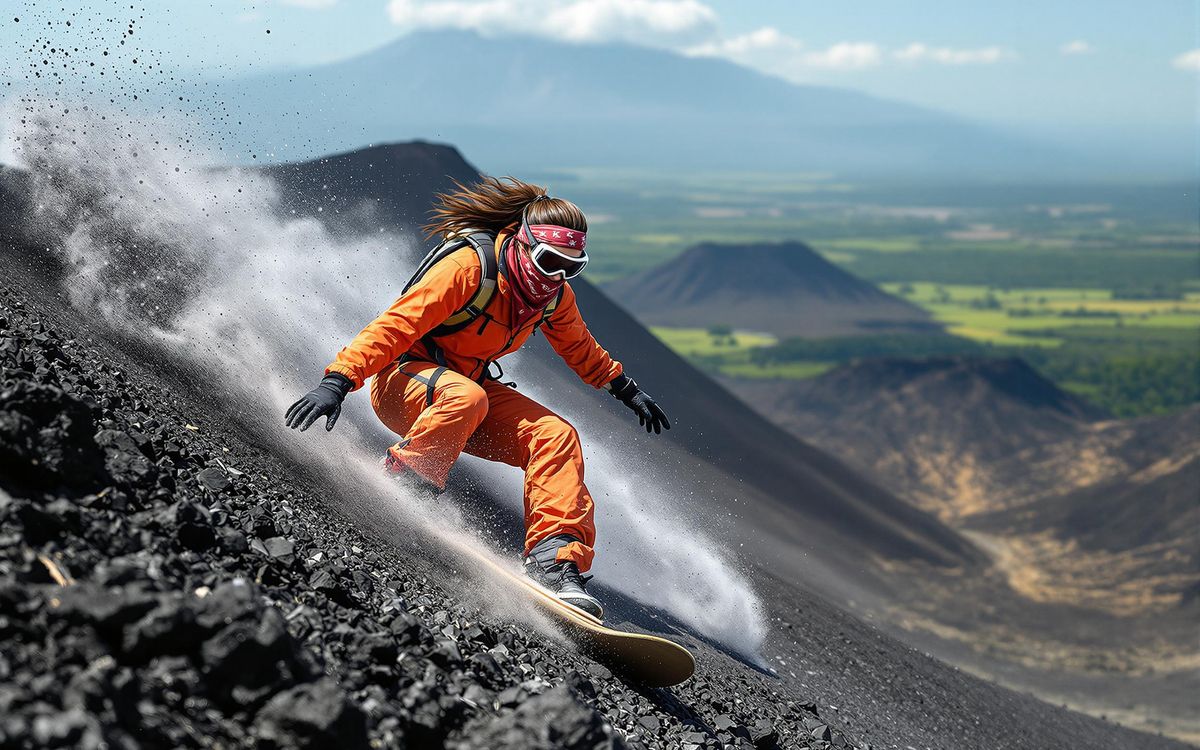
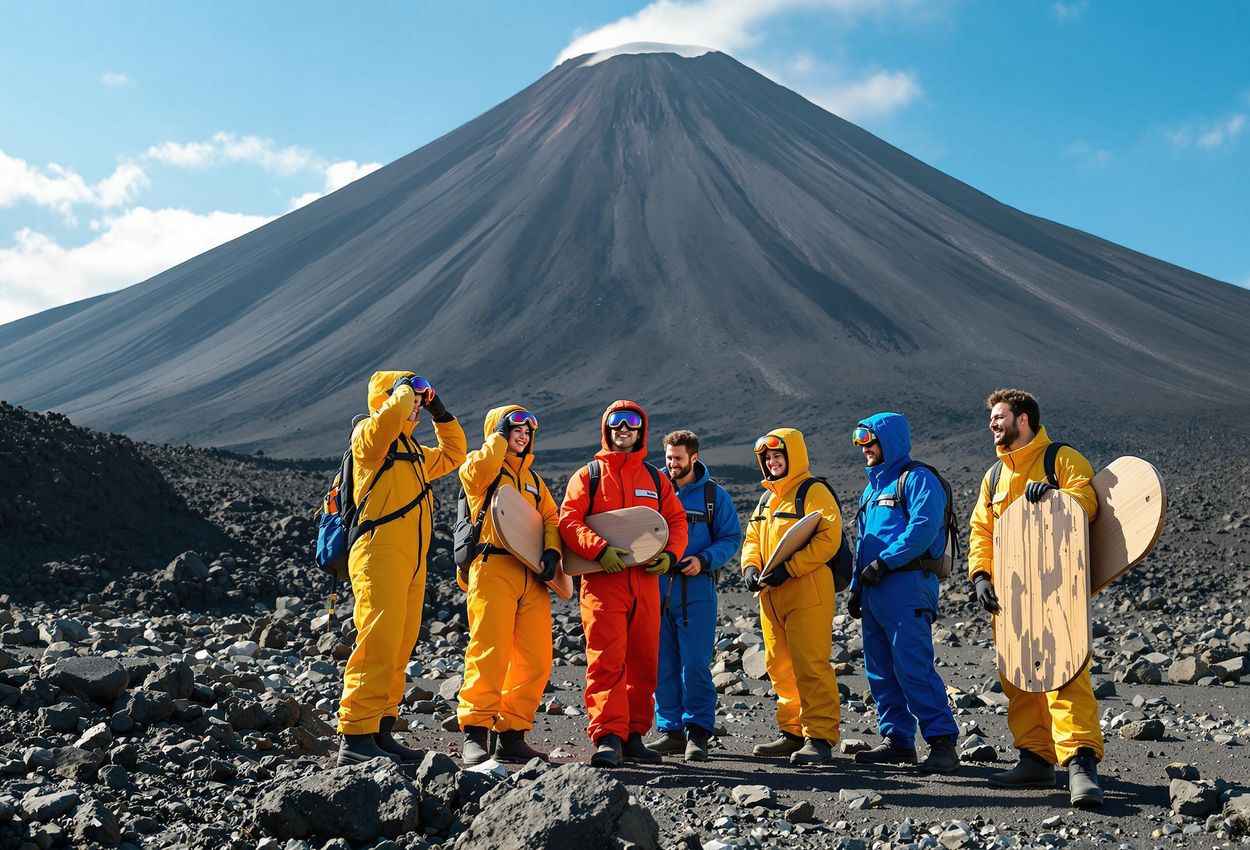
Regardless of which operator you choose, you'll be provided with a standard set of safety gear. A durable jumpsuit is essential for protecting your skin from the aasive volcanic rock. Goggles are crucial for shielding your eyes from the dust and gravel that will inevitably be kicked up during the descent. Sturdy gloves will protect your hands from cuts and scrapes as you grip the board. It's imperative to wear closed-toe shoes to prevent injuries to your feet. A bandana is also highly recommended to cover your mouth and nose, filtering out the fine volcanic dust.
Staying hydrated is also paramount. ing plenty of water to combat the heat and exertion of the hike and the descent. The Nicaraguan sun can be intense, so sunscreen is also a must. For those who prefer not to carry their equipment, many tour operators offer the option to hire locals to carry boards and protective clothing up the volcano. This provides a valuable source of income for the community and allows you to conserve your energy for the thrilling ride down.
While the provided safety equipment offers a basic level of protection, it's important to be aware of the inherent risks involved in volcano boarding. Minor scrapes and uises are common, but more serious injuries can occur if proper precautions are not taken. Always listen carefully to the instructions provided by your tour guide, and never attempt to exceed your abilities. By prioritizing safety, you can minimize the risks and maximize the enjoyment of this unique and unforgettable adventure.
Ascending the Black Hill: A Climber's Perspective
The ascent of Cerro Negro is an integral part of the volcano boarding experience, a challenging yet rewarding trek that offers stunning panoramic views of the surrounding landscape. The hike typically takes between 45 minutes to an hour, depending on your fitness level and the conditions of the trail. The terrain is characterized by loose volcanic rock, which can make footing tricky, so sturdy shoes and a good sense of balance are essential.
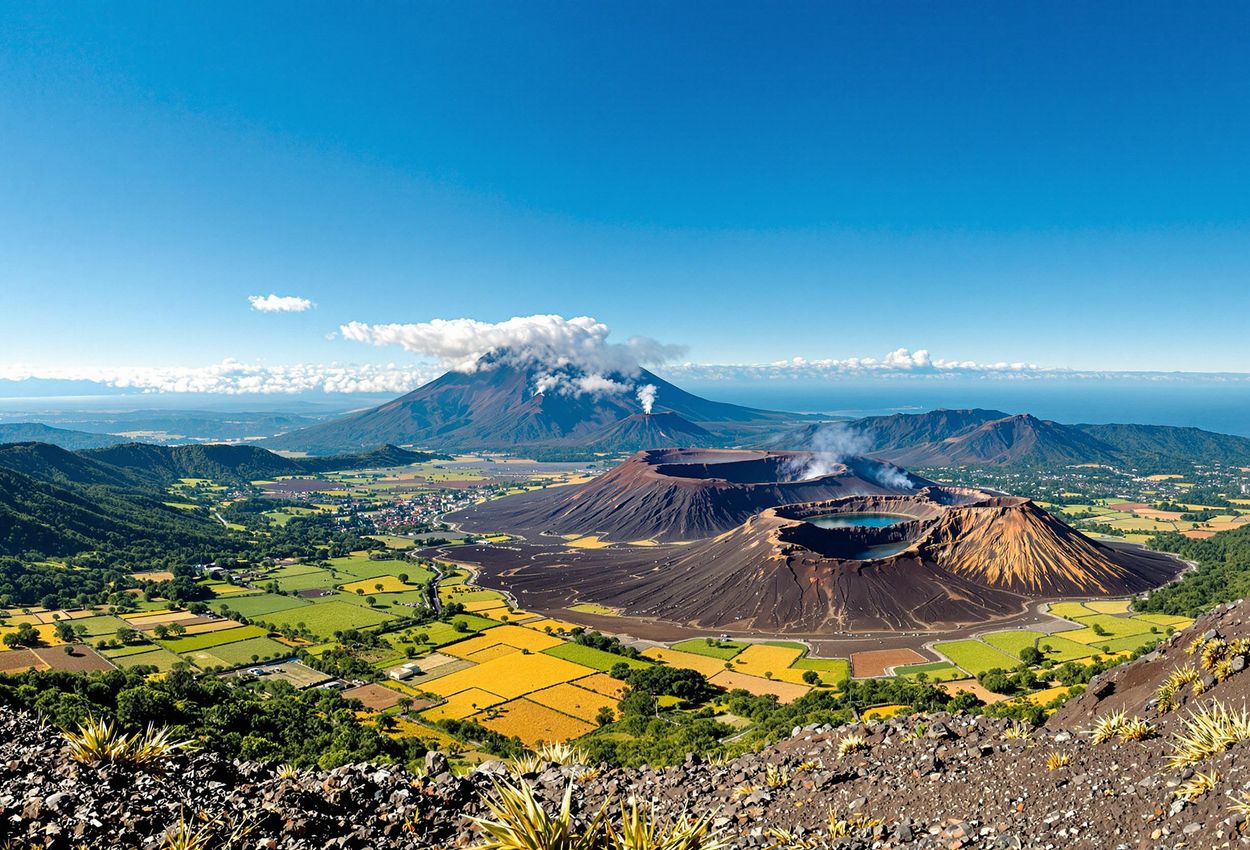
As you climb higher, the views become increasingly eathtaking. The vast Nicaraguan farmland stretches out before you, a patchwork of green fields and rolling hills. In the distance, the Cordillera Los Maribios mountain range rises majestically, its peaks often shrouded in mist. The wind picks up as you near the summit, carrying with it the scent of sulfur and the sound of the volcano's eath.
One of the most striking features of Cerro Negro is the presence of colorful smoking craters. These vents release plumes of steam and volcanic gases, painting the landscape with viant hues of yellow, orange, and red. The sight of these fumaroles serves as a constant reminder of the volcano's active nature, adding an element of drama to the already awe-inspiring scenery. Take a moment to pause and appreciate the raw beauty of this geological wonder before preparing for the adrenaline-fueled descent.
The hike itself is a microcosm of the Nicaraguan experience u2013 challenging, beautiful, and full of surprises. You'll likely encounter local vendors selling refreshments and souvenirs, offering a glimpse into the local culture. You might even spot wildlife, such as lizards and birds adapted to the harsh volcanic environment. As you reach the summit, you'll feel a sense of accomplishment, knowing that you've conquered this formidable peak and are about to embark on an unforgettable adventure.
The Boarder's Stance: Mastering the Art of Descent
The moment of truth has arrived. Standing at the summit of Cerro Negro, with your board beneath your feet and the wind in your hair, it's time to emace the art of volcano boarding. The technique is surprisingly simple: sit on the board, grip the edges firmly, and use your feet to control your speed and direction. Leaning back will increase your speed, while digging your heels into the volcanic gravel will help you slow down or stop.
The average speed achieved during a volcano boarding descent is around 45 kilometers per hour, but daredevils have been known to reach speeds of up to 100 kilometers per hour. As you begin your descent, you'll feel the rush of adrenaline coursing through your veins. The volcanic gravel sprays up behind you, creating a cloud of dust that momentarily obscures your vision. The wind whips past your face, and the ground blurs beneath you. It's a sensory overload, a symphony of sights, sounds, and sensations that will leave you eathless.
The sensation of sliding down the volcano is unlike anything else. It's a combination of skiing, snowboarding, and sandboarding, all rolled into one. The loose volcanic rock provides a unique surface for gliding, offering a mix of control and unpredictability. You'll need to be quick on your feet, constantly adjusting your balance and steering to navigate the terrain. But with a little practice, you'll soon find your rhythm, carving your way down the slopes with confidence and style.
As you reach the bottom of the volcano, you'll be greeted by a chorus of cheers and applause. You'll feel a sense of exhilaration, a feeling of having conquered a challenge and pushed your limits. The volcanic dust will be clinging to your skin and clothes, a badge of honor that marks you as a volcano boarding veteran. But most of all, you'll have a memory that will last a lifetime, a story to tell for years to come. The fiery descent down Cerro Negro is more than just an adventure; it's an experience that will ignite your spirit and leave you craving more.