St. Stephens Historical Park: Where Alabama Began
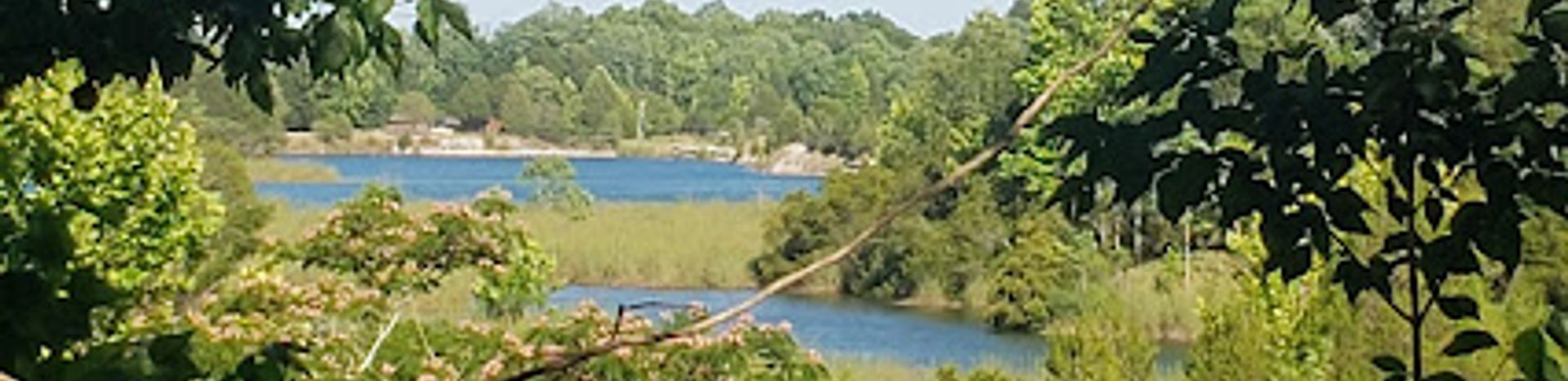
Explore Alabama's territorial capital: history, recreation, and natural beauty converge at St. Stephens Historical Park on the Tombigbee River.
Explore the site of Alabama's first territorial capital at St. Stephens Historical Park. Discover historical ruins, enjoy outdoor recreation on the Tombigbee River and a quarry lake, and immerse yourself in the state's rich history.
A brief summary to St. Stephens Historical Park
- 2056 Jim Long Road, St Stephens, AL, 36569, US
- +1251-247-2622
- Visit website
Local tips
- Bring binoculars for bird watching; the park is a featured site on the Alabama Birding Trails [2].
- Consider booking a cabin or RV site in advance, especially during the summer months [5, 8].
- Check the park's website or call ahead to inquire about ongoing archaeological digs and tour availability [3].
- Pack a picnic to enjoy by the quarry lake or along the Tombigbee River [4].
- Be aware that the park gate may be closed for a few hours in the afternoon during November through February [8].

Getting There
-
Driving
St. Stephens Historical Park is located at 2056 Jim Long Road, St. Stephens, AL 36569. From the town of St. Stephens, head northwest on County Road 34/St. Stephens Road. Turn left onto Jim Long Road. The park entrance will be on your right. There is no fee for parking [11].
-
Walking
From anywhere within the town of St. Stephens, the park is accessible via a walk along County Road 34/St. Stephens Road and Jim Long Road. Be aware that there are no sidewalks and limited shoulder along portions of the route. The walk is approximately 2 miles and should take under 45 minutes. There is no fee to enter the park [11].
Discover more about St. Stephens Historical Park
Iconic landmarks you can’t miss

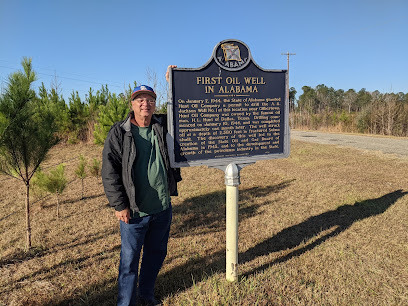
First Oil Well in Alabama
45.7 km
Explore the First Oil Well in Alabama, a historical landmark that captures the essence of the state's pioneering oil industry and its impact on American history.
"Claiborne" Historical Marker
49.7 km
Reflect on Alabama's past at the Claiborne Historical Marker, commemorating a fort and a once-thriving river town.
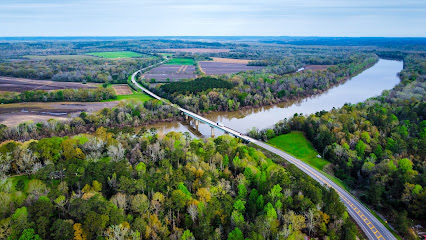
Bottle Creek Indian Mounds Trailhead
61.6 km
Explore ancient Mississippian culture at Bottle Creek Indian Mounds Trailhead, a historic landmark in Alabama's Mobile-Tensaw Delta.
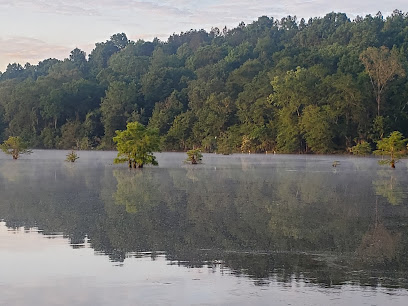
Alabama River
75.4 km
Explore the historic and scenic Alabama River, a vital waterway offering recreation, natural beauty, and a glimpse into the state's rich past.
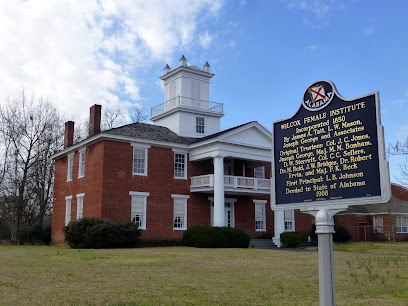
Wilcox Historical Society
85.5 km
Preserving Wilcox County's heritage through education, preservation, and community engagement at the historic Wilcox Female Institute.
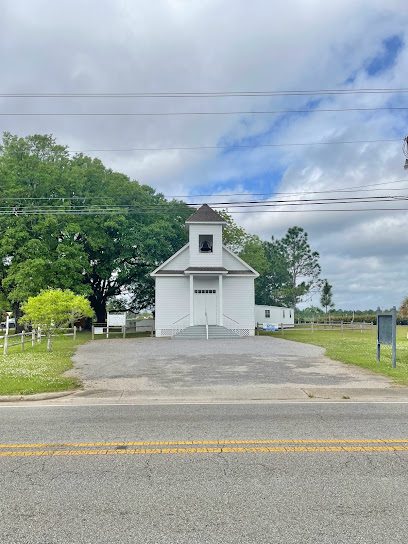
Semmes Heritage Park
89.8 km
Discover Semmes Heritage Park: Where history comes alive in a preserved early 20th-century Alabama community.
Fort Blakeley Battlefield
90.5 km
Explore the site of the Civil War's last major battle and walk in the footsteps of history at Fort Blakeley Battlefield in Spanish Fort, AL.
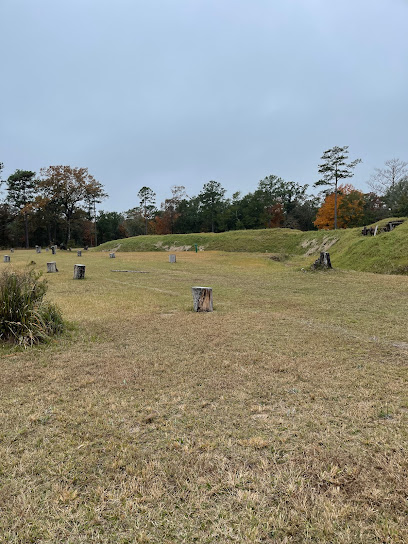
Africatown Historic District
91.7 km
Discover the profound legacy of the Africatown Historic District, a landmark that celebrates the resilience and rich culture of Mobile's African American community.
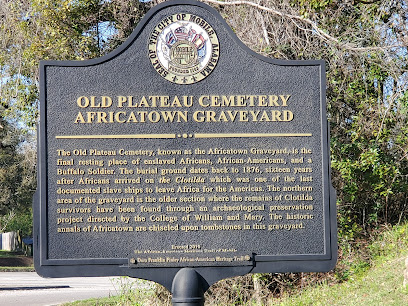
Magazine Point
92.2 km
Discover Magazine Point in Mobile, AL: Where the story of Africatown and the last slave ship Clotilda began, shaping a legacy of resilience.
National African Amer Archives
95.7 km
Explore the legacy of African Americans at Mobile's Historic Avenue Cultural Center, a landmark of history and culture.
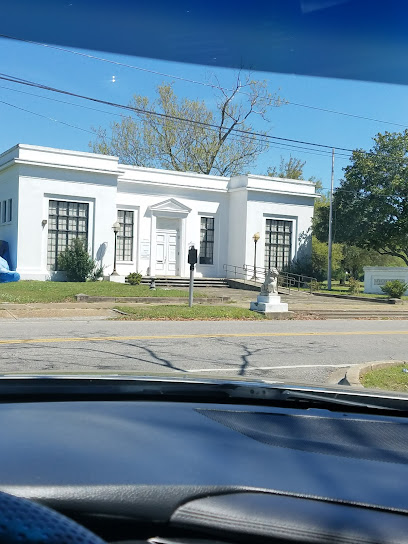
Georgia Cottage U.S. National Register of Historic Places
95.8 km
Discover the historic charm of Georgia Cottage in Mobile, Alabama, a Greek Revival gem with literary ties to Augusta Jane Evans.
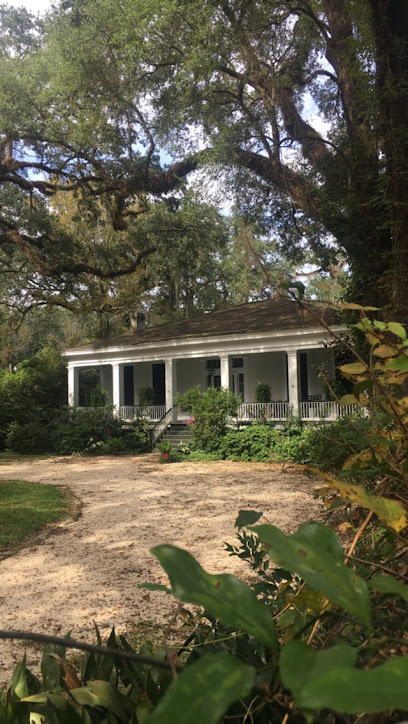
Visitation Monastery
96.0 km
Discover peace and history at Mobile's Visitation Monastery, a sanctuary of prayer and contemplation since 1832.
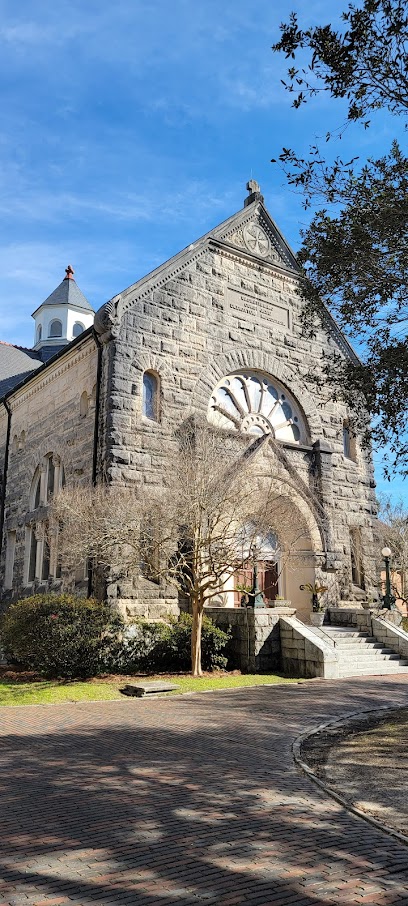
Pincus Building
96.1 km
Discover the historic Pincus Building in Mobile, a Queen Anne-style architectural landmark designed by Rudolph Benz in 1891.
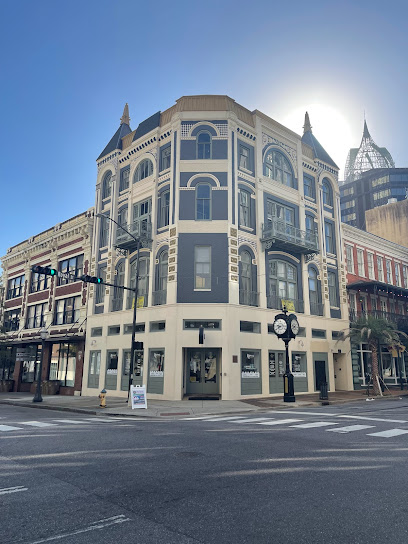
Jackson Place
96.1 km
Discover the historical charm of Jackson Place in Mobile, Alabama, a serene landmark that showcases the region's rich heritage.
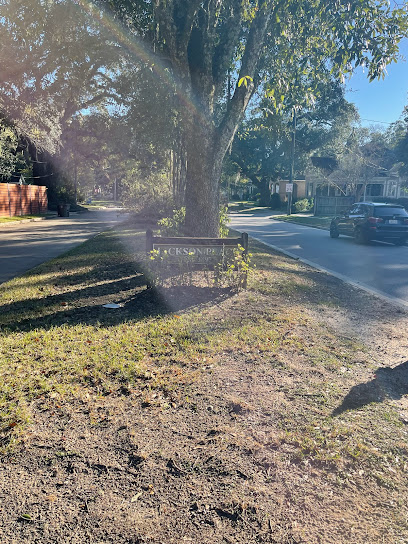
Visit Mobile Alabama
96.1 km
Discover Mobile, Alabama: History, culture, and Southern charm converge in the Port City. Plan your adventure with Visit Mobile!

Unmissable attractions to see

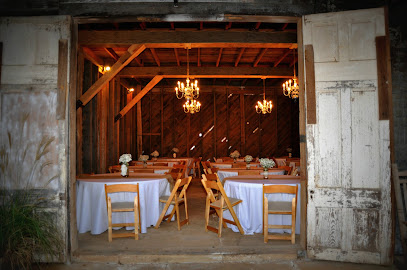
Katie Hearn Oaks
7.4 km
A charming event venue in Leroy, Alabama, specializing in weddings and special occasions with rustic Southern elegance.
Richardson Farms
8.2 km
Experience rural charm at Richardson Farms in Leroy, AL: pick fresh produce, enjoy seasonal festivals, and create lasting family memories.

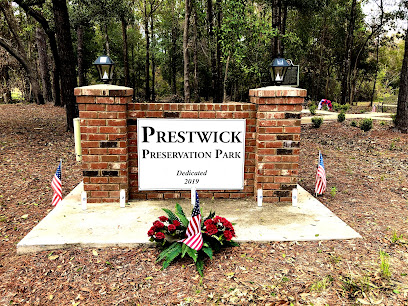
Prestwick Preservation Park
12.7 km
Discover Washington County's hidden stories at Prestwick Preservation Park, a tribute to local history and African American heritage.
Kimball House
14.0 km
Explore the history of Jackson, Alabama, at the Kimball House, a preserved pioneer home with stories from the 1800s.
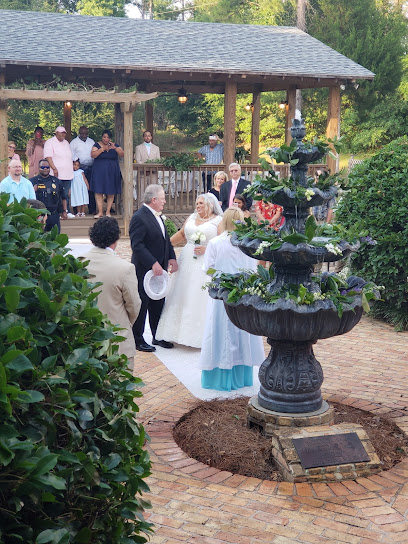
H.W. Pearce, Jr. Memorial Park
15.1 km
Discover a serene escape in Jackson, Alabama, with lush gardens, memorials, and recreational activities at H.W. Pearce, Jr. Memorial Park.
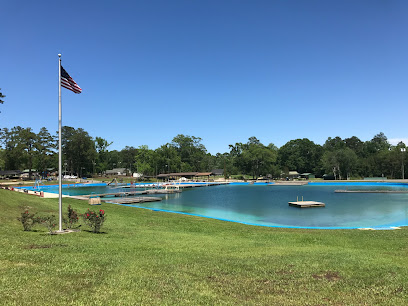
Maubila Scout Reservation
22.0 km
Discover outdoor adventure and scouting traditions at Maubila Scout Reservation in Grove Hill, Alabama. A perfect getaway for families and nature enthusiasts.
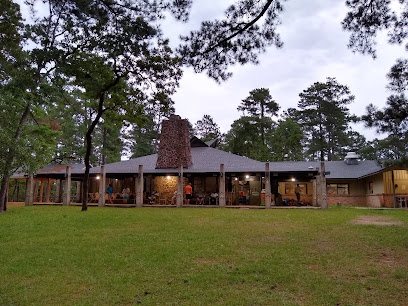
Service Park Campground
24.0 km
Escape to Service Park Campground on Coffeeville Lake for camping, fishing, and boating in a scenic Alabama setting.
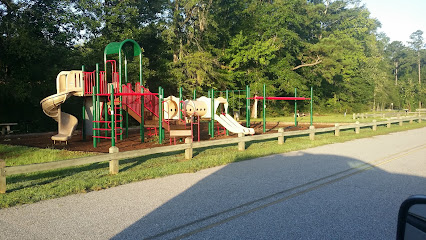
Bladon Springs State Park
25.3 km
Discover historic mineral springs and natural beauty at Bladon Springs State Park, a peaceful retreat in Choctaw County, Alabama.
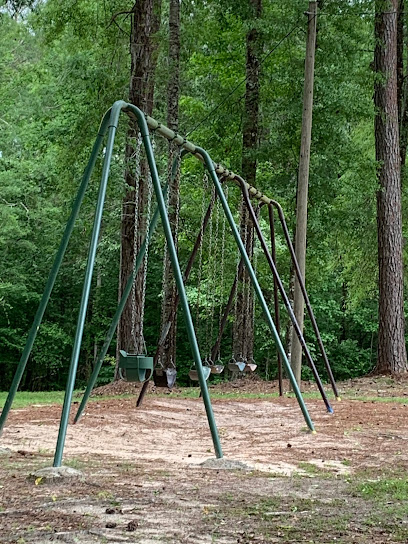
Bladon Springs County Park
25.7 km
Discover historic mineral springs, scenic trails, and peaceful nature at Bladon Springs County Park, a hidden gem in Silas, Alabama.
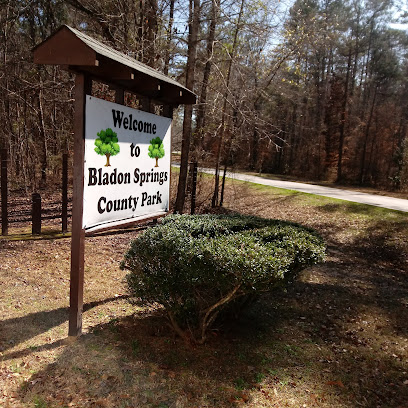
Millry City Park
27.9 km
Discover a peaceful retreat in Millry City Park, a charming destination for relaxation, community, and natural beauty in rural Alabama.
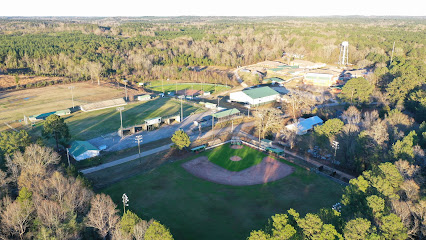
Clarke Co Historical Museum
30.0 km
Discover Southwest Alabama's history at the Clarke County Historical Museum in Grove Hill, featuring exhibits from prehistoric times to pioneer life.
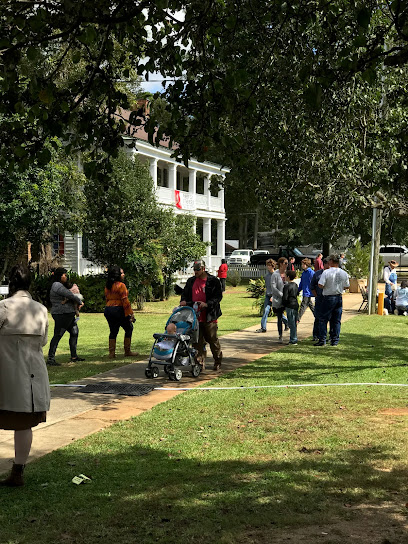
Choctaw NWR Special Opportunity Area
32.3 km
Explore Alabama's natural beauty at Choctaw NWR SOA: a 4,000-acre hunting paradise with limited-quota permits for quality primitive weapon deer hunts.
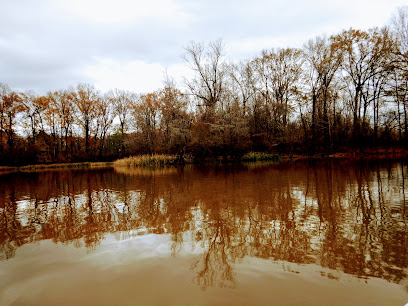
Choctaw National Wildlife Refuge Admin Building and Visitor Contact Station
34.0 km
Discover Alabama's natural beauty at Choctaw National Wildlife Refuge: a haven for birding, fishing, hunting, and wildlife observation along the Tombigbee River.

Lenoir Landing Park
35.3 km
Escape to the serene beauty of Lenoir Landing Park in Toxey, Alabama, for waterfront relaxation and outdoor adventures.
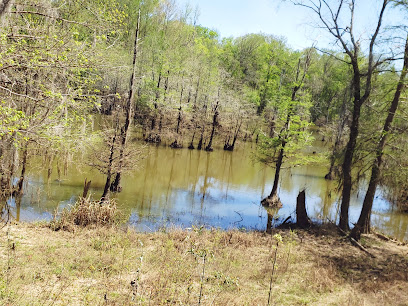
Dovetail Grove RV Park
44.7 km
Escape to Dovetail Grove RV Park in Calvert, AL, for a serene nature retreat with spacious sites and easy access to local attractions.
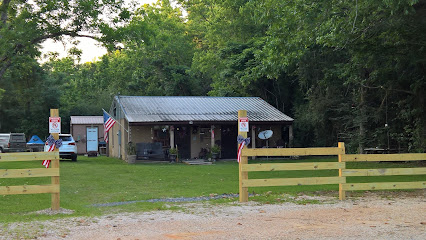
Essential places to dine

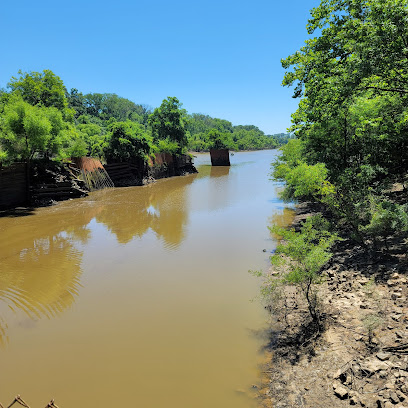
Tombigbee River
9.6 km
Explore Alabama's Tombigbee River - A Nature Lover's Paradise with Scenic Views and Outdoor Adventures Awaiting You.
Vikyna Mexican Restaurant
67.8 km
Discover the vibrant flavors of Mexico at Vikyna Mexican Restaurant in Monroeville, Alabama - where every dish tells a delicious story.
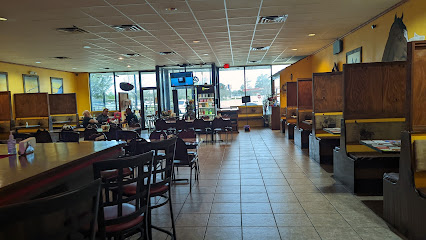
Mary's Southern Cooking
95.5 km
Discover authentic Southern soul food at Mary's Southern Cooking in Mobile, Alabama - a must-visit culinary destination for every tourist.
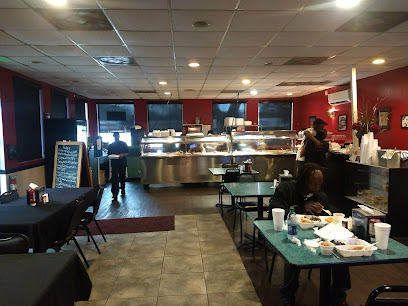
Love's Seafood
95.5 km
Experience authentic Southern seafood at Love's Seafood in Mobile, AL – where freshness meets flavor in every dish.
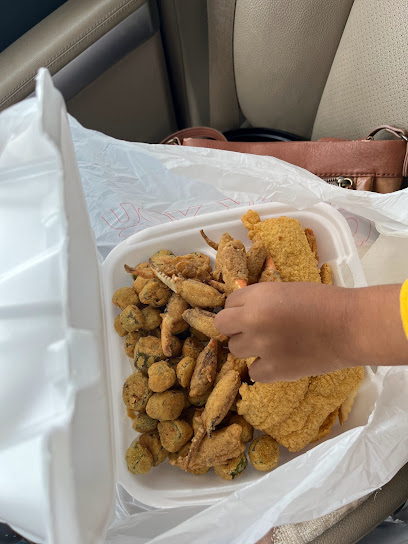
Iron Hand Brewing, LLC
95.7 km
Discover the vibrant flavors of Mobile at Iron Hand Brewing – where craft beer meets culinary creativity in an inviting brewpub atmosphere.
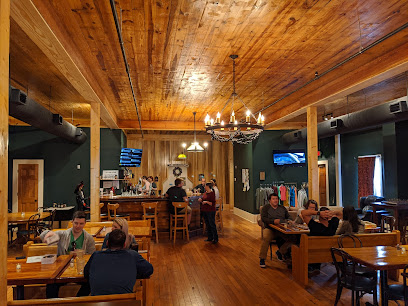
Maghees Grill On the Hill
95.7 km
Experience authentic Southern flavors at Maghees Grill On the Hill in Mobile - where great food meets warm hospitality.
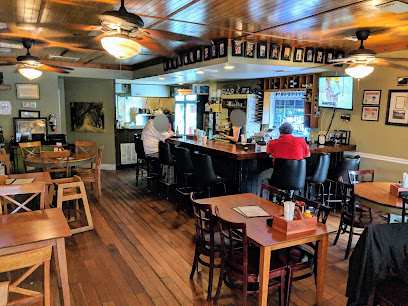
Ruby Slipper
95.9 km
Experience the best of Southern brunch at Ruby Slipper in Mobile - where classic flavors meet modern twists in a cozy atmosphere.
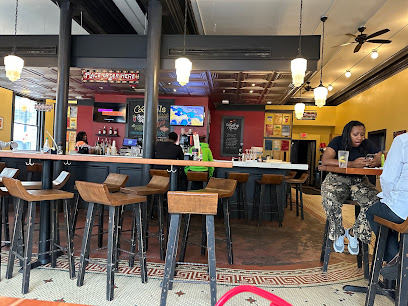
Trellis Room
96.0 km
Experience Southern hospitality at Trellis Room - Mobile's charming diner serving classic comfort food in an inviting setting.
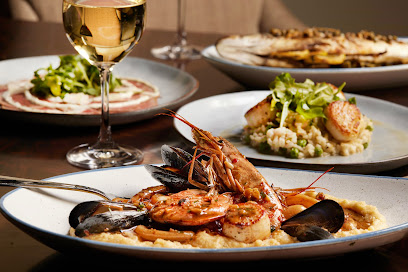
Dauphin’s Casual Fine-Dining
96.0 km
Experience the perfect blend of seafood and steak at Dauphin's Casual Fine-Dining in Mobile, Alabama - where casual elegance meets culinary excellence.
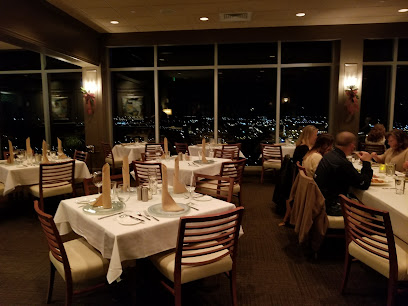
Squid Ink Eclectic Eats and Drinks
96.1 km
Discover unique flavors at Squid Ink Eclectic Eats and Drinks, Mobile's premier gastropub with friendly service and an inviting atmosphere.
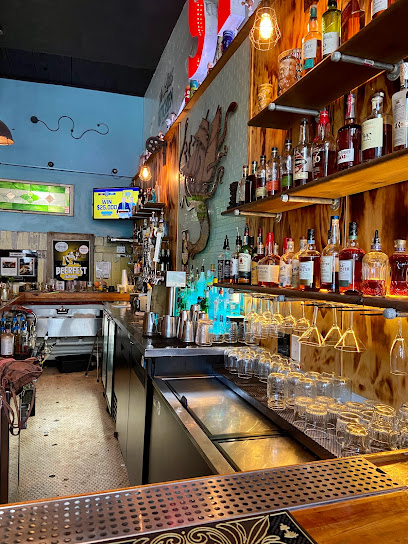
Perdido Queen Dinner Cruises and Events at Mobile, AL Waterfront
96.1 km
Savor delectable cuisine while cruising Mobile's scenic waterfront aboard the Perdido Queen Dinner Cruises - an unforgettable experience awaits!
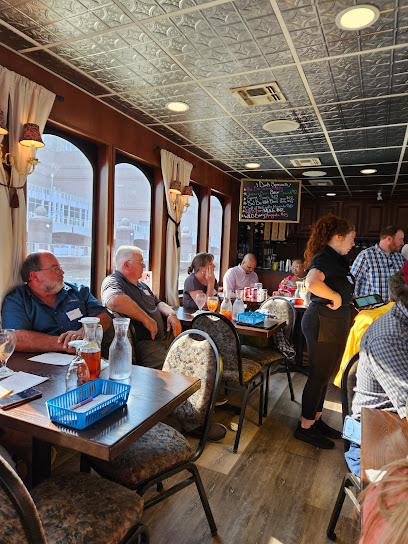
The Breakfast Spot
96.1 km
Experience breakfast bliss at The Breakfast Spot in Mobile - where every morning starts deliciously!
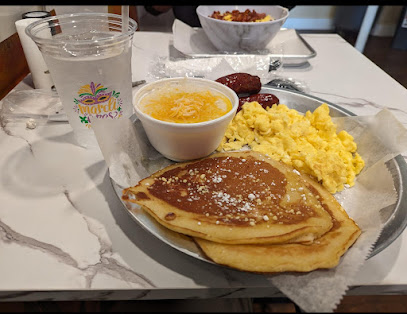
The Blind Mule
96.1 km
Discover vibrant flavors at The Blind Mule, where Southern hospitality meets innovative cuisine in Mobile's bustling dining scene.
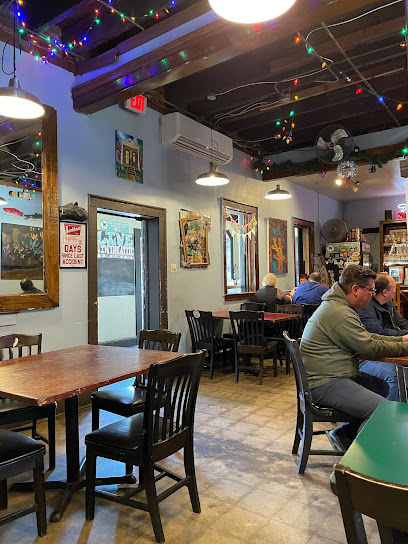
Bob's Downtown Restaurant
96.1 km
Experience Southern hospitality at Bob's Downtown Restaurant—Mobile's favorite breakfast spot serving delicious dishes in a vibrant atmosphere.
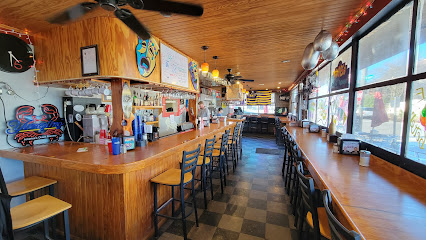
Wet Willie's
96.1 km
Experience Mobile's vibrant nightlife at Wet Willie's – where frozen drinks meet delicious bites in an energetic atmosphere.
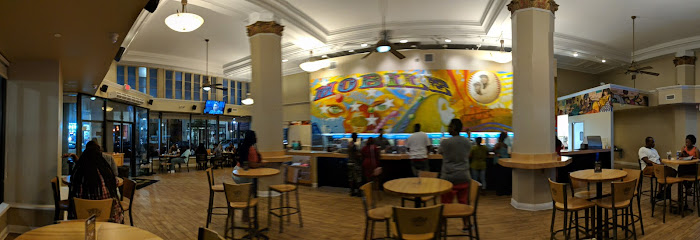
Markets, malls and hidden boutiques

St Stephens Historic Park - Camp store
0.5 km
Explore St. Stephens Historic Park Camp Store for unique gifts and local treasures amidst Alabama's scenic beauty.
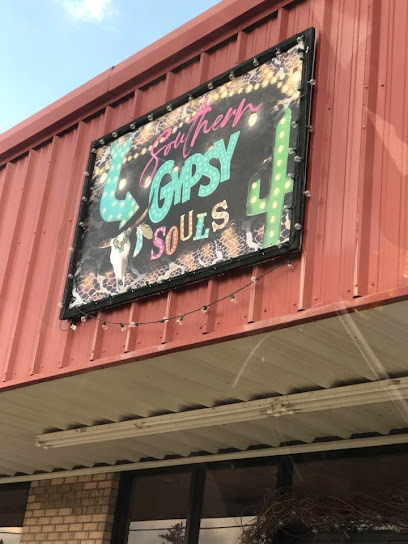
Southern Gypsy Souls
9.4 km
Explore Southern Gypsy Souls in Leroy, Alabama for a unique selection of clothing and accessories that celebrate local fashion and style.
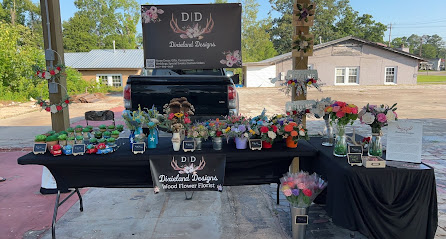
Dixieland Designs AL
10.2 km
Discover the beauty of floral artistry at Dixieland Designs, your premier florist and wedding planning destination in Jackson, Alabama.
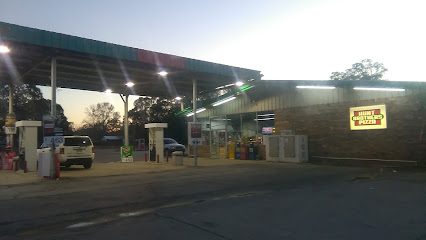
Fillin Station
12.8 km
Discover Fillin Station in Wagarville, Alabama - your go-to convenience store for fuel, snacks, and warm hospitality.
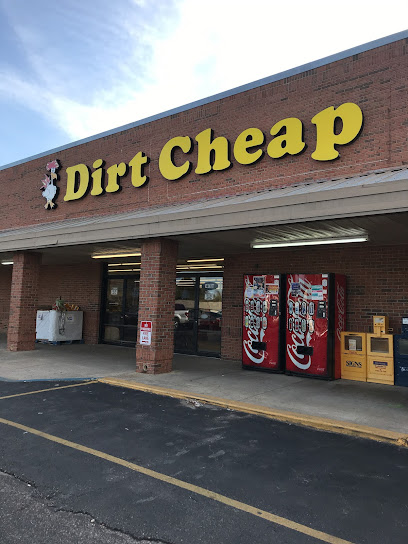
Dirt Cheap
13.9 km
Explore unbeatable bargains at Dirt Cheap in Jackson, Alabama - your one-stop discount store for incredible savings on everyday items.
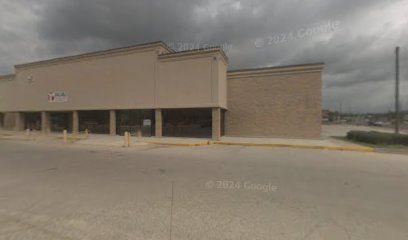
Jackson Shopping Center
13.9 km
Discover the heart of Jackson, Alabama at the Jackson Shopping Center, where shopping meets Southern charm in a friendly community atmosphere.
Crazy Deals Thrift Shop
13.9 km
Explore a treasure trove of unique finds and unbeatable bargains at Crazy Deals Thrift Shop in Jackson, Alabama, where every visit is a new adventure.
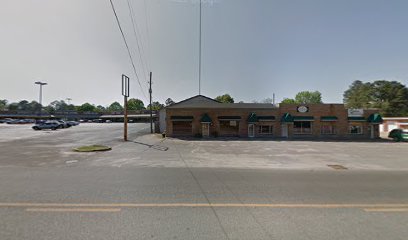
Quesha's Salon & Gifts
13.9 km
Explore the charm of Quesha's Salon & Gifts in Jackson, Alabama, a boutique offering unique gifts and relaxing salon services for every traveler.
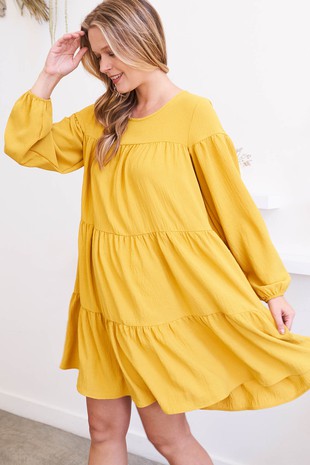
Cotton Doodles
14.0 km
Discover Cotton Doodles in Jackson, AL - a delightful children's clothing store offering stylish outfits and accessories for your little ones.
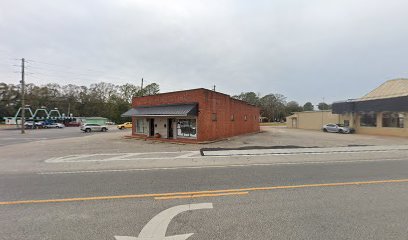
Nifty & Thrifty
14.0 km
Explore Nifty & Thrifty, a unique thrift store in Jackson, Alabama, offering treasures that tell stories while promoting sustainable shopping.
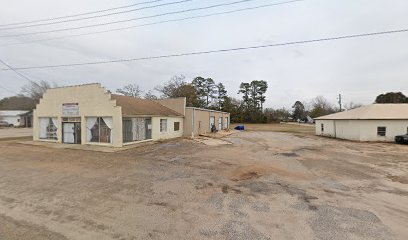
The Little Boutique LLC
14.1 km
Discover unique fashion and local artisan treasures at The Little Boutique LLC in Jackson, Alabama, your go-to stop for stylish finds.
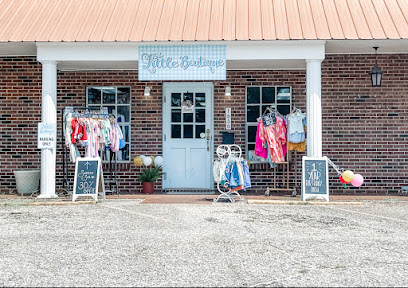
Howell Shoe's N Things
14.2 km
Explore Howell Shoe's N Things in Jackson, AL, for a stylish selection of footwear perfect for all occasions and a unique local shopping experience.
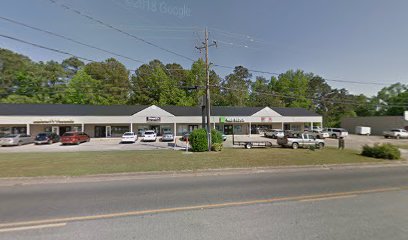
The Rusty Rose
14.2 km
Discover unique antiques and vintage treasures at The Rusty Rose in Jackson, Alabama, where every item tells a story of its own.
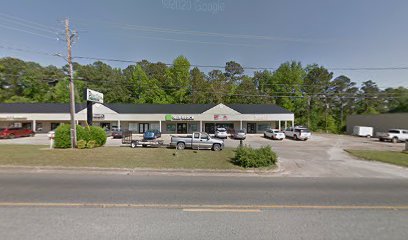
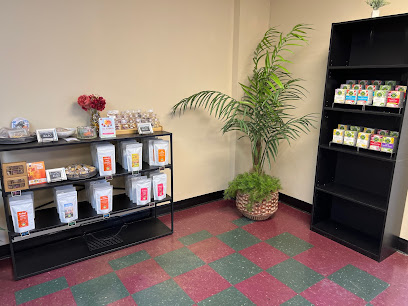
Gifts from Nature
14.2 km
Discover organic delights and handmade treasures at Gifts from Nature in Jackson, Alabama – a shopper's paradise for eco-friendly enthusiasts.
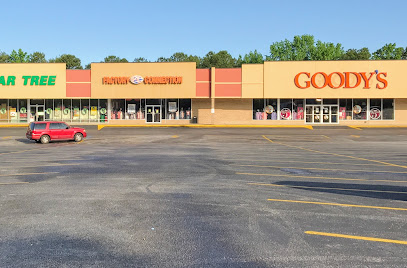
Factory Connection
14.2 km
Discover affordable fashion for the whole family at Factory Connection in Jackson, Alabama, your ultimate clothing destination.
Essential bars & hidden hideouts

Minnie Mae's
13.9 km
Experience the charm of Minnie Mae's in Jackson, AL, featuring classic burgers and shakes that celebrate American comfort food.
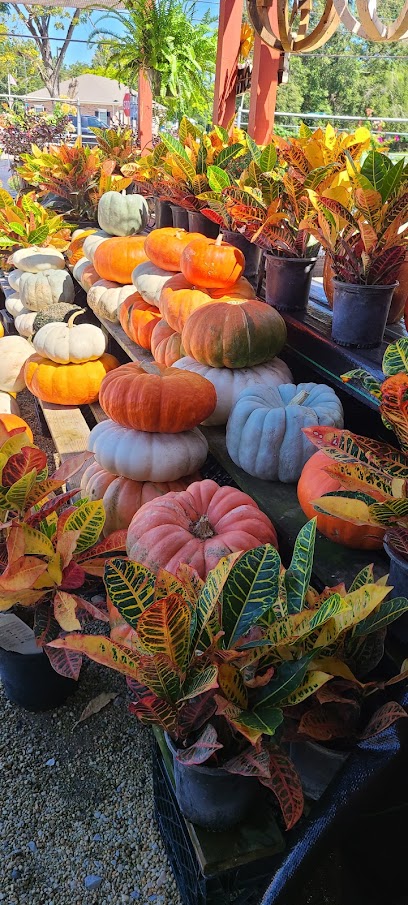
B's Burger House
13.9 km
Discover the delectable tastes of B's Burger House in Jackson, Alabama, where delicious burgers and friendly service await every visitor.
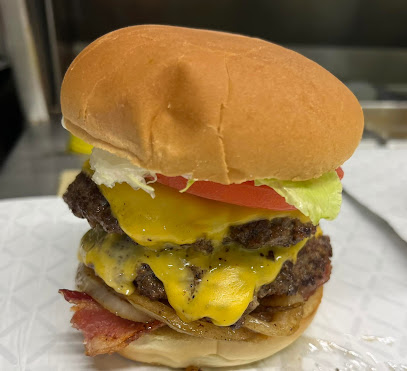
Shuckers Seafood and Oyster Bar
14.0 km
Discover the flavors of the ocean at Shuckers Seafood and Oyster Bar in Jackson, Alabama, where fresh seafood meets a lively atmosphere.
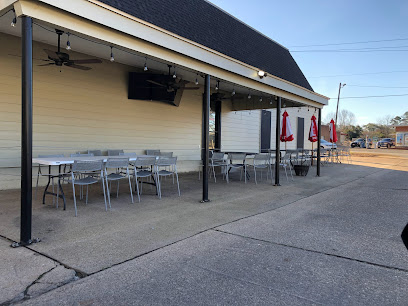
Lil' Touch Of Cajun Grill
14.5 km
Experience authentic Cajun cuisine at Lil' Touch Of Cajun Grill in Jackson, AL, where bold flavors and a warm atmosphere await every food lover.
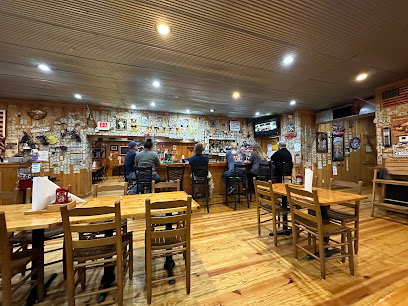
Jailhouse Pizza & BBQ
14.6 km
Experience the best of Southern dining at Jailhouse Pizza & BBQ, where delicious pizza meets smoky BBQ delicacies in a vibrant atmosphere.
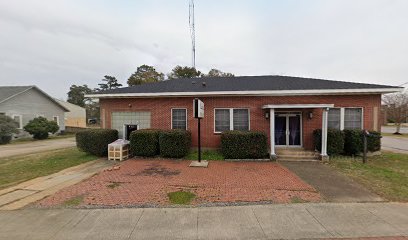
Ed's Drive-In
14.7 km
Discover Ed's Drive-In, where classic American fast food meets a nostalgic atmosphere in the heart of Jackson, Alabama.
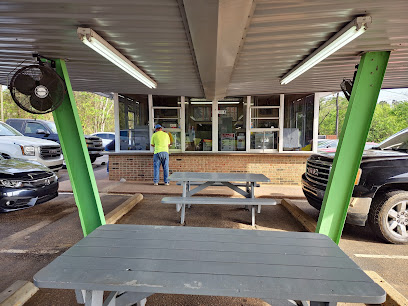
Manna Restaurant and General Store
15.1 km
Discover the flavors of Southern cuisine at Manna Restaurant and General Store, a local favorite in Jackson, Alabama, blending dining with a unique shopping experience.
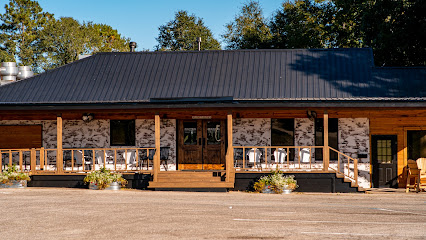
Mi Casa Mexican Restaurant
15.5 km
Experience authentic Mexican cuisine at Mi Casa Mexican Restaurant, where vibrant flavors and a welcoming atmosphere meet in Jackson, Alabama.
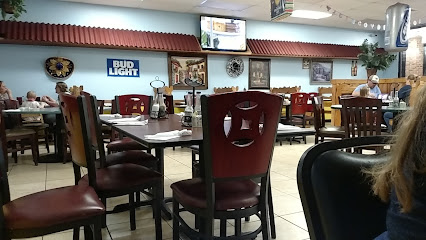
Foxy Ma's
22.5 km
Experience the heart of Southern hospitality and flavors at Foxy Ma's, a beloved American restaurant in Coffeeville, Alabama.
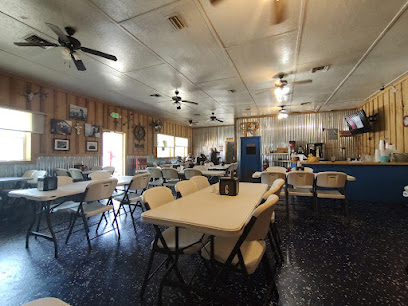
Hot Stuff Pizza
22.7 km
Discover Hot Stuff Pizza in Coffeeville, Alabama, where delicious pizza meets a warm, friendly atmosphere, perfect for travelers and locals alike.
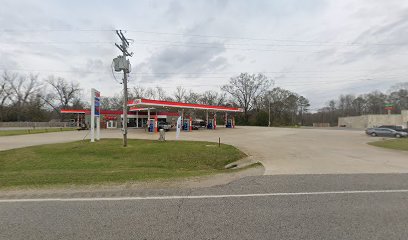
Millry Drive In
27.6 km
Discover Millry Drive In, a quintessential hamburger restaurant where delicious flavors and Southern hospitality come together for an unforgettable dining experience.
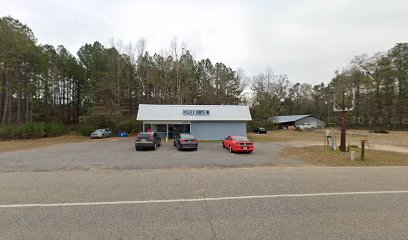
Krispy Krunchy Chicken
28.7 km
Discover the taste of authentic Southern fried chicken at Krispy Krunchy Chicken in Grove Hill, Alabama, where every bite is a crispy delight.
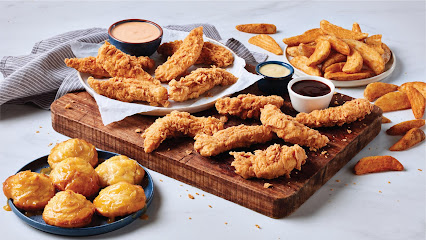
Kip's Diner
30.9 km
Experience authentic Southern cuisine at Kip's Diner in Millry, Alabama, where comfort food meets warm hospitality and local charm.
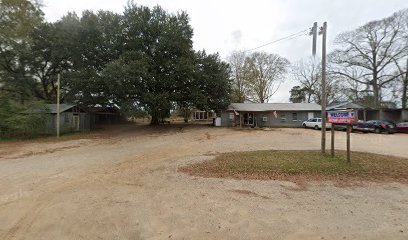
Johnson’s Sugar Shack
31.7 km
Experience the heart of Southern hospitality at Johnson’s Sugar Shack, where homemade treats and comfort food create unforgettable memories in McIntosh, Alabama.
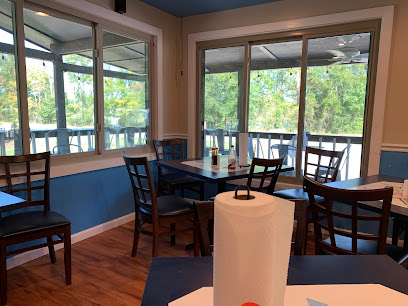
The Trap Snack Shop
34.3 km
Discover The Trap Snack Shop in McIntosh, Alabama, where delightful local flavors and a cozy atmosphere await every visitor.
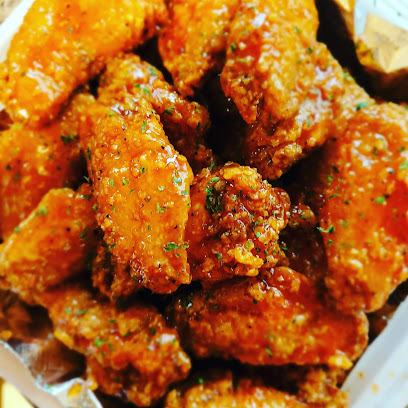
Nightclubs & after hour spots

Sea Hut Lounge
81.8 km
Experience the lively atmosphere at Sea Hut Lounge in Saraland, Alabama, where great drinks, music, and good company await you.
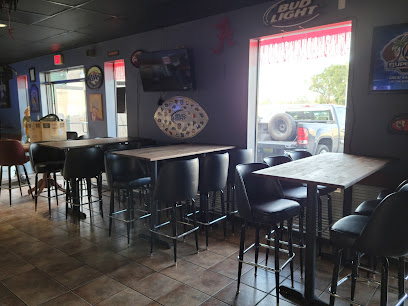
Anthony Tyrell Ramaey
94.3 km
Discover the vibrant nightlife at Anthony Tyrell Ramaey, Mobile's premier night club, where music and excitement await every visitor.
ZOU
95.5 km
Discover the electrifying atmosphere of ZOU, Mobile's premier night club, where unforgettable nights and vibrant music come together.
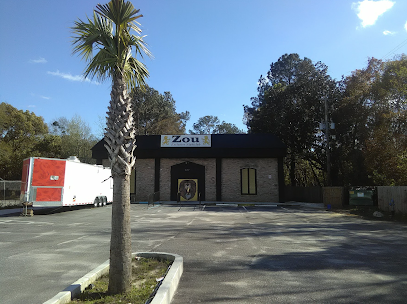
Club Elegance
95.8 km
Discover the vibrant nightlife at Club Elegance in Mobile, Alabama, where great music and a lively atmosphere await every night.
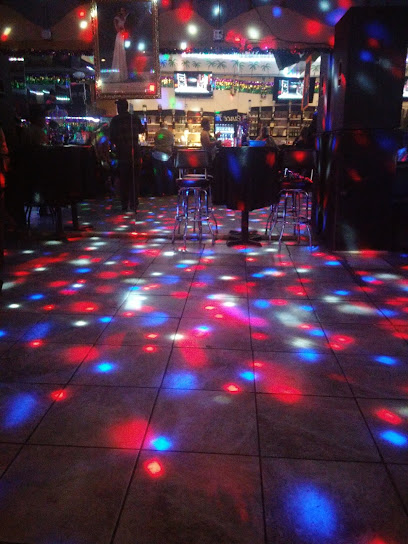
Pause Lounge and Grill
95.8 km
Discover a vibrant atmosphere at Pause Lounge and Grill in Mobile, Alabama, where delicious food and refreshing drinks await in a cozy setting.
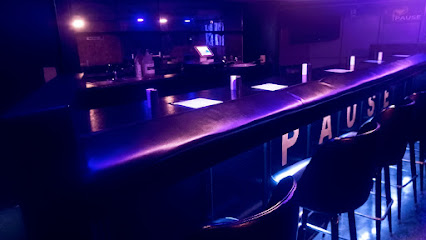
The Lady's Room & Lounge
96.0 km
Experience the vibrant nightlife of Mobile at The Lady's Room & Lounge, where chic ambiance meets lively entertainment.
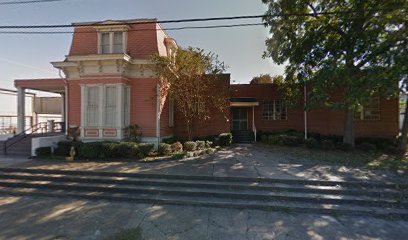
Club Love
96.2 km
Discover Mobile's nightlife at Club Love, a vibrant bar offering innovative cocktails, live music, and an electrifying atmosphere.
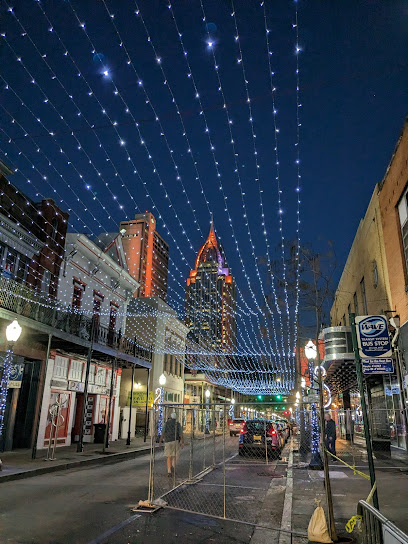
Lure
96.2 km
Explore Lure in Mobile's Central Business District for unique local finds, artisanal crafts, and a taste of the vibrant culture of Alabama.
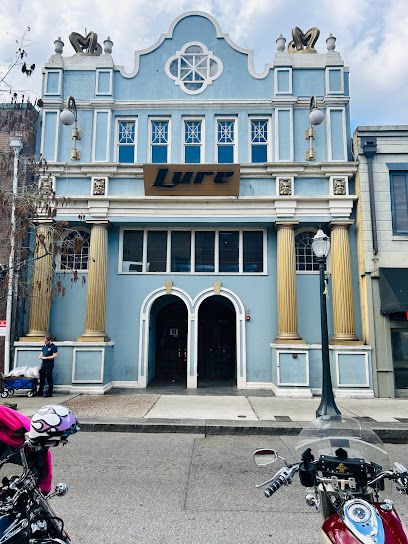
Lit Cigar Lounge
96.2 km
Discover the charm of Lit Cigar Lounge in Mobile, a perfect blend of relaxation, premium cigars, and a lively bar atmosphere.
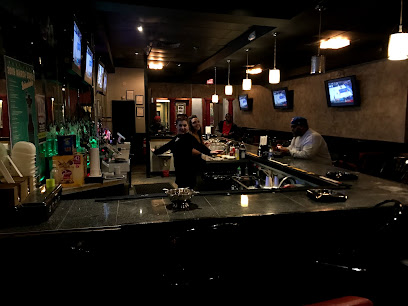
B-Bob's Downtown
96.3 km
Discover the vibrant nightlife and delicious cuisine at B-Bob's Downtown, Mobile's premier gay night club and restaurant, where fun meets flavor!
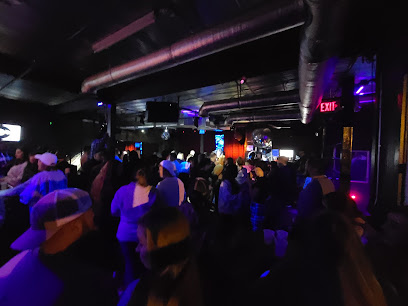
Gabriel's Downtown
96.3 km
Experience the vibrant nightlife at Gabriel's Downtown, Mobile's premier gay bar, where fun, inclusivity, and great drinks await.
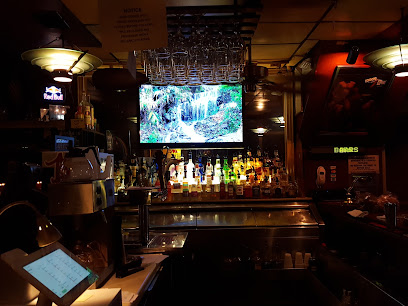
HitHouseChronicles
96.3 km
Experience the vibrant nightlife of Mobile at HitHouseChronicles, the ultimate lounge destination for cocktails and entertainment.
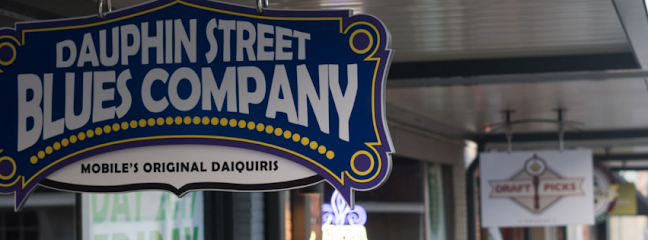
Dauphin Street Blues Company
96.4 km
Discover the heart of Mobile's music scene at Dauphin Street Blues Company, where live blues and Southern charm come together for an unforgettable night.
The Midtown Pub
97.3 km
Experience vibrant nightlife and community spirit at The Midtown Pub, Mobile's favorite bar and gay bar, offering fun events and a welcoming atmosphere.
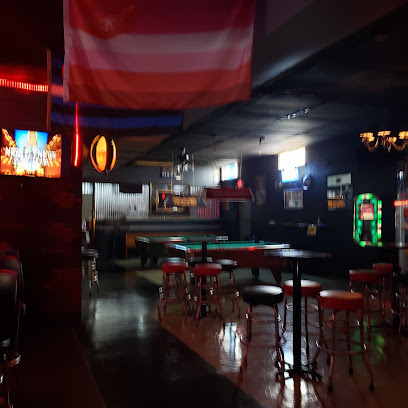
Prime Nightlife
98.6 km
Discover the excitement of Prime Nightlife in Mobile, Alabama – the ultimate destination for an electrifying night of music, dancing, and unforgettable memories.